
Luxury at home does not always depend on formal china, custom furniture, or a dining room reserved for rare occasions. More often, it shows up in the small details that make everyday living feel considered. A printed guest towel, a coordinated napkin, a seasonal paper plate, or a beautifully wrapped gift can shift a simple moment from ordinary to memorable.
That is why Caspari products continue to hold a strong place in modern entertaining. They bring together the two qualities many home shoppers want but do not always find in the same product: practical usefulness and elevated presentation. Caspari’s appeal is not built on excess. It comes from making functional paper goods, tabletop accents, stationery, and gift items feel polished enough for hosting, gifting, and seasonal styling.
The Modern Appeal of Practical Luxury
Home entertaining has changed. Formal dinner parties still exist, but many gatherings now happen around kitchen islands, coffee tables, garden lunches, casual buffets, and smaller apartment dining spaces. The home has become more flexible, and the products used in it need to work harder.
That shift helps explain why practical luxury has become so relevant. People want products that are useful, easy to manage, and visually pleasing. They are not only buying a napkin or plate because it performs a basic task. They are choosing pieces that help shape the tone of a table, a room, or a gift.
The broader tabletop market supports this movement. Grand View Research reported that the U.S. tableware market is expected to reach USD 13.3 billion by 2030, with online shoppers drawn to variety and the ability to filter by design, color, print, material, durability, and price. That detail is important because it shows that home shoppers are weighing aesthetics and performance together.
Functionality That Works for Real Homes
A luxury product loses value when it becomes too difficult to use. Caspari avoids that problem by keeping functionality at the center of the experience. Its paper napkins, plates, guest towels, gift wrap, and stationery are easy to store, easy to use, and easy to match to a specific occasion.
The usefulness is straightforward, but the finish is more refined than basic disposable goods. Caspari products solve everyday hosting problems while helping the setting feel more complete. That balance is the reason they can work in both relaxed and more formal environments.
Design That Elevates Everyday Presentation
The best functional home goods do more than perform a task. They help create atmosphere. A plain white napkin can work perfectly well, but a botanical print, classic motif, or seasonal pattern can make the same setting feel more intentional.
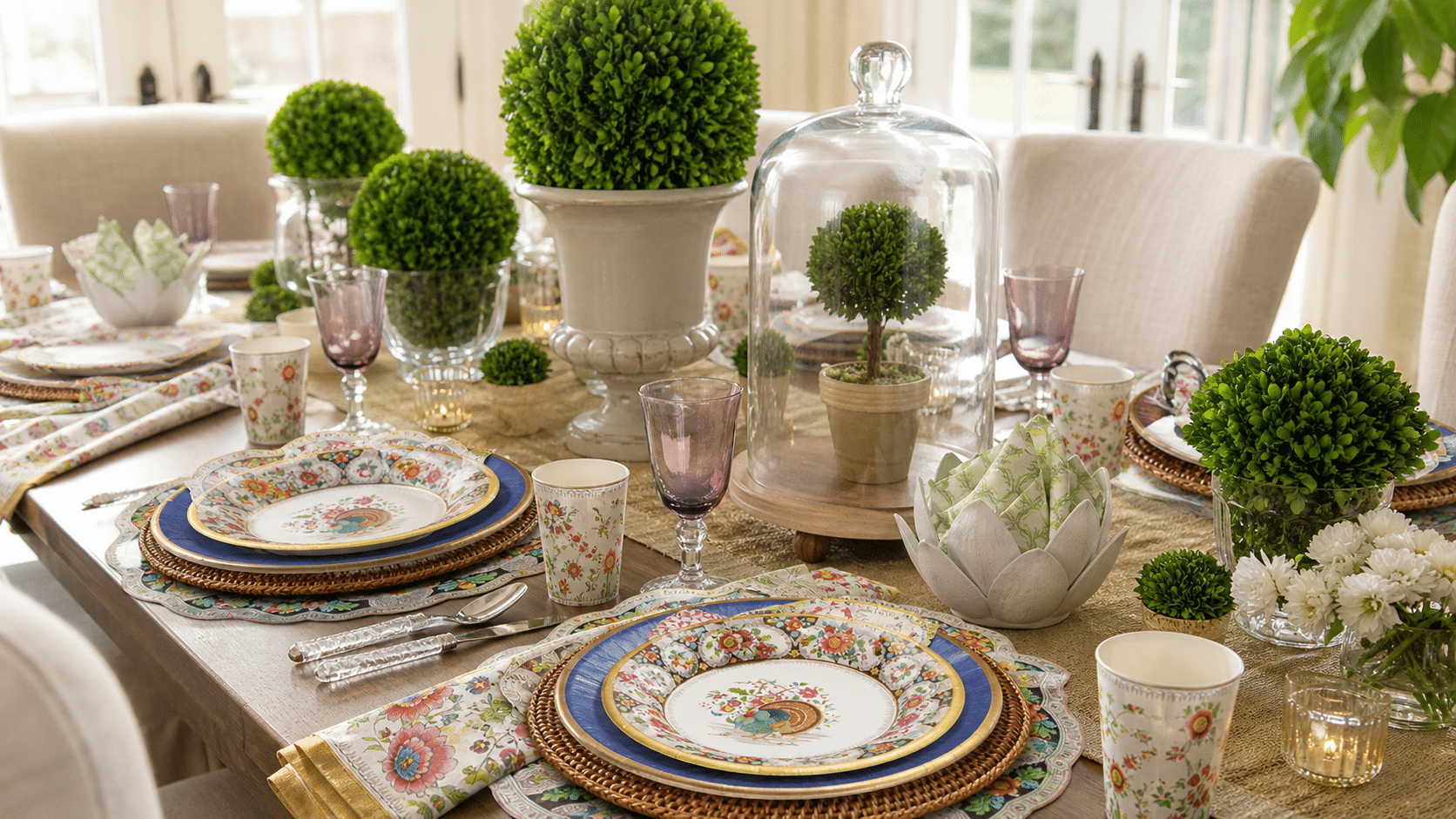
Caspari has built its identity around decorative detail. Its official product range includes tabletop items, paper napkins, paper plates, guest towel napkins, stationery, gift wrap, party goods, and home accessories, with patterns that move across classic, floral, holiday, and artist-led styles through Caspari’s collections. That range gives shoppers room to style by occasion rather than commit to one permanent look.
Design also affects how people experience a home. A printed guest towel in a powder room communicates preparation. A coordinated cocktail napkin beside glassware makes a drinks station feel finished. Patterned plates can bring life to a buffet table without requiring a full formal place setting. These are small details, but they carry visual weight.
This is where Caspari’s luxury value sits. It does not ask the host to create an elaborate tablescape from scratch. It gives the host a few polished pieces that can quickly lift the room.
Convenience Without a Careless Feel
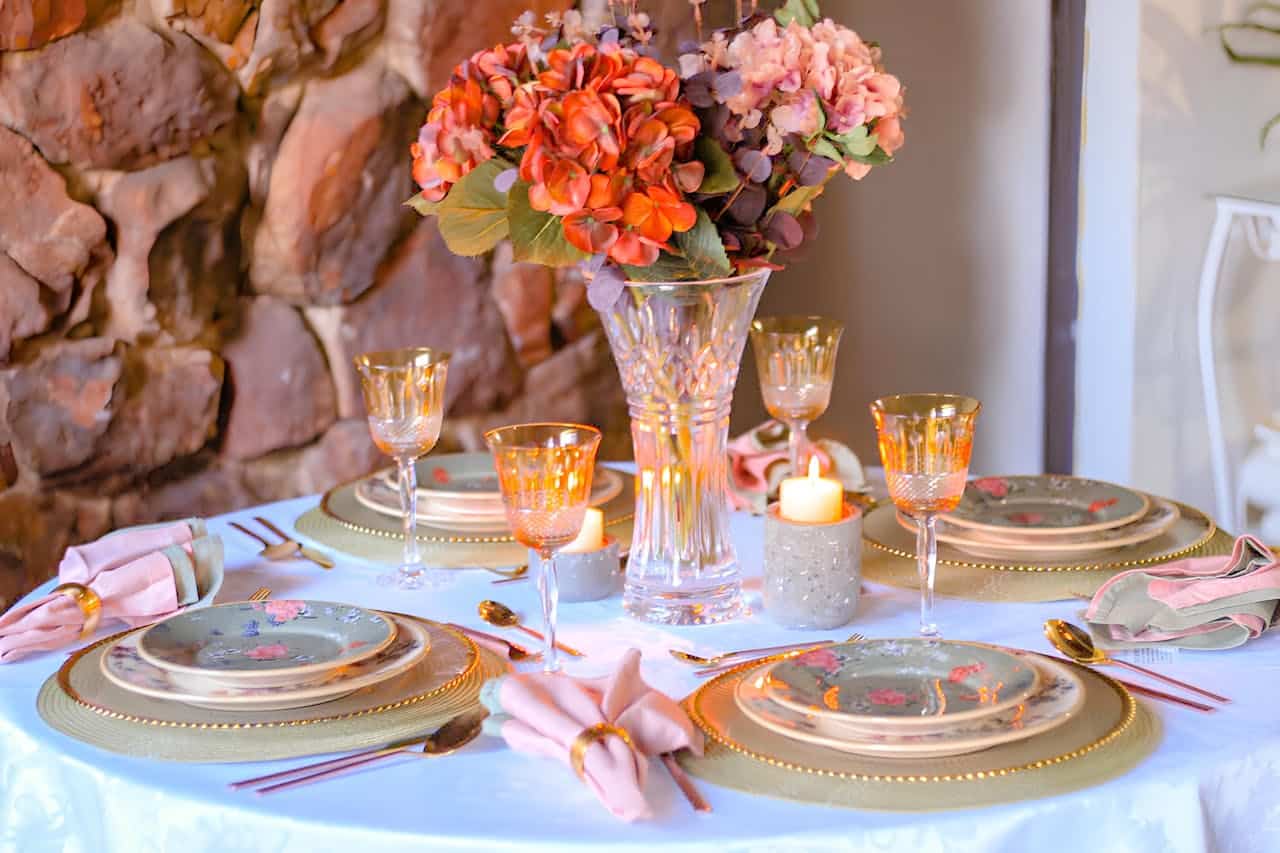
Convenience can sometimes feel cheap if the product looks rushed or purely disposable. Caspari’s strength is that it gives convenience a more elevated surface. The products are easy to use, but they do not look like an afterthought.
Forbes’ dinnerware coverage reinforces a useful tabletop principle: strong everyday pieces need to balance visual appeal, weight, durability, and design. While Caspari’s paper products occupy a different category from ceramic dinnerware, the same principle applies. The best home products should not force a choice between appearance and usability.
Caspari succeeds because it treats ease as part of the luxury experience. The host gets visual impact without making cleanup or preparation more complicated than necessary.
Better Hosting Through Smaller Details
Hospitality is often built through small signals. Guests notice when a home feels prepared. They notice when the table has rhythm, when the powder room has a fresh towel, or when a gift feels thoughtfully wrapped. None of these elements need to be extravagant. They simply need to feel considered.
This aligns with practical entertaining advice. BBC Good Food recommends prioritizing simplicity, setting the theme and tone, considering the setting, and planning around the type of gathering. That guidance applies beyond the menu. The physical details of a gathering should support the way people will actually use the space.
The products are small, but they help the host control the guest experience. That is useful luxury, not decorative clutter.
Seasonal Styling Without Permanent Commitment
Seasonality is one of Caspari’s strongest advantages. Many households want their homes to reflect holidays, celebrations, and changing seasons, but they may not want to invest in permanent tableware for every occasion.
Caspari products offer a flexible solution. A Christmas table can take on a richer look through festive napkins and plates. Spring entertaining can lean into florals or botanical patterns. A summer lunch can feel brighter through color and print. A Thanksgiving setting can feel warmer with autumnal tones and classic motifs.
This is also why Caspari works well as part of a curated home goods assortment. The products give shoppers choice, but they do not create unnecessary complexity.
Gifting as Part of the Luxury Experience
Caspari’s value extends beyond the table. Gift wrap, tissue paper, tags, bags, ribbons, and stationery all play into the same principle: presentation shapes perception.
A gift does not need to be expensive to feel meaningful. The wrapping can communicate care before the item is opened. A handwritten note can make a simple gesture feel personal. A coordinated bag and tag can make a hostess gift feel more thoughtful.
This is practical because most people need gift presentation that looks polished without requiring specialist skill. Caspari products help bridge that gap. They allow ordinary gifting moments to feel more intentional, from birthdays and holidays to thank-you gestures and dinner invitations.
Sustainability and Thoughtful Use
Paper goods should be used with intention. Convenience should not become wastefulness. The most responsible approach is to buy for the occasion, avoid unnecessary excess, and dispose of materials according to local guidance.
The U.S. Environmental Protection Agency places emphasis on reducing, reusing, recycling, and composting within its waste management hierarchy. That framework is a useful reminder for any household using disposable products, including decorative paper goods.
Caspari products are best understood as occasional functional luxury. They make sense for gatherings, guest spaces, holidays, gifting, and moments where convenience and presentation both matter. Used selectively, they can support a more polished home experience without encouraging careless overuse.
Conclusion
Caspari products combine functionality with luxury because they respect how people actually live, host, and give. They are practical enough for everyday use, polished enough for special occasions, and flexible enough to suit different rooms, seasons, and styles.
Their strength lies in small upgrades that carry real visual and social value. A napkin helps complete a table. A guest towel makes a bathroom feel prepared. A paper plate supports easier entertaining. Gift wrap turns presentation into part of the gesture.
That is the real appeal of Caspari: it makes beauty useful. In a home, that balance is often more valuable than extravagance.