
When you hear about managing sleep apnea, you probably think about masks, machines, and pressure settings. But ask any CPAP user in Auckland or Wellington what they wish someone had told them from day one, and you might hear something unexpected: “Watch when you eat dinner.”
It sounds simple, maybe even too simple. Yet across New Zealand, a growing number of sleep apnea patients are discovering that the timing of their evening meal makes a real difference in how well they tolerate Cpap machines and how rested they feel the next morning. This isn’t about complicated diets or restrictive meal plans. It’s about working with your body’s natural rhythms instead of against them.
The Connection Between Meal Timing and Sleep Quality
Research has found that dinner timing is directly associated with sleep latency, apnea-hypopnea index, and poor sleep quality in individuals with obstructive sleep apnea. When you eat late at night, your body faces competing demands: trying to digest food while also preparing for restorative sleep.
The science behind this is straightforward.
Meal intake increases body temperature, which can interfere with sleep onset and alter melatonin secretion. Since falling asleep is triggered by a reduction in body temperature, eating a heavy dinner close to bedtime can delay the natural wind-down process your body needs.
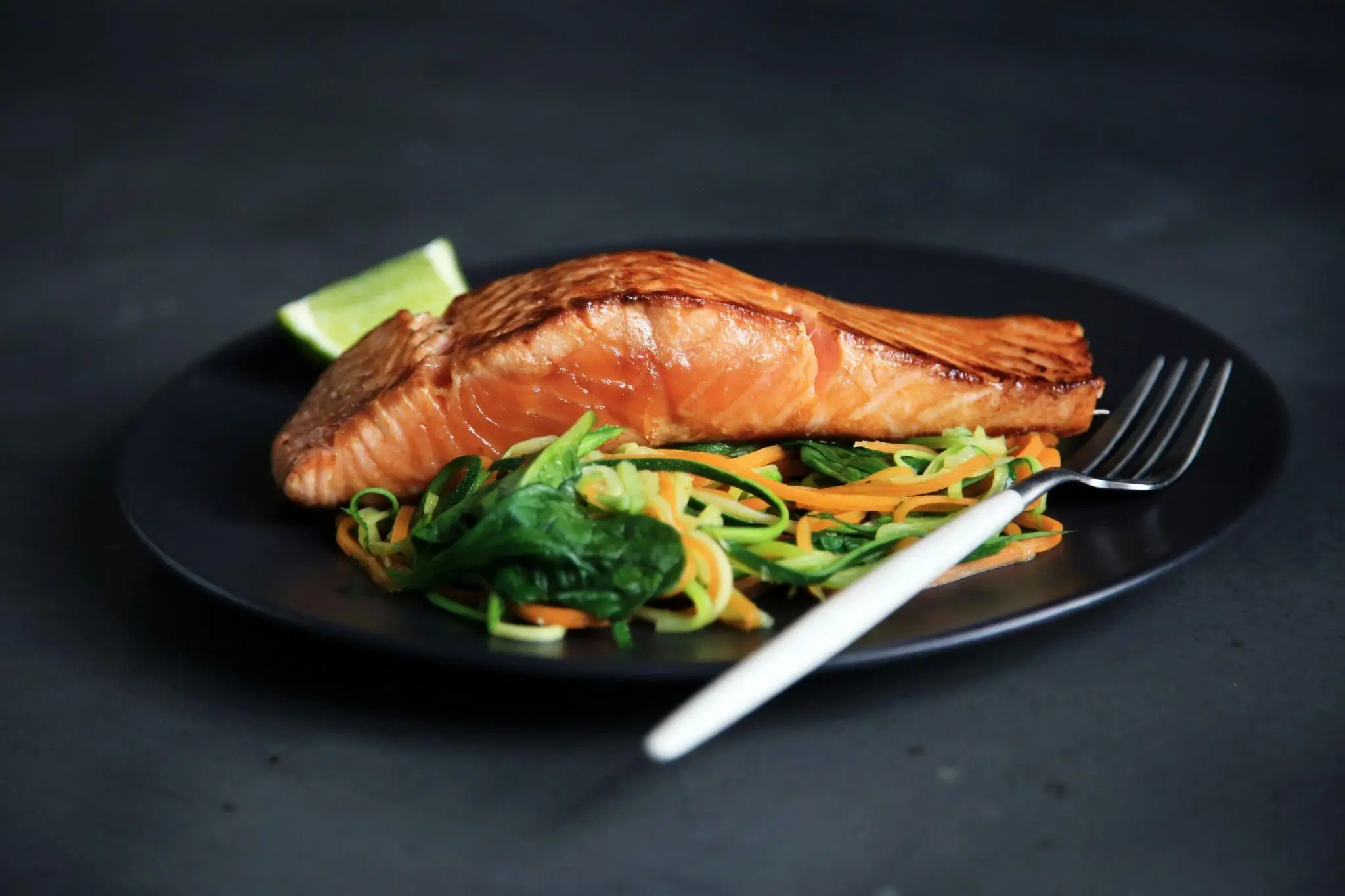
Late night meals, particularly those rich in fat and protein, take considerable time to digest, and lying down soon after eating means your body is still trying to break down the meal. For someone already managing sleep apnea, this creates additional challenges that can worsen breathing difficulties during the night.
What Happens When You Eat Too Close to Bedtime
The digestive process demands significant energy and blood flow. When you’re trying to sleep while your stomach is still hard at work, several problems can occur that directly impact sleep apnea symptoms.
Eating close to bedtime, particularly fatty or acidic foods, can trigger acid reflux, which irritates the throat and vocal cords, leading to inflammation and swelling that further narrows the airway. This inflammation makes apneas more likely and more severe throughout the night.
There’s also the issue of sleep architecture disruption.
Digestion demands energy from your body, which can interfere with the natural progression through different sleep stages, including restorative deep sleep and REM sleep, worsening sleep apnea symptoms. When sleep becomes fragmented, you wake up feeling tired no matter how many hours you spent in bed.
Just as protein chocolate pudding makes a lighter dessert choice than heavy cake, choosing when to eat your main meal matters as much as what you eat.
The Circadian Rhythm Factor
Our bodies operate on a natural 24-hour cycle known as the circadian rhythm, which dictates not only sleep-wake cycles but also digestive processes, and eating significantly outside these natural cycles can disrupt the circadian rhythm. This disruption compounds the existing challenges that sleep apnea patients already face.
Studies suggest that misaligned eating patterns, such as consuming heavy meals late at night, can disrupt your sleep cycle and lead to fragmented sleep and increased breathing interruptions. The National Heart, Lung, and Blood Institute recognizes that lifestyle factors play a crucial role in managing sleep apnea effectively.
Practical Strategies for Better Sleep
So what does this mean for your nightly routine? The recommendations are surprisingly achievable.
Experts suggest finishing your last substantial meal at least 3-4 hours before bed, giving your body ample time to digest food and allowing your system to wind down naturally, which for many people means having dinner by 6:00 PM or 7:00 PM.
Try to stop eating at least 2-3 hours before bed to give your body time to digest and reduce the chance of airway irritation. This window allows digestion to progress sufficiently before you lie down, minimizing reflux risk and reducing inflammation in the airways.
The type of meal also matters.
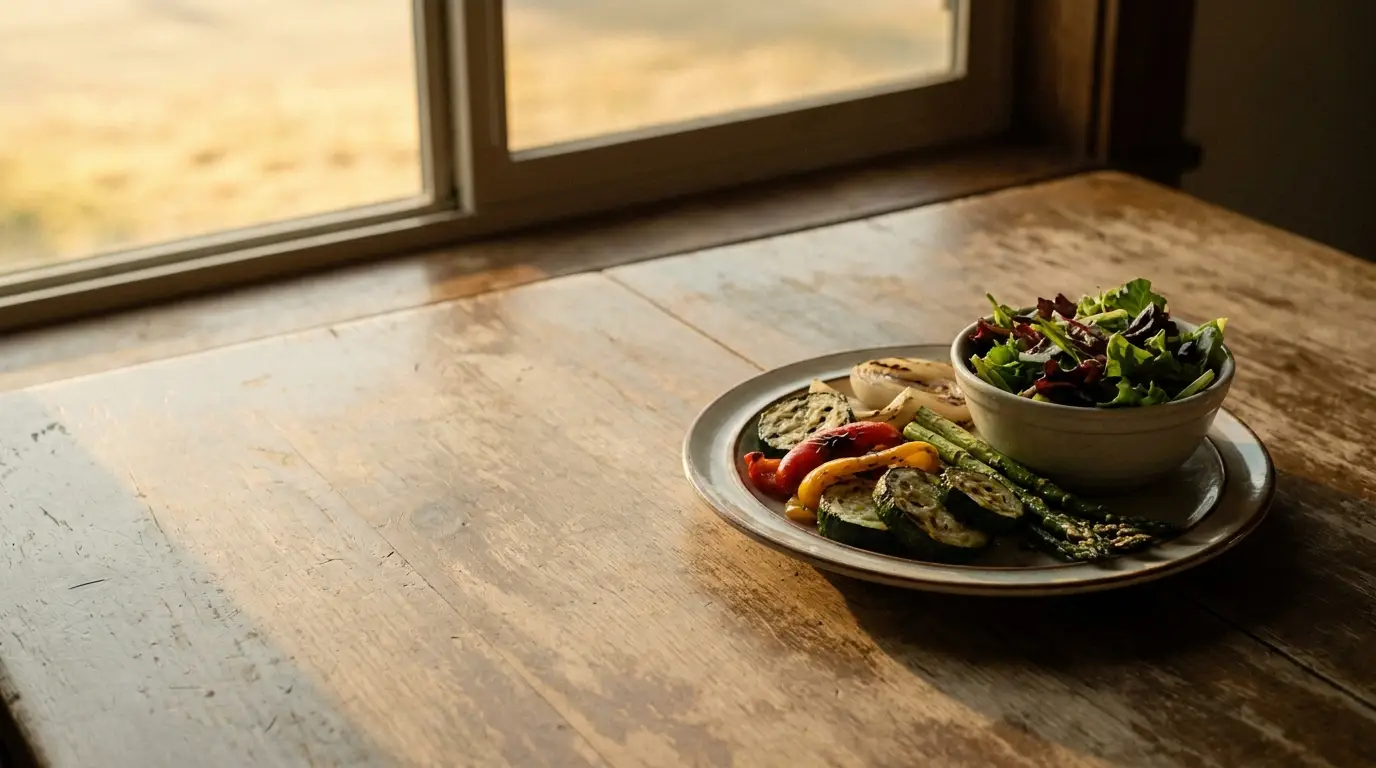
For many people, finishing meals two to three hours before bed makes a noticeable difference, and a lighter evening meal is often easier on breathing than a heavy one, especially for people already managing sleep apnea.
The New Zealand Context
While specific data on New Zealand CPAP patients and meal timing remains limited, the broader research applies universally.
New Zealand studies on sleep apnea have shown that 80.3% of patients were referred through the government-funded health system, indicating widespread recognition of the condition’s serious health impacts.
The key takeaway for Kiwi CPAP users is this: successful sleep apnea management extends beyond the machine itself. Research published in the Journal of Clinical Sleep Medicine demonstrates that behavioral modifications around meal timing can significantly impact sleep quality and apnea severity.
Making the Change Work for You
Shifting your dinner schedule earlier might feel awkward at first, especially if you’re used to eating later. Start gradually by moving dinner 15-30 minutes earlier each week until you reach that 3-4 hour window before bedtime.
When meal timing aligns properly with our natural circadian rhythms, our bodies can digest and metabolize food more efficiently, which contributes to improved overall health. This alignment becomes especially important when you’re managing a condition like sleep apnea that already disrupts normal sleep patterns.
If you do need an evening snack, choose something light and easy to digest rather than heavy, protein-rich foods that require hours of digestive effort. Think of it as supporting your body’s nighttime repair work rather than giving it more tasks to complete.
Beyond Meal Timing
While adjusting when you eat dinner can make a meaningful difference, it works best as part of a broader approach to sleep apnea management. Continue using your CPAP machine as prescribed, maintain a consistent sleep schedule, stay at a healthy weight, and avoid alcohol before bed.
The beauty of focusing on meal timing is that it’s a change most people can implement immediately without special equipment or significant expense. You’re simply reorganizing your day to work with your body’s natural preferences instead of against them.
For New Zealand’s CPAP patients who’ve made this adjustment, the results speak for themselves: better sleep quality, improved CPAP tolerance, and more energy during the day. Sometimes the most effective health strategies aren’t about adding more complexity to your life but about getting the basics right. When you eat dinner might just be one of those overlooked basics that deserves more attention.