
Pasta is a favorite comfort food for many people, but questions about its place in a healthy diet often create confusion.
Many wonder: is pasta a grain, how it is made, and whether whole-grain pasta is a better choice than regular varieties.
Since pasta is made from grains like wheat, its nutritional value largely depends on the type of grain used and how it is processed.
In this guide, you’ll learn how pasta fits into the grain food group, the differences between refined and whole-grain pasta, and what to look for when choosing healthier options.
Read on to make more informed choices for your everyday meals.
Is Pasta a Grain?
No, pasta is not a grain, but it is made from grains. Pasta is a grain-based food typically made from durum wheat.
During production, wheat is processed into semolina or flour, then mixed with water and shaped into various pasta varieties.
Since pasta comes from grains, it is included in the grain food group. However, not all pasta provides the same nutrition.
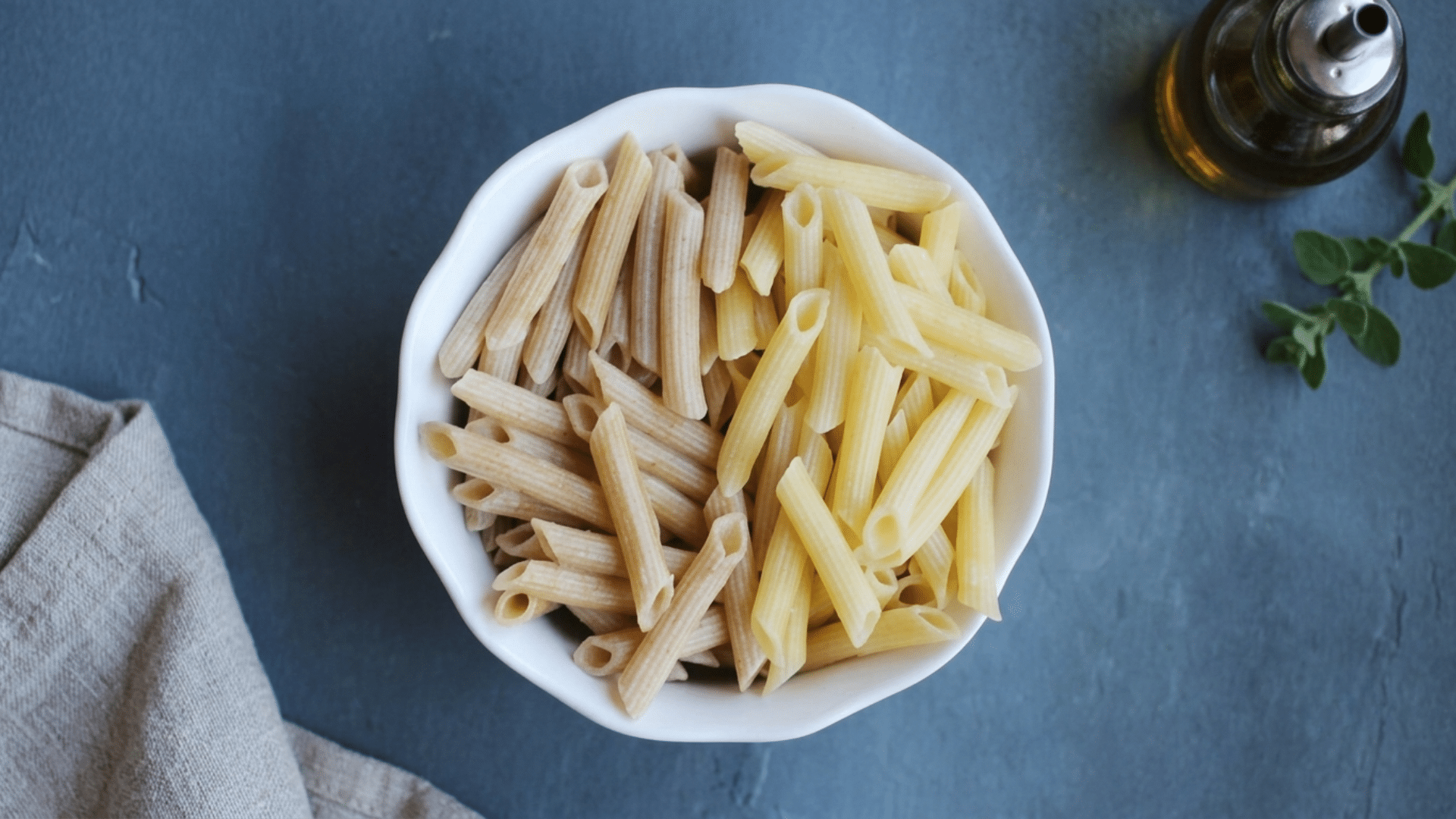
Regular pasta is usually made from refined wheat, in which the bran and germ are removed, whereas whole-grain pasta uses the entire wheat kernel and contains more fiber, vitamins, and minerals.
Choosing whole-grain options can help increase your daily whole-grain intake while still enjoying pasta as part of a balanced diet.
What Grain Is Pasta Made From?
Pasta is most commonly made from durum wheat, a hard variety of wheat grain known for its high protein content and firm texture.
During production, durum wheat is milled into semolina, which is mixed with water to create pasta dough.
This dough is then shaped into different forms, such as spaghetti, penne, and macaroni, before drying.
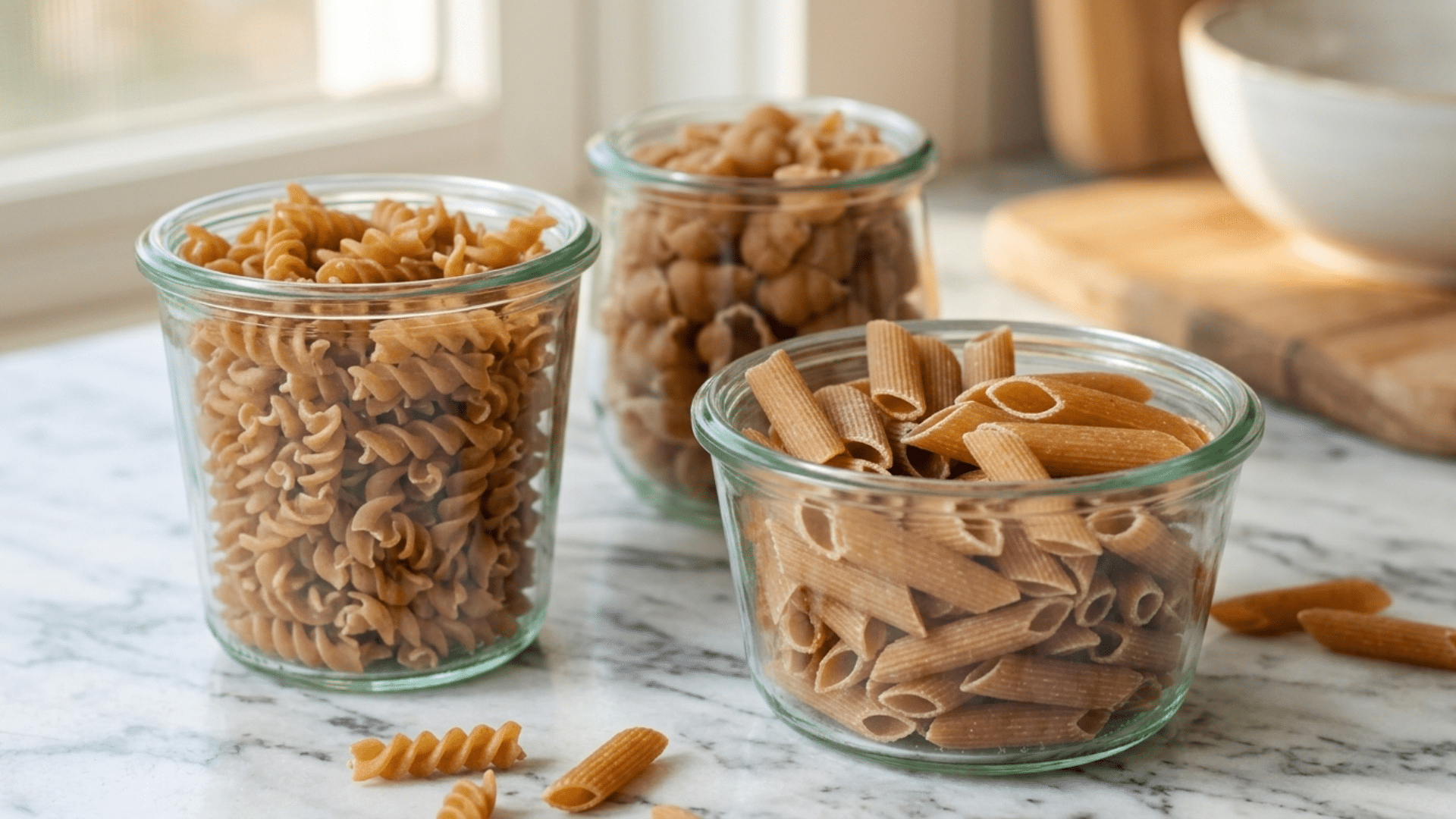
Some pasta varieties are made from other grains, including brown rice, corn, quinoa, and whole wheat, especially for gluten-free or higher-fiber options.
The type of grain used affects the pasta’s texture, flavor, and nutritional value.
Whole-grain pasta retains all parts of the wheat kernel, providing more fiber and nutrients than pasta made from refined wheat.
How Does Pasta Fit Into Basic Nutrition and Healthy Eating?
Pasta is a popular food choice, but many people are unsure how it fits into a balanced diet. Understanding its nutrients and preparation methods can help you include pasta as part of a nutritious eating pattern.
1. Pasta Provides Energy Through Carbohydrates
Pasta is mainly a carbohydrate-rich food that provides the energy needed for daily activities. Carbohydrates are converted into glucose, which helps fuel the brain, muscles, and other body functions.
The energy content can vary depending on the pasta type, portion size, and ingredients used.
Choosing whole-grain or nutrient-enriched varieties can provide additional benefits while still offering the carbohydrates needed for a balanced and active lifestyle.
2. Pasta Is Part of the Grain Food Group
Pasta is considered part of the grain food group because it is made from grains such as wheat.
Traditional pasta is usually produced from durum wheat, which is processed into semolina before being shaped into different forms.
Although pasta is not a grain itself, it is a grain-based food. Including pasta alongside other grain foods can help contribute to overall grain intake within a balanced eating pattern.
3. Whole-Grain Pasta Contains More Fiber
Whole-grain pasta contains all parts of the wheat kernel, including the bran, germ, and endosperm.
Because these parts remain intact, whole-grain pasta generally provides more fiber, vitamins, minerals, and plant compounds compared with refined pasta.
Fiber supports healthy digestion, helps increase feelings of fullness, and may support better blood sugar management. Choosing whole-grain pasta can be an easy way to add more nutrients to regular meals.
4. Pasta Nutrition Depends on Ingredients
The nutritional value of a pasta meal depends on more than the pasta itself. Ingredients such as vegetables, lean proteins, beans, seafood, and healthy fats can improve the overall nutrient profile of a dish.
Heavy sauces, large portions, or highly processed toppings may increase calorie, sodium, or saturated fat intake.
Selecting balanced ingredients allows pasta meals to provide more essential nutrients while remaining enjoyable and satisfying.
5. Pasta Can Be Included in Healthy Diets
Pasta can be part of a healthy diet when combined with nutritious foods and eaten in suitable portions. Adding vegetables, protein sources, and fiber-rich ingredients can create a more balanced meal that supports overall nutrition.
Healthy eating does not require eliminating favorite foods but focuses on variety, moderation, and better ingredient choices.
Pasta can fit into many eating patterns when prepared thoughtfully and enjoyed as part of a balanced plate.
6. Portion Size Affects Pasta Nutrition
The amount of pasta consumed plays an important role in maintaining balanced nutrition.
Larger servings can increase calorie and carbohydrate intake, while moderate portions can provide energy without exceeding daily needs.
Pairing pasta with vegetables and protein can improve fullness and create a more complete meal.
Understanding serving sizes helps people enjoy pasta while maintaining a balanced approach to carbohydrates and overall dietary goals.
7. Different Pasta Types Offer Different Benefits
Different pasta varieties offer distinct nutritional benefits depending on their ingredients. Whole-wheat pasta contains more fiber, while chickpea and lentil pasta options may offer higher protein content.
Gluten-free pasta made from grains like rice or corn can support people with specific dietary needs.
Reading nutrition labels and ingredient lists helps identify pasta products that match individual preferences, nutrition goals, and healthy eating requirements.
8. Pasta Supports Balanced Meal Choices
Pasta can be a nutritious addition to meals when combined with a variety of wholesome ingredients.
Choosing whole-grain options, adding colorful vegetables, including quality protein sources, and maintaining reasonable portions can improve the overall balance of a pasta dish.
Instead of avoiding pasta completely, focusing on preparation methods and ingredient quality allows people to enjoy this popular food while supporting healthier eating habits.
How Is Pasta Made from Grain?
Pasta begins as a grain, usually durum wheat, which goes through several steps before becoming the familiar shapes found in stores.
- Cleaning the Grain: Wheat grains are cleaned to remove dirt, debris, and unwanted materials before processing. This step helps ensure the final pasta product meets quality and safety standards.
- Milling Wheat Into Semolina: Durum wheat is ground into semolina, a coarse flour that gives pasta its firm texture. The milling process separates and prepares the grain for dough production.
- Mixing Ingredients: Semolina is combined with water to create a firm pasta dough. Some varieties may include additional ingredients such as eggs, vegetables, or alternative grains.
- Shaping the Pasta: The dough is pushed through molds or cutters to create shapes such as spaghetti, penne, and macaroni. The shape helps determine cooking time and texture.
- Drying the Pasta: Freshly shaped pasta is carefully dried to remove moisture and improve shelf life. Proper drying helps maintain quality while allowing pasta to be stored for longer periods.
- Packaging and Distribution: After drying, pasta is inspected, packaged, and prepared for delivery to stores. The finished product is then ready for consumers to cook and enjoy in various meals.
Pasta Nutrition Factsheet
Understanding pasta nutrition facts can help you make informed choices when planning balanced meals. This highlights key information about pasta ingredients, nutrients, and how different varieties compare.
| Category | Details |
|---|---|
| Main Ingredient | Most pasta is made from durum wheat, which is processed into semolina for pasta production. |
| Food Group | Pasta belongs to the grain food group because it is made from wheat or other grains. |
| Common Grain Sources | Traditional pasta uses durum wheat, while other varieties may include rice, corn, quinoa, or legumes. |
| Primary Nutrient | Pasta mainly provides carbohydrates, which supply energy for daily activities and body functions. |
| Fiber Content | Whole-grain pasta contains more fiber because it keeps the bran, germ, and endosperm. |
| Protein Content | Pasta provides moderate protein, with higher amounts found in some legume-based varieties. |
| Whole-Grain vs Refined | Whole-grain pasta retains more nutrients, while refined pasta has some of the grain removed. |
| Gluten Information | Most wheat pasta contains gluten, but gluten-free options are available from grains like rice and corn. |
Benefits of Choosing Whole-Grain Pasta
Whole-grain pasta offers nutritional advantages because it keeps all parts of the grain kernel during processing. Choosing this option can help increase fiber intake and add more nutrients to everyday meals.
- Higher Fiber Content: Whole-grain pasta contains more dietary fiber than regular pasta because it includes the bran portion of the wheat kernel. Fiber supports digestion and helps you feel fuller after meals.
- More Natural Nutrients: Since whole-grain pasta retains the germ and bran, it provides more naturally occurring vitamins, minerals, and plant compounds compared with refined pasta varieties.
- Supports Balanced Meals: Whole-grain pasta pairs well with vegetables, lean proteins, and healthy sauces, helping create meals with a better balance of carbohydrates, fiber, and essential nutrients.
- Helps Maintain Fullness: The higher fiber content in whole-grain pasta slows digestion and may help you stay satisfied longer between meals compared with lower-fiber pasta options.
- Supports Whole-Grain Intake: Including whole-grain pasta in meals can help increase overall whole-grain consumption, which is recommended as part of a balanced eating pattern.
- Provides Steady Energy: Whole-grain pasta contains complex carbohydrates that provide a reliable energy source and can support daily activities when included in appropriate portions.
How Does Whole-Grain Pasta Differ from Regular Pasta?
Whole-grain pasta and regular pasta may look similar, but they differ in how they are processed and the nutrients they provide.
| Feature | Whole-Grain Pasta | Regular Pasta |
|---|---|---|
| Main Ingredient | Made from whole wheat that includes all parts of the grain kernel | Made from refined wheat, usually using only the endosperm |
| Grain Parts Used | Contains bran, germ, and endosperm | Contains mainly the starchy endosperm |
| Fiber Content | Higher fiber content due to the presence of bran | Lower fiber content after grain refinement |
| Nutrient Value | Retains more natural vitamins, minerals, and plant compounds | Loses some nutrients during processing |
| Texture | Usually firmer with a slightly chewy texture | Softer and smoother texture |
| Flavor | Has a nuttier and stronger wheat flavor | Has a mild and neutral flavor |
| Cooking Time | May require slightly longer cooking time depending on the brand | Usually cooks faster and has a consistent texture |
| Best Choice For | People looking to increase whole-grain and fiber intake | People who prefer traditional taste and texture |
How to Identify Whole-Grain Pasta at the Store?
Choosing whole-grain pasta can be confusing because many products use similar packaging and health-focused claims.
- Check the First Ingredient: Look for “whole wheat” or “100% whole grain” listed as the first ingredient on the package. This shows that whole grains make up most of the product.
- Look for Higher Fiber: Whole-grain pasta usually contains more fiber than refined pasta. Compare nutrition labels and choose options with higher fiber per serving.
- Avoid Misleading Labels: Words like “multigrain” or “made with grains” do not always mean a product is whole grain. Always check the ingredient list for confirmation.
- Read the Ingredient List: A quality whole-grain pasta should include whole-wheat flour or whole durum wheat among the main ingredients, rather than refined flour.
- Check the Package Claims: Look for trusted labels such as “100% whole wheat” or “100% whole grain” rather than relying solely on color or marketing descriptions.
- Compare Nutrition Facts: Reviewing fiber, protein, and nutrient information can help you compare different pasta options and select one that matches your health goals.
Best Whole-Grain Pasta Brands and Product Options
Choosing the right product depends on your goals, such as increasing fiber intake, finding organic options, or selecting higher-protein alternatives.
| Brand/Product | Best For | Key Features |
|---|---|---|
| Barilla Whole Grain Pasta | Everyday healthy meals | Made with 100% whole wheat, offers a familiar pasta taste and works well with common recipes like spaghetti and penne. |
| DeLallo Organic Whole Wheat Pasta | Organic pasta lovers | Uses whole-wheat ingredients and offers traditional Italian-style pasta options with added benefits. |
| Jovial Organic Whole Wheat Pasta | Organic whole-grain diets | Made with organic whole wheat and known for maintaining good texture in classic pasta dishes. |
| Bionaturae Organic Whole Wheat Pasta | Clean ingredient choices | Offers organic whole-wheat pasta options made with simple ingredients and traditional pasta shapes. |
| 365 by Whole Foods Market Organic Whole Wheat Pasta | Budget-friendly organic options | Provides an affordable whole-grain option for shoppers seeking simple, everyday pasta. |
| Ronzoni Healthy Harvest Whole Grain Pasta | Family-friendly meals | Designed as a higher-fiber alternative to traditional pasta while keeping a familiar taste and texture. |
| Garofalo Whole Wheat Pasta | Premium pasta dishes | Combines whole-wheat ingredients with Italian pasta-making traditions for superior texture and flavor. |
| Barilla Protein+ Pasta | Higher-protein meals | Combines traditional pasta ingredients with plant-based proteins from sources like lentils and chickpeas for added protein. |
Can You Eat Pasta on a Healthy Diet?
Yes, pasta can be included in a healthy diet when chosen carefully and paired with nutritious ingredients. The overall balance of the meal, portion size, and type of pasta play a role in its nutritional value.
- Choose Whole-Grain Options: Whole-grain pasta provides more fiber and nutrients than refined pasta. It can help create a more filling and balanced meal when included regularly.
- Add Protein Sources: Pairing pasta with chicken, fish, eggs, beans, tofu, or legumes adds protein to support muscle health and enhance meal satisfaction.
- Include Vegetables: Adding vegetables such as spinach, tomatoes, peppers, or broccoli increases vitamins, minerals, and fiber while making pasta meals more nutrient-rich.
- Control Portion Sizes: Eating reasonable portions helps balance calorie and carbohydrate intake. Combining pasta with other food groups can create a satisfying meal without excessive portions.
- Choose Healthier Sauces: Homemade tomato-based sauces, vegetable sauces, or lighter options can provide more nutrients than heavy sauces high in calories and saturated fat.
- Focus on Overall Diet Quality: Pasta can fit into healthy eating patterns when combined with a variety of wholesome foods. The complete meal matters more than avoiding pasta completely.
Conclusion
Pasta is not technically a grain, but it is a grain-based food made from ingredients like durum wheat.
Understanding the difference between refined and whole-grain pasta can help you make better choices based on your nutrition needs and eating habits.
Whole-grain pasta provides more fiber and nutrients because it contains all parts of the grain kernel, while regular pasta offers a familiar taste and texture.
Both options can fit into a balanced diet when paired with nutritious ingredients and appropriate portions.
Making informed choices about pasta allows you to enjoy this popular food while supporting overall healthy eating goals. Choose options that best match your dietary preferences and lifestyle.
Frequently Asked Questions
What Are 5 Grains to Avoid?
Some refined grains to limit include white rice, white flour, refined wheat products, sugary cereals, and processed grain snacks, as they have lower fiber and nutrient content.
Can Pasta Be Healthy?
Yes, pasta can be healthy when choosing whole-grain varieties, controlling portions, and pairing it with vegetables, lean proteins, and nutrient-rich sauces for a balanced meal.
What Is the Unhealthiest Grain?
The unhealthiest grains are usually refined grains, such as white flour and highly processed cereals, because they contain less fiber and fewer nutrients than whole-grain options.