

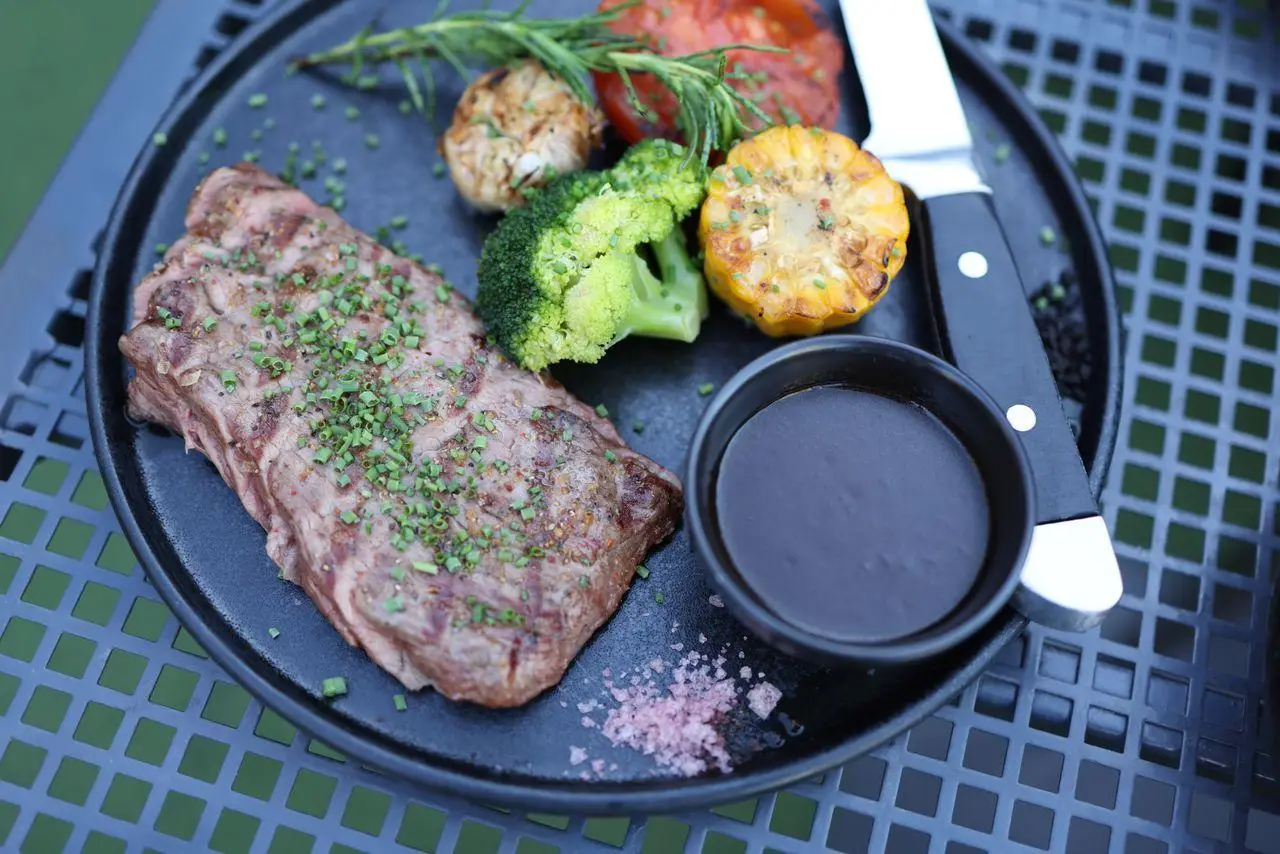
A good steak does not need much to taste great, but that also means small mistakes can stand out quickly. Start with a decent cut, season it well, give it enough heat, and dinner can come together without much fuss. Rush the process, though, and even an expensive steak can end up gray on the outside, cold in the middle, or dry by the time it reaches the plate.
Most steak problems come from a handful of habits that are easy to fix once you know what to look for. Cooking a damp steak, relying too heavily on timing, treating every cut the same, constantly moving the meat, or slicing too soon can all affect the final result. A little more attention to heat, thickness, and internal temperature makes steak much easier to cook consistently.
1. Cooking the Steak While the Surface Is Still Wet
A damp steak has a harder time developing the crust most people want. Moisture on the surface has to evaporate before browning can really begin, so a wet steak can spend too much time steaming instead of searing.
Pat the meat dry with paper towels before seasoning and cooking. If you salt the steak ahead of time, give the salt enough time to work so the surface is not still covered in moisture when the meat goes into the pan.
The pan should also be fully heated before the steak goes in. You want to hear a strong sizzle almost immediately. If the pan is only warm, the steak is more likely to cook slowly on the outside instead of developing good color.
2. Using Time Alone to Judge Doneness
Recipes often give cooking times by the minute, but steak does not always follow a fixed schedule. Thickness, starting temperature, cut, fat content, pan material, and burner strength can all change how quickly the center cooks, so two steaks that look similar can reach the same level of doneness at different times.
Timing is useful as a rough guide, especially if you cook the same cut regularly, but it works better when paired with an internal temperature check. A meat thermometer gives you a much clearer picture of what is happening inside the steak and helps take some of the guesswork out of the process.
Experienced cooks also learn to judge firmness by touch. A steak becomes firmer as it cooks, so pressing the center gently can give you another clue, although that skill takes repetition to develop and is less precise than checking the temperature. For home cooks who want to build those kinds of practical kitchen instincts, Jackson Laurie also covers cooking techniques that focus on understanding what is happening to food while it cooks rather than simply following a timer.
3. Treating Every Steak the Same
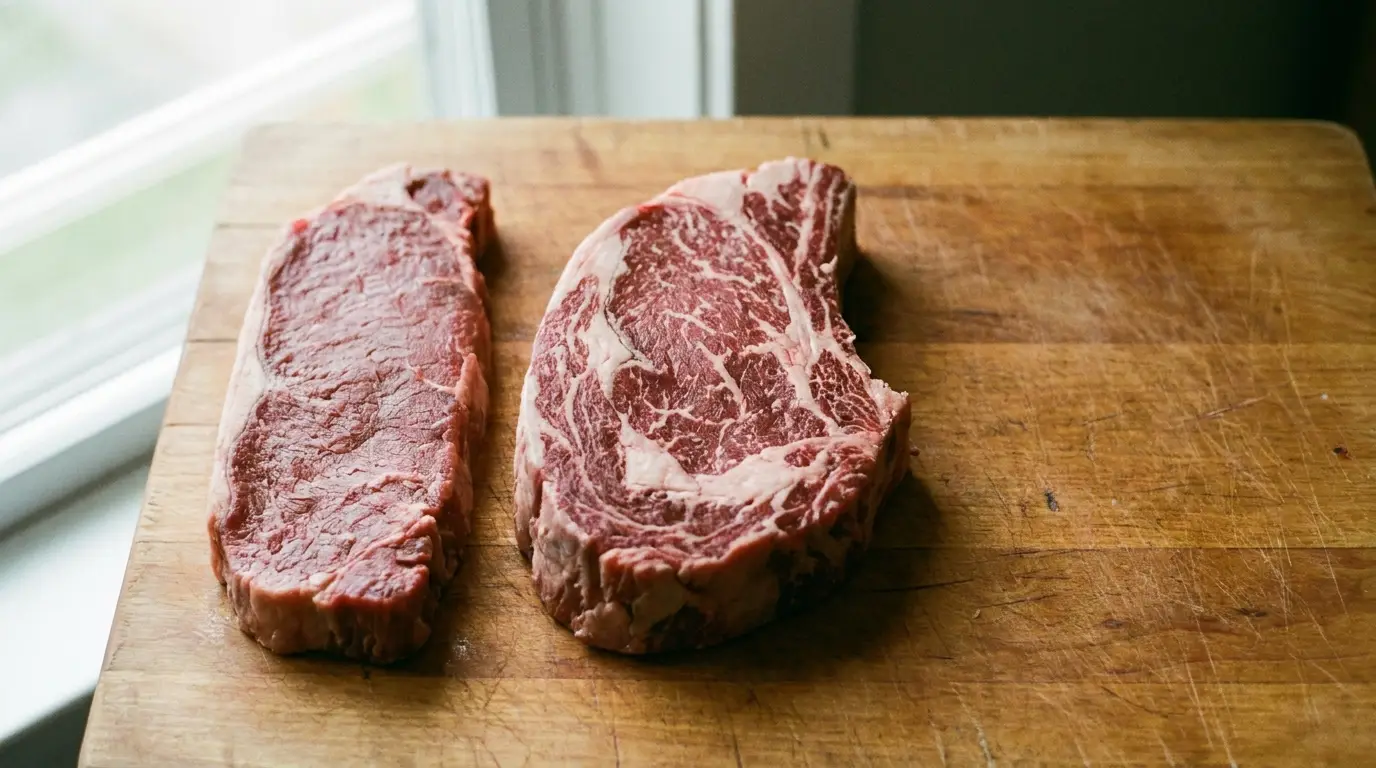
A thin sirloin and a thick ribeye can behave very differently in the same pan. Thin steaks cook from edge to center so quickly that they can overshoot medium-rare before the crust has fully developed, while thicker cuts usually give you more room to sear first and then finish more gently.
A heavily marbled ribeye also cooks differently from a lean filet or strip because more fat is rendering as it heats. Before you start, look at both the thickness and the cut rather than assuming every steak should get the same treatment. If you are cooking several at once, choosing pieces of similar thickness makes the timing much easier to manage. If one is clearly thinner, pull it earlier instead of leaving everything in the pan for the same amount of time.
4. Moving the Steak Around Without Watching the Crust
There is no shortage of opinions about flipping steak. Some cooks leave it alone for longer stretches, while others flip more often to encourage even cooking. Both methods can work, but constant movement for no real reason makes it harder to build a good crust.
What matters is giving the surface enough uninterrupted time against the hot pan to brown properly. Lifting and shifting the steak every few seconds can slow that process, especially once the pan starts losing heat. Give it time to develop color, then turn it when you actually have a reason to.
Pressing down on the steak repeatedly with a spatula does not help much either. Unless you are trying to improve contact with the pan for a specific reason, it usually just adds unnecessary handling.
5. Cutting Into the Steak as Soon as It Leaves the Pan
The urge to check the center is understandable, especially when you are still learning, but slicing into a steak the second it leaves the heat is usually too soon.
The meat continues warming slightly after cooking, and a short rest gives that carryover heat time to settle. It also gives you a better chance of serving the steak at the texture and temperature you actually wanted instead of cutting into it while everything is still moving fast.
If you are practicing, cutting into a steak once in a while can be useful because it lets you compare color with the temperature and firmness you noticed beforehand.
Over time, a thermometer gives you that information more cleanly without opening up the center every few minutes.
What Does Steak Doneness Actually Look Like?
Rare, medium-rare, medium, and well-done are useful labels, but color alone is not always reliable. Lighting, the cut of meat, aging, and cooking method can all change how the center looks.
Temperature is a more consistent reference point. The USDA recommends cooking beef steaks to a minimum internal temperature of 145°F (63°C) followed by at least a three-minute rest for food safety. Some people prefer steak below that temperature, but that comes with a different level of food-safety risk.
Extra care is especially important when cooking for children, older adults, pregnant people, or anyone with a weakened immune system.
Small Habits Make Steak Easier to Repeat
Consistency gets much easier when you pay attention to the same few variables each time you cook. Buy steaks of similar thickness when cooking for a group, use the same pan often enough to learn how quickly it heats, and notice how long the steak takes to brown before you flip it.
It can also help to keep a quick note after dinner if you are trying to improve. Write down the cut, thickness, pan, cooking time, internal temperature, and whether you liked the result. After a few tries, you start to recognize patterns without having to think about them so deliberately.
The goal is not to turn dinner into a science experiment. It is simply to give yourself enough information to understand why one steak came out better than another.
Better Steak Comes From Paying Attention
There is no single trick that guarantees a perfect steak. What helps most is understanding the small decisions that add up: drying the surface well, using enough heat, adjusting for thickness, checking temperature instead of trusting the clock, and giving the meat time to rest before slicing.
As you cook more often, you start picking up on other signals too. The sound changes, the crust develops differently, and the steak feels firmer under light pressure. Those cues become more useful with experience, especially when they support reliable techniques rather than replace them.
That’s when steak stops feeling like a gamble and starts feeling repeatable.
Frequently Asked Questions
Should You Use a Meat Thermometer for Steak?
A meat thermometer is one of the most reliable ways to check internal temperature and reduce guesswork. Touch, timing, and appearance can still be useful, especially once you have more experience.
Why Is My Steak Brown Outside but Raw in the Middle?
The steak may be too thick for the amount of direct heat being used, or the pan may be cooking the exterior much faster than the center. Thick steaks often do better with a combination of searing and gentler heat.
Should You Let Steak Rest After Cooking?
Yes. Resting gives the temperature time to settle before slicing, although the exact amount of time depends on the size and thickness of the steak.
Can You Tell Steak Doneness by Touch?
You can use firmness as a general clue, but it is less precise than checking the internal temperature. The feel of a steak also changes depending on the cut and thickness.
Why Isn’t My Steak Getting a Good Crust?
Too much surface moisture, a pan that is not hot enough, or overcrowding can interfere with browning. Pat the steak dry and make sure the cooking surface is properly heated before adding the meat.