
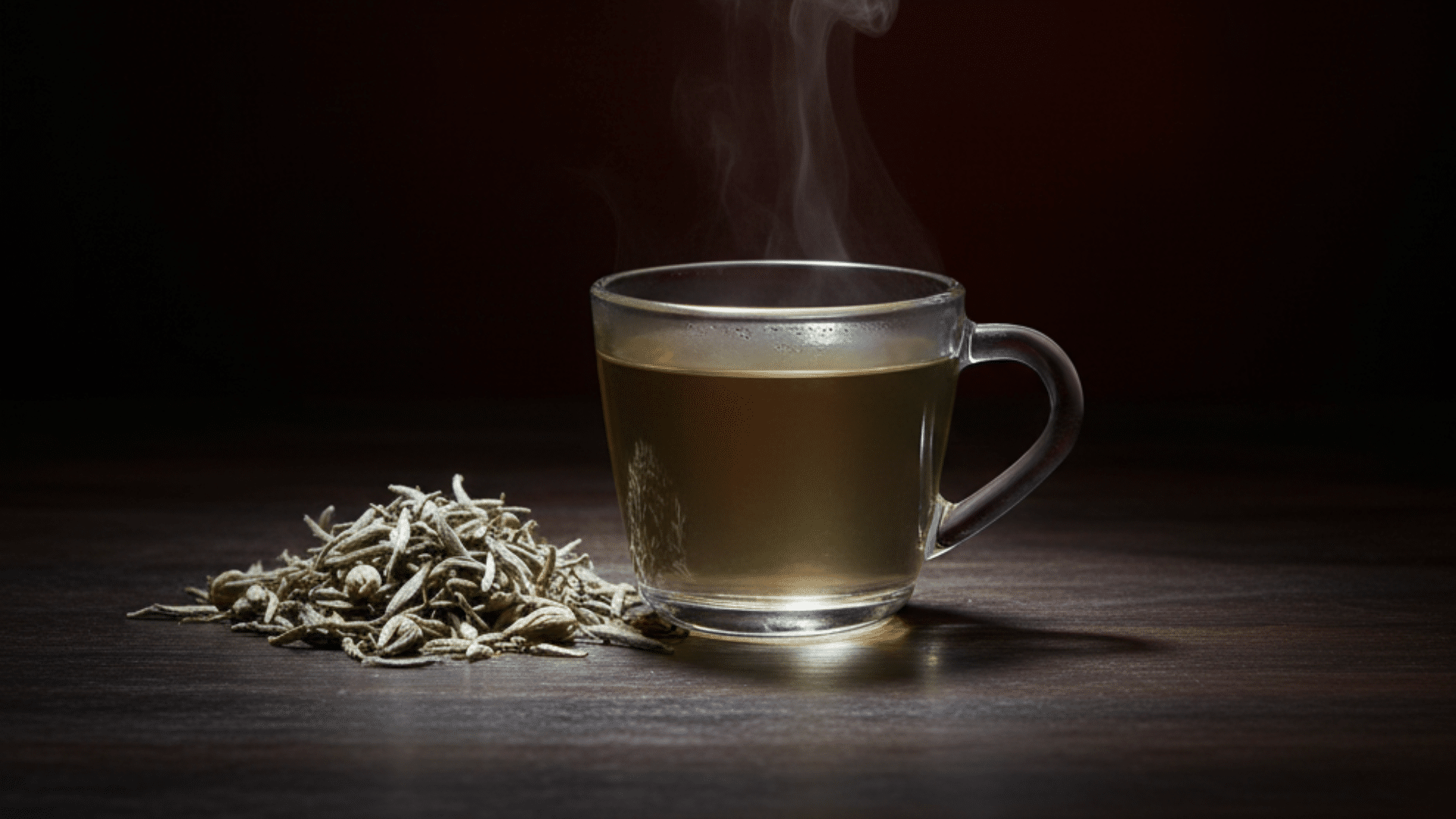
I used to think white tea was almost caffeine-free because it tastes light and gentle.
You might have heard the same thing, only to feel unsure after seeing completely different numbers online. That confusion usually comes from how white tea is grown and brewed, not from the tea itself.
Understanding white tea caffeine content helps you decide when to drink it, how to brew it, and how it fits into your daily routine. Small details like leaf type, water heat, and steep time make a real difference.
I’ll walk you through clear ranges, simple comparisons, and practical brewing choices, so things feel less unclear by the end and easier to manage as you keep reading.
Does White Tea Contain Caffeine?
Yes, white tea contains caffeine. This happens because white tea comes from the Camellia sinensis plant. All teas made from this plant naturally include caffeine, even lighter styles like white tea.
On average, an 8-ounce cup of white tea contains about 6 to 75 milligrams of caffeine. This wide range often causes confusion. The amount is not fixed because several factors change how much caffeine ends up in your cup.
The type of white tea matters. Teas made mostly from young buds usually contain more caffeine than those made from mature leaves. You’ll notice the same buds-versus-leaves pattern in richer oolong blends, where processing and leaf selection push the numbers up or down in similar ways.
Brewing also plays a role. Hotter water, longer steeping time, and using more tea leaves all increase caffeine levels. Because of this, one cup of white tea can feel very different from another.
How Much Caffeine Is in White Tea Compared to Other Drinks
Understanding how caffeine varies across common beverages helps you see where white tea fits into your daily routine. This comparison provides a clear, practical reference for easily managing overall caffeine intake.
| Drink (8 oz / 240 ml) | Typical caffeine range (mg) |
|---|---|
| White tea | 6–75 |
| Green tea | 20–45 |
| Oolong tea | 30–60 |
| Black tea | 40–70 |
| Coffee (brewed) | 95–200 |
| Herbal tea (not true tea) | 0 |
This table shows that white tea generally contains the lowest caffeine among traditional teas. Spiced options such as warming chai blends sit much higher on this scale, since they usually start from a black tea base before spices are added. Even so, brewing strength and leaf type can still significantly affect these numbers in real-world situations.
Factors That Affect White Tea Caffeine Content
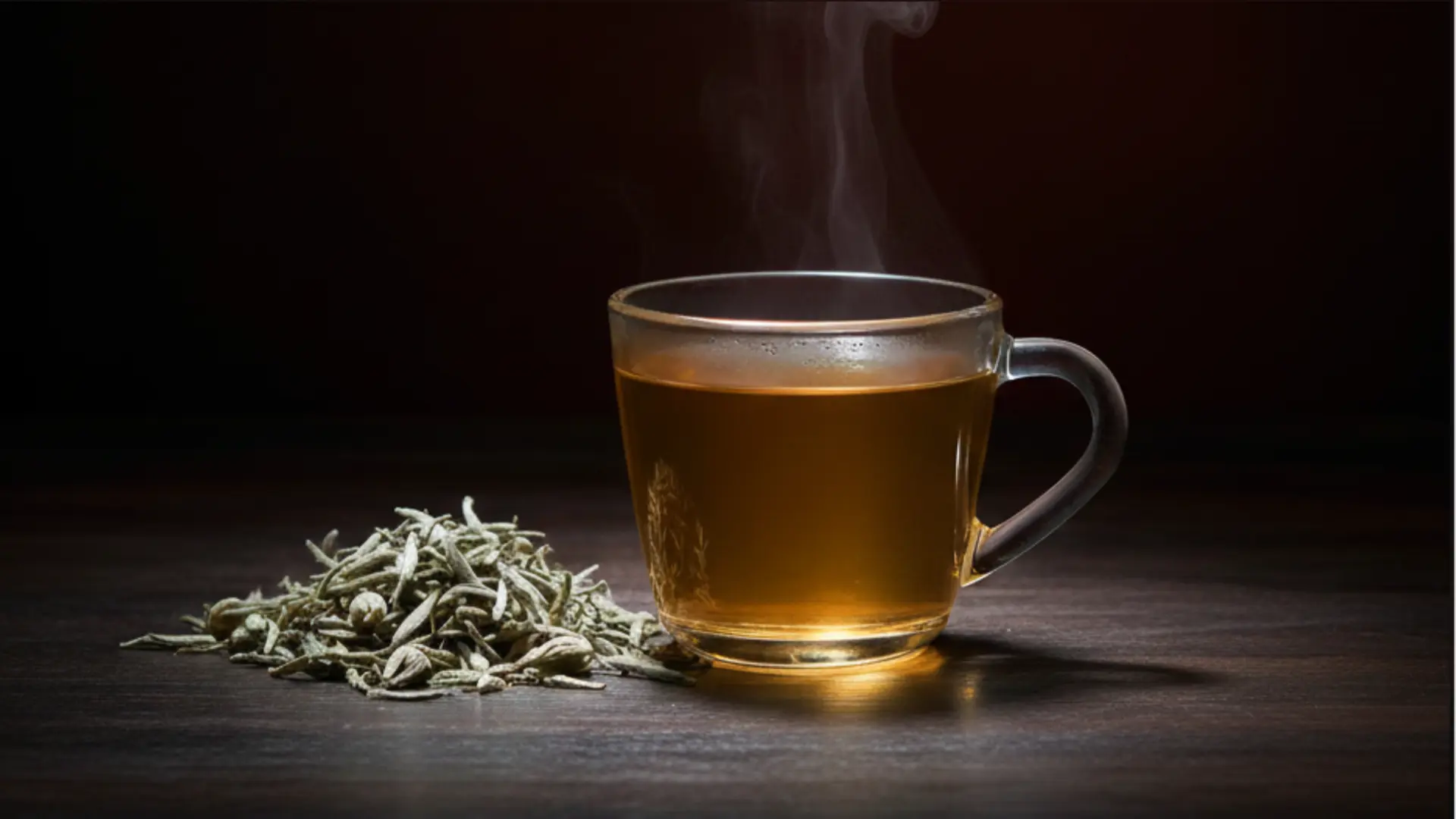
Several factors determine how much caffeine ends up in white tea, including leaf type, temperature, steeping time, and quantity used.
1. Buds vs Leaves (Most Important Factor)
White tea, made primarily from young buds, contains noticeably more caffeine than leaf-heavy versions. Buds are the earliest growth stage of the tea plant and naturally store more caffeine for protection.
This is why teas like Silver Needle often feel stronger. In contrast, teas with more mature leaves, such as Shou Mei, tend to deliver a gentler caffeine level and a softer drinking experience overall.
2. Brewing Temperature
Water temperature directly influences how much caffeine is extracted from white tea leaves. Hotter water pulls caffeine out more quickly and in larger amounts, while cooler water limits extraction. This is why the same tea can taste mild or strong depending on how it is prepared.
Lower temperatures are often preferred by those seeking lighter caffeine intake, while hotter brews produce a stronger, more stimulating cup overall.
3. Steeping Time
The length of steeping plays a major role in caffeine content. The longer white tea steeps, the more caffeine is released into the cup. Most caffeine extracts within the first few minutes, but extended steeping continues to increase levels gradually.
Short steeping helps keep caffeine low and flavor light, while longer steeping yields a stronger brew with higher caffeine and deeper flavor notes.
4. Leaf Quantity (Tea Amount Used)
The amount of tea leaves used per cup significantly affects the strength of the caffeine. Using more leaves naturally increases caffeine concentration in the final brew.
Even small differences in measurement can change how strong the tea feels. Tea bags often release caffeine faster due to finely cut leaves, while loose-leaf tea allows more controlled extraction, making it easier to adjust strength and caffeine levels.
5. Tea Grade
Tea grade also influences caffeine levels in white tea. Higher-grade teas often contain more buds, which increases caffeine content compared to lower-grade, leaf-heavy teas. Premium varieties may feel stronger despite their delicate flavor.
Lower-grade white teas typically use older leaves, resulting in a milder caffeine profile.
Scented styles complicate this a little further, since scented jasmine varieties are built on a base grade and then layered with fragrance rather than graded solely on caffeine. This variation explains why different white teas can produce noticeably different effects even under similar brewing conditions.
White Tea Types and Their Caffeine Differences
Different types of white tea naturally contain different caffeine levels depending on how many buds or leaves are used. This variation helps explain why some white teas feel stronger while others are much lighter and smoother in taste.
| White Tea Type | Caffeine Level | Key Characteristics |
|---|---|---|
| Silver Needle | Highest | Made entirely from young buds, giving a richer caffeine content and a delicate flavor profile |
| White Peony | Medium | Blend of buds and young leaves, offering balanced caffeine and fuller-body taste |
| Shou Mei | Lowest | Made mostly from mature leaves, resulting in lower caffeine and a smoother, mellow cup |
This table helps you quickly understand how white tea types differ in caffeine strength. The more buds a tea contains, the higher its caffeine level tends to be, while leaf-heavy varieties are generally gentler and less stimulating.
Understanding these differences makes it easier to choose the right white tea based on your caffeine preference, whether you want a light, calming cup or a slightly stronger energy lift.
Does White Tea Give a Strong Energy Boost?
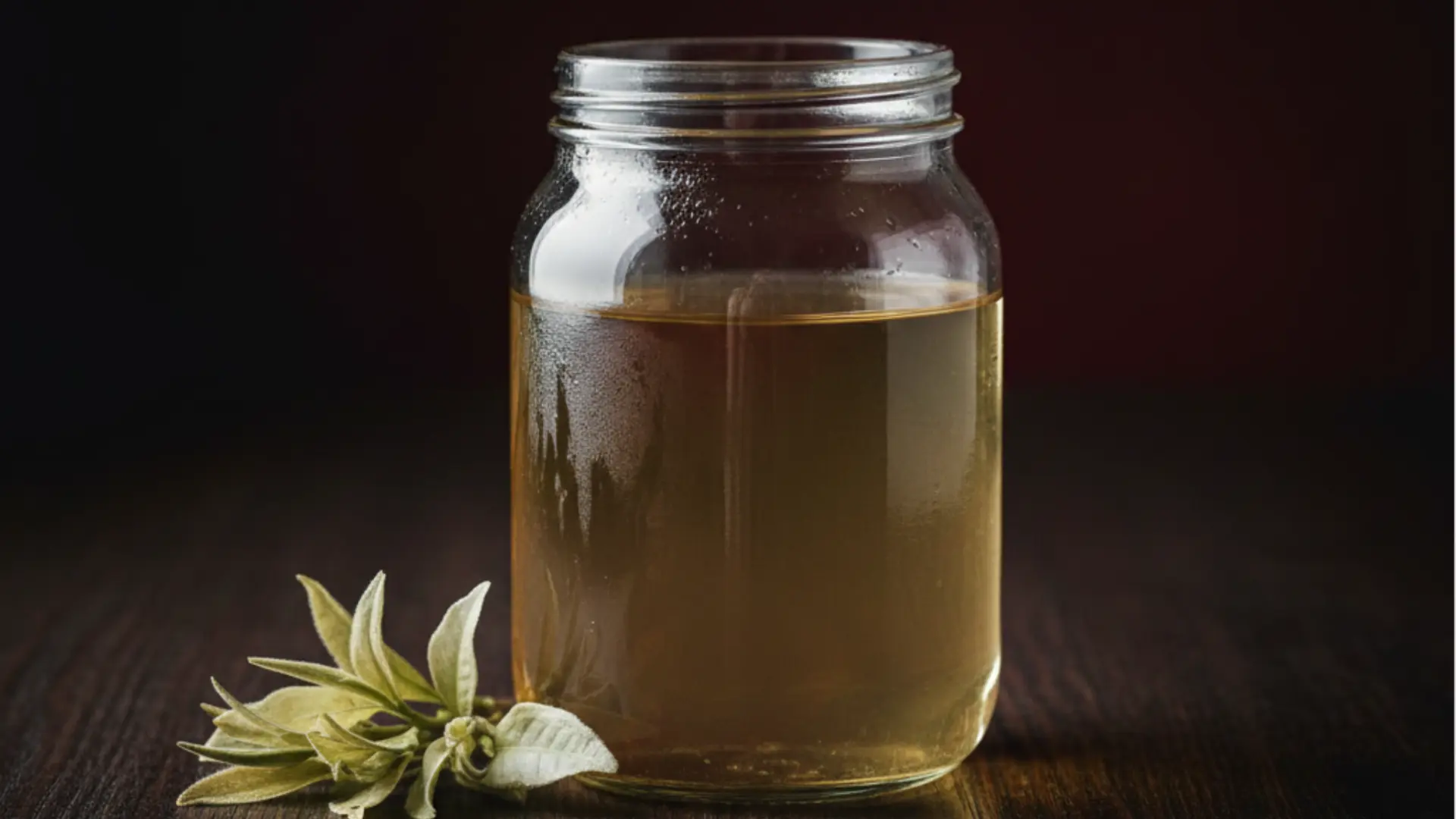
White tea does not give a strong energy boost like coffee or black tea. Instead, it provides a mild, steady lift that feels smooth and balanced. This happens because white tea contains relatively little caffeine, typically 6-75 mg per cup, depending on how it is brewed.
The presence of L-theanine also plays an important role by supporting calm focus and reducing the jittery feeling often linked with stronger caffeine drinks. As a result, white tea tends to promote gentle alertness rather than intense stimulation.
Many people prefer it for mornings or early afternoons because it helps maintain focus without causing sudden energy spikes or crashes. However, sensitivity varies, so stronger brews may still feel more noticeable for some individuals.
| Caffeine Note: Café-brewed white tea and bottled concentrates can run higher than a home-brewed cup, so treat the ranges here as a starting point rather than a guarantee. |
How to Reduce Caffeine in White Tea
You can reduce caffeine in white tea by making small changes in how you select and brew it. These adjustments help control caffeine levels while still keeping the tea smooth and enjoyable.
- Shorter Steeping Time (1–2 minutes): Reduces caffeine extraction while maintaining light flavor and aroma balance.
- Lower Water Temperature (70–80°C): Slows caffeine release from the leaves, resulting in a gentler cup overall.
- First Steep Discard Method: Quickly rinsing leaves removes the initial caffeine burst before proper brewing begins.
- Choose Larger-Leaf Varieties: Leaf-heavy teas release less caffeine compared to bud-rich, high-grade white teas.
These simple methods allow for better control of caffeine intake without sacrificing the delicate taste profile of white tea.
Is White Tea Good for Caffeine-Sensitive People?
White tea can work for caffeine-sensitive people when it is brewed with care. Using cooler water, shorter steep times, and smaller amounts of tea helps keep caffeine lower.
Leaf-heavy white teas are often a better option than bud-focused types, which may feel stronger. However, white tea still contains caffeine, so it may not suit everyone.
If sleep problems, anxiety, or heart sensitivity are concerns, intake should stay limited, especially later in the day. Extra caution is often advised during pregnancy, since caffeine tolerance can change.
It also helps to understand the difference between low caffeine and caffeine-free. White tea is considered low-caffeine, but it is not caffeine-free. Herbal teas are the only option that naturally contains no caffeine at all.
| ℹ️ Health Note: This article is for general information and isn’t medical advice. Needs vary by person; if you’re pregnant, nursing, managing a condition, or sensitive to caffeine, check with a healthcare provider. |
Who Should Avoid White Tea?
White tea is generally safe for most people, but it is not suitable for everyone, especially those sensitive to caffeine or certain health conditions. Understanding limitations helps you avoid unwanted side effects and choose better alternatives when needed.
- Anxiety Sensitivity: People prone to anxiety may react to even small amounts of caffeine in white tea. It can increase restlessness, racing thoughts, or nervous energy. While milder than coffee, it may still trigger symptoms in sensitive individuals.
- Insomnia or Sleep Issues: White tea consumed late in the day can interfere with sleep quality. Even low caffeine levels may delay sleep onset or reduce deep sleep in people with insomnia or irregular sleep cycles.
- Acid Reflux or Stomach Sensitivity: Some individuals with acid reflux or sensitive stomachs may experience mild irritation. White tea’s natural compounds and caffeine can increase acidity in certain cases, especially when consumed on an empty stomach.
- Pregnancy and Breastfeeding Caution: Pregnant or breastfeeding individuals are often advised to limit caffeine intake. While white tea is lower in caffeine, regular consumption may still contribute to overall daily caffeine limits and should be monitored carefully.
- Caffeine Medication Interactions: People taking stimulant-based medications or certain heart-related drugs should be cautious. Even small amounts of caffeine can sometimes interact and amplify effects such as increased heart rate or alertness.
White tea is still a gentle beverage compared to most caffeinated drinks, but individual tolerance varies widely. Paying attention to your body’s response is important when deciding how often to include it in your routine.
Final Summary
White tea does contain caffeine, but the amount varies with leaf type, brewing time, water temperature, and the amount of tea you use.
Bud-heavy teas often feel stronger, while leaf-heavy or aged options tend to feel gentler. Brewing choices matter more than most people expect, and small adjustments can help you stay comfortable.
I find that once you understand these basics, white tea becomes much easier to enjoy without guesswork.
Knowing how white tea caffeine content works gives you more control over energy and timing.
How do you usually brew white tea, and have you noticed how it affects you? If this helped, take a moment to check out other blogs for more tea and brewing insights.