
Collecting and decorating have more in common than people sometimes realize. Both are driven by personal taste, history and the pleasure of finding an object that deserves a place in your home.
The trick is figuring out how to display collectibles without making rooms feel crowded, while also choosing items that have lasting appeal. From antique coins and artwork to vintage glassware and ceramics, collectible pieces can become part of the design rather than objects stored away for safekeeping.
Start With Collectibles That Last
The best collections usually begin with objects that already have a reason to survive. Historical significance, limited production, recognizable craftsmanship and strong collector demand can all contribute to long-term interest. Coins are an obvious example.
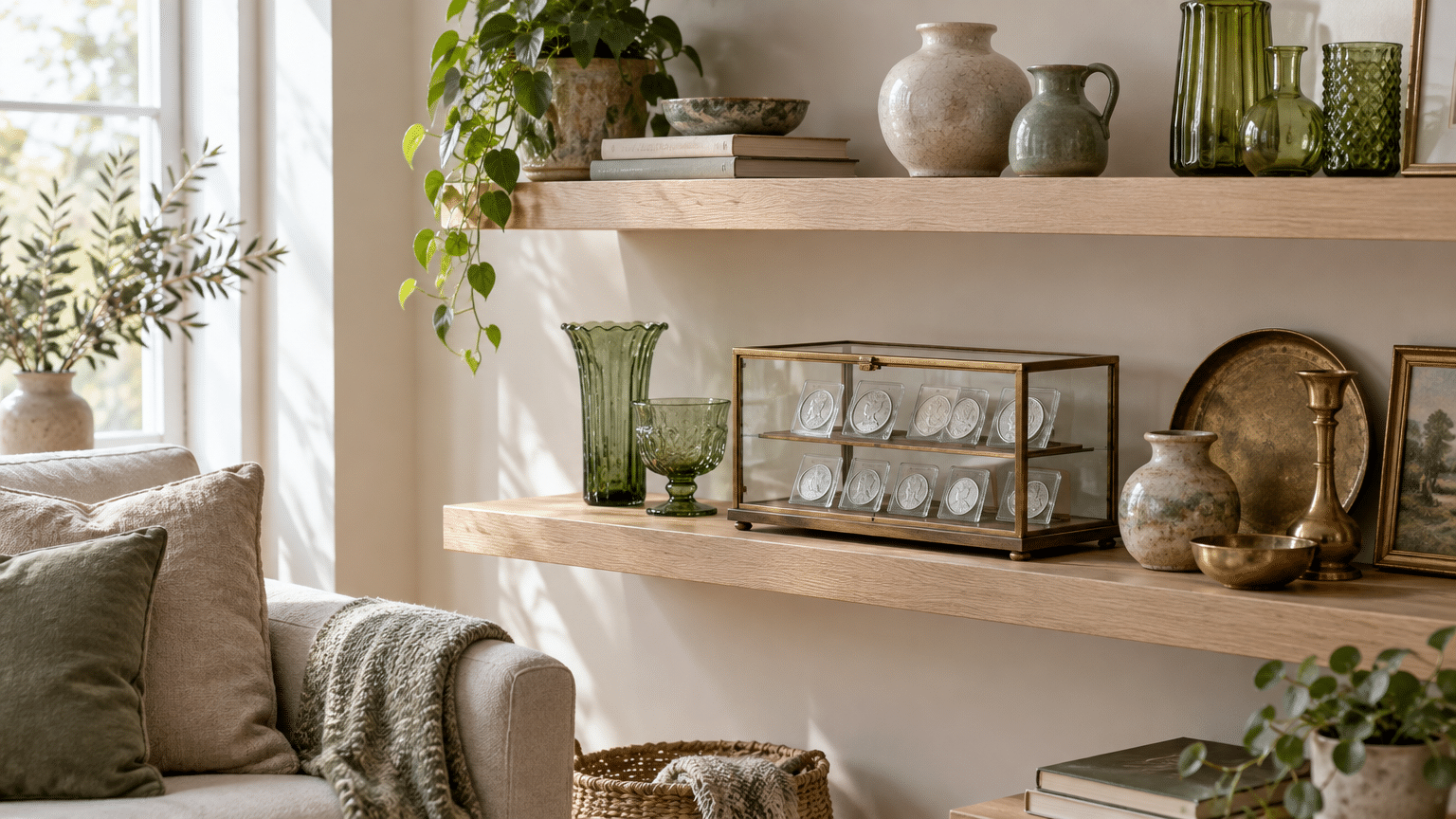
Morgan silver dollars have remained popular among collectors because they combine precious-metal content, American history and an enormous variety of dates, mint marks and conditions. A few attractive examples can also be displayed in protective holders inside a small glass cabinet or tabletop case.
Other possibilities include antique jewelry, vintage watches, signed artwork, first-edition books and well-preserved advertising pieces. Before spending serious money, research recent sales, authentication standards and condition grades. A collectible should never be treated as a guaranteed investment.
Markets change, tastes evolve and even historically popular categories experience price swings. Buying objects you genuinely enjoy provides another kind of return. Even if their market value remains flat, they still contribute character to your home.
Make Collections Feel at Home
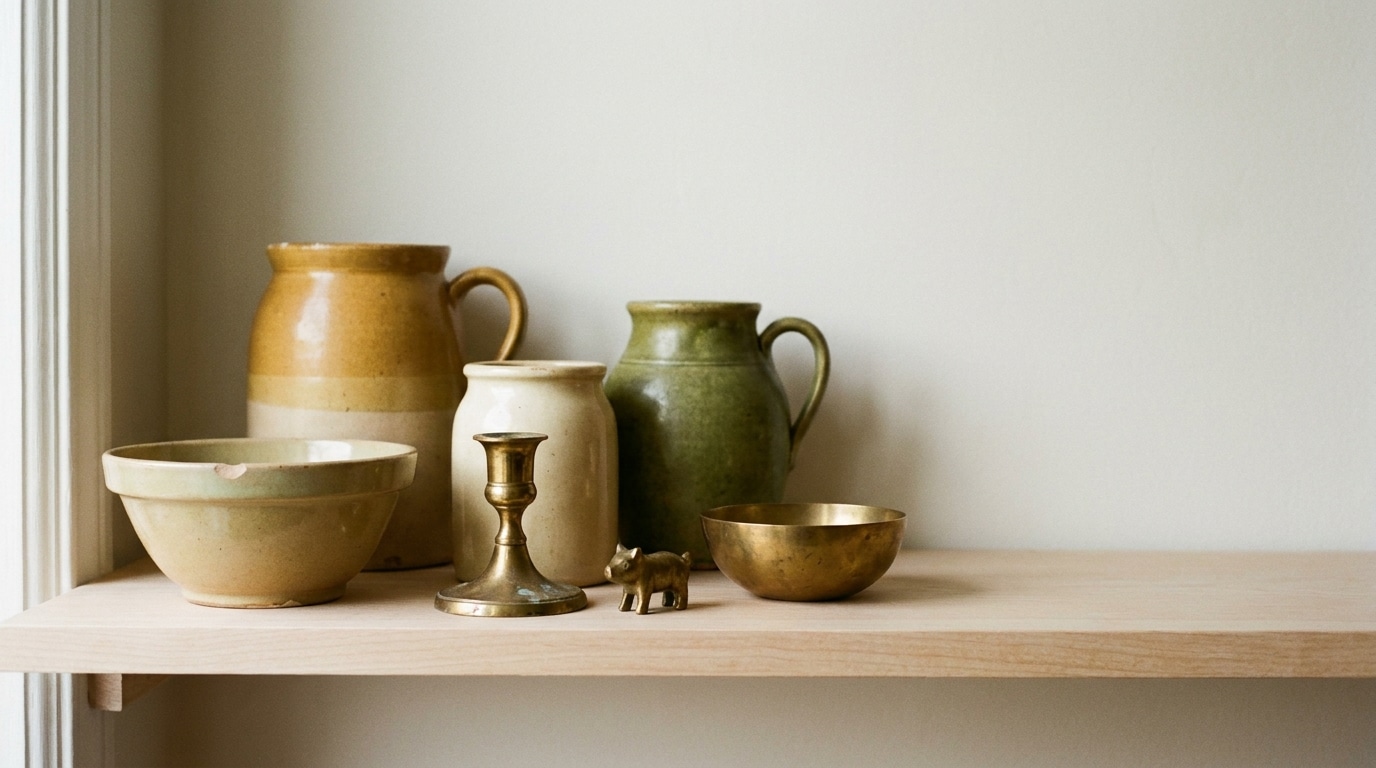
A collection does not need its own dedicated room. In many homes, the better approach is weaving collectible objects into spaces people already use. That might mean placing vintage pottery on open kitchen shelving, arranging old books on a living room console or displaying antique brass pieces alongside framed family photographs. Mixing older collectibles with comfortable furnishings can create cozy home vibes without making a room resemble an antique store.
Scale matters here. A dozen tiny objects scattered across a large bookcase can disappear visually, while the same pieces grouped on two shelves suddenly look intentional. Trays, shallow bowls, glass cloches and small display stands can help create boundaries around collections. Leave some open space around the arrangement as well. Collectibles tend to look more important when they have room to breathe instead of competing with every decorative object you own.
Turn Walls Into Display Space
Walls offer valuable display space, especially when floor space is limited. Framed vintage maps, concert posters, botanical prints, sports memorabilia and original artwork can become part of a gallery wall. Shadow boxes can accommodate objects that are difficult to frame traditionally, including medals, small textiles, postcards and other paper collectibles.
Consistency can keep a varied collection from looking chaotic. Frames do not need to match perfectly, but repeating a material, finish or general shape can connect unrelated objects. Another option is installing picture ledges, which allow pieces to overlap slightly and make it easier to change the arrangement without repeatedly putting holes in the wall.
Sunlight deserves attention when displaying anything fragile. Paper, photographs, textiles and certain pigments may fade after prolonged exposure to ultraviolet light. Valuable or irreplaceable pieces may benefit from UV-filtering glazing and locations away from strong direct sunlight.
Know What Collectors Want
If potential value matters, focus on established collecting categories rather than chasing whatever suddenly becomes fashionable online. Coins, watches, fine art, rare books, vintage jewelry and certain ceramics have long-standing collector communities. Some toys, trading cards and pop-culture memorabilia can also command substantial prices, although condition and rarity often make dramatic differences in value.
Documentation matters too. Original packaging, certificates, receipts and records of ownership may help establish provenance or authenticity. Keep those materials even if you never intend to sell. For higher-value purchases, consider professional authentication or grading when an established service exists for that category.
Most importantly, learn the difference between old and collectible. Age alone does not create value. Scarcity, condition, historical importance, craftsmanship and demand generally matter more. An inexpensive object from a century ago may remain inexpensive, while a much newer limited-production item could attract serious collectors.
Give Every Collection a Purpose
Good displays evolve instead of expanding endlessly. Once shelves and cabinets become crowded, rotate pieces rather than adding another layer. Seasonal rotations can work especially well with ceramics, artwork, vintage holiday pieces and colorful glassware. Stored collectibles should receive the same care as displayed ones, particularly when humidity, heat or sunlight could cause damage.
Display cases are useful for smaller or delicate objects, while built-in shelving can handle books, pottery and larger pieces. Closed cabinets reduce dust and provide extra protection for items that should not be handled frequently. Even a single floating shelf can turn five related objects into a focused collection.
Collectibles are at their best when they tell visitors a little about the person who lives in the house. Value may be part of the equation, but it does not have to dominate it. Research carefully, protect anything valuable and choose objects you would still want around even if their resale price never increased. A home should be lived in, not managed like an auction warehouse.