

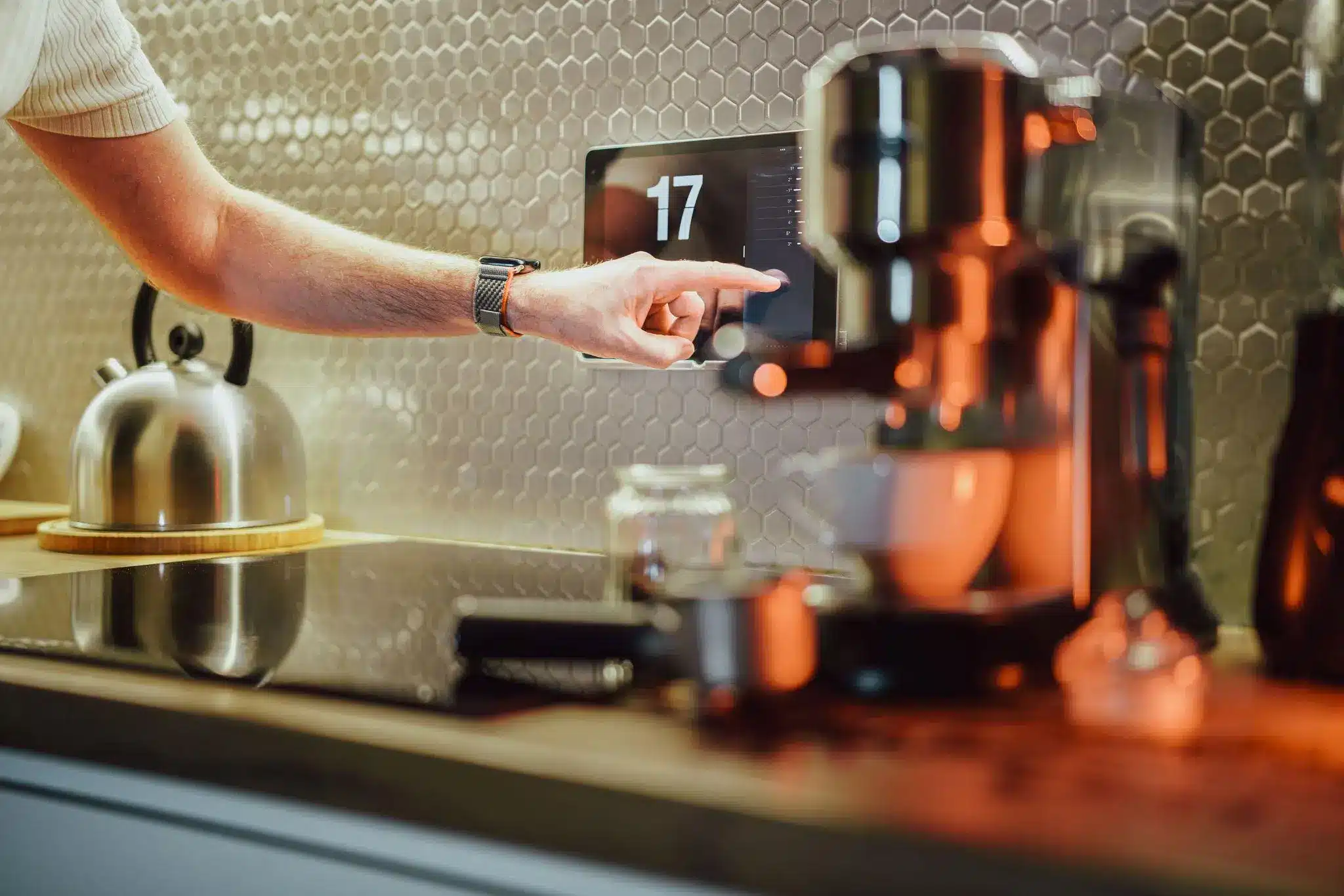
Digital technology long ago stopped being something we actively visit; now, it just sits quietly in the background of our days. Look around any morning. People juggle local weather reports, running to-do lists, step-by-step recipes, turn-by-turn directions, and group chats—often simultaneously. But traditional screens require a physical tax. Every single interaction forces you to pause, pull your eyes away from what’s happening in front of you, and stare at a piece of glass.
Hands-free systems take an entirely different angle.
Instead of demanding total visual focus, modern tools—ranging from voice interfaces and open-ear audio setups to subtle wearables—blend directly into existing routines. They deliver real-time information, stream audio, handle timers, and process quick requests while letting your body keep doing whatever it was already doing.
You feel this shift most when moving through ordinary habits. Chopping vegetables for dinner, taking a quick afternoon walk, decorating your balcony, or sketching ideas for a project all feel smoother when you aren’t constantly reaching into your pocket to tap a screen.
What Makes Hands-Free Technology Useful?
Most traditional gadgets rely heavily on direct touch. Finding out how much time remains on a roast, reading a incoming text, changing a track, or looking up a measurement usually means pulling out a phone and tapping through a couple of apps.
Hands-free gear bypasses those intermediate steps through voice interaction, ambient spatial audio, and simple body movement controls.
Take cooking as an obvious example. If your hands are covered in olive oil or flour, shouting a quick command to start a timer or scale down a recipe saves your screen from getting messy—and keeps your momentum going. Out in the yard, you can listen to a long podcast or catch up on news without having to stop every few minutes to pull off work gloves just to adjust volume.
Individually, these tiny shortcuts sound almost trivial. Standardized across months of daily tasks, though, they eliminate an enormous amount of minor digital friction.
Technology That Fits Into Existing Routines
The main reason hands-free tech actually sticks is straightforward: it bends around habits people already have rather than asking them to build brand-new ones.
Wireless earbuds mean people can catch up on phone calls or audiobooks during a commute, an intense workout, or an evening dog walk without holding a handset. Voice hubs in the living room answer quick questions instantly. Fitness bands give subtle wrist vibrations for urgent alerts, allowing you to ignore the non-essential ones without unlocking a display.
Wearables equipped with built-in artificial intelligence take this further by moving digital assistance closer to how human perception naturally works. Instead of angling your face downward toward a handheld display, you interact using natural voice cues while keeping your eyes wide open to the room or street ahead.
If you like capturing moments as they happen without stepping out of the experience, wearing glasses with a built in camera gives you a way to shoot quick photos or record video snippets while staying completely present. That hands-free capability comes in handy during scenic trail walks, city exploration, or intricate hands-on hobbies like woodworking or painting.
Of course, using devices with active lenses or audio pickups in public spaces calls for real discretion. Paying attention to surrounding environments and respecting other people’s privacy should always come before hitting record.
Hands-Free Technology in the Kitchen
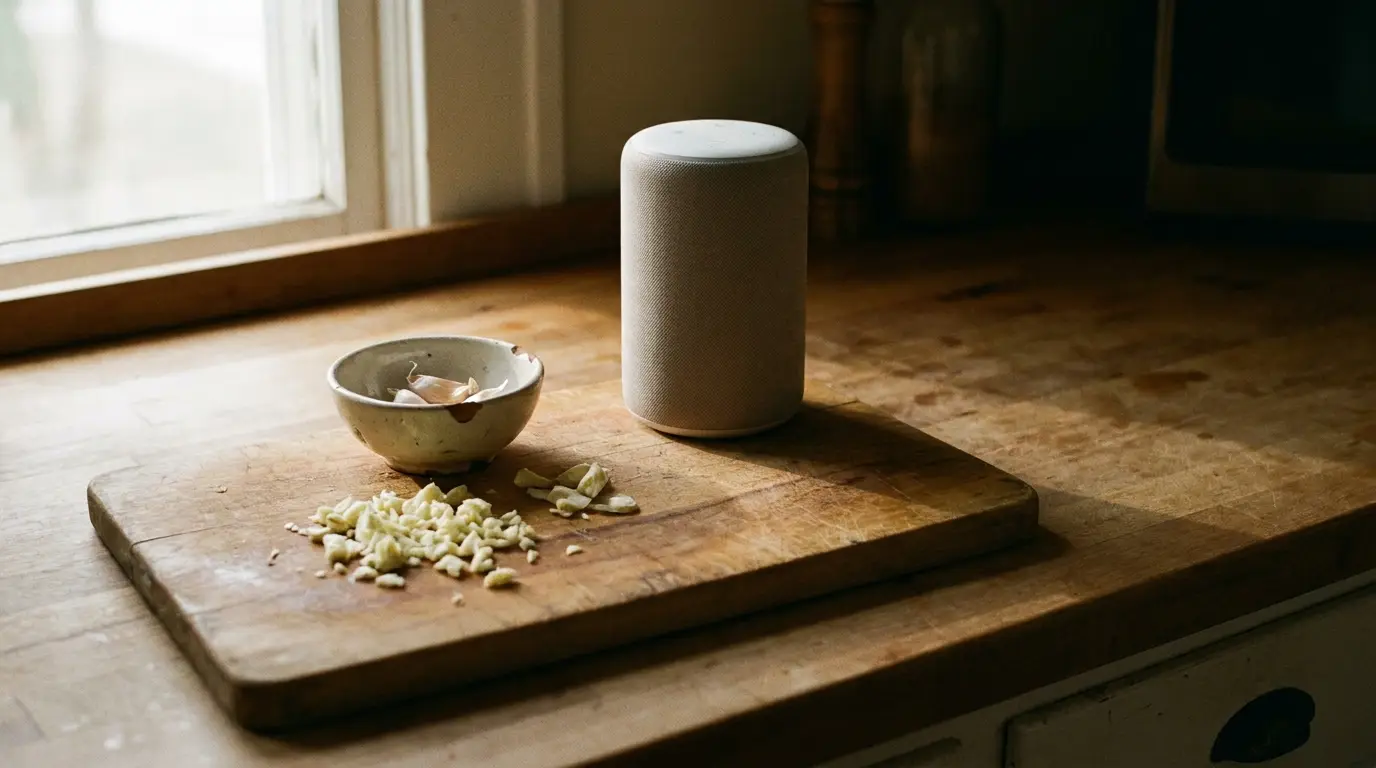
Few places demonstrate the sheer utility of hands-free interaction quite like a busy kitchen, especially with the introduction of modern kitchen gadgets designed to streamline prep work.
Meal preparation is messy and inherently multi-tasking. You might be chopping garlic, keeping an eye on a simmering pan, checking cooking times, and reading preparation steps all within the span of five minutes. Reaching for a smartphone throughout that sequence gets annoying fast.
Voice-controlled tools and interactive kitchen gadgets take the friction out of basic tasks:
- Managing multiple timers simultaneously without touching a single surface.
- Converting tablespoons to fluid ounces mid-recipe while holding heavy pans.
- Querying quick ingredient substitutions when you realize you’re out of buttermilk.
Background audio alters the mood, too. Streaming a favorite record or an engaging story turns what used to feel like a tedious prep chore into something genuinely enjoyable.
The goal isn’t to let gadgets dominate your space. Used with intent, tech simply clears away tiny unnecessary interruptions.
Supporting a More Comfortable Daily Routine
Beyond pure convenience, keeping your hands off a physical screen helps protect focus and short-term memory.
The moment you pick up a smartphone to check one small item, notice how easy it is to get sidetracked. A simple check of the afternoon weather often morphs into fifteen minutes of mindless app scrolling or reading news alerts.
Hands-free tools cut off that spiral before it starts:
- Asking for a rain update aloud takes under three seconds and leaves your phone in your pocket.
- Setting a laundry reminder by voice requires zero screen interaction.
- Audio turn-by-turn navigation lets you walk through an unfamiliar neighborhood without walking head-down into oncoming pedestrian traffic.
These modest adjustments preserve your attention span, making sure technology serves your day rather than taking it over.
The Importance of Using Technology Mindfully
Even with these perks, layering more hardware into your life doesn’t automatically mean your quality of life improves.
Intentional unplugging remains essential. Sitting down to dinner with family, catching up with old friends, taking an evening stroll, or cooking a meal in complete quiet all offer vital breaks from constant sensory input.
Hands-free tools work best as focused assistants, not permanent fixtures:
Strategic Disconnection in Daily Habits
|
Everyday Context |
Recommended Approach |
|---|---|
|
Cooking & Prep |
Rely on voice prompts for timers and instant unit conversions. |
|
Meals & Family Time |
Put all listening devices and screens away completely. |
|
Exercise & Outings |
Alternate between audio-accompanied walks and completely silent runs. |
Retaining the choice of when to leverage digital tools—and when to ignore them entirely—is what keeps technology feeling like a net positive.
Looking Toward a More Seamless Future
The momentum pushing hands-free innovation forward marks a fundamental shift in user design. Instead of requiring people to stop, look down, and tap, modern tools are learning to operate quietly in the background.
We are already seeing this play out across cooking, athletics, travel, remote work, and creative arts.
Ultimately, the best tools won’t be the ones that demand more of our visual focus. They will be the ones that resolve small daily obstacles smoothly, leaving us free to focus on what’s right in front of us.