
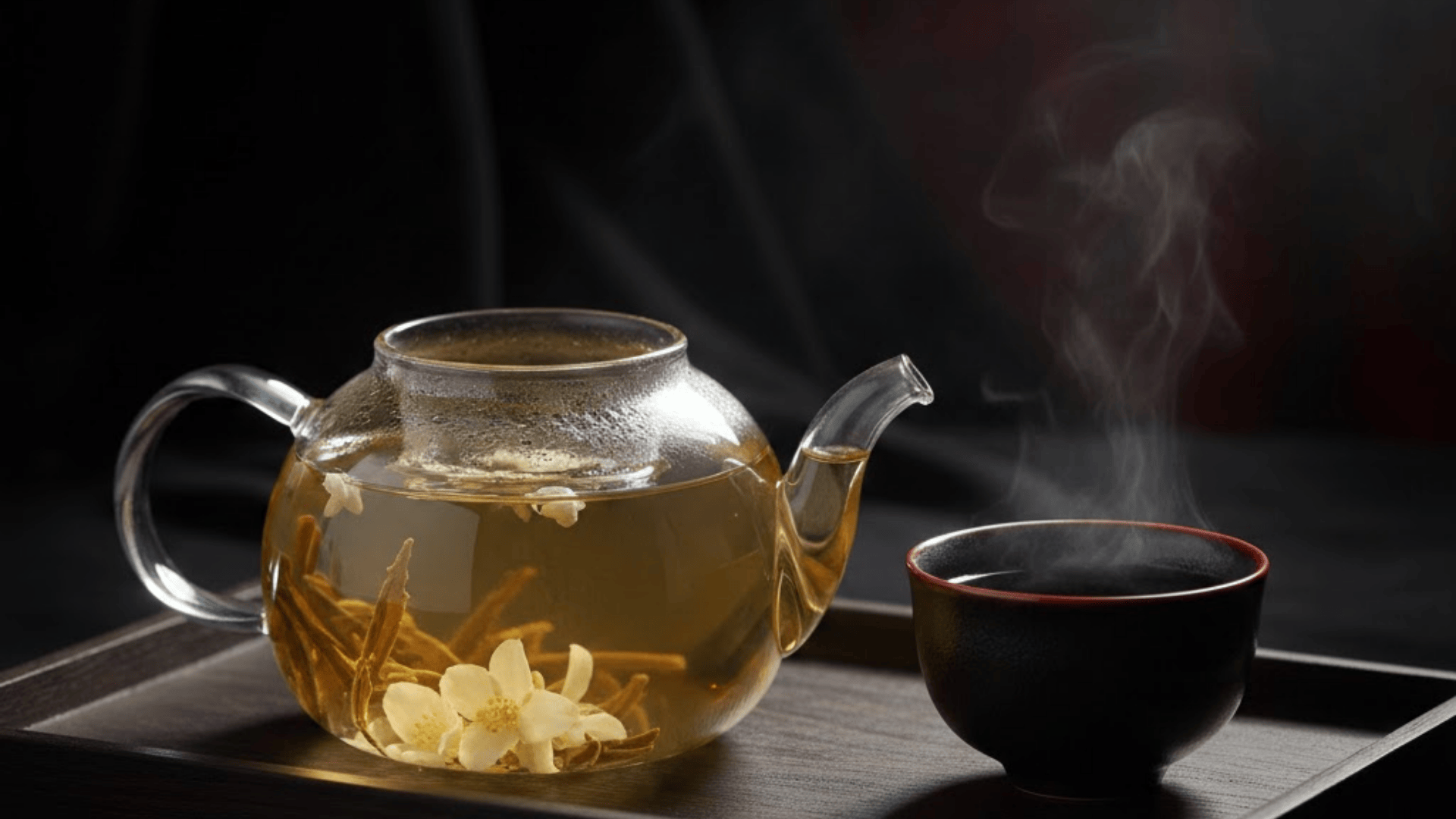
What if one quiet sip could reset your mood and sharpen your focus at the same time? I like how its soft floral scent feels calm without being heavy, and that same cup may also support daily wellness in small, steady ways.
Since jasmine tea is usually made with real tea leaves, it can offer antioxidants, gentle caffeine, and plant compounds that may support focus, heart health, oral health, and skin care. It may also fit well into a low-calorie routine when served plain.
Still, not every cup is the same. The base tea, brewing style, caffeine level, and timing can change how it feels in your body and routine. That is where the details matter most.
What Is Jasmine Tea and How Is It Made?
Jasmine tea starts with real tea leaves, most commonly green tea leaves, which are carefully chosen for their own flavor and grade, and are laid near fresh jasmine blossoms so the aroma slowly transfers overnight. Producers repeat this scenting process several times until the leaves carry a soft floral smell, then the spent blossoms are usually removed. A few dried petals sometimes stay in for looks, but they don’t do much for flavor at that point.
Because true jasmine tea is scented rather than an herbal blend, it carries the caffeine of whatever leaf lies beneath it. A version with no caffeine at all needs to say so on the label, usually as “herbal jasmine tea” or “jasmine tisane,” since it skips real tea leaves entirely.
Common Types of Jasmine Tea and Their Caffeine
The base leaf is the single biggest factor in how a jasmine tea tastes and how much caffeine ends up in your cup.
| Type | Taste | Caffeine (8 oz) | Best For |
| Jasmine green tea | Light and fresh | 20 to 40 mg | Daily sipping |
| Jasmine white tea | Soft and mild | 10 to 30 mg | Gentle, low-caffeine cups |
| Jasmine black tea | Stronger, bolder | 40 to 70 mg | Morning energy |
| Jasmine oolong tea | Smooth and rounded | 30 to 50 mg | Balanced flavor and lift |
If you want the lightest cup, reach for the white tea base. If you want something closer to a real energy boost, oolong falls within the caffeine range I’ve mapped out in more detail elsewhere, and it’s a good middle step between green and black.
| ⚡ Caffeine Note: These ranges assume a standard 8-oz cup steeped for 2 to 3 minutes. A larger mug, a longer steep, or loose-leaf tea packed tighter than a bag will all push the number toward the higher end of the range. |
Jasmine Tea Benefits for Your Body and Mind
Jasmine tea can support your body and mind in gentle ways. Most benefits come from its tea leaves, caffeine level, and daily use.
1. Boosts Natural Antioxidant Intake
Jasmine tea is commonly made using green, white, black, or oolong tea leaves, all of which contain antioxidants. These compounds help the body manage daily exposure to free radicals.
Drinking a plain cup regularly can support overall wellness. It offers a simple way to include beneficial plant compounds without adding sugar, cream, or artificial ingredients.
2. Encourages a Relaxing Daily Pause
The delicate floral aroma of jasmine tea creates a calming experience during each sip. Taking time to enjoy a warm cup may help you slow down and feel more relaxed.
While it does not treat stress, it can support a peaceful routine. Pairing tea time with quiet moments may improve your overall sense of balance.
3. Enhances Mild Mental Alertness
Jasmine tea contains caffeine because it is made from real tea leaves. The caffeine level varies depending on the type and brewing method.
A moderate cup can help improve alertness without the intensity of coffee. Drinking it earlier in the day is helpful if you are sensitive to caffeine or want to protect your sleep quality.
4. Supports Heart-Conscious Habits
The natural compounds found in jasmine tea leaves may support heart-healthy habits when combined with a balanced lifestyle. Choosing jasmine tea instead of sugary beverages can reduce excess sugar intake.
This simple switch supports better daily choices. Over time, consistent habits like this may contribute to improved overall wellness and healthier routines.
5. Assists a Balanced Metabolism Routine
Jasmine green tea contains caffeine and plant compounds that may mildly support metabolism. It can be included in a weight-conscious lifestyle, but it does not directly cause weight loss.
For best results, combine it with healthy eating, regular movement, and consistent habits. It works as a supportive addition rather than a primary solution.
6. Provides Gentle Post-Meal Comfort
A warm cup of lightly brewed jasmine tea can feel soothing after meals. Its smooth texture and floral taste make it pleasant to sip slowly. This can support a comfortable digestion routine.
However, individuals with sensitive stomachs or acid reflux should avoid strong tea on an empty stomach and consider shorter brewing times.
7. Contributes to Daily Hydration Needs
Jasmine tea can help meet daily fluid intake when consumed unsweetened. It offers a flavorful alternative to plain water, making hydration easier.
However, balance is important, especially due to caffeine content. Drinking too much may affect sleep or digestion. Combining tea with water ensures better hydration throughout the day.
Jasmine Tea Benefits for Skin and Beauty
Jasmine tea is not a quick beauty fix, but it can support skin care goals through hydration, antioxidants, and lower-sugar daily choices.
8. Strengthens Skin Through Antioxidants
Jasmine tea contains antioxidants that help the body manage daily environmental stress. These compounds may support healthier-looking skin over time.
While it does not replace skincare products, it can complement a balanced routine. Drinking it regularly may contribute to a fresher appearance when combined with proper hydration and overall healthy habits.
9. Improves Skin Hydration Appearance
Proper hydration plays an important role in maintaining healthy-looking skin. Jasmine tea can contribute to fluid intake when consumed in moderation.
This may help reduce the appearance of dullness. However, excessive caffeine intake can affect sleep, which may impact skin quality. Balance is key for achieving the best visible results.
10. Reduces Sugar Intake for Clearer Skin
Replacing sugary drinks with plain jasmine tea can support a cleaner diet. Lower sugar intake may benefit skin clarity over time. Jasmine tea provides natural flavor without added sweeteners.
Cold brewing is a good option for a smoother taste. This simple change can support both overall health and beauty-focused routines.
11. Promotes a Fresh Morning Glow
Starting your day with jasmine tea can feel refreshing and light. It provides gentle energy while supporting a calm morning routine. Keeping it plain or lightly sweetened helps maintain skin-friendly habits.
Avoiding excess sugar is important for maintaining balanced skin. This simple ritual can contribute to a more refreshed daily appearance.
12. Supports Rest for Skin Recovery
A calming tea break can encourage relaxation, which supports better rest habits. Quality sleep plays a key role in skin recovery and appearance.
Jasmine tea can be part of this routine, especially in the afternoon. For evening use, caffeine-free versions are recommended to avoid sleep disruption and maintain healthy skin balance.
13. Maintains a Cleaner Mouth Feel
Jasmine tea made from green tea leaves may help keep the mouth feeling fresh after drinking. Natural compounds in tea can mildly support oral freshness.
However, it does not replace proper dental care. Regular brushing and flossing remain essential. Think of jasmine tea as a supportive addition to oral hygiene habits.
How Jasmine Tea Compares With Other Drinks
Jasmine tea sits in a comfortable middle ground, more character than plain water, gentler than coffee.
| Drink | Caffeine (8 oz) | Best For |
| Jasmine tea | 20 to 40 mg | Calm focus, daily wellness |
| Green tea | 20 to 45 mg | Same catechins, no floral scent |
| Chai tea | Varies by black tea ratio | A spiced, warming morning cup |
| Coffee | About 95 mg | A stronger, faster energy boost |
| Herbal tea | 0 mg | Evening sipping |
If you’re curious exactly where a spiced favorite lands, I’ve broken down how much caffeine ends up in a typical cup of chai since the ratio of black tea to milk changes it more than people expect. For nighttime, stick to a true herbal jasmine blend so caffeine isn’t part of the equation at all.
How to Brew Jasmine Tea for the Best Flavor
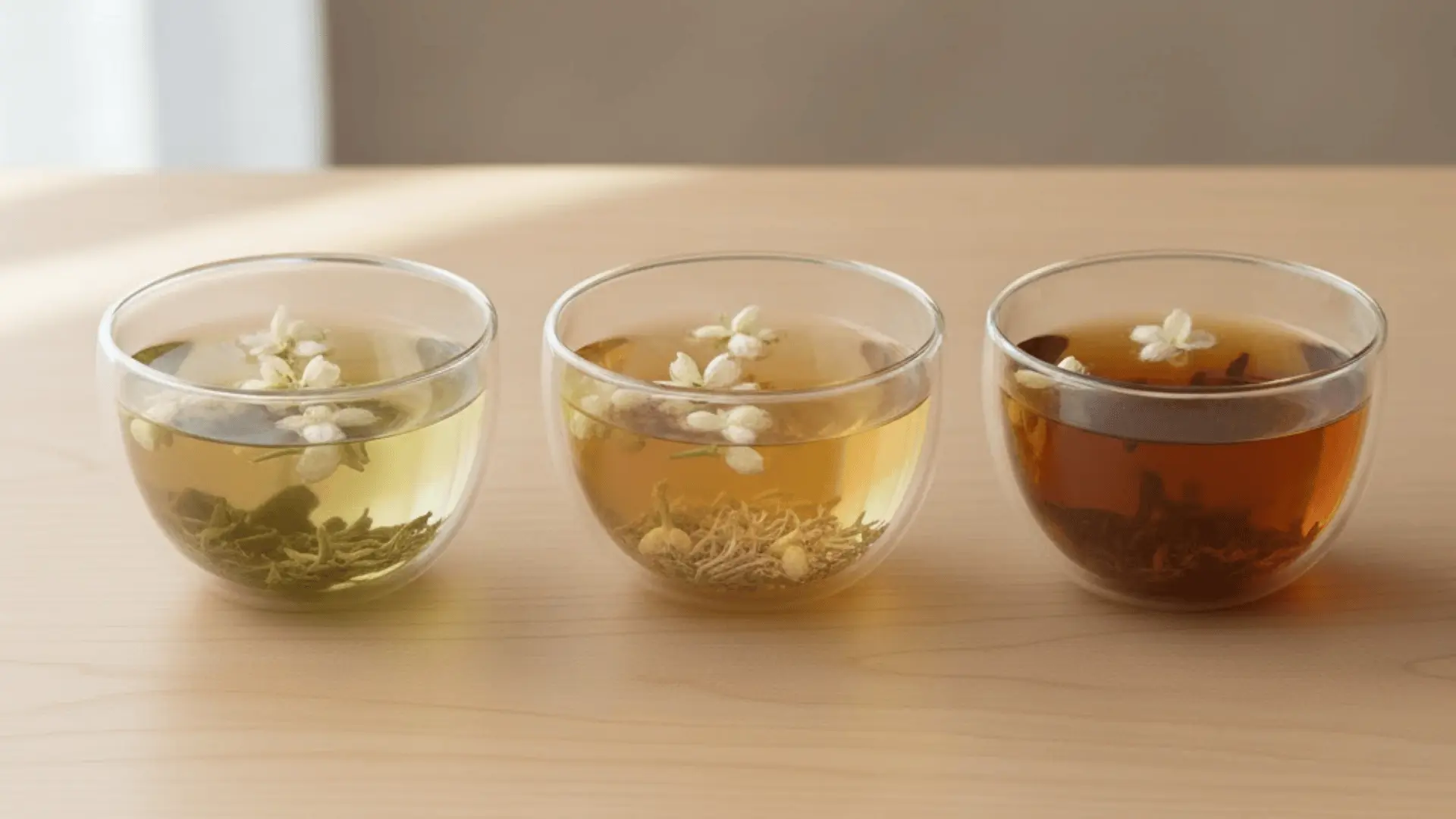
| Tea Type | Water Temp | Steep Time | Flavor Notes |
| Green Jasmine Tea | 170 to 185°F | 2 to 3 minutes | Fresh, floral |
| White Jasmine Tea | 175 to 185°F | 2 to 3 minutes | Soft, sweet |
| Oolong or Black Jasmine Tea | 190 to 200°F | 3 to 5 minutes | Deeper, bolder |
Boiling water is the most common mistake I see with green and white jasmine tea. It scorches the delicate leaves and pulls out more bitterness than caffeine, so let the kettle sit off heat for a minute before pouring.
For iced tea, steep leaves in cool water in the fridge for 6 to 12 hours, then strain over ice. The slow, cold, steep pulls flavor without the bitterness heat can cause.
How Much Jasmine Tea Should You Drink?
| ℹ️ Health Note: This article is for general information and isn’t medical advice. Caffeine needs vary by person, and if you’re pregnant, nursing, managing a heart or blood pressure condition, or sensitive to caffeine, check with a healthcare provider before making jasmine tea a daily habit. |
Most healthy adults can comfortably drink 1 to 3 cups of jasmine tea a day. At 20 to 40 mg of caffeine per cup, even three cups stay well under the 400 mg daily ceiling the FDA considers safe for most adults, which leaves plenty of room if you also drink coffee. If you’re new to jasmine tea or sensitive to caffeine, start with one cup and see how your body responds before adding more.
Pregnancy is the one situation where I’d pay closer attention to the number rather than just the cup count, since caffeine crosses the placenta and guidelines for pregnant women sit lower than the general adult limit. If you’re weighing your options there, I’ve also looked at how decaf coffee fits into a pregnancy-safe routine, which covers the same caffeine math from a different angle.
Side Effects and Who Should Be Careful
Jasmine tea is safe for most people, but it still helps to know a few things before turning it into a daily habit. The table below gives a clear overview of who should be more careful and what simple steps can reduce risk.
| Concern | What to Watch For | Simple Tip |
| Caffeine sensitivity | Jitters, faster heartbeat, trouble sleeping | Choose jasmine white tea, use fewer leaves, or steep for less time |
| Iron absorption | Lower iron levels if tea is taken with meals | Drink between meals, not during, especially if your iron runs low |
| Pregnancy and breastfeeding | Extra caffeine during a sensitive time | Talk with a healthcare provider before drinking it regularly |
| Medical conditions or medications | Heart issues, blood pressure, reflux, or interactions | Check with a doctor before adding large daily amounts |
Keeping these points in mind helps you enjoy the calming taste of jasmine tea while still staying safe and listening to the body’s needs.
How to Choose a Good Jasmine Tea
A good jasmine tea should smell fresh, taste smooth, and match your caffeine needs. Check the leaf type, base tea, and ingredient list before buying.
- Pick Loose Leaf for Better Aroma: Loose-leaf jasmine tea usually has a fuller smell and smoother taste because the leaves can open properly in hot water.
- Use Tea Bags for Convenience: Tea bags are quick, easy, and ideal for daily use. Choose them when speed matters more than rich flavor.
- Try Jasmine Pearls for a Premium Cup: Jasmine pearls slowly open in hot water and often give a fresh, floral taste. They can cost more than regular leaves.
- Choose Regular Leaves for Simple Brewing: Regular loose leaves are easy to brew and often more budget-friendly. They still give a pleasant jasmine flavor.
- Check the Base Tea: Green, white, black, and oolong jasmine tea taste different. They also have different caffeine levels, so choose based on your routine.
- Read the Ingredient List: Look for real tea leaves and jasmine scenting. Avoid teas with too much added flavoring if you want a cleaner taste.
Choose jasmine tea based on flavor, freshness, and caffeine level. A soft floral smell and simple ingredients are usually good signs.
Myths About Jasmine Tea, Cleared Up
Some claims about jasmine tea sound bigger than they really are. Knowing the facts helps you enjoy it safely and realistically.
| Myth | What to Know Instead |
| Jasmine tea cures illness | It supports a healthy routine but isn’t a treatment for any condition and shouldn’t replace medical care. |
| More cups mean more benefits | Too much can bring on the same side effects as too much of any caffeinated drink: poor sleep, jitters, or an upset stomach. |
| All jasmine tea is caffeine-free | Most is made with real tea leaves and contains caffeine. Only a labeled herbal jasmine infusion is caffeine-free. |
| Jasmine tea alone causes weight loss | It may offer small support when served plain, but food choices, sleep, and movement matter far more. |
Jasmine tea works best as a simple daily drink, not a quick fix. Keep your expectations balanced and choose the type that fits your body.
Common Mistakes to Avoid When Choosing Jasmine Tea
When choosing jasmine tea, a few small errors can easily lead to a drink that tastes flat, bitter, or too perfume-like. Knowing what to avoid makes your cup much more enjoyable.
- Picking very cheap, strong-smelling tea often means heavy artificial flavor, not real jasmine.
- Ignoring the tea base, green, white, oolong, and black all taste different and have varying levels of caffeine.
- Relying only on tea bags: handy, but loose-leaf or pearls usually give a cleaner, smoother flavor.
- Using boiling water for all teas: Especially for green and white, boiling water makes the tea bitter.
- Not checking freshness: Old jasmine tea loses aroma and tastes dull.
- Wanting a very strong floral taste: True jasmine tea is gently floral, not like perfume.
By keeping these points in mind, it becomes much easier to choose jasmine tea that tastes balanced, natural, and relaxing in every cup.
Frequently Asked Questions
Does jasmine tea have caffeine?
Yes, if it’s made with real tea leaves. A green tea base contains about 20 to 40 mg per 8 oz cup, according to caffeine-tracking data based on USDA figures. Only a labeled herbal jasmine tisane, made from flowers alone, is caffeine-free.
How can jasmine tea be used in recipes?
Jasmine tea works well in smoothies, rice dishes, desserts, and iced drinks. Brew it first, let it cool, then use it as a light, floral liquid, and keep the flavor mild so it doesn’t overpower the rest of the dish.
How long does jasmine tea last?
It won’t spoil quickly, but it does lose its aroma and flavor over time. Store it in an airtight container away from heat, light, and moisture to keep it tasting fresh for longer.
Does jasmine tea cause teeth staining?
It’s lighter than coffee or strong black tea, but frequent drinking can still cause staining over time. Rinsing your mouth with water afterward and maintaining regular dental care help reduce it.
Is it safe for kids to drink jasmine tea?
Small amounts may be fine for some older children, but jasmine tea usually contains caffeine, so it’s worth checking with a pediatrician first, especially for younger kids or those sensitive to caffeine or with sleep issues.
How can jasmine tea be mixed with milk?
It’s possible, though milk tends to soften the floral flavor. It pairs better with a jasmine black tea or a stronger oolong base, while green and white jasmine teas are usually enjoyed without milk to keep the taste clean.
Wrap Up
Now that you’ve gone through everything, you can see how jasmine tea benefits touch a lot of parts of daily life. It can gently support your heart, mind, skin, digestion, and even your stress levels, all while giving you a calm moment to breathe.
I hope this guide makes it easier for you to decide how jasmine tea fits into your routine. You now know how much to drink, when to sip it, how to brew it, and what to avoid so your tea feels good in your body, and you’re not just guessing.
If this helped, I’d love for you to stick around and read more of my blog posts for simple ideas, support, and inspiration for your health and habits.