
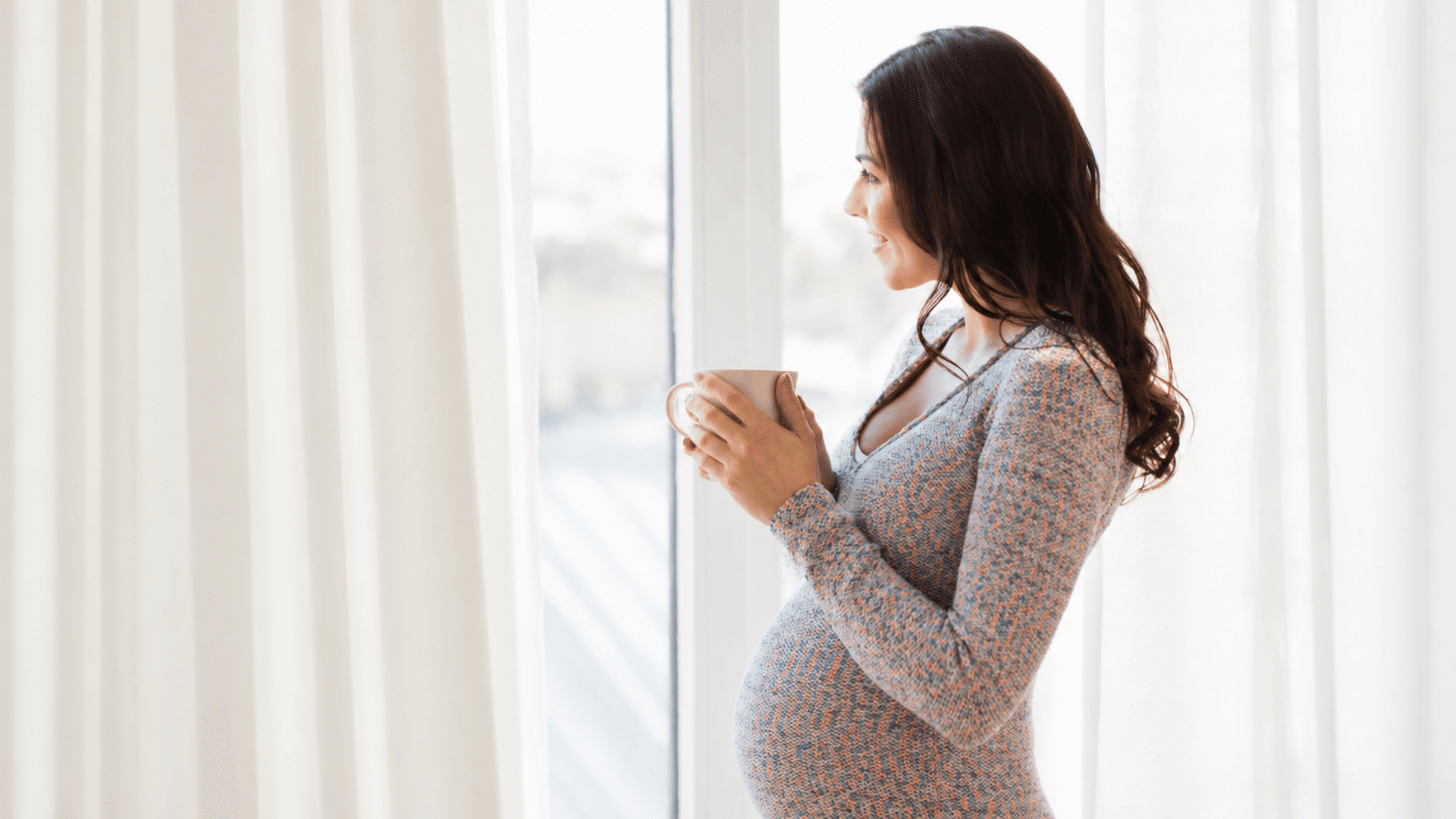
I never realized how many everyday choices could become questions until pregnancy.
Is decaf coffee safe during pregnancy was one of the first things I looked into because I still wanted to enjoy my morning coffee without worrying about too much caffeine.
It turns out the answer isn’t as simple as “yes” or “no,” especially since decaf still contains a small amount of caffeine.
This article will help you know how decaf coffee fits into a pregnancy diet, how much caffeine it contains, how much you can safely drink, and the potential risks of consuming too much caffeine.
| ℹ️ Health Note: This article is for general information and isn’t medical advice. Needs vary by person; if you’re pregnant, nursing, managing a condition, or sensitive to caffeine, check with your doctor or midwife. |
Quick Answer: Is Decaf Coffee Safe During Pregnancy?
Yes, decaf coffee is generally considered safe during pregnancy when consumed in moderation.
Although most of the caffeine has been removed, decaf coffee still contains a small amount, usually about 2–5 mg per cup. This is well below the recommended pregnancy limit of 200 mg of caffeine per day.
What Does “Decaf” Mean?
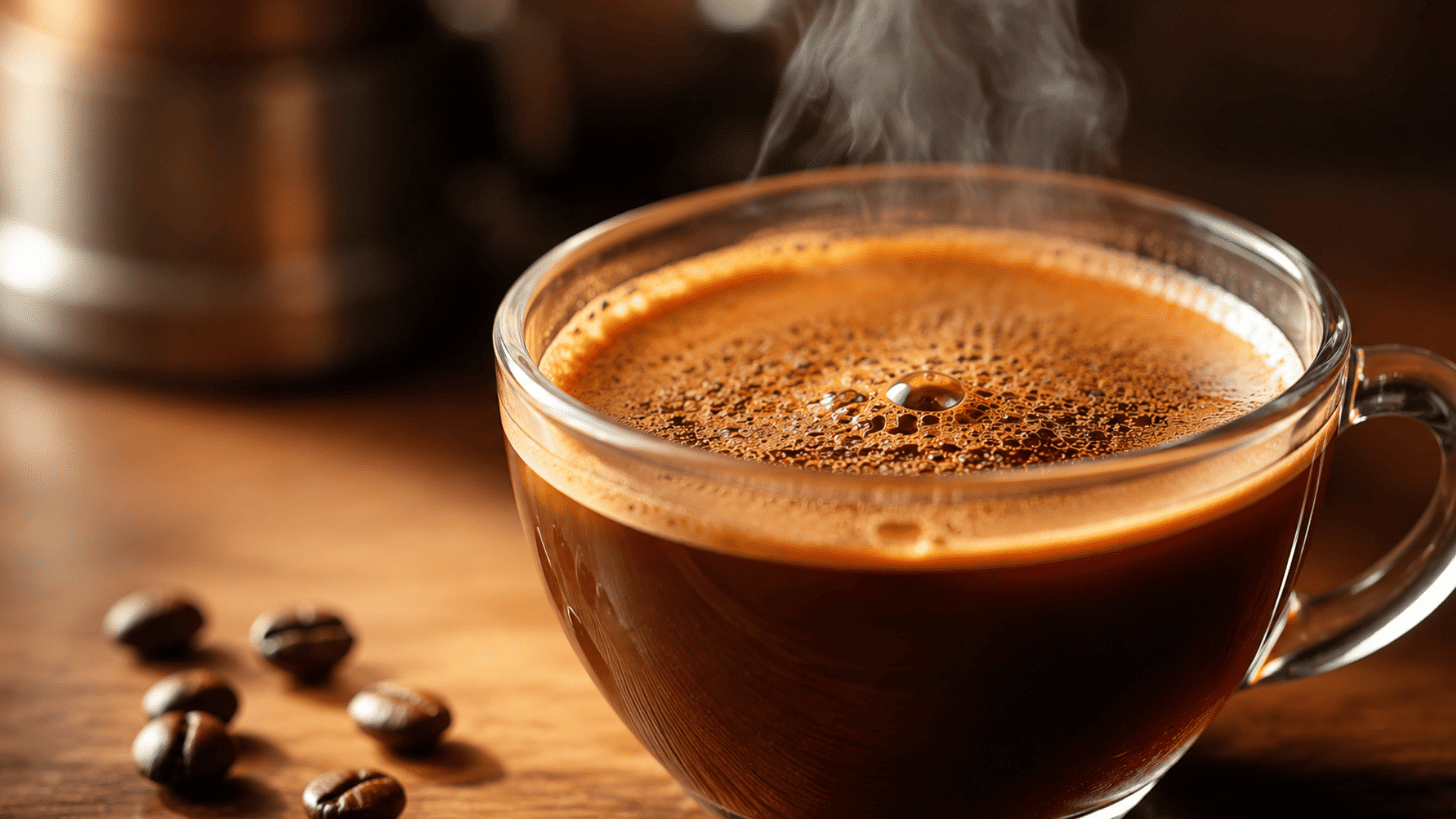
Decaf, short for decaffeinated, is coffee that has had most of its caffeine removed.
It isn’t completely caffeine-free, as a typical cup still contains about 2 to 5 mg of caffeine, compared with 80 to 100 milligrams in a regular cup of coffee.
The flavor and aroma remain similar to regular coffee, making it a popular choice for people who want to reduce their caffeine intake without giving up the taste.
How Much Caffeine Is Safe During Pregnancy?
A regular 8 ounce cup of brewed coffee contains about 95 milligrams of caffeine, while a cup of decaf usually has only 2 to 5 milligrams.
If you’re pregnant, most health organizations recommend limiting your total caffeine intake to no more than 200 milligrams (mg) per day.
That includes caffeine from coffee, tea, chocolate, soft drinks, energy drinks, medications, and supplements, not just your morning cup.
Caffeine Content in Different Coffee Styles
Did you know your morning cup of coffee need not have the same amount of caffeine as your afternoon latte? Its mainly because of the variation in bean type, roast, grind size, brew method, and serving size.
| Beverage | Approximate Caffeine |
|---|---|
| Regular brewed coffee (8 oz) | About 95 mg |
| Regular brewed coffee (12 oz) | About 140–145 mg |
| Decaf coffee (8 oz) | About 2–5 mg |
| Espresso (1 shot) | About 63 mg |
| Instant coffee (8 oz) | About 60–80 mg |
| Latte or cappuccino (12 oz) | About 60–130 mg (depending on the number of espresso shots) |
Potential Side Effects of Too Much Caffeine During Pregnancy
Regularly consuming too much caffeine may increase certain health risks for both you and your baby, such as:
- Low Birth Weight
- Reduced Fetal Growth
- Sleep Disruptions
- Increased Jitteriness and Anxiety
- Higher Risk of Pregnancy Complications
- Effects on the Mother’s Cardiovascular System
- Digestive Issues and Acid Reflux
What to Look for When Choosing Decaf Coffee
When buying decaf coffee, take a quick look at the label. If the decaffeination method isn’t listed, it was likely made using a common solvent-based process.
If you prefer other methods, choose Swiss Water Process, which uses only water and filtration, or CO₂ Decaffeinated, which uses pressurized carbon dioxide to remove caffeine.
Some people also prefer organic decaf coffee, as it’s made from beans grown without synthetic pesticides.
Best Tips for Drinking Decaf Safely During Pregnancy
A few small habits can help you enjoy decaf coffee while keeping your caffeine intake in check. I found that simple choices throughout the day make it much easier to stay within the recommended limit.
- Choose a standard-sized cup instead of a large mug.
- Keep water as your main drink throughout the day.
- Drink decaf earlier in the day if sleep has become lighter.
- Have it with food if coffee upsets your stomach.
- Go easy on flavored syrups and sweet toppings.
- Ask how many decaf espresso shots are used when ordering at a café.
Some Caffeine Free Drink Options
If you’d rather skip caffeine completely, these drinks are naturally caffeine-free and can be enjoyed as comforting alternatives to coffee during pregnancy.
| Drink | Why It’s a Good Option |
|---|---|
| Chicory Root Coffee | A coffee-like alternative with a rich, roasted flavor. |
| Roasted Barley Drink | Offers a warm, nutty taste similar to coffee. |
| Rooibos Tea | Naturally caffeine-free and rich in antioxidants. |
| Ginger Tea | A soothing drink that may help with pregnancy-related nausea. |
| Turmeric Milk | A warm, comforting beverage that’s easy to enjoy any time of day. |
| Hot Lemon Water | Refreshing, hydrating, and simple to prepare. |
| Warm Apple Cider (Non-Alcoholic) | A naturally sweet and cozy drink, especially during cooler months. |
Final Thoughts
Decaf coffee can be a good option if you want to enjoy the taste of coffee while keeping your caffeine intake low during pregnancy.
Since it still contains a small amount of caffeine, it’s worth paying attention to your total daily intake from all sources, not just coffee.
I found that understanding the numbers made choosing what to drink much less stressful.
Every pregnancy is different, but staying within the recommended caffeine limit can help you enjoy your favorite cup with greater confidence and peace of mind.
Do you prefer regular or decaf coffee during pregnancy? Share your thoughts or favorite low-caffeine alternatives in the comments below.
Frequently Asked Questions
Can Decaf Coffee Affect Breastfeeding Later?
No, drinking decaf coffee during pregnancy does not affect breastfeeding later or reduce future milk production.
Can Decaf Coffee Affect Prenatal Vitamin Absorption?
Yes, coffee may slightly reduce iron absorption, so take prenatal vitamins at least one hour before or after drinking coffee.
Are Flavored Decaf Coffee Beans Safe During Pregnancy?
Yes, most flavored decaf coffee beans are safe if they use food-grade flavorings and do not contain added herbal ingredients.
Is Organic Decaf Coffee Better During Pregnancy?
No, organic decaf is not necessarily safer, though some people prefer it because it may reduce exposure to pesticide residues.