
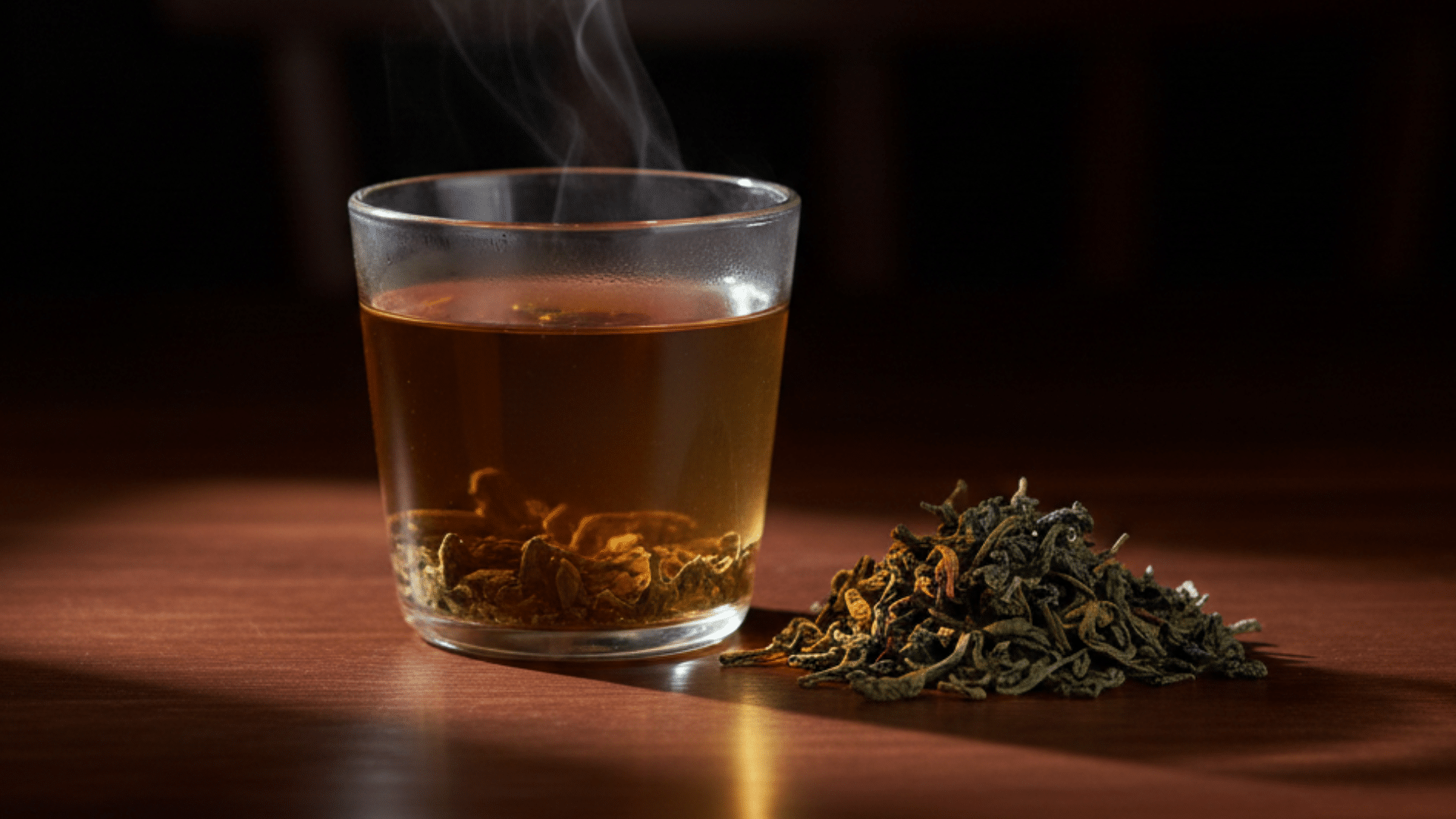
Oolong tea offers a smooth, balanced taste, but many people still wonder how much caffeine it contains compared with coffee and other teas. The answer is not always simple because oolong tea caffeine content can change based on the tea variety, serving size, water temperature, and steeping time.
In this guide, you will learn whether oolong tea has caffeine, how much is typically found in one cup, and how oolong caffeine compares with coffee, green tea, black tea, and matcha. You will also discover which brewing methods can raise or lower the caffeine level.
Keep reading to find the right oolong tea and brewing style for your energy needs and daily routine.
Does Oolong Tea Have Caffeine?
Yes, oolong tea has caffeine. It comes from the Camellia sinensis plant, which makes it a true tea rather than an herbal blend. Green tea, black tea, white tea, and oolong all naturally carry caffeine.
Oolong isn’t caffeine-free just because it tastes light or floral. A pale, delicate oolong can still carry a real dose, and a darker-roasted one can, too. The color tells you less than the brewing method does.
If you want a genuinely caffeine-free cup, oolong won’t get you there. Chamomile, peppermint, rooibos, ginger, and hibiscus are better picks since none of them come from the tea plant at all.
How Much Caffeine is in Oolong Tea?
A single cup of oolong tea contains a moderate amount of caffeine, making it a popular choice for people who want steady energy without the intensity of coffee.
| Serving / Beverage | Typical Serving Size | Average Caffeine Content | Notes |
|---|---|---|---|
| Oolong Tea (Light Brew) | 8 oz (240 ml) | 16–30 mg | Shorter steeping time and lower water temperature extract less caffeine. |
| Oolong Tea (Average Brew) | 8 oz (240 ml) | 30–50 mg | Most commonly reported caffeine range for brewed oolong tea. |
| Oolong Tea (Strong Brew) | 8 oz (240 ml) | 50–55 mg | Longer steeping and more tea leaves increase caffeine extraction. |
| Small Cup of Oolong | 6 oz (180 ml) | 20–40 mg | Contains less caffeine due to the smaller serving size. |
| Large Mug of Oolong | 12 oz (355 ml) | 45–75 mg | Larger servings naturally provide more caffeine. |
| Green Tea | 8 oz (240 ml) | 20–45 mg | Usually contains slightly less caffeine than oolong. |
| Black Tea | 8 oz (240 ml) | 40–70 mg | Often contains more caffeine than most oolong teas. |
| Brewed Coffee | 8 oz (240 ml) | 80–100 mg | Contains nearly twice the caffeine of an average cup of oolong. |
| Matcha | 8 oz (240 ml) | 38–88 mg | Typically contains more caffeine because the entire tea leaf is consumed. |
Why Oolong Tea Caffeine Varies So Much
The number on a package label is only a starting point. What actually ends up in your cup depends on how the tea was grown, processed, measured, and brewed.
- Tea Leaf Amount: Using more oolong leaves usually increases caffeine. A packed spoonful or strong tea bag often produces more caffeine than a lightly filled teaspoon.
- Steeping Time: Longer brewing allows more caffeine to enter the water. A one-minute steep is generally lighter than a cup brewed for four minutes.
- Water Temperature: Hotter water extracts caffeine more quickly. Light oolong may need slightly cooler water, while roasted varieties usually tolerate higher temperatures.
- Leaf Shape and Size: Rolled whole leaves release caffeine gradually as they open. Broken leaves and smaller pieces extract faster because more surface area touches the water.
- First and Later Steeps: The first infusion often contains the strongest caffeine concentration. Later steeps still provide caffeine, but the amount and intensity usually decrease.
- Loose Leaf vs Tea Bags: Tea bags often contain smaller, broken leaves that brew quickly and strongly. Loose whole-leaf oolong usually releases caffeine more gradually across several infusions.
Oolong Tea Compared to Other Beverages
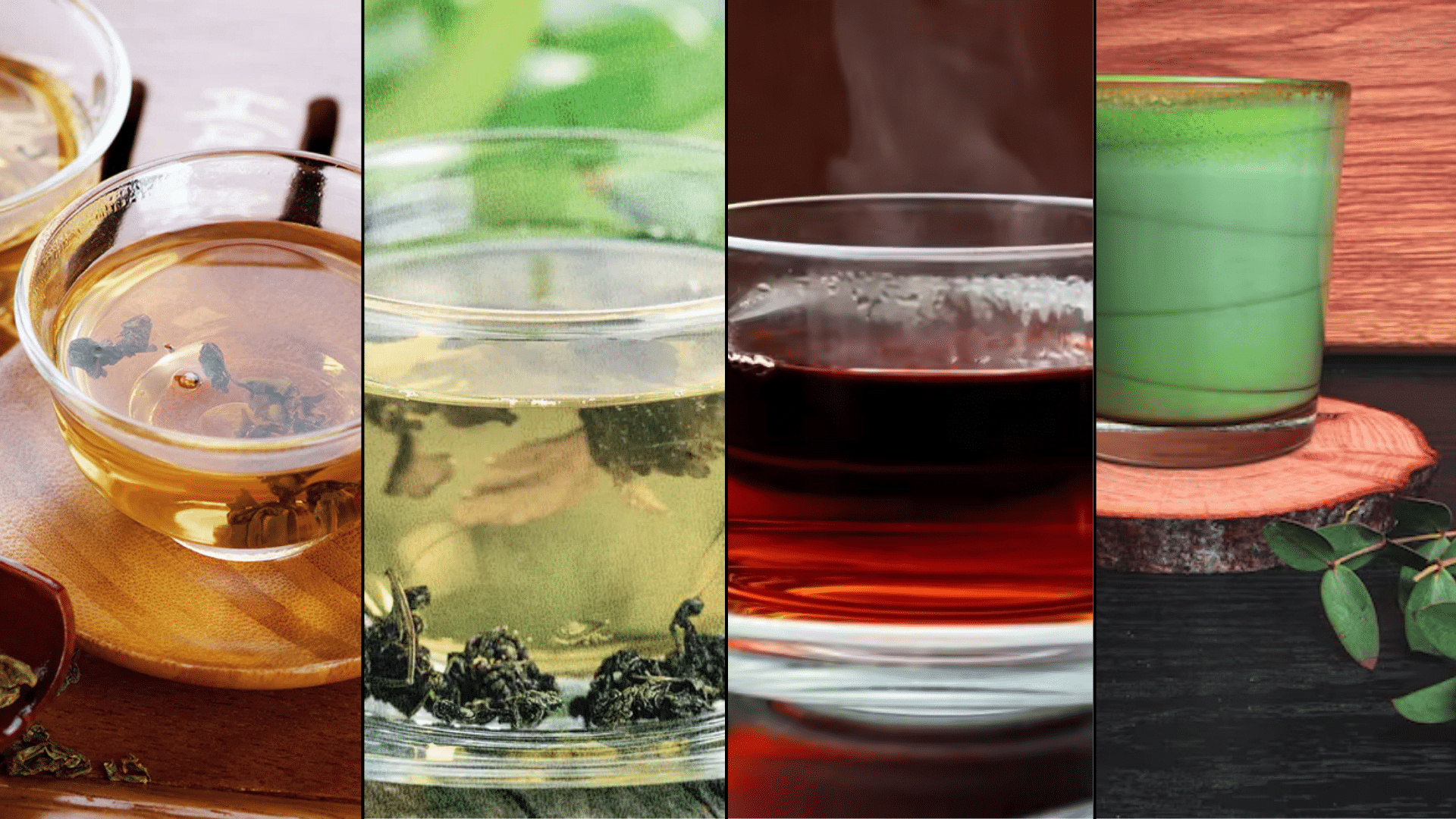
Oolong tea provides a moderate caffeine boost that is usually stronger than white or green tea but milder than coffee. Comparing oolong caffeine with popular beverages can help you choose the right option.
1. Oolong Tea vs Coffee
An 8-ounce cup of oolong tea typically contains about 30 to 50 mg of caffeine, while the same amount of brewed coffee usually provides 80 to 100 mg.
Coffee delivers a quicker and stronger energy boost, but it may cause restlessness or jitters in caffeine-sensitive people.
Oolong offers a gentler option and also contains L-theanine, an amino acid that may support a calmer and more balanced feeling of alertness.
2. Oolong Tea vs Green Tea
Green tea generally contains around 20 to 45 mg of caffeine per 8-ounce cup, making it slightly lower in caffeine than most oolong tea.
However, the ranges can overlap depending on the leaf amount, water temperature, and steeping time.
Both beverages contain L-theanine and are suitable for people seeking moderate stimulation.
Green tea often has a lighter, grassy flavor, while oolong offers floral, fruity, creamy, or roasted notes depending on its processing.
3. Oolong Tea vs Black Tea
Black tea usually contains approximately 40 to 70 mg of caffeine per 8-ounce serving, so it often provides more caffeine than oolong tea.
Its fully oxidized leaves produce a bold flavor that works well with milk, sugar, or spices. Oolong is partially oxidized and offers a broader range of delicate to roasted flavors.
People wanting stronger morning stimulation may prefer black tea, while oolong can provide a more moderate boost throughout the day.
4. Oolong Tea vs Matcha
Matcha may provide around 38 to 88 mg of caffeine per serving, depending on how much powder is used.
It often contains more caffeine than oolong because drinkers consume the entire ground tea leaf instead of only an infusion.
Matcha delivers a concentrated, earthy flavor and a noticeable energy boost.
Oolong releases its caffeine into water during steeping, creating a milder drink that can be infused several times for a gradual caffeine intake.
5. Oolong Tea vs Energy Drinks
An 8-ounce energy drink may contain around 70 to 100 mg of caffeine, although larger cans can provide substantially more.
Many products also contain added sugar, sweeteners, flavorings, and other stimulating ingredients.
Oolong tea generally contains less caffeine and has no added sugar when served plain.
It can be a suitable alternative for people who want moderate alertness without the intense stimulation or additional ingredients commonly found in commercial energy drinks.
Potential Benefits of Caffeine in Oolong Tea
As Per Healthline, the moderate caffeine content in oolong tea can offer several benefits when enjoyed as part of a balanced diet.
- Supports Mental Alertness: Oolong caffeine may help improve focus and reduce tiredness. Its moderate amount can provide a gentler lift than coffee.
- May Improve Exercise Energy: Drinking oolong tea before activity may support alertness and stamina. The effect depends on caffeine tolerance and serving size.
- Offers a Balanced Energy Boost: Oolong usually contains less caffeine than coffee but more than many herbal teas. This makes it suitable for steady daytime energy.
- Works With L-Theanine: Oolong naturally contains L-theanine, which may promote a calmer feeling of concentration. Together, these compounds may reduce the intensity of caffeine.
- May Support Metabolism Temporarily: Caffeine can briefly increase energy use and fat oxidation. However, oolong tea alone does not cause significant weight loss.
- Provides Flexible Caffeine Control: Leaf amount, water temperature, and steeping time can change oolong caffeine content. This allows drinkers to adjust each cup to their needs.
Comparison Between Light Oolong and Dark Oolong
Light and dark oolong teas both come from the same plant, but differences in oxidation, roasting, and processing affect their flavor, aroma, and sometimes their caffeine content.
| Feature | Light Oolong | Dark Oolong |
|---|---|---|
| Oxidation Level | Lightly oxidized (about 10–30%) | More heavily oxidized (about 40–70%) |
| Typical Caffeine Content | Usually 25–45 mg per 8 oz cup* | Usually 35–55 mg per 8 oz cup* |
| Flavor Profile | Floral, fresh, buttery, and slightly sweet | Toasty, roasted, nutty, and rich |
| Aroma | Delicate floral and fruity notes | Deep roasted, caramel, and woody notes |
| Leaf Appearance | Bright green rolled leaves | Dark brown or deep green leaves with roasted edges |
| Liquor Color | Pale yellow to golden | Amber to deep golden brown |
| Brewing Temperature | 175–185°F (80–85°C) | 195–205°F (90–96°C) |
| Steeping Time | 2–3 minutes | 3–5 minutes |
| Multiple Infusions | Produces several light, fragrant infusions | Produces multiple bold, full-bodied infusions |
| Popular Examples | Tie Guan Yin, Baozhong, Milk Oolong | Da Hong Pao, Dong Ding, Wuyi Rock Tea |
| Best For | Those who enjoy light, refreshing flavors and moderate caffeine | Those who prefer bold, roasted flavors and a stronger tea experience |
How to Brew Oolong Tea for Less Caffeine
A few small adjustments make oolong easier to enjoy if caffeine sensitivity is a concern, without losing the flavor that makes it worth drinking.
- Use Fewer Tea Leaves: Reduce the amount of loose tea or use a lighter-filled tea bag. Fewer leaves release less caffeine into the water during brewing.
- Shorten the Steeping Time: Steep oolong for about 1 to 2 minutes instead of 3 to 5 minutes. A shorter infusion extracts less caffeine while maintaining a pleasant flavor.
- Lower the Water Temperature: Brew lighter oolong with water around 175–185°F (80–85°C). Slightly cooler water slows caffeine extraction compared with near-boiling water.
- Discard the First Short Infusion: Give the leaves a quick 20- to 30-second rinse, then discard the liquid before brewing again. This may remove a small amount of caffeine, though it still remains in the leaves.
- Choose a Light Oolong Variety: Lightly oxidized oolongs often produce a gentler cup when brewed properly. They also develop good flavor with shorter brewing times.
- Limit the Serving Size: Drink a smaller cup instead of a large mug to reduce your total caffeine intake. This is one of the easiest ways to manage daily caffeine consumption.
Oolong Tea Side Effects and Risks
According to WebMD, oolong tea is safe for most healthy adults. However, drinking large amounts may cause side effects because of its caffeine content.
Sensitive individuals may experience restlessness, nervousness, headaches, a faster heartbeat, or difficulty sleeping, especially when consumed late in the day.
Excessive caffeine intake can also contribute to stomach discomfort in some people.
Pregnant or breastfeeding individuals, people with certain heart conditions, anxiety disorders, or those taking medications that interact with caffeine should speak with a healthcare provider before intake.
Moderation is important, as caffeine from oolong tea adds to the total amount consumed from coffee, soft drinks, energy drinks, chocolate, and other dietary sources throughout the
Brew Style Caffeine Estimator
These are rough estimates for common brewing methods, based on an 8 oz cup and standard loose-leaf amounts.
| Brew Style | Estimated Caffeine (8 oz) | What to Expect |
|---|---|---|
| Very Light Brew (1-minute steep) | 15–25 mg | Mild flavor with the lowest caffeine extraction. |
| Light Brew (1–2 minutes) | 20–35 mg | Gentle caffeine level suitable for casual sipping. |
| Standard Brew (2–3 minutes) | 30–50 mg | Balanced flavor and the most common caffeine range for oolong tea. |
| Strong Brew (4–5 minutes) | 45–65 mg | Richer taste with higher caffeine due to longer extraction. |
| Tea Bag Brew | 35–60 mg | Often brews stronger because smaller leaf pieces release caffeine more quickly. |
| Cold-Brew Oolong | 20–40 mg | Smooth, less bitter tea with moderate caffeine. |
| Second or Later Infusions | 5–35 mg | Each additional steep generally contains less caffeine than the first cup. |
Does Decaf Oolong Tea Still Have Caffeine?
Decaf oolong has much less caffeine than regular oolong, but it’s usually not completely caffeine-free. The FDA notes that decaf coffee and tea can still contain some caffeine.
This matters if you’re highly sensitive to caffeine or trying to avoid it fully. Decaf oolong can help with cutting back, but it may not be enough for someone who needs zero caffeine.
For a genuinely no-caffeine drink, herbal teas are the better call. Chamomile, peppermint, rooibos, hibiscus, and ginger are naturally caffeine-free unless blended with real tea leaves.
Always check the label before buying. Some blends sound calming but still include green tea, black tea, oolong, yerba mate, or other caffeinated ingredients.
Conclusion
Oolong makes more sense once you stop hunting for one fixed caffeine number. Its strength depends on the type of tea, the amount of leaves, the cup size, the water temperature, and the steep time, all working together rather than any single factor alone.
I like knowing these details because they make each cup easier to control. Brew it lighter for a calmer drink, or push it stronger when you need more lift.
Oolong’s caffeine content also gives you a practical way to compare it with coffee, green tea, and black tea. That makes daily choices easier, especially if you’re managing sleep or caffeine sensitivity.
Pick one brewing tip from this guide and try it in your next cup. The difference usually shows up faster than you’d expect.
Frequently Asked Questions
Does adding milk change the caffeine in oolong tea?
No, milk doesn’t remove caffeine from oolong tea. It only changes the taste, texture, and color. The caffeine stays put unless adding milk leads you to drink less brewed tea overall.
Is the caffeine in bottled oolong tea the same as in brewed oolong?
Bottled oolong can carry a different caffeine level than freshly brewed oolong. Brands vary in tea strength, bottle size, sweeteners, and processing method.
Can oolong tea affect iron absorption?
Tea can reduce non-heme iron absorption when consumed with meals due to tannins. If iron levels are a concern, drink oolong between meals instead.
Can oolong tea be taken on an empty stomach?
Some people handle oolong on an empty stomach without any trouble. Others feel nausea or stomach discomfort. If that happens, pair it with breakfast or a small snack instead of a strong cup first thing.
Do tea bags have more caffeine than loose-leaf oolong?
Tea bags can release caffeine more quickly because the leaves inside are often smaller or broken. Loose-leaf oolong tends to open more slowly and gives more control.