Ever wonder if your favorite wings are secretly pushing your calories way higher than expected? I’ve looked at a plate of chicken wings and thought the same thing.
The confusion usually comes from how many calories chicken wings have, which varies based on cooking style, sauces, and portion size.
One of the most common questions people ask is how many calories are in 10 wings, since the answer varies widely depending on whether they are fried, baked, or air-fried.
You’ll see simple breakdowns of calories in different types of wings, what actually changes the numbers, and how you can enjoy them without guessing or overthinking your daily intake.
Disclaimer: This article is for informational and educational purposes only. It does not constitute medical advice. Nutritional values are approximate and based on USDA FoodData Central data. Individual values may vary by wing size, brand, preparation method, and serving size. Always consult a qualified healthcare provider before starting a new nutrition or weight management program.
Chicken Wing Calories: The Number That Actually Changes Everything
A single plain fried chicken wing contains approximately 103 calories, 8 grams of protein, and 7 grams of fat, according to USDA FoodData Central data. That baseline sounds manageable until the cooking method, sauce, and portion size enter the picture and multiply that number quickly.
I work through these numbers regularly with people who want to track their meals without giving up their favorite foods, and chicken wings are one of the trickier items because the same 10-wing order can range anywhere from 580 calories air-fried to over 1,600 calories fried and sauced.
Understanding how calories in chicken wings shift by style, part, and sauce is the key to fitting them into your diet without guesswork.
Macro Breakdown: Protein, Fat, and Carbs in Chicken Wings
Chicken wings are a protein-forward food, but their fat content is higher than most people expect because of the skin-to-meat ratio. Each wing has a relatively small amount of meat compared to its surface area of skin, and that skin holds most of the fat. Here is how the macros break down per wing:
Protein: Around 6–9 grams per wing, depending on size. Drumettes deliver slightly more than flats because they carry denser muscle mass.
Fat: Ranges from 2 grams (boneless, baked, skinless) to 9+ grams (fried, skin-on). Removing the skin after cooking cuts roughly 30–35 calories per wing, the single highest-impact change you can make at home.
Carbs: Near zero in plain bone-in wings. Breaded boneless wings add 8–15 grams of carbs per piece. Sweet sauces like teriyaki or honey garlic add another 12–18 grams per two tablespoons.
For anyone tracking macros for weight loss or a high-protein diet, bone-in wings without breading are among the better low-calorie meat options in the poultry category, carbs stay near zero, and protein per serving is solid regardless of how they are cooked.
Drumette vs. Flat: Which Part Has More Calories?
Most calorie counts listed online combine drumettes and flats into one average. The actual split matters if you are portion-controlling by piece count.
Drumettes average 10–15 more calories per piece than flats at the same cooking method, because they carry more muscle mass and sit closer to the bird’s body, where fat content is naturally higher.
Over 10 wings split evenly, that difference adds up to 50–75 calories before any sauce is counted. For protein efficiency, choose drumettes. For a lower calorie-per-piece count, choose flats.
How Cooking Method Changes Chicken Wing Calories
Cooking method is the primary lever for calorie control because it determines how much fat the wing absorbs or loses during cooking.
In dry-heat methods like baking and grilling, the skin renders its own fat outward.
In deep frying, the skin absorbs oil inward instead. Air frying circulates hot air at high speed, which renders the skin’s fat out efficiently without submerging the wing in oil, making it the lowest-calorie method that still produces crispy skin.
Protein remains consistent across all four methods at 60–68 grams per 10 wings because cooking temperature does not meaningfully alter chicken’s protein content. The only variable is fat, and by extension, total calories.
Nutrition Tip: To get crispy skin when baking at home, pat the wings completely dry before seasoning, then place them on a wire rack set over a sheet pan. Airflow beneath the wing renders more fat from the skin and produces results closer to air frying, without any extra oil.
Sauces and Dips: The Hidden Calorie Multiplier
Sauces are where wing calories most consistently catch people off guard. A plain fried wing at 103 calories becomes 125–130 when fully coated in buffalo, and 155–185 when tossed in honey garlic.
Across 10 wings, sauce alone adds 220–800 calories, more than the entire gap between baked and fried at the plain level.
The most impactful single adjustment: dip on the side rather than coating. It cuts 20–30 calories per wing, saving 200–300 calories across a 10-wing order without changing what you are eating.
Sauce Calories Compared
Dry rub
(Cajun, garlic parmesan)
Calories
~5~15 (2tbsp)
Sugar
~0 g
Fat
0 g
Notes
Negligible addition; best option for calorie control
Buffalo
(hot sauce + butter)
Calories
~50 (2tbsp)
Sugar
~0.2 g
Fat
~5 g
Notes
Lowest sugar among wet sauces; good for keto
BBQ
Calories
~60 (2tbsp)
Sugar
~12 g
Fat
~0.5 g
Notes
Higher sugar, lower fat than buffalo
Lemon pepper
(wet)
Calories
~5~15 (2tbsp)
Sugar
~0 g
Fat
0 g
Notes
Negligible addition; best option for calorie control
Teriyaki
Calories
~50 (2tbsp)
Sugar
~0.2 g
Fat
~5 g
Notes
Lowest sugar among wet sauces; good for keto
Honey garlic
Calories
~60 (2tbsp)
Sugar
~12 g
Fat
~0.5 g
Notes
Higher sugar, lower fat than buffalo
Dip Calories: Ranch and Blue Cheese
Ranch Dressing
Calories
~140 (2tbsp)
Fat
~14 g
Lighter Alternative
Greek yogurt ranch :
~35 cal per 2 tbsp
Ranch Dressing
Calories
~150 (2tbsp)
Fat
~15 g
Lighter Alternative
Light blue cheese :
~80 cal per 2 tbsp
A full-restaurant-side cup of ranch, typically about 3 tablespoons, adds roughly 210 calories on its own, more than two plain baked wings.
Switching to a Greek yogurt-based dip cuts that to around 50 calories for the same volume, saving 160 calories from the dip alone.
Chicken Wings and Specific Diets
1. Keto
Plain bone-in wings, baked, grilled, or air-fried, without breading, are a strong keto fit. Each wing contributes essentially zero net carbs. Buffalo sauce adds fewer than 0.5 grams of net carbs per tablespoon, and the fat from the skin aligns well with keto macro ratios.
If you are deciding between dietary frameworks, it helps to understand how keto and carnivore diets compare structurally, since both handle animal protein differently in terms of fat targets and food variety.
Avoid breaded boneless wings and any sweet glaze, honey garlic, teriyaki, and BBQ; all carry enough sugar to push a serving out of ketosis.
2. High-Protein
Ten wings deliver 60–68 grams of protein regardless of cooking method, a substantial contribution toward a 150–180g daily protein target.
The limitation is that 10 fried wings also bring 1,000+ calories, so people balancing protein and total calories will do better with air-fried or baked wings to keep the calorie cost reasonable.
3. Low-Calorie
Unbreaded, boneless, baked wing pieces at 40–50 calories each are the most calorie-efficient option available, delivering 6–7 grams of protein per piece.
Among bone-in wings, air-fried skin-on wings at 75–85 calories each are the next-best choice, lower than baked and significantly lower than fried, with a crispy texture that holds up without the oil.
Are Chicken Wings Good for Weight Loss?
Chicken wings can fit into a weight loss diet when preparation choices are made deliberately. The protein content, around 60–68 grams per 10 wings, regardless of cooking method, is a genuine asset for satiety.
Protein has a higher thermic effect than fat or carbohydrates, meaning the body burns more energy digesting it, which is part of why higher protein intake supports weight loss even within a calorie deficit. The problem is not the protein; it is the fat in the skin, the oil absorbed during frying, and the calories added by sauces and dips.
The practical approach: baked or air-fried bone-in wings, seasoned with a dry rub or lightly dipped in Buffalo sauce on the side, delivers the protein benefit without the calorie cost of fried-and-sauced restaurant wings.
A 10-wing order at this level comes in around 580–690 calories, manageable within most calorie targets, compared to the same order fried with honey garlic, which can exceed 1,600 calories before the dip.
How Many Chicken Wings Fit Into a 1,500-Calorie Day?
A 1,500-calorie daily target can comfortably include wings when the rest of the day is planned around them.
Pairing wings with low-calorie sides, celery, cucumber, or a small handful of portion-controlled nuts, keeps the meal satisfying without pushing the total up. The table below shows three realistic meal options with calories accounted for
Lightest
Wings
6 air-fried, dry rub + celery + yogurt dip
Calories (wings + sides)
~500 Cal
Remaining
~1000 Cal for rest of the day
Moderate
Wings
6 baked, buffalo on the side + celery + light blue cheese
Calories (wings + sides)
~640 Cal
Remaining
~890 Cal for rest of the day
Restaurant
Wings
6 fried, buffalo-coated + ranch dip
Calories (wings + sides)
~860 Cal
Remaining
~610 Cal for rest of the day
All three options fit within 1,500 calories, but the restaurant version leaves very little room for breakfast and lunch.
The air-fried or baked options provide 860–1,000 calories to spread across the rest of the day, making them far easier to sustain as a complete eating plan.
Key Micronutrients in Chicken Wings
Beyond macros, wings carry a solid micronutrient profile that calorie-focused breakdowns rarely mention. Per 10 plain baked wings:
Niacin (B3): ~40–50% of the daily value, supports energy metabolism; among the highest of any chicken cut.
Vitamin B6: ~25–35% of the daily value, supports protein metabolism and neurotransmitter production.
Selenium: ~30–40% of the daily value, supports immune function and thyroid hormone regulation.
Phosphorus: ~15–20% of the daily intake is central to bone health and energy production.
Zinc: ~10–15% of the daily value, supports immune response and protein synthesis.
These values are consistent regardless of cooking method. The main caveat: heavily sauced restaurant wings can add 800–1,200mg of sodium per serving, which partially offsets the micronutrient benefit for anyone managing blood pressure.
Frequently Asked Questions
Are chicken wings healthier with skin or without skin?
Chicken wings without skin are lower in fat and calories. Removing the skin reduces about 30–40 calories per wing. However, skin-on wings contain more flavor and slightly more nutrients, so the choice depends on calorie goals.
What is the healthiest way to cook chicken wings?
The healthiest cooking methods are air frying, baking, or grilling. These methods use little to no added oil and help reduce total calorie intake compared to deep frying.
Do chicken wings lose protein when cooked?
No, chicken wings do not lose protein during cooking. Protein levels stay almost the same whether wings are baked, fried, or grilled. Only fat and calories change significantly.
Why are restaurant chicken wings higher in calories?
Restaurant wings are often deep-fried in oil and coated heavily in sauces. Many also include butter-based sauces and large portions of dip, which significantly increase total calories.
Are buffalo wings lower in calories than BBQ wings?
Yes, buffalo wings are usually lower in calories because they are less sweet and contain less sugar. BBQ wings tend to have more sugar, which increases total calorie count.
Can chicken wings be part of a low-carb diet?
Yes, plain chicken wings without breading are low in carbohydrates. They fit well into low-carb or keto diets when paired with sugar-free sauces like buffalo or dry rub seasoning.
Do boneless wings have more calories than regular wings?
Yes, boneless wings often have more calories because they are usually breaded and fried. Bone-in wings are typically lower in calories when baked or air-fried.
How many calories are in chicken wings without sauce?
A plain baked chicken wing without sauce has about 90–100 calories. Air-fried wings are slightly lower at around 75–85 calories per wing.
Summing Up
Chicken wing calories aren’t fixed; they shift a lot depending on how they’re cooked, what sauces are used, and how many you eat in one sitting.
Once you understand these differences, it becomes much easier to fit wings into your normal eating routine without stress.
You’ve seen how baking or air frying can lower calories, how sauces can quietly add extra energy, and how portion size changes everything.
You can still enjoy wings while staying mindful of your daily intake and making smarter choices that align with your goals.
If this helped you, try applying these tips next time you order wings and see what works best for you.
One Response
Why can’t you tell me the amount of phosphorus I one wing if you can tell me the other nutrients in one eing
Caleb Morton is a nutrition researcher and content writer specializing in food labels, calorie breakdowns, and macronutrient education. He focuses on translating complex nutrition data into easy-to-understand guidance that readers can apply daily. Caleb reviews peer-reviewed studies, USDA data, and dietary guidelines to ensure accuracy. His goal is to help readers make informed food choices without confusion or misleading diet claims.


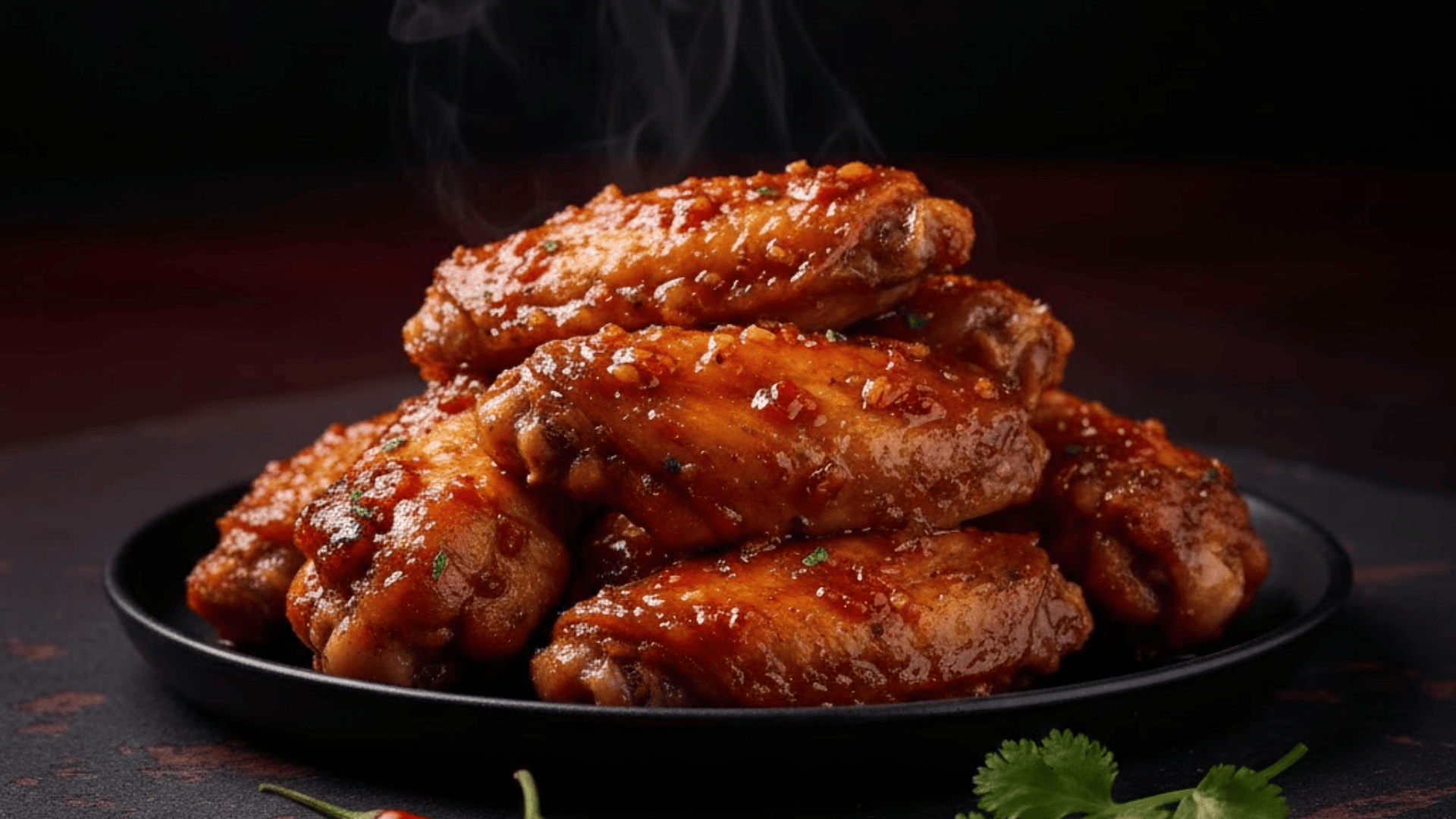






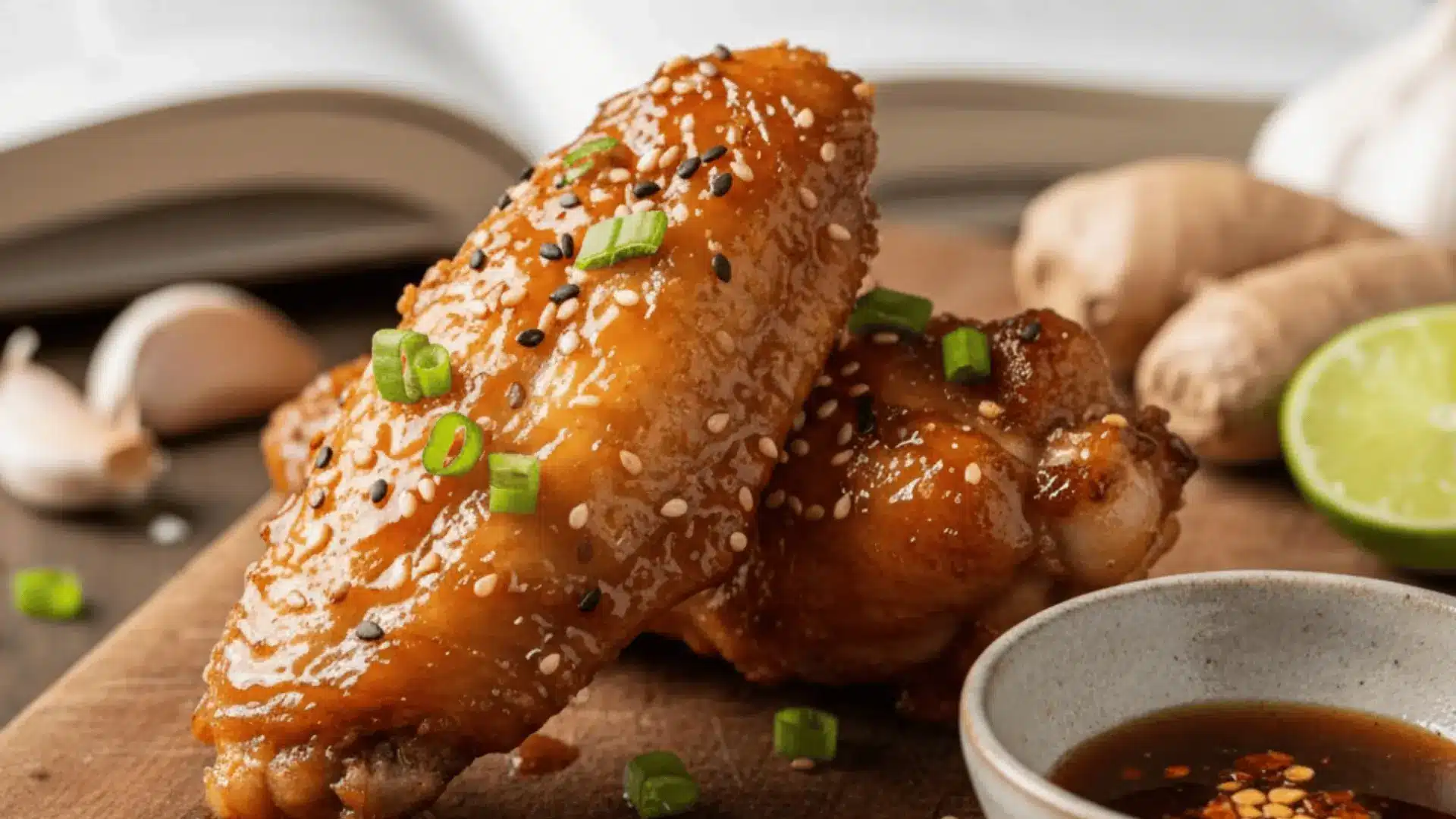 Chicken wings are a protein-forward food, but their fat content is higher than most people expect because of the skin-to-meat ratio. Each wing has a relatively small amount of meat compared to its surface area of skin, and that skin holds most of the fat. Here is how the macros break down per wing:









One Response
Why can’t you tell me the amount of phosphorus I one wing if you can tell me the other nutrients in one eing