

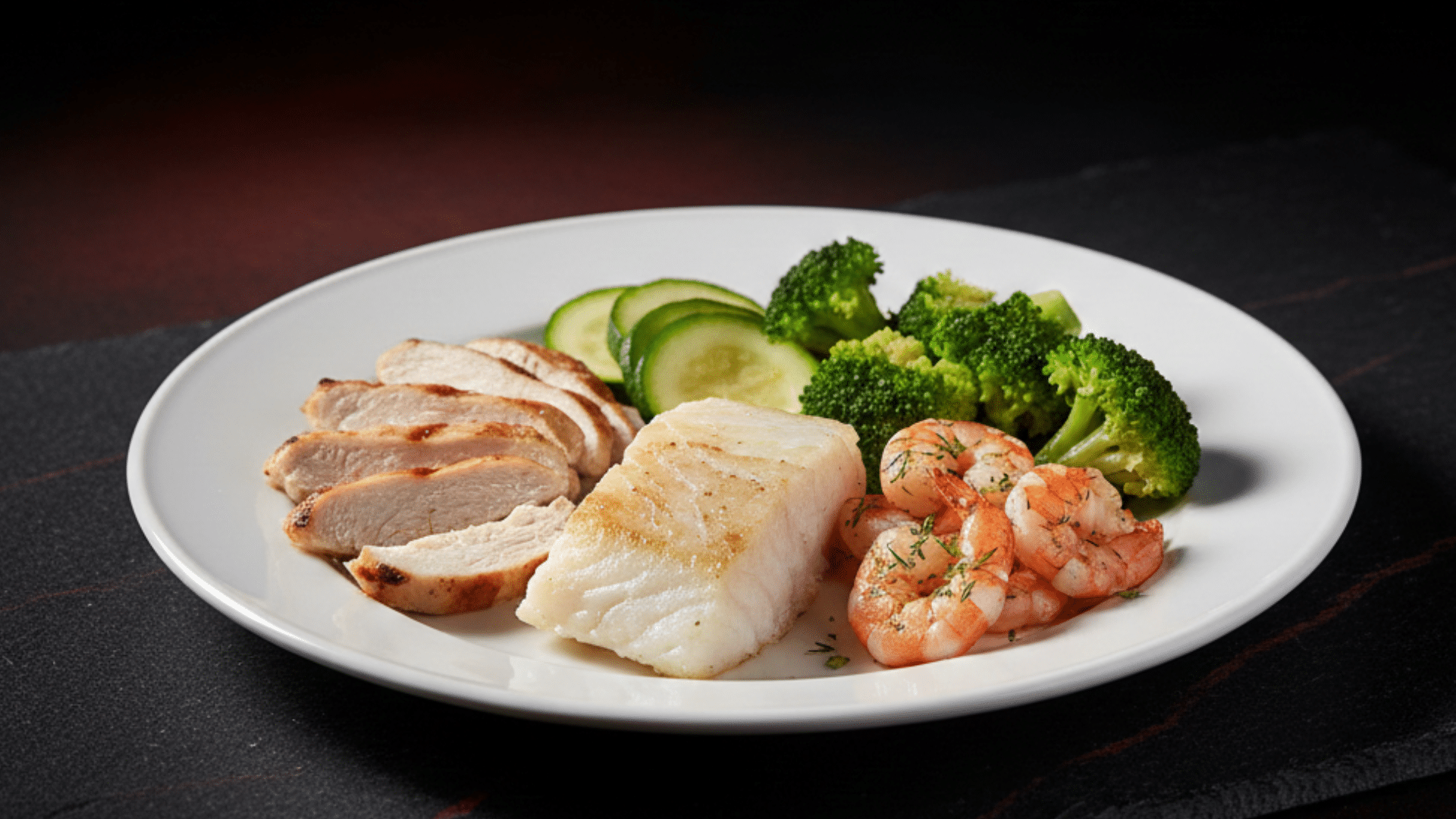
Choosing the right meat can feel tricky when you are trying to cut calories without giving up the foods you enjoy.
I know it can be confusing to see different calorie numbers for similar-looking options and figure out what actually works for your meals.
Small things like the cut of meat, amount of fat, and cooking style can change the final result.
The lowest-calorie meat isn’t just about picking one option, but about knowing how different choices compare.
In this guide, we will break down low-calorie meat options, their calorie values, and simple ways to add lean protein to your meals while keeping them satisfying and balanced
What is The Lowest-Calorie Meat?
Lean white fish such as cod is among the lowest-calorie meat options, with other choices like tilapia, shrimp, and flounder also ranking low in calories.
These options stay lighter because they contain less fat while still providing protein. When I compare different meats, I look at more than just the calorie number because the cut and cooking method can change the final result.
Skinless chicken breast, turkey breast, pork tenderloin, and lean beef cuts like eye of round are also good choices for lower-calorie meals.
Choosing trimmed cuts and simple cooking methods can help keep these meats lighter without losing flavor or nutrition.
Lowest-Calorie Meats Ranked
Comparing meats by calories can make it easier to choose lean protein options that fit your daily meal goals.
| Rank | Meat Option | Calories (per 100g cooked) | Protein (per 100g) |
|---|---|---|---|
| 1 | Cod | ~82 calories | ~18g |
| 2 | Tilapia | ~96 calories | ~20g |
| 3 | Shrimp | ~99 calories | ~24g |
| 4 | Turkey breast | ~135 calories | ~30g |
| 5 | Chicken breast (skinless) | ~165 calories | ~31g |
| 6 | Pork tenderloin | ~143 calories | ~26g |
| 7 | Eye of round beef | ~121 calories | ~22g |
| 8 | Bison | ~143 calories | ~28g |
| 9 | Venison | ~158 calories | ~30g |
| 10 | Lean ground beef (90%) | ~176 calories | ~26g |
Lowest-Calorie Meat Options to Add to Your Diet
Choosing a low-calorie meat option becomes easier when you compare similar foods side by side. These choices focus on lean cuts that provide protein without adding unnecessary calories.
1. White Fish
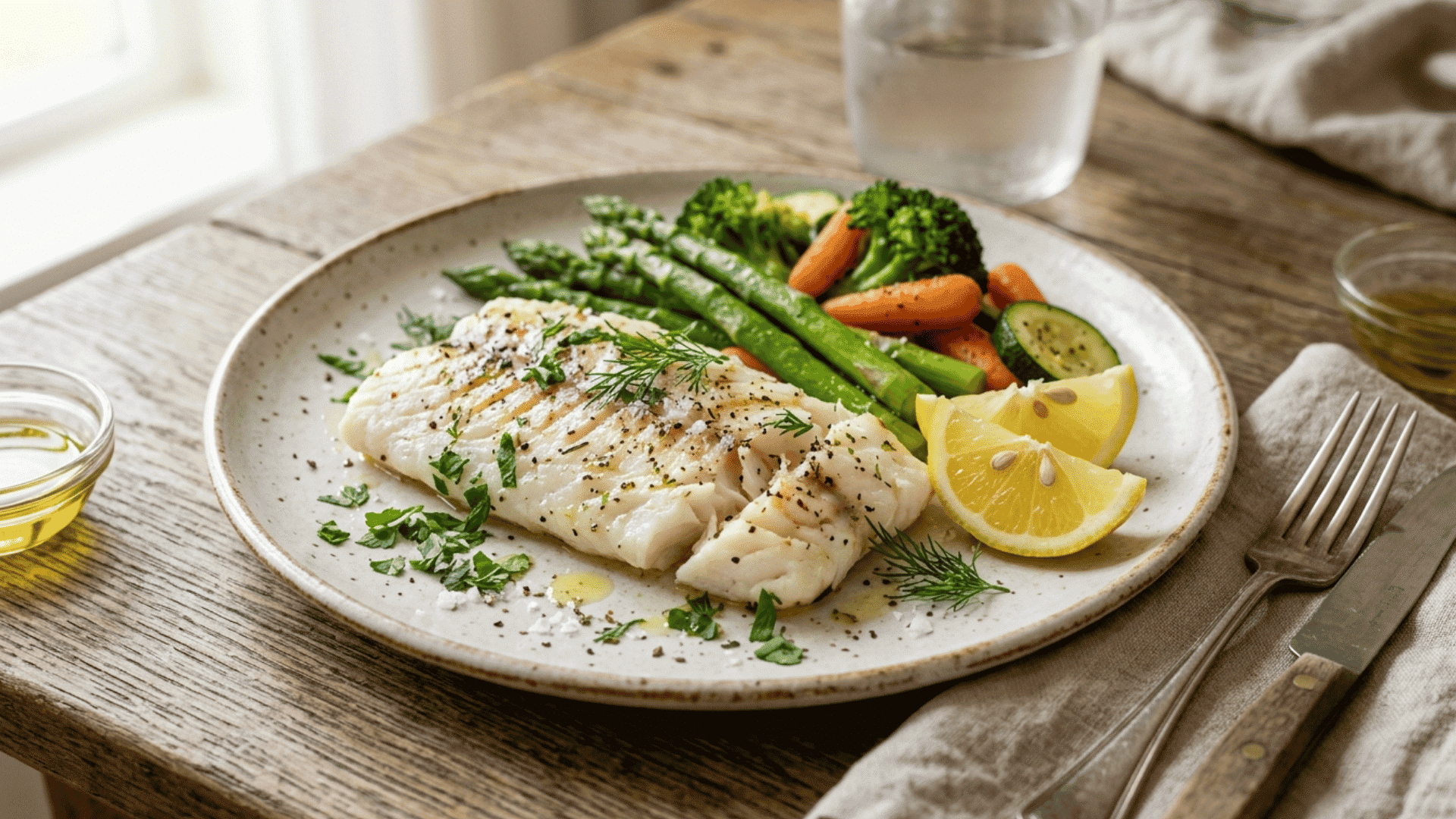
White fish like cod are among the lightest protein choices, with about 82 calories per 100 grams cooked. Their mild flavor makes them easy to pair with vegetables, herbs, and simple seasonings.
Since these fish contain very little fat, they work well for meals where you want a high-protein option without adding many calories.
Baking, grilling, or steaming helps keep their naturally light profile while avoiding extra calories from oils, butter, or heavy sauces.
2. Tilapia
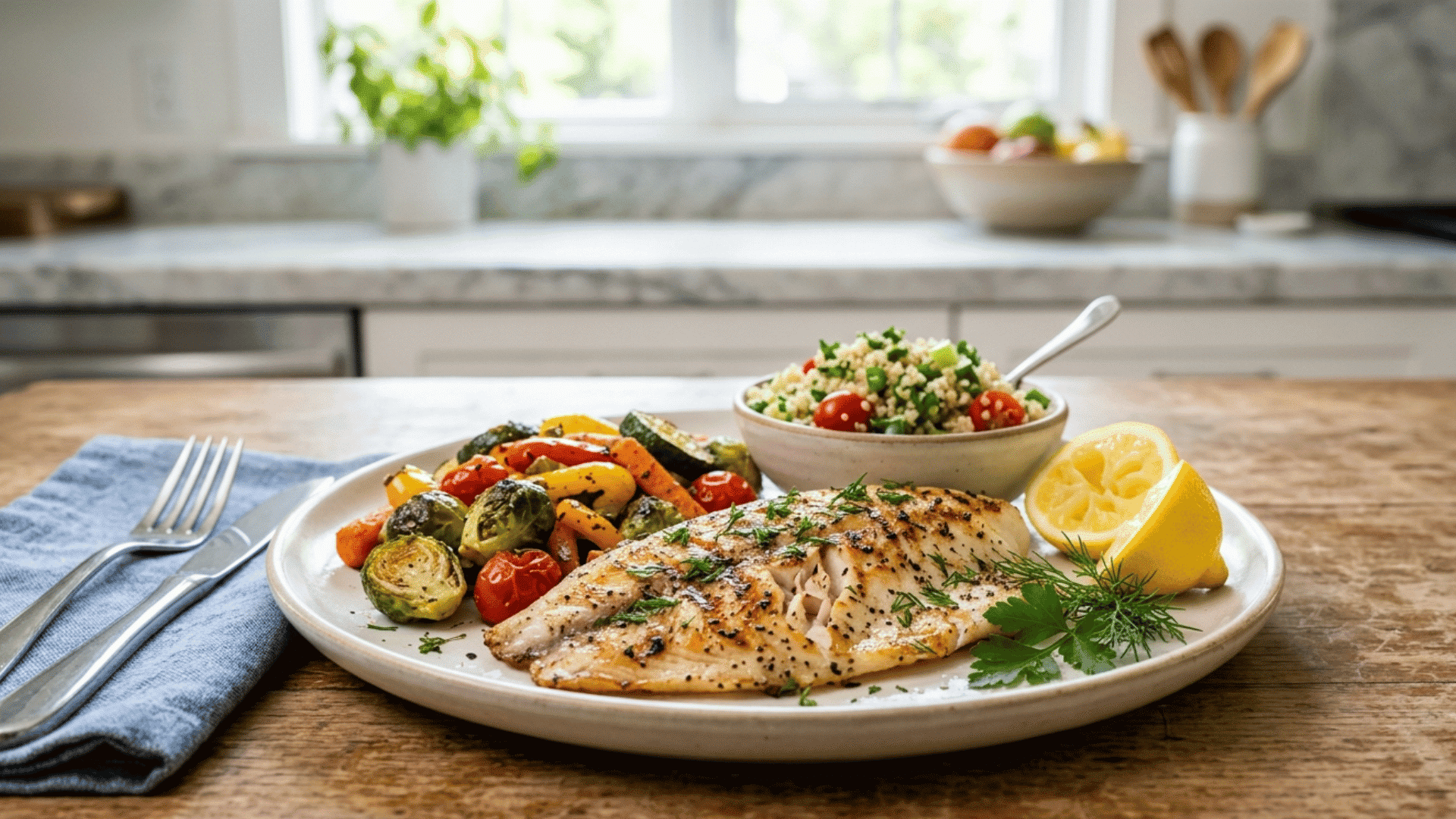
Tilapia is another lean fish option that provides around 96 calories per 100 grams cooked. It has a mild taste and soft texture, which makes it a practical choice for quick weeknight meals.
I like that tilapia can take on different flavors without needing calorie-heavy toppings. Cooking it with lemon, spices, or fresh herbs keeps the meal light while still making it satisfying and flavorful.
3. Shrimp
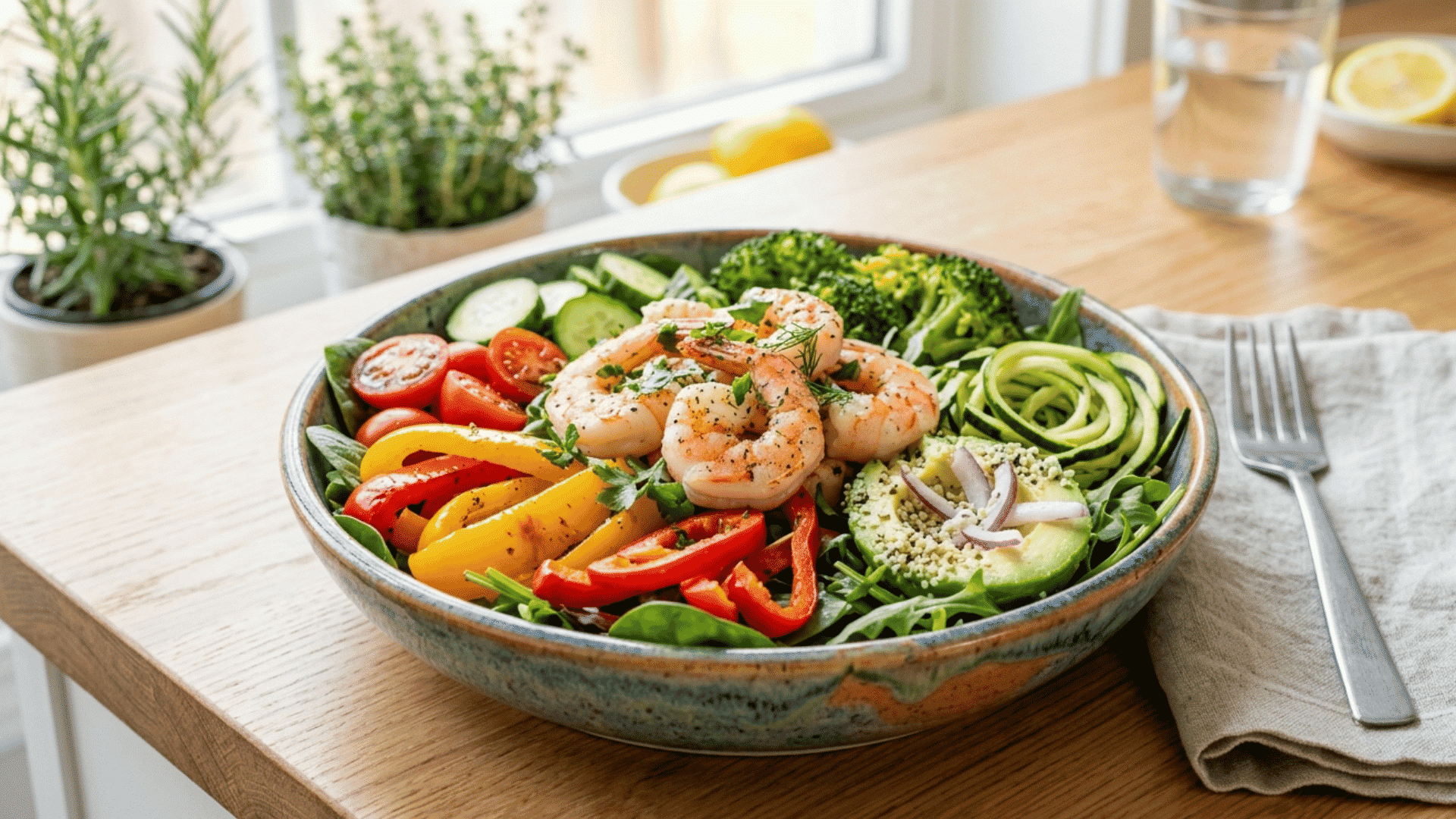
Shrimp delivers a high amount of protein for its calorie count, with about 99 calories per 100 grams cooked.
It is a convenient option when you want a quick meal because it cooks in just a few minutes. Shrimp works well in salads, stir-fries, and bowls.
The main thing to watch is preparation since butter, creamy sauces, and frying can quickly increase the calories.
4. Turkey Breast
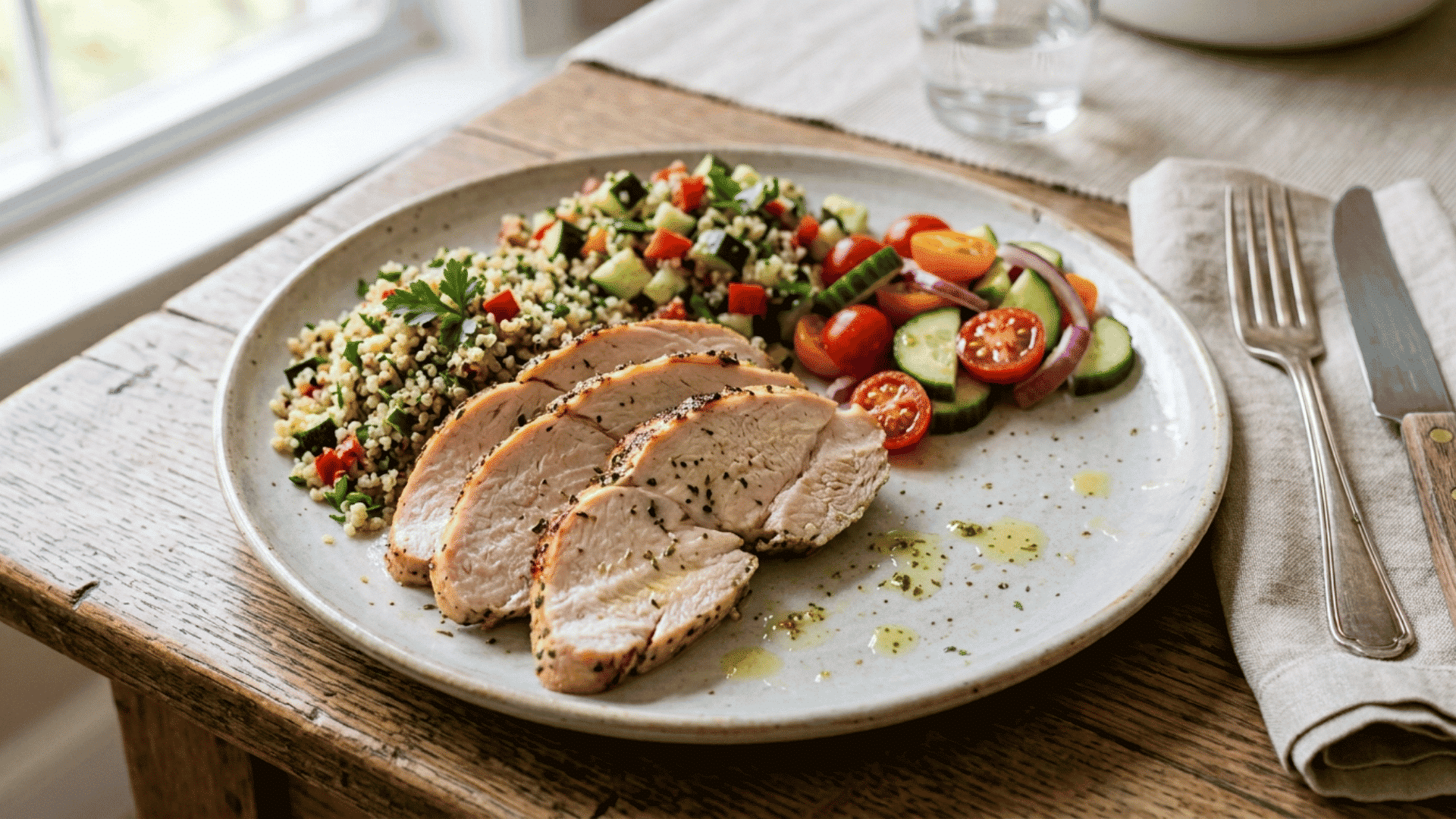
Turkey breast is a popular low-calorie meat because it provides around 135 calories per 100 grams cooked while offering about 30 grams of protein.
It is naturally lean when the skin is removed and can be used in sandwiches, meal prep bowls, or roasted dishes.
Choosing plain turkey breast instead of processed slices helps keep sodium and added ingredients lower.
5. Skinless Chicken Breast
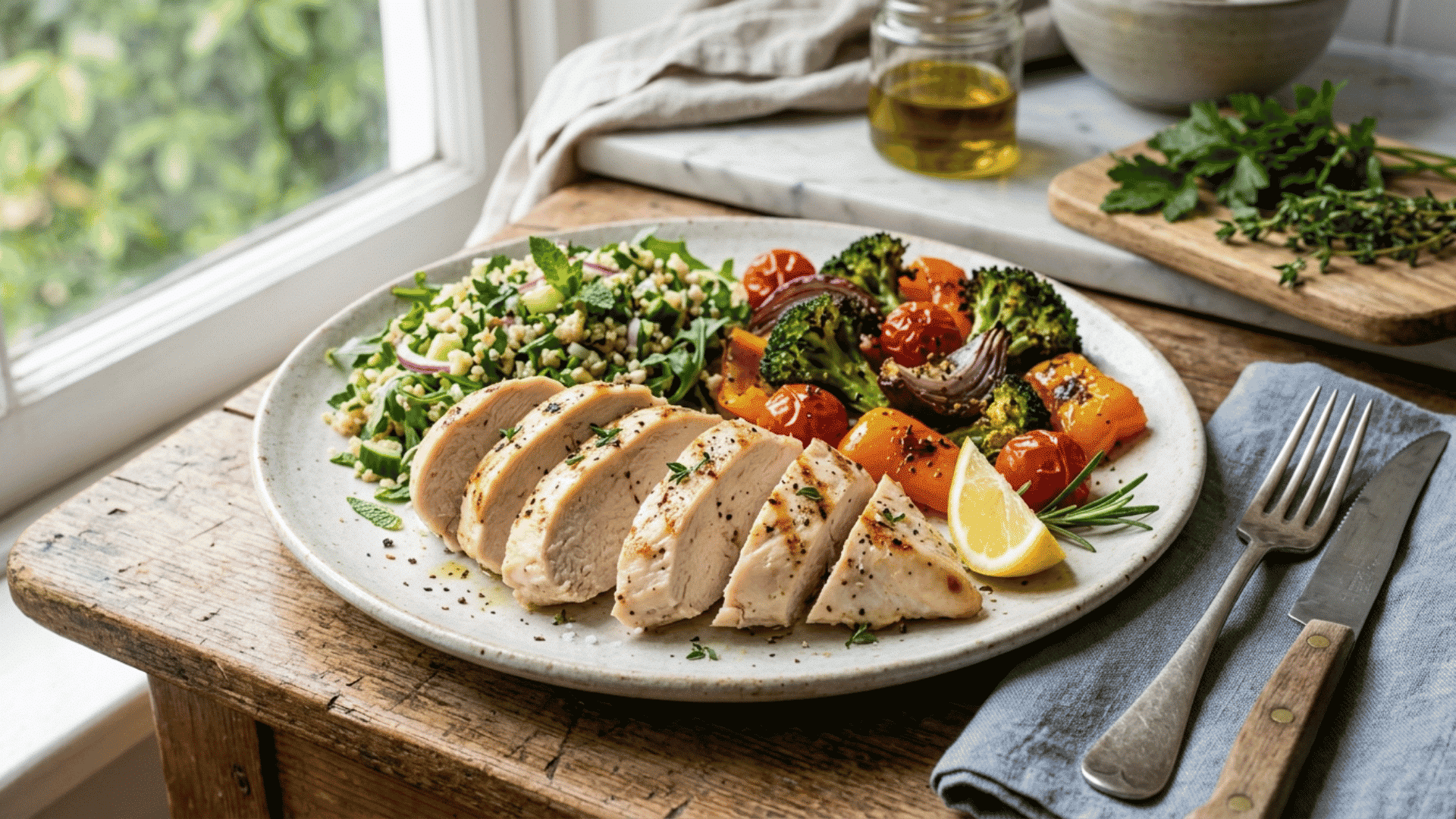
Skinless chicken breast remains one of the most common choices for lower-calorie meals, with about 165 calories per 100 grams cooked.
It is high in protein and easy to prepare in different ways. Grilling, baking, or air frying keeps the calorie count lower compared with fried versions.
Removing the skin is important because much of the added fat and calories come from it.
If you want to see exactly how it stacks up against bison and other cuts on protein per calorie, that’s laid out in our protein-per-calorie meat comparison.
6. Pork Tenderloin
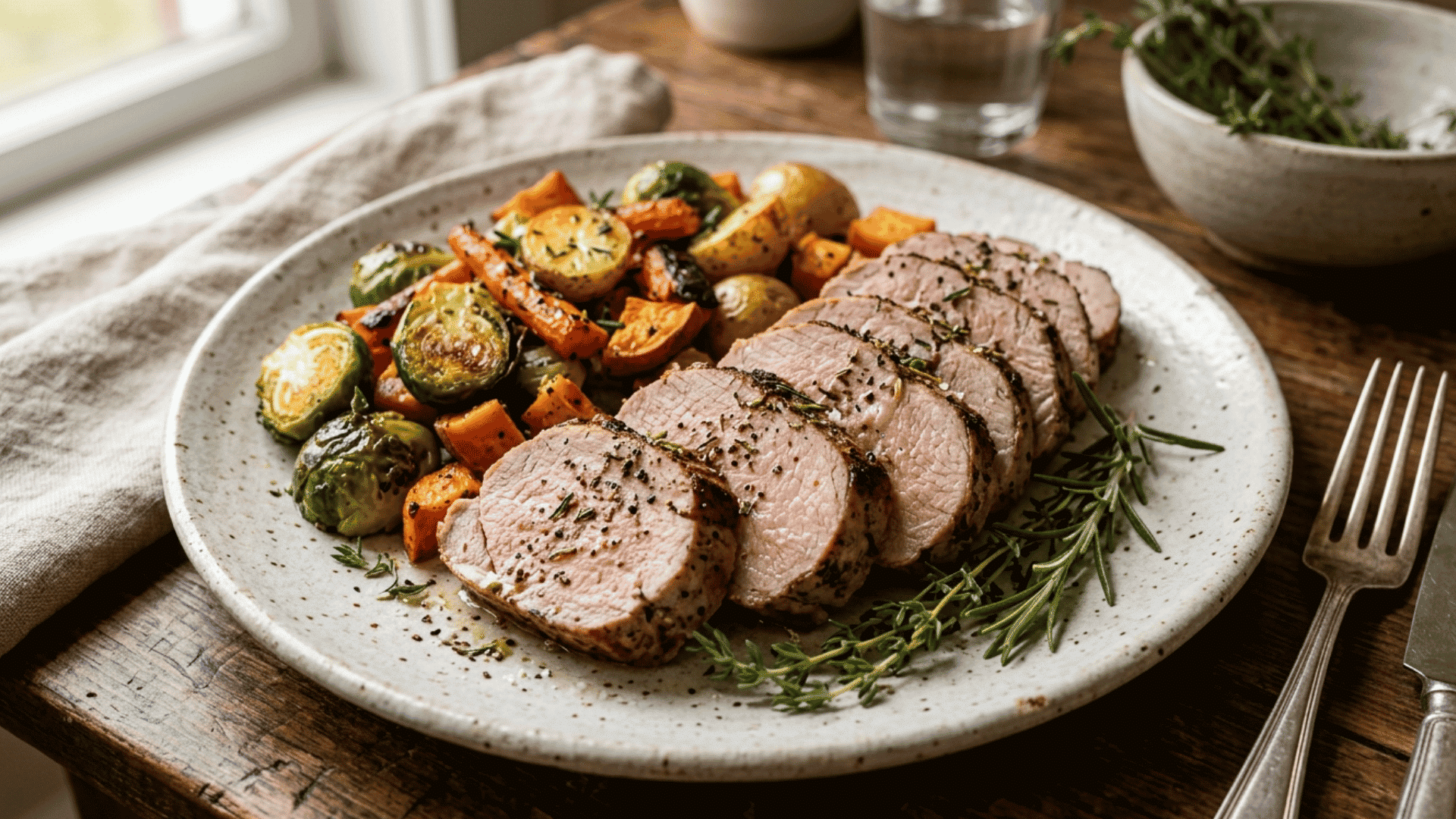
Pork tenderloin is one of the leanest pork cuts, providing about 143 calories per 100 grams cooked.
Unlike fattier pork options, it contains less visible fat and works well for balanced meals. Roasting or grilling helps maintain its lighter nutrition profile.
Adding vegetables and simple seasonings can create a filling meal without relying on high-calorie sauces or extra cooking fats.
7. Eye of Round Beef
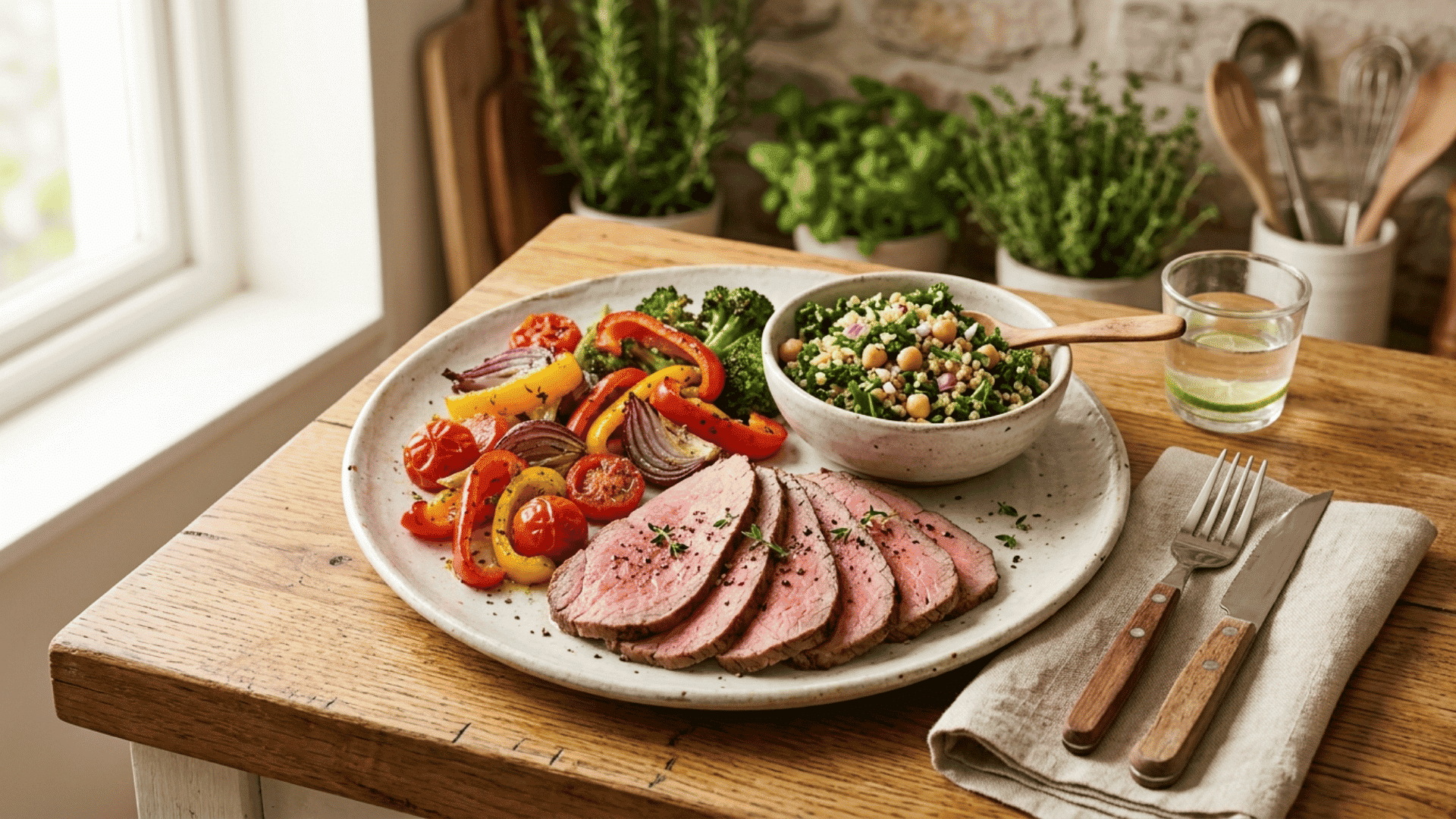
Eye of round is a lean beef cut that contains about 121 calories per 100 grams cooked. It comes from a part of the cow with less fat compared with cuts like ribeye or short ribs.
Because it is naturally lean, proper cooking matters to keep it tender. Slicing it thin and pairing it with vegetables can make it a satisfying option for lighter meals.
8. Bison
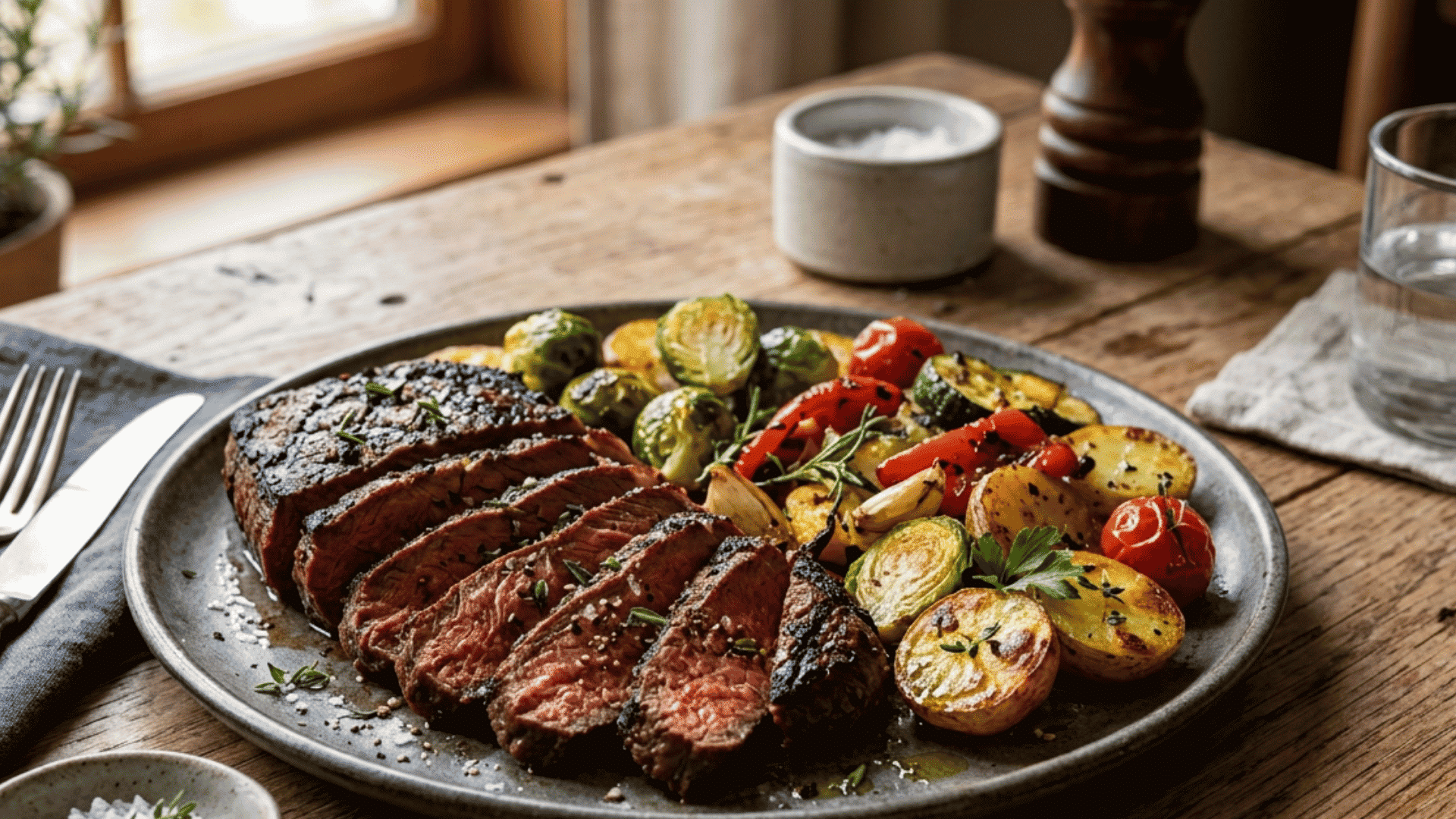
Bison is a lean red meat choice that provides around 143 calories per 100 grams cooked. It offers a rich flavor similar to beef but often contains less fat than many traditional beef cuts.
Since bison is naturally lean, overcooking can make it dry. Using gentle cooking methods and adding flavorful vegetables can help create a balanced meal without extra calories.
9. Venison
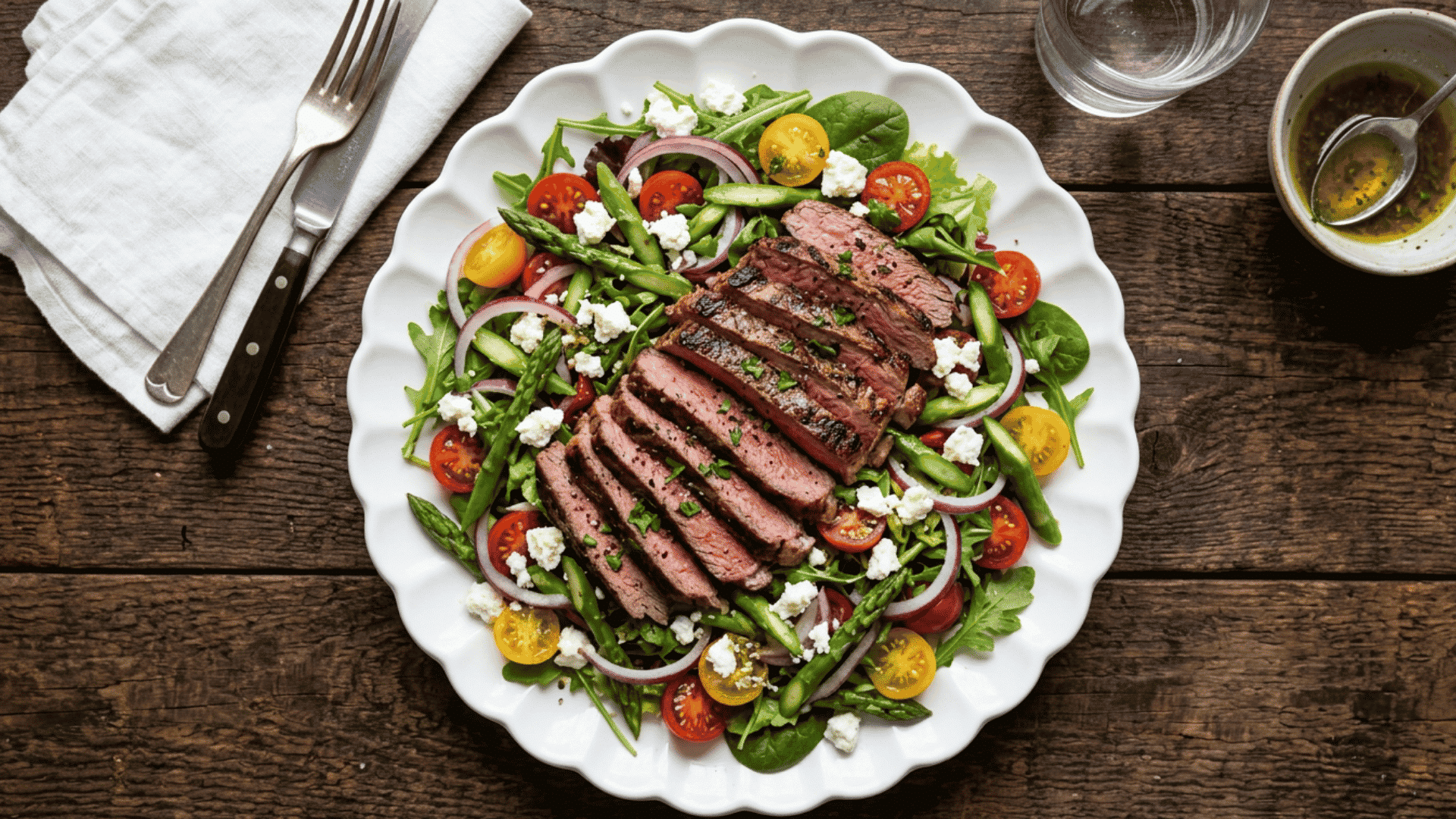
Venison is another lean game meat with about 158 calories per 100 grams cooked and a high protein content.
It is naturally lower in fat than many common red meats, which helps keep calories moderate.
Venison has a stronger flavor than beef, so simple marinades and slow cooking can improve texture while keeping the meal nutritious and easy to enjoy.
How Cooking Changes Calories?
Cooking methods can change the final calorie count of meat, even when you start with the same portion.
Adding oil, butter, breading, or creamy sauces increases calories because these ingredients add extra fat. For example, grilled chicken breast will have fewer added calories than a breaded and fried chicken piece of the same size.
Cooking can also affect how much water remains in the meat, which changes its weight and calorie concentration.
I find that simple methods like grilling, baking, roasting, and steaming make it easier to keep meals closer to their original nutrition values while still creating flavorful dishes. The ingredients added during cooking often matter just as much as the meat itself.
Once you’ve got the cooking side down, stretching that into a full day of eating is really just repetition, which is what I walked through in a full day of protein-forward meals
Foods To Pair With Lean Meat
Lean meat becomes more satisfying when paired with foods that add fiber, nutrients, and volume while keeping the overall meal balanced.
| Food Group | Examples | Benefits With Lean Meat |
|---|---|---|
| Leafy Greens | Spinach, kale, lettuce | Adds fiber and volume with minimal calories |
| Vegetables | Broccoli, zucchini, peppers | Boosts nutrients and makes meals more filling |
| Beans and Lentils | Chickpeas, black beans, lentils | Adds fiber and extra protein |
| Whole Grains | Brown rice, quinoa, oats | Provides lasting energy and balanced carbs |
| Fruits | Berries, apples, citrus | Adds freshness, fiber, and natural sweetness |
| Low-Fat Dairy | Greek yogurt, cottage cheese | Increases protein and creates lighter sides or sauces |
| Healthy Fats | Avocado, nuts, olive oil | Adds flavor and helps improve meal satisfaction |
Common Mistakes People Make With Low-Calorie Meats
Small choices can quickly change the calorie value of a meat-based meal. Avoiding these common mistakes helps you keep your meals lighter and more balanced.
- Ignoring the fat percentage: Ground meats with higher fat content can add many extra calories compared with leaner versions.
- Using heavy cooking methods: Frying meat or adding too much oil, butter, or creamy sauces can increase calories quickly. It’s the same reason chicken wing calories swing so widely between baked and fried versions of the same order.
- Choosing processed options often: Some deli meats and packaged products contain extra sodium, fillers, or added ingredients.
- Comparing wrong serving sizes: Always compare the same weight and cooking style to get accurate calorie numbers.
- Skipping balanced sides: Pairing meat only with small portions may leave meals less filling than adding vegetables or fiber-rich foods.
Final Thoughts
Finding better meat choices does not have to mean making every meal feel strict or repetitive.
A few simple changes, like checking labels, choosing leaner cuts, and being mindful of added ingredients, can make a noticeable difference over time.
I find that the easiest approach is building meals around foods you genuinely enjoy while keeping the overall plate balanced. Whether you prefer fish, poultry, or lean red meat, there are plenty of options that can fit different eating styles and goals.
Try experimenting with different combinations, cooking methods, and sides to find what works best for you.
Share your experience in the comments and let us know your favorite lean meat choice.
Frequently Asked Questions
Should Athletes Choose the Lowest-Calorie Meat?
Athletes may need more calories, not fewer, depending on training load and recovery needs. The lowest-calorie meat isn’t automatically the right choice for that goal. A balanced meal with enough protein, carbs, fat, and fluids usually matters more.
Can Kids Eat Low-Calorie Meat?
Kids can eat lean meats, but they need enough total calories for growth and activity. A very low-calorie plan isn’t ideal for a child without medical guidance. Serve lean meat alongside grains, fruit, vegetables, dairy, and healthy fats.
Does Eating Meat at Night Cause Weight Gain?
Eating meat at night doesn’t cause weight gain on its own. Total daily calories, portion size, food quality, sleep, and activity level all matter more than the clock. A light dinner with lean meat and vegetables fits well into a balanced day.
Is Canned Chicken a Low-Calorie Meat?
Canned chicken can be low in calories when it’s packed in water rather than mixed with creamy sauces. The main thing to check is sodium. Rinsing may cut some salt, but reading the label is still the most reliable step.