
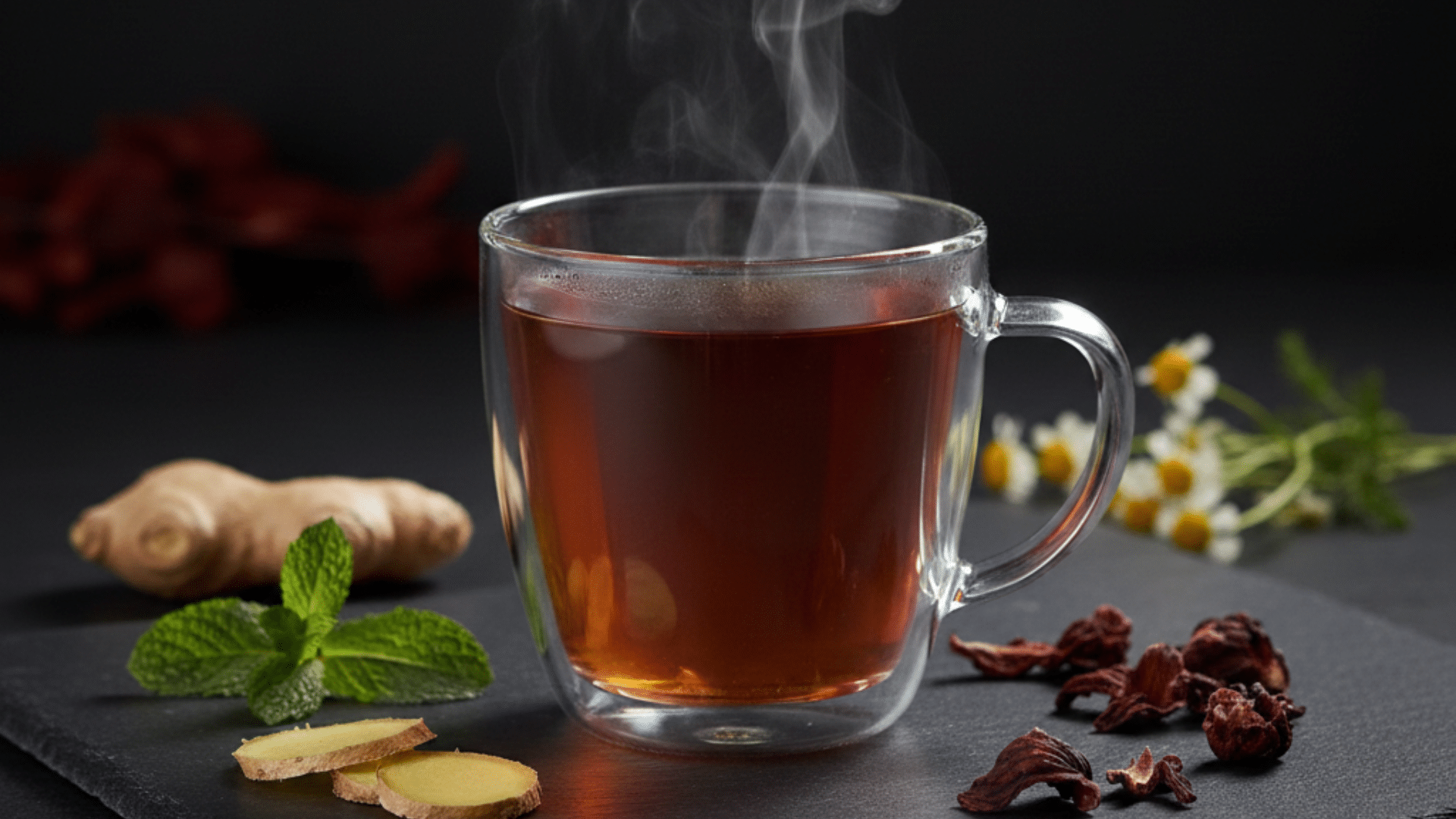
Many people reach for tea hoping it will help them feel lighter, reduce bloating, or support their weight-loss goals.
While some teas may offer helpful benefits, it’s not always easy to know which ones are worth trying.
I know how confusing it can be when every article recommends something different or promises quick results.
To avoid that confusion, this guide will help you find the best tea for bloating and weight loss and learn which options fit your daily routine.
This article is for general information only and isn’t medical advice. Talk with a doctor or registered dietitian before making major diet changes, especially if you’re pregnant, breastfeeding, or managing a health condition.
Quick Answer: What Is the Best Tea to Drink for Weight Loss?
Green tea is widely considered the best tea to drink for weight loss because its natural catechins and caffeine help support fat oxidation and metabolism.
Oolong and black tea are also good options, while ginger and peppermint tea help relieve bloating and support digestion.
No tea alone causes weight loss, so the best results come from combining tea with a balanced diet and regular physical activity.
Best Teas for Bloating and Weight Loss
Choosing the right tea depends on your goal. Some are better for reducing bloating, while others are known for supporting healthy weight management as part of an overall healthy lifestyle.
1. Green Tea
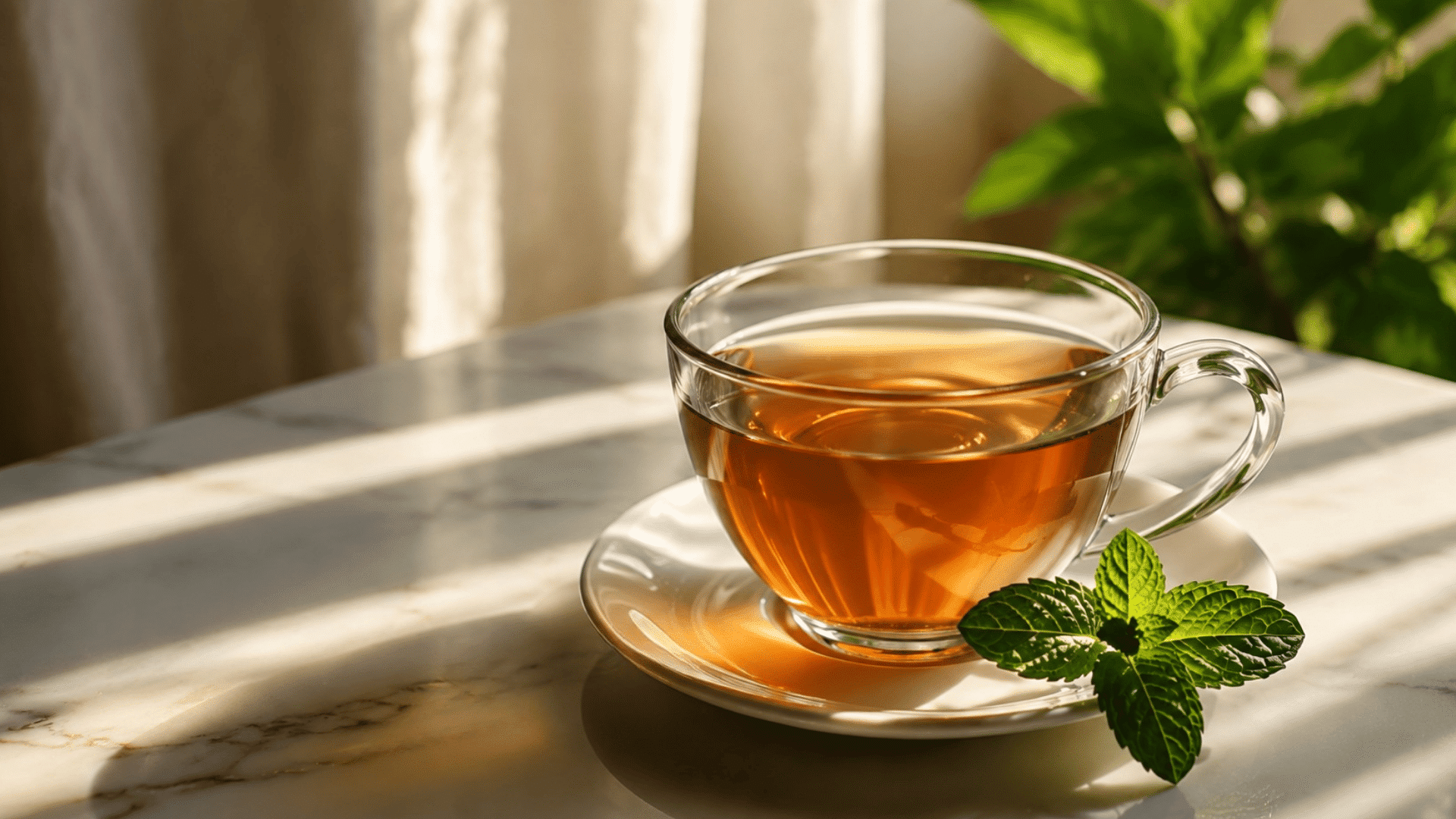
Green tea is one of the best choices if your goal is weight loss.
It contains catechins, especially EGCG, along with a small amount of caffeine that supports fat oxidation and metabolism.
It’s also rich in antioxidants that support overall health.
In comparison to coffee, green tea tends to be gentler on a sensitive stomach, since it doesn’t push your gut into the same acid overdrive that coffee does.
2. Oolong Tea
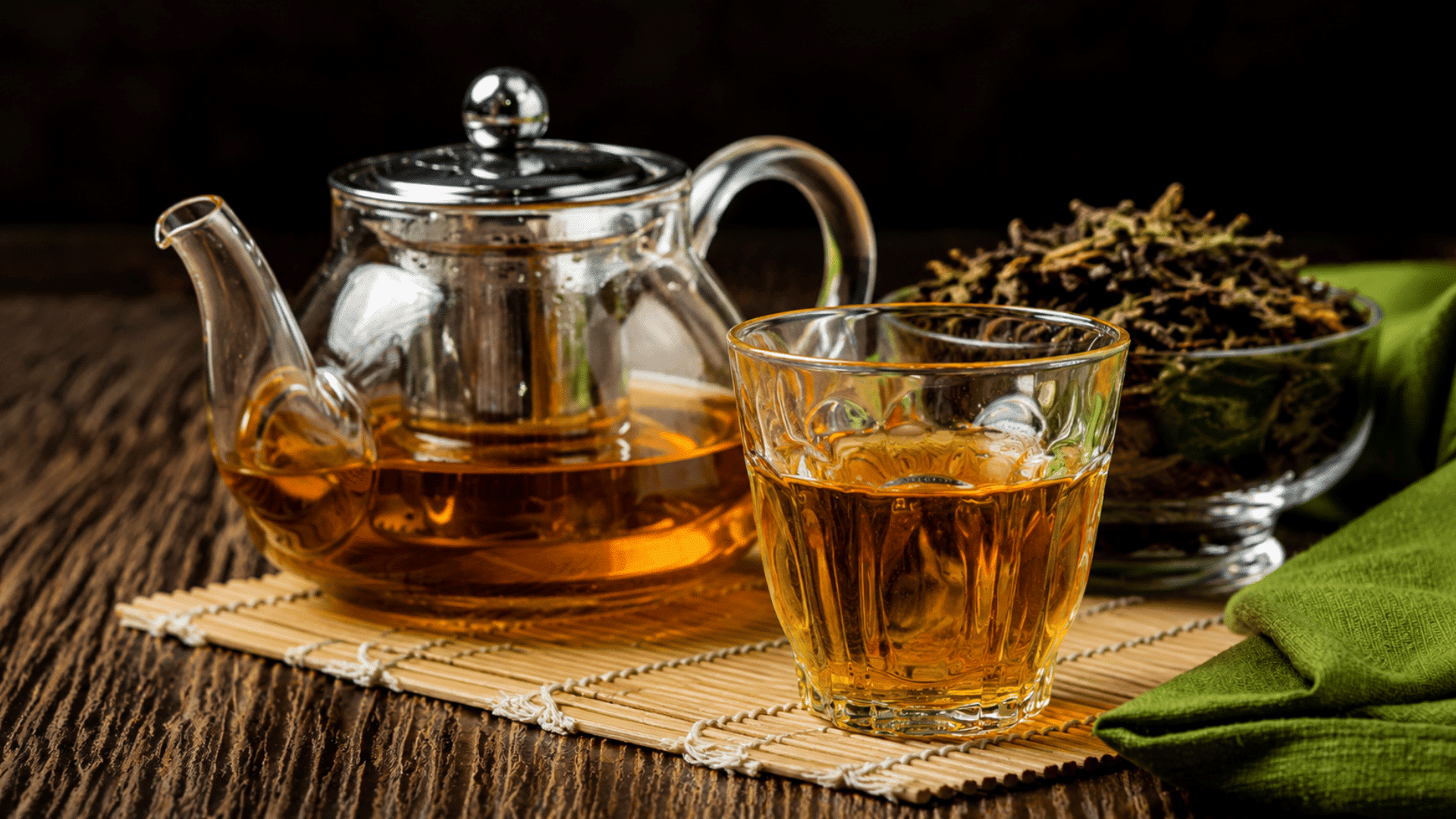
If green tea isn’t your favorite, oolong tea is another excellent option.
It has a richer flavor while providing natural compounds and caffeine that support fat oxidation.
Though oolong tea caffeine content is important to know if you’re drinking it later in the day.
Oolong is also packed with antioxidants and fits easily into a healthy daily routine. A cup in the morning or early afternoon is a good time to enjoy it.
3. Ginger Tea
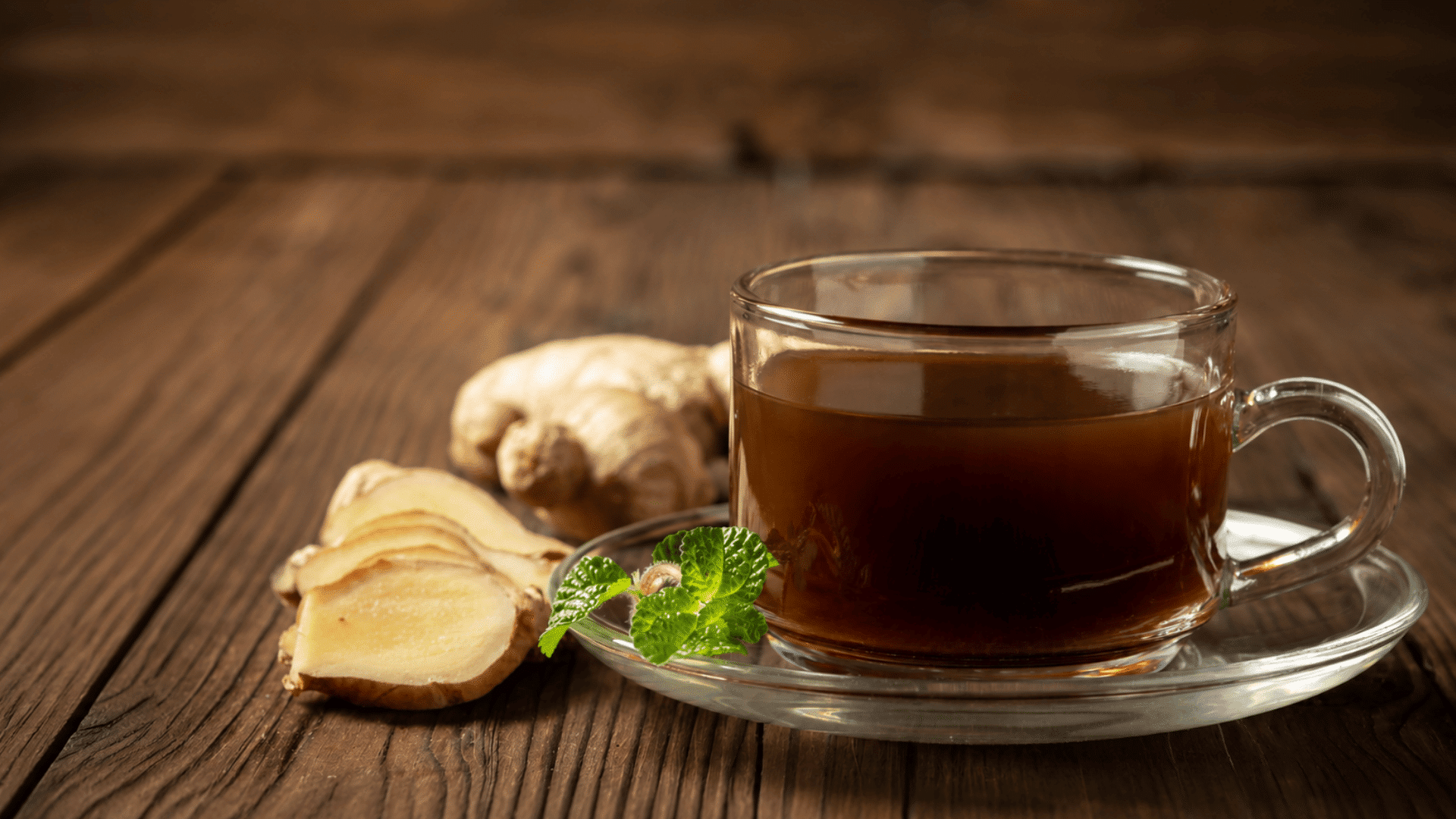
Ginger tea is a popular choice for easing bloating after meals.
It helps food move through the stomach faster, which can reduce that heavy, bloated feeling and support comfortable digestion.
It may also help relieve mild nausea. Fresh ginger offers the strongest flavor, but tea bags are a convenient option for everyday use.
4. Peppermint Tea
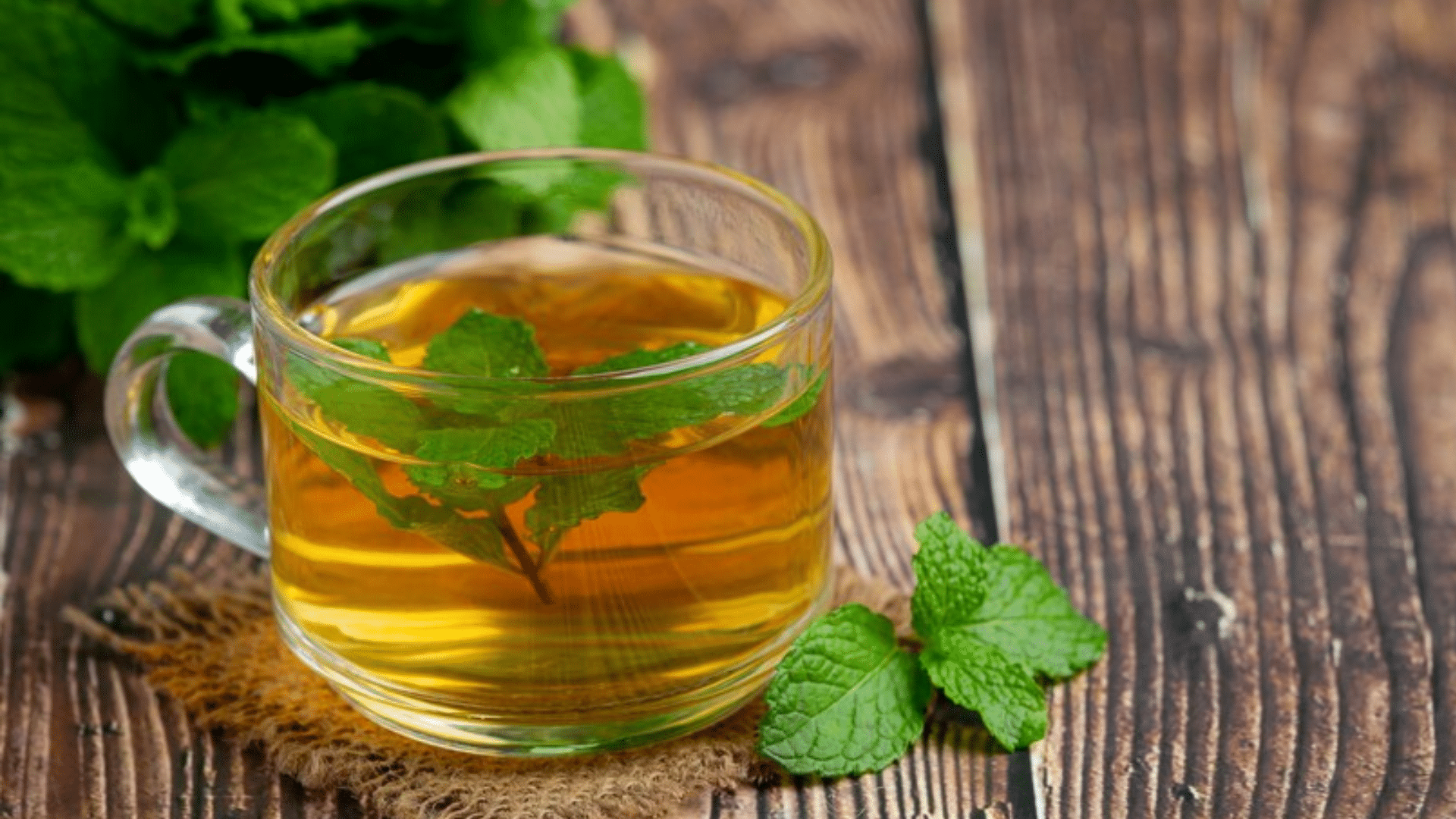
Peppermint tea is well known for calming an upset stomach.
It helps relax the muscles in your digestive tract, making it easier for trapped gas to pass and reducing bloating.
Since it’s naturally caffeine free, it’s a great evening drink. However, people with acid reflux may find that peppermint worsens their symptoms.
5. Fennel Tea
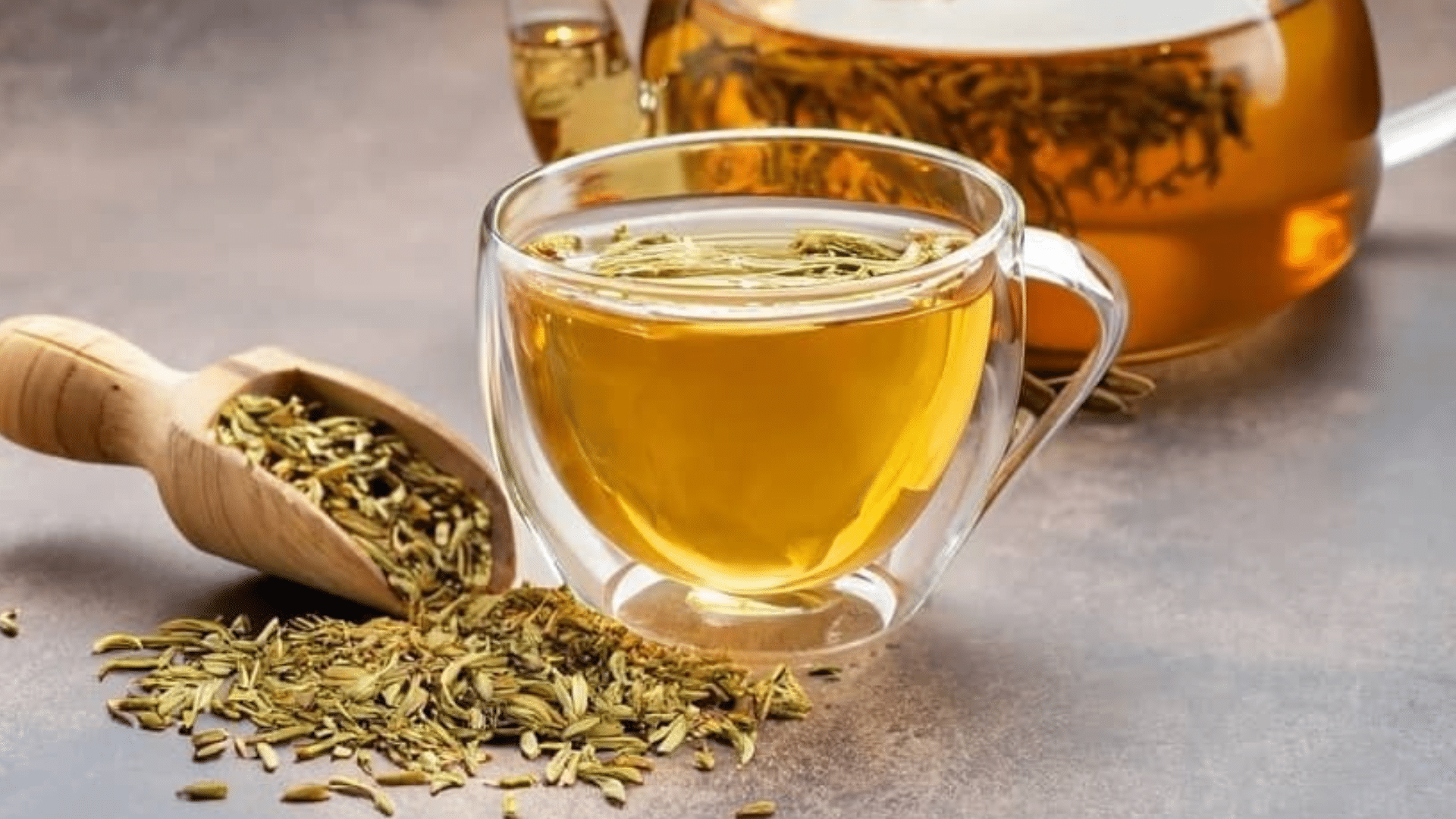
Fennel tea has been used for generations to support healthy digestion.
It can help reduce gas and ease digestive discomfort, helping your stomach feel more comfortable after meals.
It has a naturally sweet flavor with a mild licorice taste, making it an enjoyable herbal tea for many people.
6. Hibiscus Tea
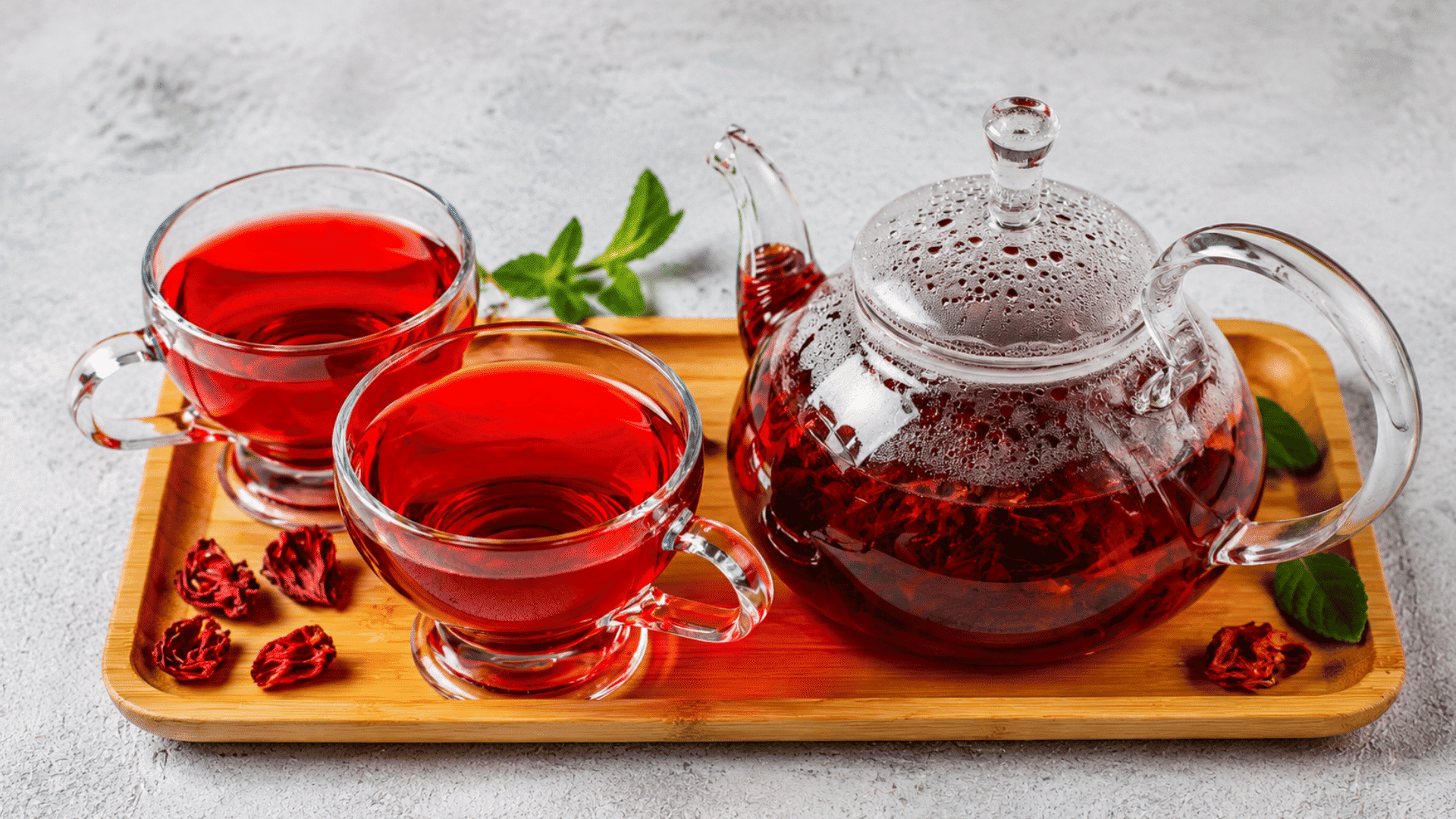
Hibiscus tea has a bright, fruity flavor that’s delicious hot or iced.
It’s rich in antioxidants and makes a refreshing alternative to sugary drinks.
While it doesn’t directly relieve bloating, replacing high calorie beverages with hibiscus tea can support a balanced diet and healthy weight management.
7. Dandelion Tea
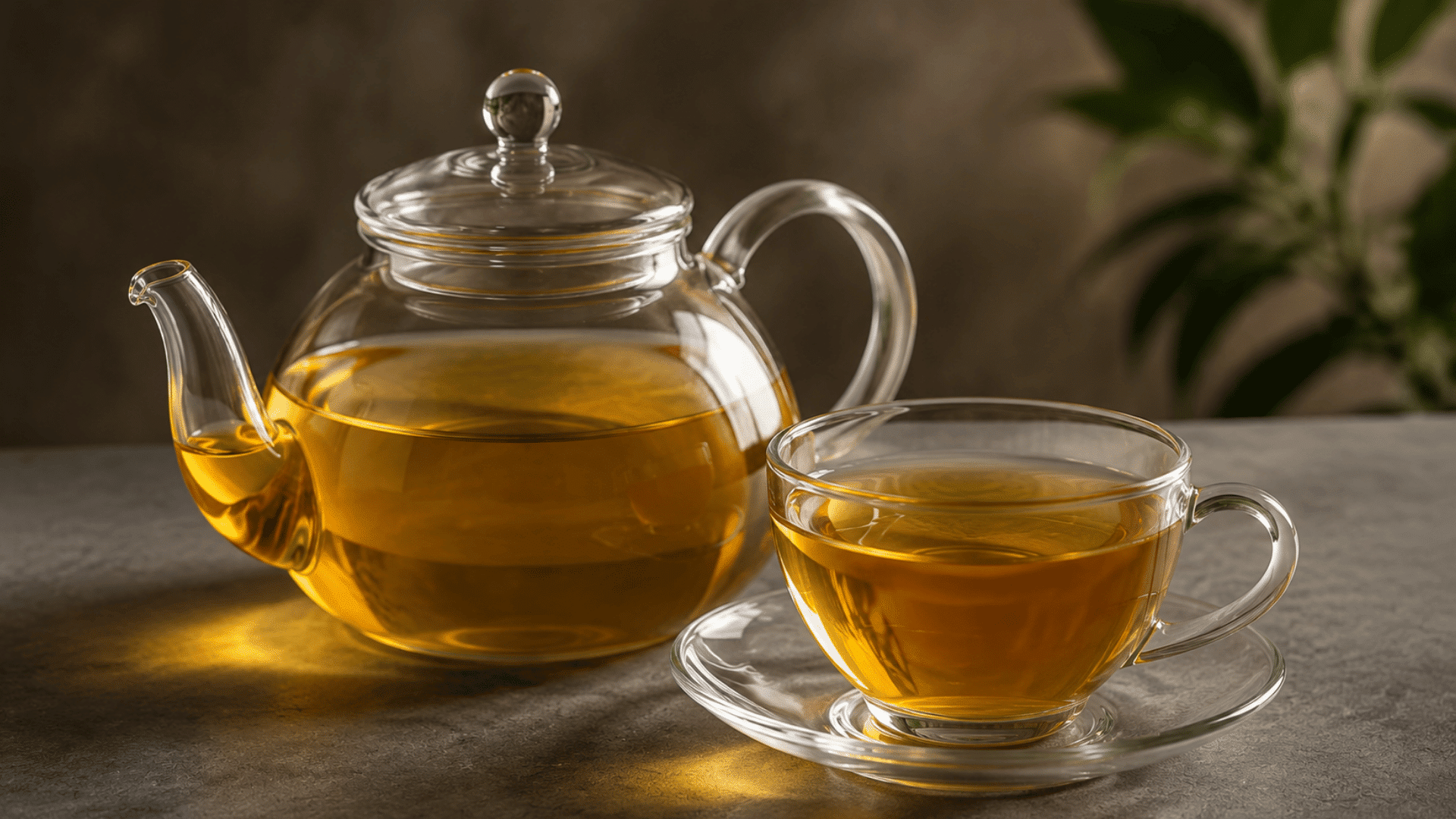
Dandelion tea is often used when bloating feels like puffiness or water retention rather than gas.
It may act as a mild natural diuretic, helping your body release excess water, which can make your stomach feel less swollen and your waist feel more comfortable in the short term.
Dandelion tea is caffeine-free and fine to use during the day, but it’s best not to overdo it. While it may help reduce water weight, it doesn’t cause fat loss.
If constipation is part of what’s driving your bloating, pairing this with foods that support regularity tends to help more than tea alone.
8. Lemon Balm Tea
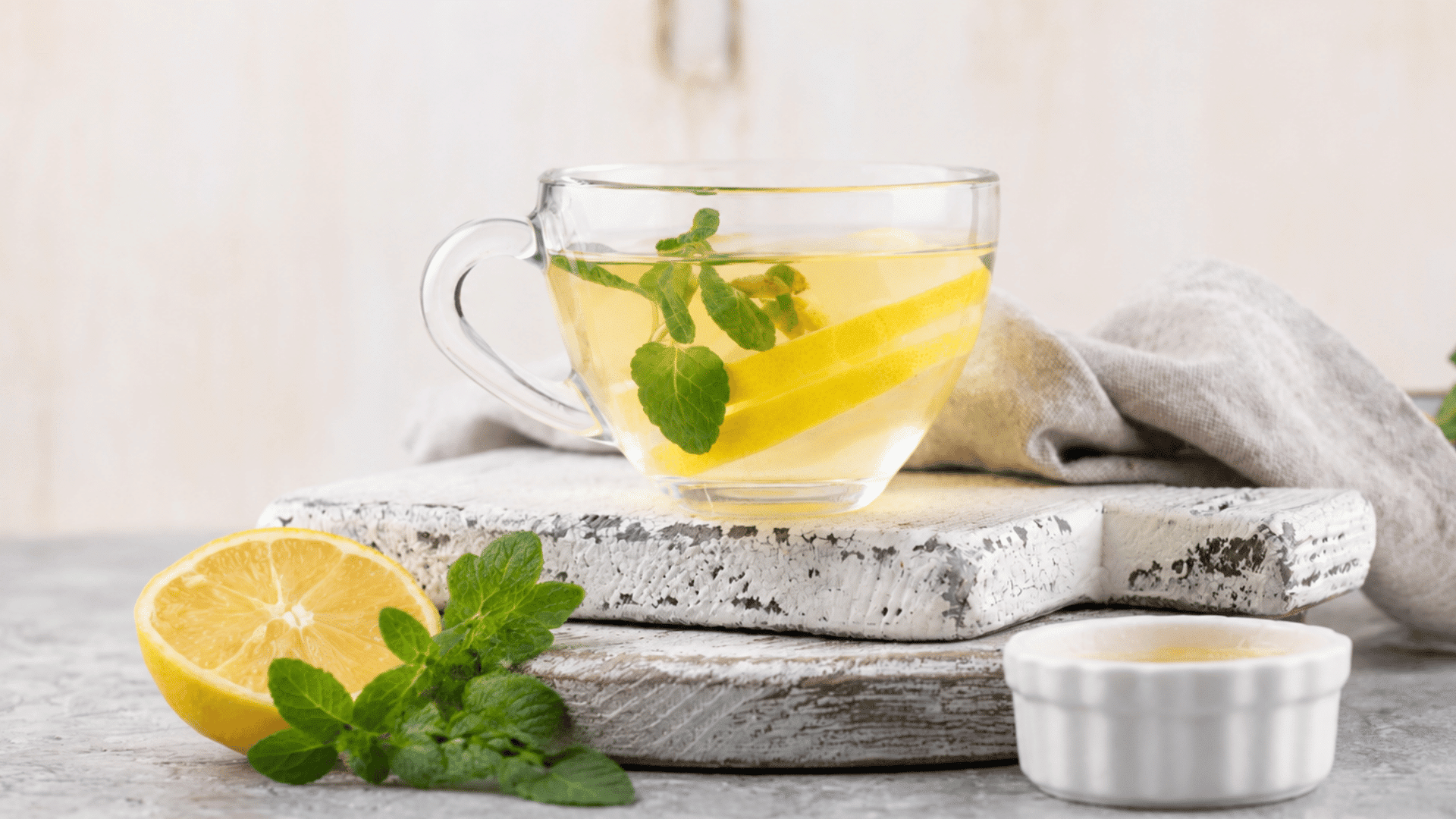
Lemon balm tea has a fresh, light citrus flavor and is naturally caffeine free.
It helps calm the digestive system and may ease bloating that’s linked to stress or digestive discomfort.
Many people also enjoy it in the evening because it promotes relaxation before bedtime.
9. Chamomile Tea
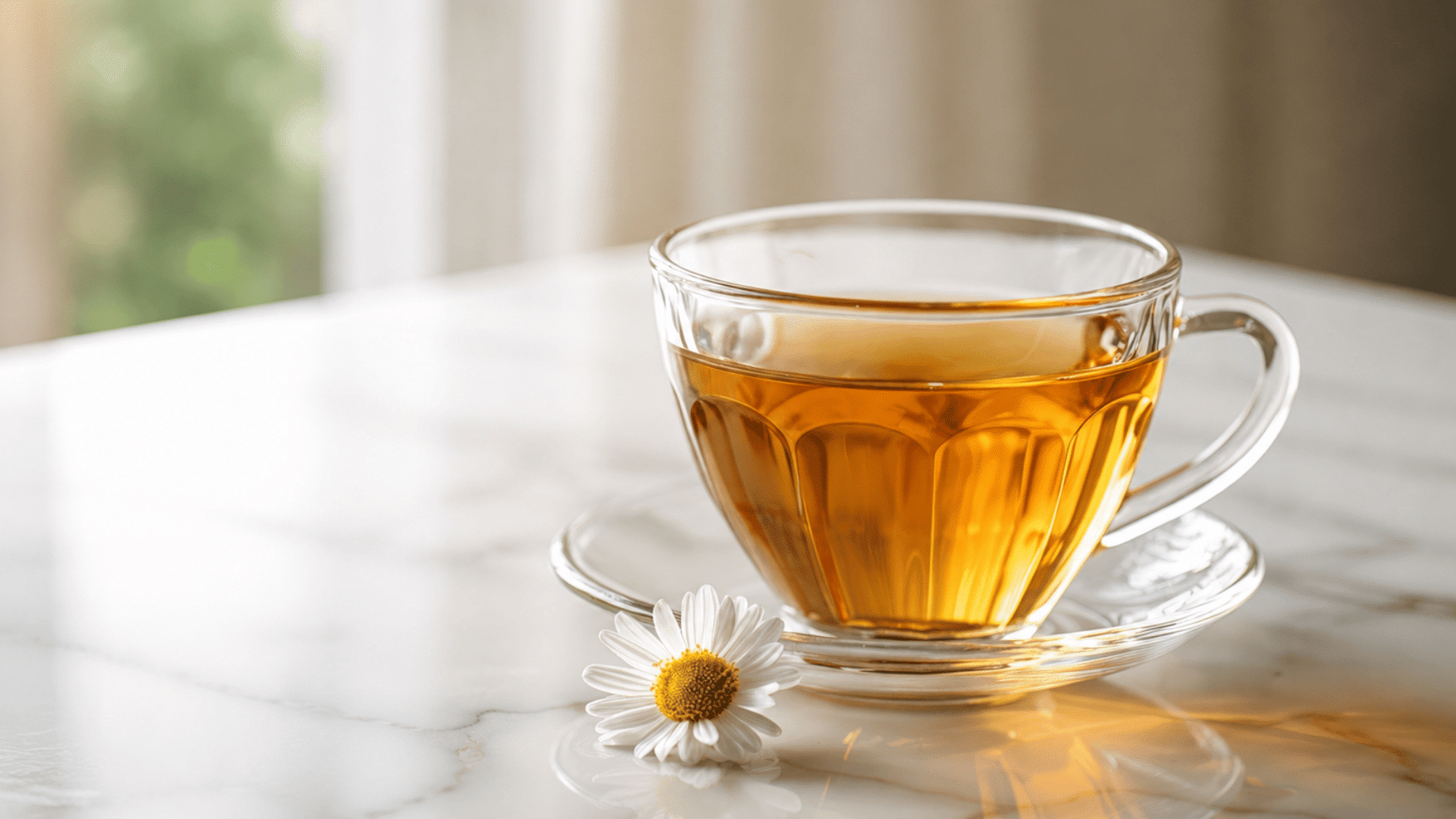
Chamomile tea is more than a bedtime favorite. It helps calm the digestive system, which can ease mild bloating and stomach discomfort after meals.
Although it doesn’t directly promote weight loss, it’s a soothing, calorie free drink that fits well into a healthy daily routine, especially before bed.
Best Teas for Bloating Based on the Cause
Different types of bloating respond better to different teas. Choosing one that matches the cause can help you feel more comfortable.
| Bloating Cause | Best Tea | How It Helps |
|---|---|---|
| Gas and pressure | Peppermint, Fennel | Helps relax digestive muscles so trapped gas can pass more easily |
| Post meal fullness | Ginger | Supports stomach emptying and eases that heavy, bloated feeling |
| Stress related or evening bloating | Chamomile, Lemon Balm | Helps calm the digestive system and promotes relaxation |
| Water retention and puffiness | Hibiscus, Dandelion | May help reduce excess water retention, though evidence is still limited |
How to Drink Tea for Better Results?
Drink your tea plain whenever possible, since added sugar can reduce its health benefits.
Tea works best when you enjoy it regularly and pair it with balanced meals, regular physical activity, and enough water throughout the day.
I like to drink green or oolong tea in the morning or early afternoon for a natural boost, then switch to herbal teas after meals or in the evening.
But remember, it shouldn’t replace meals or be treated as a quick fix.
Dietary Adjustments to Relieve Bloating
Along with herbal teas, there are some everyday lifestyle changes that help relieve bloating.
- Increase Fiber Gradually: Add more fruits, vegetables, whole grains, and legumes slowly to support digestion without causing excess gas.
- Drink Plenty of Water: Staying hydrated helps food move through your digestive system and supports regular bowel movements.
- Limit Carbonated Drinks: Sodas and sparkling beverages can increase trapped gas, making bloating worse.
- Cut Back on Salty Foods: Eating less sodium helps reduce water retention that can leave you feeling bloated.
- Choose Smaller Meals: Smaller, balanced meals are often easier to digest than large portions.
Wrapping It Up
The best tea for you depends on what you’re trying to achieve.
Some teas are better for easing bloating, while others can support your weight loss journey when paired with healthy eating and regular exercise.
I hope this guide has made it easier to choose the one that fits your routine. Start with one tea, stay consistent, and pay attention to how your body responds.
I’d love to hear about your experience. Have you tried any of these teas, or do you have a favorite? Share your thoughts in the comments below.
Frequently Asked Questions
Who Should Be Careful When Drinking Tea?
Pregnant or breastfeeding women, children, and people taking medications or managing health conditions should consult a healthcare provider.
What Tea Is Like Ozempic?
No tea works like Ozempic. Green tea may support weight management, but it does not mimic Ozempic’s effects on appetite, blood sugar, or weight loss.
What Is the Strongest Natural Appetite Suppressant?
Protein and fiber rich foods are among the strongest natural appetite suppressants because they help you feel full longer and reduce hunger between meals.
Which Fruit Removes Gas From the Stomach?
Kiwi is one of the best fruits for reducing gas because it supports digestion and regular bowel movements. Pineapple and papaya may also help some people.
What Breakfast Is Good for Bloating?
A good breakfast for bloating includes oatmeal with berries, plain yogurt, or eggs with whole grain toast. Choose simple, high fiber foods and stay well hydrated.