

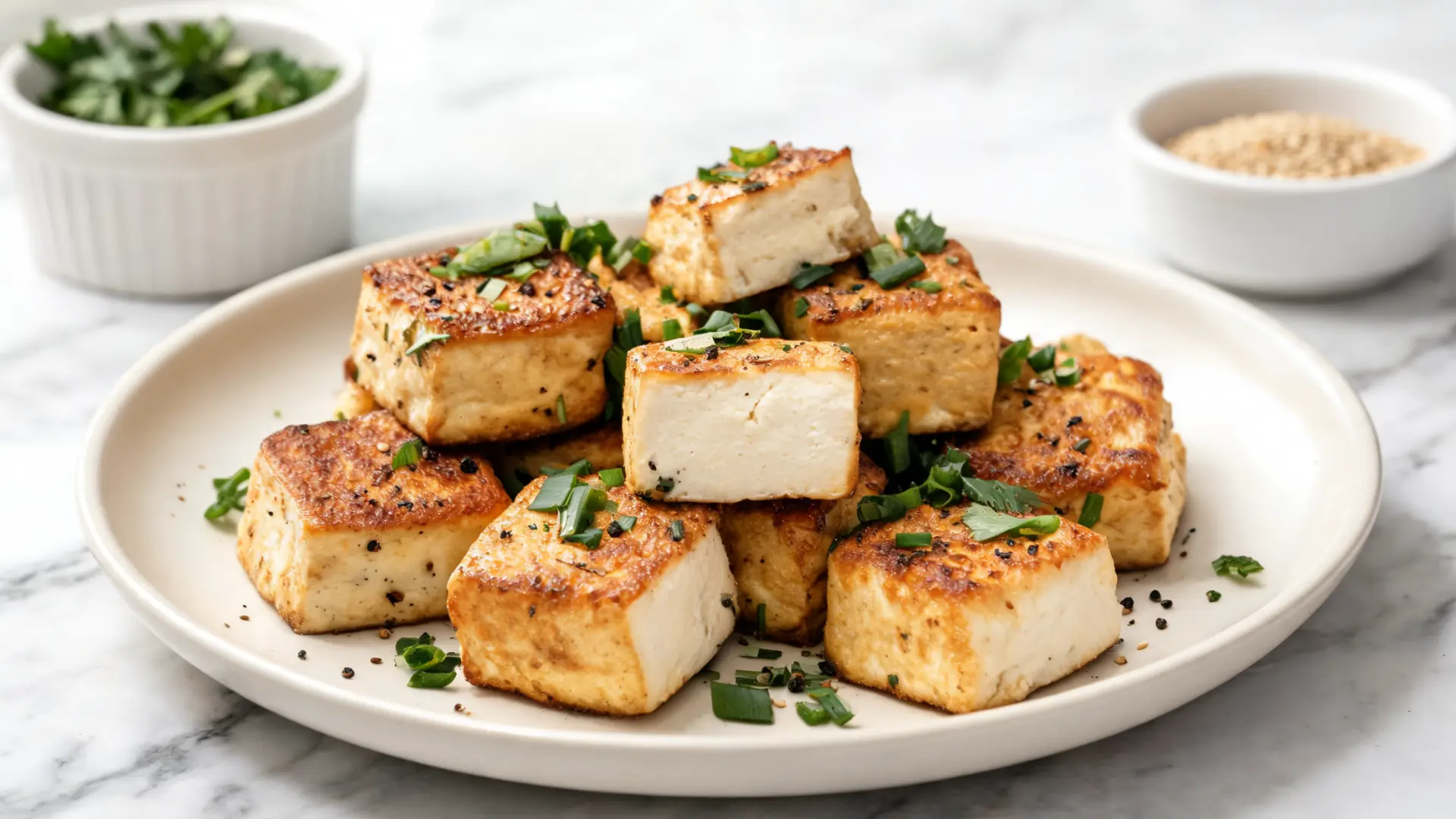
Confused about whether tofu actually fits into your keto routine or not? You’re not alone. I’ve seen you struggle with mixed advice that makes simple food choices feel complicated.
That’s where the confusion around istofu keto friendly and is tofu low carb usually begins, especially when carb counts and portion sizes vary across sources. In this guide, I break everything down in a clear, practical way so you can stop second-guessing your meals.
You’ll learn how many carbs tofu really has, how different types compare, and how to include it in your keto diet without slowing progress or breaking ketosis. By the end, you’ll know exactly where tofu stands in your low-carb plan.
Is Tofu Keto-Friendly?
Yes, tofu is keto-friendly when eaten in controlled portions. It fits into ketosis because it is naturally low in carbohydrates, typically containing about 1–4g net carbs per 100g, which is well within standard keto daily limits of 20–50g net carbs. This means it can be included without disrupting ketosis as long as overall carb intake stays balanced.
Tofu works best on keto when portions are managed and paired with healthy fats like olive oil, avocado, or coconut oil to better match ketogenic macro ratios. It also provides moderate protein, which supports muscle maintenance without significantly impacting blood sugar or ketone production.
In short, tofu can support ketosis, but portion control and daily carb tracking determine how well it fits into a keto diet.
Tofu Nutrition Profile and Net Carbs Breakdown
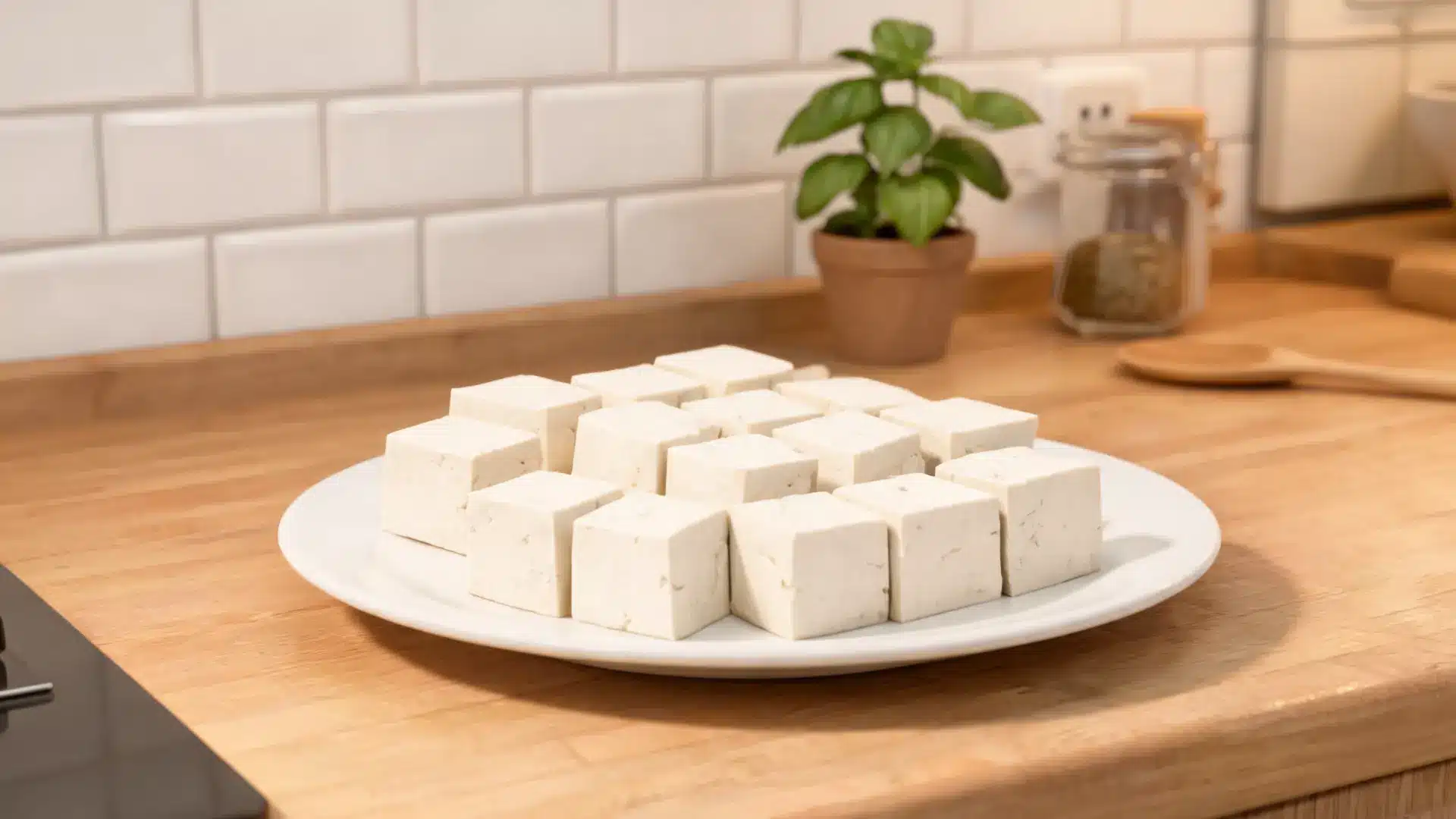
Tofu is often chosen in keto vegetarian diets because it offers a balanced macronutrient profile with relatively low carbohydrates and decent protein. The exact numbers vary depending on processing, but most standard tofu remains low enough for keto use.
To better understand tofu’s role, the table below shows average values per 100g serving and how they compare across common tofu types and their carb impact on keto tracking.
| Tofu Type | Net Carbs | Protein | Fat | Keto Suitability |
|---|---|---|---|---|
| Silken Tofu | 1–2g | 6–8g | 4g | High |
| Soft Tofu | 2–3g | 7–9g | 4–5g | Moderate-High |
| Firm Tofu | 3–4g | 10–12g | 5–6g | High |
| Extra Firm | 4–5g | 12–15g | 6g | Moderate |
After reviewing these numbers, tofu clearly stays within low-carb limits, especially when portions are kept reasonable and carb intake is tracked carefully throughout the day.
Quick Keto Tip: For strict keto, choose silken or firm tofu most often—they offer the best balance of lowest net carbs and easy macro control.
Tofu Net Carbs Vs Keto Daily Limit
Carb tracking matters more than any single ingredient when evaluating is tofu keto for your daily meals. Most keto diets stay under 50g net carbs daily, while stricter versions aim for closer to 20g. A typical 100–150g serving of tofu contributes roughly 2–6g net carbs, depending on firmness and brand.
This means tofu can take up around 5–20% of a daily keto carb allowance when included in moderation. Compared to higher-carb plant proteins like chickpeas or lentils, tofu remains significantly lower in carbohydrates and fits more comfortably within a low-carb framework, which answers the common question of is tofu low carb.
However, flavored or pre-marinated tofu products can contain added starches or sugars, which may quickly raise carb content. Careful label reading is essential to keep tofu predictable in a ketogenic plan and to avoid unexpected carb spikes that could interfere with the stability of ketosis.
Tofu Vs. Other Keto Foods Comparison
Tofu is often compared with common keto staples to understand where it truly fits in a low-carb lifestyle. A comparison of tofu vs. other keto foods helps readers see how tofu compares to common low-carb staples.
While tofu is keto-friendly, it is not the lowest-carb or highest-fat option. Comparing net carbs, protein, and fat per 100g makes it easier to choose the right food based on strict keto, vegetarian keto, or higher-protein meal goals.
1. Eggs
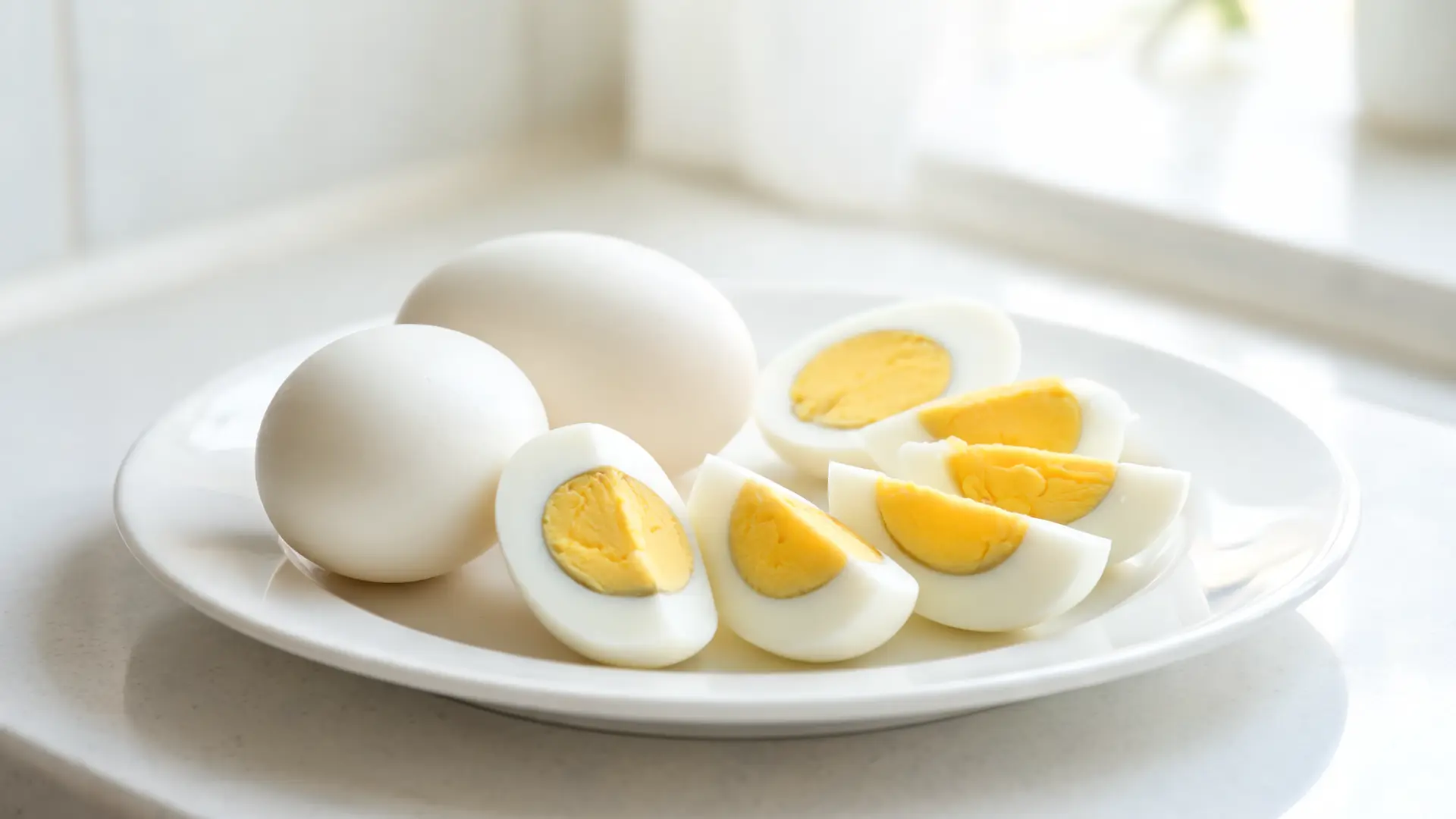
Eggs are one of the strongest keto staples because they are naturally very low in carbs and contain a balanced mix of protein and fat. Compared with tofu, eggs are easier to fit into strict keto days because they have almost no net carbs. Tofu still works well for plant-based meals, but eggs offer a better fat-to-carb ratio.
- Net Carbs: Eggs contain around 0–1g net carbs per 100g, making them lower in carbs than tofu.
- Protein: Eggs provide about 12–13g of protein per 100g, which is similar to some types of tofu.
- Fat: Eggs contain around 10–11 g of fat per 100g, making them higher in fat than most tofu.
Eggs may fit stricter keto targets more easily, while tofu remains useful for plant-based low-carb meals.
2. Chicken
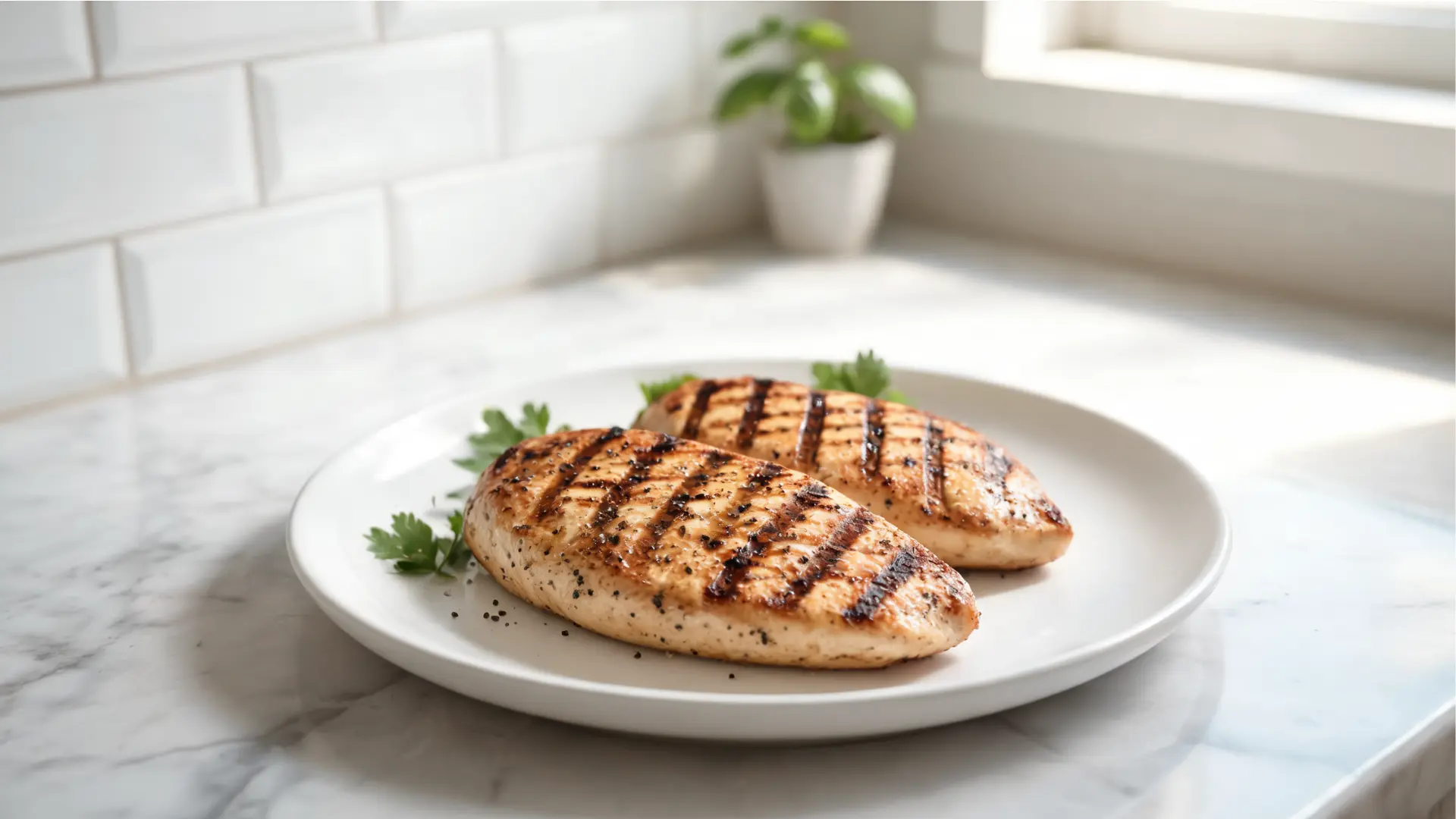
Chicken is a high-protein keto food that contains no carbs, making it useful for people who want lean protein without affecting daily carb limits.
Compared with tofu, chicken offers much more protein per 100g. However, chicken breast is very low in fat, so it often needs added fat to match a proper keto meal structure.
- Net Carbs: Chicken breast contains 0g net carbs per 100g, making it lower in carbs than tofu.
- Protein: Chicken breast provides around 30–32g protein per 100g, much higher than tofu.
- Fat: Chicken breast contains about 3–4 g of fat per 100g, which is lower than many types of tofu.
Chicken works well for high-protein keto meals, while tofu is a better fit for vegetarian or plant-based plans.
3. Salmon
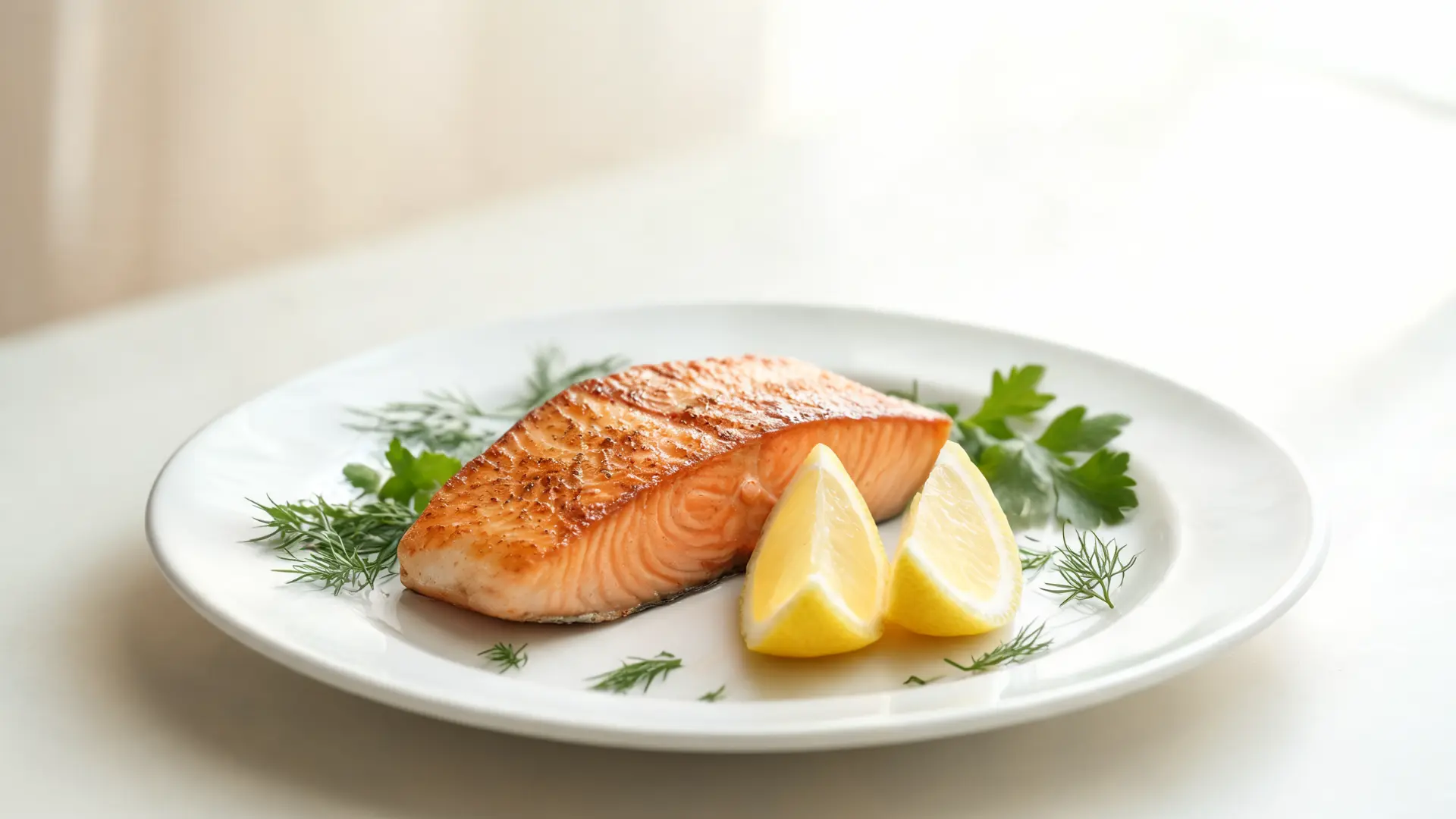
Salmon is one of the most keto-friendly protein foods because it contains zero carbs, quality protein, and natural fat. Compared with tofu, salmon fits keto macros more easily because it requires less added fat.
It also provides omega-3 fats, which makes it more nutrient-dense than tofu for non-vegetarian keto diets.
- Net Carbs: Salmon contains 0g net carbs per 100g, making it lower in carbs than tofu.
- Protein: Salmon provides around 20–25 g of protein per 100g, which is higher than most tofu types.
- Fat: Salmon contains about 10–14 g of fat per 100g, making it higher in fat than tofu.
Salmon offers stronger keto macros for fat and protein, while tofu still works well in plant-based keto meals.
4. Paneer
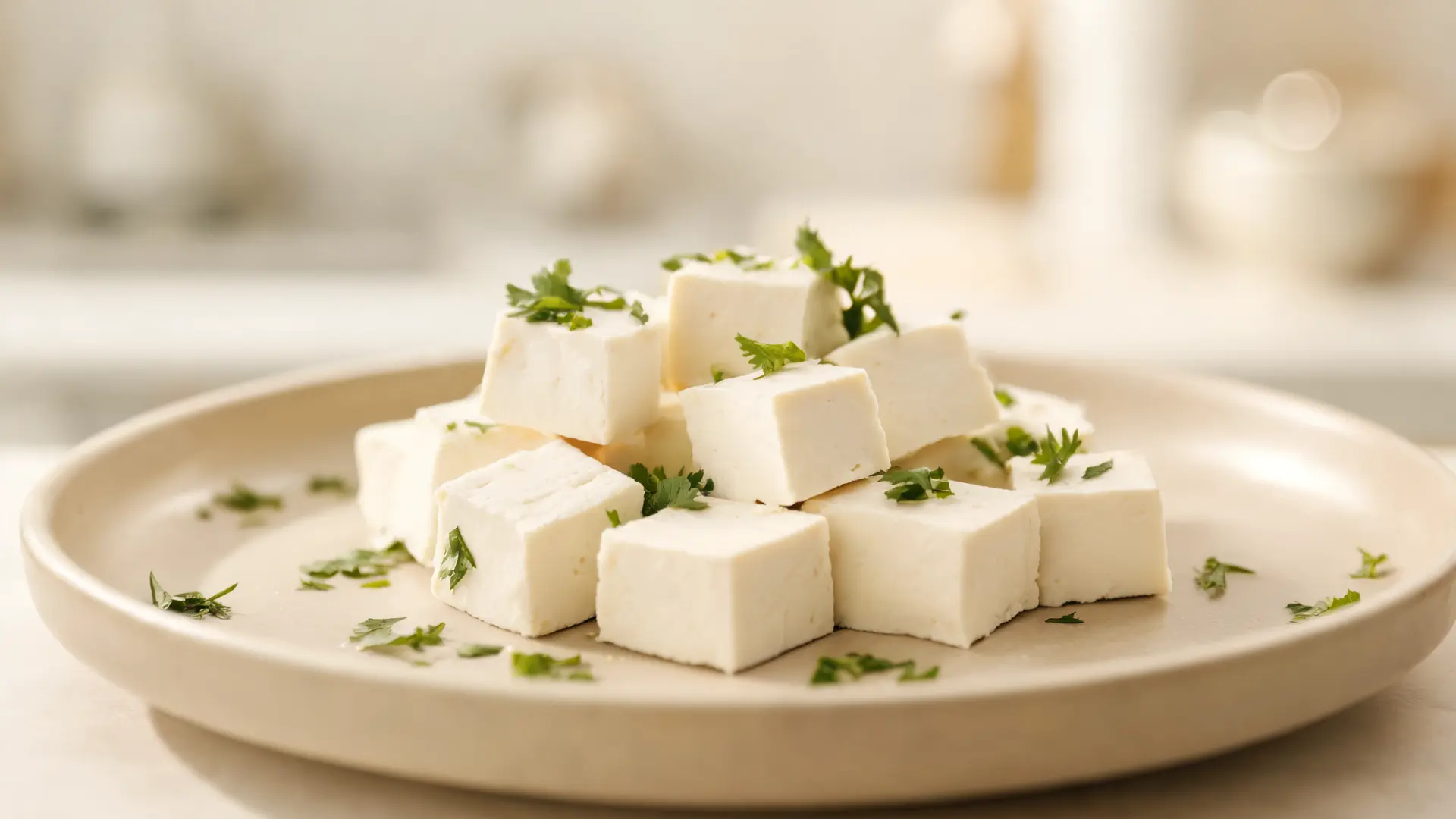
Paneer is a strong vegetarian keto option because it is low in carbs and naturally high in fat.
Compared with tofu, paneer usually aligns better with keto macros because it has more fat and protein per 100g. Tofu is lighter and lower in calories, but paneer often fits better when the goal is higher fat intake.
- Net Carbs: Paneer contains around 1–3g net carbs per 100g, similar to or lower than tofu.
- Protein: Paneer provides about 18–21g of protein per 100g, more than most tofu varieties.
- Fat: Paneer contains around 20–25 g of fat per 100g, much higher than tofu.
Paneer may suit higher-fat vegetarian keto meals, while tofu is lighter and easier to use in a wider range of recipes.
5. Tempeh
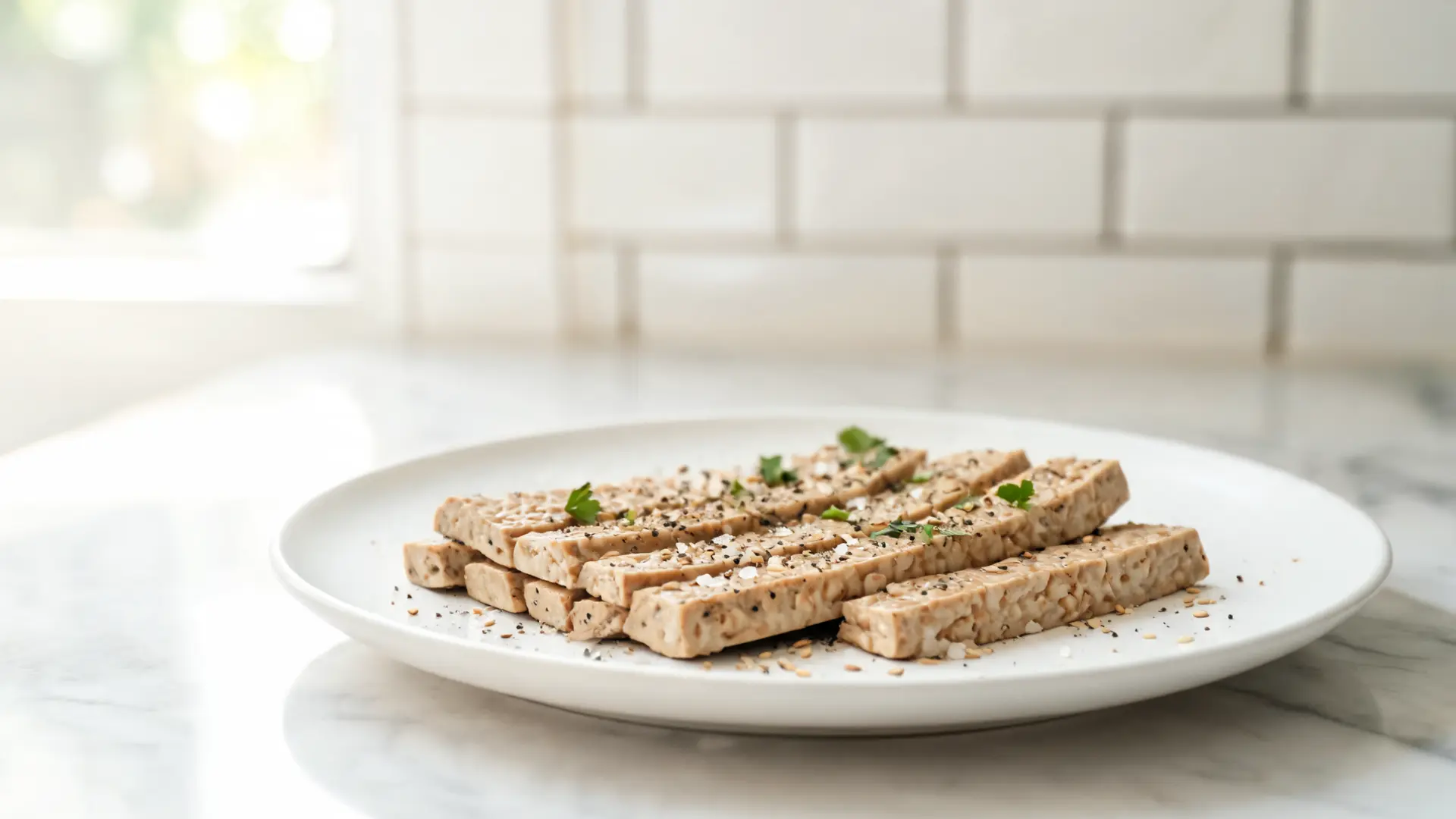
Tempeh is a plant-based protein like tofu, but it is usually higher in carbs because it is made from fermented whole soybeans.
Compared with tofu, tempeh provides more protein and a firmer texture, but its carb count can be harder to manage on a strict keto diet.
- Net Carbs: Tempeh contains around 7–9g of net carbs per 100g, which is higher than tofu.
- Protein: Tempeh provides about 18–20g of protein per 100g, more than most tofu varieties.
- Fat: Tempeh contains around 10–11 g of fat per 100g, higher than tofu.
Tempeh can work in moderate portions, but tofu is usually easier to manage on stricter low-carb days.
6. Avocado
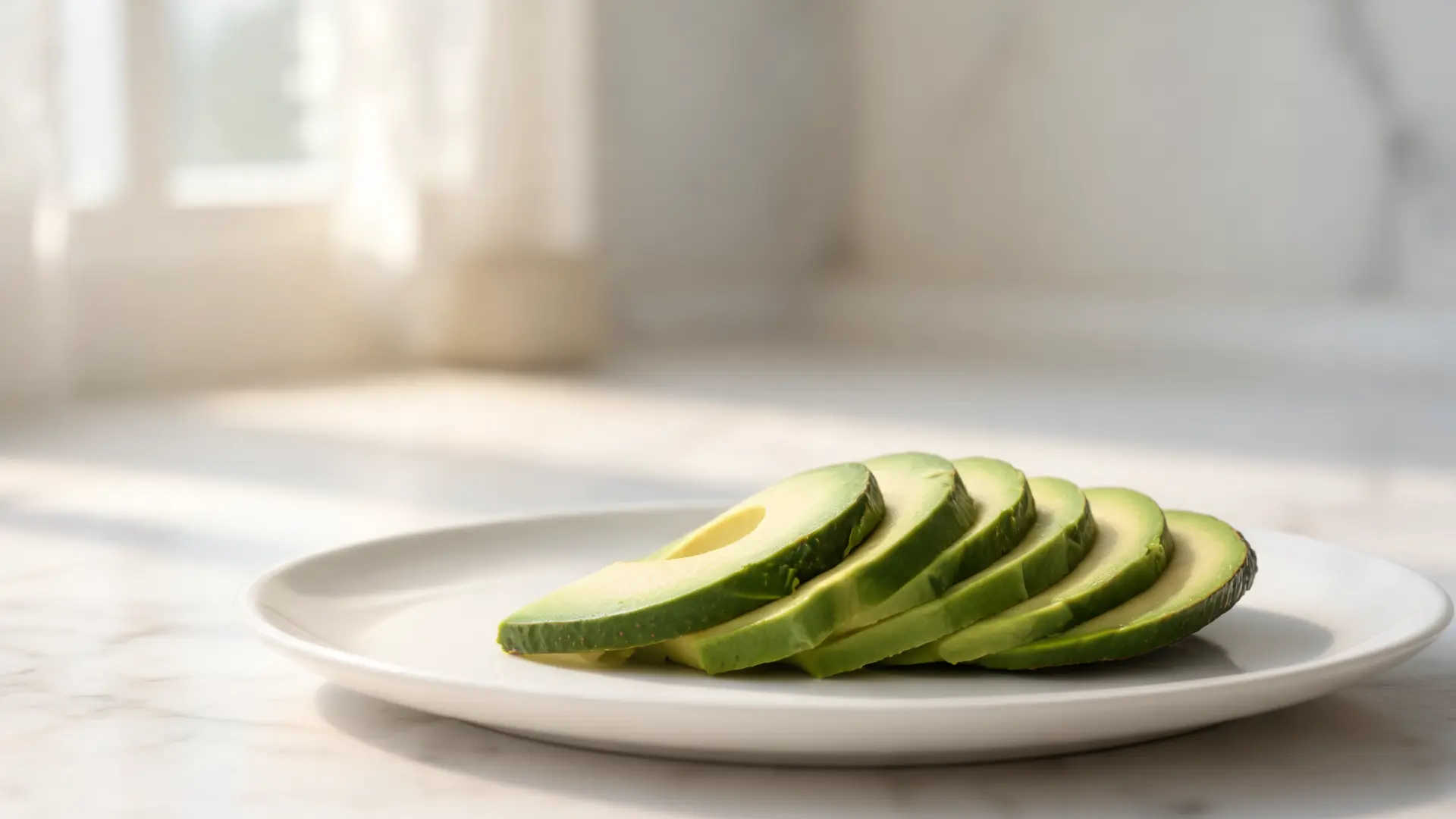
Avocado is not a direct protein replacement for tofu, but it plays an important role in a keto diet by adding healthy fat. Compared with tofu, avocado is much higher in fat and lower in protein.
It works best with tofu rather than instead of it, because the two foods balance each other well in keto meals.
- Net Carbs: Avocado contains about 2g of net carbs per 100g, similar to some types of tofu.
- Protein: Avocado provides about 2 g of protein per 100g, much lower than tofu.
- Fat: Avocado contains around 14–15 g of fat per 100g, much higher than tofu.
Avocado supports fat intake, while tofu adds more protein, so both can work well together in keto meals.
7. Greek Yogurt
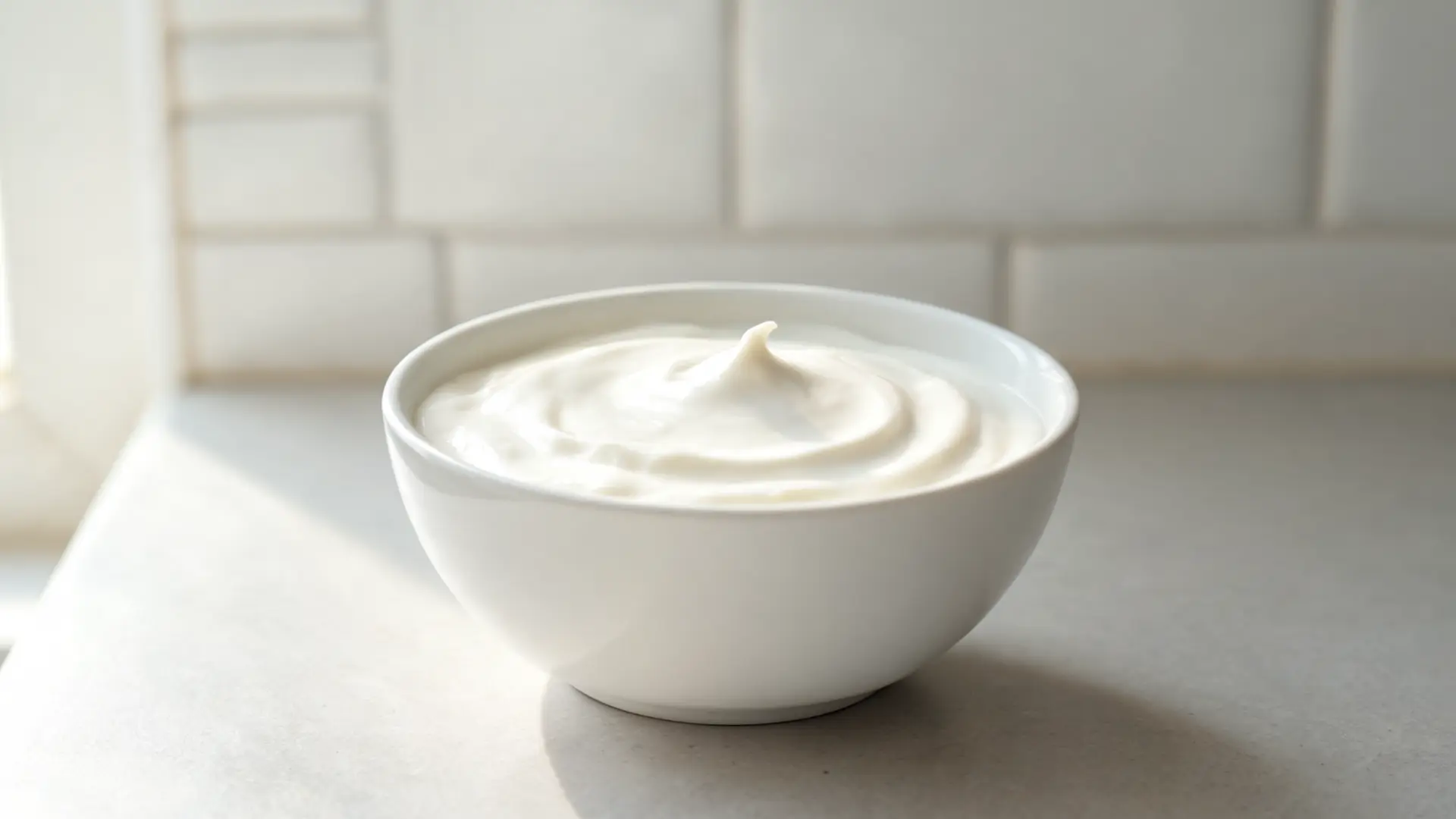
Plain unsweetened Greek yogurt can fit into a keto diet when portions are controlled, but it requires careful label checking. Compared with tofu, Greek yogurt may have a similar carb range, though sweetened versions can quickly become too high in carbs.
- Net Carbs: Plain Greek yogurt contains around 3–5g of net carbs per 100g, similar to some types of tofu.
- Protein: Greek yogurt provides about 8–10g of protein per 100g, close to that of soft or firm tofu.
- Fat: Greek yogurt contains around 0–5g fat per 100g, depending on whether it is nonfat or full-fat.
Tofu is usually easier to use in cooked keto meals and has fewer hidden sugar concerns. Greek yogurt is not as good as tofu for strict keto when sweetened or low-fat.
Keto Concerns with Tofu and What Actually Matters
Moderate intake of tofu does not significantly disrupt ketosis in most healthy adults, making it generally compatible with a well-structured ketogenic diet. However, the key factor is not just quantity but also the quality of tofu consumed.
Highly processed soy products may contain additives, preservatives, or starch-based fillers that can increase net carbohydrate content and reduce overall food quality, potentially affecting ketosis when consumed regularly. For this reason, organic or minimally processed tofu is often preferred in cleaner keto approaches because it offers more predictable macros and fewer unwanted ingredients.
In most cases, the concern is not whether tofu breaks ketosis, but whether it fits within a balanced daily carb allowance. This is where low-carb tofu matters, since plain tofu usually fits better than flavored versions.
Quick Recipe Guide to Include Tofu in a Keto Meal Plan
Tofu can work well in keto meals when it is paired with low-carb vegetables, healthy fats, and simple seasonings. These ideas help you use tofu in different ways without making your meals feel plain or repetitive.
- Tofu and Zucchini Stir-Fry: Pan-fry firm tofu cubes with zucchini, spinach, and garlic in olive oil. This makes a quick low-carb dinner with light vegetables, enough fat, and a simple savory flavor that works well for busy days.
- Keto Tofu Scramble: Crumble tofu and cook it with turmeric, black pepper, salt, and butter. It gives an egg-like texture and can serve as a breakfast option, especially when paired with avocado or sautéed greens.
- Crispy Air-Fried Tofu: Toss firm tofu cubes with olive oil, paprika, salt, and a small amount of almond flour if needed. Air-fry until the edges turn golden and crisp for a crunchy keto snack or side dish.
- Low-Carb Tofu Soup: Add soft tofu to vegetable broth with mushrooms, spinach, ginger, and spring onion. This creates a light, warm keto meal that feels filling without adding heavy carbs or sugary sauces.
- Garlic Butter Tofu: Sear tofu cubes in butter, garlic, herbs, and a little salt until the outside turns lightly crisp. This option adds more fat, making it better suited for keto than plain tofu.
- Tofu Salad Bowl: Use cold tofu cubes with avocado, cucumber, lettuce, olive oil, lemon juice, and herbs. This makes a fresh keto lunch with healthy fats, low-carb crunch, and a clean, balanced flavor.
- Spicy Tofu Lettuce Wraps: Cook minced tofu with chili, garlic, soy sauce or coconut aminos, and spices. Spoon the filling into lettuce cups for a low-carb wrap that feels light, flavorful, and easy to eat.
These tofu meal ideas keep carbs lower while adding variety, texture, and better fat balance. For best results, choose plain tofu, avoid sugary sauces, and pair each recipe with keto-friendly vegetables and fats.
Signs Tofu May Be Affecting Your Ketosis
Certain subtle signs can indicate that tofu intake, portion size, or hidden carbs may be affecting ketosis performance, energy stability, and overall low-carb progress without being immediately obvious.
| Sign | Meaning |
|---|---|
| Ketone Slowdown | Lower or delayed ketone production |
| Increased Cravings | Stronger urge for carbs or sugar |
| Energy Drop | Low or unstable energy levels |
| Weight Plateau | Slower or stalled fat loss |
| Hidden Carbs | Added sugars or starch in tofu products |
| Inconsistent Readings | Fluctuating ketone levels |
| Excess Portions | Overeating beyond keto limits |
These signs are usually linked to carb intake, portion size, or product quality, rather than to tofu itself directly affecting ketosis.
Common Mistakes When Eating Tofu on Keto
Tofu can fit into a keto diet, but it still needs the right portion size, label check, and meal balance. Most mistakes happen when tofu is treated as completely carb-free or eaten without enough fat and variety.
- Ignoring Labels: Plain tofu is usually low in carbs, but flavored or pre-marinated tofu can contain added sugar, starch, sauces, or thickeners. Always check the label before adding it to a keto meal.
- Eating Large Portions: Tofu is low in carbs, but the carbs still count. Eating more than 150g in a single meal can increase your carb intake, especially when paired with sauces, vegetables, or side dishes.
- Skipping Fat Pairing: Tofu isn’t naturally high in fat, so eating it on its own may not align well with keto macros. Pair it with avocado, olive oil, butter, cheese, or a creamy low-carb mayo and sauces.
- Replacing All Protein Sources: Relying only on tofu can make keto meals repetitive and less balanced. Rotate tofu with eggs, fish, chicken, paneer, meat, or other low-carb proteins to add variety and improve nutrition.
- Not Tracking Carbs: Small amounts of carbs can still add up over the course of the day. Track tofu along with sauces, vegetables, nuts, dairy, and snacks so you stay within your daily carb limit.
Avoiding these mistakes makes tofu easier to include in a keto routine without affecting ketosis. When portions, labels, fats, and carbs are managed well, tofu can remain a useful low-carb protein option.
Frequently Asked Questions
Can tofu be eaten during strict 20g keto days?
Yes, tofu can be included during strict keto phases if portions are carefully controlled. Keeping intake small and tracking total daily carbs ensures it does not interfere with staying under the 20g net carb limit.
Does cooking method change tofu’s carb impact on keto?
No, the cooking method does not significantly change tofu’s carb content, but added ingredients do. Frying or baking tofu in oils is keto-safe, while breading, sugary marinades, or sauces can increase net carbs and affect ketosis.
Is frozen tofu different for keto compared to fresh tofu?
Frozen tofu has similar net carbs to fresh tofu, but its texture becomes firmer and spongier. It absorbs sauces differently, which can help or hinder keto, depending on the added ingredients and overall carb tracking.
Can tofu cause bloating on a keto diet?
Some people may experience bloating from tofu due to soy sensitivity or fiber content. This is not related to ketosis but to digestion. Moderation and gradual introduction usually help reduce discomfort.
Final Takeaway
Tofu can fit well into a ketogenic lifestyle when it is used with awareness and proper balance. The question of is tofu keto friendly often depends less on the food itself and more on how it is consumed. It is naturally low in carbohydrates, versatile in cooking, and works in both plant-based and mixed keto diets.
The key factors are portion size, product quality, and the presence of hidden ingredients in processed or flavored versions. When these details are understood, tofu becomes a flexible and practical option instead of a confusing one.
It works best when paired with healthy fats and included within a well-planned daily macro structure. With mindful tracking and consistency, tofu can support keto goals without affecting ketosis or long-term progress.