

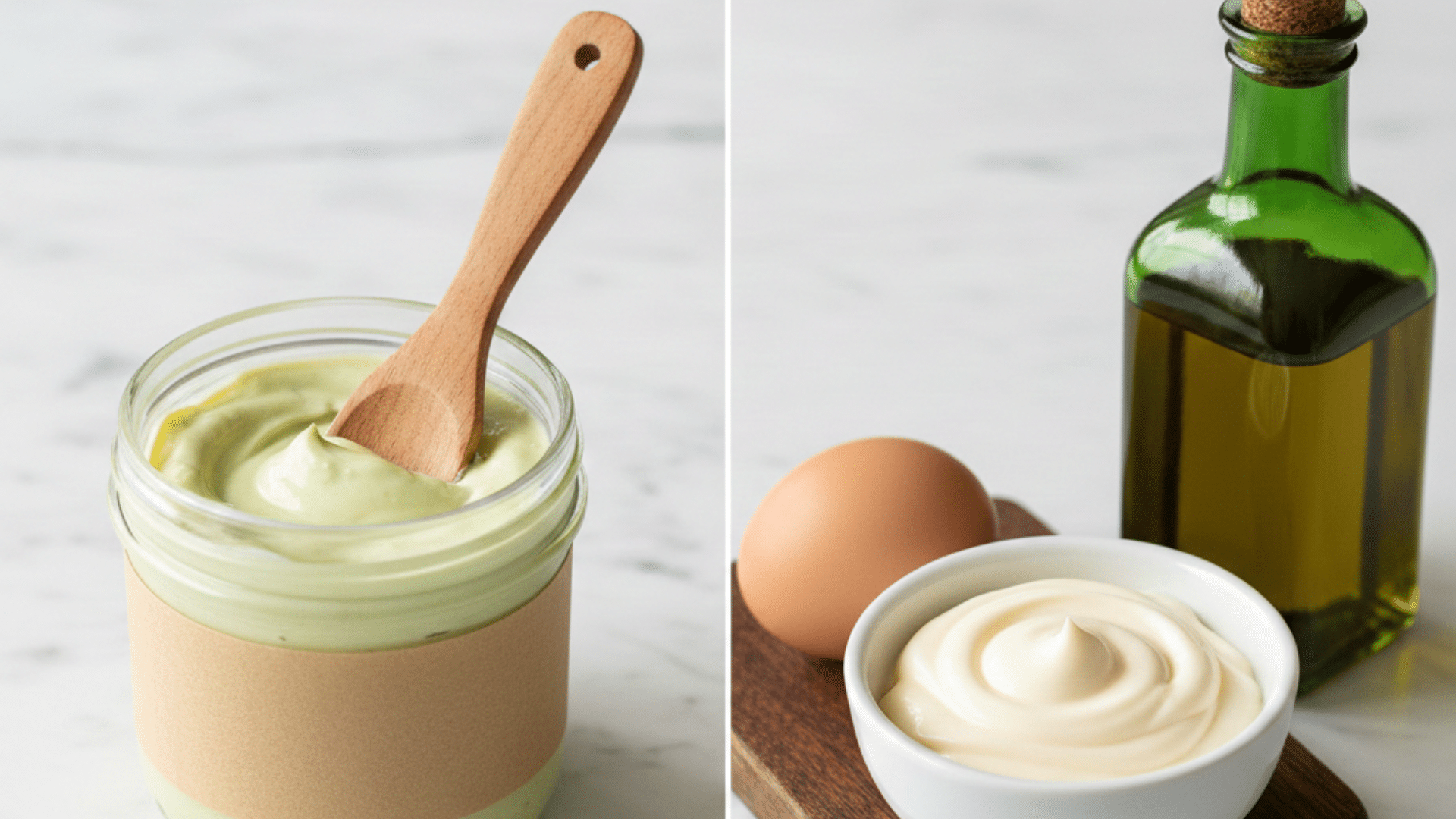
Mayonnaise is one of the few condiments that lines up with keto macros without much adjustment.
It’s high in fat, low in carbs, and shows up in everything from egg salad to dressings. But not every jar on the shelf is built the same way, and a few popular versions quietly add carbs back in through sugar or starch.
Here’s how to check what you’re buying and which brands hold up.
Is Mayonnaise OK on Keto?
Yes. Regular mayonnaise fits a ketogenic diet. A standard tablespoon has 0 to 1 gram of carbs and 10 to 11 grams of fat, which lines up almost exactly with what keto macros call for: high fat, near-zero carbs.
The catch is in the label, not the food itself. Some jars are cleaner than others, and a few “lighter” versions actually work against you.
Mayo’s Nutrition Breakdown
Here’s what one tablespoon of full-fat mayonnaise typically contains:
- Calories: 90–100
- Fat: 10–11g
- Carbs: 0–1g
- Protein: 0g
Those numbers come almost entirely from the oil base.
Traditional mayo is made from oil, egg yolks, and an acid like vinegar or lemon juice, so the fat content is naturally high and the carb count stays near zero.
That’s the same profile you’d look for in cooking fats like lard, which also sits at nearly all fat with no carbs.
Why Some Mayo Isn’t Keto-Friendly
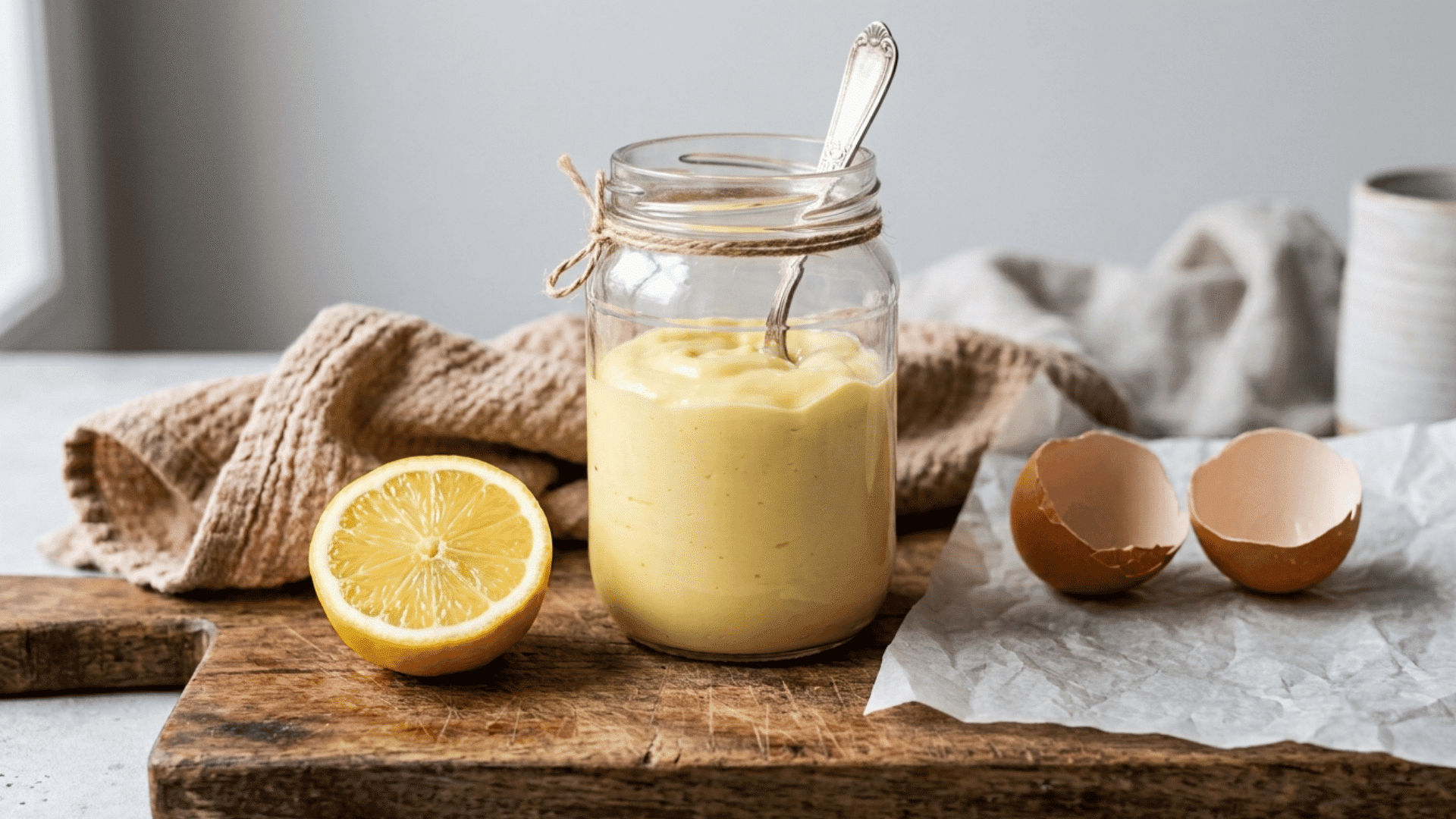
Two things knock mayo off the keto list: added sugar and oil choice.
1. Added Sugar in Light and Low-Fat Versions
Light and low-fat mayo replace fat with starches, gums, or sugar to keep the texture creamy without the calories. That swap adds carbs back in, sometimes 2–3 grams per tablespoon instead of 0.
Always check the nutrition label rather than assuming “light” means better for keto. For this diet, it usually means worse.
2. Oil Choice and Diet Quality
Oil type matters less for macros and more for overall diet quality. Most mass-market mayo (Hellmann’s, Best Foods, Kraft) uses soybean or canola oil. The carb count still stays at zero, so it’s technically compliant with keto macros.
This is sometimes called “dirty keto,” since the numbers work even though the oil isn’t considered as clean as olive or avocado oil.
Keto-Friendly Mayo Brands
If you want to avoid soybean and canola oil, these brands use avocado or olive oil instead:
- Primal Kitchen – made with avocado oil, no added sugar
- Chosen Foods – avocado oil-based, widely available in grocery stores
- Sir Kensington’s– offers an avocado oil option alongside its classic recipe
- Duke’s – a full-fat Southern staple with zero sugar, though it’s soybean oil-based
Standard Hellmann’s or Best Foods mayo works fine on keto macros — it’s zero carbs — but it isn’t made with the “cleaner” oils some people on keto prefer.
Making Your Own Keto Mayo
Homemade mayo takes a few minutes and lets you control the oil completely.
Basic Recipe:
- 1 egg yolk (room temperature)
- 1 cup avocado oil or light olive oil
- 1 tablespoon lemon juice or vinegar
- 1/2 teaspoon Dijon mustard
- Salt to taste
Steps:
- Blend egg yolk, mustard, and lemon juice for 30 seconds
- Slowly drizzle oil while blending continuously
- Keep blending until thick and creamy
- Add salt and adjust seasoning
The entire process takes 5 minutes. Your mayo will last 7-10 days in the fridge. I sometimes add garlic powder or herbs to create different-flavored versions.
Homemade batches also skip the preservatives and stabilizers found in most store-bought jars, though they need to be refrigerated and used within about a week since there’s no shelf-stable acid balance like commercial products have.
Where Mayo Fits Into Keto Meals
Mayo works as a base for dressings, a binder for egg or tuna salad, and a sauce thinner for wings or roasted vegetables.
It pairs naturally with high-protein keto staples — tuna salad made with Greek yogurt and mayo is a common combination that cuts some of the fat while keeping the texture. It also shows up in dressings for arugula salads and in classic German-style potato salad, though the potatoes there would need to be swapped out or portioned carefully to stay in ketosis.
Frequently Asked Questions
Will mayo kick you out of ketosis?
No, as long as it’s a standard full-fat version with 0–1g of carbs per tablespoon. Ketosis is driven by total daily carb intake, and mayo contributes almost nothing to that total.
Is Hellmann’s mayonnaise keto-friendly?
Yes. The classic full-fat version has zero grams of sugar and fits keto macros, even though it’s made with soybean oil rather than avocado or olive oil.
Is Heinz mayonnaise keto-friendly?
Heinz’s full-fat mayo has a similar profile to Hellmann’s: near-zero carbs per serving. Check their light or reduced-fat versions separately, since those typically add sugar.
Is Kewpie mayo keto?
Kewpie mayo is higher in fat and lower in carbs than many Western brands since it uses only egg yolks instead of whole eggs, but it does contain a small amount of added sugar and MSG. Check the label on your specific bottle, since recipes vary by region.
Is Miracle Whip keto friendly?
No. Miracle Whip contains added sugar and starch as part of its base recipe, which pushes the carb count well above what a keto-friendly condiment should have. It’s not a direct swap for mayo on this diet.
Is olive oil mayo keto friendly?
Yes. Olive oil mayo has the same near-zero carb, high-fat profile as any other mayo.
Reading Labels Before You Buy
The fastest way to check any mayo brand is the nutrition panel: look for 0–1g total carbs and 0g sugar per tablespoon.
If a jar lists more than a gram or two of sugar, it’s likely a “ight or flavored version rather than the classic recipe.
This same label-first approach applies across most condiments on keto, whether you’re comparing this to how carnivore diets simplify food choices even further or just deciding between two jars on a grocery shelf.







One Response