


If you’ve ever searched Mediterranean diet vs keto, you’re probably trying to figure out which one is actually better for your health.
I’ve been there too. Both diets are popular, both promise results, and both are backed by studies, but they work in very different ways.
Here, I’ll break down how the Mediterranean and keto diets compare when it comes to weight loss, diabetes, heart health, and long-term safety.
I will also share what scientific studies and health experts say, not just social media opinions. My goal is to help you clearly understand which diet fits your body, lifestyle, and health goals without confusing terms or extreme claims
This content is for educational and informational purposes only and does not replace professional medical advice. Consult your doctor before starting any new diet or health plan.
What is Mediterranean diet?
The Mediterranean diet is a simple, realistic way of eating that focuses on fresh, everyday foods rather than strict rules. I like it because it feels more like normal life than a diet.
This way of eating comes from countries like Greece and Italy, where meals are built around vegetables, fruits, whole grains, beans, nuts, olive oil, and fish. Red meat, sugary foods, and processed snacks are eaten less often, not completely banned.
You can still enjoy food without counting every calorie or carb. Many doctors recommend the Mediterranean diet because it supports heart health, helps control blood sugar, and provides plenty of fiber and nutrients. It is also easy to follow over the long term, making it a smart choice for people who want lasting health benefits.
What is Keto Diet?
The keto diet is a low-carb, high-fat way of eating that pushes the body to burn fat instead of carbs for energy. I see many people choose keto because it promises fast results.
When you eat very few carbs, your body enters a state called ketosis, where it uses fat as its main fuel. On keto, most calories come from fats, a moderate amount from protein, and very little from carbs.
Foods like meat, eggs, cheese, butter, oils, nuts, and low-carb vegetables are allowed. Foods such as bread, rice, fruit, beans, and sugar are mostly avoided. People often pick keto to lose weight quickly or manage blood sugar levels, but it can feel strict and harder to follow for a long time.
Mediterranean Diet vs Keto: Key Differences
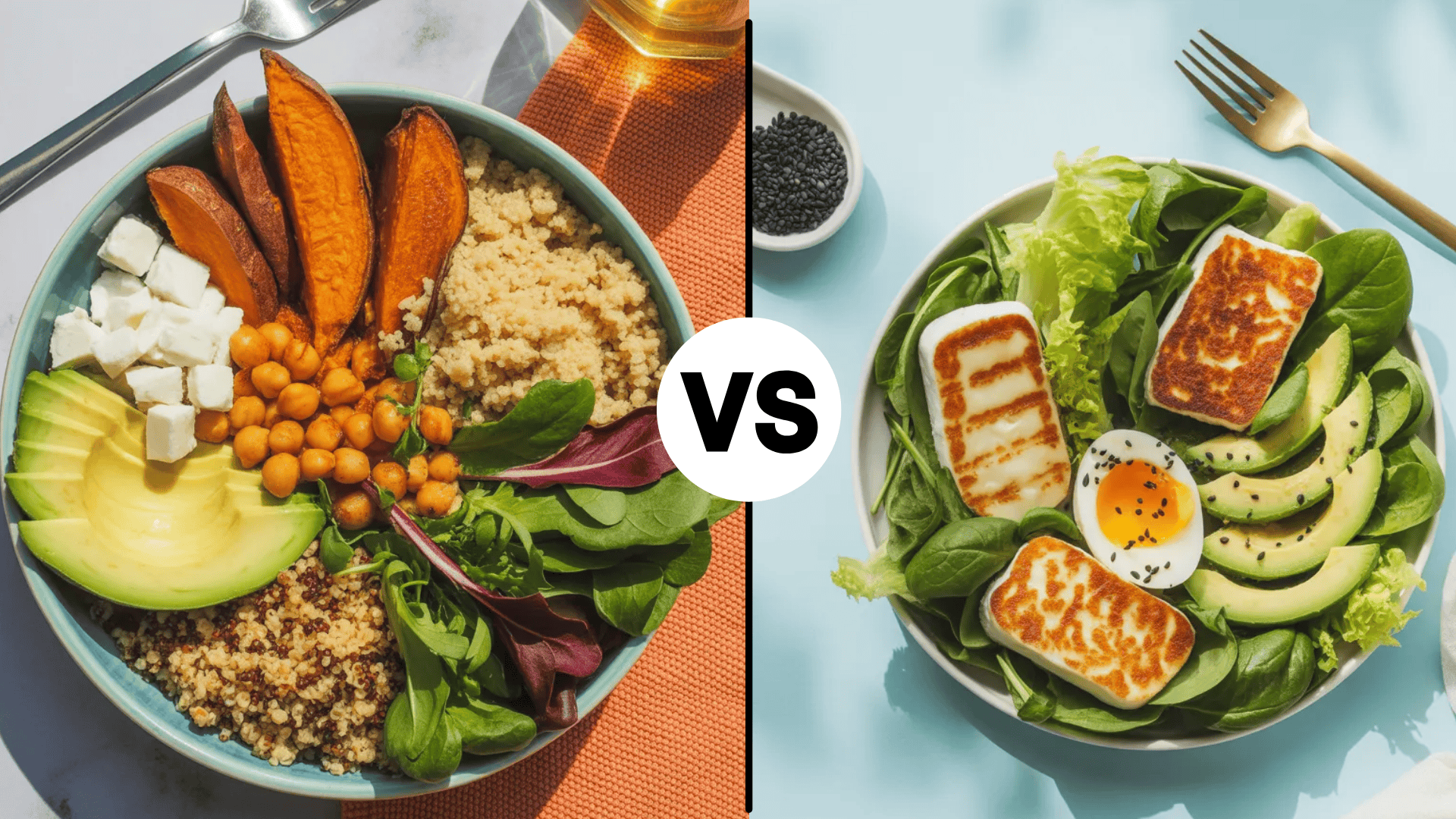
I noticed that while both diets reduce processed foods, they feel very different in real life. The Mediterranean diet emphasizes balance and variety, whereas keto emphasizes strict carb control. Knowing how they differ in daily eating can make it much easier to choose the one that fits your lifestyle and health goals.
1. Carb Intake
The Mediterranean diet includes healthy carbohydrates from foods such as whole grains, fruits, beans, and vegetables. These carbs provide fiber and steady energy throughout the day.
Keto, on the other hand, limits carbs very strictly, usually under 20 to 50 grams per day, which forces the body to burn fat instead of carbs for energy.
2. Food Variety
Mediterranean meals offer a wide range of foods, flavors, and textures. You can enjoy vegetables, fruits, grains, fish, nuts, and dairy in moderation.
Keto eliminates most fruits, grains, and legumes, reducing food choices. This limited variety can make meal planning harder and eating out more challenging for many people.
3. Fat Sources
The Mediterranean diet emphasizes healthy fats from olive oil, nuts, seeds, and fatty fish such as salmon. These fats support heart health.
Keto relies heavily on fats from butter, cheese, oils, and fatty meats. While these help maintain ketosis, they may increase saturated fat intake if not carefully balanced.
4. Long-Term Ease
The Mediterranean diet is easier to follow over the long term because it feels flexible and realistic. It fits well with social meals and family eating habits.
Keto can feel restrictive over time due to its strict carb limits. Many people find it hard to maintain long-term and may regain weight after stopping.
Mediterranean vs Keto for Health Benefits
Both the keto diet and the Mediterranean diet offer several health benefits beyond weight loss. Each diet supports the body in different ways, depending on how it changes metabolism, nutrient intake, and overall eating patterns.
| Health Benefit | Keto Diet | Mediterranean Diet |
|---|---|---|
| Weight Loss | Helps burn fat quickly by putting the body in ketosis | Supports steady and sustainable weight loss |
| Blood Sugar Control | Reduces sugar spikes and improves insulin sensitivity | Helps regulate blood sugar through fiber and balanced carbs |
| Heart Health | May lower triglycerides, but needs cholesterol monitoring | Strongly linked to better heart health and lower disease risk |
| Brain Function | Ketones provide steady energy for brain focus | Antioxidants and healthy fats support long-term brain health |
| Inflammation | May reduce inflammation by removing processed carbs | Rich in anti-inflammatory foods like olive oil, fish, and vegetables |
| Nutrient Intake | Can be low in some vitamins and fiber if not planned well | Provides a wide range of nutrients from fruits, vegetables, and whole foods |
Both diets can improve overall health when followed properly. The right choice depends on your personal health needs, lifestyle, and ability to maintain the diet long term.
Mediterranean vs Keto: Risks and Downsides
| Category | Keto Diet | Mediterranean Diet |
|---|---|---|
| Common Risks | May cause keto flu, including headaches, fatigue, and nausea during the transition | Generally safe, but weight loss may be slower for some people |
| Nutrient Concerns | May lead to vitamin and fiber deficiencies due to limited fruits and grains | Usually nutrient-rich but requires portion control due to calorie-dense healthy fats |
| Heart Health Concerns | May increase LDL cholesterol in some individuals | Strongly supports heart health and lowers disease risk |
| Sustainability | Very restrictive and can be hard to maintain long-term | Easier to follow and considered a lifestyle-based diet |
| Who Should Be Careful | People with liver disease, kidney issues, or metabolic disorders should consult a doctor | People with nut allergies or specific dietary restrictions may need adjustments |
Both diets have benefits and risks, so choosing the right one depends on your health condition, lifestyle, and long-term goals. Always consult a doctor before making major dietary changes.
What Science Says About Mediterranean vs Keto
A 2022 cohort study published on NIH’s PubMed (National Library of Medicine)compared the Mediterranean diet with a very low-calorie ketogenic diet in adults with overweight and obesity.
Researchers followed 268 participants until they achieved a 5% reduction in body weight. The ketogenic diet helped participants reach this target faster, often within one month, while the Mediterranean diet took closer to three months.
However, the Mediterranean diet showed greater improvements in waist circumference, reduction in fat mass, total body water, and preservation of lean muscle mass.
Both diets were effective for weight loss and improving overall body composition, but they worked at different speeds and produced slightly different outcomes.
The study concluded that diet choices should depend on individual health status, goals, and long-term sustainability rather than on weight-loss speed alone.
Can You Switch Between Keto and Mediterranean?

Yes, switching between theketo diet and the Mediterranean diet is possible. Many people change diets as their health goals or lifestyle needs evolve. However, switching should be done slowly to help your body adjust and avoid digestive or energy problems. Here is how you can safely transition between both diets.
Transitioning from Keto to Mediterranean
Moving from keto to the Mediterranean diet usually feels easier because you slowly reintroduce healthy carbohydrates.
Start by adding small portions of whole grains, fruits, and legumes while keeping processed foods low. Your body needs time to adjust to higher carb intake again.
Gradually increasing fiber helps prevent bloating or discomfort. This transition often supports long-term sustainability and balanced nutrition.
Transitioning from Mediterranean to Keto
Switching from the Mediterranean diet to keto requires reducing carbohydrate-rich foods gradually. Begin by cutting down on grains, fruits, and starchy vegetables.
Increase intake of healthy fats, lean protein, and low-carb vegetables. Your body may take a few weeks to enter ketosis, and you might experience temporary fatigue or cravings while adapting to the lower carb intake.
Tips for a Safe Transition
Always make dietary changes gradually rather than switching overnight. Drink enough water and maintain proper electrolyte balance to avoid fatigue or headaches.
Focus on whole and nutrient-dense foods during the transition. It is also helpful to track how your body responds to new foods. Speaking with a healthcare professional or nutrition expert can help ensure your transition is safe and effective.
Keto vs. Mediterranean: Who Should Choose Which Diet?
Choosing between the Mediterranean diet and the keto diet depends on your health goals and lifestyle.
The keto diet is often better for people who want quick weight loss and fast blood sugar control because it greatly reduces carbs and helps the body burn fat for energy.
The Mediterranean diet supports steady weight loss and is widely recommended for heart health and long-term diabetes management because it includes fiber, healthy fats, and nutrient-rich foods.
Many people find the Mediterranean diet easier to follow because it offers more variety and more flexible meal choices. The keto diet can feel restrictive and harder to maintain long term, so the best option depends on what fits your daily routine and health needs.
Final Words
After comparing the Mediterranean diet vs keto, I believe both eating styles offer strong health benefits, but the right choice depends on your personal goals.
If you want faster weight loss and strict carb control, keto may work well for you. If you prefer balanced nutrition, heart health support, and a diet that feels easier to maintain, the Mediterranean diet can be a better long-term option.
I always remind myself that no single diet works for everyone, and listening to your body is very important. Before making major diet changes, I suggest speaking with a healthcare professional for guidance.
If you found this comparison helpful, share it with others and explore more health blogs from the website to make smarter nutrition choices.