
Ever wondered why your homemade tea turns bitter even when you follow the steps carefully? Or why the same leaves taste completely different every time?
Learning how to make green tea often feels simple at first, but small mistakes in temperature, timing, or quantity can change everything. I’ve been there too, trying to figure out why a “healthy drink” sometimes tastes harsh instead of smooth.
Here, you’ll see exactly how to fix that. I’ll show you the correct brewing method, easy recipe variations, and common mistakes to avoid so your cup stays light and balanced.
By the end, you’ll know how to make green tea the right way and enjoy it with confidence every single time without second-guessing your process.
Essential Ingredients And Tools For Making Green Tea
Preparing green tea does not require complex equipment, but the right basics help maintain consistent taste and quality.
- Green Tea: Tea bags or loose leaf depending on preference
- Water: Fresh, clean drinking water for better flavor clarity
- Heating Source: Kettle or saucepan for controlled heating
- Optional Tools: Infuser, thermometer, strainer for accuracy
Fresh water plays a major role because reused or stale water reduces aroma and dulls flavor. Loose leaf tea generally offers a richer profile, while tea bags provide convenience for daily use. None of these tools are mandatory, but they help refine consistency over time.
How To Make Simple Green Tea (Step-by-Step Method)
Step 1: Heat The Water
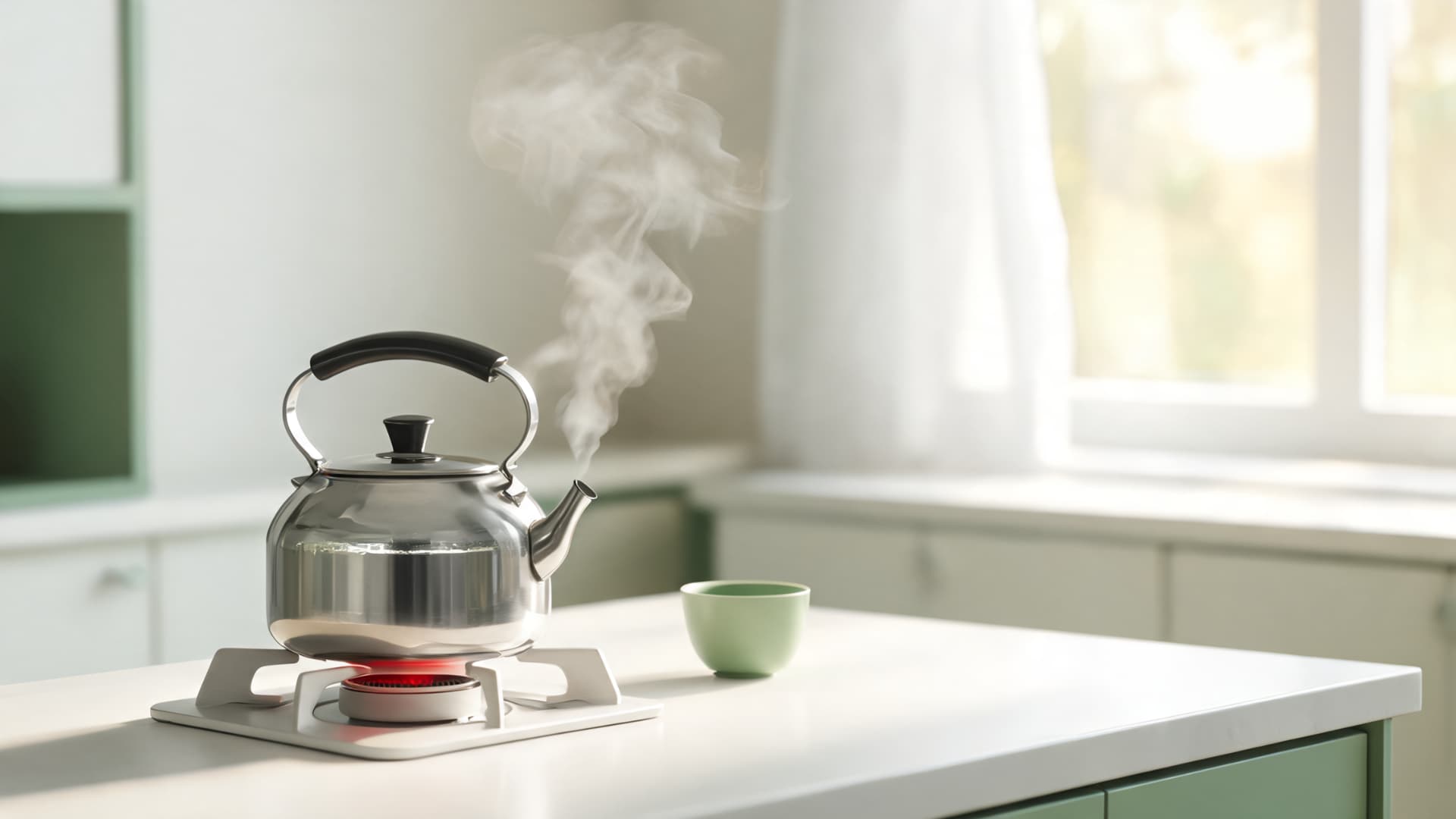
Start by heating fresh drinking water until it is hot but not boiling. If the water comes to a boil, let it rest for about 1–2 minutes before using.
This slight cooling is important because very hot water can make green tea taste bitter and destroy its natural light flavor. The goal is to keep the water hot enough to extract taste but gentle enough to protect the tea’s delicate compounds.
Step 2: Add Green Tea
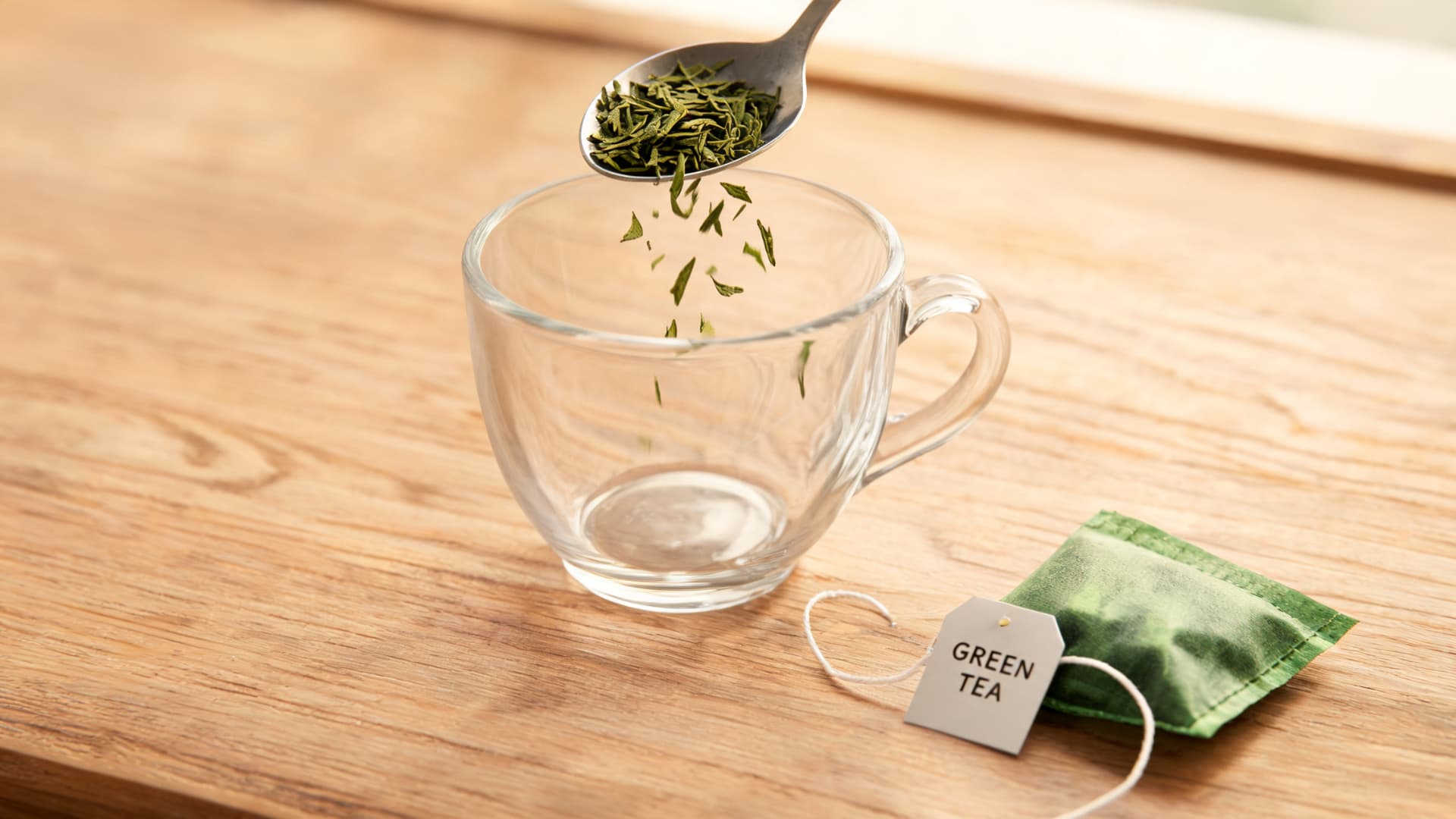
Take 1 teaspoon of green tea leaves or 1 tea bag and place it into a cup. The quantity should be balanced so the flavor does not become too strong or too weak.
Using too much tea can make the drink harsh, while too little can make it watery and flat. Keeping the right amount ensures a smooth and refreshing cup every time.
Step 3: Pour Hot Water
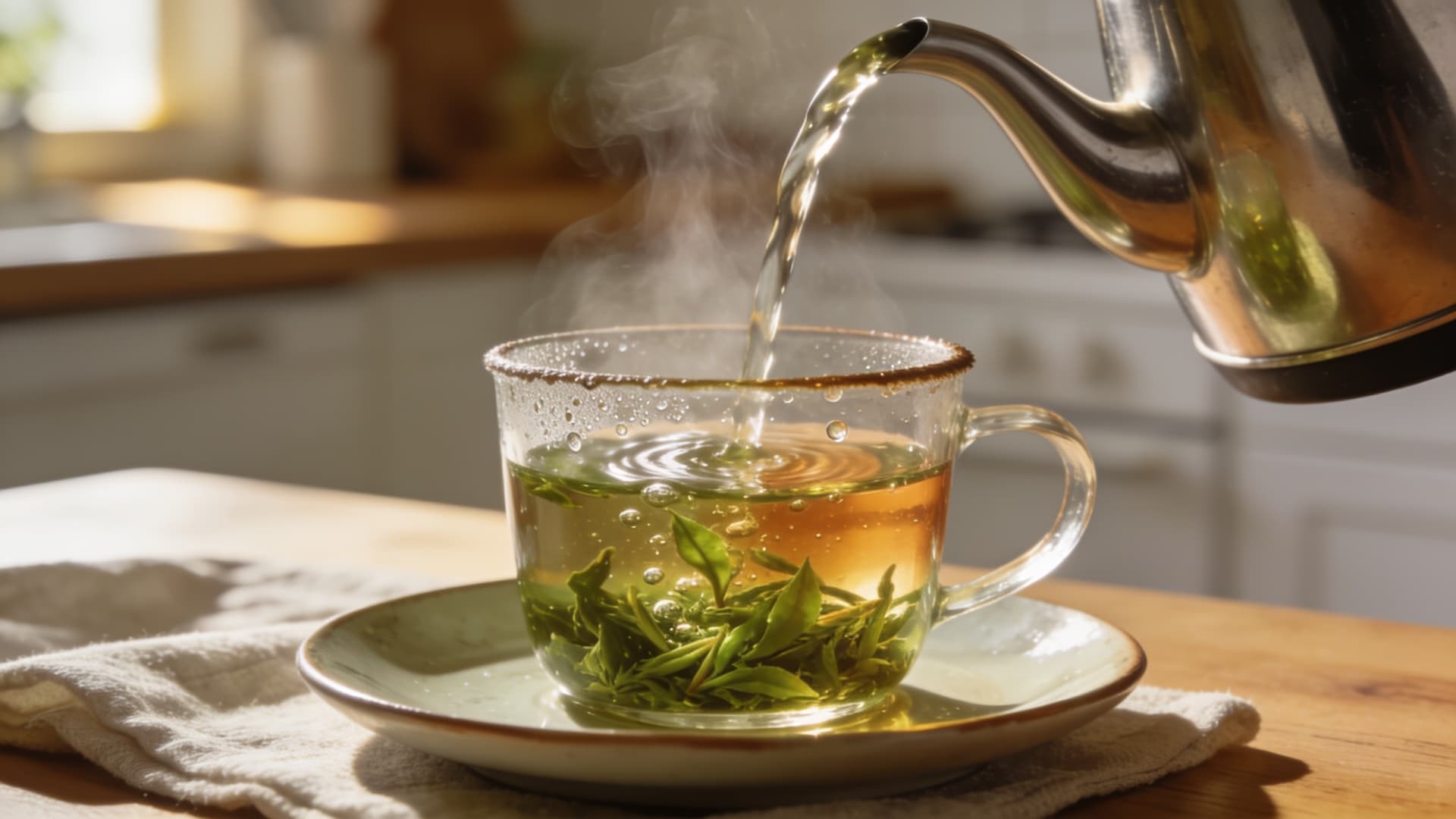
Slowly pour the hot water over the tea leaves or tea bag. Make sure the tea is fully submerged so the flavor can release evenly into the water.
Pouring too quickly is fine, but steady pouring helps better infusion. This step begins the extraction process where aroma, color, and taste start developing naturally.
Step 4: Steep The Tea
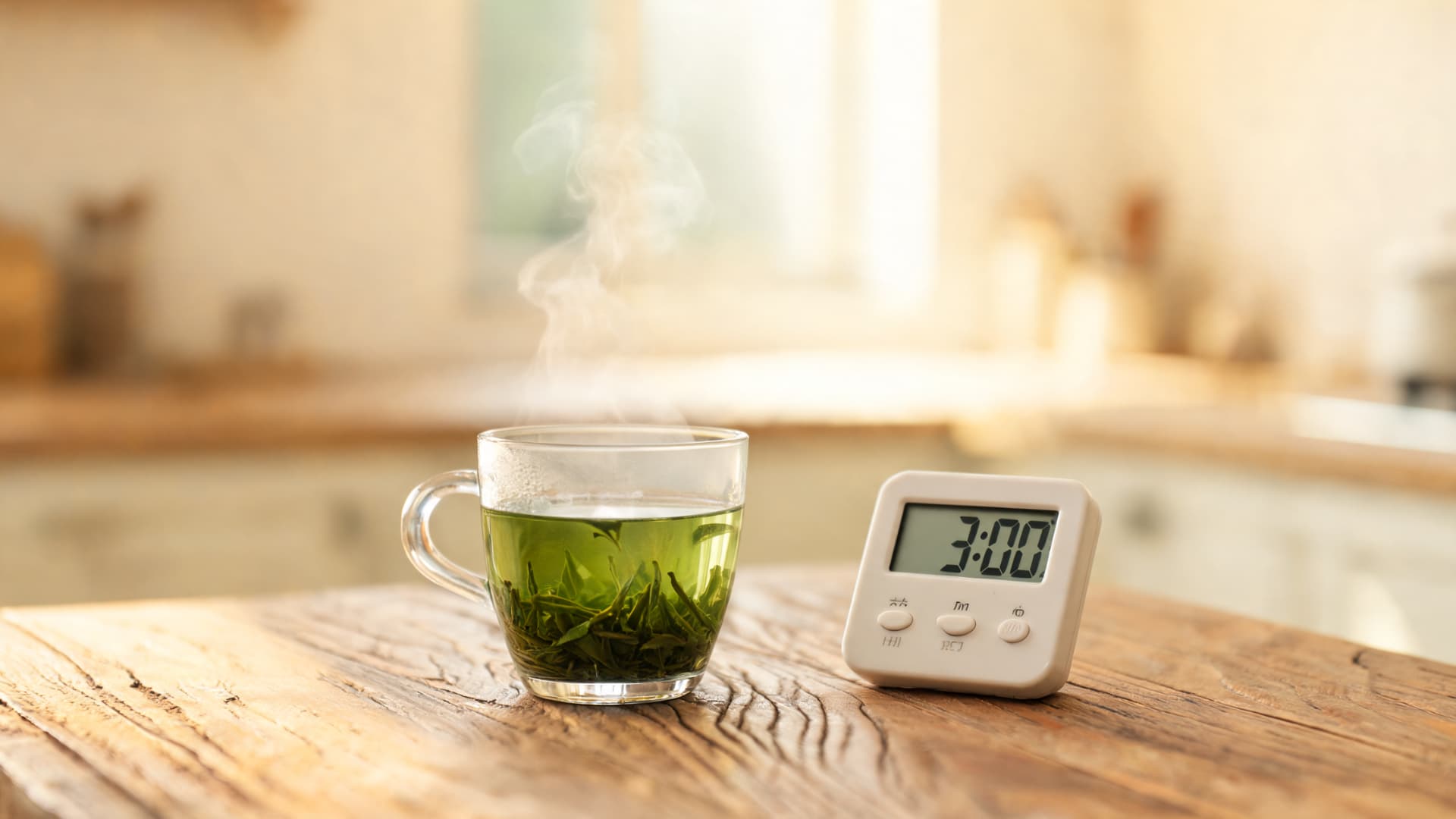
Let the tea steep for 2–3 minutes only. This timing is very important because green tea releases flavor quickly. If left too long, it becomes bitter due to over-extraction.
If removed too early, it may taste weak. A controlled steeping time ensures a light, clean, and balanced flavor that is easy to drink and refreshing.
Step 5: Remove And Serve
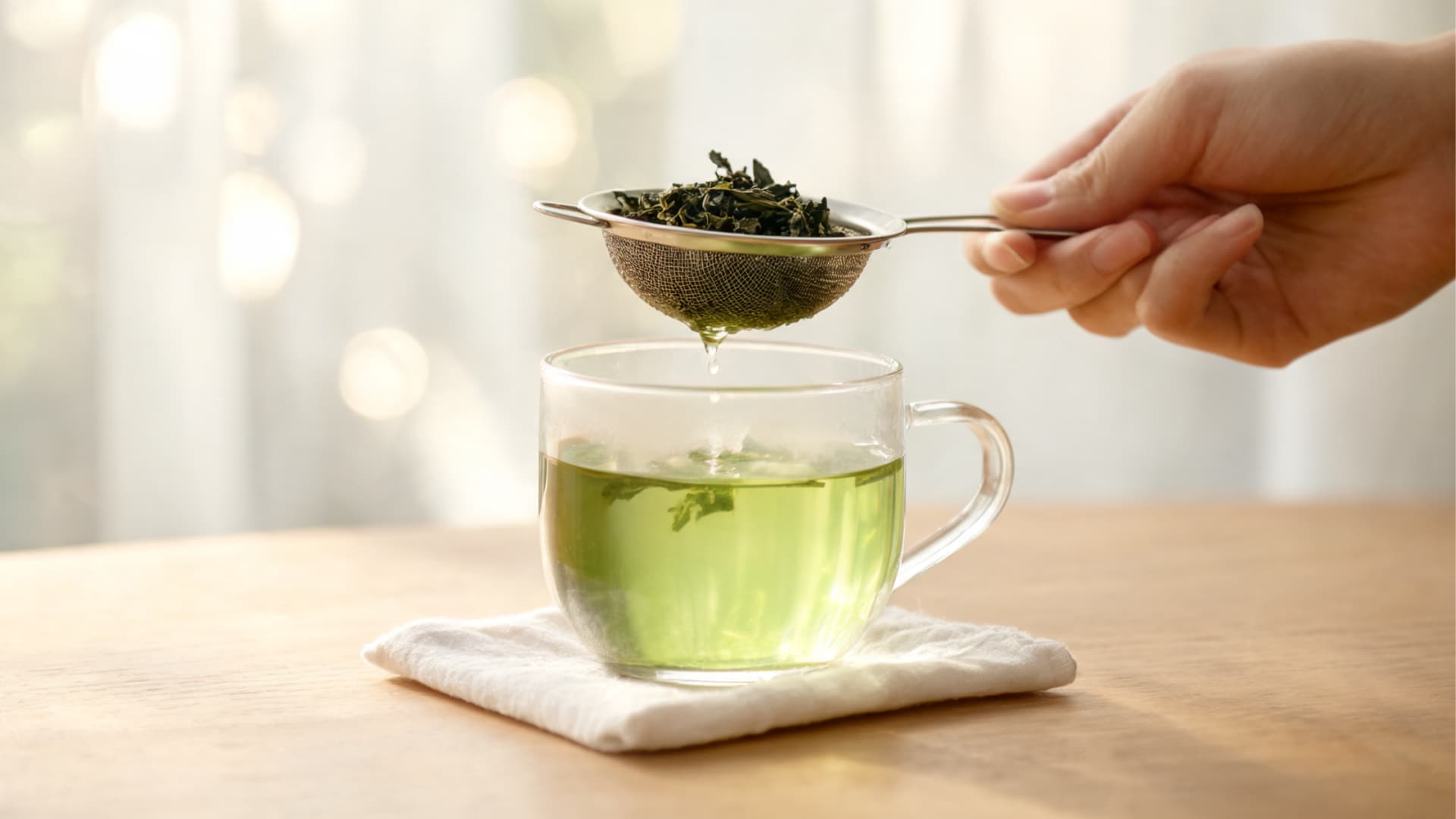
Once steeping is complete, remove the tea bag or strain the leaves immediately. This stops further extraction and keeps the taste stable.
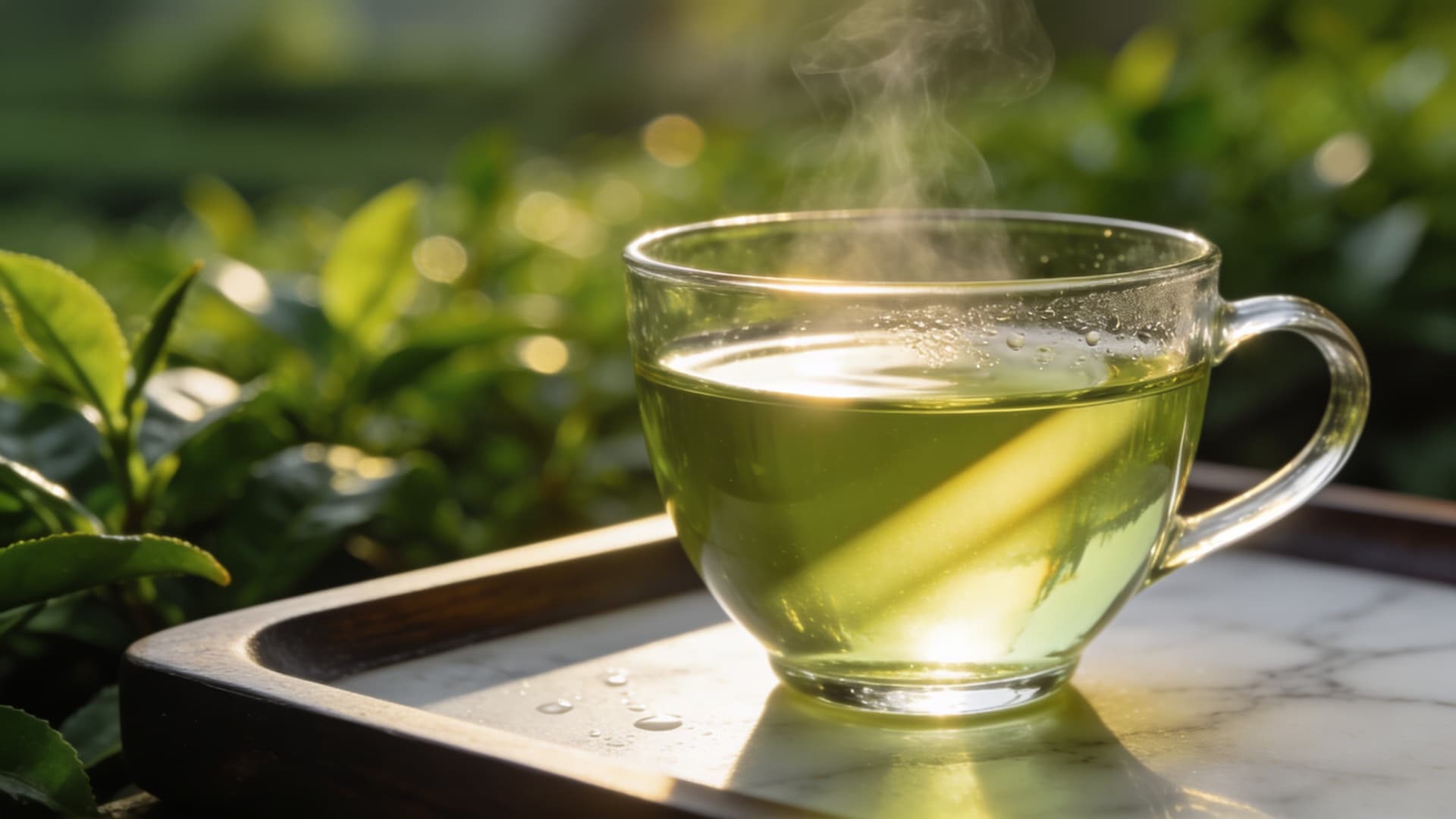
After this step, your green tea is ready to drink. It should have a light color, gentle aroma, and smooth taste that feels refreshing without heaviness or bitterness.
Optional Additions: You can enjoy green tea plain or enhance it with simple ingredients like lemon or honey. These should be added in small amounts so they do not overpower the natural taste. Lemon adds freshness, while honey gives mild sweetness. However, many people prefer it plain to enjoy the pure, natural flavor of green tea.
Green Tea Recipes (Hot, Iced, And Flavoured Variations)
Each variation keeps the core essence of green tea intact while adding subtle changes in flavor, temperature, and aroma. These recipes are simple enough for everyday use but still offer enough flexibility to make each cup feel slightly different and more enjoyable.
Classic Hot Green Tea Recipe
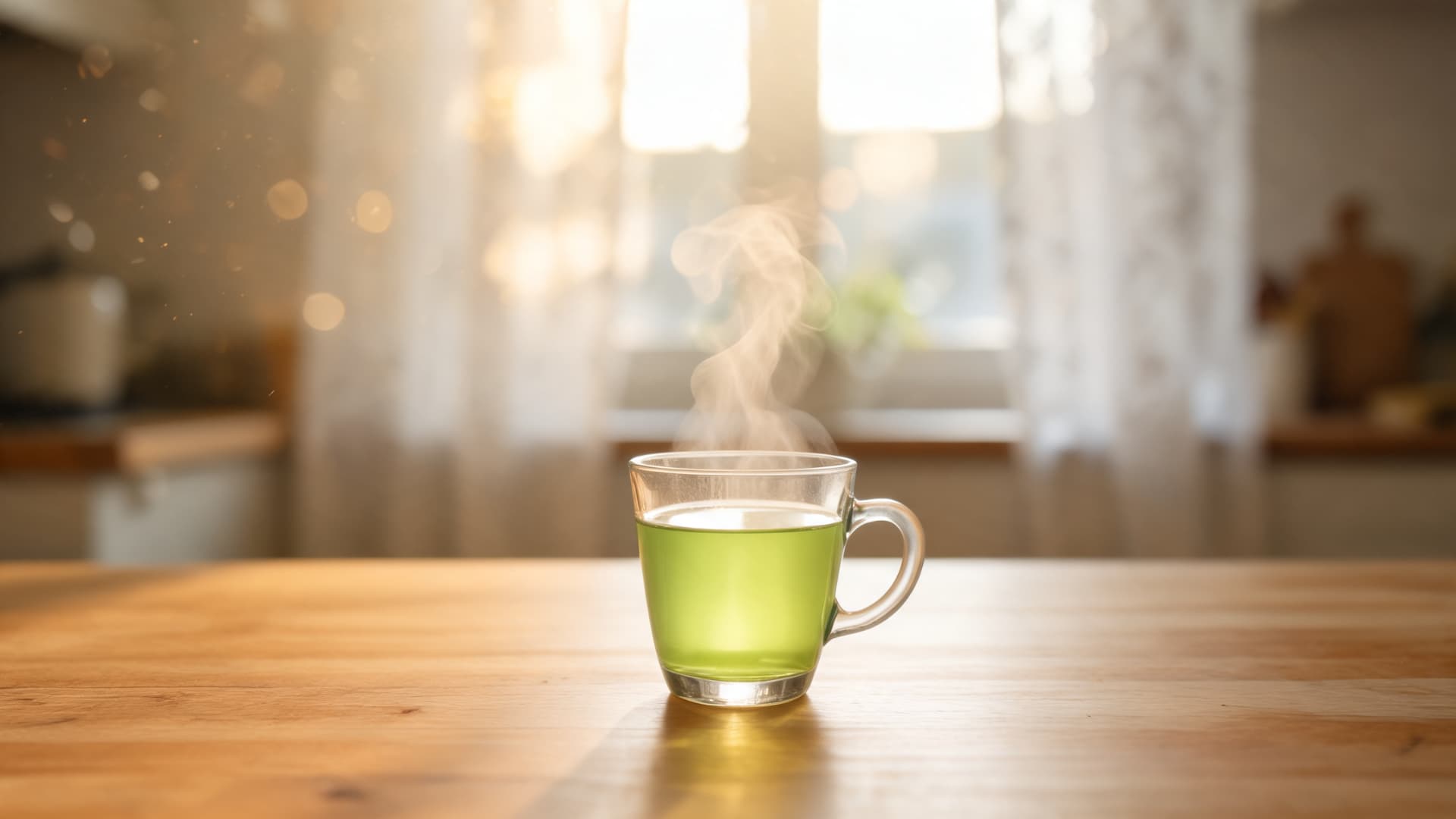
The classic hot green tea recipe starts with properly brewed tea using controlled temperature between 70°C and 80°C and a steeping time of around 2–3 minutes. Once the tea is ready, it is served plain to maintain its natural light and earthy flavor profile.
This version highlights the original taste of green tea without any added ingredients, making it suitable for daily consumption and a clean drinking experience.
A small amount of honey or lemon can be added if a slight flavor variation is preferred, but the base version is usually enjoyed without additions to preserve authenticity.
Iced Green Tea Recipe (Summer Refreshment)
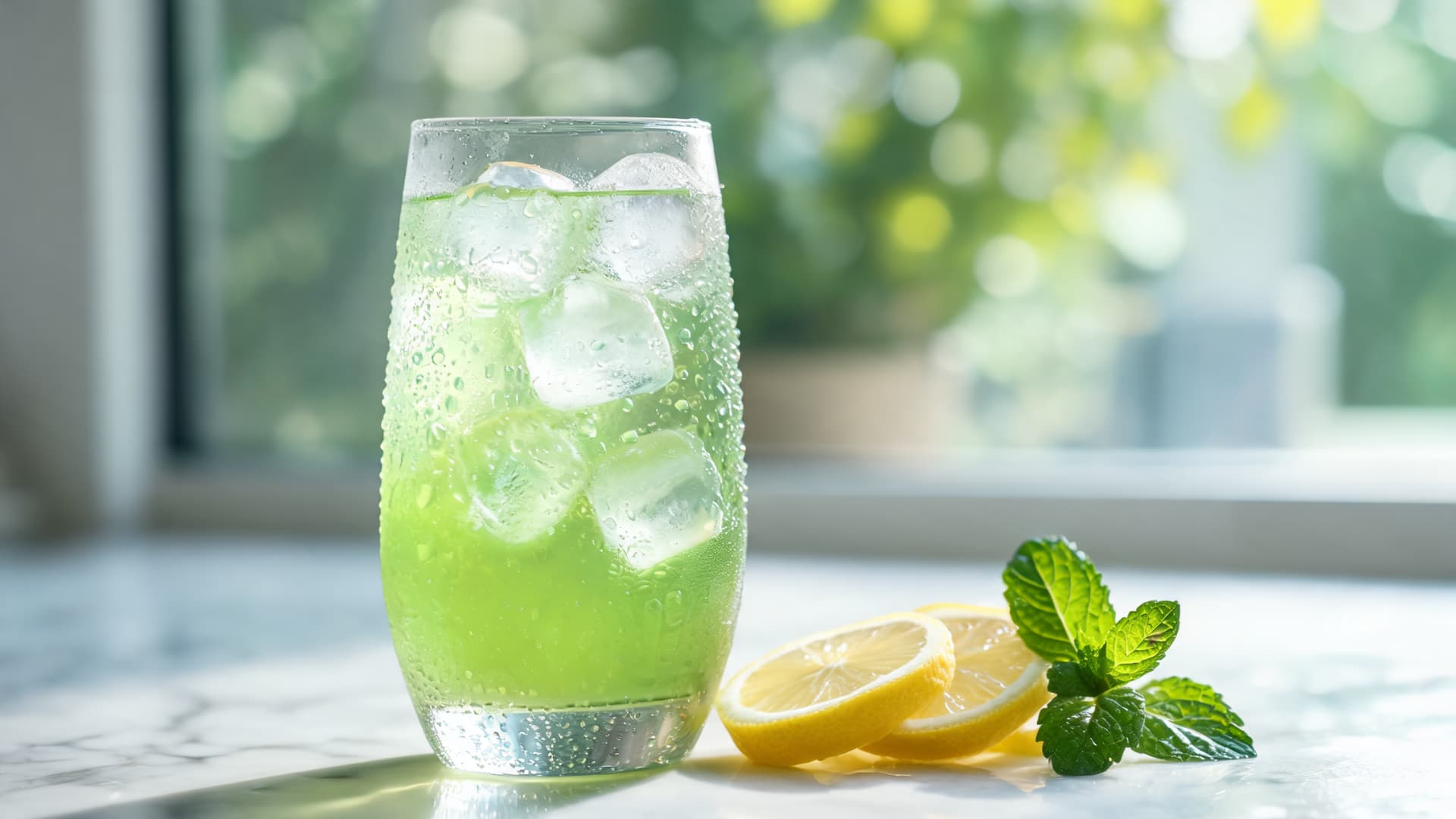
The iced green tea recipe begins by preparing a slightly stronger hot brew since dilution will occur once ice is added. After brewing, the tea is allowed to cool before being poured over ice cubes. This process helps maintain a balanced flavor even after chilling.
Ice naturally softens the intensity of tea, so preparing a stronger base ensures the final drink does not taste weak or watery.
This variation is especially popular during warm weather because it delivers a cooling effect while still maintaining the refreshing taste of green tea without losing its character.
Lemon Green Tea Recipe
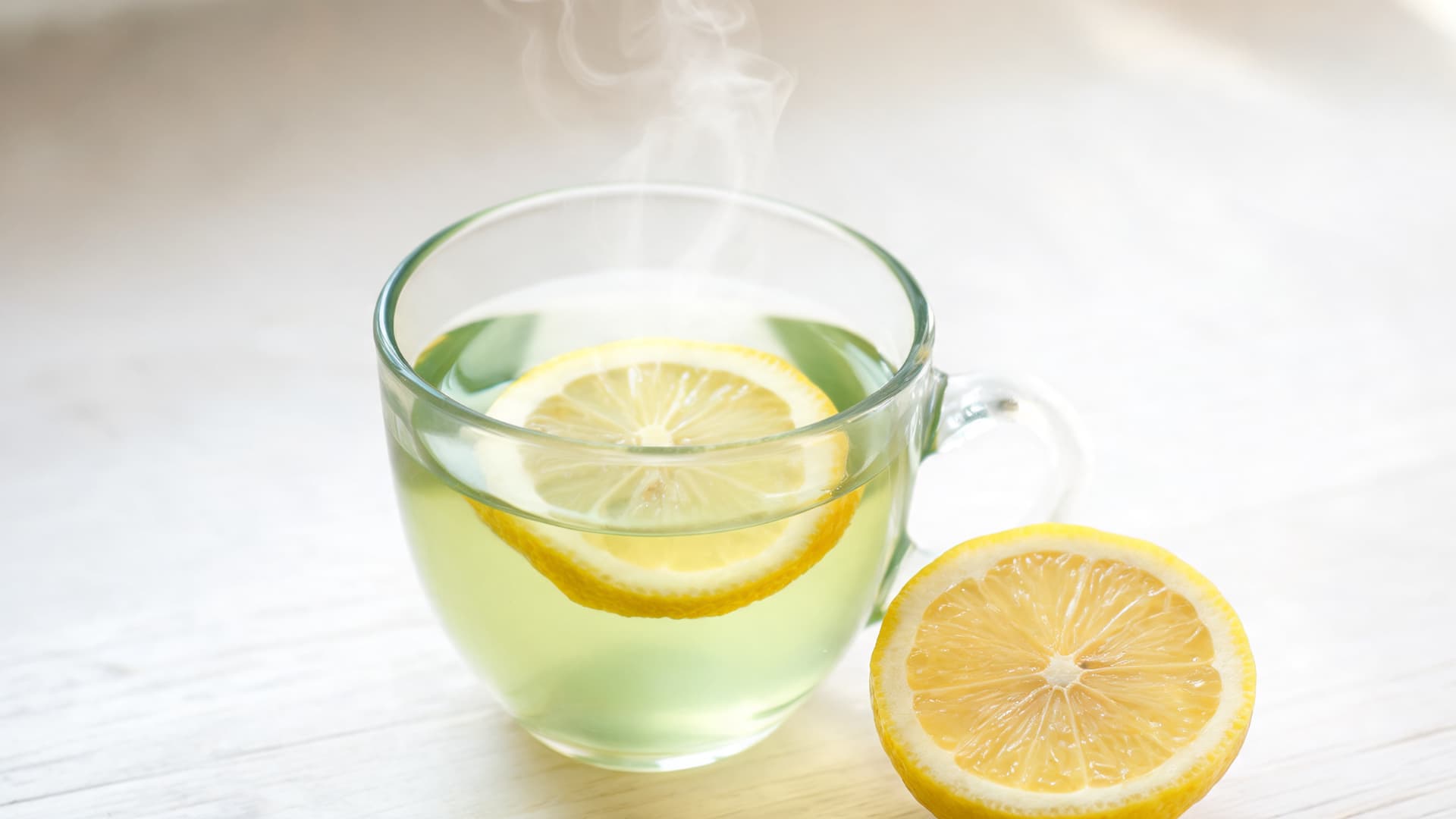
The lemon green tea recipe introduces citrus freshness by adding lemon after the tea has been brewed and slightly cooled. This timing is important because adding lemon to very hot tea can alter flavor stability.
The citrus element enhances the natural brightness of green tea and adds a light tang that feels refreshing and clean.
This version is often preferred in morning routines or light wellness-focused habits because it feels energizing without being heavy.
The combination of green tea and lemon also creates a crisp, refreshing taste that works well for hydration throughout the day.
Mint And Ginger Green Tea Recipe
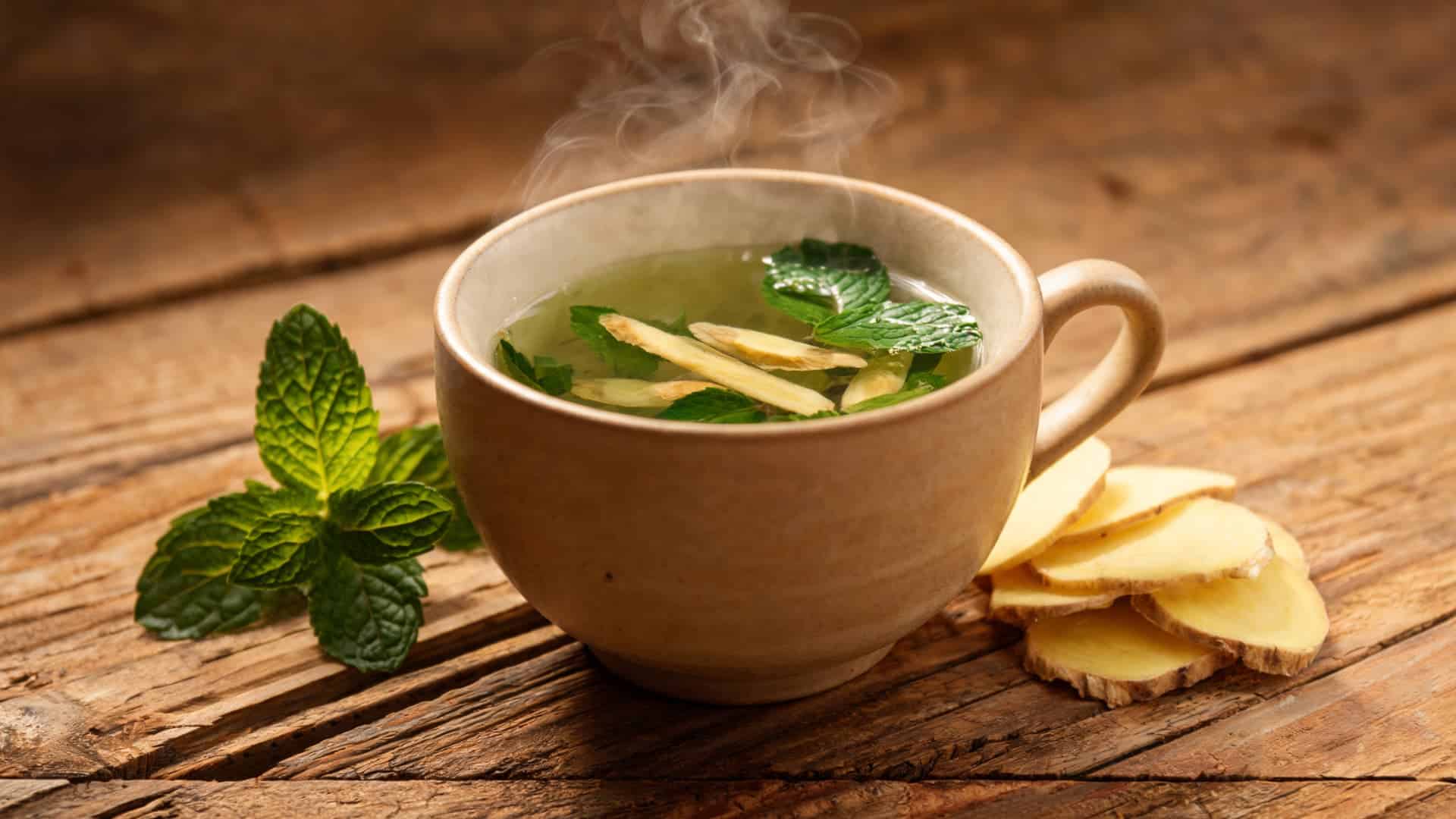
The mint and ginger green tea recipe combines cooling and warming elements in a single cup. Fresh mint leaves or sliced ginger are added either during brewing or after, depending on how strong the flavor is desired.
Mint provides a cooling effect that feels refreshing, while ginger adds a warm, slightly spicy depth that balances the drink.
Together, they create a layered flavor profile that feels both soothing and energizing. This variation is often used in seasonal changes or when a more flavorful and aromatic version of green tea is preferred over the plain base.
Choosing The Right Method: Tea Bag Vs Loose Leaf Vs Cold Brew
Each brewing method offers a different experience depending on taste preference and daily routine.
| Method | Taste | Effort | Time |
|---|---|---|---|
| Tea Bag | Mild and simple | Very easy | 2–3 minutes |
| Loose Leaf | Rich and aromatic | Moderate | 2–3 minutes |
| Cold Brew | Smooth and light | Low effort | 6–10 hours |
- Best for beginners: Tea bags provide an easy entry point without measuring or equipment.
- Best for flavor lovers: Loose leaf delivers deeper aroma and stronger taste experience.
- Best for smooth taste: Cold brew removes bitterness and creates a soft finish.
Common Mistakes When Making Green Tea
- Using boiling water directly instead of slightly cooled water
- Steeping beyond 3–4 minutes, causing bitterness
- Incorrect tea-to-water ratio affecting strength
- Reheating brewed tea instead of fresh preparation
- Using low-quality tea bags that reduce flavor clarity
- Not measuring water temperature, leading to inconsistent taste
- Leaving tea leaves in water after brewing is complete
- Using stale or old tea leaves that lose natural aroma
- Stirring too much during steeping, which can over-extract flavors
- Using hard water with high mineral content that dulls flavor
- Adding sweeteners too early while tea is too hot
- Ignoring steeping time variations for different tea types
- Using dirty or unwashed cups that affect aroma and taste
- Overfilling tea bags or leaves beyond recommended quantity
Why Green Tea Tastes Bitter And How To Fix It
Bitterness in green tea is a common issue and usually comes from small mistakes in temperature, timing, or quantity. Understanding the reason behind bitterness helps improve every cup and makes the brewing process more consistent and enjoyable.
- Over-Extraction Issue: Bitterness mainly happens when tea leaves are left in water for too long. This releases excess tannins, which create a dry and sharp taste. Keeping steeping time within 2–3 minutes helps maintain smooth flavor.
- High Water Temperature: Using boiling water damages delicate tea leaves and intensifies bitterness. Ideal brewing temperature stays between 70°C and 80°C to preserve natural balance and avoid harsh notes.
- Excess Steeping Time: Leaving tea beyond recommended time increases bitterness even if temperature is correct. Shortening steeping time helps maintain light and refreshing flavor instead of strong and unpleasant taste.
- Incorrect Tea Quantity: Adding too many leaves or tea bags creates overly strong extraction, leading to bitterness. Using the right ratio ensures flavor stays balanced and not overpowering.
- Easy Fix Approach: To correct bitterness, slightly reduce water temperature, shorten steeping time, and adjust tea quantity instead of increasing brew strength. Small changes often restore smooth taste quickly.
When And How Often To Drink Green Tea
Morning: A light cup of green tea in the morning helps start the day with gentle energy, but it is better to avoid drinking it on a completely empty stomach if sensitivity is an issue. Taking it after a small meal helps maintain comfort while still giving a refreshing boost for the day ahead.
Afternoon: This is often considered the most effective time to drink green tea because it supports focus and steady energy without feeling heavy. A cup during work or study hours can help maintain alertness while also supporting hydration, making it a balanced choice for mid-day consumption.
Evening: In the evening, green tea should be kept mild and consumed in smaller amounts. A lighter cup can support relaxation after a long day, but stronger intake close to bedtime is usually avoided due to caffeine content that may affect sleep quality in sensitive individuals.
Overall, one to three cups per day is generally considered a suitable range depending on personal caffeine tolerance. Green tea can support focus, hydration, and calm energy throughout the day when consumed at the right time and in balanced quantity.
Frequently Asked Questions
Can green tea be drunk on an empty stomach?
Green tea can be consumed on an empty stomach, but it may cause mild acidity or discomfort in some individuals. It is usually better to have it after a light meal or snack to avoid irritation while still enjoying its refreshing and energizing effects.
Does green tea help with weight loss?
Green tea is often associated with weight management due to its natural compounds that may support metabolism. However, it is not a magic solution. It works best when combined with a balanced diet, regular activity, and healthy lifestyle habits rather than used alone.
What is the best time to avoid green tea?
It is generally recommended to avoid green tea late at night, especially close to bedtime. The caffeine content may affect sleep quality in sensitive individuals. Drinking it earlier in the day ensures better energy support without disturbing rest.
Can I reuse green tea leaves for another cup?
Yes, green tea leaves can sometimes be reused for a second infusion, especially loose leaf varieties. However, the second brew will be lighter in flavor and aroma. It is best to steep slightly longer for the second cup to extract remaining taste.
Does green tea lose benefits if it cools down?
Cooling does not remove all benefits, but freshly brewed green tea is usually preferred for best flavor and antioxidant activity. Cold versions like iced or cold brew still retain useful compounds and are widely consumed as refreshing alternatives.
Can green tea be stored after brewing?
Yes, brewed green tea can be stored in the refrigerator for up to 24 hours. It should be kept in a sealed container to preserve freshness. However, reheating is not recommended as it may alter taste and reduce overall quality.
Conclusion
I often find that making a good cup of tea comes down to small, careful choices rather than complex steps.
When I make green tea, I focus on water temperature, steeping time, and simple balance because those details change everything in the final taste.
You now know how different brewing styles, recipe variations, and common mistakes affect flavor and quality in everyday use. These small adjustments help you avoid bitterness and enjoy a smoother cup each time.
I hope this guide helps you feel more confident while preparing your own tea at home. Try these methods yourself and share what worked best for you or explore more simple tea guides next.