

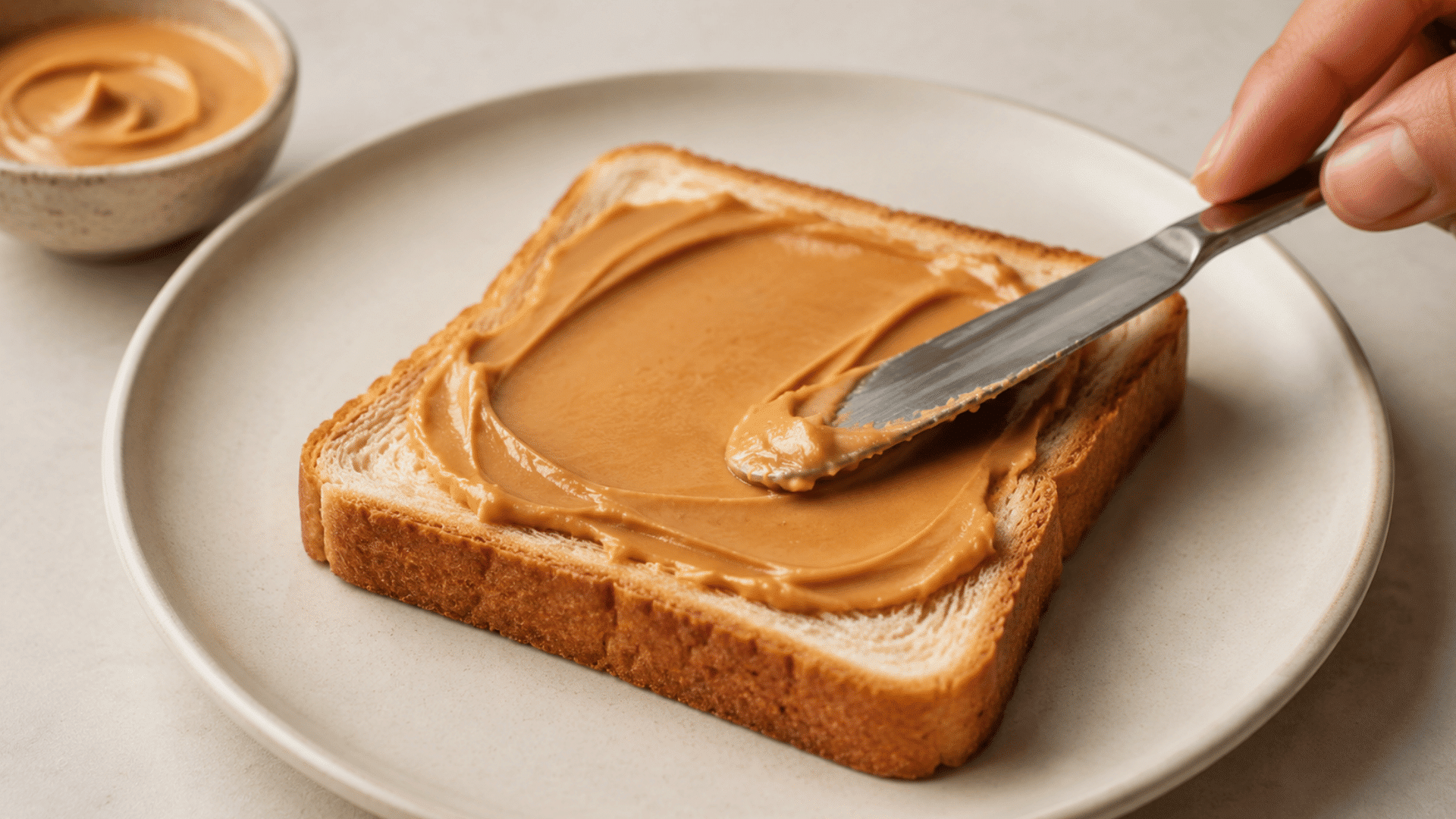
Peanut butter is a pantry staple enjoyed in sandwiches, smoothies, oatmeal, baked goods, and as a quick snack with fruit or crackers.
Along with its rich, nutty flavor, it provides protein, healthy fats, vitamins, and minerals, making it a nutritious addition.
Because fiber plays an important role in digestion, blood sugar control, and heart health, many people also wonder whether peanut butter is a good source of it.
The answer depends on the serving size, the type of peanut butter you choose, and how it fits into your overall diet.
Understanding its fiber content can help you make more informed food choices.
Does Peanut Butter Have Fiber?
Yes, peanut butter contains fiber, but it is not considered a high-fiber food compared with fruits, vegetables, beans, and whole grains.
A typical 2-tablespoon serving of peanut butter provides about 3 grams of fiber, which can contribute to your daily fiber intake.
Fiber supports digestive health by helping maintain regular bowel movements and promoting fullness between meals.
However, peanut butter alone may not provide enough fiber to meet your daily needs, so it is best paired with fiber-rich foods like apples, bananas, oatmeal, or whole-grain toast.
Nutritional Content of Peanut Butter
A 2 tbsp (32 g) serving of creamy, regular peanut butter contains the following key nutrients, approx :
| Nutrient | Amount per 2 tbsp (32 g) |
|---|---|
| Calories | 188 |
| Carbohydrates | 5.99 g |
| Fat | 16 g |
| Protein | 8 g |
| Fiber | 3.01 g |
| Sugar | 2 g |
| Iron | 1.44 mg |
| Calcium | 19.8 mg |
| Phosphorus | 114 mg |
| Potassium | 191 mg |
Does Peanut Butter have Potassium?
Yes, peanut butter contains potassium, though it is not among the richest sources of this mineral.
A typical 2-tablespoon serving of peanut butter provides around 190 mg of potassium, which contributes to your daily potassium needs.
Potassium is an important mineral that helps support normal muscle function, fluid balance, and nerve signaling.
Including peanut butter with other potassium-rich foods, such as bananas, potatoes, beans, yogurt, and leafy greens, can help increase your overall intake.
Is Peanut Butter Good or Bad for Constipation?
Peanut butter helps support regular digestion, but it is not a high-fiber food and should not be used as a standalone solution for constipation.
It provides some fiber and healthy fats, but relieving constipation also requires fiber-rich fruits, vegetables, whole grains, and legumes.
Eating too much peanut butter without other fiber-rich foods may not support regular bowel movements.
Pairing peanut butter with foods such as apples, bananas, oats, or whole-grain toast can create a more balanced snack that includes additional fiber.
Drinking enough water helps fiber work properly in the digestive system.
Choosing natural peanut butter with fewer added ingredients and eating it in moderate portions can help it fit into a digestion-friendly diet.
Benefits of Peanut Butter
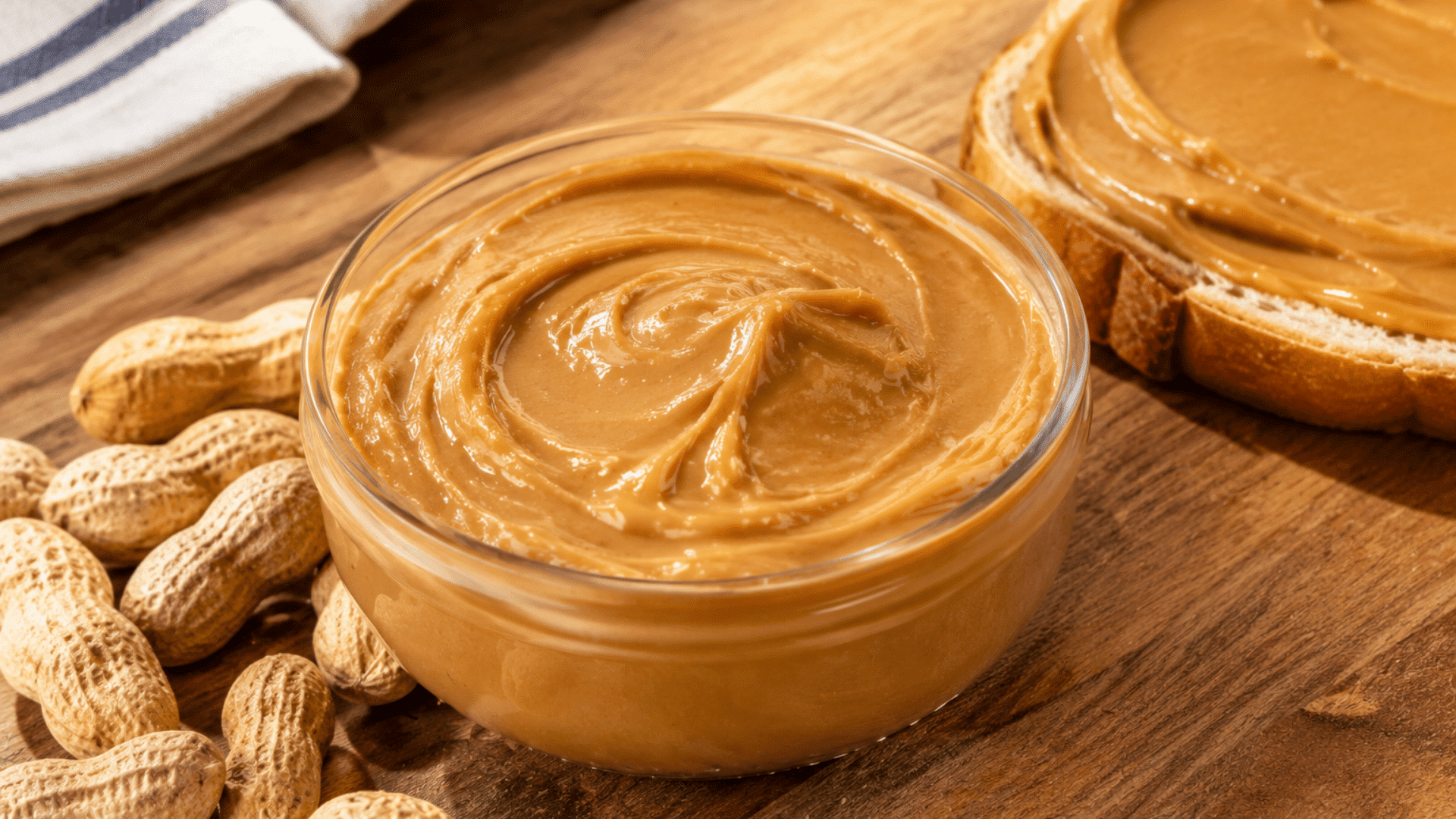
Peanut butter provides protein, healthy fats, vitamins, minerals, and plant compounds that support overall nutrition.
1. Supports Muscle Maintenance with Protein
Peanut butter provides plant-based protein that helps support muscle repair and maintenance. Including it with other protein-rich foods can improve overall protein intake.
It is a convenient option for adding nutrients to snacks, smoothies, oatmeal, or toast while supporting active lifestyles and daily nutritional needs.
2. Provides Heart-Friendly Unsaturated Fats
Peanut butter contains mostly unsaturated fats, which are considered healthier fat choices. Replacing foods higher in saturated fats with peanut butter may support heart health.
Its combination of healthy fats, protein, and nutrients makes it a beneficial addition to a balanced eating pattern.
3. Helps Increase Fullness Between Meals
The protein and healthy fats in peanut butter slow digestion and may help you feel full for longer.
This combination can provide steady energy compared with foods that contain only quick-digesting carbohydrates.
Adding peanut butter to snacks with fruits, oats, or whole grains can create a satisfying option that helps manage hunger between meals.
4. Supports Energy and Satiety
Peanut butter combines protein and healthy fats that help provide longer-lasting energy throughout the day. These nutrients slow digestion and may help maintain fullness after eating.
Pairing peanut butter with foods like whole-grain toast, apples, or oatmeal adds fiber and carbohydrates, creating a more balanced snack with sustained energy.
5. Supplies Important Vitamins and Minerals
Peanut butter contains essential nutrients such as vitamin E, magnesium, niacin, and manganese.
These nutrients support energy production, normal body functions, and overall wellness. Including peanut butter with a variety of nutrient-rich foods can contribute to a balanced diet.
6. May Support Improved Heart Health
Peanut butter may support heart health because it provides unsaturated fats, protein, and beneficial plant compounds.
When consumed in moderation and chosen without excessive added sugar or unhealthy oils, it can be part of a diet that supports healthy cholesterol levels.
7. May Help Reduce Diabetes Risk
According to research by the National Library of Medicine, peanut butter consumption was associated with a lower risk of type 2 diabetes, with women who ate peanut butter five or more times per week having a lower risk than those who rarely or never ate it.
Pairing it with fiber-rich foods can create balanced meals that provide steady energy. A healthy eating pattern, rather than a single food, plays the biggest role.
8. Contains Antioxidant and Protective Compounds
Peanut butter contains plant compounds and antioxidants that help protect cells from oxidative stress. These natural compounds add to its nutritional value.
Including peanut butter alongside fruits, vegetables, and whole grains can provide a wider range of beneficial nutrients in the diet.
Natural vs Processed Peanut Butter
The main difference between natural and regular peanut butter is the ingredients added during processing.
| Feature | Natural Peanut Butter | Regular Peanut Butter |
|---|---|---|
| Ingredients | Usually made with peanuts, sometimes with salt. | Often contains peanuts along with added sweeteners, oils, and stabilizers. |
| Added sugar | Usually contains little to no added sugar. | May contain added sugar to improve taste |
| Added oils | Typically does not contain added oils. | May include hydrogenated or other added oils |
| Nutrition quality | Often closer to the natural nutrient profile of peanuts | Can still provide nutrients, but may have more added ingredients and calories. |
How Much Peanut Butter Should You Eat?
The right amount of peanut butter can vary based on your personal needs and lifestyle.
- Age: Children, adults, and older adults may have different calorie and nutrient requirements, which can affect how much peanut butter fits into their daily diet.
- Activity level: People who exercise regularly or have physically demanding routines may need more calories and energy compared with those with lower activity levels.
- Calorie needs: Since peanut butter is calorie-dense, your total daily calorie intake should determine how much you include without exceeding your needs.
- Fitness goals: Those trying to build muscle may use peanut butter as an easy source of calories and protein, while people managing weight may prefer smaller portions.
Best Fiber-Rich Pairings for Peanut Butter
Pairing peanut butter with fiber-rich foods is an easy way to create a more balanced and nutritious snack.
Good options include apple slices, bananas, oatmeal, whole-grain toast, berries, chia seeds, and whole-grain crackers.
A peanut butter banana sandwich made with whole-grain bread is one simple way to combine fiber, protein, and healthy fats in a satisfying meal.
These pairings help support digestion, promote fullness, and provide longer-lasting energy throughout the day.
Potential Risks and Peanut Butter Alternatives
Peanut butter is safe for most people but can trigger allergic reactions in those with a peanut allergy, ranging from skin irritation to severe reactions like throat swelling that require immediate medical attention.
Anyone with a known food allergy should talk with a healthcare professional before introducing new spreads.
- Almond butter: It provides slightly more fiber and potassium while offering healthy fats and a creamy texture that works well in snacks and desserts.
- Sunflower seed butter: A nut-free option suitable for those with peanut or tree nut allergies.
- Tahini: A sesame seed spread with a rich, slightly earthy flavor that works in both sweet and savory dishes. It can be added to dressings, dips, cookies, or energy bites for extra creaminess.
- Greek yogurt: A protein-rich swap that adds creaminess to smoothies and recipes. It works especially well as a peanut butter replacement in breakfast bowls, dips, and baked goods.
- Mashed banana: A naturally sweet option that adds moisture and softness to baked goods and smoothies.
This article is for general educational purposes and isn’t medical advice. If you’re managing a health condition like kidney disease or a peanut allergy, talk with a doctor or registered dietitian before changing how much peanut butter you eat.
Conclusion
Peanut butter can be a nutritious addition to a balanced diet, providing protein, healthy fats, fiber, and minerals like potassium.
While it is not a high-fiber food compared with fruits, vegetables, and whole grains, it can still support overall nutrition when paired with other fiber-rich foods.
Choosing peanut butter with simple ingredients and keeping portions balanced can help you enjoy its benefits without adding unnecessary calories or sugar.
Pay attention to your body’s response, include a variety of nutrient-rich foods, and make choices that fit your personal health goals.
A balanced approach is the best way to enjoy peanut butter as part of your daily routine.
Frequently asked questions:
Is Peanut Butter Healthy for the Body?
Yes, peanut butter can be a healthy addition to your diet because it provides protein, healthy fats, fiber, vitamins, and minerals.
Does Peanut Butter Affect Blood Sugar?
Peanut butter usually has a minimal effect on blood sugar because its protein and healthy fats slow digestion. Choosing low-sugar options and eating moderate portions can help maintain better blood sugar control.
How Much Protein Is in Two Tablespoons of Peanut Butter?
Two tablespoons of peanut butter provide about 7–8 grams of protein, helping contribute to daily protein needs when included in a balanced diet.
Is Natural Peanut Butter Better than Regular Peanut Butter?
Natural peanut butter often has fewer ingredients, usually just peanuts and salt. Checking labels helps you avoid products with added sugars, oils, or excess sodium.