

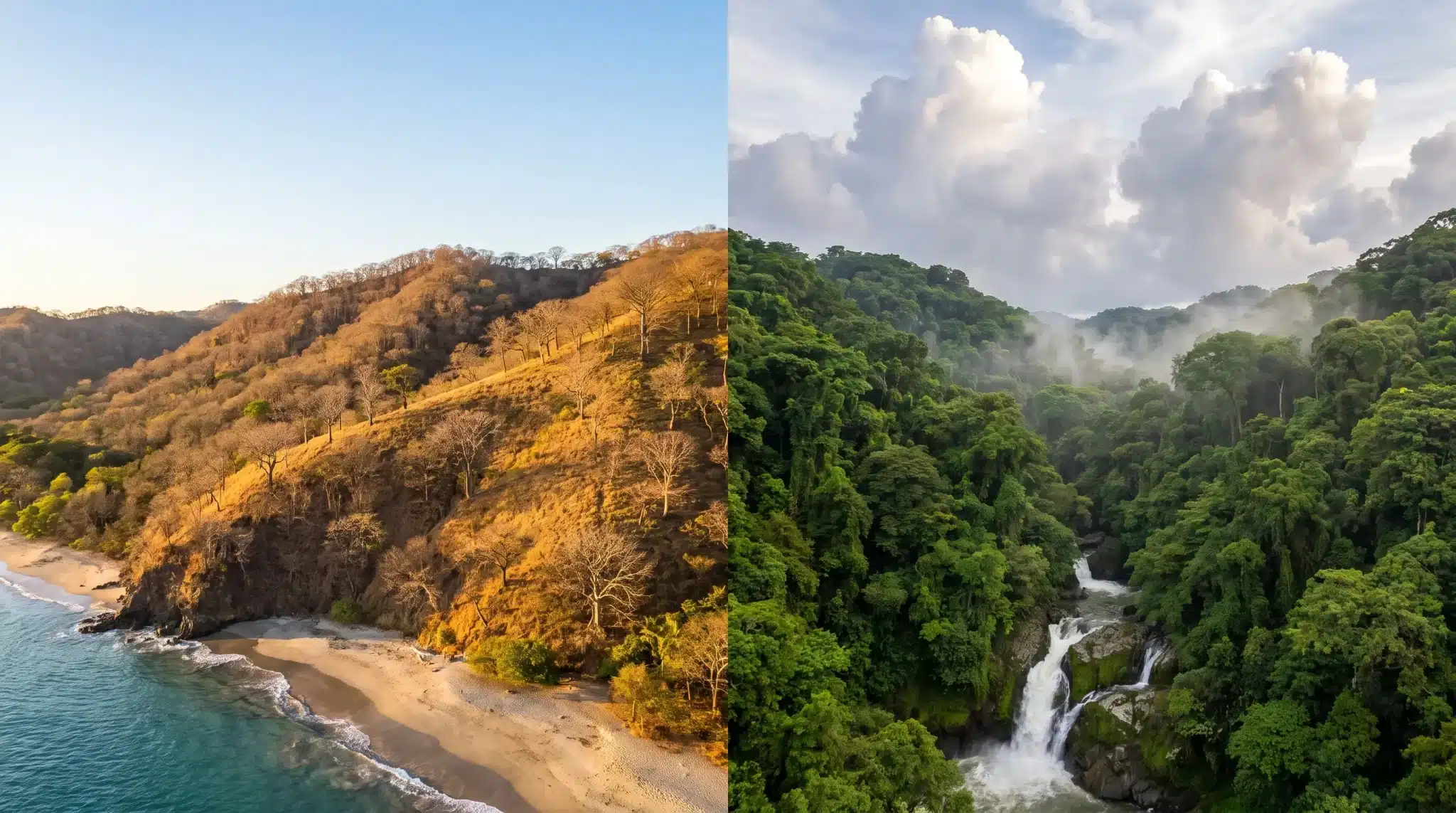
Costa Rica splits its calendar into two very different climate personalities, and picking the wrong one for your priorities can mean the difference between a trip full of wildlife sightings and one spent waiting out downpours in a hotel lobby.
The dry season runs roughly from mid-December through April, while the green season (what many still call the rainy season) covers May through November. Neither one is objectively better, but each shapes a trip in ways worth understanding before you book flights.
What the Dry Season Actually Feels Like
From January through March, most of Costa Rica sees consistent sunshine, especially in Guanacaste and the Nicoya Peninsula, where daily rain becomes rare and temperatures climb into the high 80s and low 90s Fahrenheit.
Roads stay in better condition, river crossings that can be dicey in wet months become straightforward, and beach days are close to guaranteed. This is peak tourist season for a reason: predictable weather makes planning easier.
The tradeoff is crowding and cost. Popular spots like Manuel Antonio and Monteverde fill up, hotel rates jump 20 to 40 percent above green season pricing, and popular excursions can sell out days in advance.
December through February also overlaps with North American winter break and spring break travel, so booking three to six months ahead isn’t overkill if specific dates matter.
What the Green Season Brings
Rain during the green season rarely means all-day storms. Most afternoons bring a concentrated downpour lasting one to three hours, often starting between 1 and 4 p.m., followed by clear skies again.
Mornings tend to be sunny and humid, which makes early starts for hikes or wildlife tours a smart default regardless of season, but especially now.
The upside is dramatic. Rainforests turn a deeper green, waterfalls swell, and rivers used for whitewater rafting run higher and more exciting. Wildlife activity often increases too, since amphibians and insects thrive in the humidity, drawing in the birds and reptiles that feed on them.
Costa Rica during green season also empties out. Fewer visitors means better rates, more availability, and a quieter, less commercial feel at national parks and lodges.
Regional Differences Worth Knowing
Costa Rica’s geography means the “dry” and “green” labels apply unevenly across the country. The Caribbean coast, including Puerto Viejo and Tortuguero, follows its own pattern, with September and October often bringing some of the clearest weather of the year there, even as the rest of the country gets its heaviest rain.
The Pacific side, by contrast, sees the most dramatic seasonal swing, with Guanacaste turning nearly desert-dry by March and lush again by June.
The Central Valley, home to San José, stays temperate year-round with less extreme shifts either way. Cloud forest regions like Monteverde carry their own microclimate, with mist and light rain possible even during the driest months.
Checking regional forecasts rather than treating Costa Rica as one climate zone makes a real difference in trip planning.
Wildlife Viewing by Season
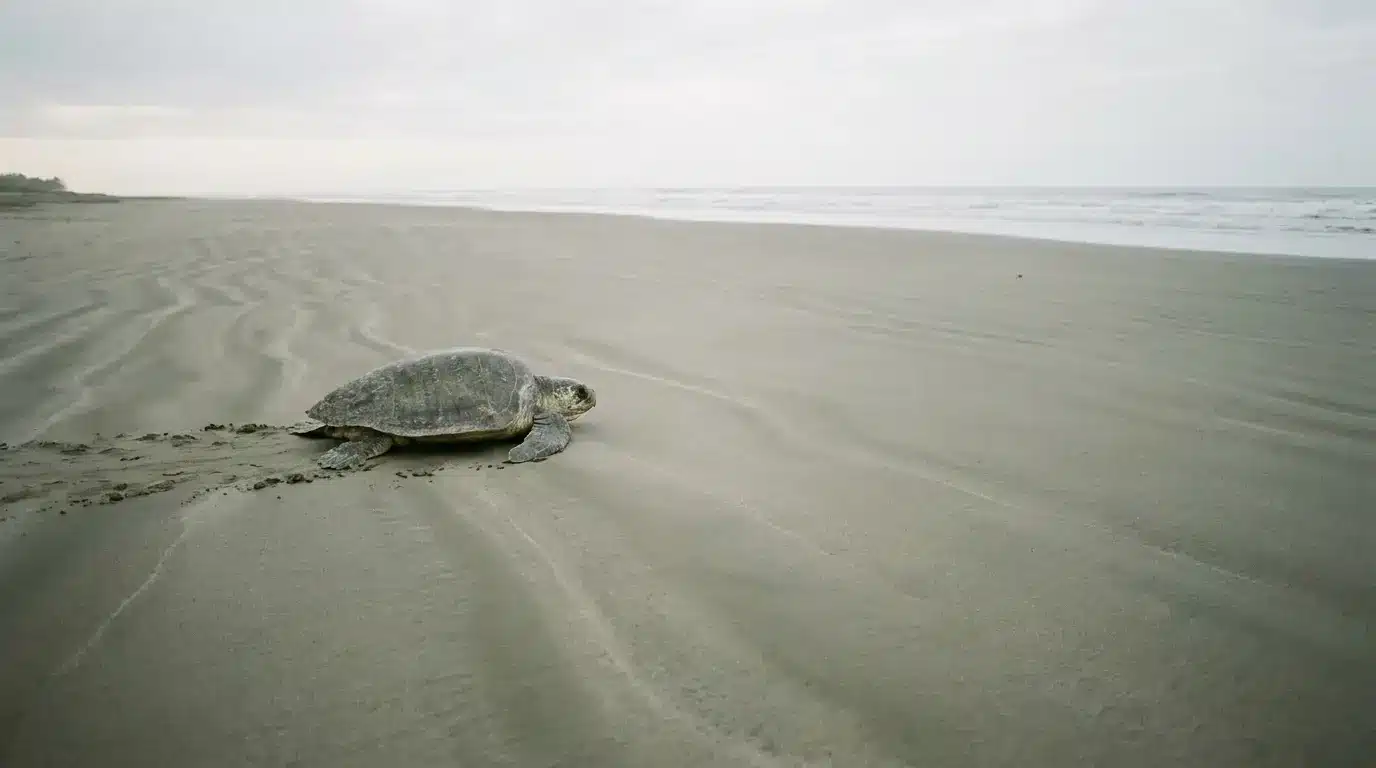
Sea turtle nesting is one of the clearest examples of how season affects what you’ll see. Olive ridley turtles nest at Ostional in massive arribadas mostly between July and November, meaning turtle-focused trips should target green season, not dry.
Leatherback nesting on the Caribbean side peaks between March and May, another seasonal exception worth building an itinerary around.
Bird migration also shifts with rainfall patterns, with many species arriving during transitional months in November and April when food sources spike.
Companies running Costa Rica tours often adjust itineraries seasonally, shifting toward canopy and canyon activities during wetter months and prioritizing beach and marine excursions when skies stay clear.
That flexibility is one reason booking through an established operator can pay off, since local guides know which trails flood and which stay passable.
Which Season Fits Your Trip
Choose dry season if beach time, predictable outdoor plans, and minimal weather disruption top the priority list, and if travel dates are flexible enough to book well ahead.
Choose green season for lower costs, thinner crowds, and a landscape that looks the way postcards promise, plus better access to specific wildlife events like turtle nesting.
Shoulder months, particularly May, June, and November, often deliver the best of both. Rain hasn’t fully set in or has started tapering off, crowds are thinner than peak dry season, and prices sit well below December through February rates.
Making the Final Call
There’s no wrong season to visit Costa Rica, only a mismatch between expectations and conditions. Someone hoping for reliable beach weather in July will be disappointed, just as someone hoping for empty trails in February will find the opposite.
Matching the season to the actual priorities of the trip, rather than defaulting to whichever months feel more familiar, produces a far better experience than chasing an idealized version of “good weather” that doesn’t line up with what’s actually planned.