


Wegovy (semaglutide) is an FDA-approved weight management medication. It mimics a glucagon-like peptide-1 (GLP-1) hormone involved in appetite regulation, helping you eat less and lose weight.
But plenty of people stop taking it – after reaching a goal weight, or because of side effects, cost, or changing circumstances. Knowing what to expect when you do makes the transition much smoother to navigate.
Common Reasons for Stopping Wegovy
Though Wegovy (semaglutide) has been shown to be helpful in weight loss, it’s not a “one-size-fits-all” solution. People may stop taking it for numerous reasons, for example:
- Reaching Weight Goals: Some discontinue Wegovy after they have lost the desirable weight and can sustain results with lifestyle changes only.
- Side Effects and Tolerability: Wegovy frequently causes gastrointestinal side effects, such as nausea, vomiting, constipation, diarrhea, bloating, or stomach discomfort. In some individuals, these side effects resolve over time, while in others, adverse reactions are ongoing or severe enough to make a person consider discontinuation of Wegovy.
- Personal Choice: People may choose to discontinue Wegovy because of shifting priorities, plans for pregnancy, or a choice to maintain weight naturally without medication.
- Medical Advice: A healthcare provider may advise stopping Wegovy if an individual has complications like drug interactions or health conditions like pancreatitis, gallbladder disease, or kidney issues, among others.
- Cost and Insurance Issues: Wegovy may be costly when uninsured. Even with insurance, certain plans might not cover weight loss medications. For many, affordability can be a significant obstacle, and they may discontinue therapy to switch to another solution.
- Medication Shortages: There have been shortages of Wegovy in recent years because it’s been in high demand. Some patients may not get their prescriptions filled in a timely manner, which may require choosing another weight loss approach.
What to Expect When You Stop Wegovy
Stopping Wegovy can result in various changes. Being aware of what to anticipate can assist in making you ready and adapt well.
- Changes in Appetite: It is one of the most prevalent consequences. As Wegovy reduces hunger by targeting certain brain areas, your hunger may come back to your pre-treatment level when the medication is discontinued. You could feel more hungry and have stronger cravings, particularly for high-calorie or sweet foods. This is not a failure sign but a natural physiological reaction as your body adapts.
- Health Changes: Wegovy can improve metabolic markers, such as blood glucose and insulin sensitivity, blood pressure, and cholesterol. When you stop taking it, these improvements may decline without continued management. Individuals with metabolic disorders are advised to have regular follow-up visits with their provider for continued monitoring.
- Psychological Effects: It may result in emotional and psychological difficulties, particularly if weight starts to come back. Individuals may feel frustrated, disappointed, anxious, or unmotivated. That is why it’s important to stick to healthy daily routines to maintain the achieved weight loss results.
- Weight Regain: Regaining weight can be typical after Wegovy is discontinued. It may vary greatly from person to person. However, it is not inevitable and usually depends on your lifestyle behaviors and various other factors.
Is It Safe to Stop Wegovy Suddenly?
If you take Wegovy for weight loss, there’s no strong evidence as of now that suddenly stopping it will cause direct harm. However, doing so may trigger a sudden return of hunger and cravings, making it more difficult to keep weight off. Semaglutide regulates blood sugar by making the body release insulin, and stopping it abruptly can cause spikes and drops in blood sugar.
It’s usually safer to taper off Wegovy gradually under the supervision of a medical professional. Tapering slowly gives your body time to adjust to the changes, reduces the risk of withdrawal effects like increased appetite and increased blood pressure, and provides you with time to build sustainable habits. It is helpful to keep in touch with a healthcare provider through online weight loss management appointments to ensure a proper tapering off process.
Is Weight Gain Inevitable?
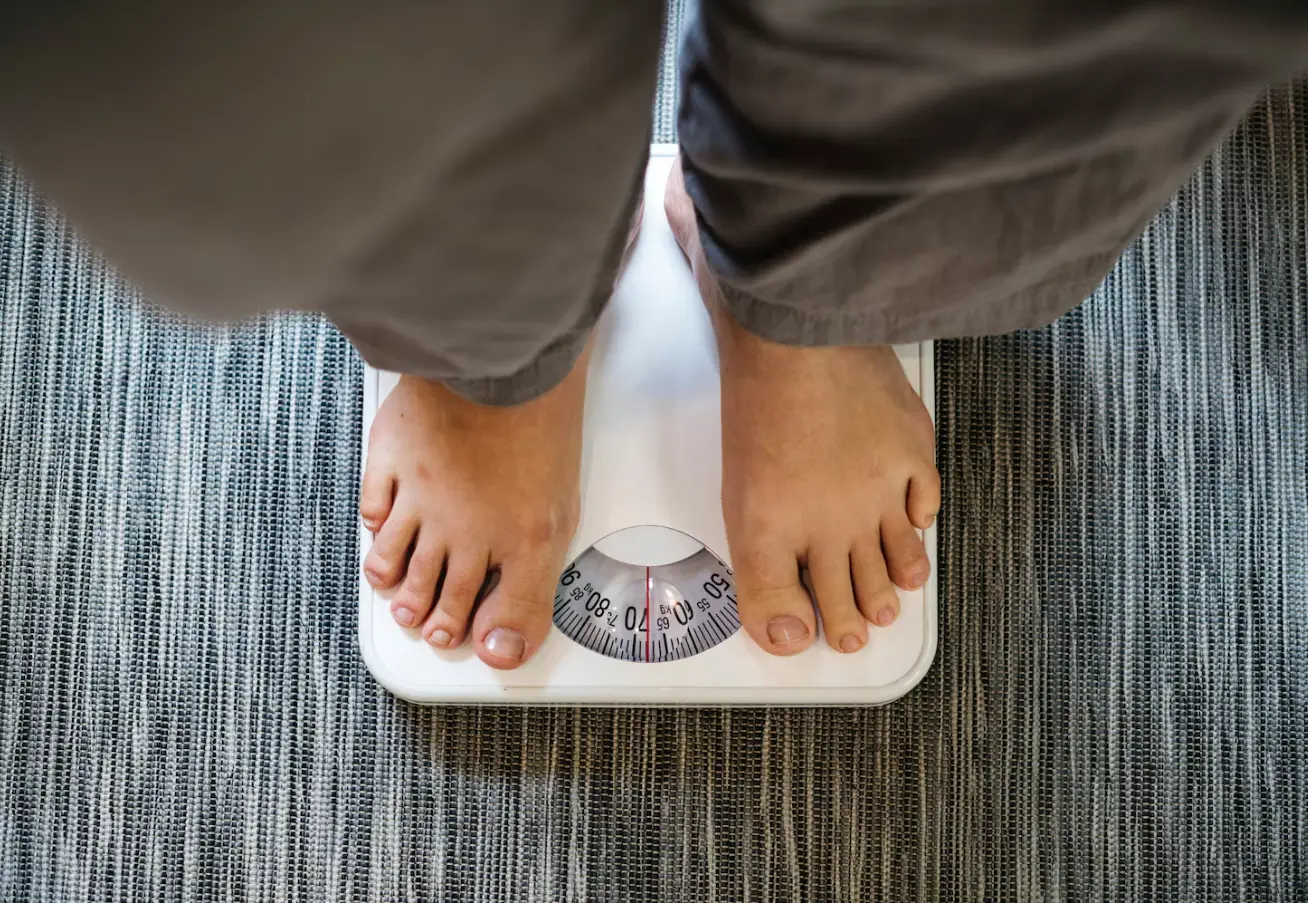
No, weight gain after stopping Wegovy is not definite, but it is prevalent. Wegovy helps one lose weight by acting like the GLP-1 hormone, which means decreasing appetite, slowing gastric emptying, and enhancing satiety. These effects end once you discontinue taking it.
As per research study, after a year of stopping semaglutide (Wegovy), individuals regained approximately two-thirds of the weight they lost. This doesn’t imply that everybody gains weight, but statistically, most people do if healthy lifestyle habits are not continued.
However, if you do regain weight, don’t panic. The degree of weight gain is determined by a variety of factors, many of which can be controlled. The important thing is to catch it early and speak with your physician for individualized advice. With proper guidance and planning, you may take charge again and successfully pursue weight loss.
Factors That Influence Weight Regain
Weight regain is based on individual factors, including the following:
- Duration of Wegovy Use: The longer you use Wegovy, the more long-term changes may occur, both in your weight and lifestyle.
- Lifestyle After Stopping Treatment: Individuals who adopted new healthy lifestyle habits during the treatment period are more likely to maintain weight loss after stopping medication.
- Support System: Individuals with ongoing support from peers, family, and healthcare professionals can maintain their weight loss results better. Regular follow-ups can help identify early signals of weight regain and provide encouragement to remain consistent.
- Underlying Medical Conditions: Pre-existing health conditions such as PCOS, insulin resistance, or thyroid disease can interfere with metabolism making the body prone to weight regain.
Tips to Minimize Weight Regain After Stopping Wegovy
Stopping Wegovy doesn’t necessarily mean your weight loss journey comes to a halt. There are certain steps you can take to reduce weight regain and keep moving forward:
- Adhere to a regular eating schedule with nutritious meals and healthy snacks.
- Opt for high-fiber, high-protein foods to make you feel full.
- Keep up with regular exercise, with a goal of at least 150-300 minutes of moderate physical activity each week.
- Add strength training 2-3 times a week to maintain muscle and aid metabolism.
- Enjoy 7-9 hours of good sleep daily, because insufficient sleep can trigger hunger and cravings.
- Cope with stress using mindfulness, yoga, or deep breathing since stress can initiate emotional eating.
- Monitor your progress by tracking weight, food consumption, and activity levels to remain accountable.
- Don’t skip meals, which may cause overeating at a later time and unbalance your appetite.
- Surround yourself with support from your family, a healthcare provider, a registered dietitian, or a support group.
- Be realistic and kind to yourself. Remember, weight maintenance is a process, not an ideal endpoint.
Can You Restart Wegovy or Explore Alternatives?
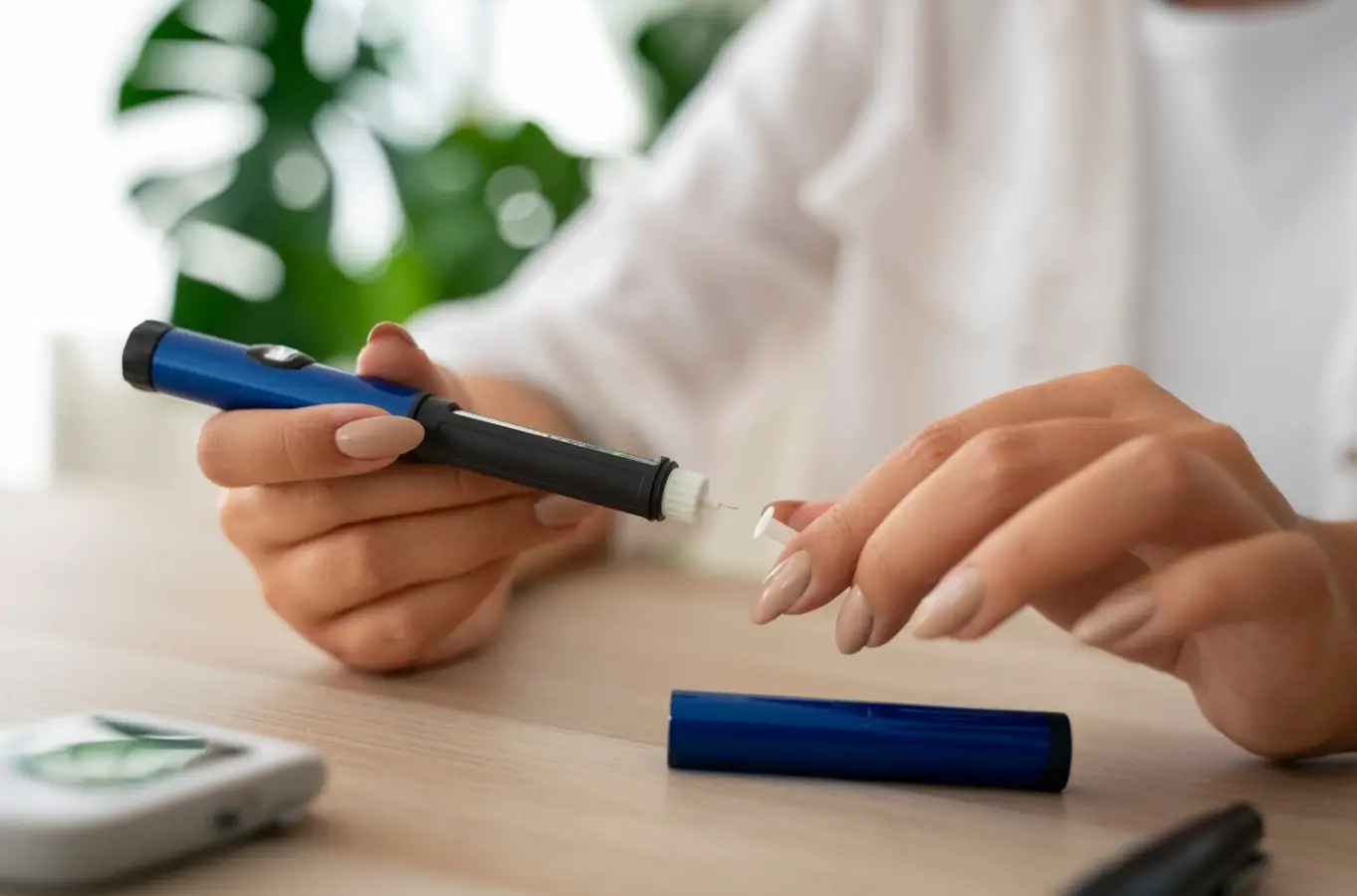
If appropriate, a healthcare provider may suggest that you can restart Wegovy after you’ve stopped taking it. Once the reason to stop taking Wegovy resolves, many individuals end up going back on treatment or trying a new approach to weight loss. You might need to start from the original low dose again and gradually increase it again according to the instructions from your provider in order to minimize side effects. Always talk with a healthcare professional before taking any step.
If you and your healthcare provider determine that Wegovy is no longer in your best interest, there are a variety of effective alternatives. Some of these include:
- Other GLP-1 Medications: Ozempic (semaglutide), Zepbound (tirzepatide), or Saxenda (liraglutide).
- Other Medications: Contrave (naltrexone/bupropion) or Qsymia (phentermine and topiramate) can be considered depending on your history.
- Non-medication Methods: Lifestyle changes, cognitive-behavior therapy (CBT), medical nutrition treatment, or guided weight loss programs.
Conclusion
Stopping Wegovy isn’t the end of your weight loss journey, it’s a transition. Weight regain is typical, but not certain as lifestyle decisions are key. Understanding what you can expect can help you successfully navigate this period with confidence and control. It’s important to always discuss with your healthcare provider if you’re considering discontinuing Wegovy to receive appropriate advice for long-term weight management.