

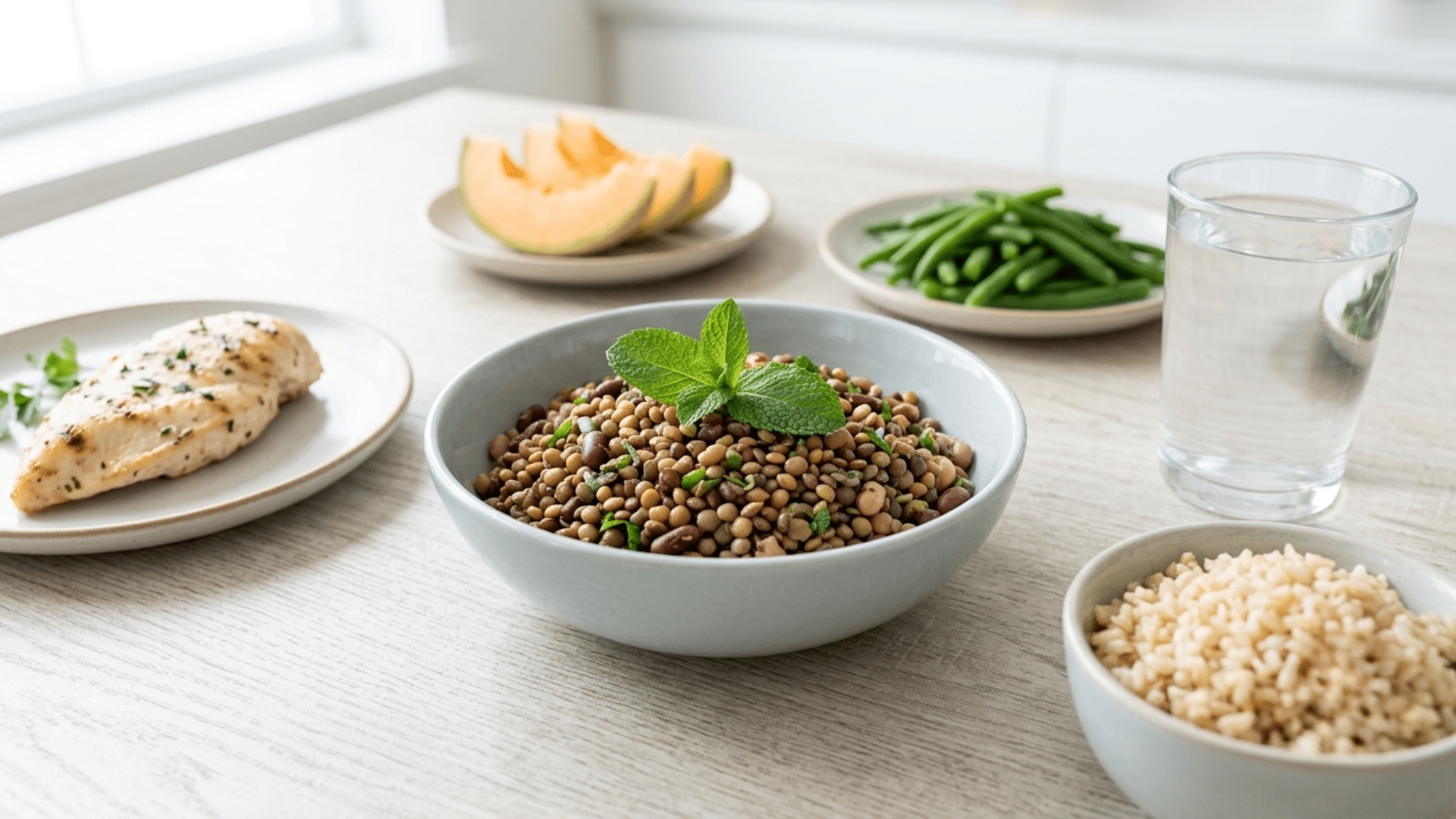
Managing pancreatitis often requires thoughtful food choices because certain meals can increase digestive discomfort and place added stress on the pancreas.
Creating a balanced eating routine can be challenging, especially when deciding what foods to include throughout the week.
A diet for pancreatitis usually focuses on lower-fat, nutrient-rich meals that provide essential nutrients while being easier to tolerate.
This 7-day meal plan for pancreatitis shares simple meal ideas for breakfast, lunch, dinner, and snacks, along with helpful guidance on foods to choose and avoid.
Learn about the meal plan to make informed food choices, and share your experience or favorite pancreatitis-friendly meals in the comments below.
Understanding Pancreatitis Diet
A pancreatitis diet is an eating plan designed to reduce stress on the pancreas while providing the body with essential nutrients.
Since the pancreas helps digest fats and supports nutrient absorption, choosing the right foods can help manage discomfort and support overall health.
This diet usually focuses on low-fat meals, lean proteins, fruits, vegetables, and easily digestible carbohydrates.
It also limits foods that may increase digestive strain, such as fried foods, alcohol, and high-fat meals.
The specific diet approach can vary depending on whether a person has acute or chronic pancreatitis.
Following a balanced eating pattern with guidance from a healthcare professional can help meet individual nutritional needs.
Your Daily Fat Budget for Pancreatitis
Most people with pancreatitis are advised to keep total fat between 30 and 50 grams a day.
Cleveland Clinic recommends staying under 30 grams while symptoms are active; a broader inpatient guideline from NSW Health caps it at 50 grams.
| Meal | Tighter budget (under 30g/day) | Standard budget (up to 50g/day) |
|---|---|---|
| Breakfast | 5g | 10g |
| Lunch | 7g | 15g |
| Dinner | 7g | 15g |
| Snacks (2-3 total) | 1-3g each | 2-5g each |
7 Day Meal Plan For Pancreatitis
NSW Health suggests that this 7-day meal plan focuses on low-fat, easy-to-digest meals designed to support the pancreas and improve overall digestive health. Each meal is carefully selected to minimize discomfort.
1. Day 1 Diet Plan
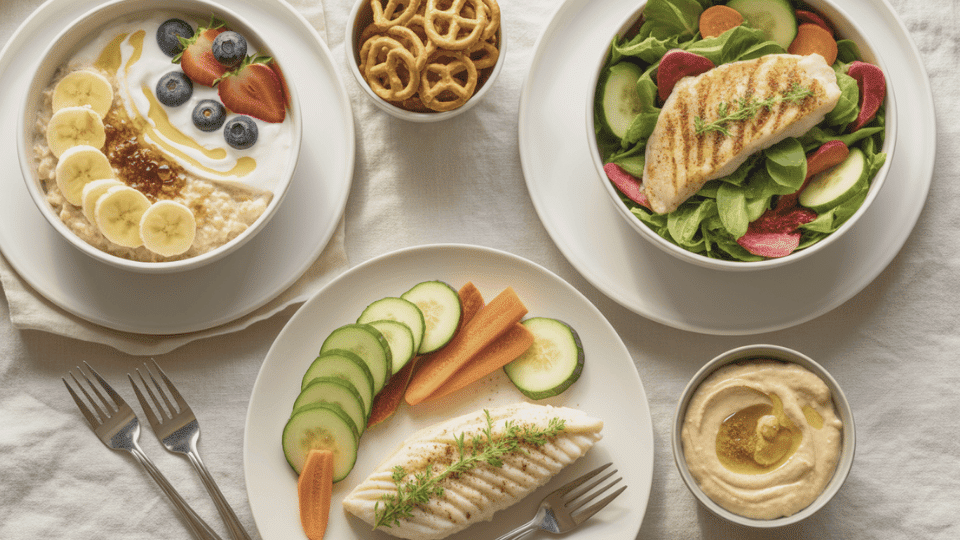
Start your day with an easy, nutritious breakfast that’s gentle on your digestive system and packed with essential nutrients.
- Breakfast: Oatmeal with banana slices and a sprinkle of cinnamon or a drizzle of honey. Optional: non-fat yogurt with berries.
- Lunch: Grilled chicken breast salad with mixed greens, cucumber, and low-fat vinaigrette.
- Dinner: Steamed tilapia with roasted zucchini, carrots, and bell peppers.
- Snack: Unsalted pretzels with hummus.
End your day with a light, well-balanced meal plan that supports your pancreas while providing the necessary nutrients for recovery.
2. Day 2 Diet Plan
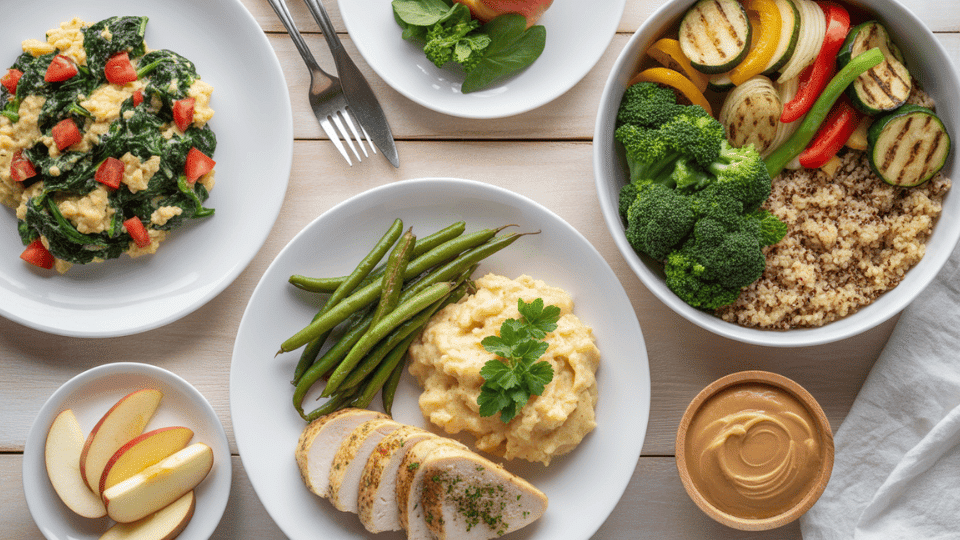
Start your day with a light, easily digestible breakfast that provides the nutrients your body needs.
- Breakfast: Scrambled egg whites with spinach and tomatoes.
- Lunch: Quinoa bowl with grilled vegetables and steamed broccoli.
- Dinner: Baked chicken breast with mashed potatoes and green beans.
- Snack: Apple slices with almond butter.
End your day with a meal that supports your digestive system while aiding in your recovery.
3. Day 3 Diet Plan
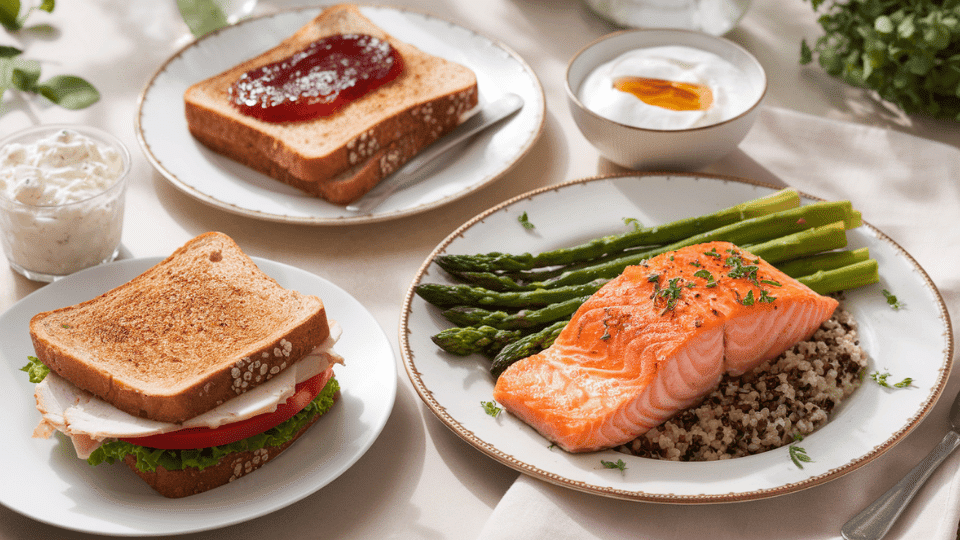
Start your day with a gentle breakfast that’s easy to digest and packed with vitamins.
- Breakfast: Whole-grain toast with a thin layer of jam and a side of non-fat cottage cheese.
- Lunch: Grilled turkey sandwich (whole grain bread, minimal mayo, lettuce, tomato).
- Dinner: Baked salmon with steamed asparagus and quinoa.
- Snack: Low-fat Greek yogurt with a drizzle of honey.
End your day with a light, well-balanced meal to support your recovery and digestive health.
4. Day 4 Diet Plan
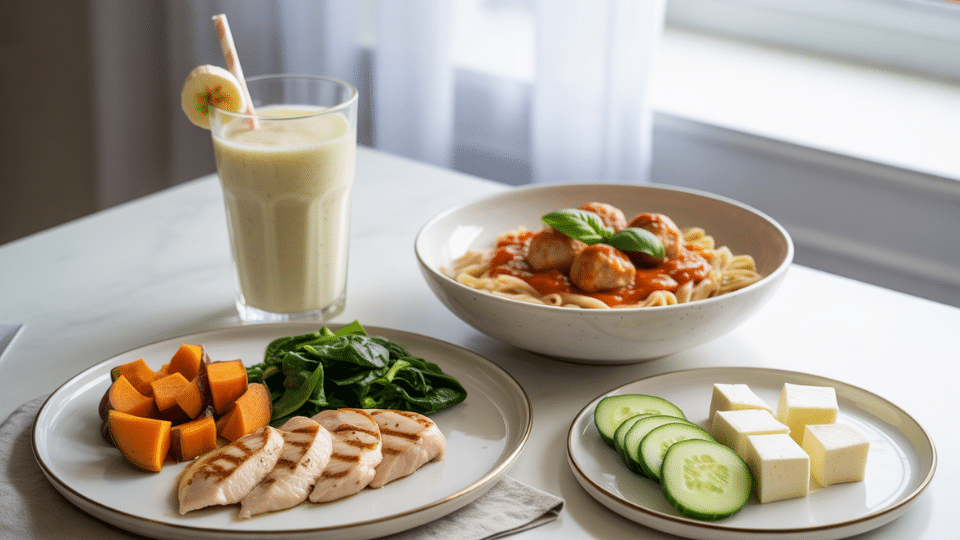
Start your day with a refreshing smoothie that’s easy on your stomach and provides essential nutrients.
- Breakfast: Smoothie made with low-fat milk, banana, and optional protein powder.
- Lunch: Grilled chicken with roasted sweet potatoes and steamed spinach.
- Dinner: Turkey meatballs in homemade low-sodium tomato sauce over whole-wheat pasta.
- Snack: Sliced cucumber with low-fat cheese.
End your day with a light, easy-to-digest meal that promotes recovery and digestive health.
5. Day 5 Diet Plan
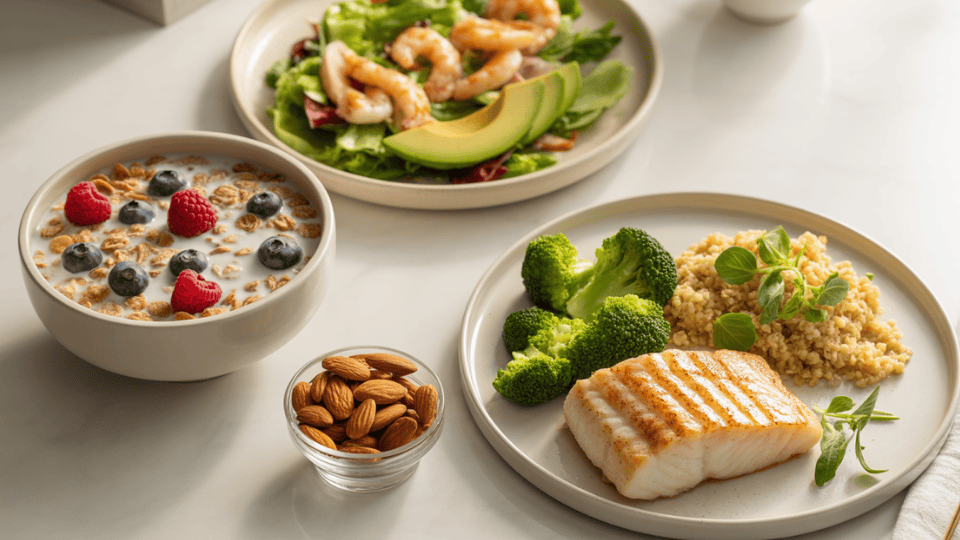
Start your day with a wholesome breakfast that’s both nutritious and gentle on your digestive system.
- Breakfast: Whole grain cereal with low-fat milk and fresh berries.
- Lunch: Grilled shrimp salad with avocado, mixed greens, and light vinaigrette.
- Dinner: Grilled white fish with steamed broccoli and quinoa.
- Snack: Unsalted almonds.
End your day with a meal that’s gentle on your pancreas and helps your body recover.
6. Day 6 Diet Plan
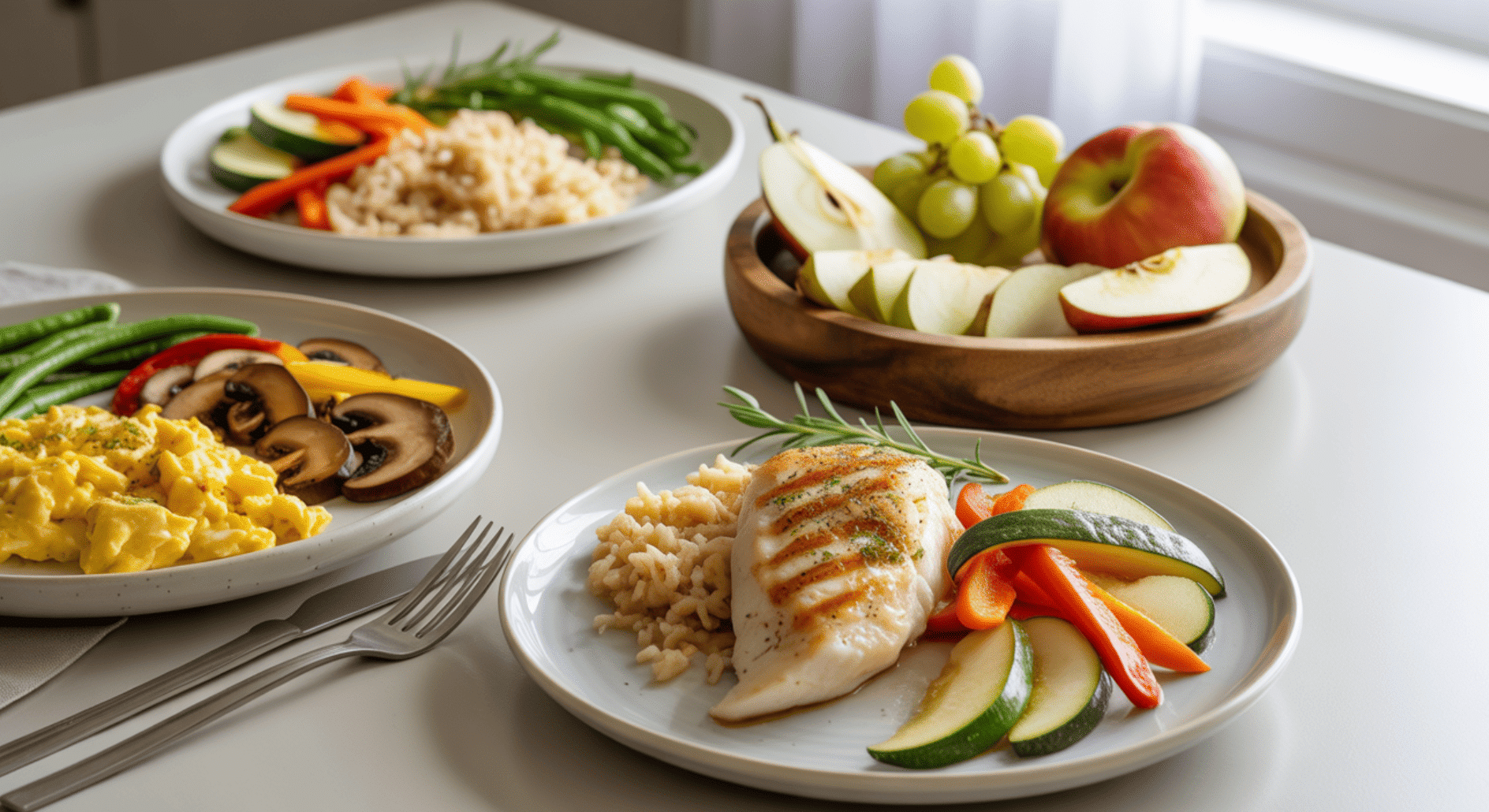
Start your day with a light and nourishing breakfast that’s easy to digest and full of nutrients.
- Breakfast: Scrambled egg whites with mushrooms and bell peppers.
- Lunch: Grilled chicken breast with brown rice and green beans.
- Dinner: Baked tilapia with roasted vegetables, e.g., zucchini, carrots, bell peppers.
- Snack: Mixed fruit, e.g., apple, pear, grapes.
End your day with a meal that supports digestion and aids in your recovery.
7. Day 7 Diet Plan
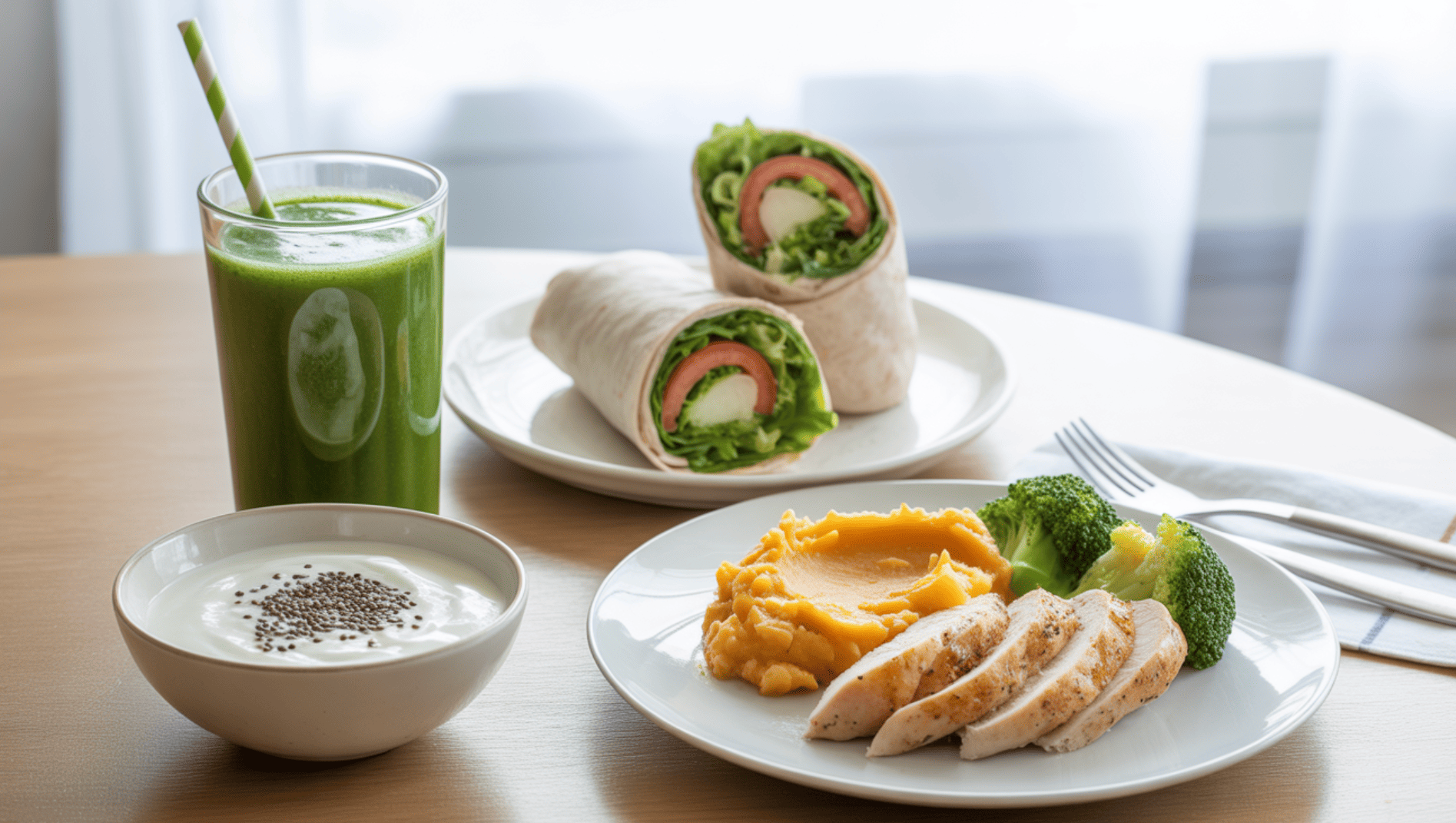
Start your day with a refreshing smoothie that’s full of vitamins and easy to digest.
- Breakfast: Smoothie with banana, low-fat yogurt, and spinach.
- Lunch: Turkey wrap with lettuce, tomato, and mustard in a whole-grain wrap.
- Dinner: Steamed chicken with mashed sweet potatoes and steamed broccoli.
- Snack: Small portion of low-fat Greek yogurt with chia seeds.
This 7-day meal plan focuses on easy-to-digest, low-fat, nutrient-dense foods that support digestive health and reduce strain on the pancreas. Click hereto get the downloadable PDF of the 7-day plan.
How This 7-Day Meal Plan Helps Manage Pancreatitis
This meal plan works by keeping fat low and meals easy to digest. Fat stimulates enzyme production, and that enzyme surge is what worsens inflammation and pain in an already stressed pancreas.
Eating 4-6 small meals a day, instead of 2-3 large ones, spreads that enzyme demand out and avoids overwhelming the organ at any single sitting.
Lean proteins, whole grains, and cooked vegetables supply the nutrients your body needs without adding fat you don’t need.
Each day’s meals are also rotated deliberately, so the same three or four proteins don’t repeat too often, and the plan stays realistic to follow past the first week.
The plan skips high-fat, processed, and sugary foods, leaning instead on anti-inflammatory choices, and it uses smoothies and water-rich fruit to support hydration, which helps digestion stay on track.
Foods To Include In A Pancreatitis Diet
Choosing suitable foods can help reduce digestive strain while ensuring the body receives important nutrients. A pancreatitis-friendly diet generally includes low-fat, easily digestible foods that support energy.
| Food Category | Examples | Benefits For Pancreatitis |
|---|---|---|
| Lean Proteins | Skinless chicken, turkey breast, white fish, tofu, egg whites | Provides essential protein for healing and muscle support while keeping fat intake lower. |
| Fruits And Vegetables | Bananas, apples, berries, carrots, spinach, zucchini | Supplies vitamins, minerals, and antioxidants while offering gentle sources of nutrition. |
| Whole Grains | Oatmeal, brown rice, quinoa, whole wheat bread | Provides carbohydrates and fiber for steady energy and balanced meals. |
| Low-Fat Dairy | Low-fat yogurt, skim milk, reduced-fat cottage cheese | Adds calcium and protein while reducing the amount of saturated fat in the diet. |
| Healthy Fats In Moderation | Avocado, olive oil, small portions of nuts | Provides beneficial fats when tolerated and helps support overall nutrient balance. |
| Hydrating Foods And Snacks | Soups, applesauce, fruit cups, whole grain crackers | Helps maintain hydration and provides lighter food options that may be easier to digest. |
Tips For Following A Pancreatitis Diet
Following a pancreatitis diet becomes easier with simple meal planning habits and mindful food choices. Small changes in eating patterns can help improve comfort.
- Eat Smaller Meals More Often: Eating smaller portions throughout the day may reduce the workload on the pancreas. It can also make meals easier to digest compared with large, heavy portions.
- Choose Low-Fat Cooking Methods: Prepare foods by baking, steaming, grilling, or boiling instead of frying. These methods help reduce added fats that may trigger digestive discomfort.
- Stay Hydrated Throughout the Day: Drinking enough water supports overall health and helps prevent dehydration. Choose water and other low-calorie beverages instead of sugary drinks or alcohol.
- Limit Foods That Trigger Symptoms: Keep track of foods that cause discomfort and adjust your meals accordingly. Common triggers may include high-fat foods, fried items, and alcohol.
- Plan Balanced Meals Ahead: Preparing meals in advance can help you choose healthier options when hunger strikes. Include lean proteins, whole grains, fruits, and vegetables for better nutrition.
Foods To Avoid With Pancreatitis
Certain foods can increase digestive stress and may worsen discomfort in people with pancreatitis. Limiting high-fat and irritating foods can help support better symptom management and overall nutrition.
| Food Category | Examples | Why To Avoid |
|---|---|---|
| High-Fat Foods | Fried foods, butter, cream sauces, fatty cuts of meat, full-fat dairy | These foods require more fat digestion and may increase strain on the pancreas, especially during flare-ups. |
| Alcoholic Drinks | Beer, wine, liquor, cocktails | Alcohol can irritate the pancreas and is a common trigger linked with pancreatitis development and worsening symptoms. |
| Processed Meats | Bacon, sausage, hot dogs, deli meats | These foods are often high in fat and additives that may make them harder to tolerate. |
| Sugary Foods And Drinks | Soda, sweetened juices, desserts, candy | High sugar intake can affect blood sugar control and may add unnecessary calories without proper nutrition. |
| Spicy And Irritating Foods | Hot sauces, heavily spiced dishes, very seasoned meals | Some people may experience increased digestive discomfort after eating highly seasoned foods. |
| Large Heavy Meals | Oversized portions, rich restaurant meals, high-calorie dishes | Large meals can increase digestive workload and may worsen bloating, pain, or discomfort. |
Can A Pancreatitis Diet Help With Recovery?
A pancreatitis diet can support recovery by reducing stress on the pancreas and helping the body receive important nutrients during healing.
Choosing low-fat meals, lean proteins, and easily digestible foods may help manage digestive discomfort and provide steady energy.
For people with chronic pancreatitis, a balanced diet can also help maintain weight and reduce the risk of nutrient deficiencies.
However, diet alone cannot treat pancreatitis or replace medical care. Recovery depends on the severity of the condition, treatment plan, and individual health needs.
Following dietary recommendations from a healthcare professional can help create a safer and more effective approach to managing pancreatitis.
Conclusion
Following a 7-day meal plan for pancreatitis can make daily food choices easier while supporting better nutrition and digestive comfort.
A diet focused on low-fat foods, lean proteins, fruits, vegetables, and balanced portions can help reduce stress on the pancreas and support overall health.
Since pancreatitis affects everyone differently, it is important to choose foods based on personal tolerance and professional medical advice.
Building healthy eating habits, staying hydrated, and avoiding common triggers can make managing meals more practical.
Share your experience with pancreatitis-friendly foods and meal ideas in the comments below to help others find helpful options.
Frequently Asked Questions
Can I Eat Spaghetti with Pancreatitis?
Yes, you can eat spaghetti with pancreatitis if prepared with low-fat ingredients. Choose whole grain pasta, lean protein, and lighter sauces while avoiding creamy or high-fat toppings.
What Is a Good Dinner for Someone with Pancreatitis?
A good dinner for pancreatitis includes baked chicken or fish, cooked vegetables, and brown rice or quinoa. Choose low-fat meals that are easy to digest and nutrient-rich.
What Desserts Are Good for Pancreatitis?
Low-fat desserts like fruit cups, applesauce, low-fat yogurt, or baked fruit can be suitable options for pancreatitis while avoiding high-fat pastries and heavy creams.




One Response
555