
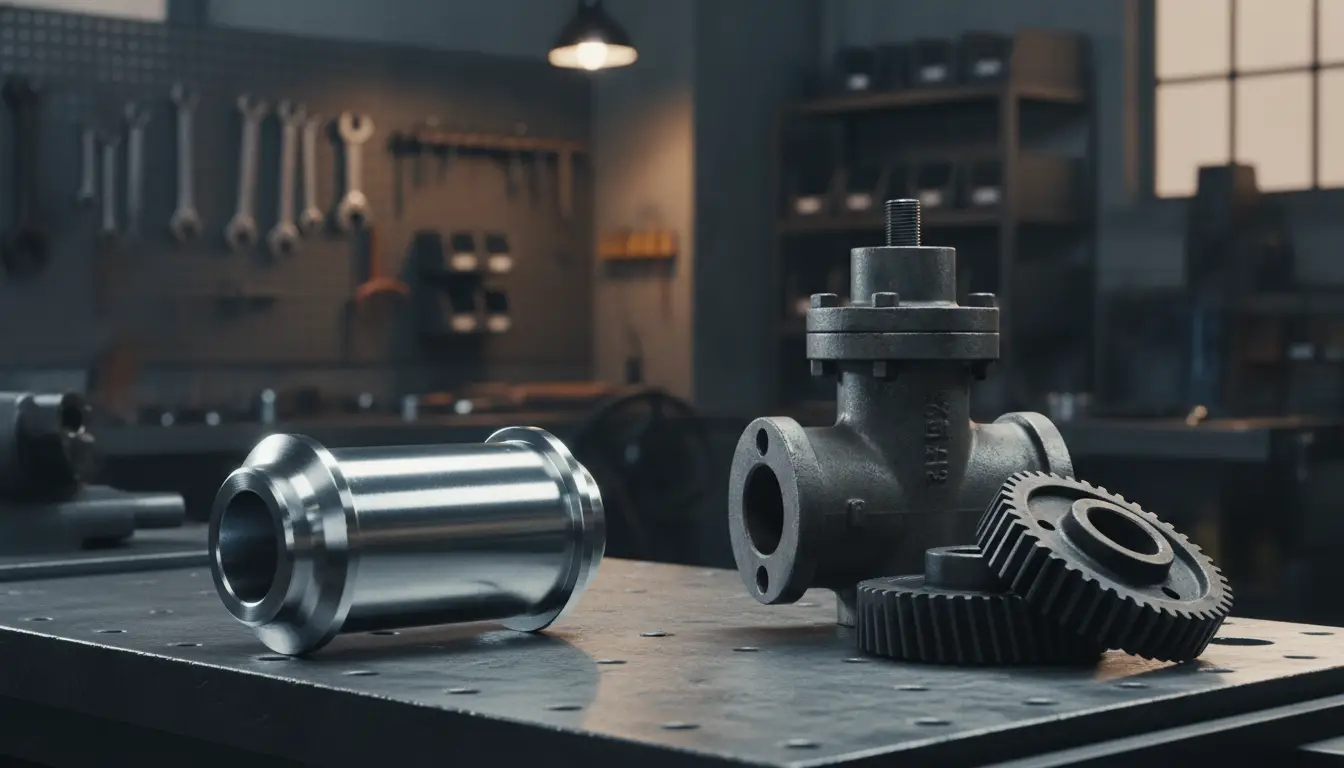
Nickel polishing can seem like a small finishing step compared with the heavy mechanical work industrial equipment performs every day, but surface condition can have a meaningful impact on durability, cleanliness, corrosion resistance, and long-term reliability.
The same principle applies inside demanding machines, where seemingly minor components can determine whether equipment keeps operating efficiently or ends up sidelined by premature wear.
For businesses working with metal components that need a smooth, consistent, and durable finish, professional nickel polishing can form an important part of a broader surface-finishing and maintenance strategy.
Why Surface Condition Matters More Than It Looks
Industrial components rarely operate in ideal conditions.
They encounter moisture, chemicals, abrasive material, vibration, temperature changes, repeated cleaning, and constant physical contact, depending on the application.
Even when a component remains structurally sound, a rough, damaged, contaminated, or deteriorating surface can gradually create performance problems.
Imagine a metal component that is cleaned several times per week in a humid processing environment.
Small scratches and surface imperfections may initially look cosmetic, but those areas can become places where contaminants, moisture, or residue collect.
A properly finished nickel surface is easier to maintain and can provide a cleaner, more uniform exterior while supporting the protective properties expected from the plated layer.
That becomes especially important when equipment owners are trying to extend service intervals, source reliable mud hog repair parts, and avoid repeatedly replacing otherwise usable components.
What Nickel Polishing Actually Accomplishes
Nickel plating is commonly used because it can improve corrosion protection, wear characteristics, appearance, and surface properties of metal parts.
Polishing complements the finish by reducing irregularities and creating a smoother, more consistent surface.
The exact process depends on the component, substrate, plating thickness, desired finish, and intended operating environment.
Some parts require a highly reflective decorative appearance, while industrial components may prioritize smoothness, cleanability, corrosion protection, or dimensional requirements instead.
That distinction matters because polishing should never be treated as simply making metal look shinier.
A Smooth Finish Can Have Practical Benefits
Surface roughness affects how a component interacts with its surroundings.
A smoother plated surface may be easier to clean because dirt, residue, and other materials have fewer microscopic irregularities in which to accumulate.
In applications involving sliding or repeated contact, surface quality can also influence friction and wear behavior, although the overall result depends on the materials, load, lubrication, and component design.
Consider two otherwise identical pieces of equipment operating in the same facility.
If one contains poorly finished metal components with rough edges or inconsistent surfaces, those areas may become noticeable much sooner under repeated use and cleaning.
The better-finished component is not automatically indestructible, but careful surface preparation and finishing can help eliminate avoidable weaknesses before the part enters service.
Corrosion Protection Starts Before Equipment Goes to Work
Corrosion is rarely dramatic at the beginning.
It may start as discoloration, pitting, oxidation, or deterioration around areas repeatedly exposed to moisture or aggressive substances.
By the time corrosion becomes impossible to ignore, the affected component may already require repair or replacement.
Nickel coatings are often selected to create a protective barrier between the underlying material and its operating environment.
However, coating performance depends on more than the presence of nickel alone.
Surface preparation, plating quality, coating thickness, adhesion, porosity, and finishing all influence the final result.
This is why industrial finishing should be viewed as an engineered process rather than a cosmetic afterthought.
Equipment Reliability Is Built From Individual Parts
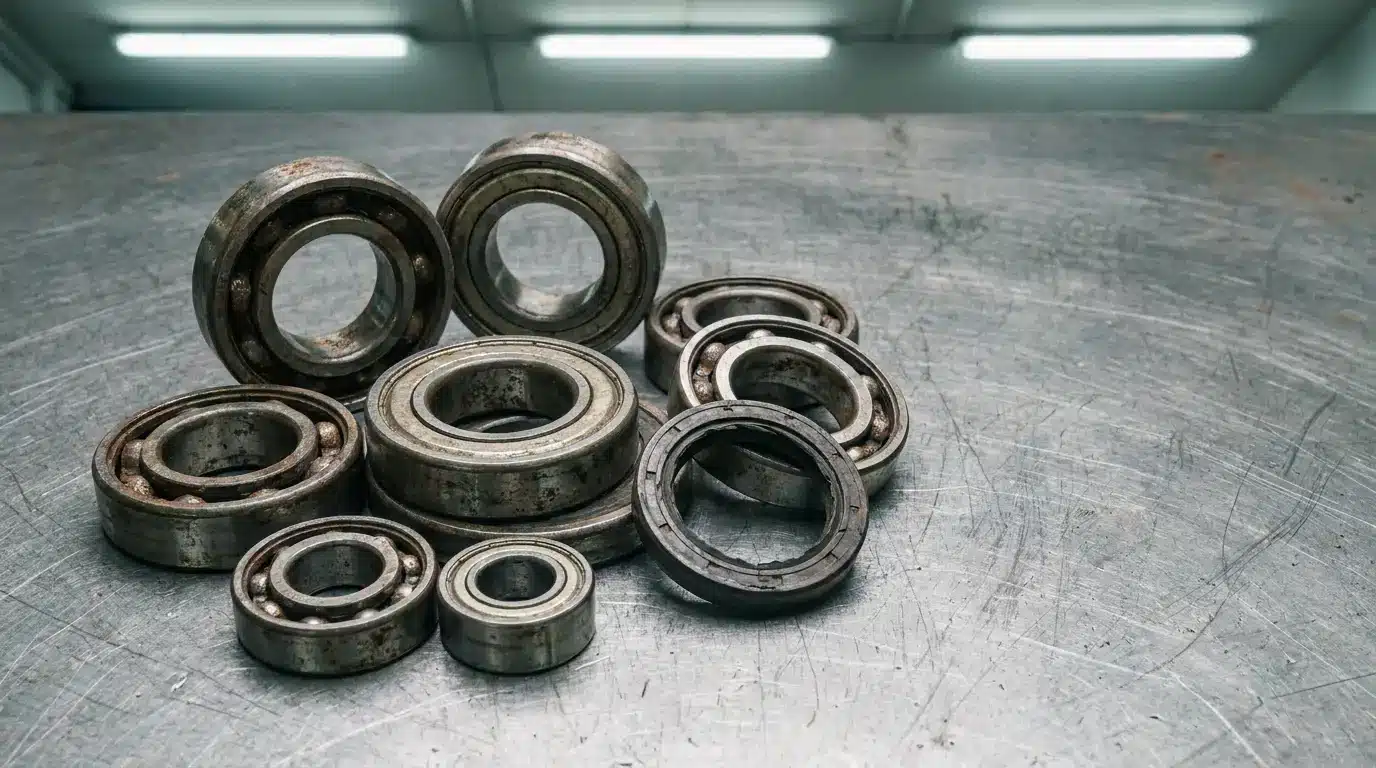
Surface finishing is only one side of long-term equipment performance.
The mechanical components hidden behind housings, guards, drums, and drive systems matter just as much.
This becomes obvious with equipment that processes heavy, abrasive, or dense materials, where components can experience substantial stress during normal operation.
Mud processing and mixing equipment is a good example because wear can develop gradually across multiple components instead of producing one immediate, obvious failure.
A worn seal may begin leaking slightly.
A bearing may develop additional play.
A drive component may start operating less smoothly.
Individually, each problem can appear manageable, but together they can reduce efficiency and eventually create unexpected downtime.
Why Repair-Part Quality Deserves Attention
When equipment needs repair, price is naturally part of the purchasing decision.
The cheapest replacement component, however, can become expensive if it wears prematurely, fits poorly, or causes another part of the system to work harder.
Quality Mud Hog repair parts should match the relevant equipment specifications and operating requirements rather than simply looking similar to the component being replaced.
Dimensions, materials, tolerances, compatibility, and intended operating conditions can all affect how a replacement performs after installation.
A maintenance crew might save money initially by choosing an inexpensive component, only to replace it again several months later after abnormal wear appears.
The cost of the second part is only part of the problem because labor, troubleshooting, lost production time, and schedule disruption can easily outweigh the original savings.
Fit and Tolerance Can Affect the Entire Assembly
Industrial machinery depends on components working together within defined tolerances.
A small dimensional difference can change alignment, clearance, vibration, sealing performance, or load distribution.
That is why replacement parts should be evaluated based on more than whether they physically fit into the available space.
For example, a slightly incorrect component may install without obvious resistance but create uneven wear once the equipment operates under a full production load.
The problem might remain hidden for weeks before vibration, leakage, unusual noise, or declining performance finally alerts the maintenance team.
By then, nearby components may also have experienced unnecessary stress.
Preventive Maintenance Is Usually Cheaper Than Emergency Repair
The connection between surface finishing and replacement-part quality becomes clearer when both are considered through the lens of preventive maintenance.
Well-maintained surfaces help protect components against environmental exposure, while properly selected mechanical parts help the machine continue operating within its intended parameters.
Neither eliminates maintenance requirements.
Instead, both reduce avoidable sources of deterioration.
A facility running critical equipment five or six days per week has little room for an unexpected breakdown during peak production.
Replacing a worn component during scheduled maintenance on Saturday morning is considerably easier than discovering the failure halfway through a large Monday order.
Routine inspections should therefore look beyond obvious breakage.
Maintenance teams can watch for corrosion, pitting, unusual surface wear, leaks, vibration, temperature changes, abnormal sounds, loose connections, and changes in operating performance.
These small clues often provide the earliest warning that a component is approaching the end of its useful service life.
Nickel Polishing as Part of a Broader Maintenance Strategy
A polished nickel surface delivers the most value when it is considered alongside the complete condition and purpose of a component.
A polished surface cannot compensate for incorrect plating, severe structural damage, poor component design, or an unsuitable base material.
Likewise, premium replacement components cannot prevent failure if equipment is consistently overloaded, incorrectly assembled, or operated without adequate maintenance.
Long-term reliability comes from getting several details right at the same time.
That means selecting appropriate materials, using suitable surface treatments, maintaining proper tolerances, installing compatible repair parts, following lubrication requirements, and inspecting equipment at realistic intervals.
Match the Finish to the Operating Environment
Not every component needs the same finish.
A decorative metal fixture, a food-processing component, and a part operating around abrasive industrial material can have very different surface requirements.
Before choosing a finishing process, consider what the component will actually encounter during service.
Moisture exposure, chemical contact, temperature, cleaning frequency, abrasion, friction, required appearance, and expected service life should all influence the specification.
The goal is not simply to achieve the brightest surface possible.
The goal is to produce a finish appropriate for the part’s real working conditions.
Small Maintenance Decisions Can Produce Large Long-Term Savings
Equipment performance is often determined by dozens of decisions that seem insignificant when considered individually.
Choosing the right finish for a metal component is one of them.
Selecting a correctly manufactured replacement part instead of the cheapest available alternative is another.
A single polished component or replacement bearing will not transform an entire maintenance program, but consistent attention to materials, surfaces, tolerances, wear patterns, and component quality can significantly reduce preventable problems over time.
For equipment owners, that can translate into fewer emergency repairs, more predictable maintenance schedules, better component longevity, and less disruption to daily operations.
Protecting Equipment Means Thinking Beyond the Immediate Repair
When a machine fails, the immediate instinct is understandably to get it running again as quickly as possible.
Long-term equipment management requires a slightly different question: what will keep the same problem from returning?
Sometimes the answer is a better replacement component.
In other situations, corrosion protection, improved surface finishing, better inspection intervals, corrected alignment, or changes in operating practices may be necessary.
The strongest maintenance strategy considers both the visible surfaces and the mechanical components working behind them.
When appropriate metal finishing is combined with quality repair parts and consistent preventive maintenance, businesses are better positioned to protect their equipment investment and keep machinery productive for the long haul.