

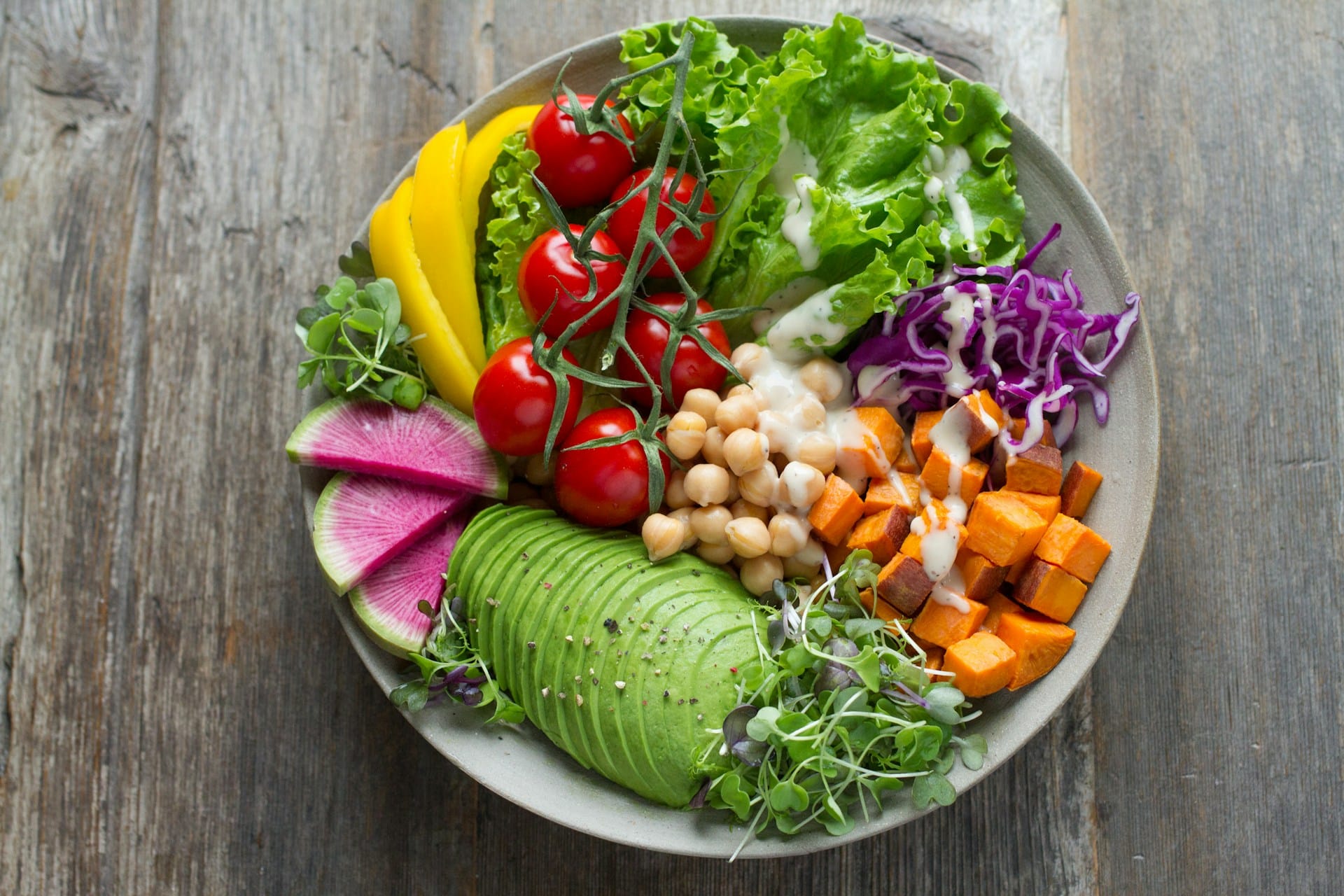
Turning 40 can feel a little unfair, for the metabolism that once worked overtime seems to have quietly retired. But the truth is, women’s nutritional needs naturally shift after 40. Hormonal changes during perimenopause and menopause can affect energy, mood, cravings, and weight distribution, while age-related muscle loss may slow metabolism even further.
That’s why finding the best diet for women over 40 isn’t about restrictive eating or skipping every summer treat. Instead, it’s about choosing foods that support your changing body. A balanced summer diet rich in protein, fiber, healthy fats, and hydrating seasonal produce can help support hormone health, maintain muscle mass, boost energy levels, and make healthy aging feel far more manageable.
This guide offers some tremendous summer meal ideas for women over 40. Let’s begin with what nutrients you should target:
Key Nutrients Women Over 40 Should Prioritize
Let’s talk about the specific nutrients that do the heavy lifting when it comes to energy, hormonal health, bone strength, and metabolism after 40. The best diet for women over 40 is less about restriction and more about making sure you’re getting enough of the right things.
Protein
If there’s one nutrient worth paying close attention to right now, it has to be protein. Research on muscle health in postmenopausal women consistently shows that declining estrogen levels are associated with increased muscle breakdown, and adequate protein intake is one of the most effective ways to counteract this. The Academy of Nutrition and Dietetics notes that protein is essential for maintaining muscle mass, which naturally decreases during this stage of life.
Most women are eating far less protein than they actually need, especially as needs increase with age. Aim for a solid source of protein at every meal, such as eggs, Greek yogurt, chicken, salmon, lentils, tofu, and edamame. Think less “side dish” and more “anchor of the meal.”
Calcium
Estrogen plays a protective role in bone health, so as levels shift, calcium intake becomes non-negotiable. The NIH Office of Dietary Supplements recommends 1,000–1,200 mg of calcium per day for women in this age group. Food sources are always preferable to supplements. For instance, dairy products, fortified plant milks, canned salmon with bones, white beans, bok choy, and kale are all excellent options.
The review published in Nutrients also highlights calcium as one of the key preventive nutrients during perimenopause and menopause, alongside vitamin D, B vitamins, and protein.
Fiber
Fiber is one of those nutrients that quietly does an enormous amount of work. For women navigating healthy eating perimenopause, it’s especially valuable because it helps regulate blood sugar (which becomes more relevant as insulin sensitivity shifts), supports gut microbiome health, and has been linked to reduced cardiovascular risk.
As the Academy of Nutrition and Dietetics explains, dietary fiber helps control blood sugar and lowers the risk of heart disease, both significant concerns during the menopausal transition. Aim for 25+ grams per day from whole grains, legumes, fruits, and vegetables.
Omega-3 Fatty Acids
Omega-3s deserve a special spotlight when it comes to what to eat in your 40s. Recent research on omega-3s and brain health during the menopausal transition highlights their role in supporting cognitive function, mood stability, and sleep, all of which can be affected by fluctuating hormones.
As the Academy of Nutrition and Dietetics notes, eating anti-inflammatory foods like those rich in omega-3s may help reduce menopause symptoms that are worsened by inflammation, such as joint pain. The best food sources are fatty fish like salmon, mackerel, and sardines, plus plant-based options like walnuts, flaxseed, and chia seeds.
A 2023 pilot study on middle-aged women found that diets enriched with omega-3s, fiber, calcium, and isoflavones were associated with meaningful improvements in health markers and menopausal symptoms. The takeaway was that it’s not just about any single “superfood,” but about the whole dietary pattern.
What to Eat More of This Summer
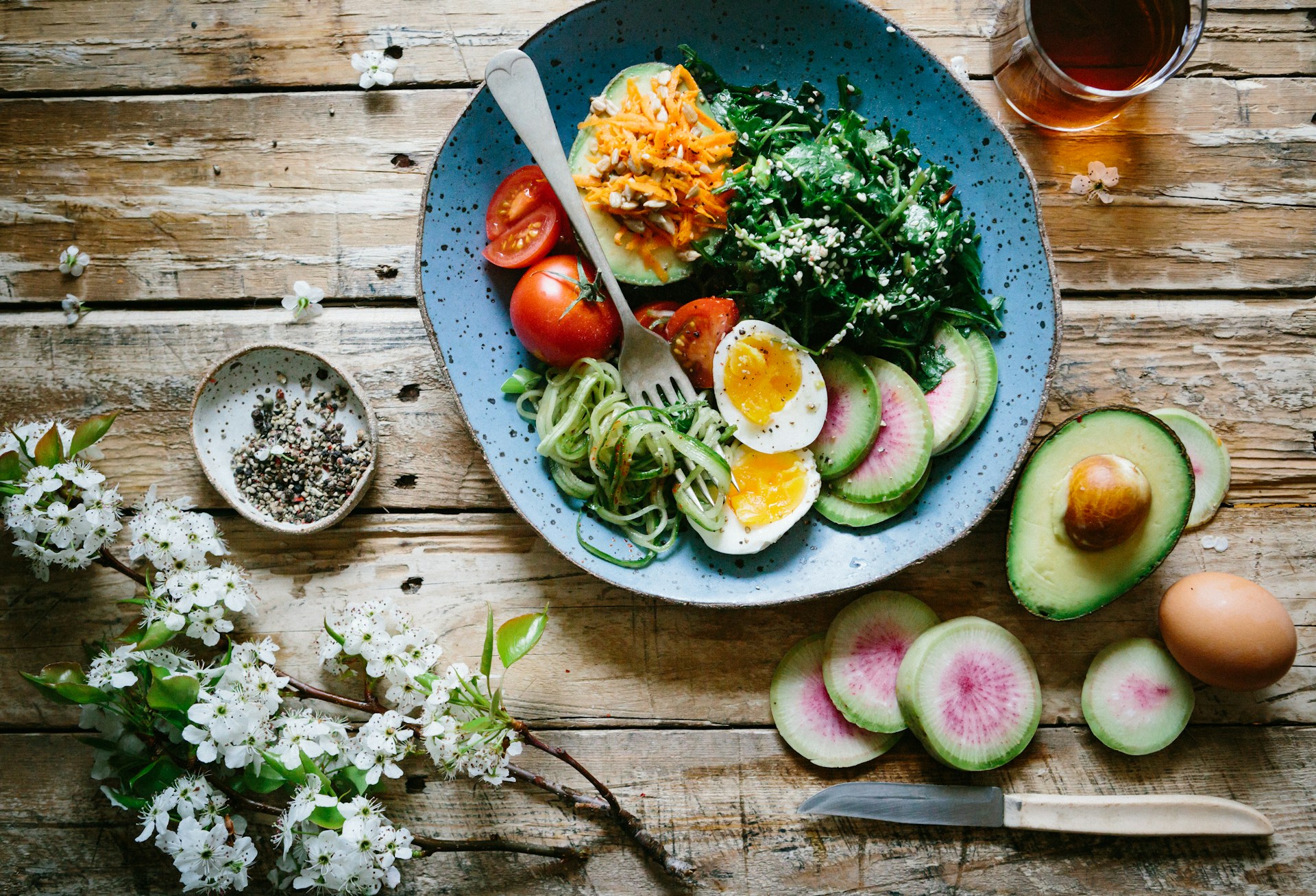
Here’s where things get delicious. Summer is genuinely one of the best times to practice good nutrition for women over 40, because so many of the foods that shine this season are exactly what your body needs. This is your summer diet for women over 40, made practical and seasonal:
Salmon and Other Fatty Fish
Summer grilling season is a great reason to put salmon on rotation. It’s a protein and omega-3 double win. Throw it on the grill with lemon and herbs, serve it in a grain bowl with cucumber and avocado, or keep a can of wild-caught salmon in the pantry for quick protein-packed lunches. Sardines on toast with sliced tomatoes is a surprisingly satisfying (and incredibly nutritious) option too.
Berries
Peak berry season hits hard in summer, and your body is here for it. Blueberries, strawberries, raspberries, and blackberries are loaded with antioxidants and fiber, low in sugar relative to other fruits, and deeply anti-inflammatory. Add them to Greek yogurt parfaits, blend them into smoothies, or just eat them by the bowl. It’s hard to think of a simpler snack that does so much good at once.
Leafy Greens and Cruciferous Vegetables
Spinach, arugula, kale, Swiss chard, broccoli, and cabbage are summer staples that pack a serious nutritional punch. Leafy greens provide calcium, magnesium, and B vitamins. Cruciferous vegetables like broccoli and cabbage contain compounds that support the body’s natural hormone metabolism pathways. Isn’t this a nice bonus when hormones are in flux? Summer salads are a genuinely easy vehicle for all of these.
Legumes
Chickpeas, lentils, black beans, and edamame are some of the most underrated foods on the summer menu. They deliver protein and fiber in a single package. Those are the two nutrients we know matter most for the best foods for women over 40. Use them in grain bowls, toss them into salads, blend chickpeas into creamy dips, or make a big batch of lentil soup for easy weekday lunches.
Greek Yogurt
Plain Greek yogurt is a nutritional workhorse. It’s high in protein, rich in calcium, and contains probiotics that support gut health. Gut health is increasingly connected to hormonal regulation, mood, and inflammation, all of which shift during perimenopause. Use it as a base for dips, blend it into smoothies, or layer it with berries and a drizzle of honey for a breakfast or snack that keeps you full.
Summer Stone Fruits
Peaches, nectarines, plums, and cherries are summer treats that also happen to contain antioxidants, fiber, and natural anti-inflammatory compounds. Cherries in particular have been linked to improved sleep quality, something many women in this stage of life would very much welcome. Slice them into salads, eat them fresh, or grill peach halves alongside your protein for a simple, satisfying summer meal.
What to Eat Less of
We don’t want to introduce a banned list, but the idea is to alert you to a few categories worth moderating if your goal is sustained energy, balanced hormones, and feeling genuinely good.
Ultra-Processed Foods
When most of what you’re eating comes from packages with long ingredient lists, your body tends to respond with blood sugar swings, energy crashes, and increased inflammation. This is true for everyone, but it’s particularly noticeable for women whose hormonal fluctuations are already affecting energy and mood. This doesn’t mean giving up convenience, but rather defaulting to minimally processed foods when you can and reserving the highly processed stuff for actual enjoyment rather than mindless habit.
Added Sugar
The relationship between blood sugar regulation and hormonal health is real. As insulin sensitivity shifts during perimenopause, blood sugar swings hit differently than they used to. Foods and drinks high in added sugar, including sweetened beverages, pastries, flavored yogurts, and processed snack bars, can amplify the energy highs and lows many women already experience. You need not eliminate dessert. Just be sure to notice where added sugar is sneaking in without much payoff and swap thoughtfully.
Alcohol
Many women find that their tolerance for alcohol shifts in their 40s. A drink that used to feel fine now disrupts sleep, triggers hot flashes, or leaves them foggy the next morning. Alcohol is also a known disruptor of sleep quality and can interfere with liver function, which plays a role in hormone metabolism. None of this means you can’t enjoy a glass of wine at a summer barbecue. It just means paying attention to how your body actually responds and adjusting accordingly.
Highly Refined Carbohydrates
White bread, white rice, and regular pasta aren’t inherently harmful, but they digest quickly and can cause blood sugar spikes that lead to energy crashes. Swapping them for whole grain versions, like farro, quinoa, whole wheat bread, and brown rice, gives you the same satisfaction plus the fiber, B vitamins, and more sustained energy. As the Academy of Nutrition and Dietetics highlights, whole grains provide B vitamins that play a role in regulating metabolism, which is a meaningful benefit when your metabolism is in transition.
Conclusion
Summer has a way of making good eating feel less like a chore and more like a pleasure, and that’s exactly the energy to lean into. Nutrition for women 40+ can be as simple as a bowl of berries on the porch, a grilled salmon dinner with people you love, or a peach eaten over the sink because it couldn’t wait. If you think about it, none of that is a diet but just life, lived well and eaten well.
This season, let the abundance of good food work in your favor as a reminder that nourishing yourself can actually be one of the nicest parts of your day.