

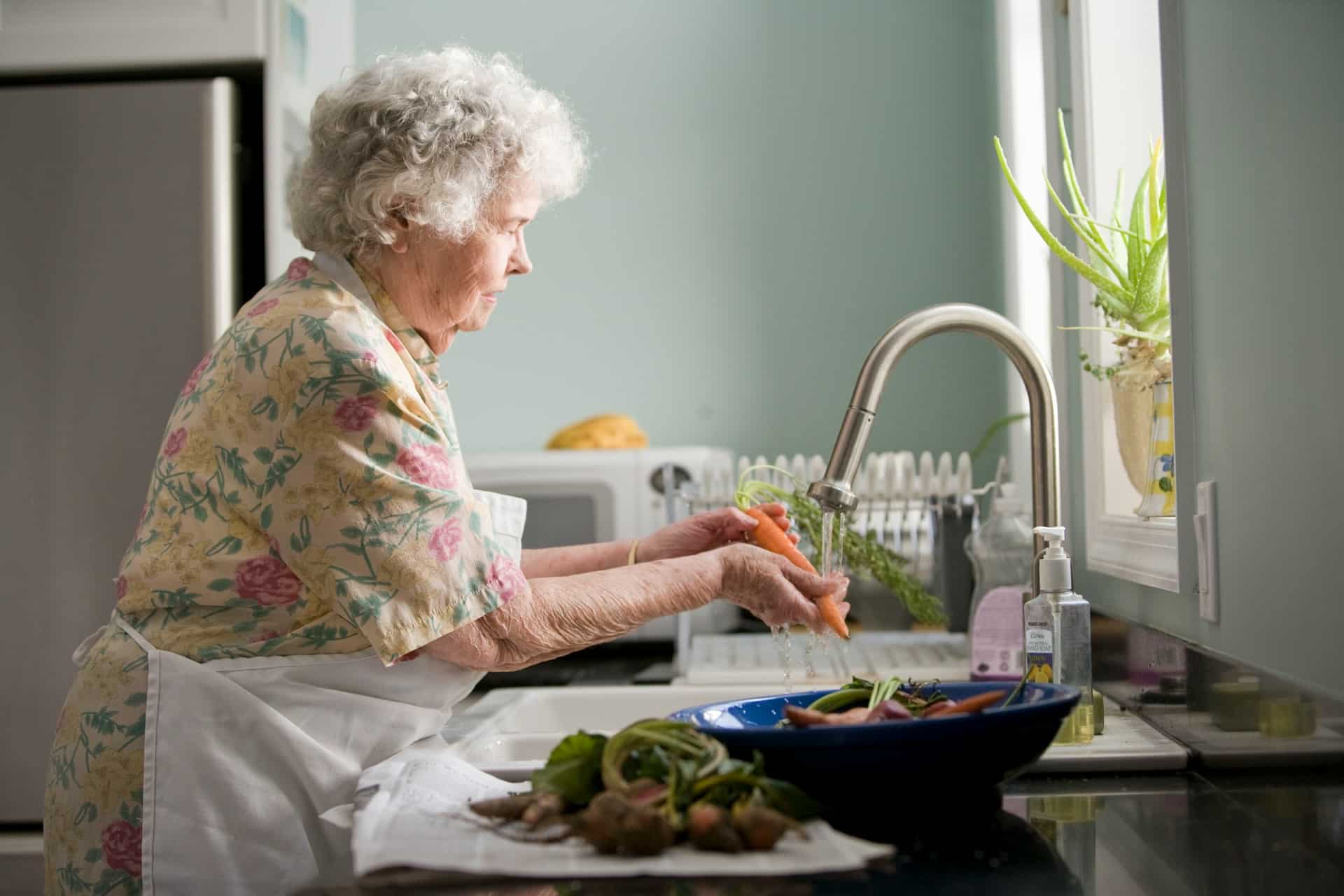
Food safety can change in quiet ways as someone gets older. A meal may look simple, but appetite, chewing comfort, medications, hydration, storage, and even how the food is served can all affect whether it feels safe and manageable.
Sometimes the clues are small. A glass of water stays full for the whole visit. A container of leftovers sits in the fridge longer than it should. A favorite food suddenly goes untouched. None of these things has to mean something serious on its own, but they are worth noticing.
Families do not need to turn meals into inspections. Most visits are about connection, comfort, and keeping familiar routines in place. Still, paying attention at the table can help families ask better questions and spot changes before they become harder to address.
Why Food Safety Matters More With Age
Foodborne illness can be more serious for older adults. The body does not always recover as quickly as it once did, and the immune system may not respond as strongly. Digestion can slow down, and chronic conditions can make even a minor stomach illness harder to manage.
That does not mean food should start feeling like a list of rules. A favorite soup, a simple breakfast, or a familiar snack can still be part of daily life. The difference is that freshness, storage, serving temperature, and certain ingredients need closer attention. The CDC explains that older adults have a higher risk of serious food poisoning, which makes everyday habits like checking dates, reheating food well, and throwing out questionable leftovers more important.
High-Risk Foods That Need Extra Care
Some foods are riskier for older adults because they are more likely to harbor harmful bacteria when raw, undercooked, unpasteurized, or improperly handled. Families should be careful with high-risk foods like raw dairy products, undercooked eggs, deli meats, and raw sprouts, especially when a loved one has ongoing health issues or a weaker immune system.
The answer is not to remove every familiar food from the table. Small changes usually go a long way. Choose pasteurized dairy. Cook eggs and meats thoroughly. Heat deli meats until steaming if extra caution is needed. If something smells sour, looks slimy, or has been sitting out too long, it is better to let it go.
Leftovers, Storage, and Reheating Habits
Leftovers are practical. They can make daily meals easier for someone who eats smaller portions, lives alone, or does not want to cook from scratch every day. The trouble is that leftovers are also easy to forget.
Cooked food should not sit out for hours. Large containers can cool too slowly, giving bacteria time to grow before the food even reaches the refrigerator. Reheating matters as well. A dish may feel hot around the edges while the center is still cold.
Simple habits help: date the container, use shallow storage dishes, keep the refrigerator cold, and reheat food until it is steaming all the way through. When there is doubt, throw it out. Convenience is useful, but it should not come at the expense of safety.
Hydration Is Part of Safe Eating
Hydration plays a bigger role in meals than people often realize. It affects appetite, digestion, energy, focus, and how well someone gets through the day. Many older adults do not feel thirsty as often. Others drink less because getting to the bathroom is painful, tiring, or difficult.
That is why a full glass of water can matter. Once may mean nothing. If it keeps happening, it is worth a closer look.
Water helps, but it does not have to be the only option. Herbal tea, broth, soups, smoothies, fruit, and water-rich foods can make fluids feel easier to take in. For many older adults, small amounts throughout the day work better than one large glass placed beside a meal.
Chewing, Swallowing, and Texture Concerns
Food can be fresh and balanced yet still be hard to eat safely. Coughing during meals, holding food in the cheeks, avoiding certain textures, or taking much longer than usual to finish can all signal that something is off.
Texture changes do not have to make food dull. Softer meals, smaller bites, thicker liquids, and slower pacing can make eating more comfortable. The setting matters as well. The right utensils, enough time, an upright position, and patient support can make the difference between a stressful meal and a safe one.
Some older adults try to hide trouble with eating because they do not want to feel dependent. A calm eye at the table is often more helpful than pushing too many questions in the moment.
When Meal and Hydration Problems Keep Repeating
One skipped meal is not proof of a larger problem. One untouched drink is not enough to draw a conclusion. People have off days, lose their appetite, or simply do not like what was served.
Repeating patterns tell a different story. Ongoing dehydration, sudden weight loss, frequent coughing during meals, ignored texture-modified diets, or missed feeding assistance can all suggest that someone’s daily care needs are not being met.
Write details down while they are still fresh. Note the date, what was served, how much was eaten or drunk, whether help was available, and who was told about the concern. Specific notes make it easier to tell the difference between an occasional rough day and a recurring safety issue.
In long-term care settings, meal support is part of daily care for residents who need help drinking, swallowing, sitting upright, or following a specific diet. When repeated eating and hydration problems are connected to a fatal outcome, families may need to speak with a nursing home wrongful death lawyer to understand whether missed care, ignored warnings, or unsafe conditions played a role.
Safer Food Visits With Older Loved Ones
Bringing food to a visit can be a lovely gesture. A familiar dish can bring back routine, memory, and comfort in a way few other things can. Before packing it up, though, it is worth thinking through how the food will travel.
Cold foods need to stay cold. Hot foods should not sit around for long. Dishes made with dairy, eggs, meat, seafood, cooked grains, or creamy sauces need more care than shelf-stable snacks. If a meal needs careful handling and there is no easy way to store or serve it safely, choose something simpler.
Dietary needs matter as well. Some older adults need low-sodium meals, softer textures, thickened liquids, or foods that are easier to chew. The best visit meals feel comforting without adding risk or extra work.
Small Notes That Help Families Spot Patterns
Visits can be busy. People talk, meals arrive, staff come in and out, and the small details can fade by the time everyone gets home.
A quick note on a phone can help. It does not need to be formal. Write down what food or drink was available, whether it matched dietary needs, how much was eaten, whether help was offered, and whether the same concern has come up before.
Those notes can be useful later. They may show that things are improving, or that a concern keeps coming back. They also make conversations with caregivers clearer. “She barely drank anything during the last three visits” is much easier to act on than “I’m worried she’s not drinking enough.”
Conclusion
Safe meals are built from ordinary habits: fresh food, careful storage, enough fluids, comfortable textures, and the right support at the table. None of that has to make food feel less enjoyable. For many older adults, those details are what allow meals to feel familiar and manageable.
Families do not have to notice every change right away. What matters is paying attention over time. A full glass, an unfinished plate, or a repeated struggle with certain foods can all offer useful clues about comfort, health, and daily care.