

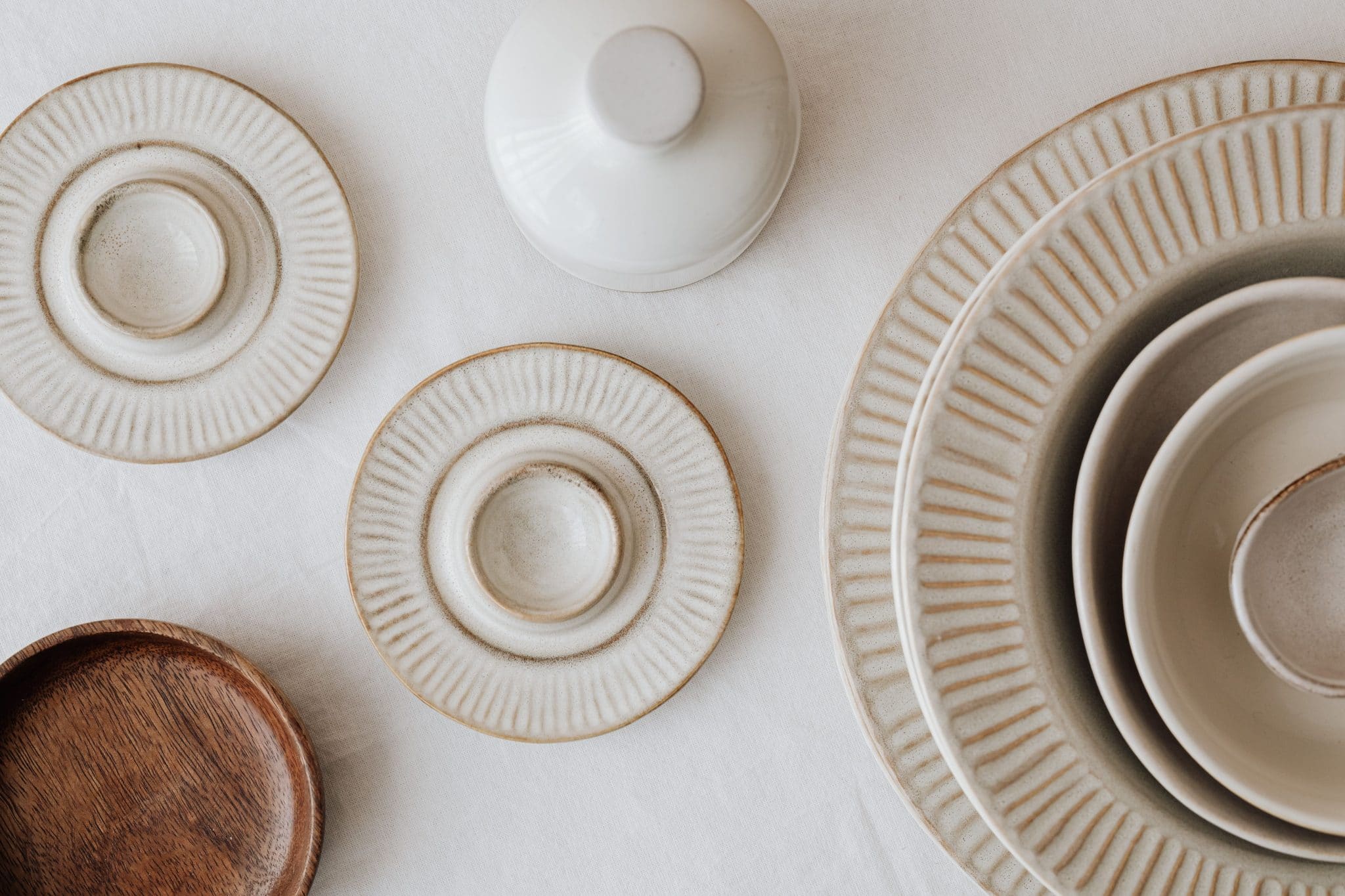
If you’ve ever shopped for dinnerware for your restaurant, hotel, or online store, you’ve probably noticed that a huge share of the world’s ceramic tableware comes from China. That’s not an accident. China has spent decades perfecting the craft, and today it’s home to some of the most reliable ceramic tableware manufacturer options for businesses of every size, including well-known names like ceramic tableware manufacturers that supply everything from everyday stoneware to fine porcelain.
Whether you’re designing a cafe or ordering dinnerware for 1000 shops worldwide, it’s important to know who makes this dinnerware and why China is the king of the industry to save you a lot of time, money, and frustration.
Now let’s delve into why Chinese ceramic production is so robust, what qualities to seek in a supplier, and some familiar names in the field.
Why China Leads the Ceramic Tableware Industry
The use of ceramics is not new in China. The history of porcelain making there is more than 1,000 years, and it is still influencing the porcelain industry today. Clay, glaze, and kilns are so important to these cities that entire local economies depend on them, such as at the “Porcelain Capital” of Jingdezhen and the “Kitchen Capital” of Chaozhou, which produces a massive percentage of the world’s daily-use ceramics.
Some of the reasons why Chinese manufacturers are still winning on international contracts:
Skilled, specialized labor. Whole towns have generations of workers that have grown up around ceramics production. It is a level of on-the-job skills that is not easily obtained elsewhere.
Massive production capacity. Whether you are ordering custom-order items in small quantities or large wholesale contracts, Chinese manufacturers will have no problem.
Cost efficiency without cutting corners. The fact that raw materials, labour and logistics are all available in the same region means factories can provide competitive prices without compromising on safety and quality standards set by the international community.
Constant innovation. Many factories have developed a variety of glazes, including matte glazes, reactive glazes, and hand-painted designs, and have introduced environmentally friendly clay bodies to meet contemporary design preferences.
What to Look for in a Ceramic Tableware Manufacturer
Knowing what a good supplier versus a mediocre one is by knowing the difference helps in selecting the supplier. These are some of the first things that savvy buyers look at:
Certifications and safety testing. If the tableware is intended for sale in the US or Europe, check for FDA, LFGB, or SGS testing compliance. This is more important than one might think — the pigments and glazes must be safe to use in the food industry, and not just pretty.
Customization options. T The best manufacturers can customize your shape, colour, glaze finish and even the packaging to align with your brand. This flexibility is often a key consideration of building a private label.
Minimum order quantities (MOQs). There are some factories that are established for the purpose of big bulk orders and others that are established for small businesses and startups. If you know your volume needs in advance, you don’t get caught “overcommitted.
Sample availability. A reputable supplier will always send samples prior to ordering the bulk. If a manufacturer refuses to go this route, it’s a warning sign.
Communication and lead times. Language barriers and time zones can make things take longer, so working with factories that have export teams and have clear production schedules is more convenient and less stressful.
Popular Categories of Chinese Ceramic Tableware
The Chinese factories don’t produce just one product; they produce almost anything that a food business or retailer would need:
- Everyday stoneware for restaurants and cafés that need durable, stackable dishes
- Fine bone china for upscale dining and hospitality
- Hand-painted or artisan ceramics for boutique home brands
- Reactive glaze collections, which have become especially popular for their one-of-a-kind textures
- Eco-conscious tableware, often made with recycled clay or lower-emission firing methods
This is one of the many reasons why international brands, from hotel chains to Instagram-popular kitchenware brands, prefer to outsource their production to Chinese manufacturers rather than setting up their own manufacturing lines.
How Buyers Typically Source From China
When you’re new to importing tableware, it typically looks something like this:
- Research and shortlist manufacturers according to product categories, certifications and reviews.
- Request samples to verify quality, weight, glaze finish and durability.
- Negotiate MOQs and pricing, factoring in shipping and import duties.
- Confirm packaging requirements, especially if the product is fragile or needs branded boxes.
- Place a trial order before committing to a large-scale contract.
Skipping the sample and trial order phase can result in a variety of surprises once the product is in production — cracked glazes, sized differently than ordered, or colors not matching that which was promised. By doing so, you’re safeguarding your budget and your brand’s reputation.
Final Thoughts
While low price is the key criterion, the ceramic tableware industry of China is also a combination of centuries of craftsmanship and modern manufacturing capability. From restocking a restaurant to creating a homeware brand to ordering dinnerware wholesale for retail, it’s easier and more predictable to work with an established manufacturer who is certified.
Before placing a big order, inform yourself about your production by checking out your supplier, asking for samples, and understanding what you need. You’ll have tableware that looks great and will endure for years of use with the right partner.