
Ever looked at your coffee table and felt like something was missing? Even a beautiful living room can feel unfinished if the coffee table looks cluttered, empty, or out of balance.
Learning how to style a coffee table is easier than it seems, and a few thoughtful changes can make a big difference.
The right mix of decor, height, texture, and spacing creates a display that looks polished yet remains practical for everyday use.
This blog shares simple styling rules, a step-by-step decorating process, and modern coffee table ideas.
It also covers budget-friendly decor, common mistakes, and expert tips for creating a stylish, functional living space.
Quick Answer: How to Style a Coffee Table?
A well-styled coffee table combines different heights, textures, and functional decor while leaving enough open space for everyday use.
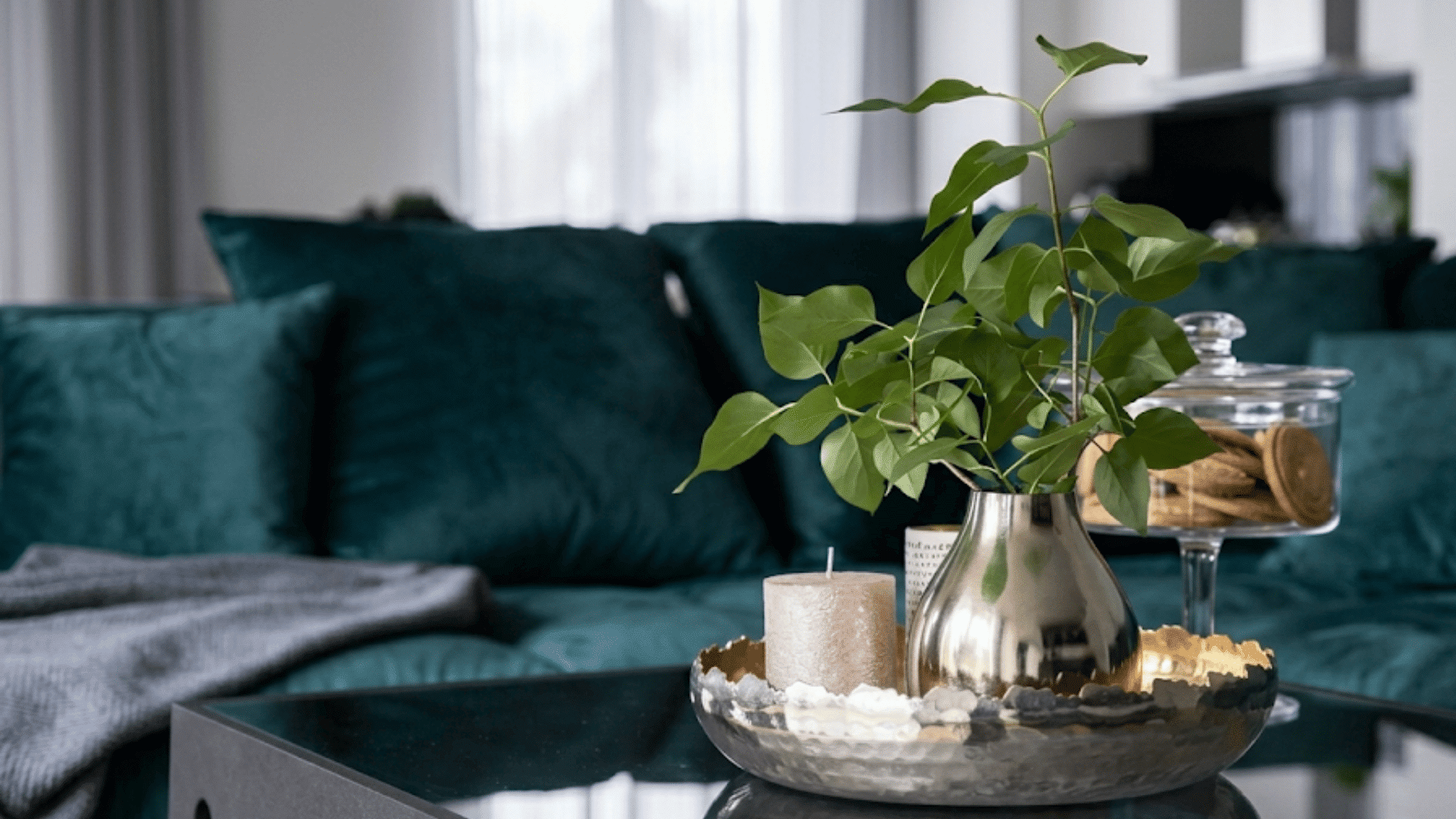
Start with a tray or stack of books to create a base, then add a taller decorative piece, such as a vase or candle, for height.
Include a natural element such as a small plant or flowers to soften the arrangement.
Mix materials like wood, glass, or ceramic for contrast, group items in odd numbers, and avoid overcrowding to keep the table balanced and inviting.
Why Does Coffee Table Styling Matter?
Coffee table styling does more than make a surface look attractive. It helps tie the entire living room together by balancing colors, textures, and decorative elements.
A thoughtfully arranged coffee table naturally draws attention and becomes a focal point that complements the seating area.
At the same time, it should remain practical enough for everyday use, with space for drinks, books, or remote controls.
Combining functional items with decorative accents creates a setup that feels organized rather than cluttered.
Good styling also reflects your personal taste, making the room feel more inviting, polished, and complete without overwhelming the overall design.
How to Choose the Right Coffee Table Size Before You Style It?
Choosing the correct coffee table size helps create a balanced living room and makes decorating much easier. Before adding any décor, make sure the table fits comfortably in the room, with the sofa and surrounding furniture.
- Length: Choose a coffee table that is about two-thirds the length of the sofa to create balanced proportions.
- Height: Keep the table 1–2 inches lower than the sofa seat for comfortable reach and a cohesive appearance.
- Distance From the Sofa: Leave 14–18 inches between the sofa and the table for easy movement and everyday use.
- Walkway Space: Maintain a clearance at 24–30 inches around the table to avoid blocking walkways.
- Room Proportion: Select a table that complements the room size without making the seating area feel crowded or empty.
- Surface Area: Pick a size that provides enough space for décor and daily essentials while still leaving open areas for practical use
Easy Ways to Style a Coffee Table Like a Designer
Create a balanced coffee table by adding one decorative element at a time. Follow these practical steps to build a modern arrangement that looks stylish and stays functional.
1. Choose the Main Anchor Piece
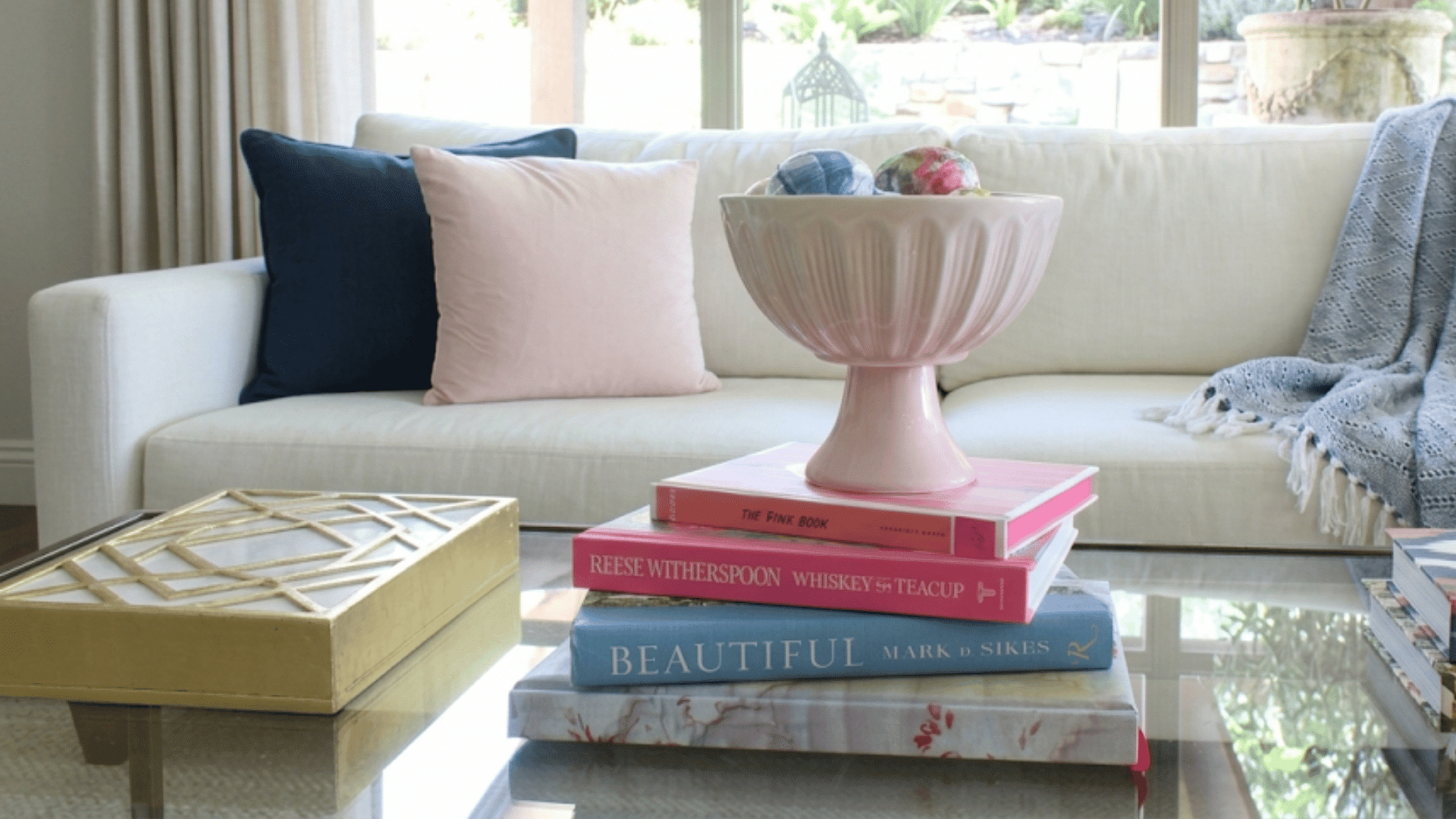
Start by selecting one large item to anchor the entire arrangement, such as a decorative tray or a stack of coffee-table books.
Place it in the center for a formal look or slightly off-center for a relaxed style.
This first piece creates a clear foundation and helps organize everything added afterward.
Beginning with a strong anchor prevents decorations from feeling random and makes the finished coffee table look balanced, polished, and intentionally styled throughout.
2. Add Coffee Table Books

Place two or three hardcover coffee table books on the tray or directly beside it. Stack the largest book on the bottom and the smallest on top to create a stable platform for decorative accessories.
Select books with neutral covers or colors that complement the room without overwhelming the arrangement.
Besides adding personality, the stack introduces height, creates visual balance, and gives smaller decor pieces an attractive place to stand without appearing cluttered or crowded.
3. Place a Tall Vase
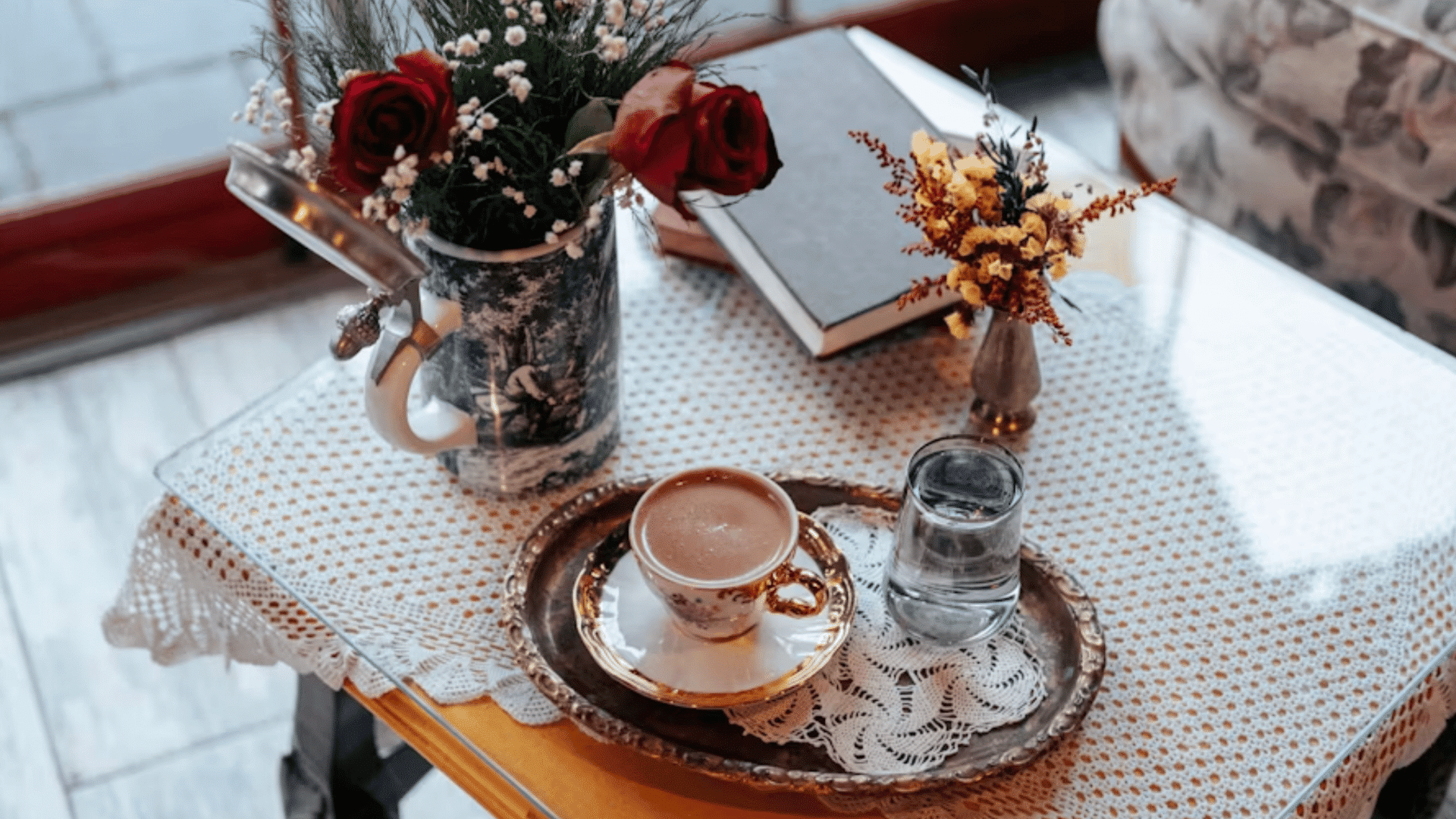
Position a ceramic, glass, or stone vase on top of the books or beside them to introduce vertical height.
The vase should become the tallest object in the arrangement while remaining proportional to the coffee table.
Choose a simple design with clean lines for a modern appearance.
Its height naturally draws attention upward, balances lower accessories, and creates a focal point that makes the entire arrangement feel thoughtfully planned and visually complete every day.
4. Fill the Vase With Greenery
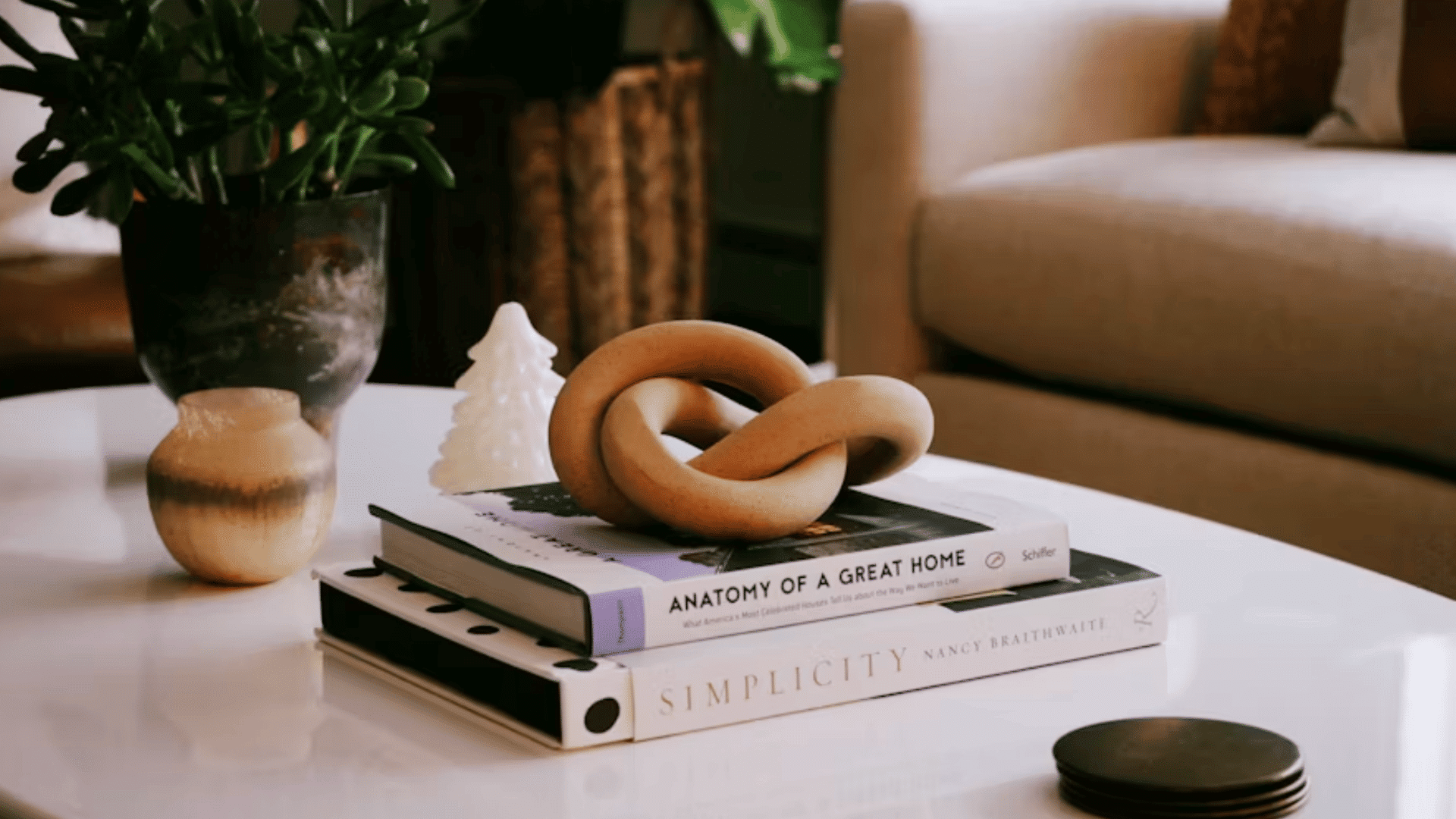
Add fresh flowers, eucalyptus stems, olive branches, or realistic faux greenery to the vase for a softer, more natural appearance.
Organic elements introduce texture and subtle color while balancing harder materials like wood, glass, and stone.
Keep the stems proportional so they enhance the arrangement without blocking conversation across the seating area.
Greenery instantly makes the coffee table feel fresh, welcoming, and beautifully connected to the rest of the living room decor.
5. Add a Candle
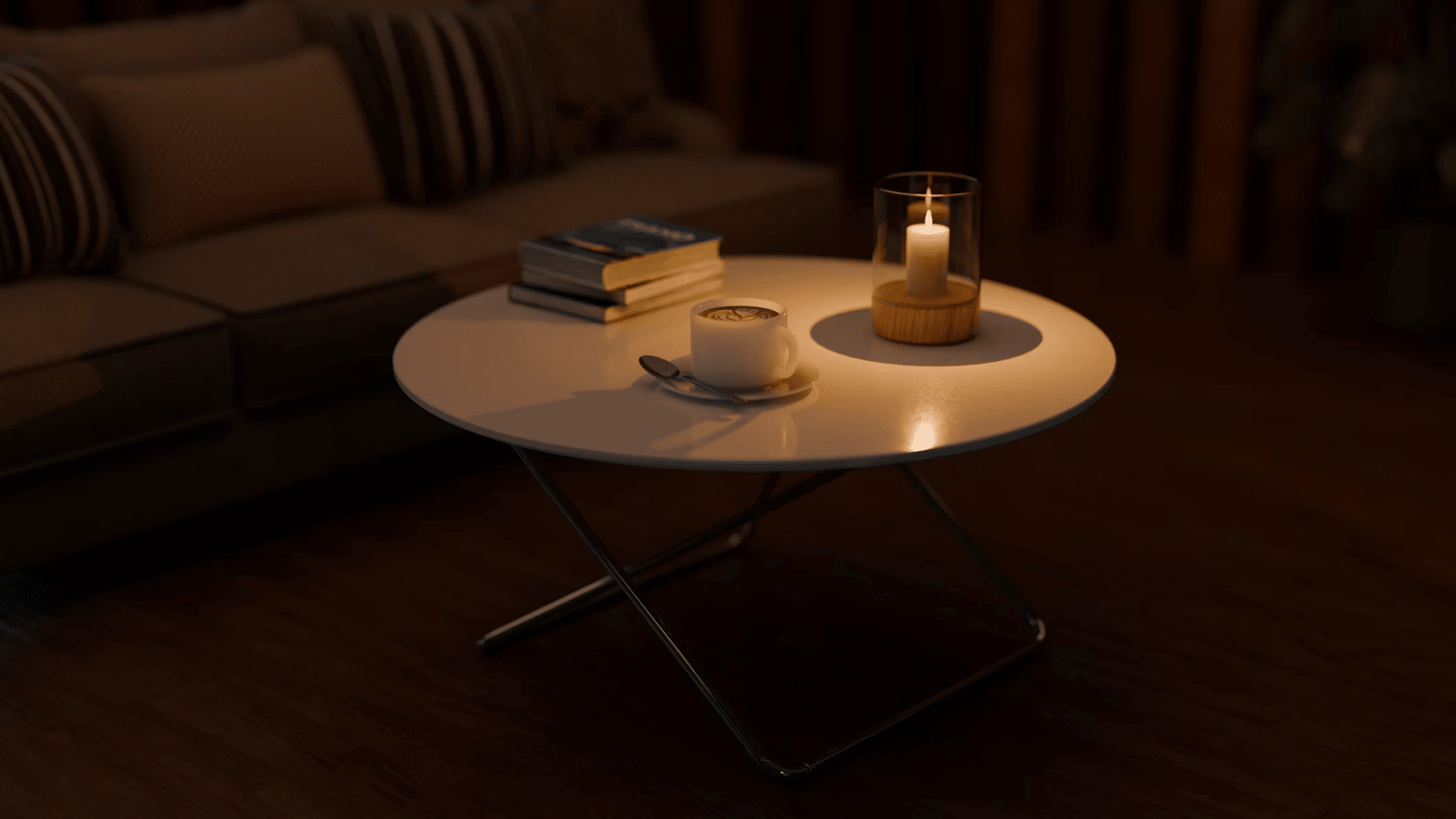
Place a candle or decorative candle holder beside the vase to add warmth and another layer of visual interest. Choose a neutral color and a height that differs from the vase’s to create contrast without competing for attention.
Position it close enough to connect with nearby accessories while leaving enough breathing room around every object.
This simple addition creates a cozy atmosphere and helps the arrangement feel balanced, modern, and inviting throughout every season.
6. Include a Decorative Bowl
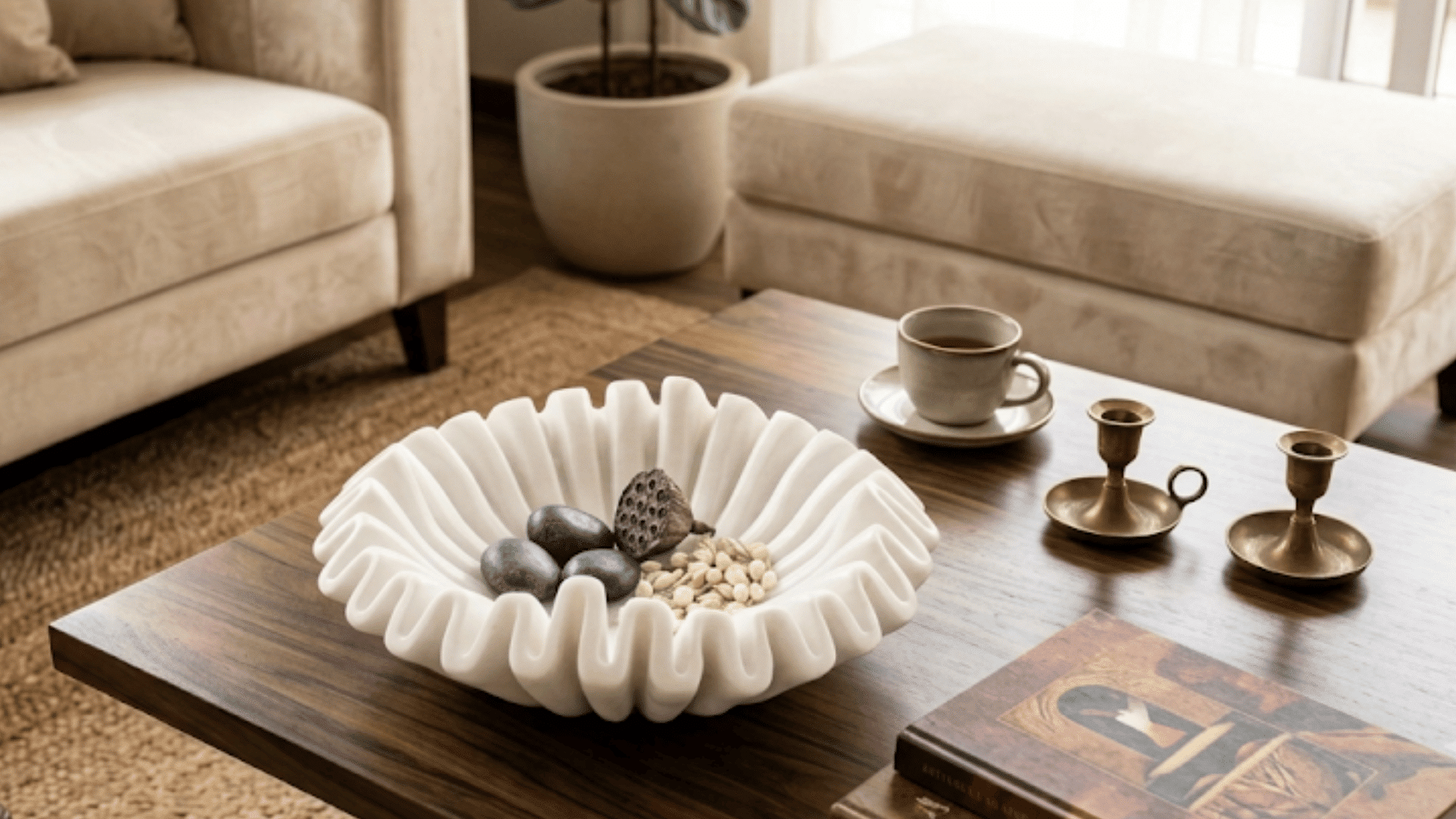
Set a decorative bowl beside the books or inside the tray to introduce another shape and texture. Ceramic, wood, marble, or glass bowls work especially well in modern interiors.
Leave it empty for a clean sculptural look or use it to hold coasters, beads, or small decorative items.
The bowl fills empty space without overcrowding the arrangement and adds another functional layer, keeping the coffee table looking organized and stylish every day.
7. Add One Sculptural Accent
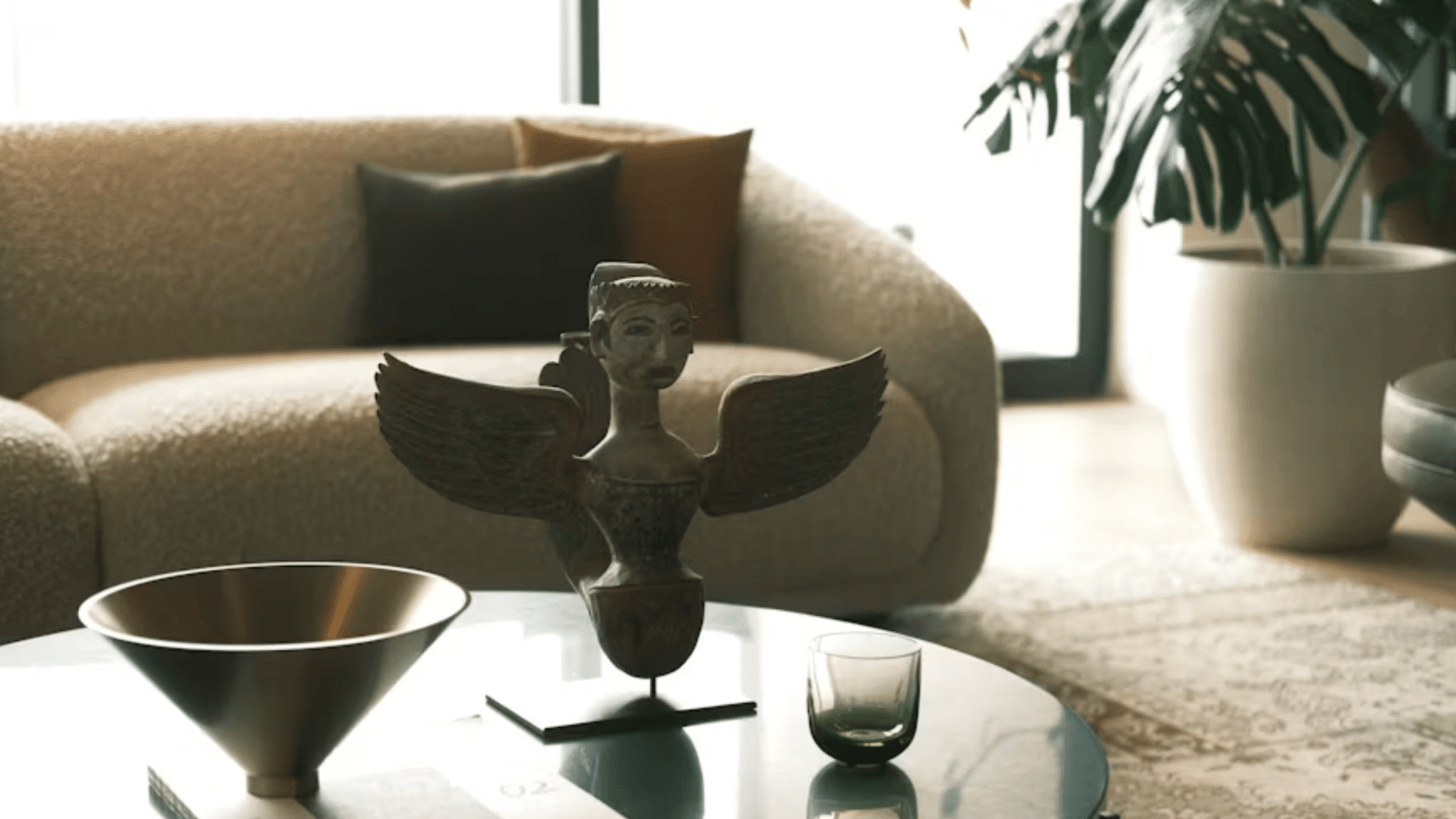
Complete the arrangement by placing one sculptural accent opposite the vase, such as a marble knot, an abstract ornament, a wooden chain, or a geometric object.
Limiting the display to one statement piece keeps the table looking clean rather than busy.
The sculpture introduces personality while visually balancing the arrangement.
Select a size that complements nearby accessories without overpowering them, so every decorative element works together as one cohesive display.
8. Introduce a Different Material
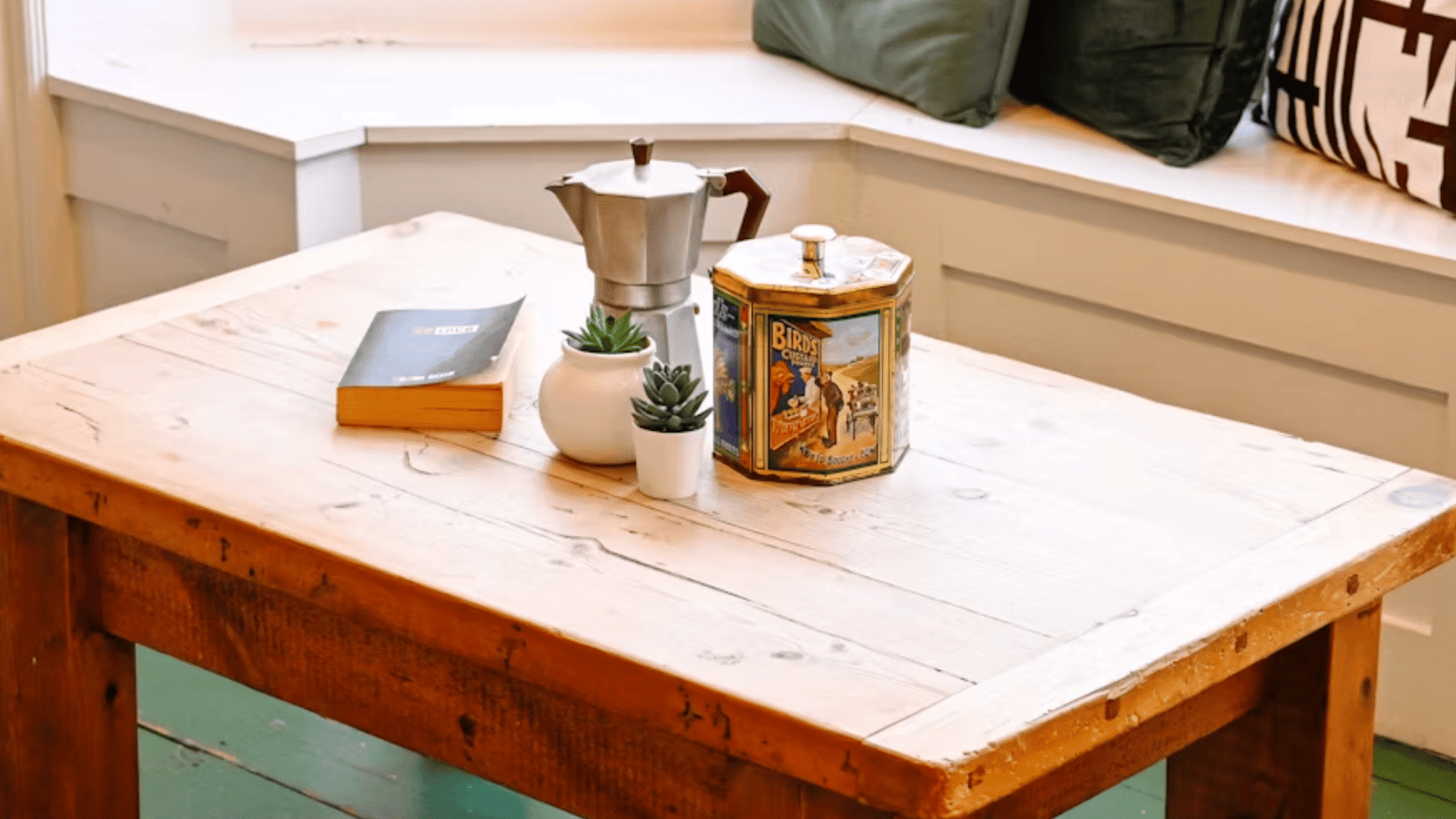
Look over the arrangement and identify the finishes already used. Add one decorative piece made from a contrasting material, such as wood, marble, glass, or metal, to create depth.
Mixing textures keeps the coffee table from appearing flat or repetitive while giving every accessory more visual impact.
Using several materials in moderation creates a designer-inspired arrangement that feels layered, balanced, and interesting without adding unnecessary decorative pieces.
9. Adjust the Heights
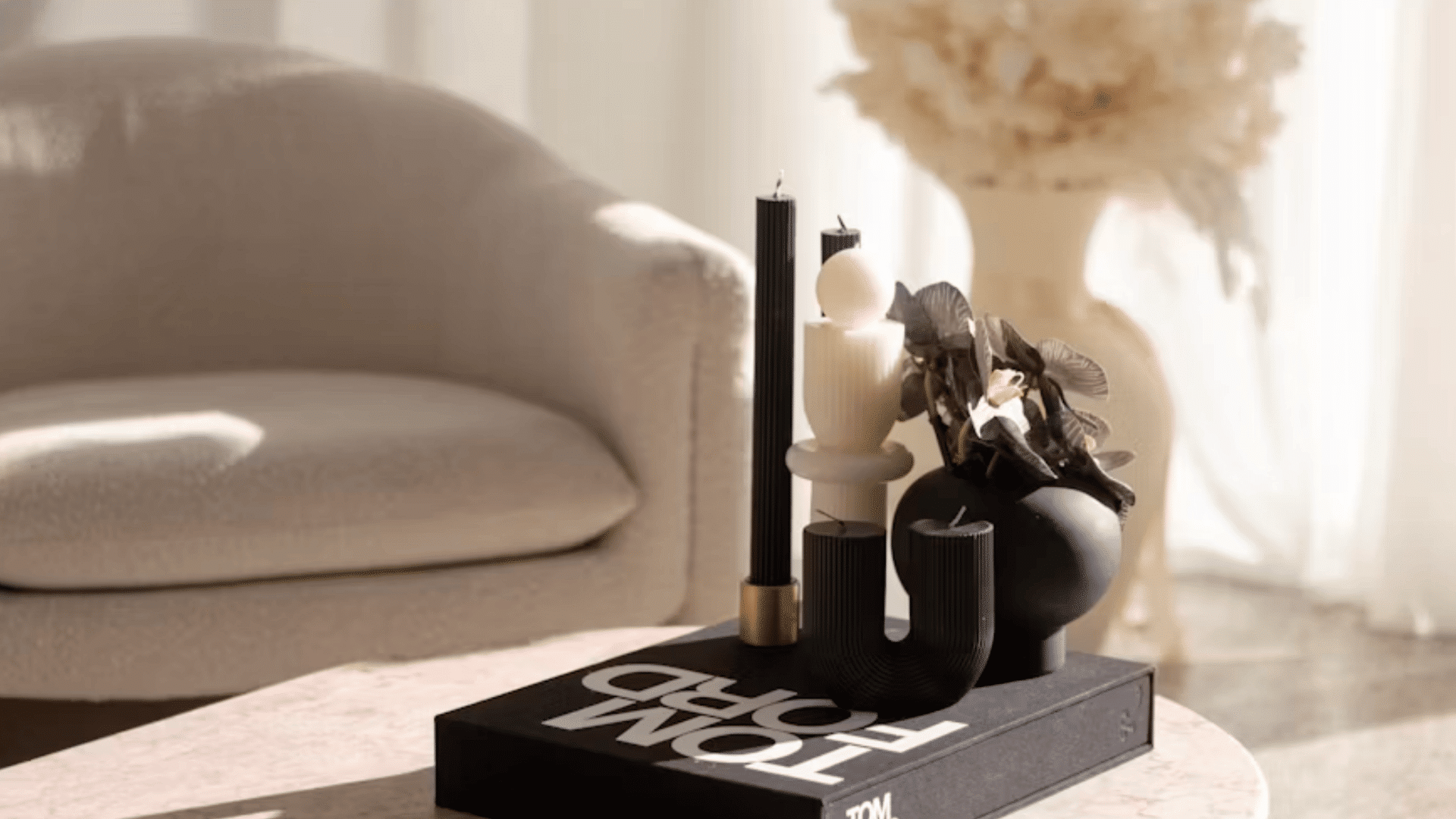
Step back and study the arrangement before making final adjustments.
The tallest object should naturally attract attention, while medium and shorter pieces should gradually draw the eye around the display.
Move accessories until the height differences feel balanced from every direction. Avoid placing items of equal height beside one another because they create a flat appearance.
Small adjustments make the finished coffee table look more polished, cohesive, and professionally styled overall.
10. Group Accessories in Odd Numbers
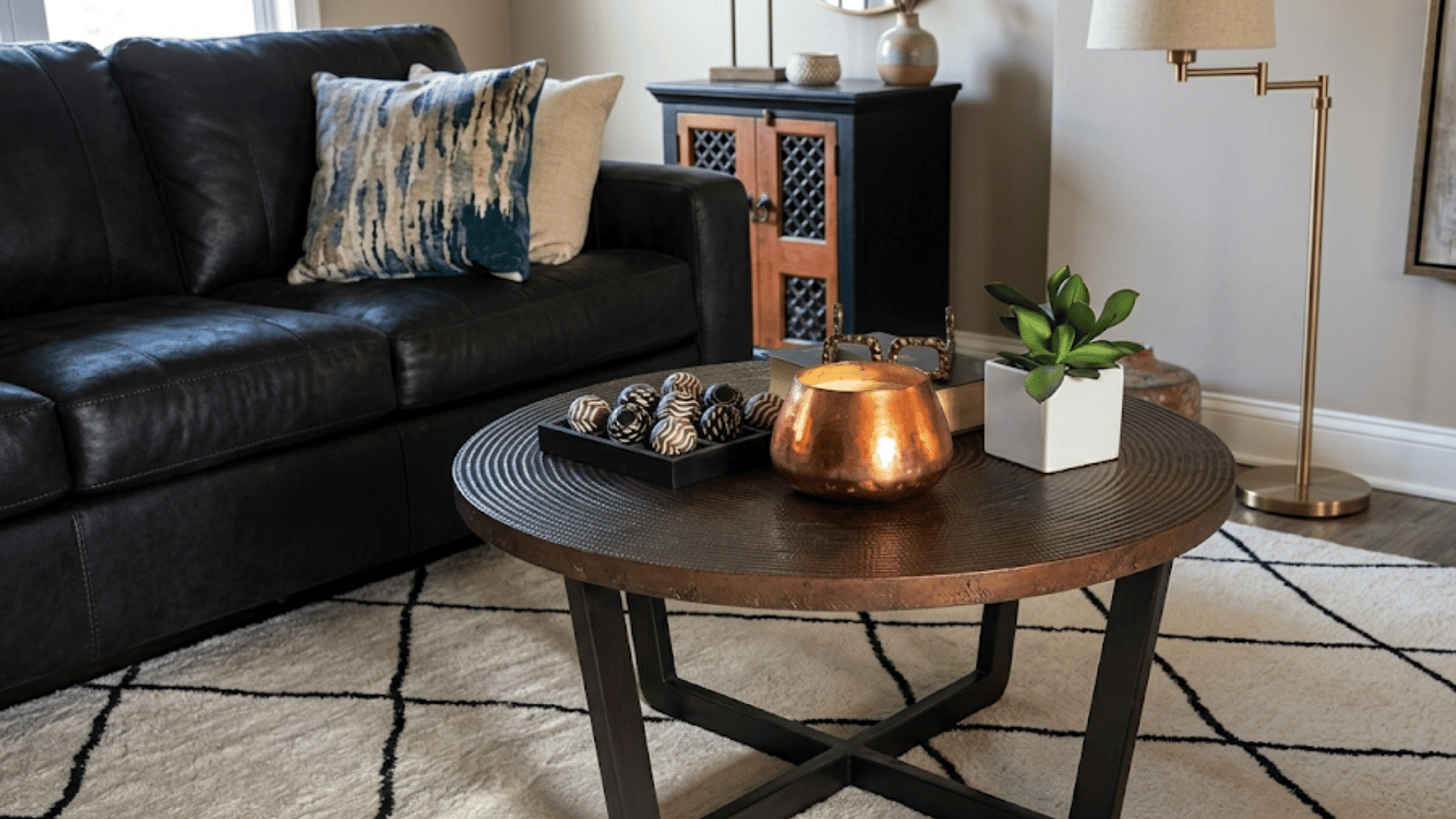
Arrange decorative accessories in groups of three whenever possible, as odd numbers usually create a more natural appearance.
Combine items like books, a vase, and a candle while keeping small spaces between them.
Grouping pieces instead of spreading them across the table helps the arrangement feel connected and intentional.
This simple styling technique creates visual balance, improves flow, and prevents individual accessories from looking isolated or randomly placed together.
11. Leave Space for Everyday Use
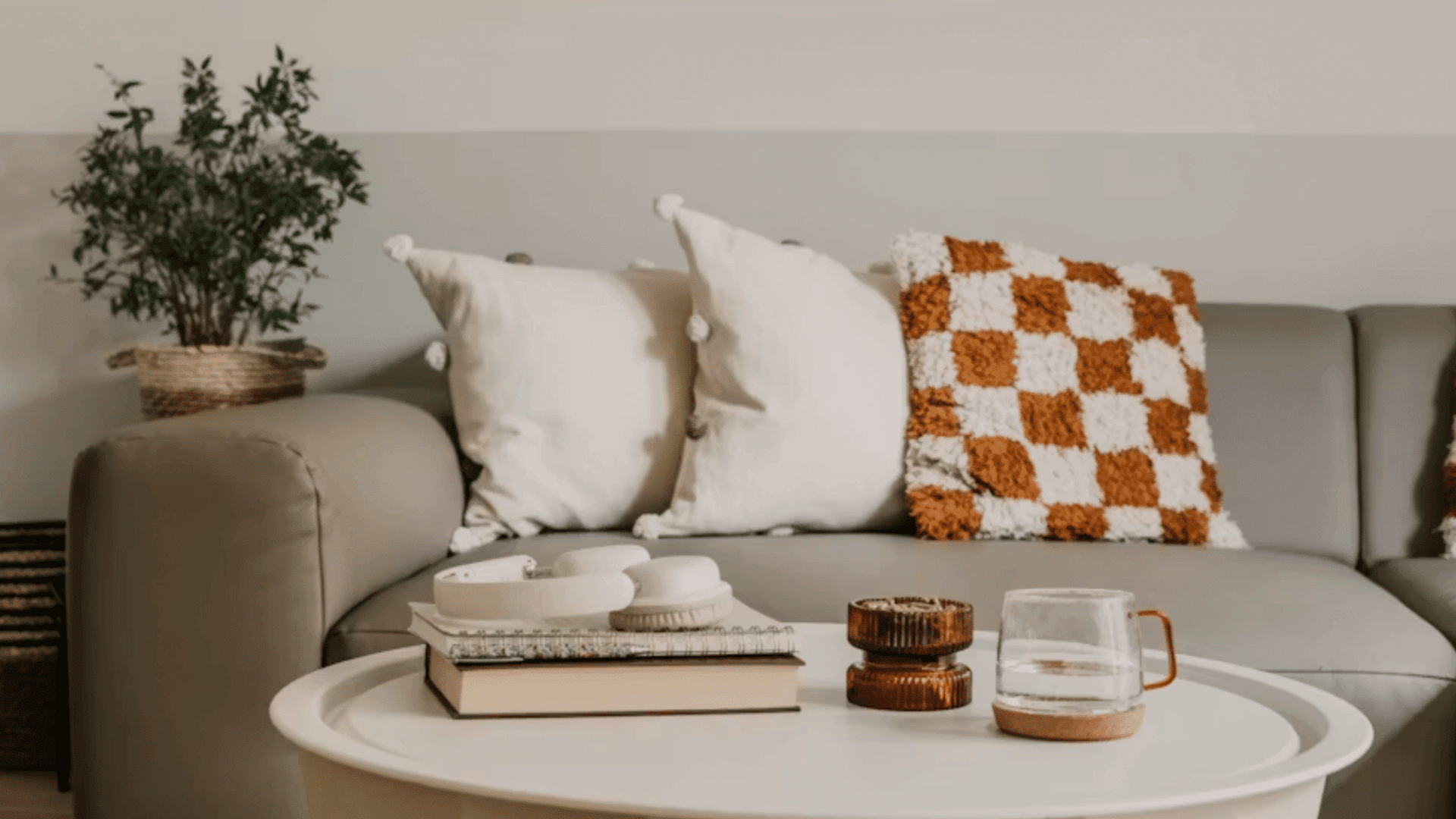
Leave enough open space for everyday essentials like drinks, remote controls, or serving trays without disturbing the arrangement.
Avoid covering the entire coffee table with decorative objects. Empty space also allows each decorative piece to stand out rather than compete for attention.
A functional coffee table feels more comfortable to use and looks cleaner; the balance between decoration and practicality remains carefully maintained throughout daily living activities.
12. Check the Styling from Every Angle
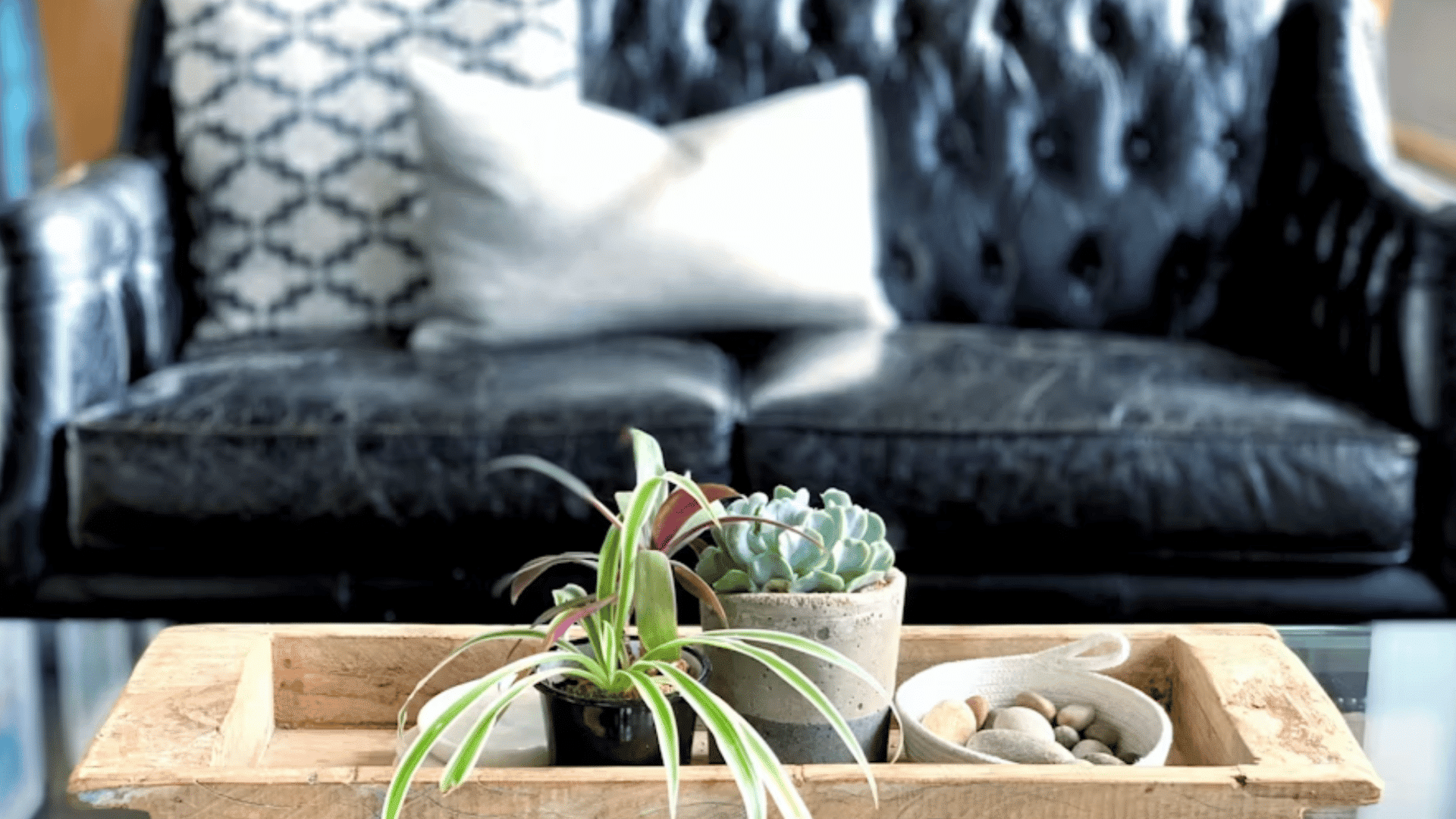
Sit on the sofa and walk around the room to view the coffee table from different angles. Notice if one side appears heavier or if any accessory blocks another object.
Rotate, move, or remove pieces until the arrangement feels balanced from every seating position.
This final review helps identify small issues that are easy to miss during styling and ensures the finished display looks attractive throughout the living room.
13. Refresh the Look with Seasonal Accents
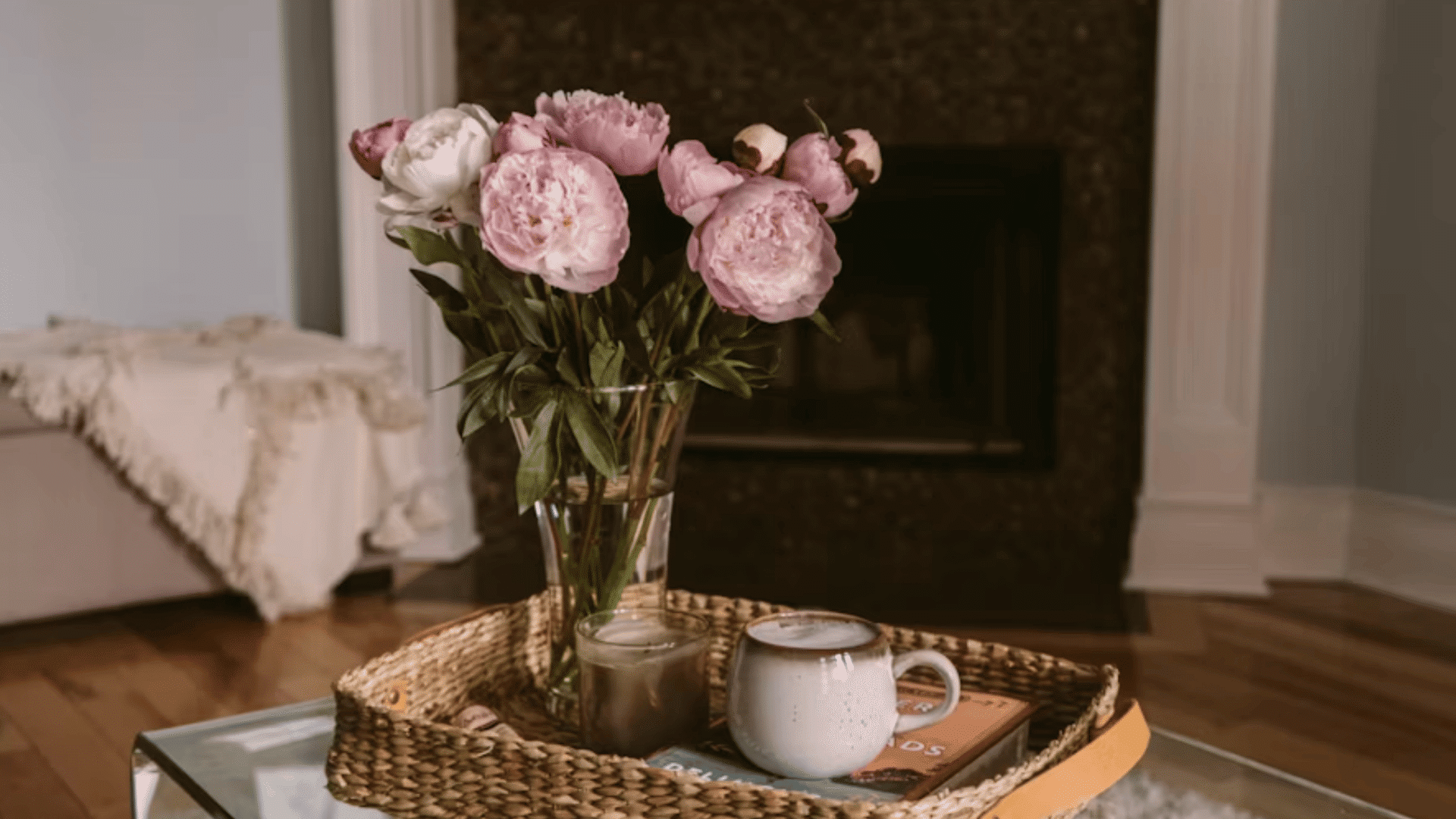
Keep the main arrangement in place and update only a few decorative pieces throughout the year.
Replace greenery, candles, or small accessories with seasonal options that reflect spring, summer, fall, or winter.
These simple changes keep the coffee table looking fresh without requiring a complete redesign.
Refreshing only selected accents also saves time and money while helping the living room feel current, welcoming, and thoughtfully styled every season.
What Are the Three Golden Rules of Coffee Table Styling?
A balanced coffee table looks attractive without feeling crowded or unfinished. These simple styling rules help create an arrangement that is both functional and visually appealing.
- Balance Height, Shape, and Visual Weight: Mix tall, medium, and low décor pieces with varied shapes so the arrangement feels balanced rather than heavy or uneven.
- Layer Decor Instead of Lining It Up: Place items at varying heights by layering books, trays, and decorative accents to create depth and a more natural display.
- Leave Empty Space for a Clean Look: Keep part of the tabletop clear to prevent clutter, enhance functionality, and let each decorative piece stand out.
What Makes a Coffee Table Look Modern?
A modern coffee table looks clean, balanced, and thoughtfully arranged without feeling empty or overly decorated.
The key is to use a simple color palette, a limited number of accessories, and a mix of materials such as wood, glass, ceramic, metal, or stone.
Decorative pieces should vary in height but still feel connected through color or texture.
One sculptural object, a stack of books, a candle, and a small plant are often enough to create a polished display.
Leaving visible space around each item is equally important, as modern styling depends on simplicity, function, and visual order rather than filling every inch of the table.
Modern Coffee Table Styling Ideas for Every Budget
The right decor adds style and function without making the table feel crowded. This table includes both designer-worthy pieces and affordable alternatives for every budget.
| Decor Item | Why It Works | Budget-Friendly Alternative |
|---|---|---|
| Decorative Tray | Keeps small items organized. | Use a wooden serving tray or vintage platter. |
| Ceramic Vase | Adds height and a focal point. | Find one at a thrift store. |
| Candle | Creates warmth and ambiance. | Use a DIY candle holder. |
| Sculpture | Adds a modern decorative touch. | Display smooth stones or driftwood. |
| Small Plant | Brings freshness and color. | Use fresh branches or dried flowers. |
| Decorative Bowl | Adds texture and storage. | Repurpose a handmade or thrifted bowl. |
| Wooden Beads | Softens the arrangement. | Make a simple DIY bead garland. |
| Stone Object | Adds natural contrast. | Collect polished river stones. |
| Glass Accent | Reflects light and keeps the display airy. | Reuse glass bottles or jars. |
How to Style Different Coffee Table Shapes?
Different coffee table shapes benefit from different styling approaches. Matching the arrangement to the table’s shape creates a balanced, practical, and attractive display.
- Round Coffee Tables: Arrange decor in a central cluster with varying heights, leaving open space around the edges to create a balanced visual flow.
- Square Coffee Tables: Divide the surface into four visual sections, mixing books, plants, trays, and decorative objects to create an organized look.
- Rectangular Coffee Tables: Spread decor across the table using three balanced groupings, keeping enough empty space to maintain a clean, functional look.
- Oval Coffee Tables: Follow the table’s curved shape with soft arrangements, avoiding sharp layouts while balancing decorative pieces from end to end.
How to Balance Style and Function on a Coffee Table?
A well-styled coffee table should be both attractive and practical for everyday living. Decorative accessories should enhance the space without making the surface difficult to use.
Leave enough open space for essentials such as drinks, books, remote controls, or serving trays so the table remains functional throughout the day.
Group smaller items on a decorative tray to keep the arrangement neat and easy to maintain.
Choose accessories that serve both decorative and practical purposes, such as candles, bowls, or storage boxes.
Avoid adding too many decorative objects that limit usable space or create visual clutter.
The best modern coffee table balances beauty with convenience, making the living room feel organized, welcoming, and comfortable while supporting daily activities with ease.
Common Coffee Table Styling Mistakes to Avoid
Even the best decor can look unbalanced when a few common styling mistakes are overlooked. Avoid these issues to create a coffee table that feels attractive, functional, and well-proportioned.
- Overcrowding the Surface: Leave some empty space between decorative pieces so the table feels organized, functional, and visually balanced instead of cluttered.
- Using Décor That’s Too Small: Choose accessories that match the table’s size, since tiny items often look scattered and fail to create visual impact.
- Keeping Everything the Same Height: Mix tall, medium, and low objects to add depth, create contrast, and make the arrangement feel more dynamic.
- Ignoring Proportions: Select decor that fits the table’s dimensions to prevent oversized pieces from overwhelming or undersized pieces from looking out of place.
- Choosing Style Over Function: Leave room for everyday use by keeping space available for drinks, books, or remote controls alongside decorative accessories.
- Forgetting Texture and Seasonal Updates: Combine materials such as wood, glass, ceramic, and greenery, and refresh small decorative accents throughout the year for variety.
Conclusion
Styling a coffee table is all about creating the right balance between beauty and function.
By choosing the right decorative pieces, arranging them according to your table’s shape, and avoiding common styling mistakes.
You can create a display that feels polished without looking cluttered. Small changes, such as adding texture, varying heights, or refreshing seasonal accents, can make a noticeable difference.
There is no single perfect arrangement, so experiment until the styling reflects your personal taste and complements your living room.
If you are ready to refresh your space, use these coffee table styling ideas as inspiration and create a centerpiece that is both practical and visually appealing.
Frequently Asked Questions
What Plants Look Good on Coffee Tables?
Small plants like pothos, succulents, snake plants, ZZ plants, and mini peace lilies work well. Choose compact varieties that do not block views.
What Is the Best Coffee Table Shape for Feng Shui?
Round and oval coffee tables are often preferred in feng shui because smooth edges support better energy flow and create a softer appearance.
What Is the Current Trend for Coffee Tables?
Current coffee table trends include natural wood, curved shapes, stone tops, mixed materials, minimalist styling, and layered décor with books and greenery.