


Self-care refers to the intentional habits that keep your body, mind, and emotions in balance day to day. It’s less about big gestures and more about the small actions that help you recover from stress, restore energy, and stay steady before things start to feel like too much.
I think of self-care as more than relaxation or the occasional treat. It also covers practical routines like sleep, hydration, movement, boundaries, and working through emotions as they come up. These small habits shape how you respond to pressure, fatigue, and mental clutter.
What self-care looks like shifts with your energy. Some days it’s a short pause to breathe and reset. Other days, it’s a full break from stimulation, or something closer to a slower morning routine that gives your mind room to settle.
A practical way to think about self-care is to view it as “state management.” It’s less about adding more to your plate and more about noticing internal signals, like fatigue, irritability, or mental overload, and responding with one small corrective action.
Why Self-Care Matters?
Self-care matters because daily stress does not disappear on its own; it accumulates quietly through routines, responsibilities, and constant stimulation. Without small recovery habits, the body and mind operate in a depleted state, which affects focus, mood, and decision-making.
When self-care is consistent, it helps regulate stress before it becomes overwhelming. It supports emotional stability during pressure, improves recovery after demanding periods, and reduces the intensity of burnout cycles that often feel sudden but build over time.
Self-care also improves how people respond to everyday challenges. When the nervous system is calmer, reactions become more balanced. Tasks feel more manageable, and mental clarity improves. Even simple practices like short breaks, hydration, or stepping away from screens can shift how the rest of the day unfolds.
Another key role of self-care is preventing long-term exhaustion. Without recovery habits, the body stays in a constant “on” mode. Over time, this can lead to fatigue that rest alone does not fully fix. Regular self-care interrupts this cycle by giving the system small moments to reset.
At a practical level, self-care is not about doing more. It is about maintaining a steady baseline so that energy, attention, and emotions do not swing too far in either direction during normal life demands.
Self-Care Activities Ideas Based on Mood
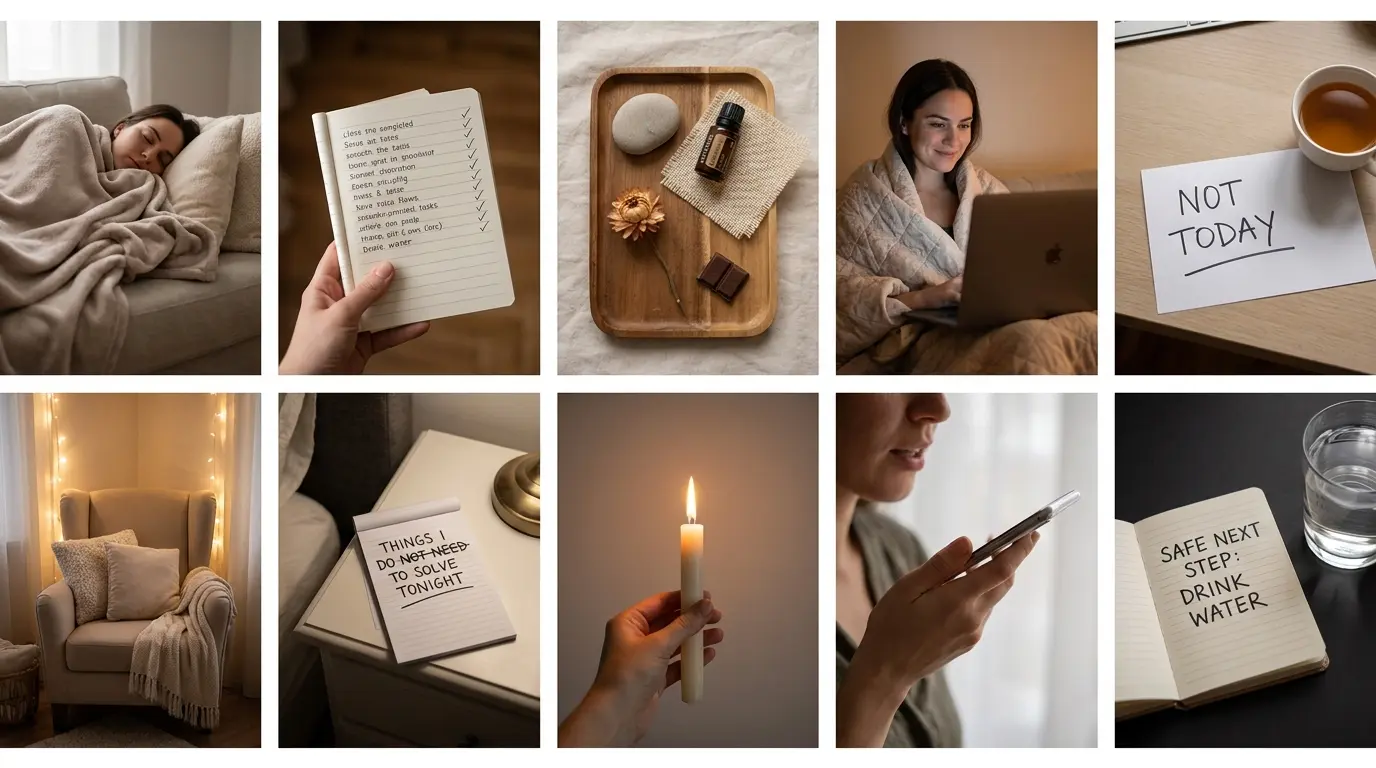 Self-care works best when it is easy to match with energy levels instead of forcing long routines. The same activity can feel helpful one day and impossible the next, depending on mental load, fatigue, and emotional state.
These self-care activities are grouped into Mood, Time, and Energy Level options, making selection practical in real time.
1. Create a “Comfort Menu” for Hard Days
A comfort menu is a short list of things that reliably help when the mind feels low or overwhelmed. It can include a favorite snack, a calming playlist, a blanket, a show, or one person to text. Making it before a hard day helps because decision-making gets harder when emotions feel heavy.
2. Make a “Done List” Instead of a To-Do List
A done list helps when the day feels unproductive or discouraging. Instead of focusing on unfinished tasks, write down everything already completed, even small things like replying to a message or eating breakfast. This reminds the mind that effort counts, especially on days when progress feels invisible.
3. Use a Five-Senses Grounding Tray
Place a few sensory items together: something soft, something scented, something textured, something warm, and something visually calming. This gives the body a simple way to settle when emotions feel intense. It works because the senses draw attention into the present rather than leaving it trapped in anxious thinking.
4. Rewatch a Scene that Feels Emotionally Safe
Instead of binge-watching without noticing, choose one comforting scene from a movie, show, or video that reliably feels safe. This can help shift the emotional tone without demanding energy. It works best when chosen intentionally, not as endless scrolling or avoidance.
5. Write a “Not Today” Permission Note
This is useful when guilt is driving the day. Write one sentence that gives permission to postpone something non-urgent, such as “Not today; I can return to this tomorrow.” This small act helps separate real responsibility from unnecessary pressure, which often makes stress feel heavier.
6. Build a Calm Corner for Emotional Resets
A calm corner does not need to be fancy. It can be one chair, a cushion, a bedside space, or a window area where only calming activities happen. Over time, the brain starts to associate that spot with slowing down, making it easier to reset during emotional overload.
7. Make a “Things I do Not Need to Solve Tonight” List
When thoughts pile up at night, write down problems that do not need immediate action. This does not ignore responsibilities; it creates a boundary around them. It helps the mind stop treating every concern as urgent, especially when tiredness makes problems feel bigger than they are.
8. Choose One Small Act of Self-Respect
Self-care is not always soft or relaxing. Sometimes it is choosing one act that protects dignity, like changing uncomfortable clothes, deleting a draining draft, refusing an unnecessary argument, or eating properly. This works well when the mood is low, and care needs to feel practical, not performative.
9. Send Yourself a Voice Note
Record a short voice note describing what the day feels like. Speaking out loud can reveal emotions that writing misses. It also helps create distance from the pressure inside the mind. Listening later may show patterns in stress, needs, and triggers without requiring formal journaling.
10. Create a “Safe Next Step” Plan
When mood feels heavy, big plans can feel impossible. Choose only the next safe step, such as washing a cup, changing clothes, opening a window, or replying to one message. This reduces overwhelm by making care immediate and small enough to actually begin.
Self-Care Activities Based on Time
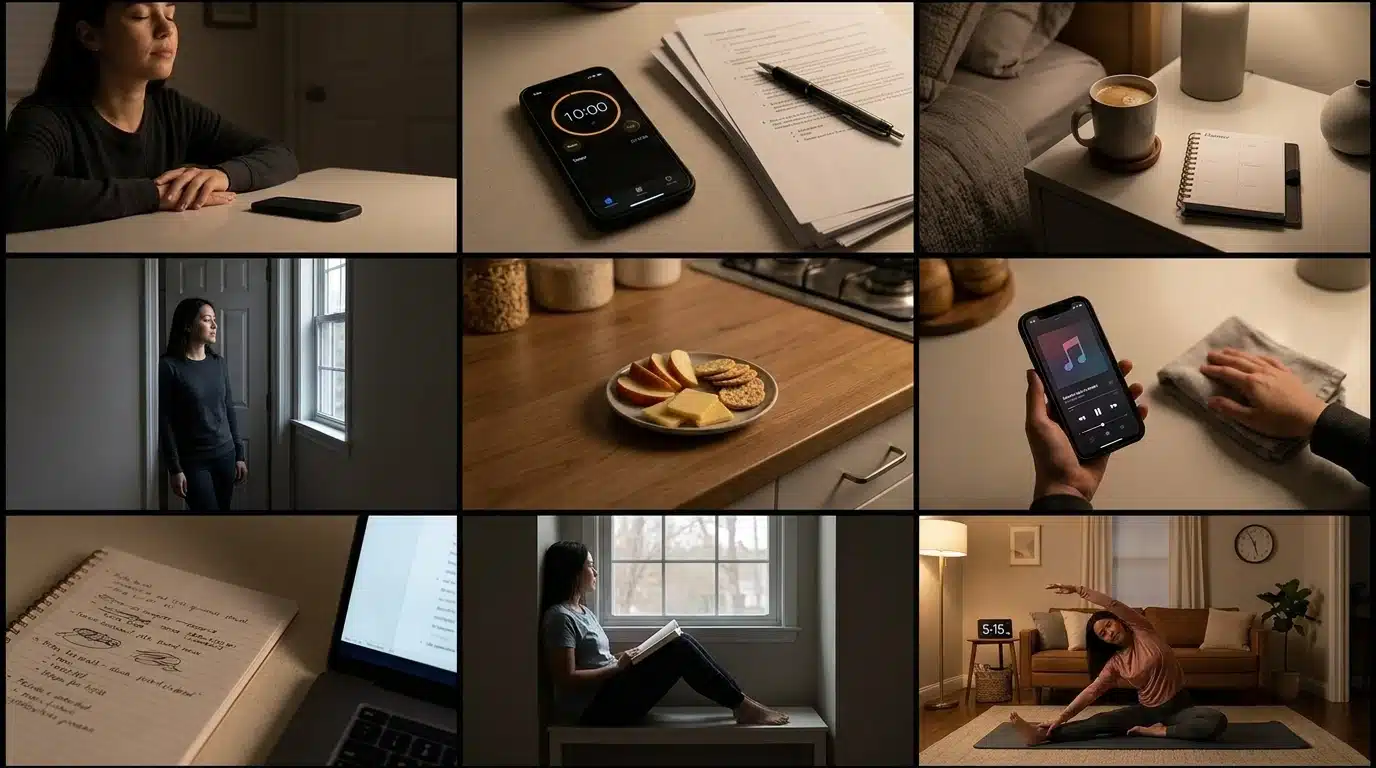
11. Do a One-Minute Reset Ritual Before Opening Your Phone
Before checking messages or social media, pause for one minute. Put both feet on the floor, relax the jaw, and ask, “What do I need before I take in more input?” This creates a healthier boundary between waking up, working, or resting and the instant pull of digital noise.
12. Set a 10-minute “Life Admin” Timer
Life admin includes tiny tasks that quietly create stress, like paying a bill, booking an appointment, clearing a notification, or sorting a small pile. A short timer prevents the task from expanding. This form of self-care reduces future stress instead of only soothing current stress.
13. Prep Tomorrow’s First Easy Win
Choose one tiny action that will make tomorrow start smoother. It may be filling a water bottle, setting out clothes, packing a bag, or writing the first task on paper. This helps reduce morning friction and gives future-you a softer start.
14. Take a “Transition Pause” Between Tasks
Instead of jumping from one task to another, take two quiet minutes between them. Close the laptop, stretch once, breathe normally, and mentally name what is ending and what is starting. This prevents the whole day from blending into one long stress block.
15. Make a No-Decision snack plate
When time is short, decision fatigue can make eating feel harder than it should. Keep a simple snack plate formula: protein, fruit or vegetable, and something satisfying. It supports energy without turning food into a complicated project during busy hours.
16. Use the “One-Song Reset” While Tidying
Pick one song and tidy only until it ends. This makes cleaning feel contained instead of endless. It works well for small messes like a nightstand, desk, or kitchen counter. The goal is not a perfect room; it is a quick environmental reset.
17. Create a Quick “Open Tabs” Mind Dump
When the brain feels like a browser with too many tabs, write every loose thought in a quick list. Include tasks, worries, reminders, and random ideas. This frees working memory and makes the day feel less chaotic without needing a full planning session.
18. Use Waiting Time as Recovery Time
Waiting in a queue, in a car, in an appointment room, or at a delivery window often turns into scrolling time. Instead, use it to unclench the jaw, relax the shoulders, drink water, or notice surroundings. This turns dead time into recovery without needing extra space in the schedule.
19. Do a Five-Minute Inbox Boundary
Instead of clearing every message, choose one inbox and handle only what is urgent. Archive, delete, or reply to a few items, then stop. This protects time while reducing digital pressure. It is especially helpful when notifications create background stress all day.
20. Create a 15-minute Reset Block After Work
A reset block separates work stress from personal time. During it, skip chores, messages, and scrolling; change clothes; sit quietly; drink something; or stretch lightly. It signals to your mind that one part of the day has closed before the next one opens, much like easing into an evening wind-down with a calming floral tea.
Self-care Activities Based on Energy Level
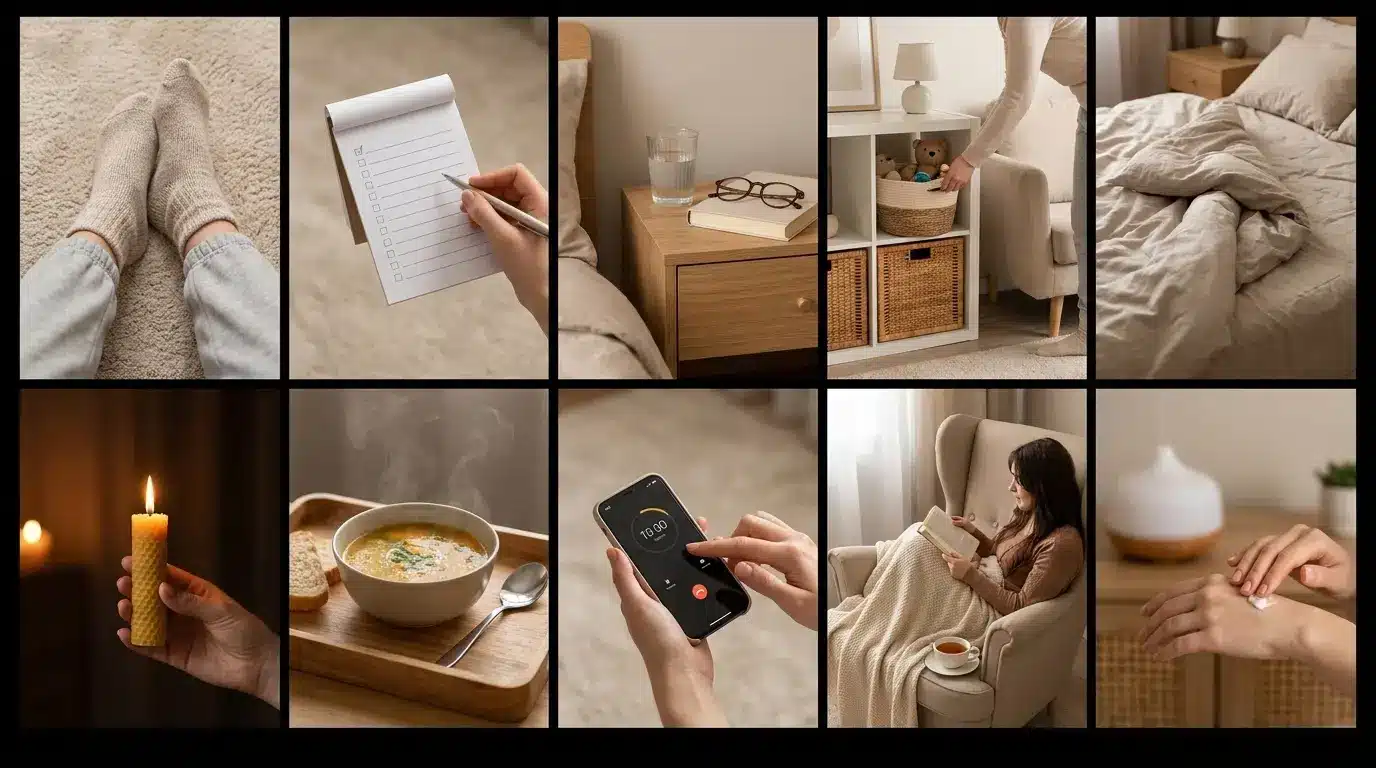
21. Change into Softer Clothes
When energy is low, physical discomfort can make everything feel worse. Changing into softer, looser, or cleaner clothes gives the body immediate relief. It is simple but effective because sensory comfort can reduce irritation, fatigue, and the feeling of being trapped in the day’s stress.
22. Use a “Minimum Care” Checklist
A minimum care checklist includes only the essentials: water, food, medication if needed, bathroom access, clean clothes, and a sleeping setup. This is helpful on very low-energy days because it removes pressure to perform self-care perfectly. The goal is basic support, not an impressive routine.
23. Put One Useful Item Within Reach
Low energy often makes basic needs feel harder to meet because everything feels far away. Put one helpful item nearby: water, tissues, lip balm, charger, medication, or a snack. This small adjustment reduces friction and helps the body feel cared for without requiring a full routine.
24. Do a “Floor Reset”
Lie on the floor, bed, or mat for a few minutes with no goal except resting the body. The firm surface can feel grounding, especially when the mind feels scattered. This is useful when sitting upright feels tiring, but sleep is not possible.
25. Make Your Bed Usable, Not Perfect
Instead of making the bed fully, remove clutter, straighten the pillow, and create a clean resting space. This makes recovery easier without demanding much energy. It is practical self-care because rest feels more inviting when the space supports it.
26. Use Warm Lighting For Evening Recovery
Bright overhead lights can keep your body feeling alert when it needs rest. Switching to a lamp, a softer bulb, or lower light helps create a calmer evening, supporting wind-down without requiring meditation, journaling, or a structured bedtime routine, the same way a slower evening wind-down works for mornings.
27. Keep a Low-Energy Meal Backup
A low-energy meal backup prevents skipped meals when cooking feels impossible. It can be soup, frozen food, eggs, yogurt, toast, or a simple pre-made option. This is real self-care because nourishment should not depend on having high motivation every day.
28. Do One “Future Relief” Task
Pick one tiny task that will reduce stress later, such as charging your phone, setting an alarm, refilling a bottle, or placing keys near the door. This helps when energy is low because it creates relief without requiring a big productivity push.
29. Create a No-Pressure Rest Window
A rest window means deciding that for the next 20–30 minutes, nothing needs to be optimized. You do not have to sleep, meditate, or be productive. You only need to stop demanding output from yourself. This helps when exhaustion is worsened by guilt.
30. Make a “Come Back to Myself” Routine
This is a simple, repeatable routine for low-energy days. It may include changing clothes, washing hands, drinking water, dimming lights, and sitting quietly. Repeating the same steps trains the body to recognize safety and recovery without needing new decisions each time.
How to Perform Self-Care Even When You’re Busy
Self-care becomes more practical when it fits into your existing routine instead of competing with your schedule.
On busy days, the focus shifts from long breaks to small, intentional actions that support recovery throughout normal activities. The steps below show how to structure self-care in a simple, repeatable way.
Step 1: Reframe self-care as integration into existing routines rather than additional separate tasks on your schedule.
Step 2: Identify daily anchors, such as checking messages, meals, breaks, or task-completion moments throughout your day.
Step 3: Use a pairing system by attaching small self-care actions to habits you already perform consistently.
Step 4: Insert micro-break transitions after tasks such as stretching, breathing, or briefly stepping away from screens.
Step 5: Follow the minimum reset rule: choose one small recovery action, even on extremely busy days.
Step 6: Set micro-boundaries such as delaying social media use, pausing between tasks, and avoiding continuous multitasking.
Step 7: Focus on consistency in small actions rather than intensity, reviewing what works and adjusting daily habits.
Frequently Asked Questions
What are the easiest self-care activities to start with?
The easiest self-care activities are staying hydrated, taking short breathing pauses, stepping outside briefly, stretching your neck and shoulders, and taking screen breaks. They take no planning or tools and fit into a few minutes without interrupting work or responsibilities.
How often should self-care be done in a day?
Self-care works best when spread through the day in small moments rather than one long session. Even two to five short resets daily can help regulate stress, sharpen focus, and prevent emotional buildup. Consistency matters more than duration or intensity.
Can self-care help during stress or anxiety episodes?
Yes, self-care can ease the immediate intensity of stress by calming your nervous system. Slow breathing, grounding through your senses, or stepping away from stimulation can reduce emotional spikes. It supports coping, though it doesn’t replace professional mental health care when that’s needed.
Is self-care the same as relaxation?
No, relaxation is only one piece of self-care. Self-care also includes maintenance habits such as eating well, resting, setting boundaries, and managing mental load. Some self-care actions are calming; others are practical or stabilizing rather than purely relaxing.
Why does self-care feel difficult even when I know it helps?
Self-care often feels hard when your energy is low or decision fatigue is high, since even simple choices feel heavy in those moments. That’s why smaller, pre-decided actions work better than complex routines. The issue usually isn’t awareness; it’s mental load and the need for simplicity.
Final Takeaway
Self-care is not a separate part of life; it is a series of small adjustments that help the mind and body stay stable amid everyday demands. It works best when it matches real conditions like mood, time, and energy instead of ideal routines that feel hard to maintain.
The most effective approach is not to do more, but to do what is manageable in the moment: sometimes a pause, sometimes a reset, and sometimes basic care that prevents depletion.
Over time, these small actions reduce emotional buildup and help daily life feel more balanced without requiring major effort or disruption.