

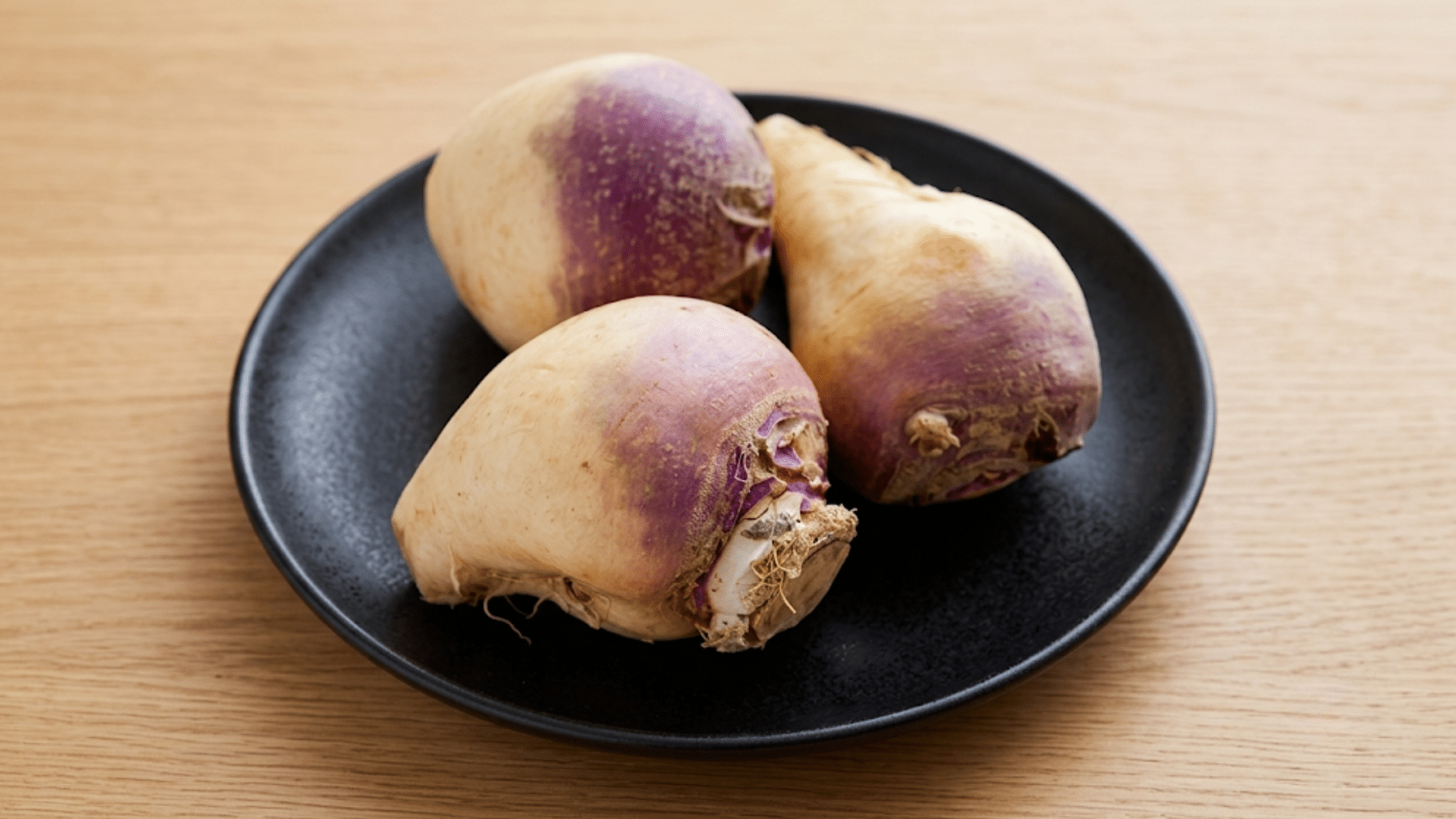
Rutabagas are one of those vegetables that often get overlooked, even though they’ve been part of traditional cooking for generations.
I think they’re a great option for anyone looking to add more variety to their meals without making complicated changes.
If you’ve ever walked past them at the grocery store and thought about what they are or how they compare to other root vegetables, you’re not alone.
This article covers what rutabagas are, their nutrition, health benefits, how to cook them, and how they compare with other popular vegetables so you can decide if they deserve a place on your plate.
What Are Rutabagas and Are They Good for You?
Yes, rutabagas are good for you. Rutabagas are root vegetables from the cabbage family that developed from a natural cross between a turnip and wild cabbage.
They have yellow-orange flesh, a mildly sweet flavor, and a firmer texture than turnips that becomes softer after cooking.
Rutabagas (Brassica napus var. napobrassica) grow best in cool climates and have been cultivated for centuries. They are widely used in North American and European cuisines and are valued for their versatility and mild taste.
Their nutritional value, health benefits, and the many ways to prepare them make rutabagas a vegetable worth adding to your diet.
Rutabaga Nutrition Facts
Understanding the nutritional value of rutabagas makes it easier to see why they’re considered a healthy root vegetable.
| Nutrient (Per 1 Cup Cooked, ~170 g) | Amount | % Daily Value (Approx.) |
|---|---|---|
| Calories | 66 | 3% |
| Carbohydrates | 15.7 g | 6% |
| Dietary Fiber | 4.5 g | 16% |
| Protein | 2.2 g | 4% |
| Total Fat | 0.2 g | <1% |
| Vitamin C | 53 mg | 59% |
| Potassium | 572 mg | 12% |
| Calcium | 66 mg | 5% |
| Magnesium | 40 mg | 10% |
| Phosphorus | 85 mg | 7% |
| Vitamin B6 | 0.2 mg | 12% |
| Manganese | 0.3 mg | 13% |
Health Benefits of Rutabagas
Rutabagas are packed with nutrients that support many important functions in the body. Adding them to a balanced diet can contribute to overall health while providing a naturally low-calorie source of vitamins, minerals, and fiber.
1. Supports a Healthy Immune System
Rutabagas are an excellent source of vitamin C, which helps strengthen the immune system and supports the body’s natural defenses.
Vitamin C also plays an important role in collagen production, helping maintain healthy skin, blood vessels, and connective tissues. Including rutabagas in regular meals is a simple way to increase your intake of this essential vitamin.
2. Promotes Better Digestive Health
Rutabagas are rich in dietary fiber, which supports regular bowel movements and helps maintain a healthy digestive system. Fiber also nourishes beneficial gut bacteria and promotes better digestive balance.
Because it slows digestion, fiber helps you stay full for longer, making rutabagas a satisfying addition to balanced meals.
3. May Support Heart Health
The fiber and potassium found in rutabagas work together to support cardiovascular health. Potassium helps regulate blood pressure by balancing sodium levels, while fiber may help maintain healthy cholesterol levels.
Choosing rutabagas as a side dish instead of refined carbohydrates can support an overall heart-friendly eating pattern.
4. Can Help With Weight Management
Rutabagas are naturally low in calories but high in fiber and water, making them filling without adding many calories. This combination may help reduce hunger between meals and support portion control.
Their satisfying texture also makes them a nutritious substitute for higher-calorie starchy side dishes, and it puts them in similar company with other low-calorie, high-satiety foods that support weight loss when you’re building out a fuller meal plan
5. Supports Strong Bones
Rutabagas provide important minerals, including calcium, magnesium, and phosphorus, that contribute to bone strength and maintenance.
They also supply vitamin C, which supports collagen formation, an important part of healthy bone structure. Eating a variety of nutrient-rich vegetables, including rutabagas, helps support long-term bone health.
6. Provides Antioxidant Protection
Rutabagas contain antioxidants such as vitamin C and beneficial plant compounds that help protect cells from oxidative damage.
Antioxidants help neutralize free radicals produced during normal metabolism and environmental exposure. Including antioxidant-rich vegetables in your diet supports healthy aging and overall wellness.
7. May Help Maintain Healthy Blood Sugar
Rutabagas contain fiber that slows the digestion of carbohydrates, helping promote steadier blood sugar levels after meals.
As a non-starchy vegetable, rutabaga’s relatively low carbohydrate content also makes it a food that fits comfortably into lower-carb eating patterns, including the low-carb Mediterranean diet approach many people follow for blood sugar management.
Pairing rutabagas with lean protein and healthy fats can further support healthy blood sugar management.
8. Supports Healthy Skin
Vitamin C in rutabagas is essential for collagen production, which helps maintain skin strength and elasticity. The antioxidants they provide also help protect skin cells from damage caused by environmental stressors.
Regularly eating nutrient-rich vegetables like rutabagas supports healthy-looking skin as part of an overall balanced diet.
9. Contributes to Overall Wellness
Rutabagas provide a wide range of vitamins, minerals, fiber, and antioxidants that work together to support everyday health. They nourish multiple body systems while remaining naturally low in calories and fat.
Adding rutabagas to soups, roasted vegetable dishes, or mashed side dishes is an easy way to increase the nutritional value of your meals.
How to Add Rutabagas to Your Diet?
Rutabagas are easy to prepare and fit well into many everyday recipes. Their mild sweetness and hearty texture make them a versatile vegetable for both simple side dishes and complete meals.
- Cube rutabagas, toss them with olive oil, garlic, and herbs, then roast until golden and tender for an easy side dish.
- Boil rutabagas until soft and mash them on their own or with potatoes for a creamy, nutrient-rich alternative.
- Slice rutabagas into sticks, season with your favorite spices, and bake or air-fry until lightly crisp.
- Grate raw rutabagas into fresh salads or coleslaw to add crunch, fiber, and a mildly sweet, peppery flavor.
- Pair roasted or mashed rutabagas with grilled chicken, fish, turkey, or beans to create a balanced, nutrient-dense meal
Rutabagas vs Turnips vs Potatoes: Which Is Healthier?
Rutabagas are generally the healthiest overall choice if your goal is to eat fewer calories while getting more fiber and vitamin C.
| Feature | Rutabagas | Turnips | Potatoes |
|---|---|---|---|
| Calories (Per 100 g) | About 37 calories | About 28 calories | About 77 calories |
| Dietary Fiber | Slightly higher, helping with fullness and digestion | Slightly lower but still a good source | Moderate amount |
| Vitamin C | Higher amount, supporting immune health | Good source but less than rutabagas | Good source, though less than rutabagas |
| Potassium | Higher, helping support heart and muscle function | Moderate amount | Highest among the three, supporting muscle and nerve function |
| Taste & Texture | Sweeter flavor with a dense, creamy texture | Mild with a slightly peppery taste and softer texture | Mild, starchy texture that becomes fluffy or creamy when cooked |
| Best Uses | Roasting, mashing, soups, and casseroles | Roasting, soups, stir-fries, and salads | Baking, boiling, mashing, roasting, and frying |
| Overall Health Choice | Best for more fiber, vitamin C, and fewer calories | Best for the lowest calorie option | Best for energy, potassium, and versatile everyday meals |
Are There Any Risks of Eating Rutabagas?
Yes, rutabagas are generally safe for most people when eaten as part of a balanced diet. However, eating very large amounts or having certain health conditions may require a few precautions.
Rutabagas are high in fiber, so increasing your intake too quickly may cause temporary gas, bloating, or digestive discomfort. Introducing them gradually and drinking enough water can help minimize these effects.
Like other cruciferous vegetables, rutabagas contain naturally occurring goitrogens, which may affect thyroid function if consumed in very large amounts, especially raw, by people with existing thyroid disorders.
Cooking reduces these compounds. Although rare, some people may also have an allergy to rutabagas or related vegetables.
If you have a thyroid condition, food allergy, or specific dietary concerns, consult your healthcare provider for personalized advice.
Wrapping Up
Rutabagas are a simple, nutrient-rich vegetable that can make healthy eating both practical and enjoyable.
Their combination of fiber, vitamin C, potassium, and other essential nutrients makes them a worthwhile addition to many balanced diets.
I always encourage choosing foods that are easy to enjoy consistently because small, sustainable habits often have the biggest long-term impact.
Even adding roasted rutabagas to dinner or stirring them into a hearty soup is a great place to start.
Have you cooked with rutabagas before, or are you planning to try them soon? Share your favorite recipes or tips in the comments below.
Frequently Asked Questions
Can I Eat Rutabaga Every Day?
Yes, most people can enjoy rutabaga daily as part of a varied and balanced diet.
What Is Healthier, Rutabaga or Potatoes?
Rutabagas are generally lower in calories and carbohydrates, while potatoes provide more potassium and vitamin B6.
Is It Better to Eat Rutabaga Raw or Cooked?
Both are nutritious, but cooking softens the texture, enhances sweetness, and improves digestibility for many people.
What Spices Go Well With Rutabaga?
Rosemary, thyme, garlic, black pepper, paprika, nutmeg, and sage all pair well with rutabaga’s mild, sweet flavor.