

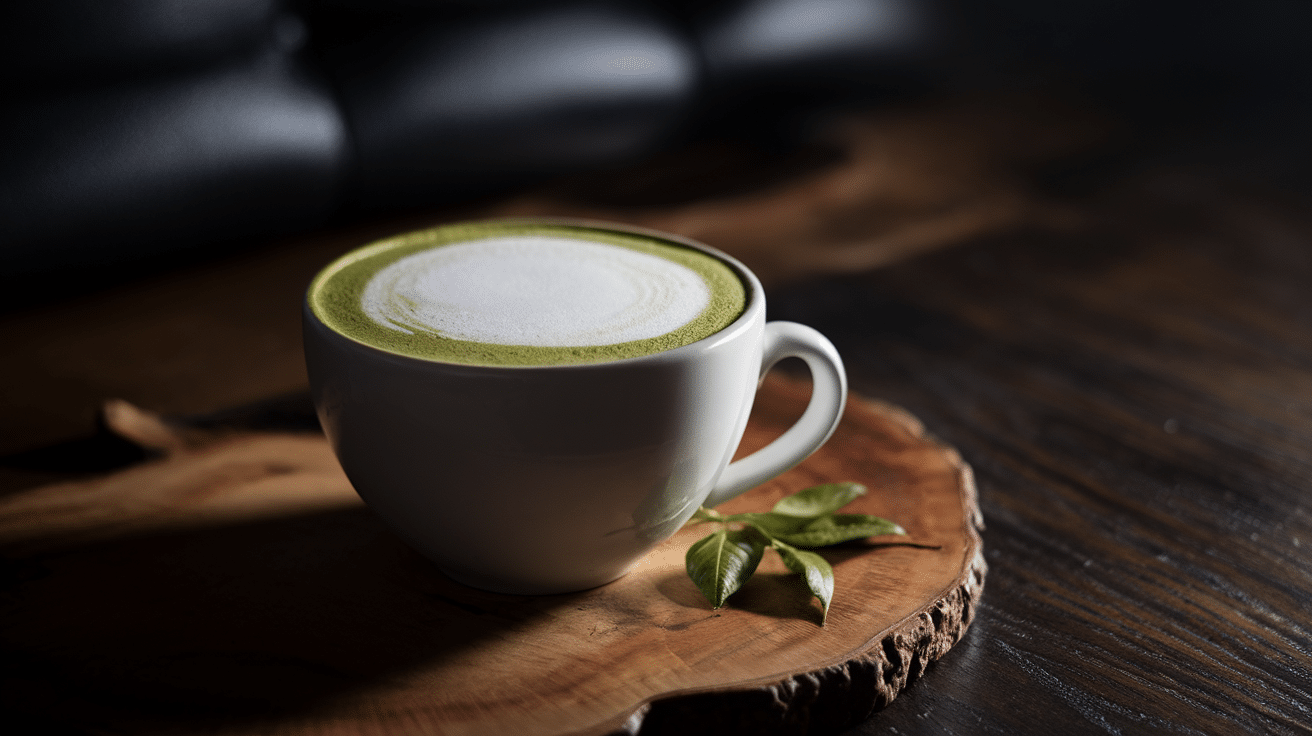
I started weighing my matcha instead of eyeballing it after realizing how much the numbers change with serving size.
Matcha shows up in health articles as a blanket “superfood,” but that label skips the specifics people actually want like how many calories, how much caffeine, and what vitamins and minerals you’re getting per serving.
Understanding matcha nutrition facts matters because matcha isn’t brewed and discarded like regular tea.
This guide breaks down calories,caffeine, antioxidants, vitamins, and minerals per standard serving, and the side effects worth knowing about before you make it a daily habit.
What Is Matcha?
Matcha is a powdered form of green tea made by grinding specially shade-grown tea leaves into a fine powder, with just about 5 calories per teaspoon (2 grams).
Unlike steeped green tea, where you drink an infusion and discard the leaves, matcha is whisked directly into water, so how matcha’s processing differs from regular green tea ends up mattering a lot nutritionally.
This gives matcha a higher concentration of antioxidants, caffeine, vitamins, and minerals, making it more nutrient-dense than traditional brewed green tea.
Matcha Nutrition Facts at a Glance
The values below are approximate for1 teaspoon (2 grams) of unsweetened matcha powder. *Nutrition may vary slightly by brand and grade.
| Nutrient | Amount (Per 2 g / 1 tsp) |
|---|---|
| Serving Size | 1 tsp (2 g) |
| Calories | 5 kcal |
| Carbohydrates | 1 g |
| Dietary Fiber | 0.7 g |
| Total Sugars | 0 g |
| Protein | 0.6 g |
| Total Fat | 0.1 g |
| Caffeine | 38–70 mg |
| Calcium | 8 mg |
| Iron | 0.3 mg |
| Potassium | 54 mg |
| Magnesium | 5 mg |
| Vitamin C | 1.2 mg |
| Vitamin K | 58 mcg |
| Antioxidants (EGCG)* | Approximately 60–120 mg* |
*EGCG (epigallocatechin gallate) is a natural antioxidant that helps protect your body’s cells from damage and supports overall health.
EGCG content varies depending on the matcha grade, growing conditions, harvest, and preparation method.
Reasons You Should Drink Matcha
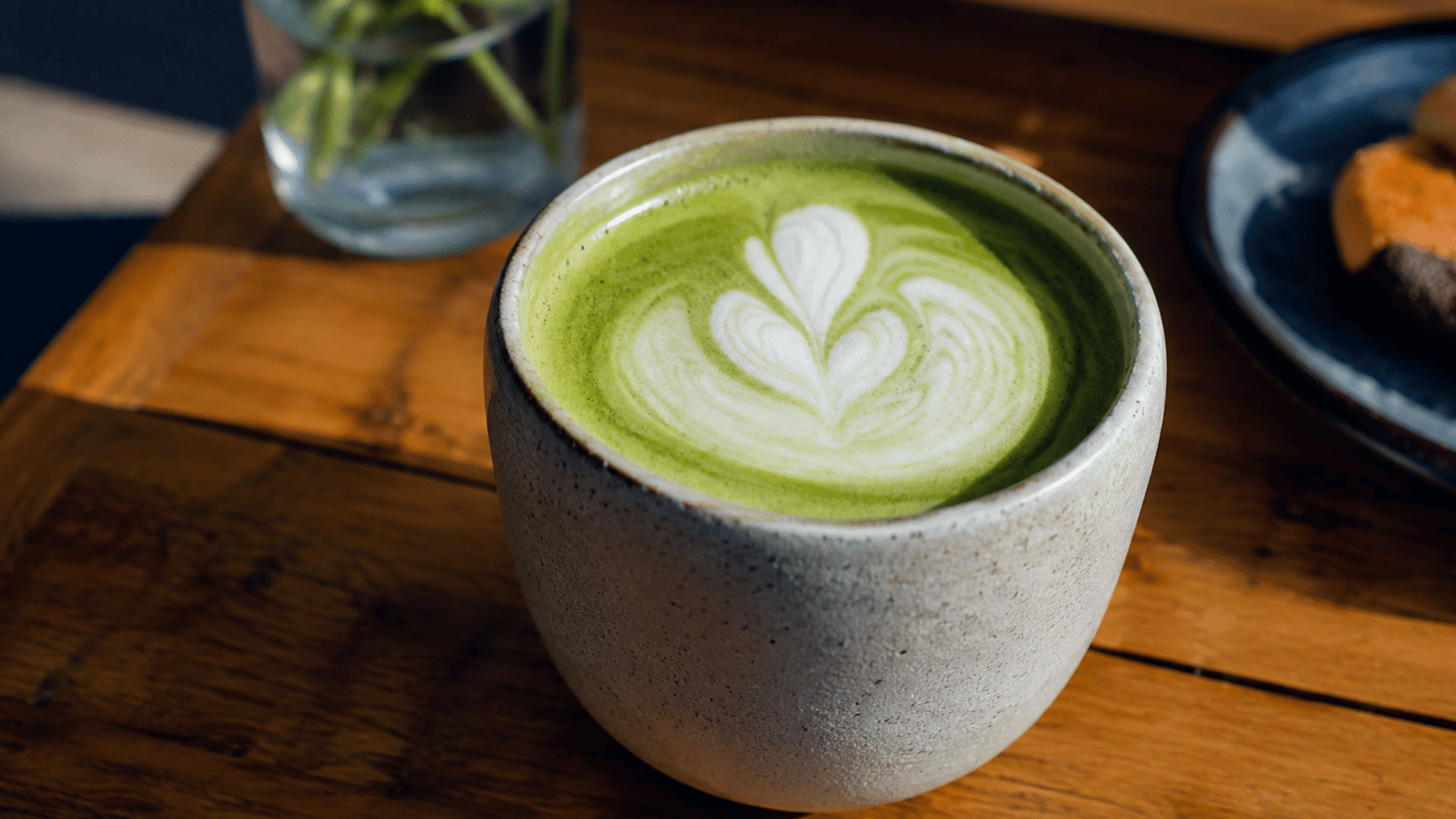
1. High in Antioxidants (Catechins)
Matcha is rich in catechins, especially EGCG, a natural antioxidant that helps protect your body’s cells from damage caused by free radicals.
Because you consume the whole leaf instead of a water extract, matcha delivers more EGCG than steeped green tea, and antioxidants don’t depend on caffeine, the same way decaf green tea keeps its antioxidant levels intact.
2. Contains L-Theanine
One serving of matcha provides about 20–45 mg of L-theanine, an amino acid that works with caffeine to promote calm focus, steady energy, and better concentration without the sudden crash often linked to coffee.
3. Low in Calories
Plain, unsweetened matcha contains only about 5 calories per teaspoon (2 g).
Its low calorie content makes it an easy addition to a balanced diet while still providing valuable nutrients and antioxidants.
4. Good Source of Dietary Fiber
Since you consume the entire tea leaf, one teaspoon of matcha provides around 0.7 g of dietary fiber.
Fiber supports healthy digestion, promotes regular bowel movements, and may help you feel fuller for longer, making matcha a satisfying addition to a balanced diet.
5. Rich in Vitamin K
One teaspoon of matcha contains approximately 58 mcg of vitamin K, an essential nutrient that supports normal blood clotting and helps maintain strong, healthy bones.
Including matcha in a balanced diet can contribute to your daily vitamin K intake.
6. Sugar Free
Plain matcha naturally contains 0 g of sugar, making it a healthier alternative to many flavored coffee and tea drinks.
When prepared without sweeteners or syrups, it remains low in calories while providing beneficial nutrients and antioxidants.
7. Provides Essential Minerals
One teaspoon of matcha provides about 54 mg of potassium, 5 mg of magnesium, and 0.3 mg of iron.
These minerals help support normal muscle function, nerve function, and oxygen transport in the body.
What Affects Your Matcha’s Nutrition?
The grade of matcha affects its levels of antioxidants and nutrients.
Serving size changes the amount of calories, caffeine, vitamins, and minerals you consume.
Preparation also makes a difference, as adding milk, sugar, or flavored syrups increases calories and alters the nutrition profile.
Finally, storage conditions matter. Keeping matcha in an airtight container away from heat, light, and moisture helps preserve its freshness, flavor, and beneficial nutrients for longer.
Matcha Nutrition Facts Compared With Other Drinks
| Drink (Plain, Unsweetened) | Serving Size | Calories | Caffeine |
|---|---|---|---|
| Matcha | 1 tsp (2 g) whisked in water | ~5 kcal | 38–70 mg |
| Green Tea | 1 cup (240 ml) | ~2 kcal | 28–35 mg |
| Black Tea | 1 cup (240 ml) | ~2 kcal | 40–70 mg |
| Coffee | 1 cup (240 ml) | ~2 kcal | 95 mg |
| Yerba Mate | 1 cup (240 ml) | ~15 kcal | 70–85 mg |
Matcha lands in the middle of the caffeine range here, and a full caffeine range breakdown by grade can help if you’re trying to dial in a specific amount rather than working from an average.
Side Effects and Risks of Matcha
Matcha is generally safe for most people when consumed in moderation, but drinking too much can cause unwanted effects.
Research published by the National Library of Medicine suggests that 338 mg of EGCG daily is considered safe, roughly equal to 4 g of matcha (2 level teaspoons).
Because it naturally contains caffeine, excessive intake may lead to :
- Caffeine Sensitivity: Too much matcha may cause jitters, headaches, trouble sleeping, or a faster heartbeat.
- Stomach Discomfort: Drinking matcha on an empty stomach may cause nausea or stomach upset.
- Medication Interactions: People taking warfarin or other blood thinners should consult a healthcare provider before regular consumption.
(If caffeine sensitivity is the bigger concern for you, oolong tea’s caffeine range sits in a gentler middle zone that might suit a sensitive stomach better than matcha’s more concentrated dose.)
Conclusion
After looking closely at matcha nutrition facts, it’s clear that this green tea offers more than just its bright color and earthy taste.
Every serving provides a combination of antioxidants, caffeine, dietary fiber, vitamins, and minerals while staying naturally low in calories.
I think the best approach is to enjoy plain matcha whenever possible, since added sugars and flavored ingredients can change its nutritional value.
Hope this breakdown helps you feel more confident the next time you prepare or order matcha, so you can enjoy it knowing exactly what you’re getting in every cup.
Frequently Asked Questions
Is It Okay to Drink Matcha Every Day?
Yes, most healthy adults can drink matcha daily in moderation. Keep total caffeine intake within recommended limits and avoid excessive servings.
Does Matcha Lower Cortisol?
Matcha may help promote relaxation because it contains L-theanine, but there is no strong evidence that it directly lowers cortisol levels.
Why Is Gen Z Obsessed With Matcha?
Gen Z enjoys matcha for its unique flavor, vibrant color, potential health benefits, and smoother energy boost compared to many coffee drinks.
Why Do Japanese Drink Matcha?
Japanese people drink matcha because it is deeply rooted in traditional tea ceremonies, cultural practices, and everyday routines, while also being valued for its flavor and nutrients.