
Finding vegetables that support digestion without triggering IBS symptoms can feel confusing, especially when portion size changes whether a food is low or high in FODMAPs.
The good news is that many familiar vegetables can still fit into a balanced, satisfying meal plan.
This guide explains which low FODMAP vegetables are commonly better tolerated, how serving sizes affect digestion, and which higher FODMAP options may need to be limited during the elimination phase.
You will also find practical cooking tips, simple swaps, and meal ideas that make daily planning easier.
Use this list as a starting point, track how your body responds, and work with a qualified dietitian when possible. Keep reading to build a more comfortable and personalized IBS-friendly diet.
Understanding Low FODMAP for Vegetables
FODMAP stands for Fermentable Oligosaccharides, Disaccharides, Monosaccharides, and Polyols, carbohydrates that your gut struggles to absorb properly.
When you eat high-FODMAP vegetables, these carbs ferment in your intestines, causing bloating, gas, cramps, and bathroom urgency that disrupt your day.
Not every vegetable affects you the same way, which is why this gets confusing. Some are naturally low in FODMAPs and safe in normal servings.
Others contain moderate amounts, so portion size is critical to avoiding symptoms. A small serving might be fine, but a large one triggers problems.
Understanding this difference helps you build meals that nourish your body without causing pain or discomfort.
The key is knowing which vegetables work for your gut and how much you can tolerate comfortably.
Complete Low FODMAP Vegetables List
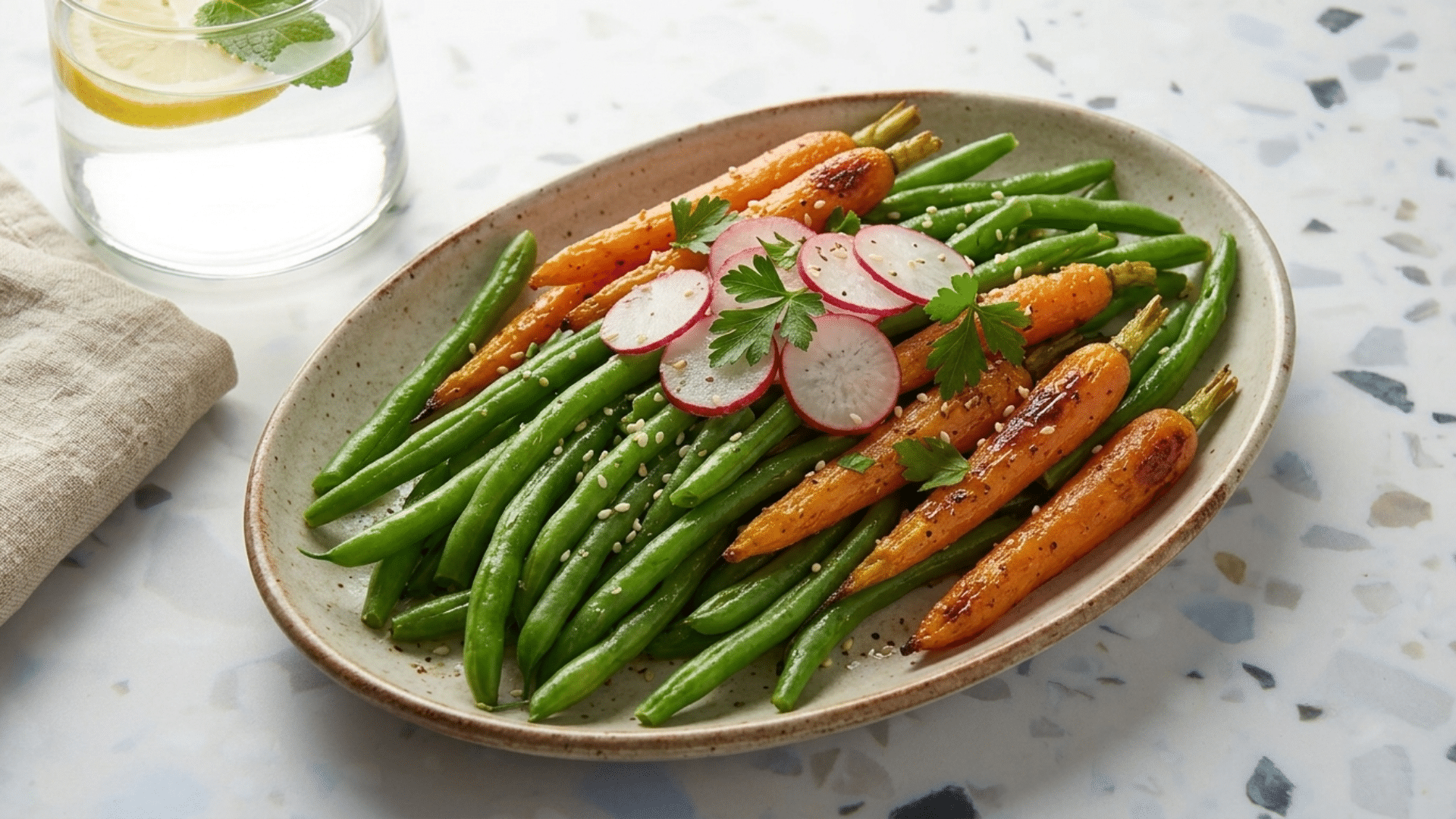
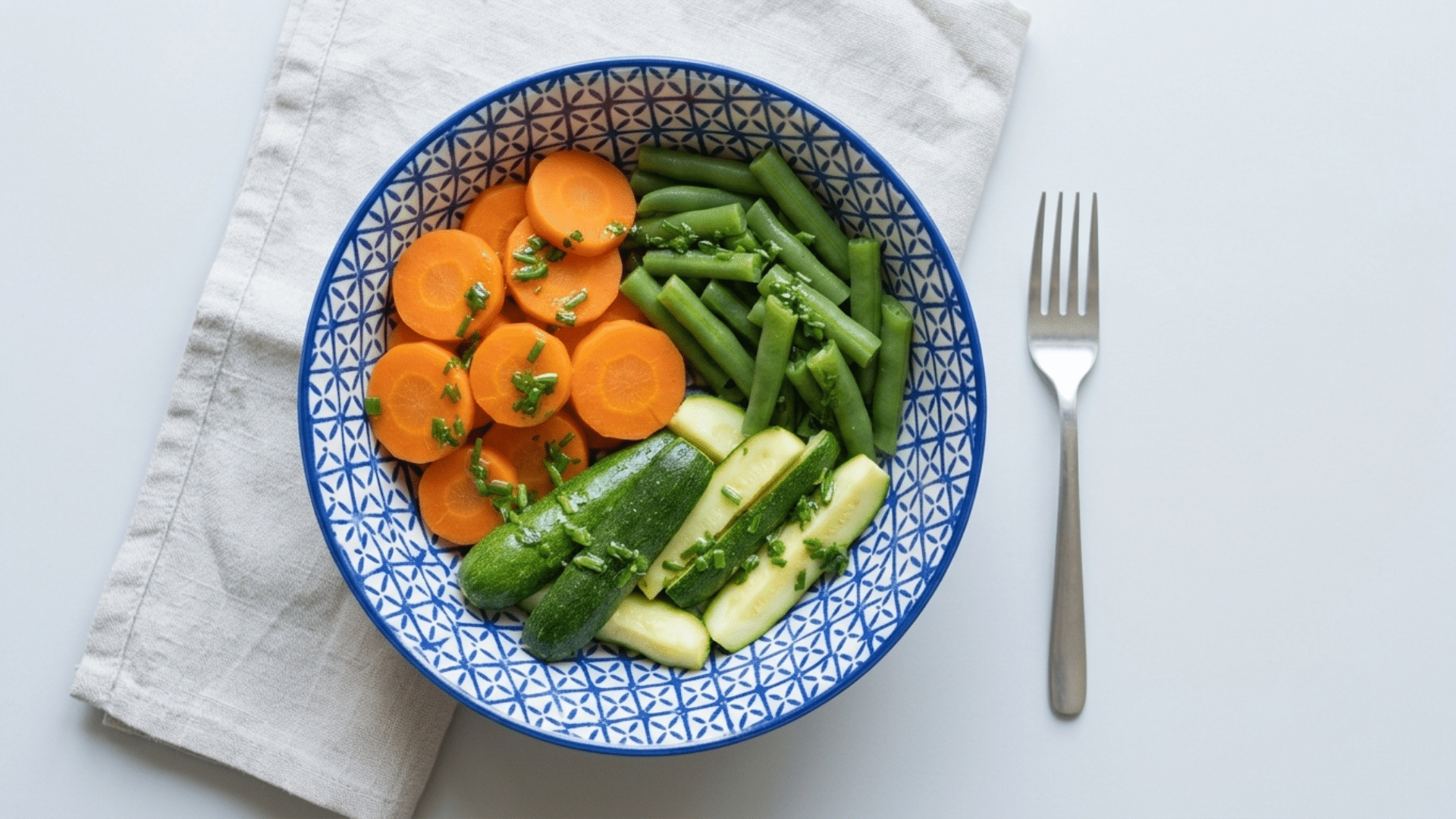
As per Monash University, these low FODMAP vegetables can add color, fiber, flavor, and variety to meals without placing unnecessary strain on sensitive digestion.
1. Spinach
Spinach is a versatile leafy green that fits easily into a low FODMAP eating plan. It provides vitamins A, C, and K, along with folate, iron, and antioxidants.
Fresh spinach works well in salads, sandwiches, smoothies, and omelets, while cooked spinach can be added to soups, pasta, rice, or casseroles.
Its mild flavor pairs with many ingredients, making it a practical option for balanced IBS-friendly meals throughout the day.
2. Carrots
Carrots are naturally low in FODMAPs and can be enjoyed raw or cooked in many different ways. They provide beta-carotene, fiber, potassium, and antioxidants while adding gentle sweetness to meals.
Slice them into salads, serve them with low FODMAP dips, roast them with herbs, or blend them into soups.
Their firm texture and familiar flavor make carrots an easy choice for snacks, side dishes, lunch boxes, and everyday IBS-friendly recipes.
3. Cucumbers
Cucumbers are refreshing, hydrating, and commonly suitable for a low FODMAP diet. Their high water content makes them a light addition to salads, wraps, sandwiches, and snack plates.
They can be paired with herbs, lactose-free yogurt dips, grilled meats, or rice dishes.
Leaving the peel on provides extra fiber and texture, although people with particularly sensitive digestion may prefer peeling them. Cucumbers also work well in chilled soups and infused water.
4. Bell Peppers
Bell peppers add crisp texture, natural sweetness, and bright color to low FODMAP meals. Green, red, yellow, and orange varieties can be eaten raw, roasted, grilled, stuffed, or added to stir-fries.
They are especially rich in vitamin C and also provide antioxidants that support overall health.
Bell peppers pair well with eggs, chicken, fish, rice, quinoa, and salad greens, making them a flexible vegetable for breakfast, lunch, dinner, or snacks.
5. Green Beans
Green beans are a practical low FODMAP vegetable with a crisp texture and mild flavor. They provide fiber, vitamin C, vitamin K, and small amounts of plant-based protein.
Steam them for a simple side dish, roast them with herbs, or add them to salads, casseroles, and stir-fries.
Green beans pair easily with chicken, beef, fish, tofu, rice, and potatoes. Moderate servings can help increase vegetable variety without making meals overly complicated.
6. Lettuce
Lettuce is naturally low in FODMAPs and forms a simple base for many light meals.
Romaine, iceberg, butterhead, and leaf lettuce add crunch, hydration, and volume without contributing large amounts of fermentable carbohydrates.
Use lettuce in salads, sandwiches, wraps, burgers, or grain bowls. Combining different varieties can improve texture and visual appeal.
Choose low FODMAP dressings and toppings to prevent onion, garlic, honey, or other hidden ingredients from causing digestive symptoms.
7. Tomatoes
Fresh tomatoes can fit well into a low FODMAP diet when served in appropriate portions. They provide vitamin C, potassium, antioxidants, and lycopene, which gives red tomatoes their rich color.
Slice them for sandwiches, add them to salads, roast them with herbs, or include them in homemade sauces.
Packaged tomato products may contain onion, garlic, sweeteners, or concentrated ingredients, so reading labels carefully helps keep meals suitable for people managing IBS symptoms.
8. Zucchini
Zucchini is a mild summer squash that works in many low FODMAP recipes when portion sizes are controlled.
It can be grilled, roasted, sautéed, baked, spiralized into noodles, or added to soups and casseroles. Zucchini absorbs herbs and seasonings well, making it easy to adapt to different cuisines.
Larger portions may contain more fermentable carbohydrates, so measuring servings can be helpful during the elimination phase. Smaller amounts offer flavor, texture, and valuable nutrients.
9. Eggplant
Eggplant adds a soft, rich texture to meals while remaining suitable for many low FODMAP eating plans. It can be roasted, grilled, baked, sautéed, or included in pasta dishes and vegetable bowls.
Eggplant absorbs olive oil, herbs, spices, and garlic-infused oil particularly well. Its neutral flavor makes it easy to combine with tomatoes, rice, quinoa, or lean proteins.
Cooking it thoroughly improves texture and may make it easier for sensitive digestive systems to tolerate.
10. Bok Choy
Bok choy is a leafy vegetable with tender green leaves and crisp white stems. It is commonly used in low FODMAP stir-fries, soups, noodle dishes, and simple side recipes.
Bok choy provides vitamins A, C, and K, along with calcium and antioxidants. It cooks quickly and pairs well with ginger, sesame oil, soy sauce, tofu, chicken, shrimp, or rice.
Washing between the stems helps remove any dirt before slicing and cooking.
11. Radishes
Radishes are crunchy, peppery vegetables that can add freshness to a low FODMAP meal. They are low in calories and provide vitamin C, water, and small amounts of fiber.
Slice them thinly for salads, tacos, sandwiches, or grain bowls, or serve them whole with a suitable dip. Roasting radishes softens their sharp flavor and creates a milder side dish.
Their bold taste adds interest without requiring onion, garlic, or heavy sauces.
12. Potatoes
White potatoes are naturally low in FODMAPs and provide carbohydrates, potassium, vitamin C, and satisfying texture. They can be baked, boiled, roasted, mashed, or added to soups and salads.
Problems often come from high FODMAP toppings rather than the potatoes themselves. Use herbs, chives, garlic-infused oil, lactose-free dairy products, or suitable cheese for flavor.
Keeping skins on adds fiber, although peeling may feel gentler during periods of digestive discomfort.
13. Bamboo Shoots
Bamboo shoots have a mild flavor and crunchy texture that work well in many Asian-inspired low FODMAP dishes.
Canned varieties are widely available and can be added to stir-fries, soups, noodle bowls, or rice meals.
Rinse canned bamboo shoots thoroughly before cooking to remove excess liquid and improve flavor.
They pair well with bok choy, carrots, bell peppers, chicken, tofu, and ginger. Always check packaged products for added garlic, onion, or sauces.
14. Kale
Kale is a nutrient-dense leafy green that can be included in a low FODMAP meal plan in suitable portions. It contains vitamins A, C, and K, along with fiber and antioxidants.
Massage raw kale with oil before adding it to salads, or cook it in soups, egg dishes, and grain bowls. Removing tough stems and chopping the leaves finely can improve texture.
Light cooking may also make kale easier for some people to digest.
15. Swiss Chard
Swiss chard has colorful stems, tender leaves, and a mild earthy flavor that suits many low FODMAP meals. It provides vitamins A, C, and K, along with magnesium, potassium, and antioxidants.
Both the stems and leaves are edible, although the stems usually need a little more cooking time.
Sauté Swiss chard with garlic-infused oil, add it to eggs or rice, or serve it beside fish, chicken, or roasted potatoes.
16. Turnips
Turnips are mild root vegetables that can add variety to a low FODMAP eating plan. They provide vitamin C, fiber, and a slightly sweet flavor that becomes softer after cooking.
Roast turnips with herbs, mash them with potatoes, or add them to soups and stews. Their firm texture also works well in sheet-pan meals.
Smaller turnips often taste sweeter and less bitter than larger ones, making them a more approachable choice for beginners.
17. Parsnips
Parsnips are naturally sweet root vegetables that can fit into a low FODMAP diet in recommended servings. They provide fiber, potassium, vitamin C, and a comforting texture after cooking.
Roast them until caramelized, mash them with potatoes, or add them to soups, stews, and vegetable trays. Their sweetness pairs well with herbs, chicken, beef, and other root vegetables.
Measuring portions remains helpful because larger servings may be less suitable during the elimination phase.
Vegetables That Are Low FODMAP Only in Small Portions
Some vegetables fall into a middle zone where you can eat them, but portion control matters significantly. I measure these carefully to avoid exceeding safe limits and triggering symptoms. Here’s a clear breakdown:
| Vegetable | Safe Serving Size | What to Know |
| Broccoli (heads only) | ¾ cup or 75g | Stems contain higher FODMAPs; stick to florets |
| Sweet potato | ½ cup or 70g | Larger portions push into moderate FODMAP territory |
| Pumpkin | ¼ cup or 40g | Surprisingly FODMAP-sensitive; measure carefully |
| Green cabbage | ¾ cup or 75g | Red and savoy varieties are higher; choose green |
I treat these vegetables as accent ingredients rather than main components. Pair them with always-safe vegetables to bulk up meals while enjoying variety without exceeding limits.
Cooking Tips for Low FODMAP Vegetables
Preparing low FODMAP vegetables correctly can improve flavor, texture, and digestion while helping you stay within suitable portions.
- Keep Portions Controlled: Even low FODMAP vegetables can cause symptoms when eaten in large amounts. Measure serving sizes carefully, especially during the elimination phase.
- Use Garlic-Infused Oil Instead: Garlic can be high in FODMAPs, but infused oils provide a similar flavor without the fermentable carbohydrates. Add them to roasted vegetables or stir-fries.
- Choose Gentle Cooking Methods: Steaming, roasting, grilling, and sautéing can improve vegetable texture while keeping meals simple. Avoid heavy sauces containing onion or garlic.
- Combine Vegetables Carefully: Eating multiple moderate FODMAP vegetables together may increase overall intake. Pair one or two low FODMAP options with protein and grains.
- Add Flavor With Herbs and Spices: Fresh herbs, infused oils, and low FODMAP seasonings can enhance vegetables without triggering symptoms. Try basil, parsley, chives, or ginger for variety.
- Introduce New Vegetables Slowly: Add one new vegetable at a time to understand your personal tolerance. Keeping a food journal can help identify foods that work best for you.
Vegetables to Limit or Avoid on a Low FODMAP Diet
Some vegetables contain higher amounts of fermentable carbohydrates that may trigger bloating, gas, or discomfort for people with IBS. Identifying these foods can help create a low FODMAP meal plan.
| Vegetable to Limit or Avoid | Main FODMAP Trigger | Low FODMAP Alternative |
|---|---|---|
| Onion | Fructans that may cause gas and bloating | Green onion tops or chives |
| Garlic | Fructans that can trigger digestive discomfort | Garlic-infused oil |
| Cauliflower | Mannitol that may increase bloating | Zucchini or broccoli florets |
| Asparagus | Fructans and fructose that may cause symptoms | Green beans or carrots |
| Mushrooms | Mannitol that may lead to digestive issues | Oyster mushrooms |
| Artichokes | Fructans that may ferment in the gut | Bamboo shoots |
| Brussels Sprouts | Fructans in larger servings | Spinach or small cabbage portions |
| Leeks | Fructans that may trigger IBS symptoms | Chives or green onion tops |
| Celery | Mannitol that may cause bloating | Cucumber or carrots |
| Sugar Snap Peas | GOS and fructans that may increase gas | Green beans |
Best Garlic and Onion Substitutes for a Low FODMAP Diet
Garlic and onion add strong flavor to many recipes but are high in fructans, which may trigger IBS symptoms.
- Garlic-Infused Oil for Rich Flavor: Garlic-infused oil provides the familiar taste of garlic because fructans are not oil-soluble. Use it in sautéing, roasting, dressings, and marinades.
- Green Onion Tops for Fresh Onion Taste: The green parts of scallions are low FODMAP and offer a mild onion-like flavor. Add them to salads, soups, rice dishes, and cooked meals.
- Chives for a Mild Onion Aroma: Fresh or dried chives provide a gentle onion flavor without the high FODMAP content. Sprinkle them over potatoes, eggs, vegetables, and sauces.
- Asafoetida Powder for Savory Dishes: Asafoetida, also called hing, can add a strong onion and garlic-like taste when used in small amounts. Choose pure versions without added wheat ingredients.
- Herbs and Spices for Extra Depth: Basil, oregano, rosemary, thyme, ginger, and smoked paprika can build flavor without relying on garlic or onion. Combine different herbs for more complex dishes.
- Garlic-Infused Seasoning Blends: Some low FODMAP seasoning mixes use garlic flavor without actual garlic pieces. Always check labels to avoid hidden onion, garlic powder, or high FODMAP additive.
How to Use This List in Daily Life
Practical application matters more than perfect knowledge when managing IBS symptoms day-to-day.
I keep a short list of my favorite low FODMAP vegetables on my phone for grocery shopping, so I don’t have to guess in the store.
At restaurants, I order simple grilled vegetables and ask which varieties they’re using before committing to a dish.
When cooking at home, I prep three to four safe vegetables on Sundays and store them in containers for the week ahead.
This strategy helps me avoid getting overwhelmed when hunger hits and decision-making feels hard.
Having ready-to-eat options prevents desperate food choices that might trigger symptoms. Meal planning becomes simpler when you work from a foundation of vegetables you trust completely.
Building this routine takes initial effort, but it reduces daily stress and consistently protects your gut health.
Sample One-Day Low FODMAP Vegetable Meal Plan
Planning meals with low FODMAP vegetables can make it easier to enjoy variety while supporting digestive comfort.
| Meal | Low FODMAP Vegetable Choices | Meal Ideas | Benefits |
|---|---|---|---|
| Breakfast | Spinach, tomatoes | Spinach and tomato omelet with gluten-free toast and a side of low FODMAP fruit | Adds nutrients, fiber, and protein while keeping the meal gentle on digestion |
| Morning Snack | Cucumber, carrots | Cucumber and carrot sticks with a suitable low FODMAP dip | Provides hydration, crunch, and a light snack option between meals |
| Lunch | Lettuce, bell peppers, zucchini | Grilled chicken salad with lettuce, bell peppers, zucchini, quinoa, and a low FODMAP dressing | Creates a balanced meal with vegetables, protein, and satisfying carbohydrates |
| Afternoon Snack | Radishes, green beans | Fresh vegetable snack plate with radishes and cooked green beans | Helps increase vegetable intake without relying on high FODMAP options |
| Dinner | Eggplant, bok choy, spinach | Stir-fried bok choy and eggplant with rice, tofu, chicken, or fish | Provides variety, flavor, and nutrients while staying IBS-friendly |
| Evening Option | Carrots or small cucumber serving | Light vegetable snack if hunger continues after dinner | Supports mindful eating without adding excessive FODMAP load |
Understanding FODMAP Stacking and How It Affects Digestion
FODMAP stacking can explain why some people experience symptoms even when eating foods considered low or moderate in FODMAPs.
- Meaning of FODMAP Stacking: FODMAP stacking occurs when multiple foods containing similar fermentable carbohydrates are eaten within the same meal or several hours. This can increase the total FODMAP amount reaching the digestive system.
- Combining Similar FODMAP Foods: Eating several foods from the same FODMAP category together increase the chance of symptoms. Combining smaller portions can help maintain balance.
- Managing Vegetable Portions: Multiple servings of moderate FODMAP vegetables in one meal can add up quickly. Keeping portions controlled and selecting suitable combinations may help reduce bloating.
- Spacing Foods Across Meals: Distributing FODMAP-containing foods throughout the day allows the digestive system more time to process them..
- Balancing Meals With Protein and Carbohydrates: Pairing low FODMAP vegetables with suitable proteins, rice, quinoa, or other tolerated carbohydrates creates satisfying meals.
- Tracking Individual Food Responses: Keeping notes about meals and symptoms helps identify personal tolerance levels. Tracking patterns can support a more personalized low FODMAP approach.
Conclusion
Choosing the right low FODMAP vegetables can make meal planning easier while helping manage digestive discomfort associated with IBS.
Many vegetables can still provide fiber, vitamins, and variety when eaten in suitable portions and prepared carefully.
Understanding high FODMAP choices, portion sizes, cooking methods, and FODMAP stacking can help you create meals that match your personal tolerance.
The goal is not to avoid vegetables forever but to discover which options work best for your body. Start with simple swaps, track your responses, and build a balanced routine over time.
Share your experience in the comments and let us know which low FODMAP vegetables work best for you.
Frequently Asked Questions
What Vegetables Don’t Trigger IBS?
Vegetables less likely to trigger IBS symptoms include carrots, spinach, cucumber, lettuce, zucchini, bell peppers, green beans, tomatoes, and eggplant when eaten in suitable portions.
What Three Foods Make IBS Worse?
Three foods that commonly worsen IBS symptoms are onions, garlic, and high-fat foods. Individual triggers vary, so tracking personal reactions can help identify problem foods.
What Foods Are Surprisingly Low in FODMAP?
Surprisingly low FODMAP foods include strawberries, grapes, potatoes, oats, eggs, firm tofu, lactose-free dairy, carrots, spinach, and bell peppers when eaten in suitable portions.
What Settles IBS Quickly?
IBS symptoms may settle quickly with gentle foods, hydration, stress reduction, heat therapy, and avoiding personal triggers. Low FODMAP meals can also help manage digestive discomfort.