

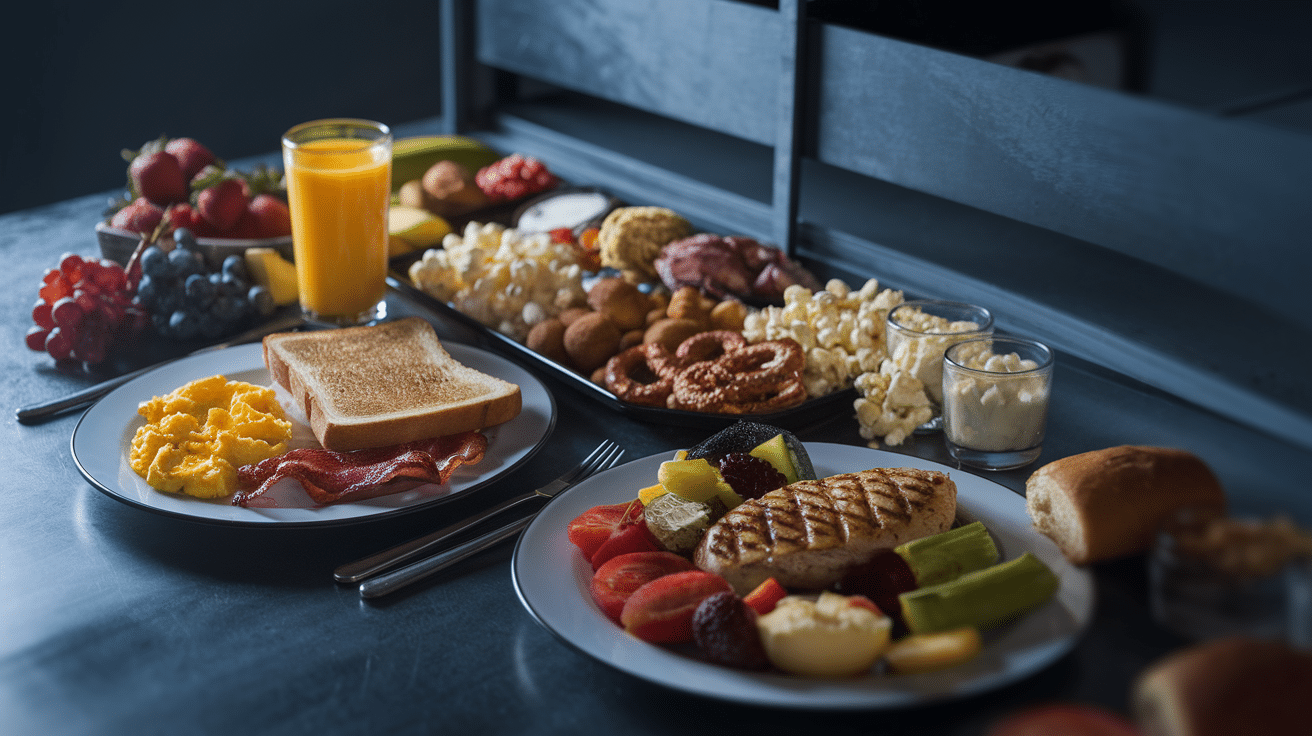
| Daily Protein Target | 200 grams |
| Who It’s For | Athletes and active adults over 180–200 lbs with strength or muscle-building goals |
| Meals Needed | 4–5 per day (30–50g protein each) |
| Top Whole Food Sources | Chicken breast, Greek yogurt, eggs, cottage cheese, canned tuna, lean beef |
| Supplement Role | Optional bridge, 1 shake adds 20–30g; whole foods should lead |
| Key Risk | Crowding out fiber, healthy fats, and micronutrients if not planned carefully |
Most people trying to eat 200 grams of protein a day hit a wall fast. The numbers feel impossible. The meals feel repetitive. And the advice online is either too vague or built for someone eating six times a day with nothing else going on.
I get it. Hitting this target takes real planning, not just good intentions. But I have seen it done consistently across different diets, body types, and schedules, and it comes down to a clear structure, not perfection.
By the end of this post, you will know exactly which foods to build each meal around, how much protein each one delivers, and how to make the whole day add up without overthinking it.
Is 200 Grams of Protein a Day Right for You?
Not everyone needs 200 grams of protein per day, and chasing a number that does not match your body can crowd out other nutrients you actually need. The ACSM and ISSN both recommend 1.2 to 2.0 grams of protein per kilogram of body weight for athletes doing consistent resistance training.
At the upper end of that range, a person weighing 220 pounds (100 kg) lands at exactly 200 grams. If you weigh 150 pounds, hitting 200 grams is likely above what your muscle-building physiology actually needs.
That said, there are specific situations where 200 grams is a reasonable and well-supported target. Heavy strength athletes and bodybuilders in a muscle-gaining phase, people in a calorie deficit who need high protein to preserve lean mass, and individuals recovering from surgery or injury with elevated tissue repair demands all fit this profile.
It is also worth understanding that extra protein builds muscle only when paired with a consistent resistance training stimulus, without that mechanical signal, additional protein above your baseline needs does not automatically translate into lean mass gains.
For the average person who exercises three to four days a week and weighs under 180 pounds, a target in the 120 to 160 gram range will likely produce the same muscle-building results with less planning overhead.
Here’s what this actually means for your plate: if 200 grams is not matching your body weight and training volume, a slightly lower number is not a compromise, it is the right prescription.
How to Eat 200 Grams of Protein a Day: The Core Framework
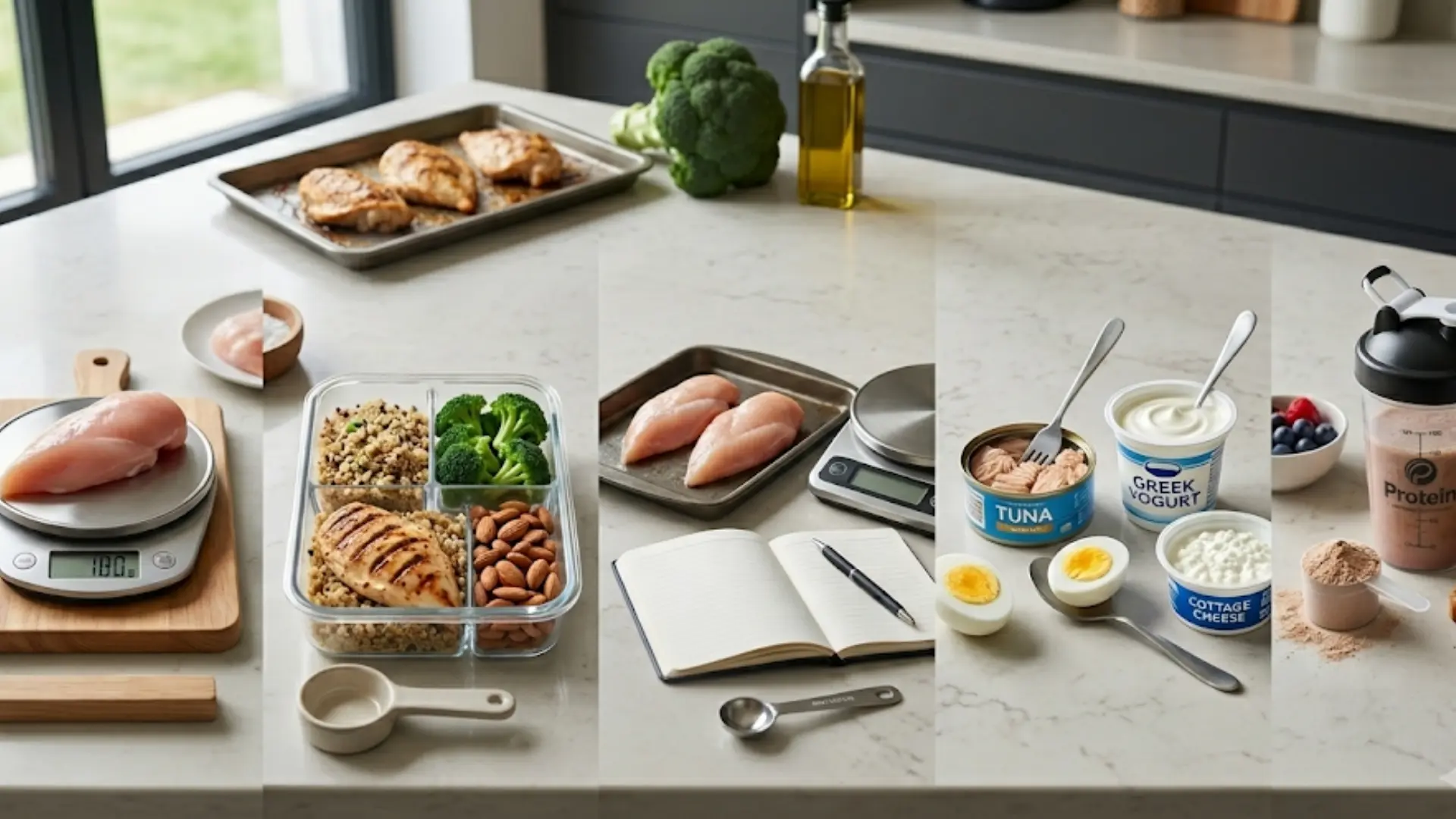
The single most effective structural change you can make is to stop thinking about daily protein as one number and start thinking about it as four or five meals, each delivering 40 to 50 grams.
Research published in the Journal of Nutrition found that evenly distributing protein across meals produced better muscle protein synthesis outcomes over 24 hours than loading most of it at dinner. That finding is practical, not theoretical, it changes how you plan your day.
Here is the framework I use when building a 200-gram protein day from scratch:
- Anchor every meal around a protein source first. Decide on the protein, then build the rest of the plate around it. Reversing this order is the most common reason people fall short.
- Build meals that average 40–50g of protein. Four meals at 45 grams each gets you to 180 grams. One protein-rich snack closes the gap.
- Keep two or three high-protein defaults for busy days. Canned tuna, Greek yogurt, cottage cheese, and hard-boiled eggs require zero cooking. When your day collapses, these are your insurance.
- Weigh protein sources for the first two to three weeks. Most people overestimate portion sizes significantly. A chicken breast “about the size of your palm” can range from 4 to 9 ounces depending on who is estimating.
- Use a protein shake as a bridge, not a base. One quality shake adds 20 to 30 grams. Use it to close gaps on days when whole food intake falls short, not as a replacement for structured meals.
Highest-Protein Foods Per Serving: The Practical Reference
Knowing which foods deliver the most protein per serving without excessive calories is the foundation of any 200-gram plan. The numbers below are based on USDA FoodData Central data for standard cooked servings.
If you want a deeper cut-by-cut breakdown, the guide to meats with the highest protein content per 100 grams shows exactly how cuts like sirloin, eye of round, and ribeye compare, useful when deciding which beef source anchors your dinner.
For meal prep specifically, flank steak macros make it one of the most practical high-protein cuts to slice, portion, and use across bowls, wraps, and salads throughout the week.
| Food | Serving | Protein (g) | Calories | Best Use |
| Chicken breast (cooked) | 6 oz | 53 | 280 | Lunch / dinner anchor |
| Canned tuna in water | 5 oz can | 35 | 150 | Quick lunch, no cooking |
| Cottage cheese (low-fat) | 1 cup | 28 | 180 | Snack, breakfast add-on |
| Greek yogurt (plain, 2%) | 1 cup | 23 | 150 | Breakfast, snack base |
| Eggs (whole) | 3 large | 18 | 210 | Breakfast, pair with whites |
| Lean ground beef (93%) | 6 oz cooked | 42 | 295 | Dinner anchor |
| Salmon fillet (cooked) | 6 oz | 40 | 350 | Dinner, adds omega-3s |
| Tempeh | 1 cup | 31 | 320 | Plant-based dinner anchor |
| Whey protein powder | 1 scoop (~32g) | 25 | 120 | Gap filler, post-workout |
| Edamame (shelled) | 1 cup | 18 | 190 | Plant-based snack |
The pattern across every high-performing source: protein per calorie ratio stays high when you choose lean cuts, low-fat dairy, and seafood. Fatty cuts are not off the table, but they add calories quickly without proportionally increasing protein, which makes hitting 200 grams harder in a controlled calorie range.
Six Diet-Based Meal Plans for 200 Grams of Protein a Day
The structure below gives you one complete day for each eating style. These are not hypothetical, each plan uses foods with verified protein counts and targets a realistic calorie range for a moderately active adult. Adjust portions up or down based on your actual weight and energy needs.
1. Omnivore Meal Plan (200g Protein)
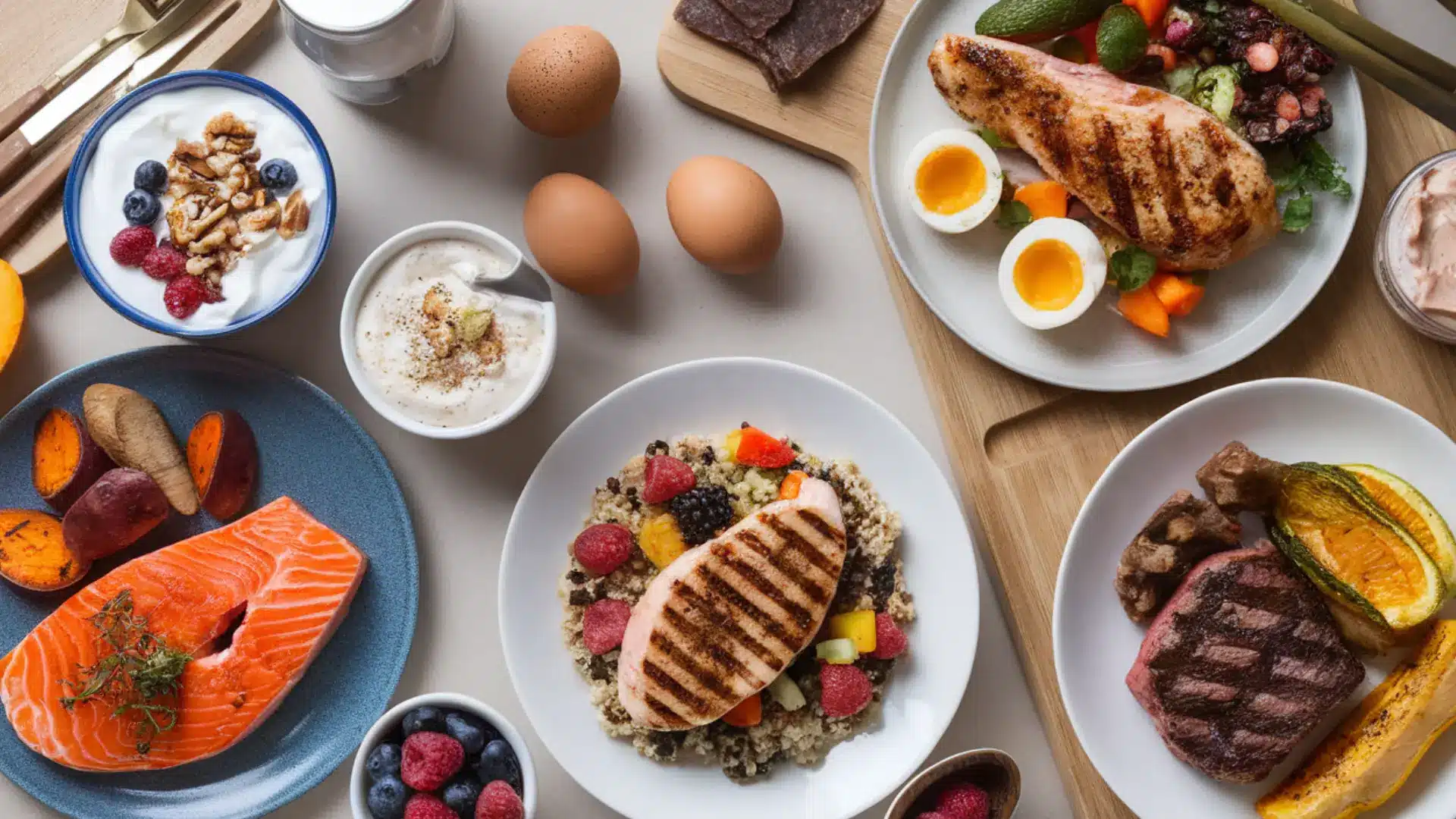
The most straightforward approach because animal proteins are dense, easy to portion, and widely available. This plan does not require supplements to hit the target.
- Breakfast (45g): 3 whole eggs plus 4 egg whites scrambled, 6 oz low-fat cottage cheese, 1 cup Greek yogurt
- Lunch (55g): 8 oz grilled chicken breast, 1 cup cooked quinoa, roasted vegetables
- Snack (20g): 1 cup Greek yogurt with a handful of almonds
- Dinner (55g): 8 oz lean ground beef or salmon, large vegetable side
- Evening snack (25g): 1 cup cottage cheese or 1 scoop protein powder in water
Daily total: ~200g protein, approximately 2,200–2,400 calories.
2. Plant-Based Meal Plan (180–200g Protein)
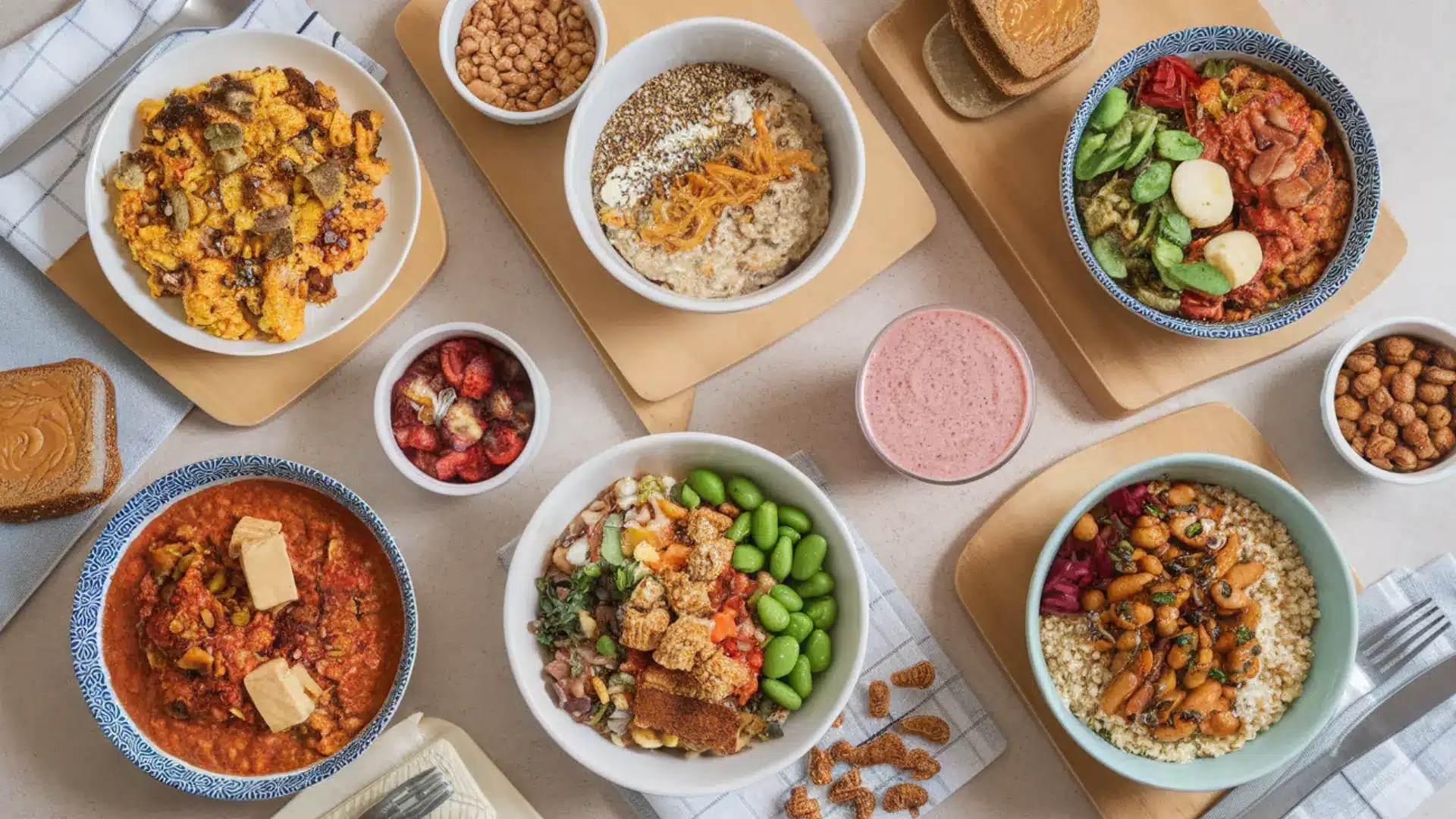
Reaching 200 grams on a fully plant-based diet is possible but requires two protein shakes daily and deliberate food pairing. Most plant-based athletes I’ve seen tracking this number land between 175 and 195 grams on food alone, with shakes closing the final gap.
The key amino acid to watch is leucine, the trigger for muscle protein synthesis. Black beans, firm tofu, pumpkin seeds, and roasted peanuts are the best plant sources of leucine, and spacing them across meals is more important than the total count alone.
- Breakfast (40g): Firm tofu scramble (200g tofu) with nutritional yeast, 1 cup edamame, pea protein shake
- Lunch (45g): 1 cup cooked lentils, 1 cup cooked chickpeas, 1 cup quinoa, roasted vegetables
- Snack (25g): 2 tbsp peanut butter on whole grain bread, pea protein shake
- Dinner (50g): 200g tempeh stir-fry with 1 cup edamame, soy sauce, and brown rice
- Evening (20g): 1 cup cooked black beans with salsa
Daily total: ~180–200g protein, approximately 2,400–2,600 calories.
3. Vegetarian Meal Plan (200g Protein)
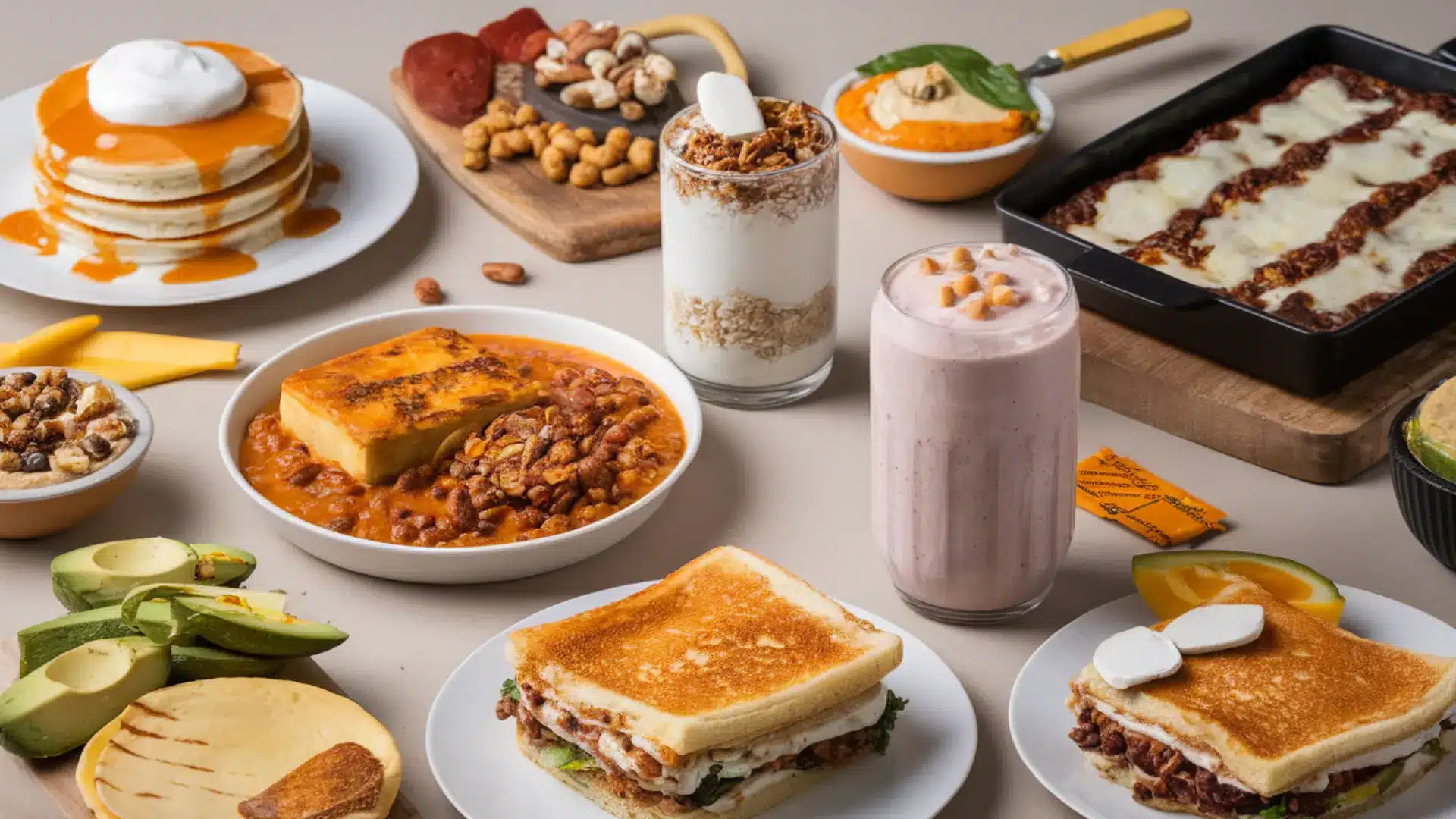
Adding dairy and eggs makes 200 grams on a vegetarian diet straightforward. This plan does not require protein powder, though one shake can make the logistics easier on busy days.
- Breakfast (50g): 4-egg omelet with cottage cheese mixed in (200g), topped with Greek yogurt (150g)
- Lunch (50g): Paneer tikka (200g paneer) with lentil dal (1 cup)
- Snack (20g): 1 cup Greek yogurt, string cheese
- Dinner (55g): Vegetarian lasagna with 1 cup ricotta, 1 cup mozzarella, egg-enriched sauce
- Evening (25g): 1 cup cottage cheese with a handful of mixed nuts
Daily total: ~200g protein, approximately 2,100–2,300 calories.
4. Keto High-Protein Meal Plan (200g Protein)
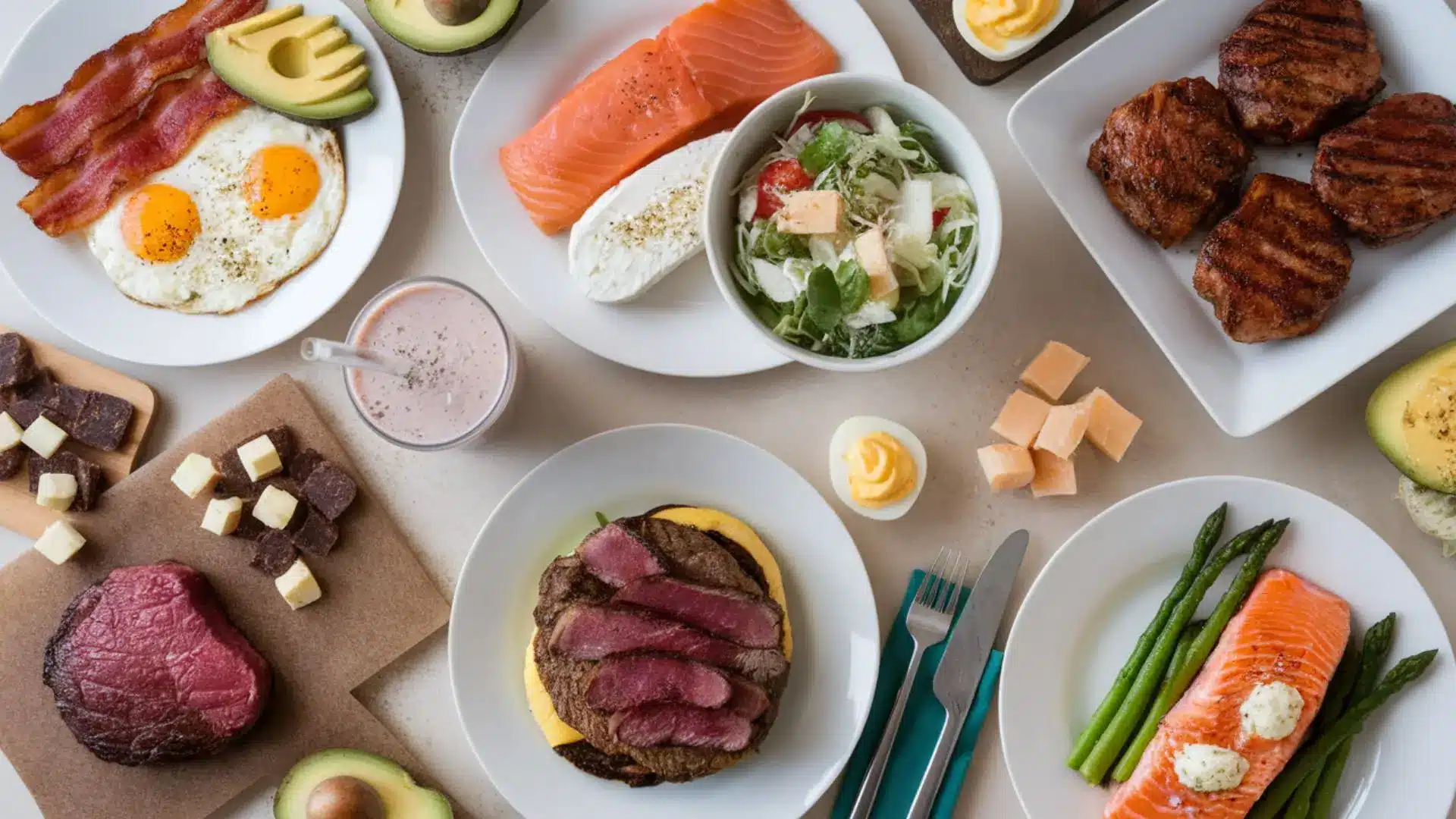
Keto and high protein work well together structurally, most animal proteins are naturally low in carbohydrates. The calorie density of fat-rich cuts means this plan tends to run higher in total calories, which matters if you are in a simultaneous fat-loss phase.
- Breakfast (45g): 4 whole eggs plus 4 egg whites, 4 strips bacon, 1 oz cheddar
- Lunch (55g): 8 oz grilled chicken thighs, full-fat Caesar salad with 2 oz Parmesan
- Snack (30g): 2 oz beef jerky, 1.5 oz cheese cubes, 2 hard-boiled eggs
- Dinner (60g): 10 oz ribeye or lean steak, green beans cooked in butter, asparagus
- Evening (10g): Deviled eggs (3 halves)
Daily total: ~200g protein, approximately 2,400–2,800 calories.
5. Mediterranean High-Protein Meal Plan (195–200g Protein)
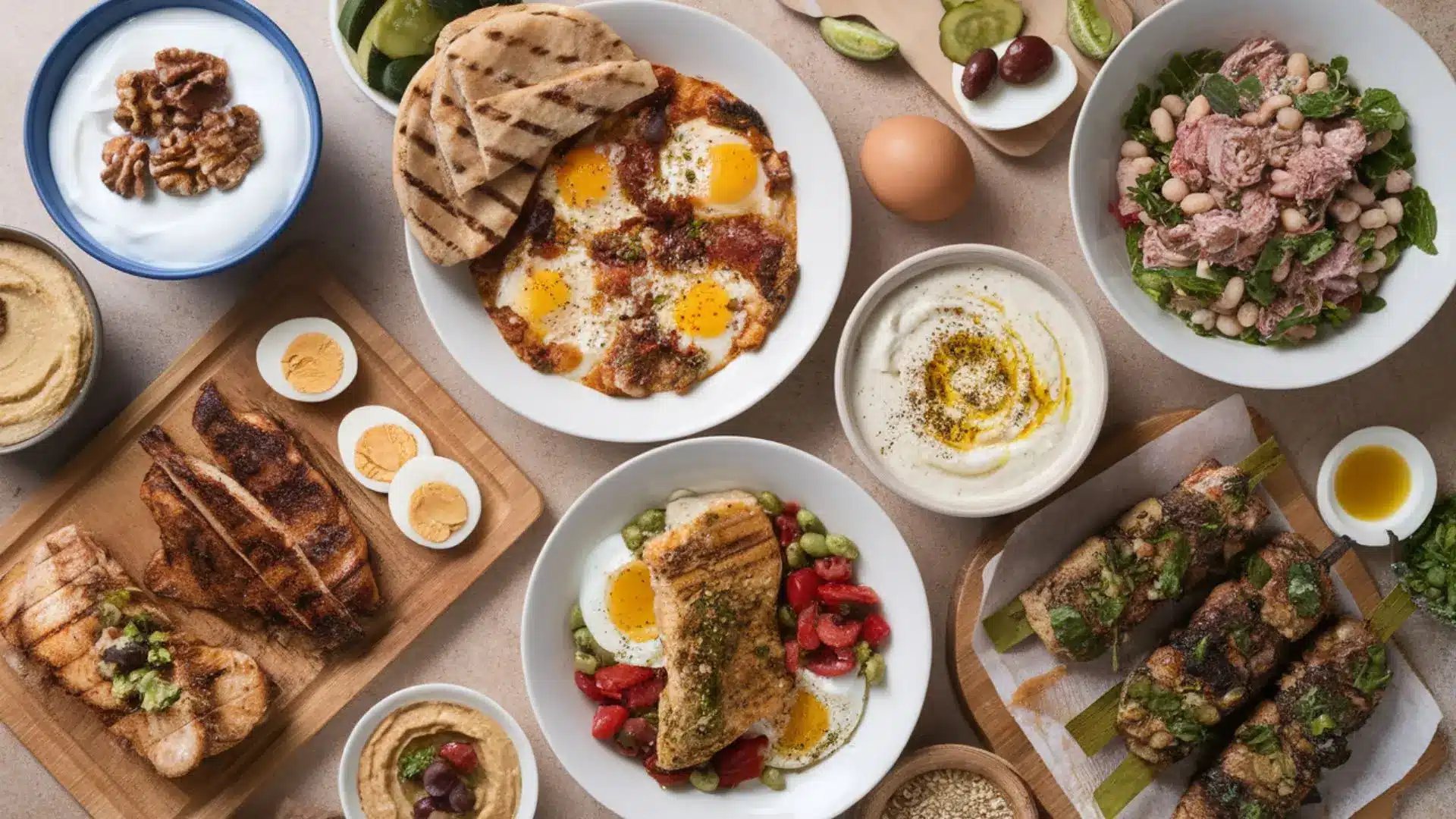
The Mediterranean approach pairs well with high protein goals because fatty fish like salmon and sea bass are already central to the diet. The additional challenge is that legumes and olive oil are calorie-dense, so total calories require monitoring.
- Breakfast (40g): 1 cup Greek yogurt, 3-egg shakshuka with feta, whole grain pita
- Lunch (50g): 8 oz grilled chicken souvlaki, tzatziki (made with 150g yogurt), white bean side salad
- Snack (20g): Hummus (3 tbsp) with hard-boiled eggs (2), raw vegetables
- Dinner (55g): 8 oz baked sea bass with chickpeas (1 cup) and tabbouleh
- Evening (30g): 1 cup Greek yogurt with pistachios
Daily total: ~195–200g protein, approximately 2,300–2,500 calories.
6. Paleo High-Protein Meal Plan (200g Protein)
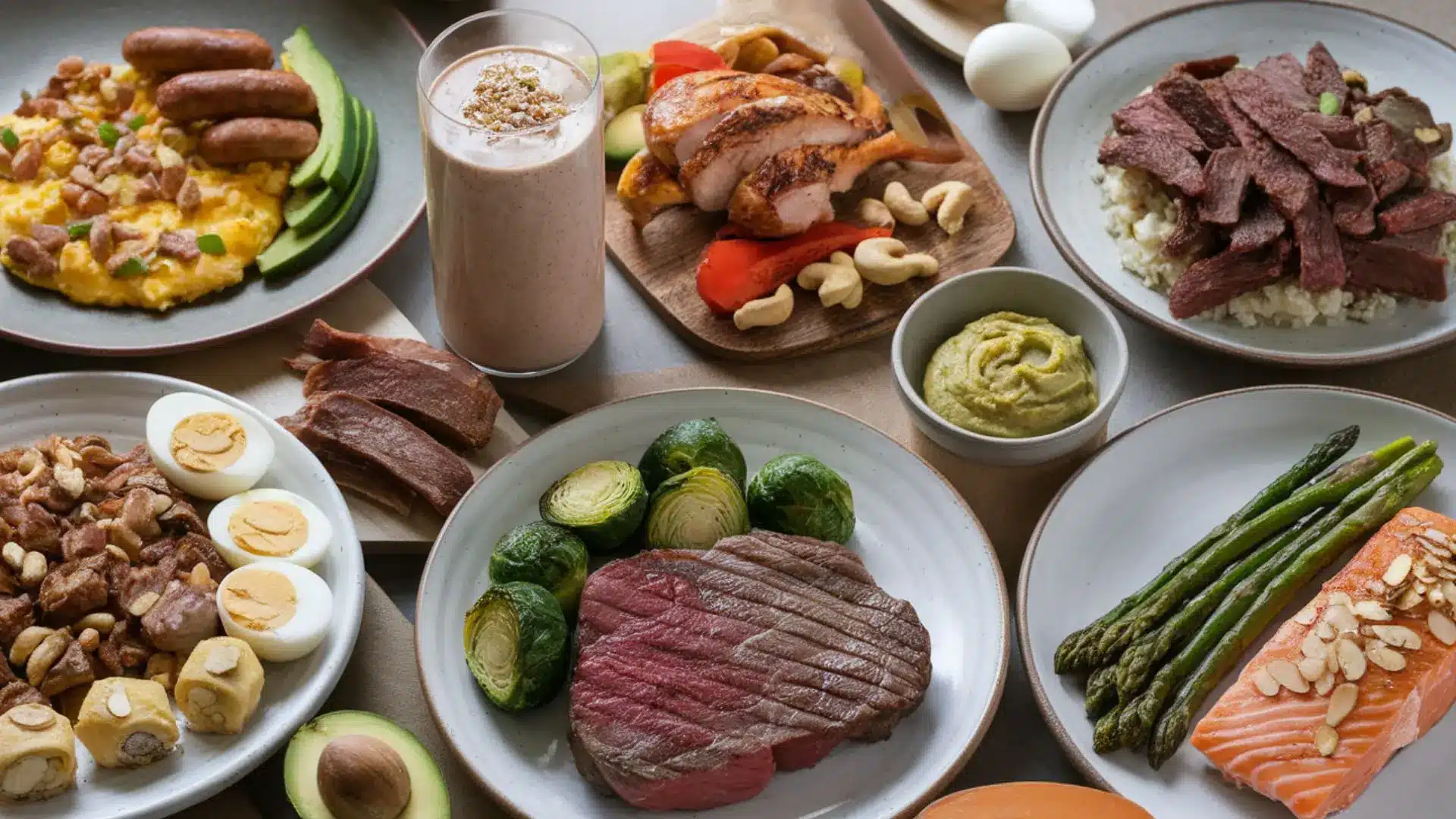
Paleo eliminates dairy and grains, which removes two of the most efficient protein-delivery vehicles (cottage cheese, Greek yogurt). Hitting 200 grams requires larger meat portions and careful attention to snacks.
Collagen powder can bridge small gaps without violating paleo principles, though it does not count toward complete protein because it lacks tryptophan.
- Breakfast (45g): 5-egg scramble with turkey sausage (4 oz), avocado
- Lunch (55g): 9 oz grilled chicken, roasted root vegetables, large mixed salad with cashews
- Snack (30g): 2 oz beef jerky, 1 oz macadamia nuts, 2 hard-boiled eggs
- Dinner (60g): 10 oz grass-fed steak or wild-caught salmon, roasted Brussels sprouts, sweet potato
- Evening (10g): Turkey roll-ups (3 slices deli turkey with guacamole)
Daily total: ~200g protein, approximately 2,300–2,600 calories.
Protein Quality and Leucine Threshold: Why the Source Matters
Two grams of protein are not equivalent just because the number is the same. Your body triggers muscle protein synthesis primarily through leucine, and the leucine content of protein sources varies substantially.
Animal proteins, chicken, beef, dairy, eggs, fish, deliver roughly 8 to 9% of their protein as leucine. Most plant proteins deliver 6 to 7%, with soy being the notable exception at closer to 8%.
The practical implication: you need approximately 2 to 3 grams of leucine per meal to maximally stimulate muscle repair. A 6 oz chicken breast delivers that cleanly.
Hitting the same threshold from rice protein alone requires a significantly larger serving. This does not mean plant proteins do not build muscle, they do, and the research is clear on that.
But it explains why plant-based athletes at 200 grams of protein often get better results than those at 150 grams from the same sources, and why leucine-rich plant choices (tempeh, edamame, black beans, pumpkin seeds) should anchor every plant-based meal.
Complete proteins from animal sources contain all nine essential amino acids in a single food. Plant proteins often need pairing across a meal or across the day, rice and beans together, for example, cover each other’s limiting amino acids.
Timing the pairing within the same meal appears to be less critical than previously thought, but getting the full amino acid spectrum across your eating window still matters.
Common Mistakes That Make 200g Unnecessarily Hard
Hitting 200 grams of protein doesn’t have to be complicated or exhausting. Many people struggle not because the goal is too ambitious, but because they fall into common traps that make the process harder than necessary.
- Relying only on shakes: Protein shakes leave you hungry and missing fiber, vitamins, and minerals from whole foods that support digestion and satisfaction.
- Forcing protein at one meal: Cramming 70-80 grams into one sitting causes bloating, discomfort, and poor absorption compared to spreading intake throughout your day.
- Cutting carbs too low: Your body needs carbohydrates for energy and workout performance; extremely low carb intake makes hitting protein targets feel exhausting, and when calories drop too aggressively, people often assume 200 grams of protein weight loss will happen automatically, even if overall intake is still too high.
- Ignoring hydration: High protein intake requires extra water for kidney function and digestion; dehydration causes fatigue, constipation, and makes eating protein harder.
- Skipping meal prep: Winging it daily without prepared protein sources leads to poor choices, missed targets, and relying on expensive convenience foods constantly.
Cost-Effective Ways to Hit 200 Grams Without Breaking the Budget
Hitting 200 grams of protein daily doesn’t have to rely on expensive cuts like salmon or steak. Several everyday grocery staples offer high protein at a much lower cost per gram. The table below breaks down the most budget-friendly options using typical USDA nutrition values and average retail pricing.
| Food Source | Protein Content | Typical Cost | Cost Efficiency Insight |
|---|---|---|---|
| Chicken leg quarters | ~18g per 100g cooked | ~10 lb bag for <$10 | One of the cheapest complete protein sources per serving |
| Canned tuna (water) | ~35g per 5 oz can | ~$1.50 per can | Extremely high protein density for the price |
| Eggs | ~72g per dozen | ~$3.50–$4.50 | Affordable complete protein with strong versatility |
| Low-fat cottage cheese | ~84g per 24 oz | ~$4–$5 | High protein per container, good for meal spacing |
| Dry lentils & chickpeas | ~50g+ per lb (dry) | <$2 per lb | Very low cost plant protein with fiber bonus |
| Frozen edamame | ~18g per cup | ~$3–$4 per lb | Strong plant protein with quality amino acid profile |
A 200-gram protein day built around chicken, tuna, eggs, and cottage cheese typically falls in the $8–$12 daily range, depending on location and portion sizes. Higher-cost proteins like salmon or steak can still fit occasionally if the core staples remain budget-focused.
Hydration and Kidney Health at High Protein Intakes
High protein diets increase the kidney’s workload for processing and excreting nitrogenous waste. For healthy individuals without pre-existing kidney disease, this is not a medical concern, research does not support the idea that high protein intake causes kidney damage in people with normal kidney function. However, the increased metabolic load does raise water needs.
A practical target for someone eating 200 grams of protein daily is at least 3 to 4 liters of water per day, more during heavy training sessions or in hot weather. Chronic low-grade dehydration at high protein intakes can contribute to constipation, fatigue, and reduced digestive comfort.
Beyond hydration, it is worth knowing the physical signs of too much protein intake, digestive discomfort, persistent thirst, and unusual fatigue are early indicators that your intake may be outpacing what your body can efficiently process at your current hydration and calorie level. If you have existing kidney conditions, discuss high-protein intake with your physician before making changes.
People who have noticed protein in steak varying significantly across cuts will also want to account for sodium, especially on plans heavy in cured meats, aged cheese, and jerky, since high sodium amplifies fluid needs further.
Frequently Asked Questions
Does protein quality matter when trying to reach 200 grams daily?
Yes, protein quality affects how efficiently your body uses it for muscle repair. Animal proteins like eggs, chicken, and dairy provide all essential amino acids, while plant proteins often need combinations like rice and beans to achieve the same amino acid profile.
Can eating 200 grams of protein affect digestion long term?
It can, if fiber and water intake are low. High protein diets may slow digestion or cause bloating when meals lack vegetables or whole grains. Balancing protein with fiber-rich foods helps maintain gut comfort.
Is it better to eat whole foods or rely on protein shakes for 200 grams?
Whole foods should form the base because they provide vitamins, minerals, and satiety. Protein shakes are best used as a backup to fill gaps, not as the main source of daily protein.
Why do some people struggle more than others to hit 200 grams?
It usually depends on body weight, appetite, and meal structure. People who don’t plan meals or underestimate portions often find it harder. Larger individuals or athletes typically find it easier due to higher calorie needs.
Does cooking method change protein content in food?
No, cooking does not significantly change protein content. It mainly affects fat and calorie levels. For example, frying increases calories due to oil absorption, but protein remains nearly the same.
Can you build muscle if you occasionally miss 200 grams?
Yes. Missing the exact target occasionally does not impact muscle growth. Consistency over time and hitting a reasonable daily range (not perfection every day) matters more than hitting exactly 200 grams.
Ready to Hit Your Protein Goal
Reaching 200 grams of protein a day is not about eating perfectly, it is about eating deliberately.
I have covered which foods carry the most protein per serving, how to structure your meals across the day, and why spreading your intake evenly matters more than timing it precisely.
You now have six diet-specific plans, a cost breakdown, and answers to the questions that actually come up when people start tracking this seriously. What you do with that structure is up to you.
Pick the meal plan that fits your diet, start weighing your portions for the first two weeks, and adjust from there. If you found this helpful, drop a comment below or share it with someone building their nutrition plan right now.






2 Responses
I’m desparately trying to lose weight and get my health back. I believe our bodies were made to heal themselves with proper nutrition.
I want to eat healthy with extremely little to no soy. I’m allergic to zinc. I have a milk sensitivity.
My body is riddled with arthritis, with my back and wrist being affected most. I’m also suspect for EDS (Ehlors Danlos Syndrome). I used to lift weights as a teeneger. I have knee stability issues.
I’m not a fish eater, though I can eat shrimp and a fish that doesn’t taste like fish. I can eat scrambled eggs and omlets, but no hard boiled eggs or over easy eggs. (It is a texture thing; I gag and/or vomit.) I’ve learned how to eat egg whites by scrambling them with peppers and onions. If I don’tcest, I gain weighy. If I eat too much, I can weight. There has GOT to be some middle ground or formula to eating the right foods and losing weight.
I don’t have health insurance nor money to get it and keep it.
I do stretch and doing my bestv to gain strength. I walk (when I wrk) 3 to 4 miles a day. (Short stents with multiple breaks.)
Please help me. Thank you.
Please help me.
Appreciate it for helping out, great information.