

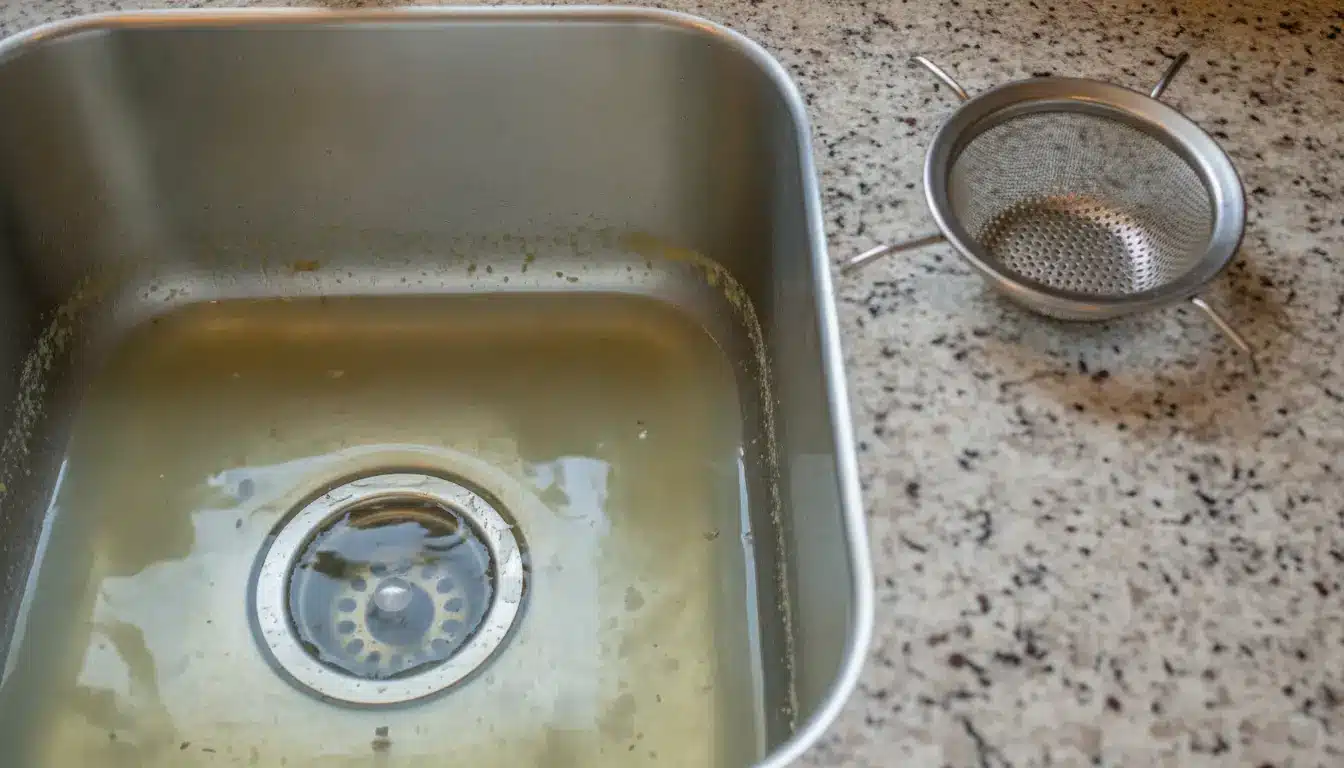
Your kitchen drain puts up with a lot – cooking oil, soap residue, food scraps, coffee grounds – and for most of the year, it handles all of it without complaint. That’s exactly what makes a developing clog so easy to miss. By the time water starts backing up into the sink, the problem has usually been building for weeks.
The good news: drains give you plenty of warnings before things get serious. Learning to recognize them early means the difference between a $10 fix and an expensive repair call. Here’s what to watch for before your kitchen drain decides to make your Tuesday morning a whole lot worse.
1. Slow Draining That Wasn’t There Last Month
A sink that drains slowly is the most obvious early signal – and the most commonly ignored. Slow drainage happens when grease and soap build up along the interior walls of the pipe, narrowing the passage until water has nowhere to go quickly.
It rarely happens overnight. You might notice the water sitting for an extra few seconds after washing dishes. Then a minute. Then five. Each stage feels minor enough to dismiss, but the timeline from “slightly slow” to “fully backed up” can be surprisingly short – especially in colder months when fats congeal faster inside pipes.
Run hot water for 30 seconds after doing dishes. If the water level rises before it drains, that’s your cue to act now rather than later.
2. Gurgling Sounds After the Water Drains
That hollow, bubbling sound your drain makes after the sink empties isn’t just a quirk of old plumbing. Gurgling means air is trapped somewhere in the pipe – usually because a partial blockage is forcing water to squeeze around it, pulling air through gaps as it goes.
You might also hear it from the pipes under the sink, or even in a nearby drain when you run water somewhere else entirely. Any gurgling that’s new – or that’s gotten noticeably louder over the past few weeks – deserves attention. Left alone, that partial blockage will keep accumulating until it’s total.
At this point, a drain snake or an enzyme-based cleaner can still handle the job without professional help. But if the gurgling returns within a few days of trying those, the clog has likely settled deeper in the line. Homeowners often turn to Ben’s Plumbing at that stage – they offer efficient clogged drain solutions for Renton homeowners and start with a clear diagnostic before recommending any work, which takes a lot of the guesswork out of the situation.
3. Recurring Standing Water
Some clogs clear themselves temporarily – hot water from dishes or a hard scrubbing session with dish soap can push a blockage further down the pipe. You’ll think the problem is solved. Three days later, the same puddle of water sits at the bottom of your sink again.
Intermittent standing water is actually harder to diagnose than a persistent clog, because it tricks homeowners into thinking they’ve handled it. If your sink has backed up more than once in a two-month window, the underlying accumulation hasn’t cleared – it’s just shifted position.
4. An Odor That Doesn’t Wash Away
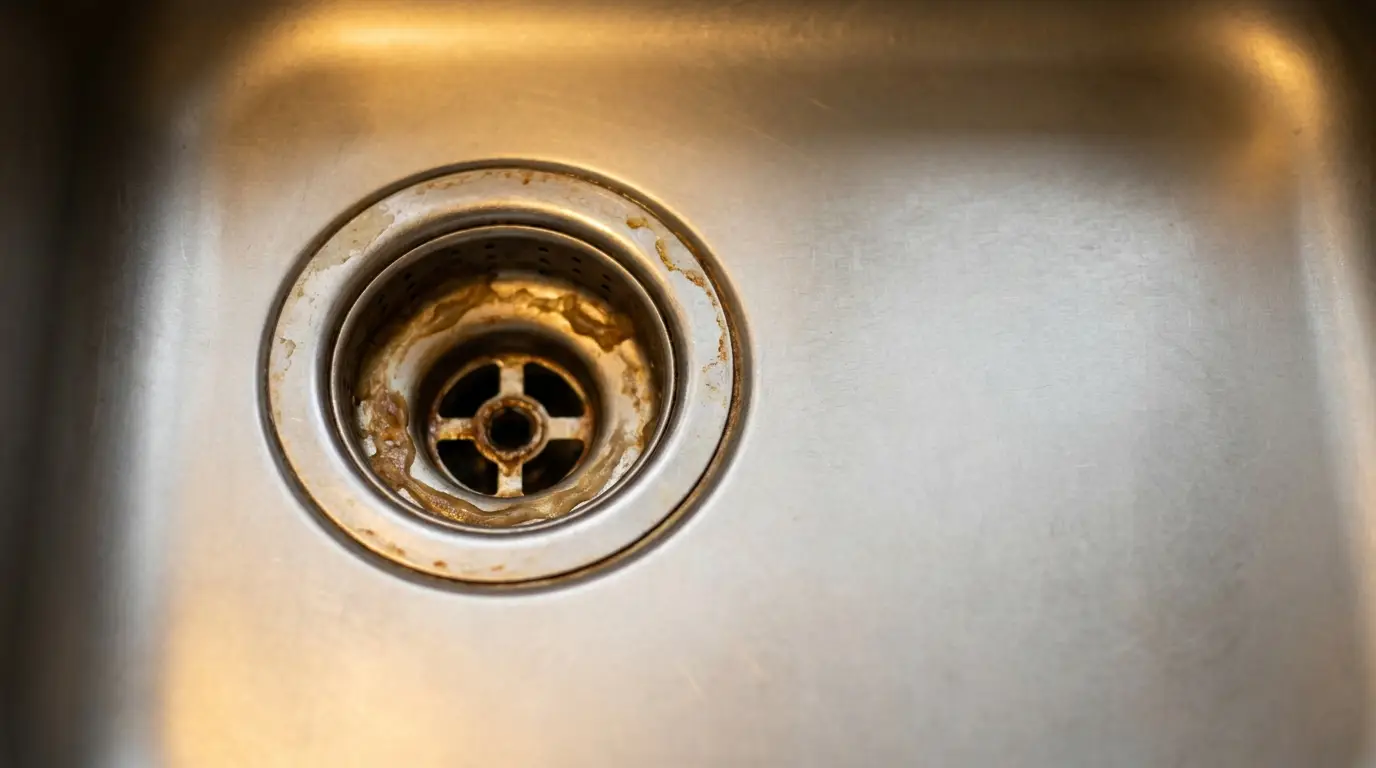
Kitchen drains smell. That’s unavoidable when you’re rinsing plates, pouring out cooking water, and washing proteins. A quick rinse with dish soap or a baking soda flush usually handles routine drain odor just fine.
A smell that returns within hours – or that lingers even when the sink is completely empty – points to something different. Trapped food debris, grease coating the inside of the pipe, or organic buildup sitting around a partial clog can all produce a persistent, sour smell that no surface-level cleaning will fix.
Signs the odor has crossed from normal to concerning:
- It’s strongest when you run water, not just when you lean over the drain
- You can smell it from across the kitchen, not only up close
- Boiling water makes it temporarily better, but it returns by morning
If baking soda and vinegar aren’t making a lasting difference, the source is likely deeper than the drain opening itself.
5. Fruit Flies Around a Clean Sink
You scrubbed the sink, emptied the trash, and wiped down every surface – yet fruit flies keep hovering near the drain. This one surprises people, but it’s a reliable indicator of organic buildup sitting inside the pipe.
Fruit flies don’t need much: a thin layer of decomposing food residue coating the interior walls of a drain is enough to attract them. If they’re appearing consistently near the kitchen sink rather than near fruit bowls or the trash can, the drain is almost certainly the source.
A pipe brush combined with an enzyme-based drain cleaner (not bleach, which doesn’t break down grease effectively) can help. Persistent fruit fly activity after that kind of cleaning usually means the buildup is further down than a brush can reach.
6. Water Backing Up Into the Second Sink Basin
Many kitchen sinks have two basins. When you run water on one side and see it appear – or bubble up – on the other, the shared drain line beneath both basins is significantly blocked.
At this stage, the clog has moved past the simple p-trap beneath one sink and settled into the shared pipe further down. DIY solutions like plunging or drain cleaner are unlikely to fully clear it, and forcing the issue can sometimes push the blockage deeper into the line.
A Few Habits That Keep Drains Clear Longer
Prevention isn’t complicated, but it does require a little consistency. These habits make a real difference over time:
- Pour cooking grease into a jar and throw it in the trash – never down the drain, even with hot water running
- Run cold water for 15 seconds before and after using the garbage disposal
- Use a mesh drain strainer to catch food particles, and empty it after every meal
- Flush the drain monthly with boiling water followed by a baking soda and white vinegar soak
- Avoid putting fibrous vegetables – celery, artichoke leaves, corn husks – through the disposal
None of these take more than a minute. Collectively, they can add years to the life of your drain pipes and save you a fair amount on repair costs over time.
Clogs don’t announce themselves – they build quietly until they can’t be ignored. Catching the early signs means smaller fixes, less disruption, and no emergency calls on a Sunday evening. Keep an eye (and an ear) on how your drain behaves week to week, and it’ll rarely catch you off guard.