

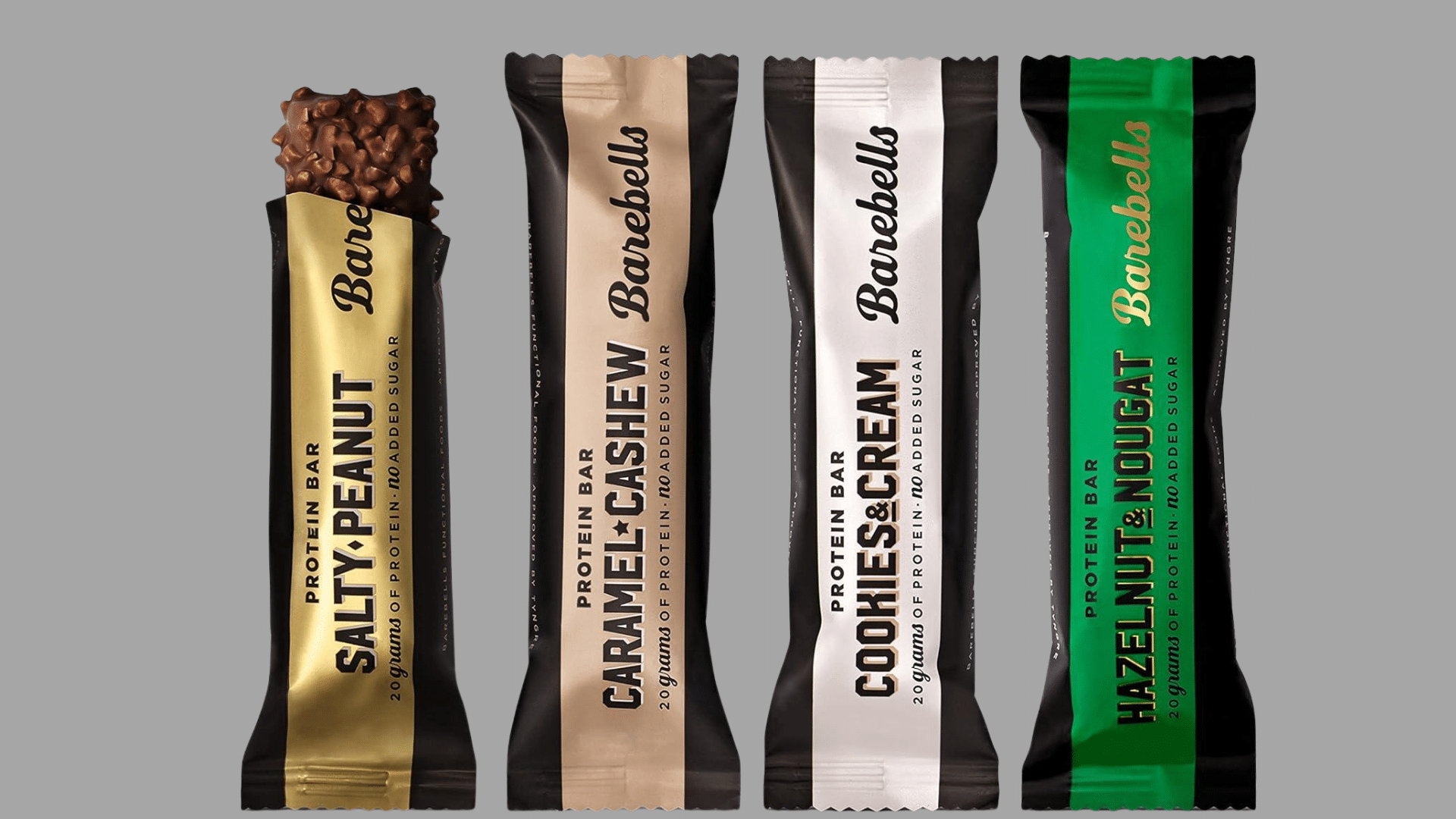
Finding a protein bar that tastes good and offers solid nutrition is not always easy. Barebells protein bars have become a popular choice because of their candy bar-like flavor and high protein content, but many shoppers still question whether they are actually a healthy option.
When looking into whether our Barebells protein bars arehealthy, it helps to go beyond the marketing on the wrapper.
The ingredient list, protein source, sugar content, calories, and level of processing all matter.
This article looks at the nutrition facts, ingredients, potential benefits, and possible drawbacks to help you decide if Barebells protein bars are a good fit for your diet and health goals.
What Are Barebells Protein Bars?
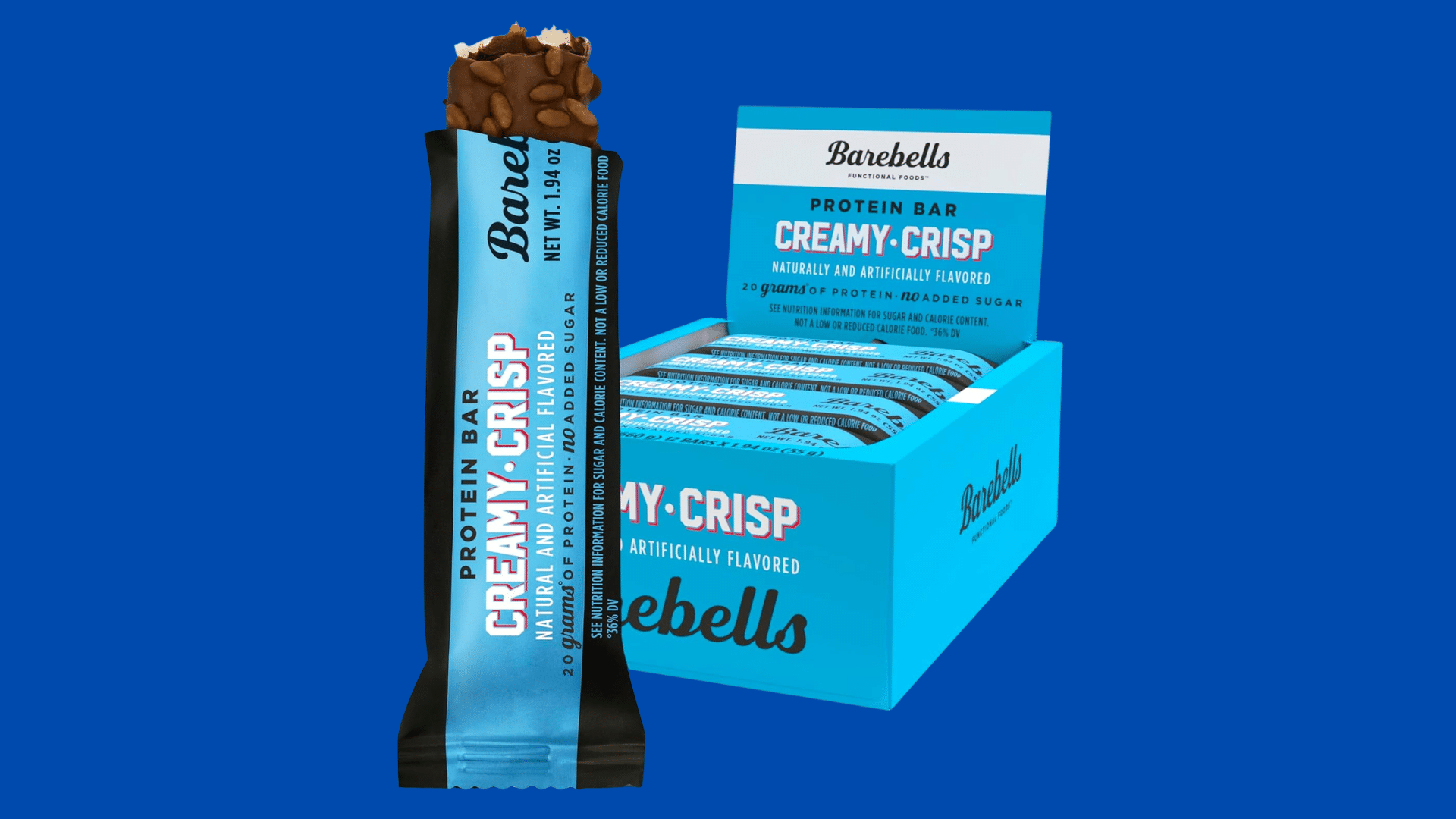
Barebells protein bars are ready-to-eat, high-protein snack bars designed to provide a convenient source of protein without excessive added sugar.
They are popular among gym-goers, busy professionals, and anyone looking for a filling snack between meals.
Most flavors contain about 20 grams of protein and around 190–210 calories. Unlike many traditional protein bars, Barebells are known for their soft texture and dessert-like taste.
They are sold in grocery stores, fitness retailers, and online throughout the United States, making them an easy option for people who want a portable protein snack.
Are Barebells Protein Bars Healthy?
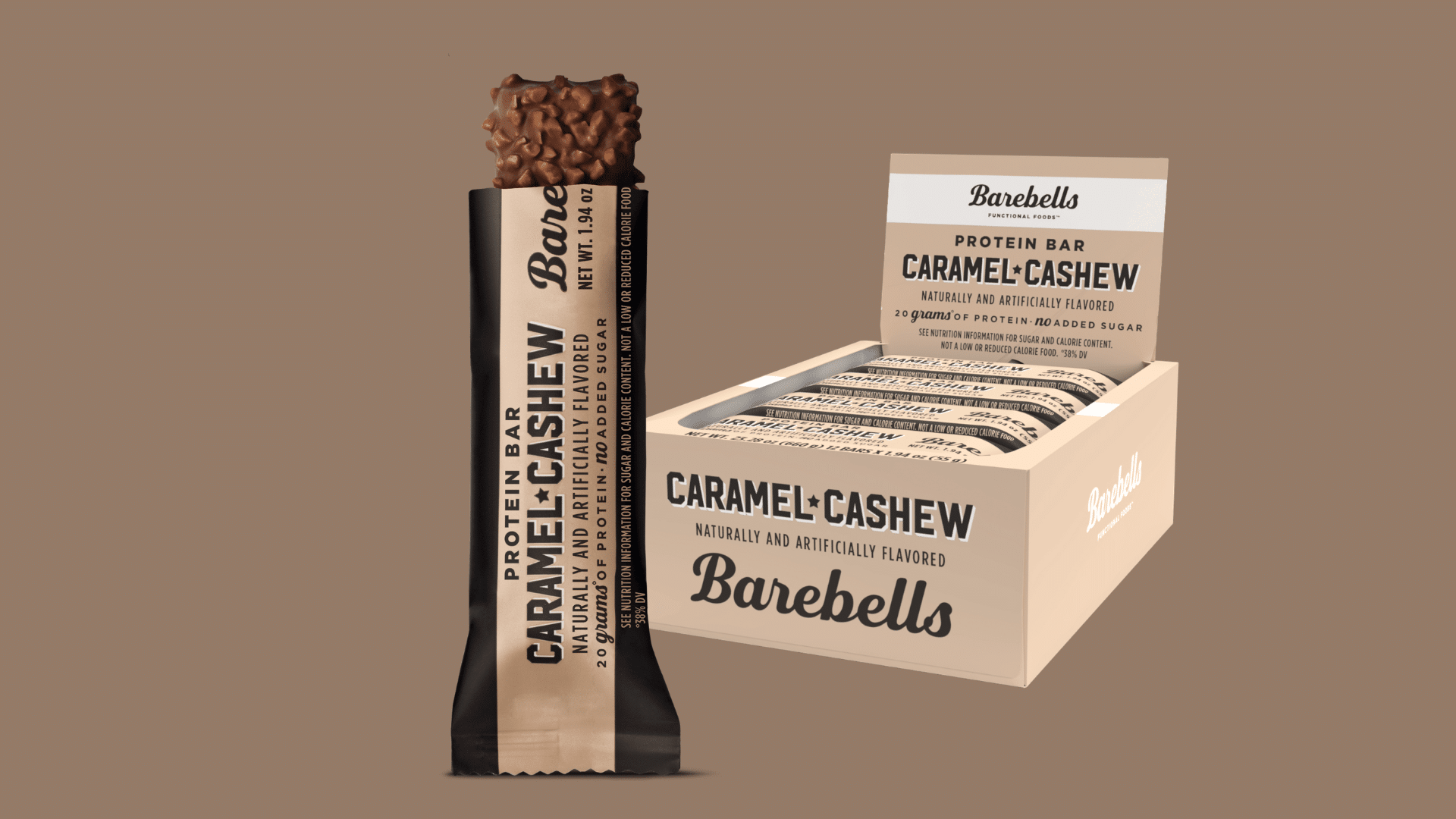
There is no single factor that determines whether a protein bar is healthy. Looking at its nutrition, ingredients, sugar content, and how it compares with similar bars gives a more complete answer.
1. Nutrition Facts
Most Barebells protein bars contain about 190–210 calories, 20 grams of protein, 7–8 grams of fat, and only 1–2 grams of sugar, though values vary slightly by flavor.
They also provide a small amount of fiber and carbohydrates to support satiety. This balance makes them a filling snack or post-workout option for many adults.
While the nutrition profile is stronger than many candy bars, it should still fit within your daily calorie and protein goals.
2. Ingredient Analysis
Barebells protein bars are made with ingredients such as milk protein, whey protein isolate, cocoa butter, vegetable oils, flavorings, emulsifiers, and sweeteners.
Milk protein and whey are complete proteins that support muscle maintenance and recovery. At the same time, these bars are considered ultra-processed because they rely on refined ingredients rather than whole foods.
They can be part of a balanced diet, but they should not replace nutrient-rich foods like dairy, eggs, nuts, fruits, and vegetables.
3. Sugar Content
One reason Barebells protein bars stand out is their low sugar content. Most flavors contain only 1–2 grams of sugar, with sweetness coming mainly from maltitol and sucralose instead of added sugar.
This can help people reduce their sugar intake while still enjoying a sweet snack.
Even so, sugar alcohols such as maltitol may cause bloating, gas, or digestive discomfort in some people, especially when eaten in larger amounts.
4. Calories and Macronutrients
Most Barebells protein bars contain around 190–210 calories, making them similar in calories to many snack bars but with much more protein.
A typical bar provides about 20 grams of protein, 7–8 grams of fat, and 18–20 grams of carbohydrates, though the exact amounts vary by flavor.
This balance can help satisfy hunger and support muscle recovery after exercise. Even so, the calories still count toward your daily intake, so portion control remains important, especially if you’re trying to lose weight.
5. Overall Health Verdict
Barebells protein bars can be a healthy snack for most adults when eaten in moderation as part of a balanced diet.
They provide quality protein, keep added sugar low, and are convenient for busy days or post-workout recovery.
Their biggest drawbacks are the ultra-processed ingredients and sugar alcohols, which may not suit everyone. If you mainly eat whole, nutrient-dense foods, enjoying a Barebells protein bar occasionally can fit well within a healthy eating pattern.
Barebells Protein Bar Nutrition Facts at a Glance
A quick look at the nutrition label makes it easier to understand what you’re getting in each bar. Values vary slightly by flavor, but most Barebells protein bars fall within these ranges.
| Nutrient (Per Bar) | Typical Amount | Why It Matters |
|---|---|---|
| Calories | 190–210 kcal | Suitable as a snack or post-workout option. |
| Protein | 20 g | Supports muscle repair and helps keep you full. |
| Total Fat | 7–8 g | Contributes to energy and texture. |
| Saturated Fat | 4–5 g | Best enjoyed in moderation as part of a balanced diet. |
| Carbohydrates | 18–20 g | Provides energy for daily activities. |
| Total Sugar | 1–2 g | Lower than many regular snack bars. |
| Sugar Alcohols | Varies by flavor | Adds sweetness with less sugar but may upset digestion in some people. |
| Fiber | 3–4 g | Helps support fullness and digestive health. |
| Sodium | 170–250 mg | A moderate amount that fits most diets when consumed occasionally. |
Benefits of Barebells Protein Bars
Barebells protein bars offer more than just protein. When used appropriately, they can provide several practical benefits for active lifestyles and busy schedules.
- High in Protein: Each bar provides around 20 grams of complete protein from milk and whey, helping support muscle maintenance and recovery after exercise.
- Low in Added Sugar: Most flavors contain only 1–2 grams of sugar, making them a lower-sugar alternative to many chocolate bars and sweet snacks.
- Convenient to Carry: They require no preparation or refrigeration, making them easy to pack for work, travel, school, or the gym.
- Helps Keep You Full: The combination of protein, fat, and fiber may help reduce hunger between meals and curb cravings for sugary snacks.
- Suitable for Post-Workout Recovery: The protein content makes Barebells bars a practical option after resistance training when you need a quick source of protein.
- Dessert-Like Taste: Many people enjoy their soft texture and chocolate-like flavor, making them easier to eat consistently than some traditional protein bars.
What Are People Saying About Barebells Protein Bars?
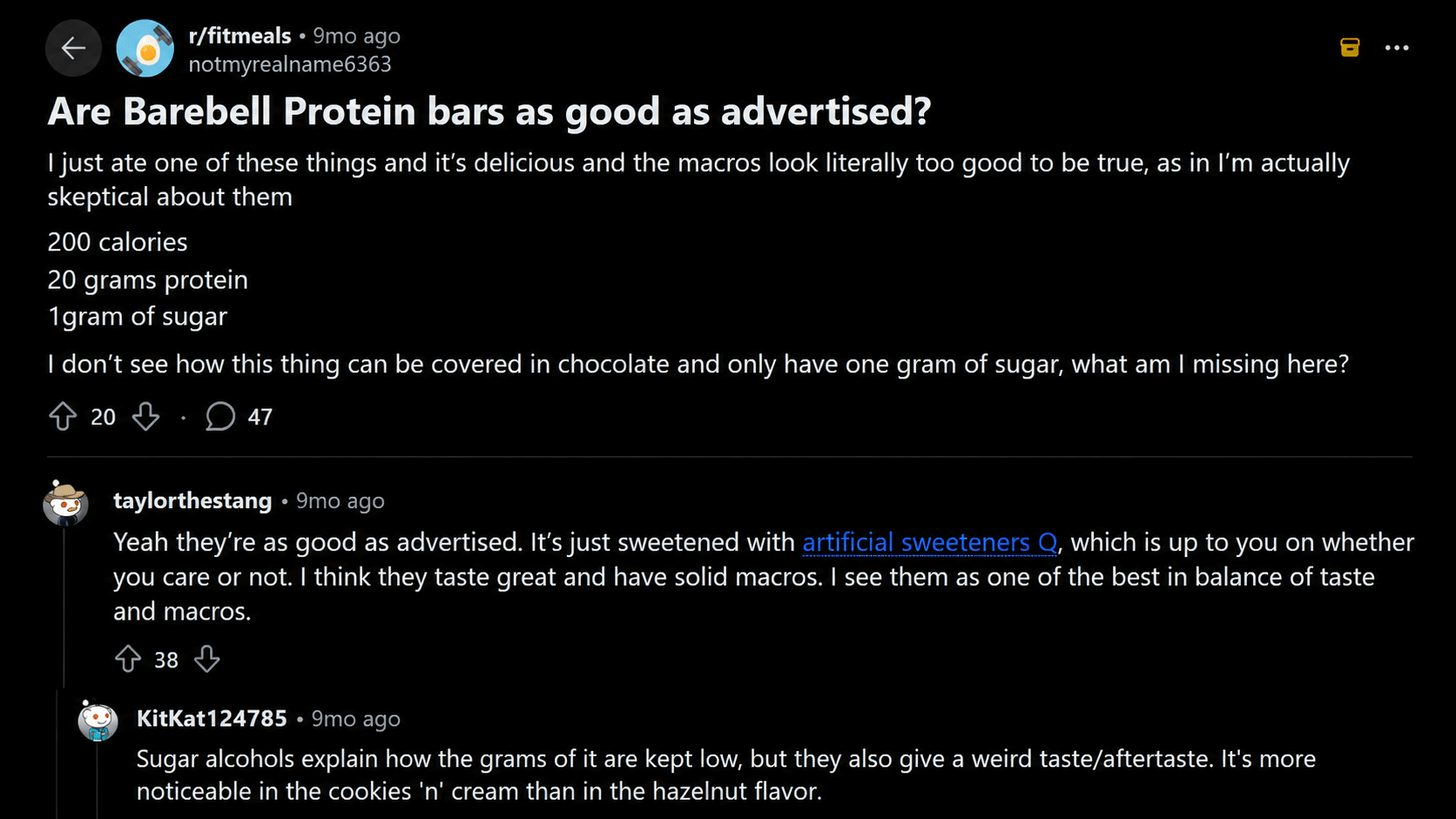
Reddit discussions about Barebells protein bars are largely positive, with most users praising their taste, high protein content, and low sugar profile.
Many commenters describe the bars as among the best-tasting protein options, comparing some flavors to popular chocolate bars and appreciating the 20 grams of protein per serving.
At the same time, several users note that the sweetness comes from sugar alcohols and artificial sweeteners, which may leave an aftertaste or cause digestive discomfort for some people.
Price is another common concern, with many considering Barebells more expensive than competing brands.
Overall, Reddit users rate Barebells protein bars highly for their taste and protein content. However, price, sugar alcohols, and individual digestive tolerance are the main factors that influence buying decisions.
How Often Should You Eat Barebells Protein Bars?
Barebells protein bars can be eaten several times a week as part of a balanced diet, but they are best used as a convenient snack rather than an everyday meal replacement.
They are most useful after workouts, while traveling, or on busy days when whole-food options are unavailable.
Although they provide a good amount of protein, they do not offer the same range of nutrients as minimally processed foods.
Regular meals and snacks should primarily include foods such as Greek yogurt, eggs, lean meats, fruit, vegetables, nuts, and whole grains.
Using Barebells occasionally alongside these nutrient-rich foods can support a healthy eating pattern while adding convenience when needed.
Are There Any Downsides to Barebells Protein Bars?
Barebells protein bars can be useful, but they also have a few limits. Knowing these drawbacks helps you decide how often they fit into your diet.
- They Are Highly Processed: Barebells bars contain protein isolates, sweeteners, flavorings, and emulsifiers. These ingredients improve taste and texture but offer fewer natural nutrients than whole foods.
- Sugar Alcohols May Affect Digestion: Maltitol and similar sweeteners may cause gas, bloating, or stomach discomfort in some people, especially when several bars are eaten.
- Calories Can Add Up: One bar usually contains around 190–210 calories. Frequent snacking can increase your daily calorie intake without you noticing.
- They Are Low in Whole-Food Nutrients: Barebells bars provide protein but contain fewer vitamins, minerals, antioxidants, and natural fiber than fruit, nuts, yogurt, or eggs.
- They Should Not Replace Meals: A protein bar may help on busy days, but it does not provide the balanced nutrition of a complete meal.
Barebells vs Other Popular Protein Bars
Different protein bars are designed for different goals. Looking at them side by side makes it easier to choose the one that best fits your nutrition needs.
| Feature | Barebells | Quest | RXBAR | ONE Bar |
|---|---|---|---|---|
| Protein | 20 g | 20–21 g | 12 g | 20 g |
| Calories | 190–210 | 180–200 | 210–220 | 220–230 |
| Sugar | 1–2 g | Less than 1 g | 13–17 g (natural sugars) | 1 g |
| Protein Source | Milk protein and whey | Milk protein isolate | Egg whites | Milk protein isolate |
| Sweetener | Maltitol and sucralose | Erythritol and sucralose | No artificial sweeteners | Maltitol and sucralose |
| Ingredient Style | Ultra-processed | Ultra-processed | Simpler whole-food ingredients | Ultra-processed |
| Best For | Great taste and balanced nutrition | Higher fiber and low sugar | Minimal ingredients | High protein with dessert-like flavor |
Why Does Reading the Ingredient Label Matter?
Checking the ingredient label can help you understand what you are eating beyond just the protein and calorie numbers.
It shows the types of sweeteners, protein sources, fiber, fats, and other ingredients used to create the bar.
For Barebells protein bars, looking at the label helps you compare flavors, understand nutritional differences, and choose an option that fits your personal preferences.
Ingredients can also explain why some bars have a softer texture, sweeter taste, or higher fiber content. Reading labels makes it easier to make informed snack choices that align with your dietary needs and goals.
It also helps identify potential allergens, artificial additives, or ingredients that may not suit certain dietary preferences or sensitivities.
Comparing labels between brands allows you to choose a protein bar based on overall nutrition, not just front-of-package marketing claims.
Do’s and Don’ts of Eating Barebells Protein Bars
Small choices can make a big difference in how protein bars fit into your diet. Following these simple tips can help you get the most benefit from each bar.
| Do | Don’t |
|---|---|
| Eat them as a snack or after a workout. | Replace balanced meals with protein bars. |
| Include plenty of whole foods in your diet. | Assume low sugar means you can eat unlimited bars. |
| Read the nutrition label before buying. | Ignore calories if you’re watching your weight. |
| Drink enough water, especially with high-protein snacks. | Eat several bars in one day unless they fit your nutrition plan. |
| Pay attention to how your body reacts to sugar alcohols. | Keep eating them if they regularly cause digestive discomfort. |
How to Make Barebells Protein Bars Part of a Healthy Diet
Barebells protein bars can be a convenient addition to a balanced diet when used in moderation. Pairing them with whole, nutrient-rich foods helps support better overall nutrition and long-term healthy eating habits.
- Use as a Snack, Not a Meal Replacement: Enjoy Barebells bars between meals or after exercise, rather than relying on them as a regular meal replacement.
- Pair with Whole Foods: Combine the bar with fresh fruit, yogurt, or nuts to add fiber, vitamins, minerals, and healthy fats.
- Support Post-Workout Recovery: Eat a bar after exercise to help replenish protein, especially when a balanced meal is not immediately available.
- Keep Portions in Mind: Include the bar within your daily calorie needs, particularly if managing weight or tracking overall food intake.
- Prioritize Whole Foods First: Use Barebells as a convenient option on busy days while getting most nutrients from minimally processed foods.
Should You Buy Barebells Protein Bars?
Yes, Barebells protein bars are worth buying if the goal is a convenient, high-protein snack with very little sugar.
They work well for post-workout recovery, busy schedules, or travel when whole-food options are not readily available.
However, they are still processed snacks and contain sugar alcohols and artificial sweeteners that may not suit everyone.
Those who prefer minimally processed foods or have digestive sensitivities may find other protein bars or whole-food snacks a better choice.
Rather than judging the product on protein alone, consider its ingredients, nutritional profile, and how it fits into an overall balanced diet. The best protein bar is one that supports your health goals and personal preferences.
Common Myths About Barebells Protein Bars
Protein bars are often surrounded by mixed opinions, making it difficult to separate facts from marketing claims.
| Myth | Fact |
|---|---|
| Barebells protein bars are as healthy as whole foods. | They provide quality protein but cannot match the nutrient profile of a balanced whole-food meal. |
| Low sugar means you can eat as many as you want. | They still contain calories and should fit within your daily energy needs. |
| Every protein bar is the same. | Nutrition, ingredients, protein quality, and sweeteners vary widely between brands. |
| Barebells protein bars are only for athletes. | They can also be useful for busy adults who need a convenient, high-protein snack. |
| Eating a protein bar automatically helps with weight loss. | Weight management depends on your overall calorie intake, activity level, and eating habits, not one food alone. |
Conclusion
Barebells protein bars can be a practical addition to a healthy diet when convenience matters most. They deliver a good amount of protein with very little sugar, making them a useful option after workouts, during travel, or on busy days.
However, they are still a processed snack, so they work best alongside a diet built around whole foods such as lean proteins, fruits, vegetables, whole grains, and healthy fats.
Choose a protein bar based on your nutrition needs, ingredient preferences, and eating habits, not marketing claims.
In moderation, Barebells protein bars can fit into a balanced diet without replacing nutritious meals.
Have you tried Barebells protein bars? Share your favorite flavor or experience in the comments below and help other readers make an informed choice.
Frequently Asked Questions
Can Barebells Protein Bars Replace a Meal?
No, they work better as snacks or post-workout options because balanced meals provide more fiber, vitamins, minerals, and food variety.
Are Barebells Protein Bars Keto-Friendly?
Some flavors may fit a lower-carb diet, but they are not made specifically for keto. Check the label for total and net carbs.
Do Barebells Protein Bars Contain Gluten?
Some flavors may contain gluten or wheat-based ingredients. Always check the ingredient list and allergen statement on the specific product.