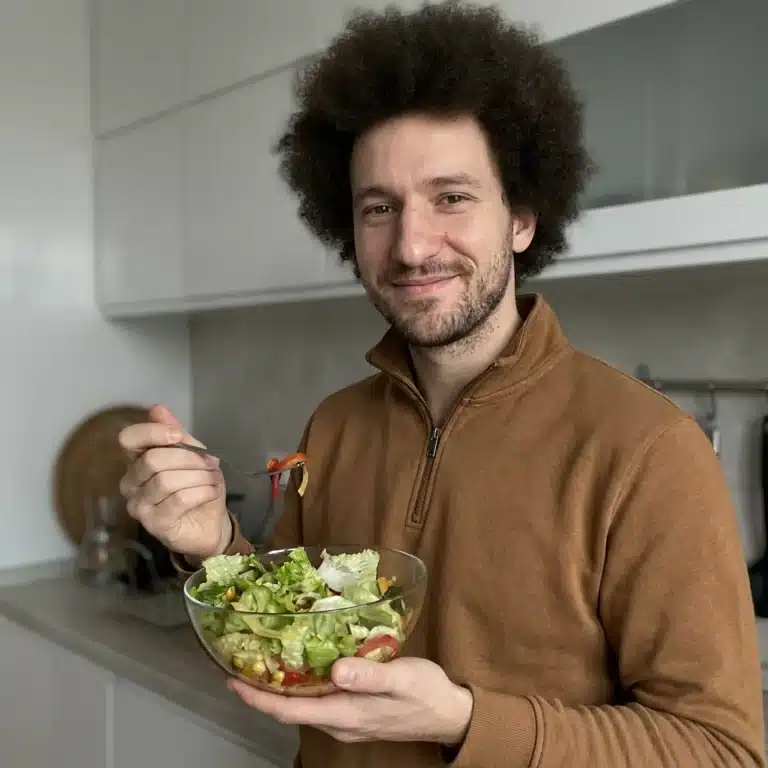

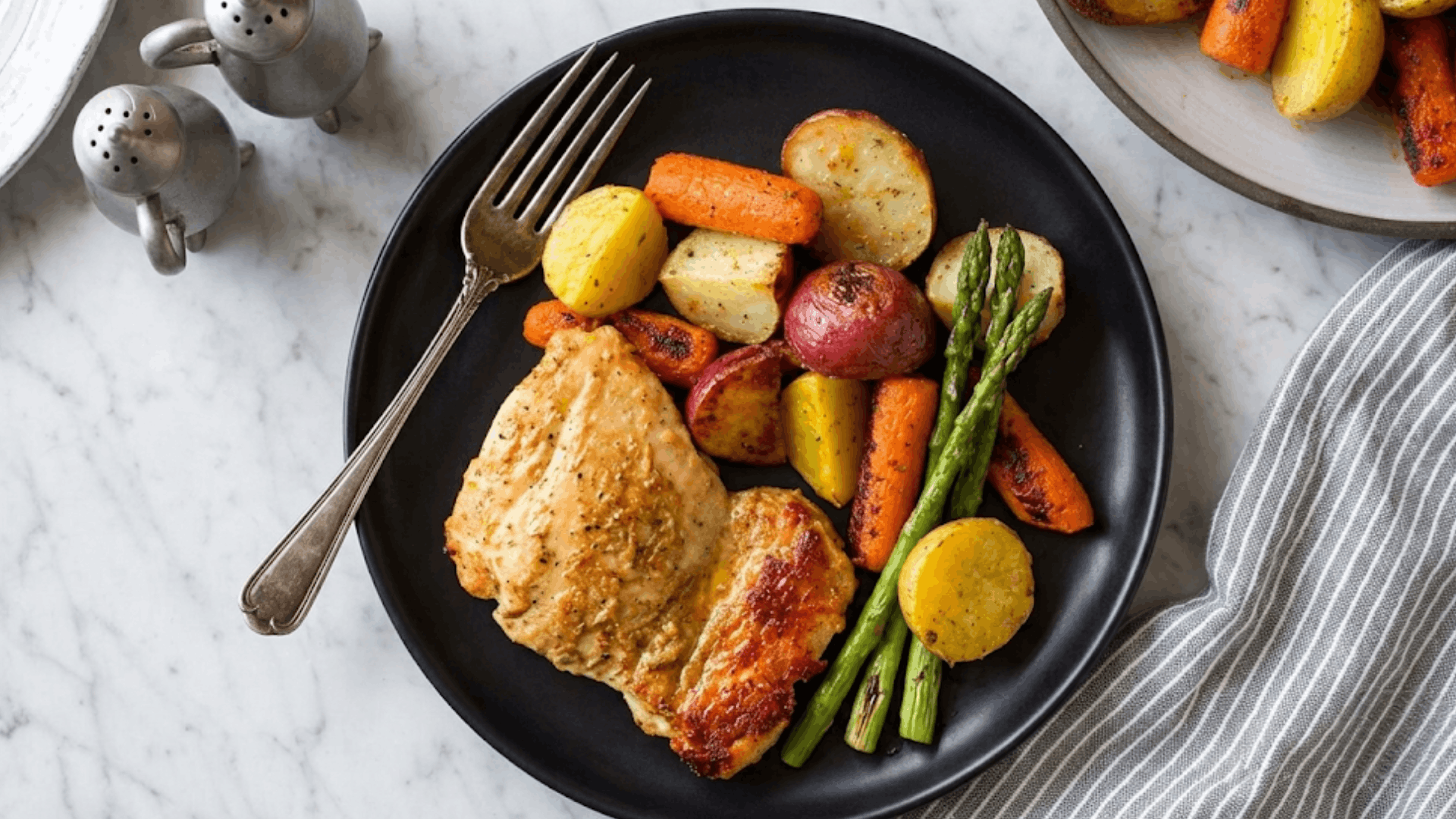
Stomach discomfort can make even simple meals feel difficult. Many people feel unsure about what to eat after an H. pylori diagnosis because online advice is often inconsistent and misleading.
Daily meal suggestions and practical food recommendations make it easier to choose balanced, stomach-friendly meals throughout recovery.
Along with a seven-day meal plan, you’ll find food recommendations, foods to avoid, and practical tips to help make every meal more stomach-friendly.
What Is an H. Pylori Bacterial Infection?
H. pylori (Helicobacter pylori) is a type of bacteria that infects the lining of the stomach and the upper part of the small intestine.
It is one of the most common bacterial infections worldwide, and many people carry it without knowing because it often causes no symptoms.
The bacteria weaken the stomach’s protective lining, making it easier for stomach acid to irritate the tissue.
Some people with H. pylori have no symptoms. When symptoms do occur, they may include:
- Stomach pain or burning, especially when the stomach is empty
- Bloating or a feeling of fullness after eating
- Nausea
- Frequent burping
- Indigestion or digestive discomfort
- Chronic gastritis (long-term stomach inflammation)
- Heartburn or acid reflux
- Appetite changes
- Unexplained weight changes
- Fatigue
- Loose stools or constipation
- Ongoing inflammation related to the infection
Seek medical care right away if you have severe stomach pain, vomiting blood, black or tarry stools, or unexplained weight loss, as these can be signs of a more serious condition.
The good news is that H. pylori can usually be treated with a combination of antibiotics and acid-reducing medication prescribed by a healthcare provider.
What Is an H. Pylori Diet?
An H. pylori diet is a stomach-friendly eating plan that supports recovery during and after treatment for an H. pylori infection. It emphasizes nutritious, easy-to-digest foods while limiting those that may irritate the stomach.
The goal is to ease digestive discomfort, support the healing of the stomach lining, and provide balanced nutrition during recovery.
Common choices include lean proteins, whole grains, cooked vegetables, bananas, oats, and probiotic-rich foods like plain yogurt or kefir, if well tolerated.
According to research from the National Center for Biotechnology Information, diet plays a vital role in effectively managing H. pylori infections. Choosing stomach-friendly foods may help reduce irritation and support the healing of the stomach lining.
This diet supports medical treatment but does not replace antibiotics or other medications used to clear the infection.
7-Day Diet Menu that Naturally Eliminates H. Pylori Infection
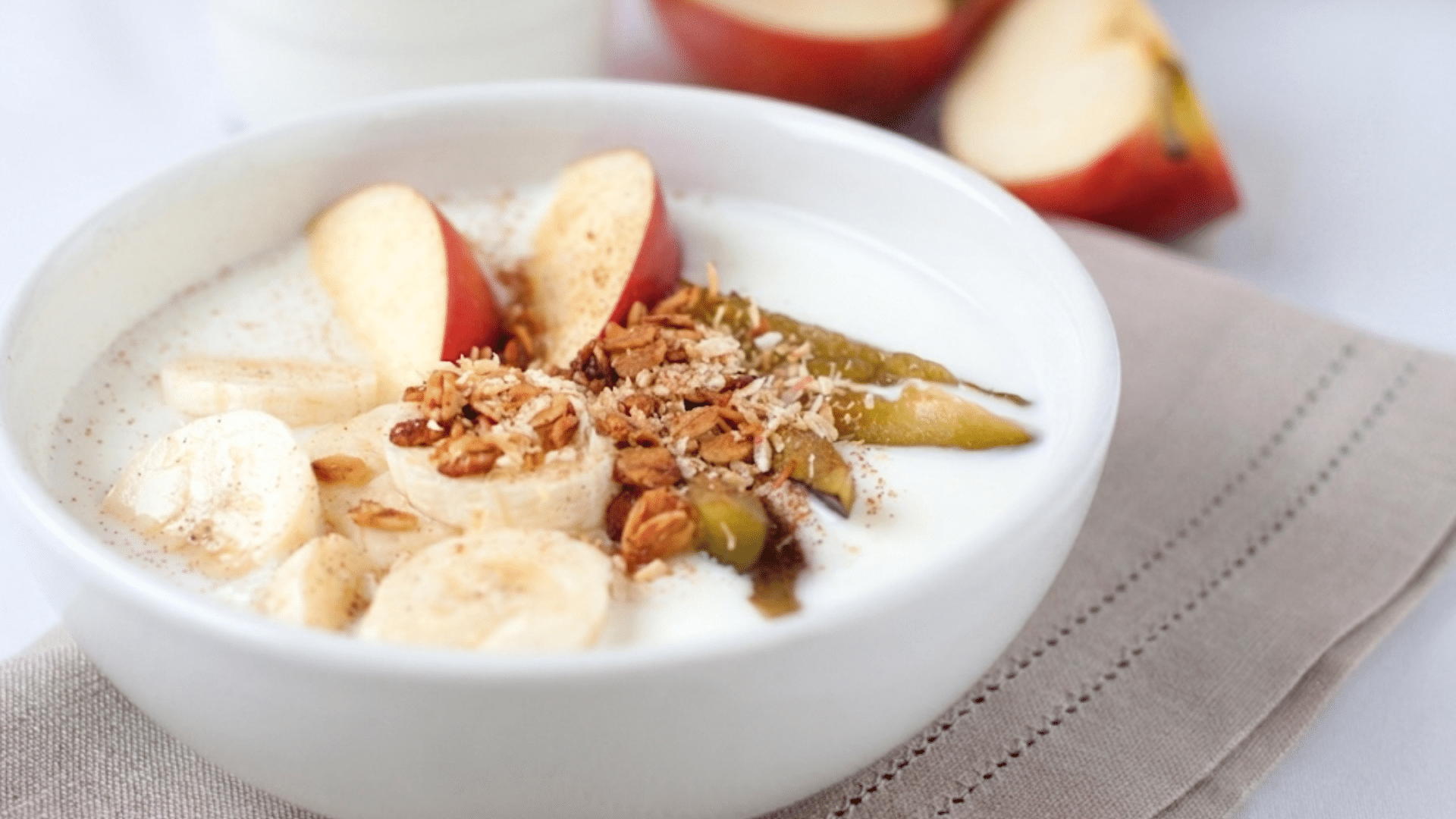
Following a structured meal plan can make daily food choices easier while supporting nutrition during H. Pylori treatment.
Day 1: Easy-to-Digest Foods to Begin Recovery
The first day focuses on soft, easy-to-digest foods that provide balanced nutrition without putting extra stress on the stomach. You can increase oatmeal’s protein content by stirring in a scoop of protein powder after cooling, which helps avoid the clumping and chalky texture that can appear when it’s added while the oatmeal is still hot.
| Meal | Foods | Key Nutrients | Approx. Calories |
|---|---|---|---|
| Breakfast | Oatmeal with banana and plain yogurt | Fiber, probiotics, calcium | ~320 |
| Morning Snack | Apple slices | Fiber, vitamin C | ~95 |
| Lunch | Grilled chicken, brown rice, steamed broccoli | Protein, fiber, B vitamins | ~450 |
| Afternoon Snack | Plain kefir | Probiotics, calcium, protein | ~120 |
| Dinner | Baked salmon, sweet potato, green beans | Omega-3s, protein, vitamin A | ~500 |
Day 2: Balanced Meals With Lean Protein
Today’s meals continue to include lean proteins, whole grains, and cooked vegetables, which are generally well tolerated. Choosing protein cuts that are naturally lower in fat helps support easier digestion while providing essential nutrients.
| Meal | Foods | Key Nutrients | Approx. Calories |
|---|---|---|---|
| Breakfast | Scrambled eggs with whole-grain toast | Protein, choline, fiber | ~320 |
| Morning Snack | Pear | Fiber, vitamin C | ~100 |
| Lunch | Turkey and vegetable soup | Lean protein, vitamins, minerals | ~350 |
| Afternoon Snack | Plain yogurt | Probiotics, calcium, protein | ~120 |
| Dinner | Grilled chicken with quinoa and spinach | Protein, iron, magnesium | ~480 |
Day 3: Fiber and Probiotic-Rich Choices
This day’s menu combines fiber-rich foods with probiotic options to help maintain a healthy digestive environment. Meals remain simple, lightly seasoned, and balanced to avoid unnecessary stomach irritation during treatment.
| Meal | Foods | Key Nutrients | Approx. Calories |
|---|---|---|---|
| Breakfast | Greek yogurt with oats and blueberries | Protein, probiotics, antioxidants | ~330 |
| Morning Snack | Banana | Potassium, vitamin B6 | ~105 |
| Lunch | Baked fish, brown rice, cooked carrots | Protein, omega-3s, fiber | ~430 |
| Afternoon Snack | Plain kefir | Probiotics, calcium | ~120 |
| Dinner | Turkey meatballs with mashed sweet potato | Protein, vitamin A, potassium | ~470 |
Day 4: Simple Meals for Digestive Comfort
Simple, lightly cooked foods remain the focus to help reduce digestive stress. Small amounts of healthy fats and plenty of cooked vegetables provide nourishment while keeping meals satisfying and easy to tolerate.
| Meal | Foods | Key Nutrients | Approx. Calories |
|---|---|---|---|
| Breakfast | Overnight oats with chia seeds | Fiber, omega-3s, magnesium | ~340 |
| Morning Snack | Papaya | Vitamin C, folate | ~90 |
| Lunch | Grilled chicken salad with olive oil | Protein, healthy fats, vitamin E | ~420 |
| Afternoon Snack | Plain yogurt | Probiotics, protein | ~120 |
| Dinner | Baked cod, steamed zucchini, brown rice | Lean protein, fiber, B vitamins | ~440 |
Day 5: Add More Fiber and Plant Foods
Adding more legumes and vegetables increases fiber and other important nutrients while keeping meals balanced. Introduce higher-fiber foods gradually if digestive symptoms remain noticeable.
Lentil soup shows up across gentle stomach diets for good reason, including 7-day eating plans built around ulcer relief, since ulcers are a common complication of untreated H. pylori.
| Meal | Foods | Key Nutrients | Approx. Calories |
|---|---|---|---|
| Breakfast | Cottage cheese with sliced peaches | Protein, calcium, vitamin C | ~280 |
| Morning Snack | Banana | Potassium, carbohydrates | ~105 |
| Lunch | Lentil soup with whole-grain bread | Plant protein, fiber, and iron | ~430 |
| Afternoon Snack | Plain yogurt | Probiotics, calcium | ~120 |
| Dinner | Baked chicken with roasted vegetables | Protein, vitamins A and C | ~470 |
Day 6: Maintain a Consistent Eating Routine
Maintaining a consistent eating pattern helps provide steady nutrition throughout recovery. Balanced meals with lean protein, whole grains, and vegetables support overall health without relying on heavily processed foods.
| Meal | Foods | Key Nutrients | Approx. Calories |
|---|---|---|---|
| Breakfast | Whole-grain toast with boiled eggs | Protein, fiber, choline | ~310 |
| Morning Snack | Apple | Fiber, vitamin C | ~95 |
| Lunch | Grilled salmon with quinoa and asparagus | Omega-3s, protein, magnesium | ~500 |
| Afternoon Snack | Plain kefir | Probiotics, calcium | ~120 |
| Dinner | Turkey and vegetable stew | Lean protein, vitamins, minerals | ~450 |
Day 7: Finish With Balanced Choices
The final day reinforces healthy eating habits that can continue after the meal plan ends. Simple cooking methods and minimally processed foods help support recovery while making meals enjoyable and nourishing.
| Meal | Foods | Key Nutrients | Approx. Calories |
|---|---|---|---|
| Breakfast | Oatmeal with blueberries | Fiber, antioxidants | ~300 |
| Morning Snack | Pear | Fiber, vitamin C | ~100 |
| Lunch | Chicken and vegetable rice bowl | Protein, complex carbohydrates | ~450 |
| Afternoon Snack | Kefir with berries | Probiotics, vitamin C | ~140 |
| Dinner | Baked fish with roasted vegetables | Lean protein, vitamins, omega-3s | ~460 |
The information in this 7-day H. pylori diet menu is intended for educational purposes only. Please consult with your healthcare provider before starting any new diet or treatment plan.
Can Diet Alone Cure H. pylori?
No, diet alone cannot cure an H. pylori infection. Antibiotics and acid-reducing medications prescribed by a healthcare provider are the standard treatment for eliminating the bacteria.
A stomach-friendly diet plays an important supporting role by helping reduce irritation, easing digestive symptoms, and providing nutrients needed for recovery.
Choosing balanced meals with lean proteins, whole grains, cooked vegetables, and, when tolerated, probiotic-rich foods may make eating more comfortable during treatment.
However, these foods do not kill H. pylori or replace prescribed medications.
Seek medical care if symptoms become severe, such as persistent stomach pain, vomiting, black stools, or unexplained weight loss, or if symptoms continue despite treatment.
H. Pylori Food List: What to Eat and Avoid
Choosing the right foods can help reduce stomach irritation and make meals more comfortable during H. Pylori treatment. While food does not eliminate the infection, a balanced diet can support recovery alongside prescribed medication.
| Food Category | Foods to Eat | Foods to Avoid |
|---|---|---|
| Whole Grains | Oatmeal, brown rice, quinoa, whole-grain bread | Refined pastries, sugary cereals, and white bread in excess |
| Protein | Skinless chicken, turkey, fish, eggs, tofu | Fried meats, processed meats, heavily seasoned meats |
| Dairy & Probiotics | Plain yogurt, kefir, low-fat cottage cheese (if tolerated) | Sweetened yogurt, full-fat cream-based products, if they worsen symptoms |
| Vegetables | Broccoli, spinach, carrots, zucchini, green beans, sweet potatoes | Spicy pickled vegetables, heavily fried vegetables |
| Fruits | Bananas, apples, pears, blueberries, papaya | Citrus fruits or tomatoes, if they trigger discomfort |
| Healthy Fats | Olive oil, avocado, small amounts of nuts and seeds | Deep-fried foods, trans fats, and excessive butter |
| Beverages | Water, herbal tea, low-fat milk (if tolerated) | Alcohol, sugary soft drinks, and energy drinks |
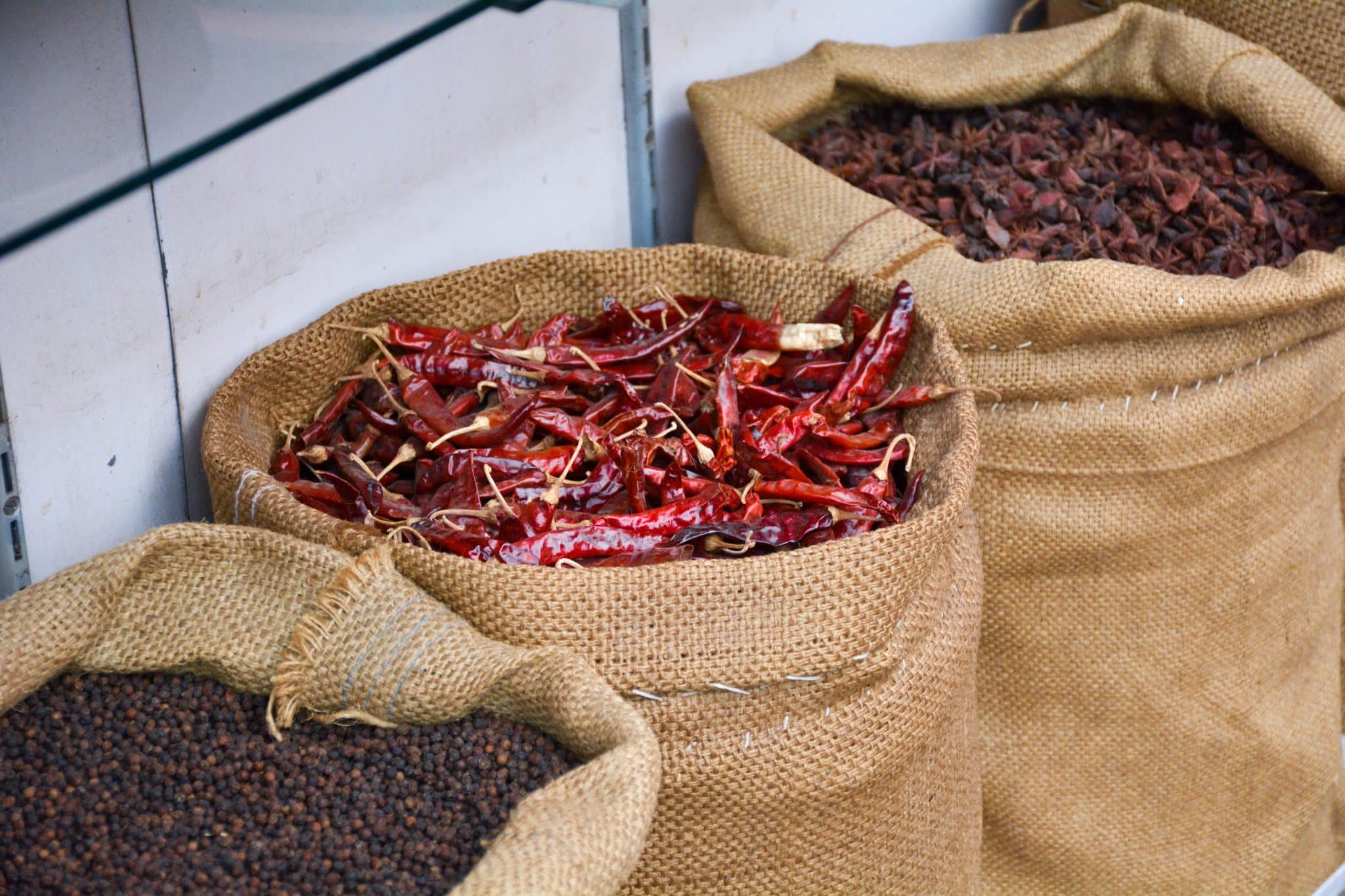
| Seasonings | Fresh herbs, turmeric, ginger, parsley | Hot peppers, excessive chili powder, spicy sauces |
| Snacks | Fresh fruit, unsalted nuts, whole-grain crackers | Potato chips, candy, packaged snack foods |
| Desserts | Fresh fruit, plain yogurt with berries | Rich cakes, pastries, and chocolate desserts in excess |
What to Expect During H. Pylori Treatment?
Most people tolerate H. pylori treatment well, but antibiotics can cause temporary side effects such as nausea, diarrhea, a metallic taste, or mild stomach upset.
Ginger has a well-documented effect of easing nausea and slowing digestion. These symptoms usually improve after the treatment course is completed.
The standard treatment combines antibiotics with acid-reducing medication to eliminate the bacteria. Eating small, balanced meals and staying well hydrated may help reduce digestive discomfort during treatment.
Plain yogurt or kefir, along with other probiotic-rich foods if tolerated, may help support a healthy gut microbiome, while some people may benefit from probiotic supplements after discussing them with a healthcare provider.
Contact your doctor if side effects become severe or persistent, or if they make it difficult to complete the prescribed course of medication.
What Reddit Users Say About Eating During H. pylori Treatment?
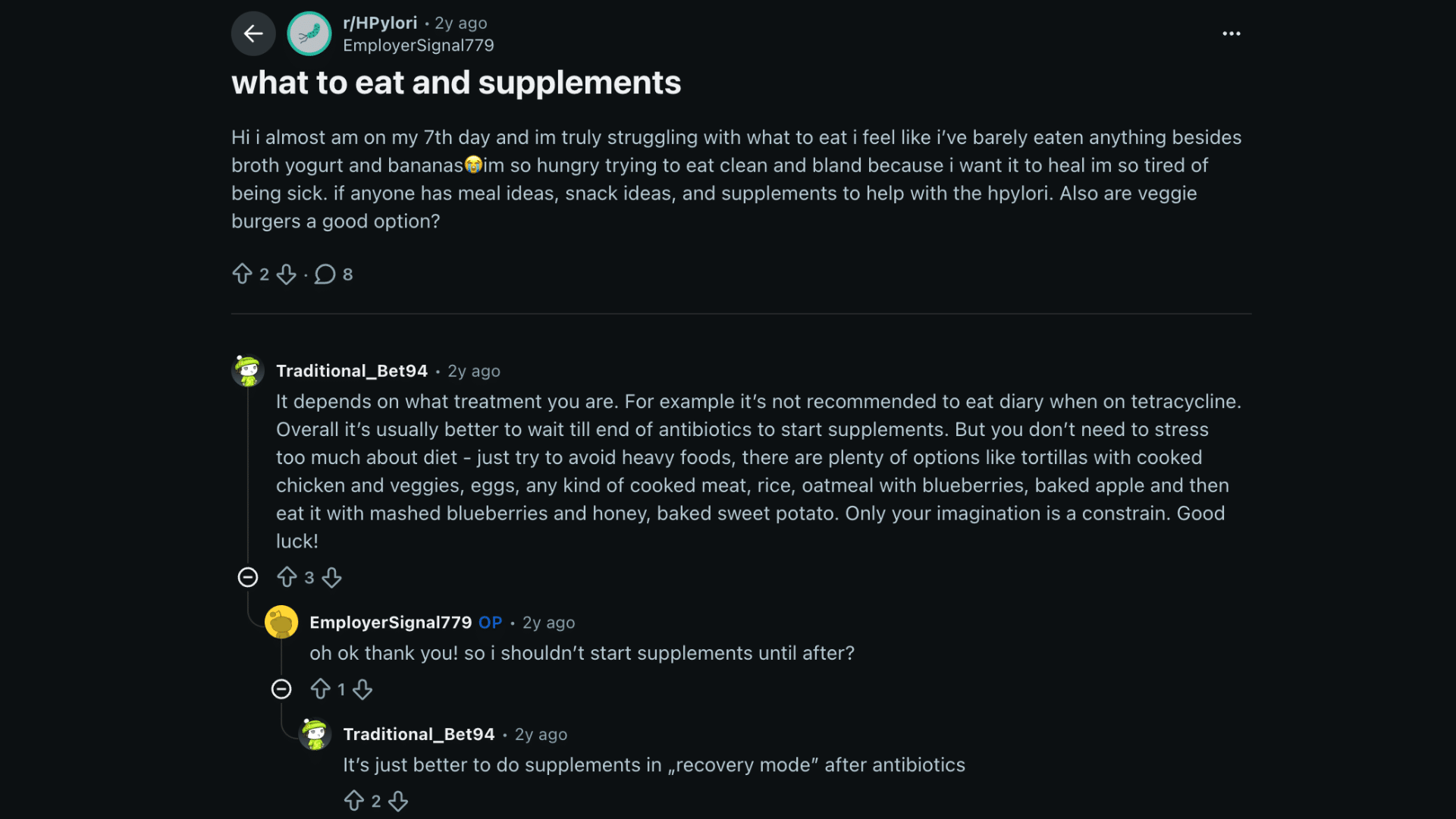
Reddit discussions show that many people find meal planning challenging during H. Pylori treatment because antibiotics and stomach irritation can limit food choices.
Community members frequently recommend sticking to simple, bland meals such as oatmeal, bananas, plain yogurt, rice, cooked chicken, steamed vegetables, baked sweet potatoes, and soups until symptoms improve.
Foods prepared with minimal seasoning and healthy fats, such as olive oil, are commonly reported to be easier to tolerate.
Some users also include kefir and probiotic-rich foods after checking whether they are compatible with their prescribed antibiotics, since certain medications have dietary restrictions.
Several discussions suggest waiting until the antibiotic course is complete before starting supplements, unless a healthcare provider recommends otherwise.
While these shared experiences may offer practical meal ideas, treatment and dietary decisions should always follow professional medical advice,
Tips for Following an H. Pylori Diet
Following healthy eating habits can help make meals more comfortable while supporting recovery during H. Pylori treatment. These practical tips work alongside prescribed medications and can make the diet easier to follow.
- Eat Smaller, Frequent Meals: Choose four to six smaller meals throughout the day instead of large portions to help reduce stomach discomfort.
- Choose Gentle Cooking Methods: Bake, steam, boil, or grill foods rather than frying to keep meals easier on the stomach.
- Include Probiotic Foods: Eat plain yogurt or kefir, if tolerated, to support a healthy balance of gut bacteria.
- Stay Well Hydrated: Drink plenty of water throughout the day and limit sugary or carbonated beverages that may worsen symptoms.
- Avoid Personal Trigger Foods: Pay attention to foods that increase discomfort, such as spicy, greasy, or highly acidic items, and limit them if needed.
- Take Medications as Prescribed: Complete the full course of antibiotics and acid-reducing medications, even if symptoms improve before treatment ends.
- Keep Meals Balanced: Include lean protein, whole grains, fruits, and cooked vegetables to provide the nutrients needed for recovery and overall health.
Wrapping It Up
Recovering from an H. pylori infection takes time, and consistent food choices can make the process more manageable.
A balanced meal plan, gentle cooking methods, and nutrient-rich foods may help reduce stomach discomfort while supporting recovery alongside prescribed treatment.
Every person responds differently, so it is important to pay attention to which foods feel best and to follow the treatment plan recommended by a healthcare provider.
Small, steady changes are often easier to maintain than strict or overly restrictive diets.
With the right combination of medical care and supportive nutrition, most people can gradually return to their usual eating habits as symptoms improve.
Frequently Asked Questions
Can I Drink Milk During H. pylori Treatment?
Yes, plain milk is usually fine if tolerated, but it should not replace balanced meals or prescribed treatment.
How Long Does It Take to Feel Normal After H. pylori Treatment?
Many people begin feeling better within a few weeks, although complete healing may take longer.
Do People Fully Recover From H. pylori?
Yes, most people recover completely when the infection is successfully treated with the recommended medications.