
Ever sit down with a plate of wings and think, “How many calories am I eating right now?”
I’ve had that same thought, and it can be confusing when every source says something different.
In this guide, you’ll get clear, simple answers about chicken wing calories.
You’ll see how cooking style, skin, sauces, and dips all change the calories in chicken wings. We’ll look at easy charts, compare fried, baked, and grilled wings, and talk about how many wings can fit into a 1500-calorie day.
By the end, you’ll know how to enjoy your wings, make smarter choices, and still feel good about what you’re eating.
Chicken Wing Nutrition: Protein, Fat, and Carbs
Chicken wings offer strong protein levels, which support muscle and fullness. Most of the calories come from fat, especially when the wings are fried.
- Protein: Around 6–7g per wing
- Fat: Depends on cooking method
- Carbs: Usually very low unless breaded or coated in sweet sauces
This makes wings a high-protein food, but also a calorie-heavy one when cooked in oil.
Chicken Wing Calories by Portion and Style
Chicken wing calories can change a lot because no two wings are cooked the same way. The size of the wing, whether the skin is left on, the amount of oil used, and the type of sauce all play a role.
A small change in cooking style can quickly raise or lower the total calories in a serving.
Here’s a quick look at common calorie ranges:
- Plain, skin-on wing: 90–100 calories. These wings keep their natural flavor and fat from the skin, which adds extra calories.
- Small boneless, skinless wing: 40–50 calories. This is the lightest option because there’s no skin and usually less added fat.
- Fried wings with sauce: 150–180+ calories. Frying pulls in oil, and sauces add even more calories, especially sweet or creamy ones.
- 10 wings:
- Baked = around 690 calories. Baking uses little oil, so this option stays lower in calories.
- Fried with sauce = 1600+ calories. Oil and heavy sauces can push the calorie count very high, even with the same number of wings.
This wide range shows how much cooking methods can change the calorie count, making it important to choose the style that fits your goals, especially if you’re aiming for low-calorie meat options in your diet.
Chicken Wing Calories Chart
Counting calories gets easier when the numbers are laid out side by side. The chart below gives a simple view of how different types of chicken wings add up by piece and by portion size.
| Type of Wing | Calories (1 wing) | Calories (5 wings) | Calories (10 wings) |
|---|---|---|---|
| Plain, skin-on, baked | 90–100 | 260–300 | ~690 |
| Fried, no sauce | 130–150 | ~650 | 1300–1500 |
| Fried with sauce | 150–180 | ~780 | 1600+ |
| Boneless, baked | 40–50 | 200–250 | 400–500 |
This chart makes it clear that fried and sauced wings can push the calorie count up fast, while baked and boneless options are usually lighter for the same number of pieces.
What Changes the Calories in Chicken Wings?
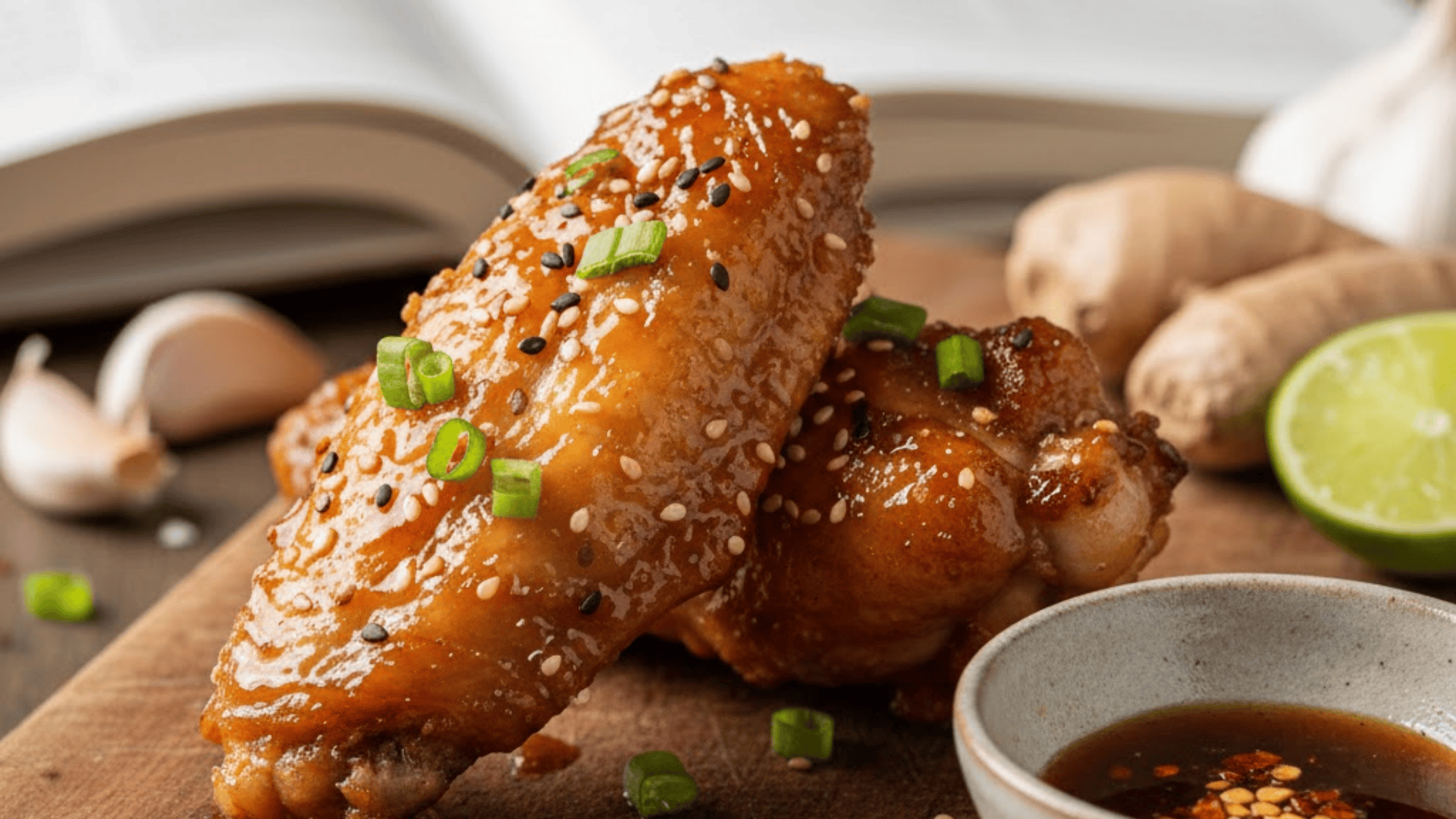
Calories in chicken wings can change a lot based on a few simple things. Skin adds extra fat, which raises the total calories.
The cooking method matters too; frying pulls in more oil, while baking or grilling usually keeps calories lower.
Sauces can also make a big difference, especially sweet or creamy ones, which can almost double the calories.
The size of the wing counts, since bigger wings have more meat and fat. Even the type of piece, like drumettes versus flats, can slightly change the calorie amount. Knowing these parts helps pick the kind of wings that match personal health goals.
Fried, Baked, and Grilled Chicken Wings
Some cooking methods are heavier than others. This table shows how wings change based on how they’re prepared:
| Cooking Style | Calories (10 wings) | Protein | Fat |
|---|---|---|---|
| Fried | ~1640 | 60–68g | ~100g |
| Grilled | ~850 | 60–68g | ~40g |
| Baked | ~690 | 60–68g | ~45g |
- Fried wings soak up oil, which increases calories and fat quickly.
- Baked wings use less fat, so they stay lighter.
- Grilled wings offer great flavor with fewer calories than fried wings.
Sauces and Dips: How They Change Chicken Wing Calories
Sauces and dips make chicken wings extra tasty, but they also add more calories to the meal.
Sauces, especially sweet ones, can raise the sugar and calorie count quickly, while creamy dips add a lot of fat in just a few spoonfuls.
Knowing what goes on top of the wings is just as important as the wings themselves.
1. Sauces Calories
| Sauce | Calories (2 tbsp) | Sugar | Notes |
|---|---|---|---|
| Buffalo | ~50 | ~0.2g | Tangy and lower in sugar |
| BBQ | ~60 | ~12g | Sweet and higher in sugar |
| Teriyaki | ~70 | ~14g | Sweetest and highest in calories |
Even a small amount of sauce can raise the total calories. Keeping sauce on the side and dipping lightly instead of fully coating the wings can help keep things under control.
2. Dip Calories
| Dip | Calories (2 tbsp) | Fat |
|---|---|---|
| Ranch | ~140 | 14g |
| Bleu cheese | ~150 | 15g |
Dips like ranch and bleu cheese are rich and creamy, but they are also calorie-dense.
A smaller serving, or switching to a lighter dip like a yogurt-based sauce, can lower the calorie load while still keeping wings enjoyable.
Are Chicken Wings Good for Weight Loss or Dieting?
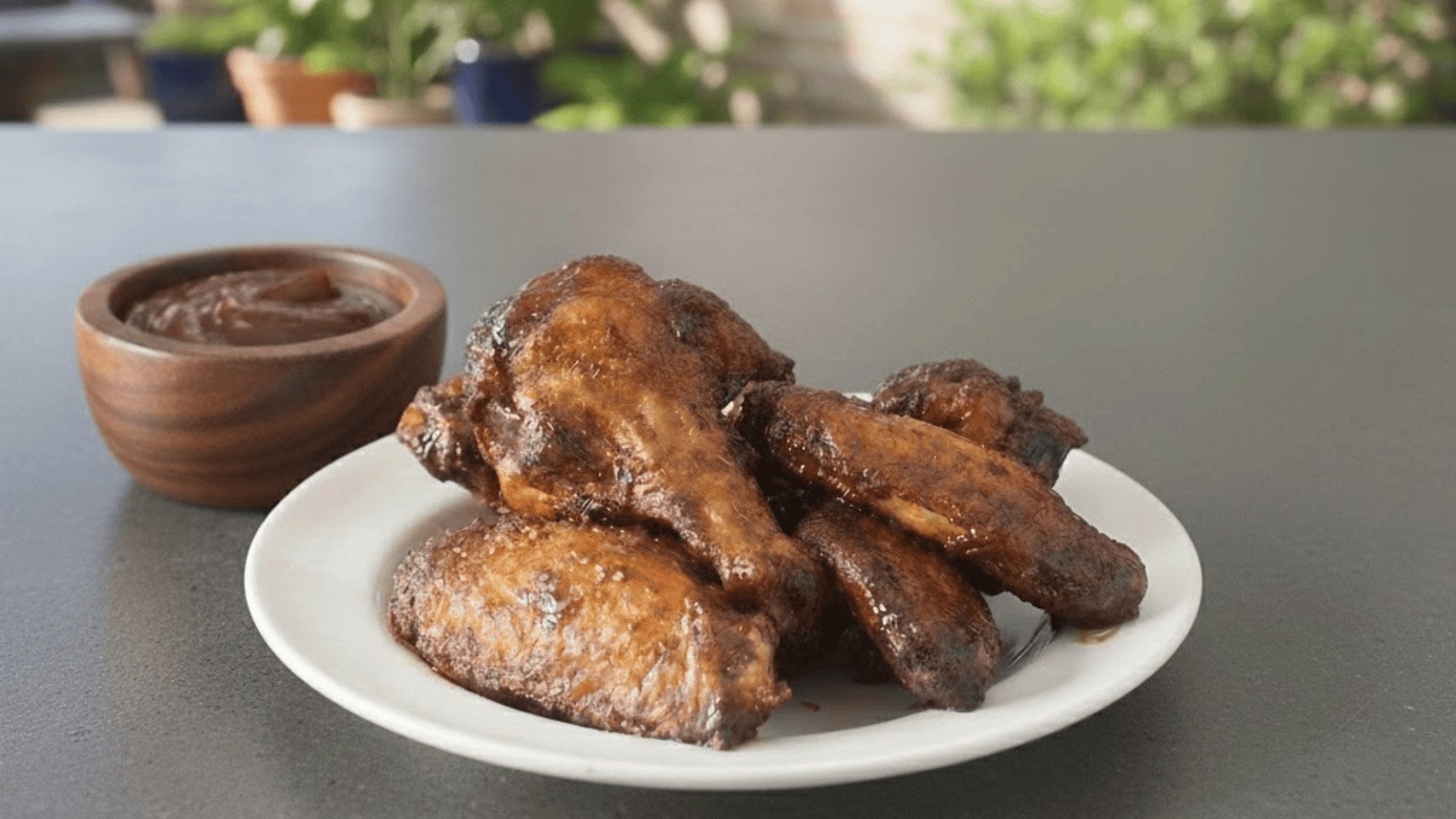
Chicken wings can fit into a weight loss plan when they are eaten in a smart way. They are a good source of protein, which helps the body feel full.
The main problem usually comes from frying and heavy sauces.
Choosing baked or grilled wings instead of fried ones, using sauce on the side, and keeping dip portions small can all help lower the total calories.
With a few simple changes, chicken wings can stay in a balanced diet.
How Many Chicken Wings Fit into a 1500-Calorie Day?
A 1500-calorie day can still include chicken wings if the portions are planned well. The table below shows three simple meal ideas and how many calories they contain.
| Option | Total Calories (approx.) | Wings | Sides / Dips |
|---|---|---|---|
| Lighter choice | ~420–450 | 5 grilled boneless wings | Celery sticks + light dip |
| Classic choice | ~570–600 | 5 fried boneless wings | Ranch dip on the side |
| Spicy traditional | ~600–650 | 5 traditional wings with buffalo sauce | Bleu cheese dip |
These wing meals still leave room for breakfast, lunch, or snacks while staying close to a 1500-calorie target.
Bone-In and Boneless: Which Has More Calories?
Bone-in chicken wings usually have around 90–100 calories each because of the skin and fat, but they are often smaller.
Boneless wings often go higher, around 130–150+ calories each, since they are breaded and usually contain more meat in every piece.
This makes bone-in wings the lighter choice most of the time. Still, both types can fit into a balanced day as long as the portion size is reasonable and the rest of the meals stay within daily calorie goals.
Bottom Line
Now that you’ve seen the numbers, chicken wing calories probably feel a lot clearer. You know how cooking style, skin, sauces, and dips can change your plate from a light snack to a heavy meal.
My goal was to give you simple info so you can look at your wings and think, “Okay, this is how this fits into my day.” You don’t have to give up wings. You just balance them with the rest of your food and your goals.
If this helped, I’d love for you to stick around and read a few more blogs. You might find ideas that make your food choices easier, more relaxed, and a better fit for your real life.