

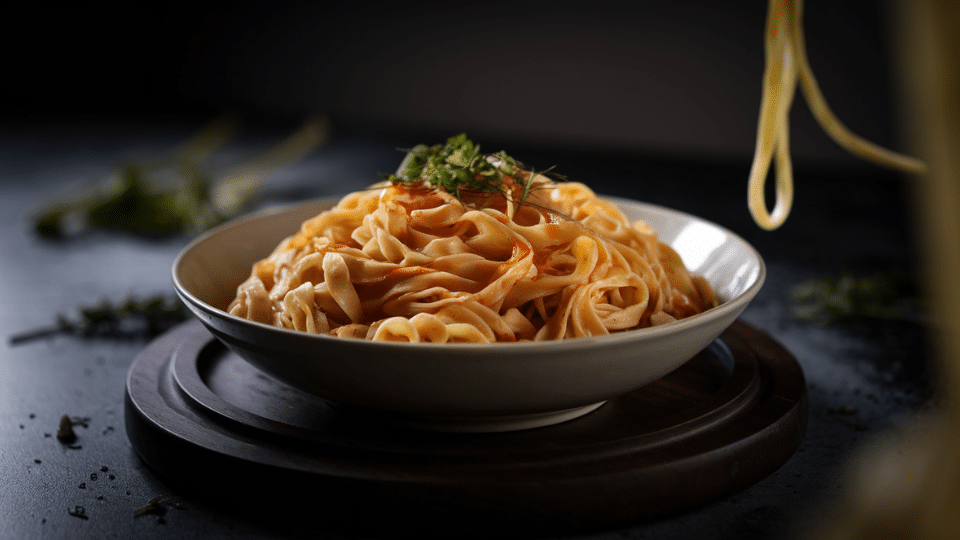
Egg noodles may look like a simple comfort food, but their carbohydrate content can be surprisingly confusing when serving sizes and measurements differ.
A bowl measured before cooking can show a very different number compared to the same noodles after they absorb water.
I have spent time reviewing nutrition labels, food databases, and macronutrient details to help simplify these differences and provide clear information.
This blog post explains how many carbs are in egg noodles, along with their calories, complete nutrition profile, serving variations, and how they compare with other noodle choices.
The goal is to make carb tracking easier without unnecessary diet confusion or complicated nutrition terms.
How Many Carbs Are in Egg Noodles?
One cup of cooked egg noodles contains approximately 40 grams of total carbohydrates and delivers around 220 calories.
For those tracking by weight rather than volume, 100 grams of cooked egg noodles provides about 25 grams of carbs and 138 calories.
Most food labels base their nutrition facts on dry measurements. A standard 2-ounce (56-gram) dry serving contains roughly 40 grams of carbohydrates and 200 calories before cooking.
These figures match up with common nutrition databases and grocery store brands, though exact numbers shift slightly depending on brand formulation, cooking time, and whether you measure cooked volume or dry weight.
Nutrition Facts for Egg Noodles
Beyond carbs, the table below breaks down the full nutrient profile for a standard cooked serving, which helps with portion planning and fitting egg noodles into a balanced plate.
| Nutrient | Amount (1 cup cooked) |
| Calories | ~220 kcal |
| Total Fat | ~3 g |
| Saturated Fat | ~1 g |
| Cholesterol | ~30 mg |
| Sodium | ~10 mg |
| Total Carbohydrates | ~40 g |
| Dietary Fiber | ~2 g |
| Total Sugars | ~1 g |
| Protein | ~8 g |
| Iron | ~13% DV |
| Folate | ~35% DV (enriched brands) |
| Niacin | ~15% DV |
| Selenium | ~25% DV |
| Manganese | ~15% DV |
| Potassium | ~60 mg |
Values are approximate and based on USDA FoodData Central. Enriched brands add back B vitamins and iron lost during milling, so unenriched or specialty noodles will read lower on these lines.
Do Egg Noodles Raise Blood Sugar?
Egg noodles carry a moderate glycemic index, commonly cited around 55 to 60, which means they raise blood sugar at a moderate pace rather than causing a sharp spike right after eating.
Glycemic load matters just as much as glycemic index, since it accounts for portion size rather than the food alone.
A half cup serving produces a much smaller blood sugar response than a heaping bowl, even though the glycemic index number stays the same across both portions.
Pairing egg noodles with protein, fiber, or healthy fats slows digestion further and softens the blood sugar curve that follows a meal.
This makes portion control and smart food pairing more useful daily tools than avoiding egg noodles outright for most people managing their blood sugar.
Vitamins and Minerals in Egg Noodles
Most commercial egg noodles are enriched, meaning manufacturers add back B vitamins and iron lost during milling.
A typical cooked serving contributes a meaningful amount of iron, often 10 to 15 percent of the daily value, along with niacin and other B vitamins that support energy metabolism.
Small amounts of selenium and manganese come through from the wheat flour itself, and enriched brands generally beat plain flour-and-water noodles on this front.
What enrichment doesn’t do is add fiber or meaningfully change the carb count, so don’t expect “enriched” to mean “lower carb” or “higher fiber.”
If fiber is the priority, whole wheat egg noodles or a wheat-and-vegetable blend will do more for you than an enriched standard variety.
Why Carb Counts for Egg Noodles Vary?
Seeing different numbers for the same food doesn’t mean the data is wrong. Other measurement methods create completely normal variation.
Cooked vs Dry Egg Noodles

The most significant confusion comes from measuring before versus after cooking. Food labels list nutrition for dry noodles because that’s the consistent measurement; two ounces dry is always two ounces.
Once cooked, those same two ounces absorb water and expand to roughly one cup in volume.
The carbohydrate content stays identical at around 40 grams, just distributed across more volume.
Water adds bulk and weight but contributes zero carbohydrates. This explains why cup measurements and weight measurements rarely align perfectly.
Brand and Recipe Differences
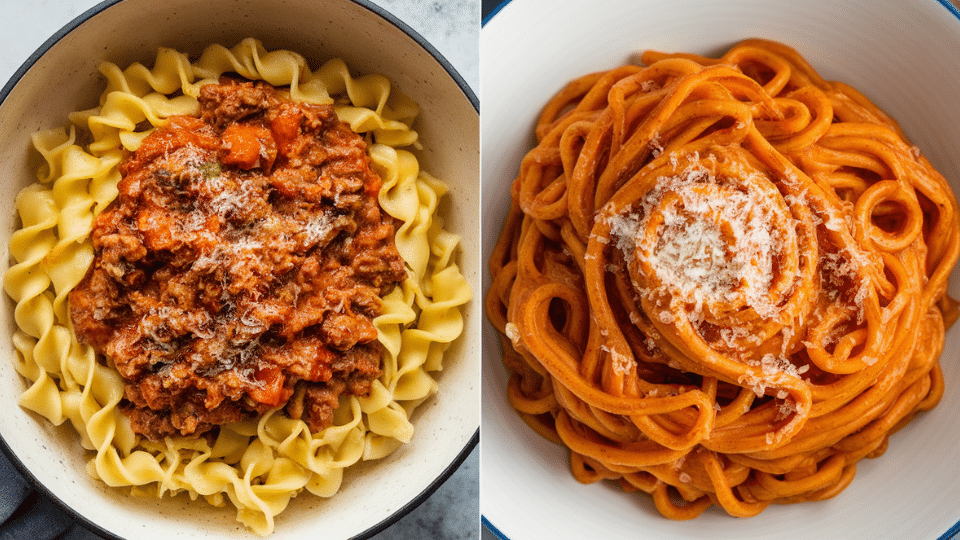
Egg noodles can have slightly different carbohydrate amounts depending on the brand and recipe.
Some varieties contain more eggs, which can change the texture and nutritional balance, while homemade versions often vary based on the ingredients used.
Most store-bought egg noodles are made mainly with wheat flour, which remains the biggest source of carbohydrates.
Added nutrients in enriched noodles may improve their vitamin content but usually do not greatly change the overall carb count.
Are Egg Noodles High in Carbs?
Yes, egg noodles count as high-carb for anyone following a low-carb or keto diet, though they can still fit into a balanced eating pattern for most other people.
One cup of cooked egg noodles runs about 40 grams of carbs, which makes portion size the deciding factor.
Strict keto plans usually cap daily carbs at 20 to 50 grams, so a single serving of egg noodles can use up most of that allowance in one sitting.
If you’re already tracking carb-heavy comfort foods, it’s worth running the same math on carb-counting popcorn, since portion size ends up mattering more than the food itself in both cases.
A smaller egg noodle serving paired with protein, vegetables, or healthy fats builds a more balanced meal, and people who need to limit carbs more strictly often lean on alternatives like zucchini or shirataki noodles instead.
How to Reduce the Carb Impact of Egg Noodles?
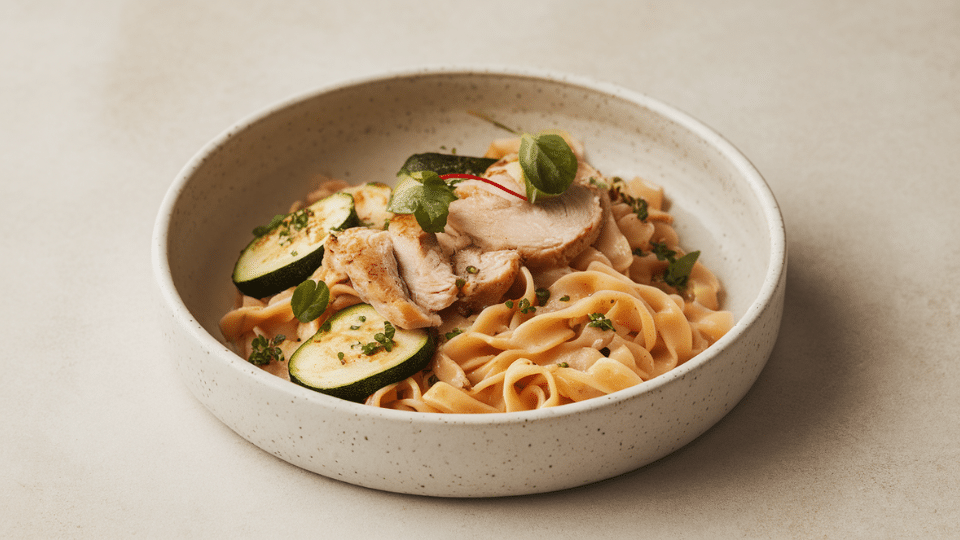
These strategies help manage carbohydrate intake without eliminating egg noodles entirely, focusing on practical adjustments rather than complete substitutions.
- Mix egg noodles with vegetables: Replace part of your noodles with zucchini noodles, cabbage, broccoli, or other low-carb vegetables to reduce the total carbohydrate content while keeping the meal filling.
- Measure your serving size: Use a measuring cup to control portions instead of estimating. A half-cup serving of cooked egg noodles contains about 20 grams of carbohydrates.
- Add protein to your meal: Pair egg noodles with chicken, fish, eggs, or lean meat to create a more balanced meal and support better nutrient intake.
- Include fiber-rich ingredients: Add non-starchy vegetables like spinach, mushrooms, or green beans to increase fiber and make the meal more satisfying.
- Choose lower-carb toppings:Keto-friendly mayo-based sauces, cream, cheese, herbs, or olive oil beat sugary sauces that quietly add to the carb total.
Carb Counts by Common Serving Sizes
Portion size drives the final carb number more than brand or recipe. Use this table as a quick reference when a recipe calls for a different amount than a full cup.
| Serving | Carbs |
| 1/2 cup cooked | 20g |
| 1 cup cooked | 40g |
| 100g cooked | 25g |
| 2 oz dry | 40g |
| 1 oz dry | 20g |
Are Egg Noodles Good for Weight Loss?
Egg noodles can fit a weight loss plan when portions stay controlled and the rest of the plate carries protein and vegetables.
A single cup runs about 220 calories on its own. Calorie density still adds up fast once sauce, cheese, or a second helping gets added in.
Protein and fiber drive satiety more than carbs alone, so a modest noodle portion paired with chicken or shrimp and a vegetable side keeps a meal filling without pushing total calories too high for the day.
People trying to lose weight rarely need to cut egg noodles completely from their meals to see progress.
Watching serving size and what surrounds the noodles on the plate makes a bigger difference over time than eliminating the food altogether.
Egg Noodles Compared to Similar Foods
This comparison provides quick context for understanding where egg noodles fit among similar options, not to declare one food superior.
| Food (1 cup cooked) | Total Carbs | Calories | Key Difference |
| Egg noodles | 40g | 220 | Higher protein from eggs; slightly richer taste |
| Regular pasta (white) | 43g | 220 | Nearly identical carb content; less protein |
| Whole wheat pasta | 37g | 174 | More fiber (6g vs 2g); slightly lower carbs |
| Rice noodles | 44g | 192 | Gluten-free; slightly higher carbs, lower protein |
| Soba noodles | ~24g | ~113 | Buckwheat blend; often lower net carbs than wheat pasta |
| Udon noodles | ~49g | ~196 | Thicker wheat noodle; higher carbs per cup |
| Ramen noodles (fresh, not instant packet) | ~44g | ~190 | Similar to regular pasta; check seasoning packets separately |
| Whole grain egg noodles | ~34g | ~190 | More fiber than standard egg noodles; still contains egg |
| Shirataki noodles | 3g | 20 | Extremely low-carb; very different texture |
| Zucchini noodles | 7g | 33 | Vegetable base; significantly fewer carbs |
| Spaghetti squash | ~10g | ~42 | Vegetable base; mild flavor, holds sauce well |
| Hearts of palm noodles | ~3g | ~20 | Very low carb; firmer bite than shirataki |
Substitutions depend on carb goals, taste preferences, and how the noodles function in specific dishes. Egg noodles work best in stroganoff and soups where their texture and flavor matter.
Store-Bought vs. Homemade Egg Noodles
Store-bought brands cluster tightly around 40 grams of carbs per cooked cup, since most use the same basic wheat-flour-and-egg ratio.
Homemade egg noodles can swing a bit more depending on the flour-to-egg ratio; a richer, more egg-heavy dough shifts a little of the nutrition toward protein and fat, but wheat flour still supplies the bulk of the carbs either way.
If you’re building a meal around egg noodles, pairing them with high-protein shrimp is an easy way to rebalance the plate toward protein without touching the noodles themselves.
Specialty and gluten-free egg noodle brands vary more, since some use rice or bean-based flours, so always check that specific label rather than assuming the standard 40-gram figure applies.
This article covers general nutrition information. People managing diabetes, kidney disease, or other medical conditions should get personalized guidance from a doctor or registered dietitian rather than relying on a blog post alone.
Conclusion
Egg noodles can easily fit into different meals when you understand how their carb content works and how portions affect your overall intake.
I have looked closely at nutrition details, serving sizes, and food labels to make this information easier to follow.
Knowing how many carbs are in egg noodles helps you decide how much to include based on your personal goals and meal choices.
Instead of avoiding them completely, focus on creating a balanced plate with the right portions and ingredients.
Check labels for your preferred brand, adjust servings when needed, and choose combinations that work best for your routine. Share your experience or thoughts in the comments below.
Frequently Asked Questions
Can You Eat Noodles on a Low-Carb Diet?
Traditional egg noodles don’t fit strict low-carb or keto plans due to their high carb content. Low-carb alternatives like shirataki, hearts of palm, or vegetable noodles work better for these diets.
Are Egg Noodles Gluten-Free?
Traditional egg noodles contain wheat flour and are not gluten-free. Some specialty brands offer gluten-free versions made with alternative flours, but standard egg noodles always contain gluten.
Can People With Diabetes Eat Egg Noodles?
Egg noodles can fit into a diabetic meal plan with careful portion control, since they carry a moderate glycemic index, commonly cited around 55 to 60.
Are Egg Noodles Better Than Rice?
Neither is clearly better across the board. Egg noodles carry slightly less carbs than white rice per cooked cup and a bit more protein, while rice offers a more neutral flavor for pairing with a wider range of dishes.