
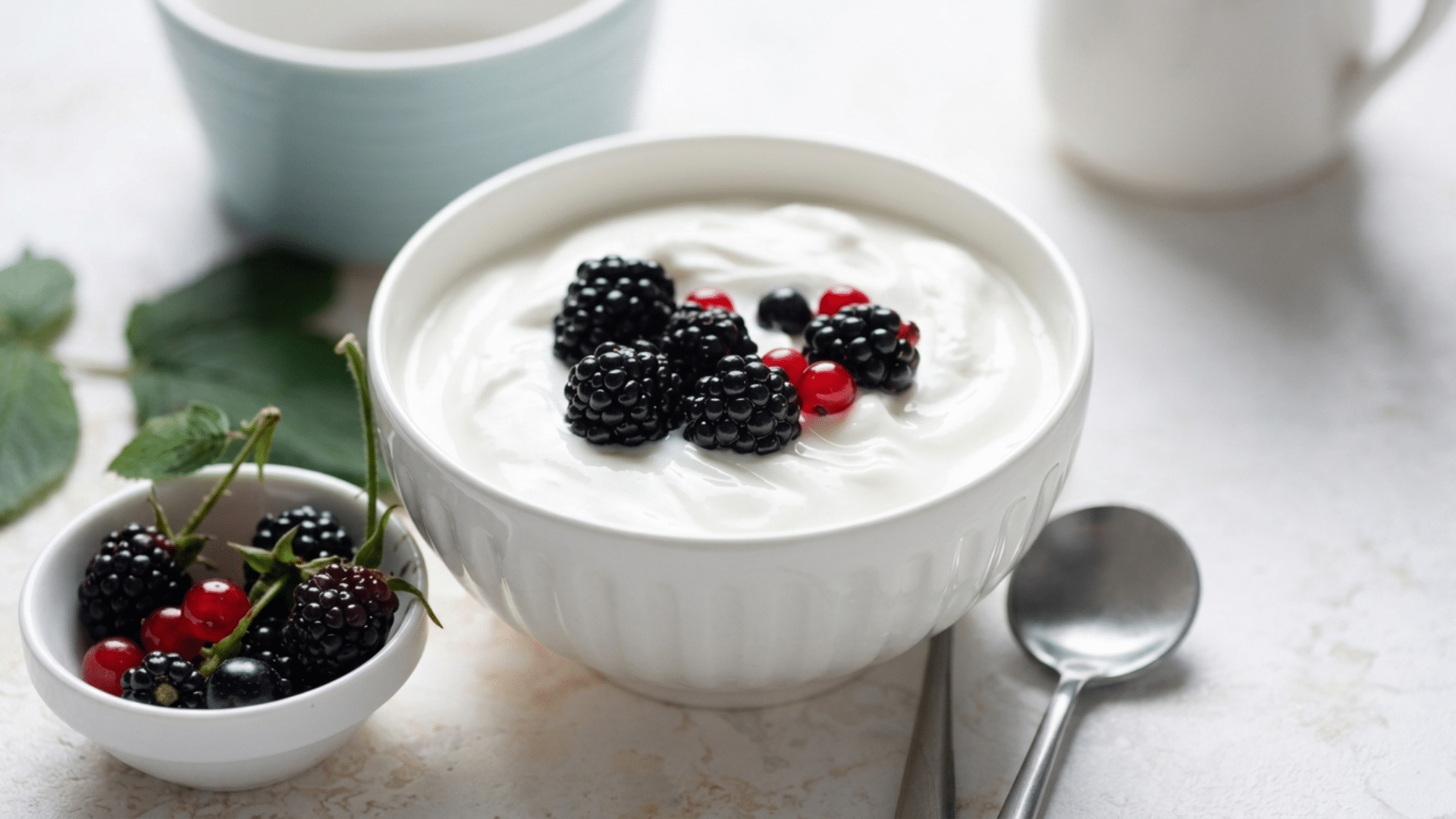
Let’s get the label math out of the way first: nothing you actually chew is truly zero calories. Water is the only real exception.
What people mean when they say zero calorie snack is a food so low in calories that it barely registers against a daily total, whether that’s a broader protein and calorie target or just wanting to eat something while you watch TV.
I keep a running spreadsheet of USDA entries for exactly this reason: half the low calorie claims you see online fall apart the second you check the actual serving size behind them.
This list sticks to foods where the math genuinely holds up — under about 10 calories per real-world serving, or so much volume for so few calories that counting them isn’t worth your time.
Key Takeaways
|
18 Snacks That Actually Come In Under 10 Calories (Mostly)
1. Celery Sticks: About 6 Calories a Stalk
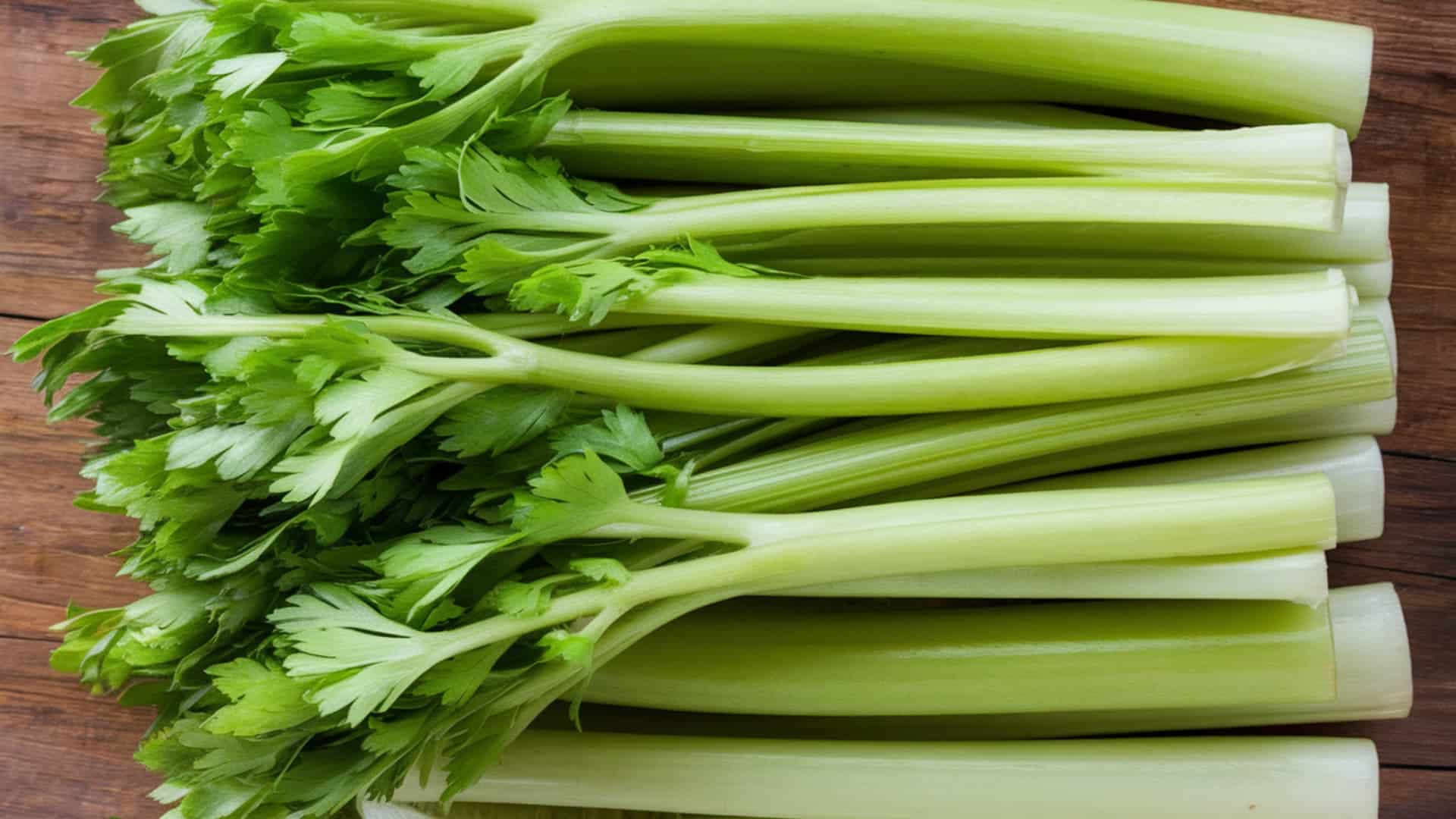
Celery is the poster child of low-calorie snacking for a reason: one stalk runs about 6 calories, according to USDA FoodData Central.
It gives you something to chew without much substance behind it, which is exactly the point when you’re not truly hungry but want to gnaw on something.
Many people eat them plain or dip them lightly in mustard or vinegar. Celery works best during boredom eating or late at night when you want something crisp.
Keep it prepped in the fridge; celery you have to wash and cut on demand is celery you’ll skip in favor of whatever’s already open on the counter.
2. Cucumber Slices
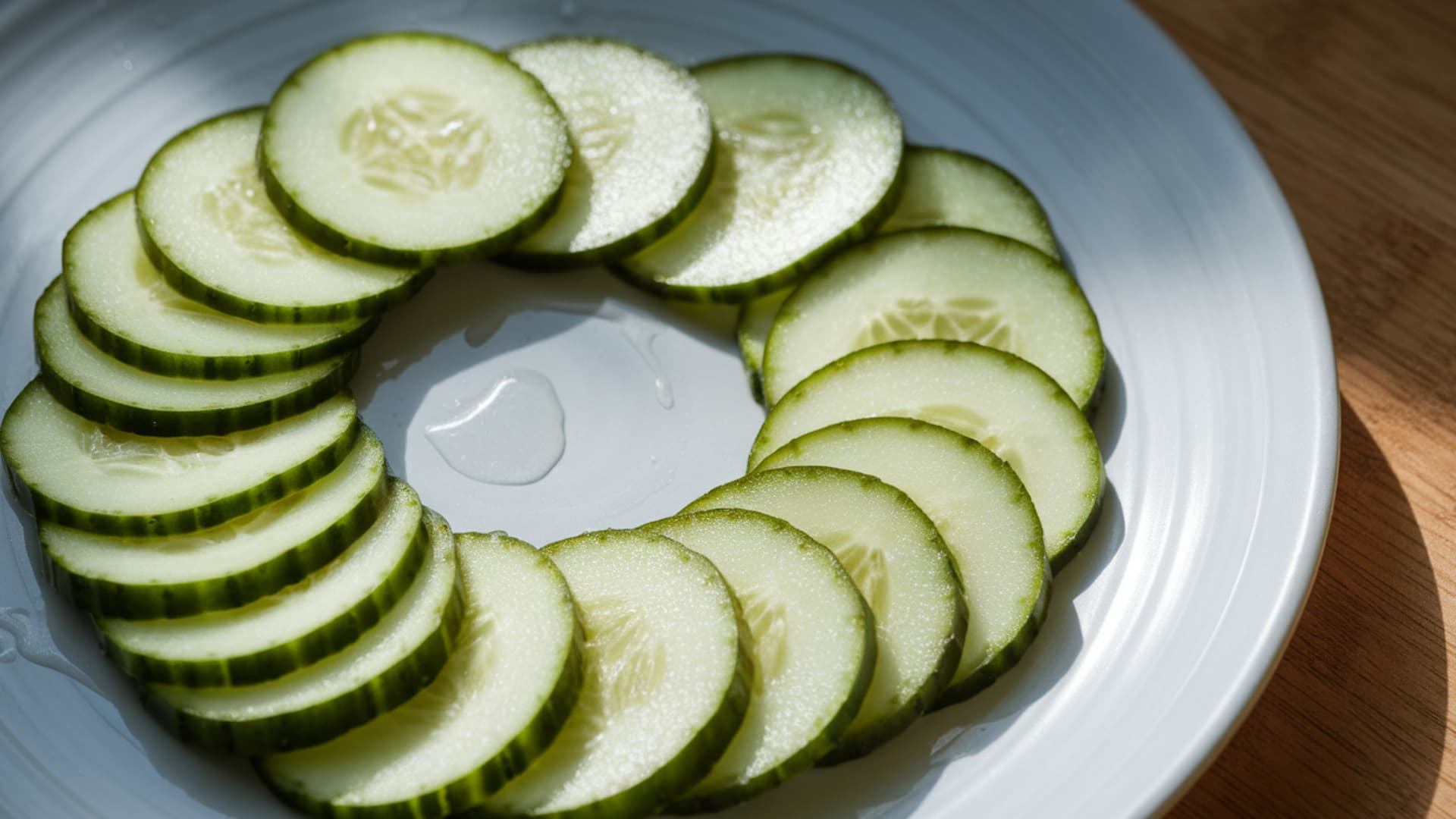
A whole cucumber runs about 45 calories, which sounds like a lot until you realize that’s the entire vegetable; most people eat a quarter of one as a snack, so you’re looking at roughly 10 calories for a genuinely large pile of slices.
People like them cold, lightly salted, or soaked in vinegar for a sharper bite.
If crunch matters more to you than fullness, the low-FODMAP crowd already leans on cucumber heavily for exactly this reason, and the gentler vegetables on that kind of plan tend to double as good snacking options too.
3. Iceberg Lettuce Leaves
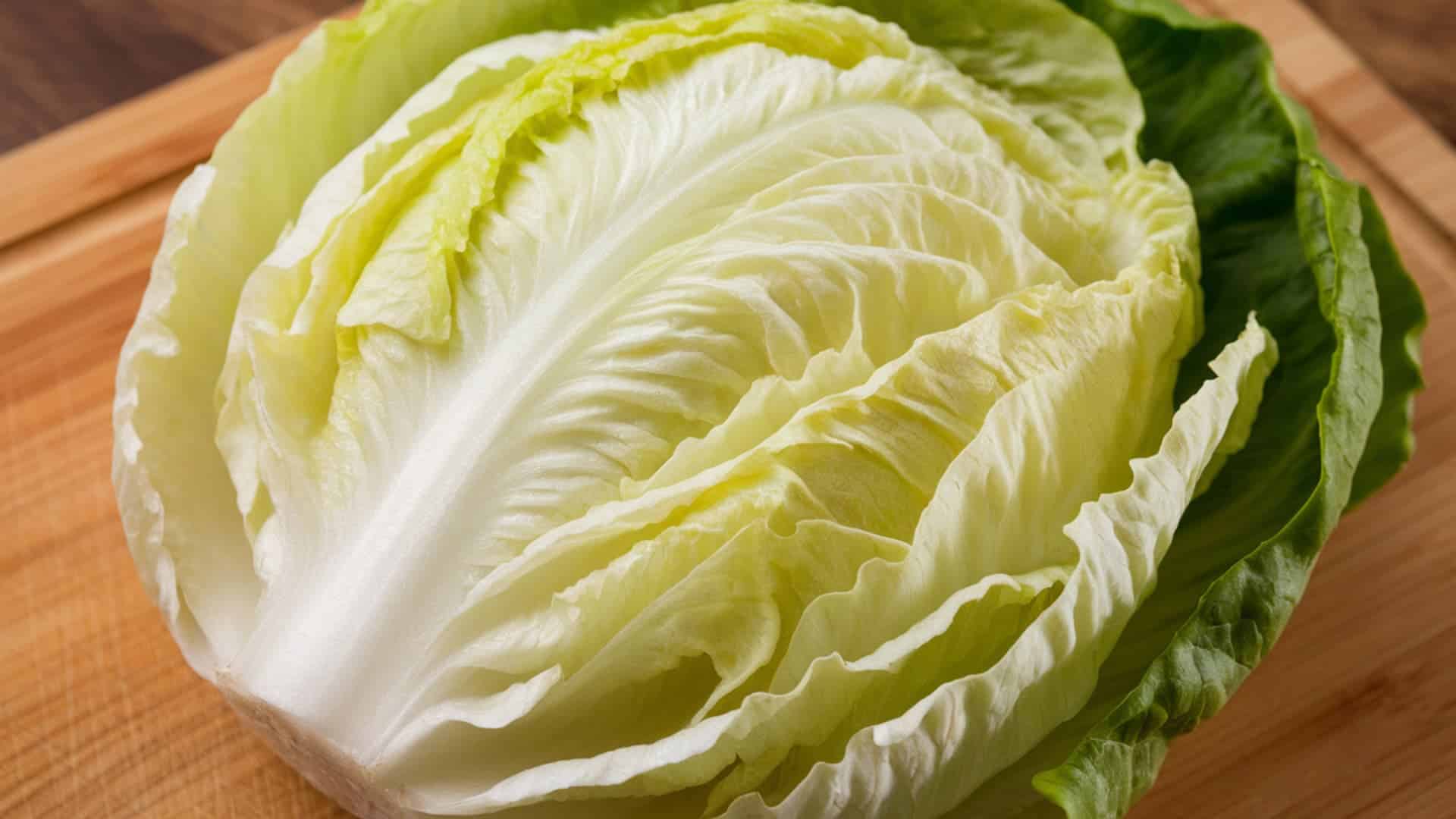
A large iceberg leaf is around 2 calories. It provides volume and a satisfying crunch but carries almost no taste of its own, so it works best when a craving is mild rather than intense.
People eat it plain, dipped in mustard, or wrapped around a slice of turkey or a pickle for something more substantial.
Cold leaves hold their crunch better than room-temperature ones, which matters more than you’d think for how satisfying this actually feels.
4. Radishes
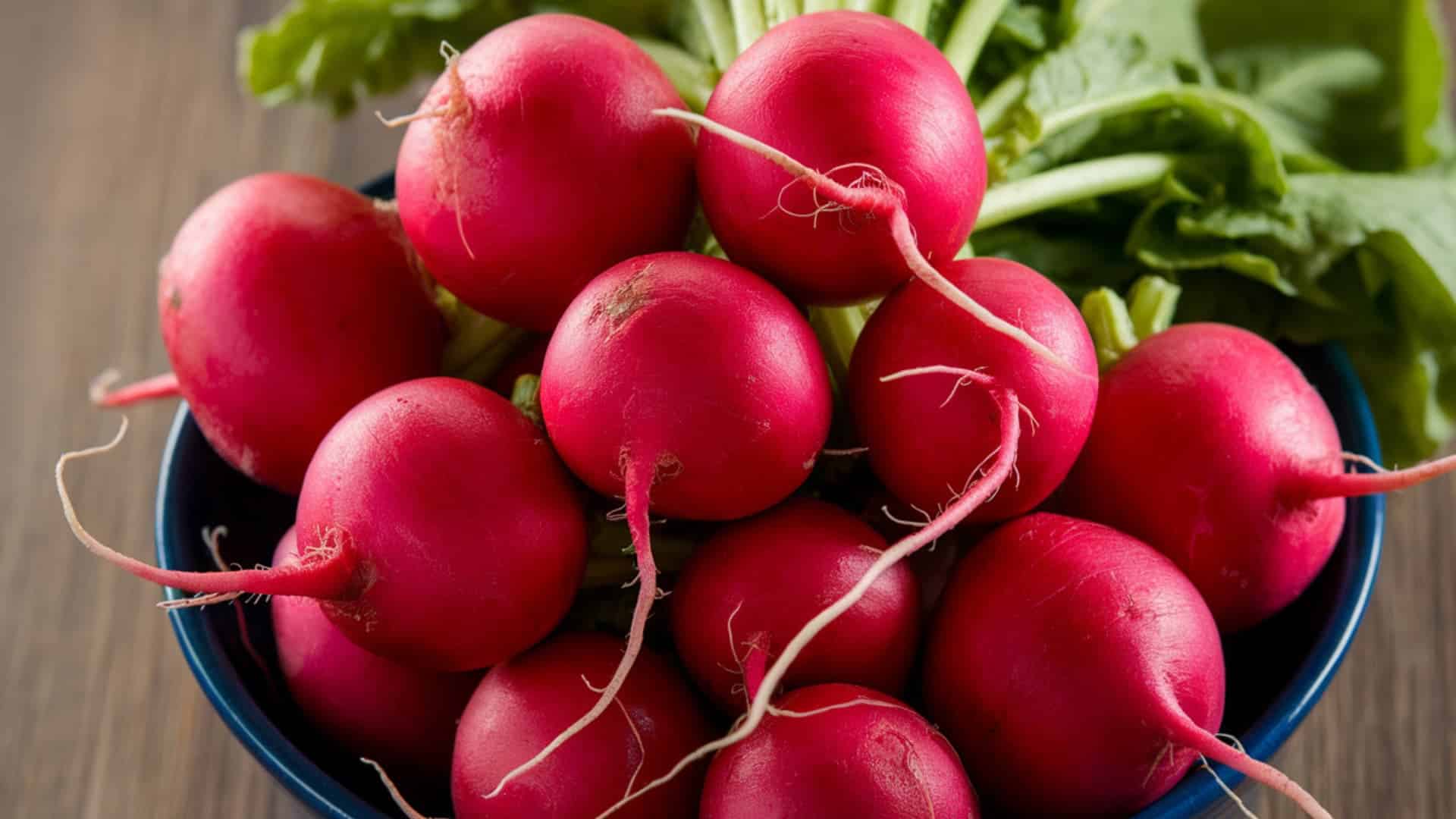
Radishes run roughly 1 calorie apiece, and their peppery bite does a lot of the work that volume does for blander vegetables. It’s harder to mindlessly overeat something this sharp.
Many people eat them raw, sliced, or dipped in salt or vinegar.
They’re especially useful as a stand-in for chips or crackers when the craving is really about salt and crunch.
Keeping radishes cold sharpens the bite further.
5. Bell Pepper Strips
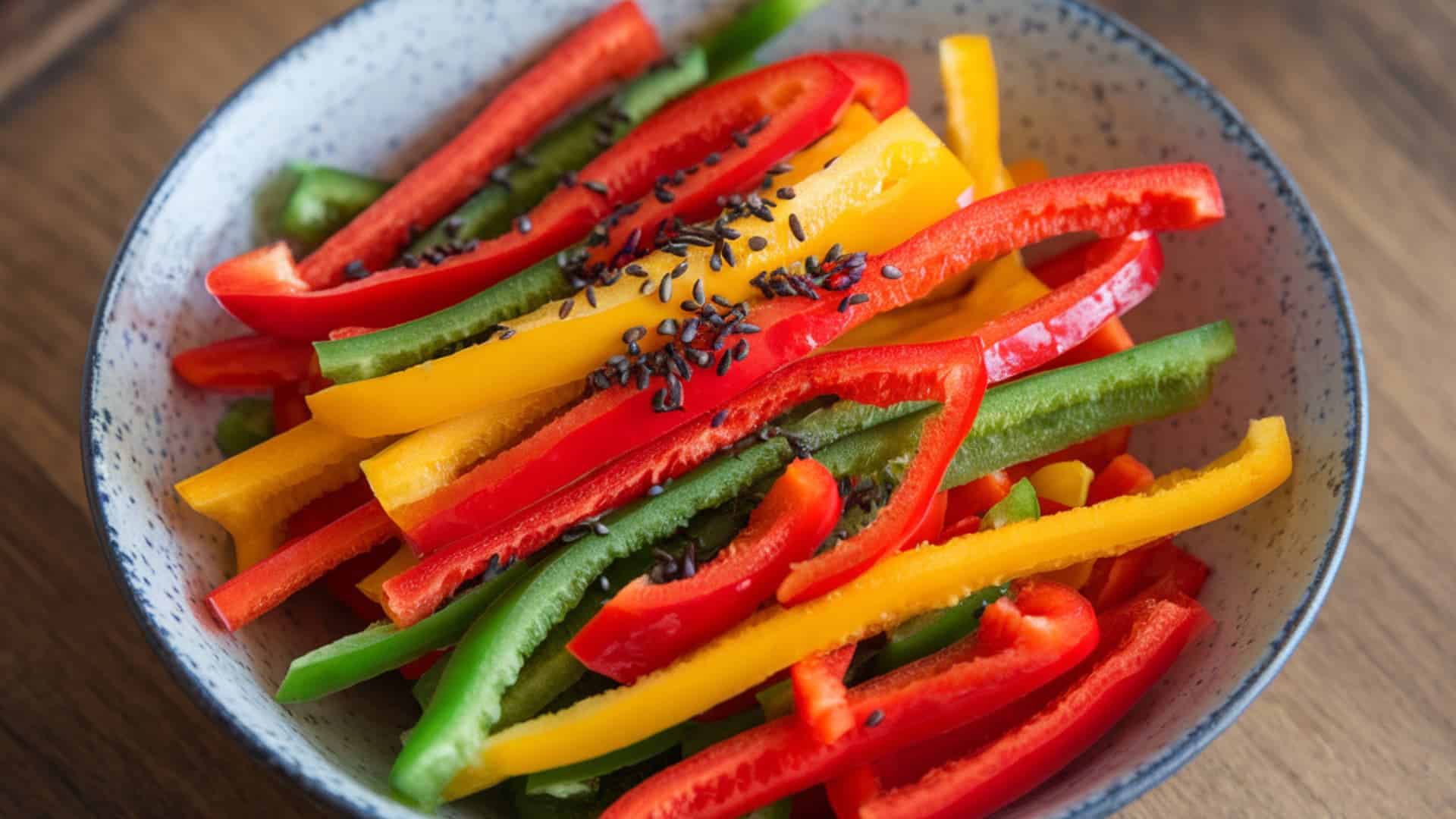
A whole medium bell pepper is about 30 calories, so even eating a full one barely dents a daily total. Red and yellow peppers taste sweeter than green, which is why they show up more often in snack lists.
People slice them thin and eat them plain or with vinegar. They work best earlier in the day, when natural sweetness satisfies a craving without needing added sugar.
6. Zucchini Slices
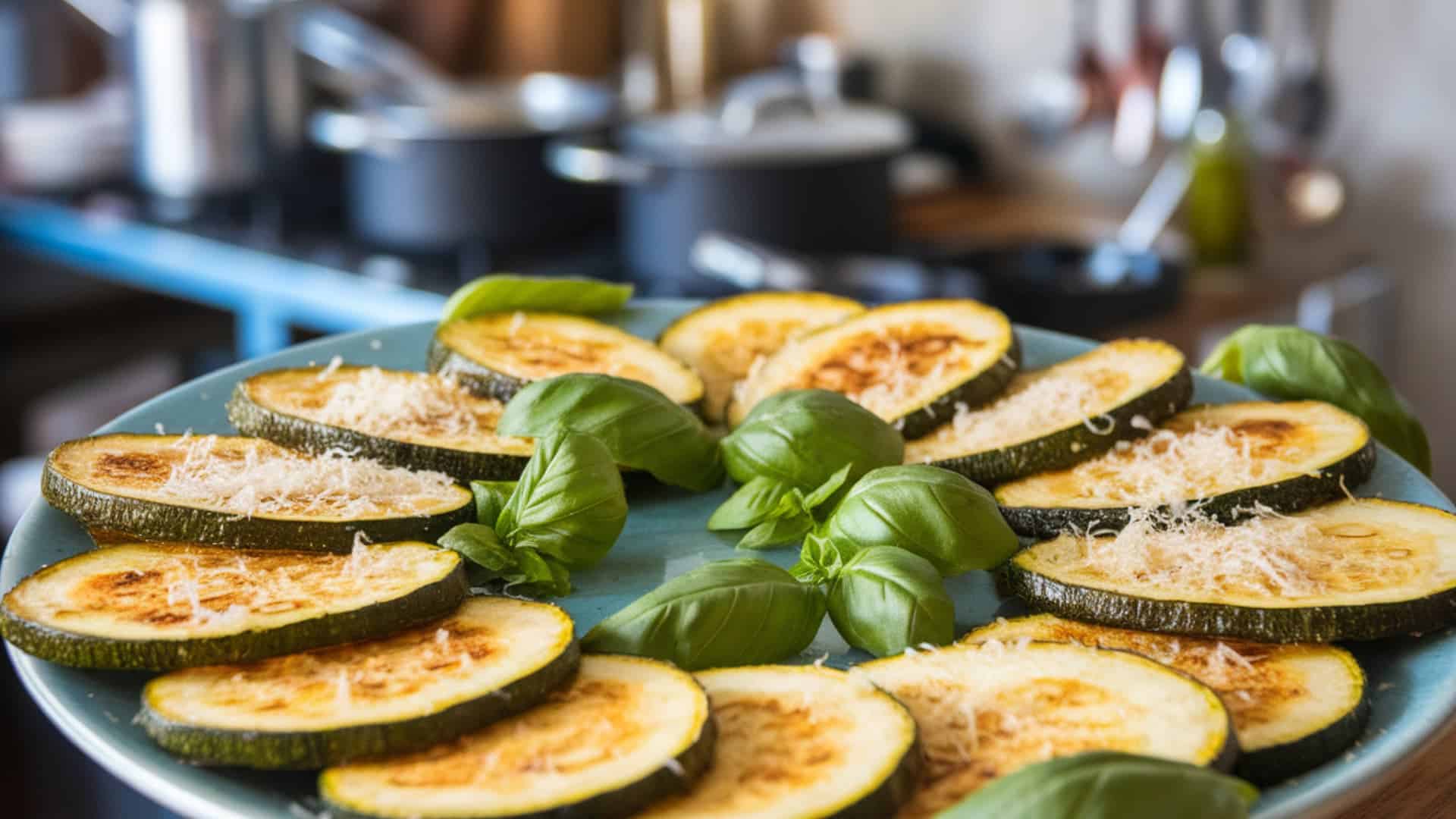
A medium raw zucchini comes in around 33 calories whole, which is low enough that eating a full one as sticks or rounds still isn’t much of a dent.
People like them plain, lightly salted, or dipped in mustard. Raw zucchini doesn’t tend to trigger further cravings, which makes it a reasonable late-night option. Keeping slices thin helps with texture.
7. White Mushrooms
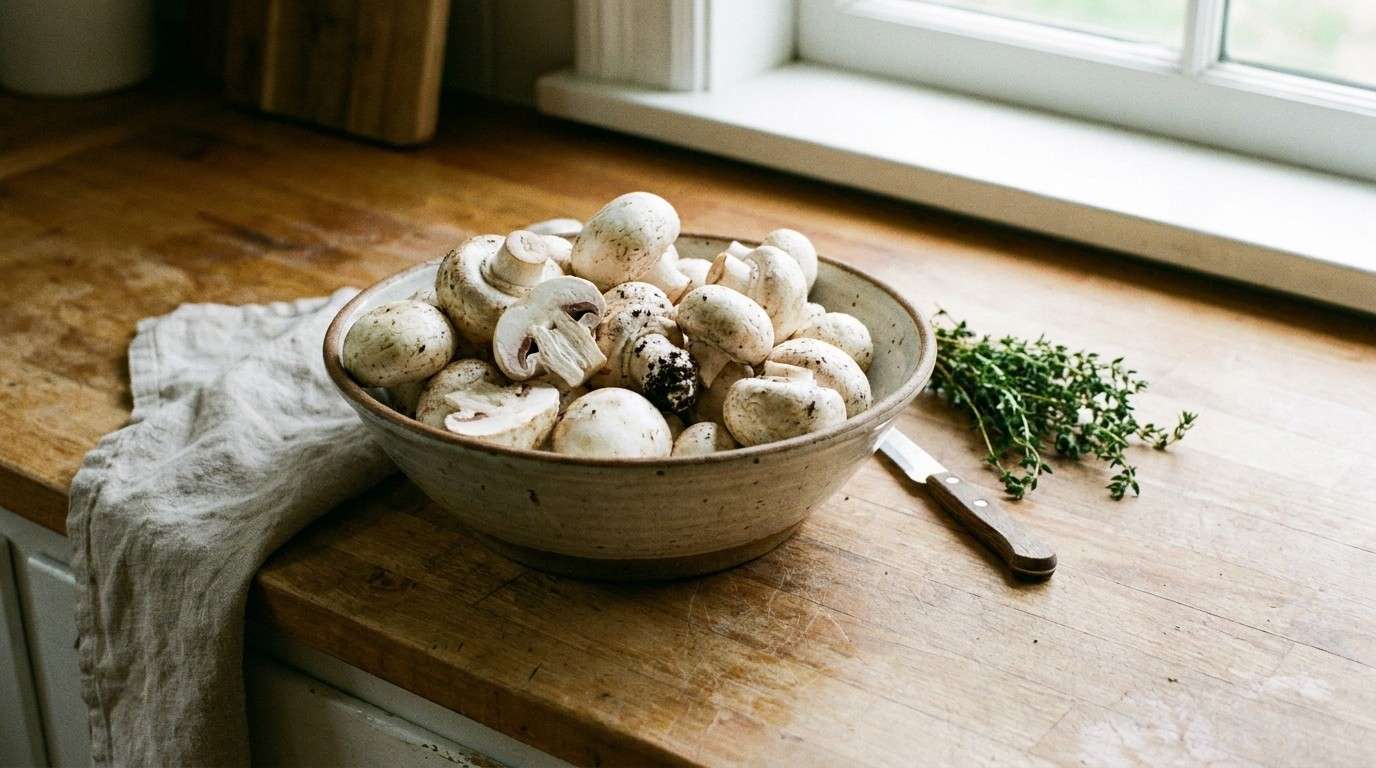
Raw white mushrooms run about 15 calories per cup sliced. They’re denser than leafy vegetables, which is why a small amount can feel more filling than the same volume of lettuce.
Some people dip them in vinegar or eat them plain; roasted with a little garlic powder, they crisp up and start to resemble a chip, at a fraction of the calories.
8. Spinach Leaves
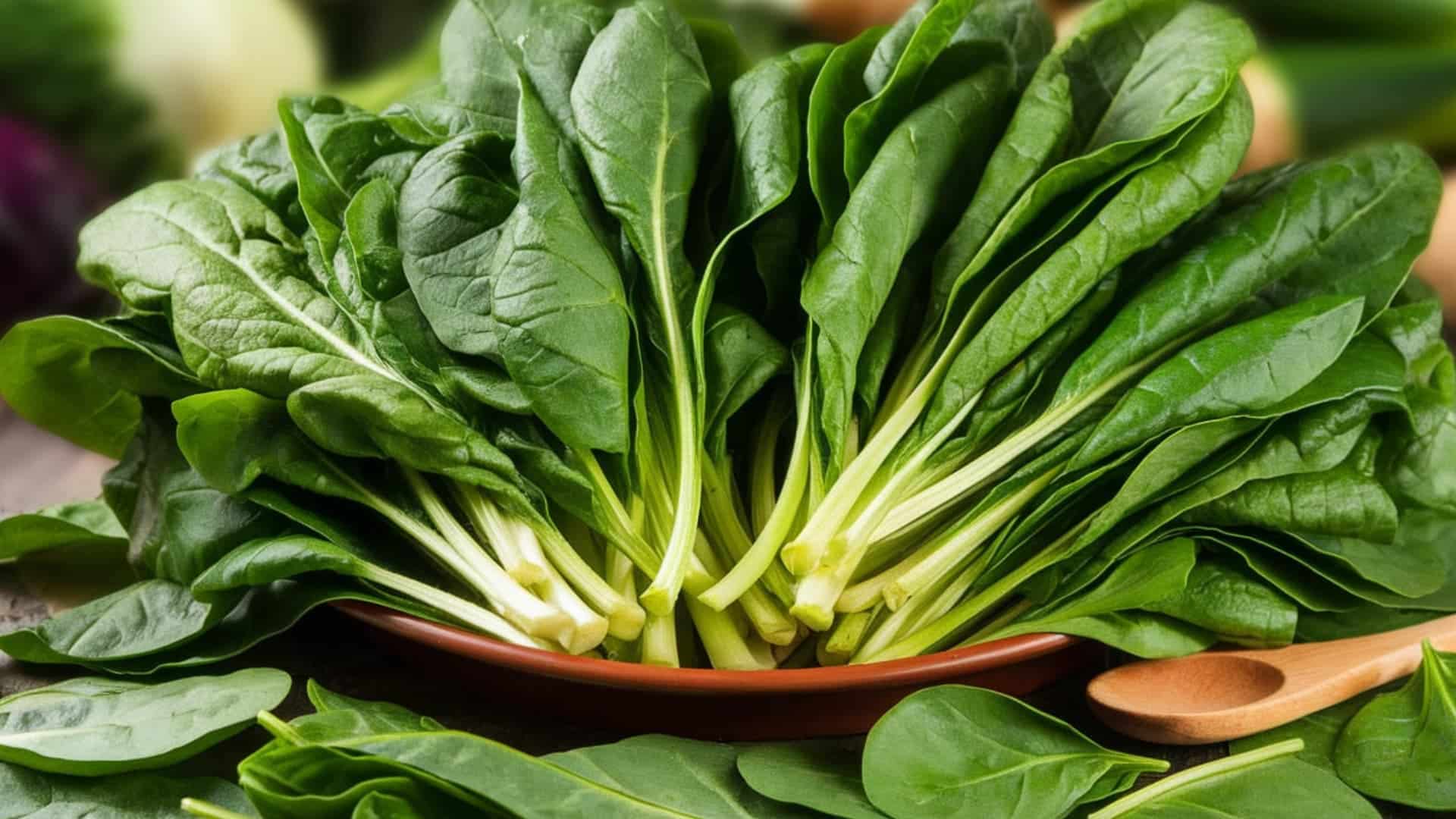
Raw spinach is about 7 calories per cup, among the lowest of anything on this list. It adds bulk without adding much taste, so it works better for people who want to snack without thinking hard about flavor.
Spinach wilts fast, so buy it close to when you’ll eat it. It’s often mixed with other raw vegetables rather than eaten alone.
9. Cabbage Shreds
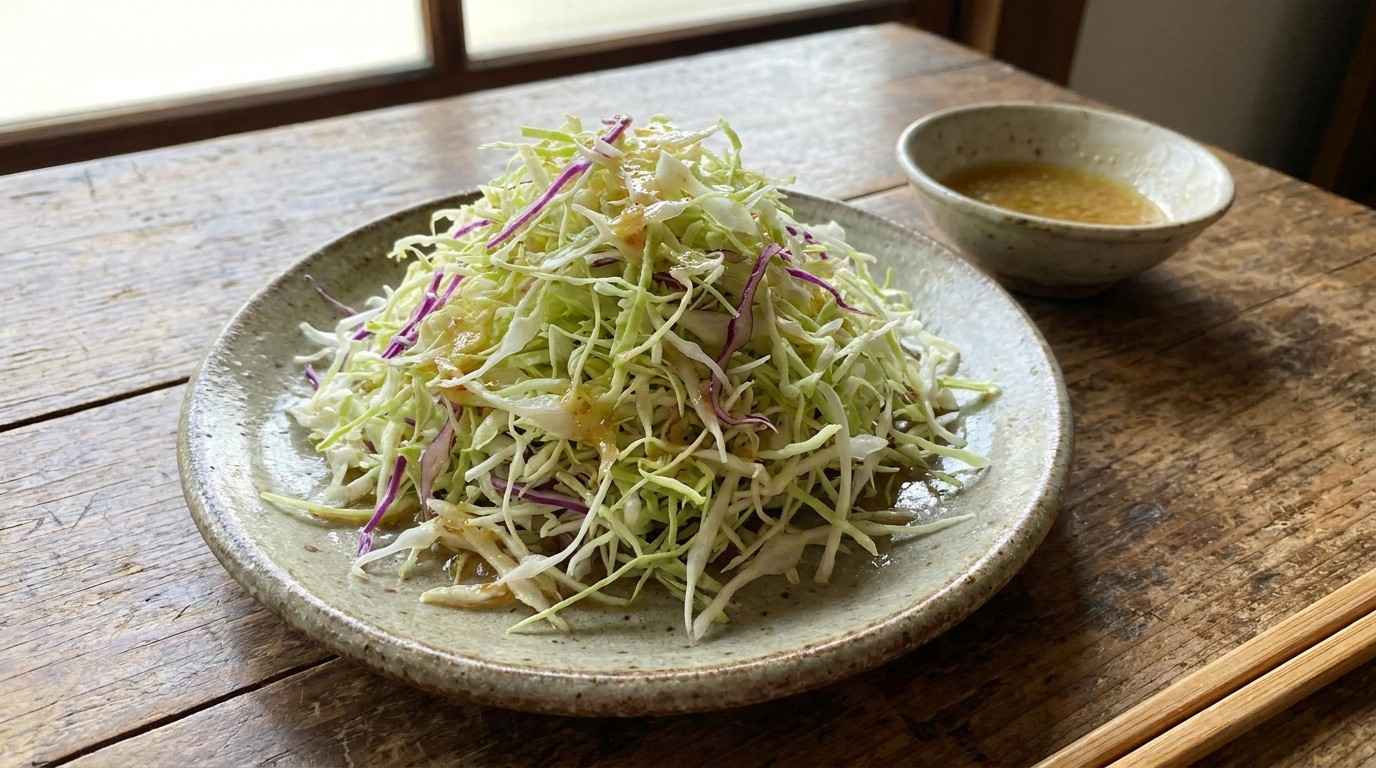
Raw shredded cabbage runs about 22 calories per cup, and it has more chew than lettuce, which makes it feel like an actual snack rather than a garnish.
People eat it plain or with a splash of vinegar. The catch: cabbage is fibrous, and eating a large amount can cause noticeable bloating, especially if your gut is already sensitive.
If that’s you, the smaller, gentler portions on a low-FODMAP vegetable list are worth a look before you eat cabbage by the bowlful.
10. Cherry Tomatoes (Small Portions)
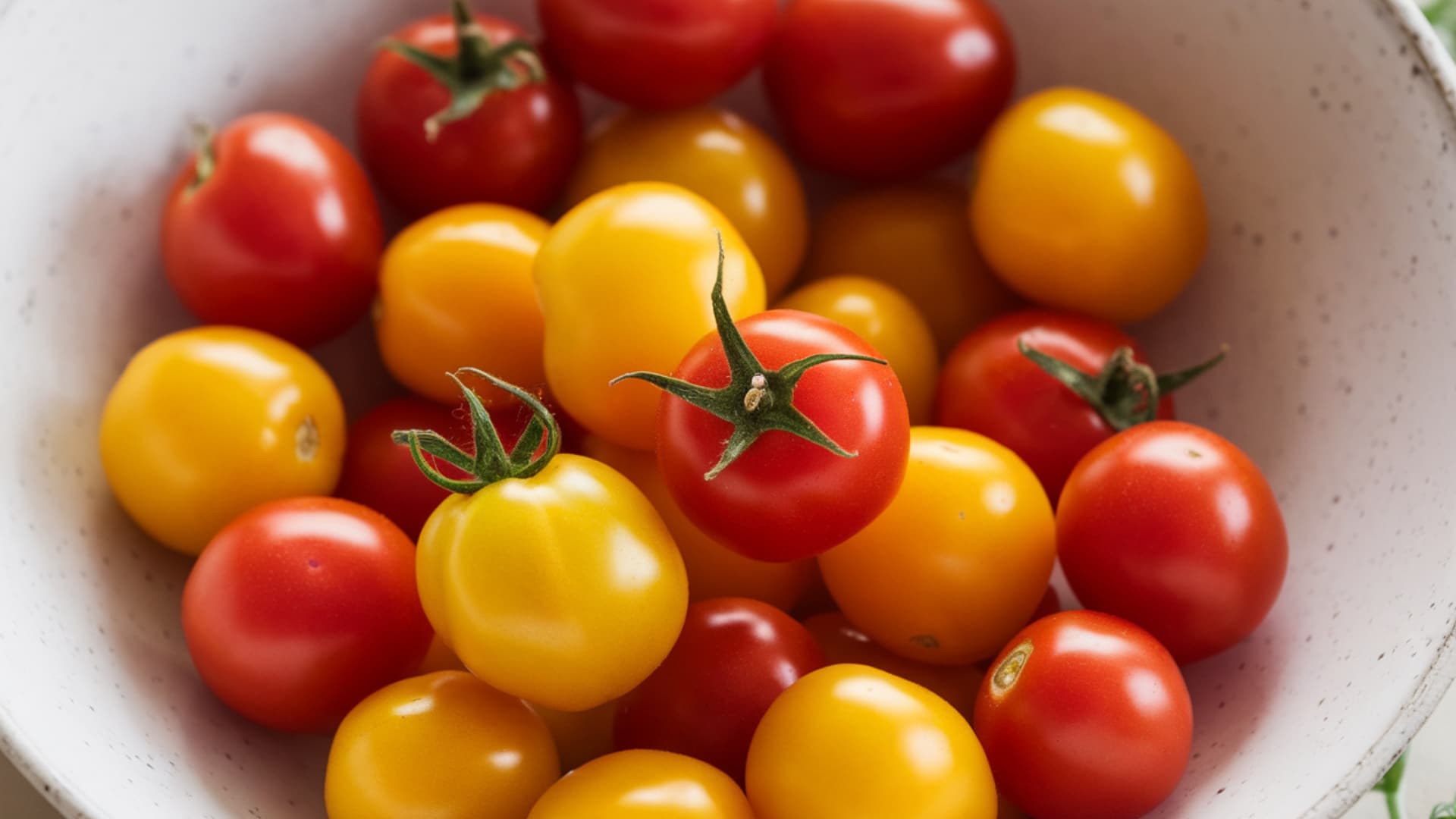
A single cherry tomato is about 3 calories, so ten of them is roughly 30 calories, sweet and juicy enough to feel like a treat.
They work best earlier in the day, since their natural sugar can restart a craving rather than end it if you eat a large handful.
11. Pickles, Pepperoncini, and Jalapeños: Salt and Acid Do the Heavy Lifting
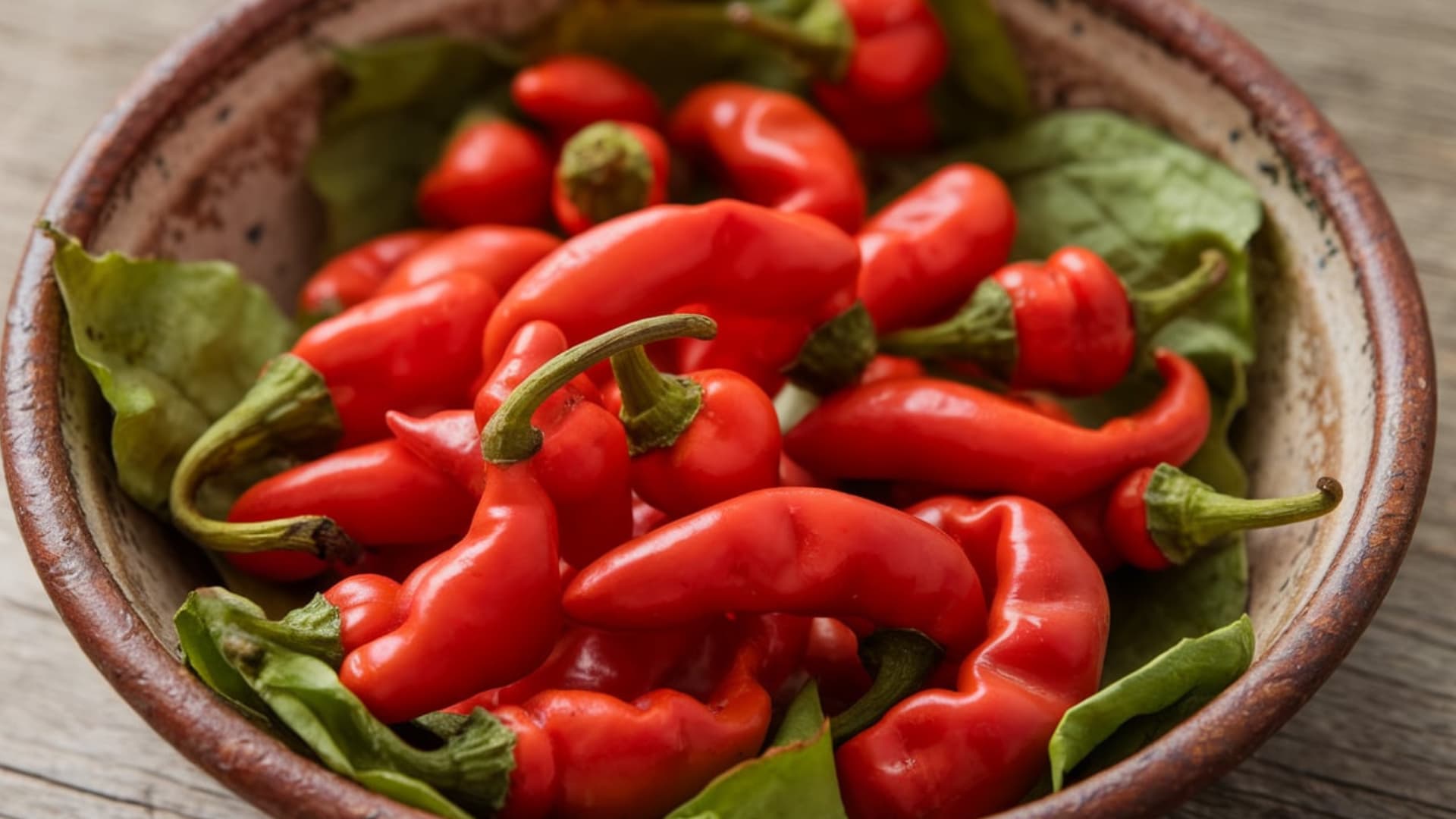
A dill pickle spear runs about 4–7 calories, a pepperoncini or pickled jalapeño a couple calories each. The strong vinegar-and-salt flavor across all of these interrupts a craving fast, which is why they show up on nearly every “zero calorie” list.
The tradeoff is sodium: one or two a day is fine, but a whole jar adds up quickly and can leave you feeling puffy.
Plain sauerkraut works on the same principle in smaller forkfuls, though its added fiber means bloating is more likely than with pickles alone
12. Seaweed Snacks
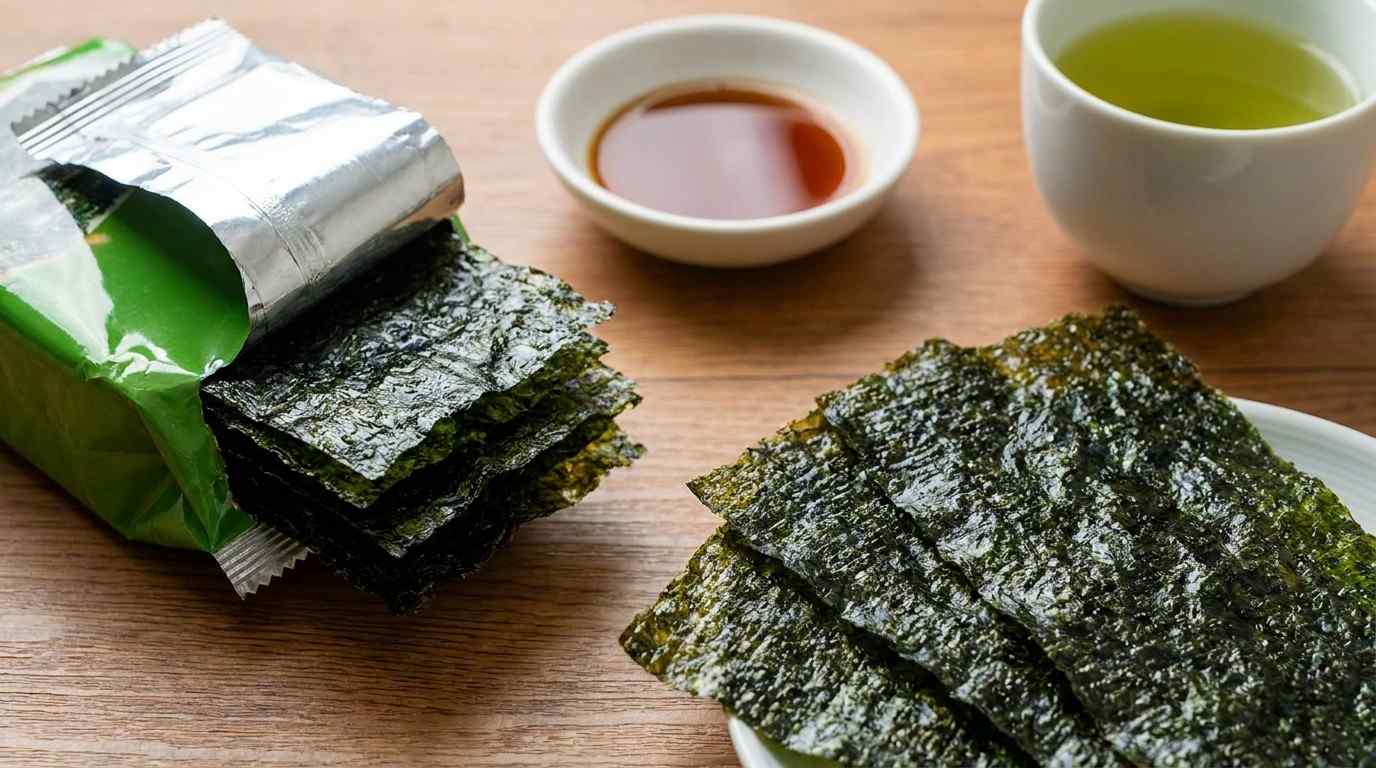
A typical roasted seaweed snack pack runs about 25–30 calories, and the crunch and saltiness make it feel closer to a chip than a vegetable.
Check the label before you buy, though: some brands add oil that pushes the calorie count up considerably, which is exactly the kind of thing that gets glossed over on zero calorie roundups
13. Plain Black Coffee
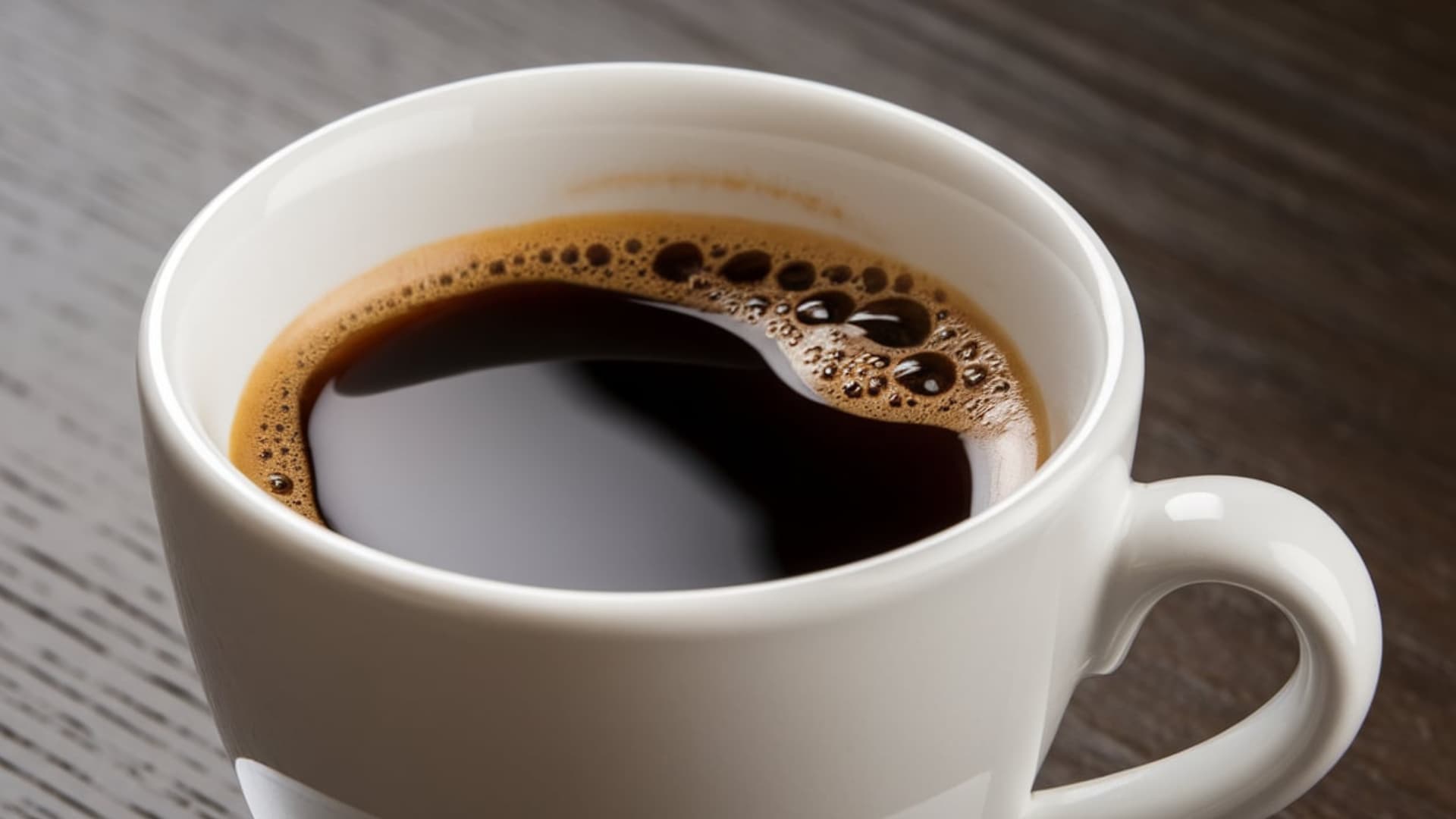
Black coffee with nothing added is about 2 calories per cup, essentially free from a calorie standpoint. It can blunt appetite and cut into boredom eating, which is why it shows up on nearly every low-calorie snack list.
It’s not a great late-day choice if it disrupts your sleep, and the moment cream or sugar enters the picture, the low calorie framing stops applying.
14. Sugar-Free Gelatin
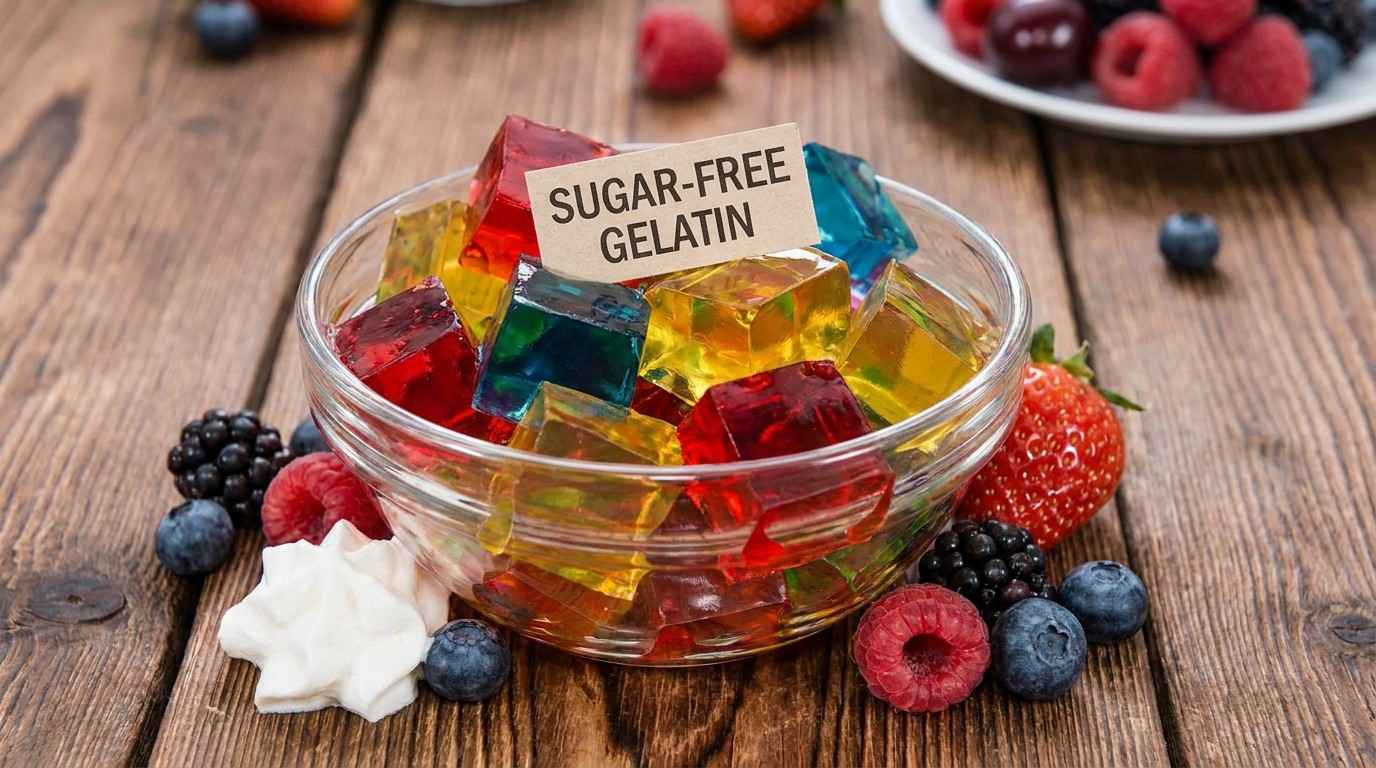
A half-cup serving of sugar-free gelatin runs about 10 calories, which is genuinely one of the closest things to a real dessert on this entire list. It doesn’t add fullness, but it satisfies a sweet craving in the evening.
Some people avoid it over the artificial sweeteners; that’s a reasonable personal call, not a safety issue.
15. Unsweetened Tea
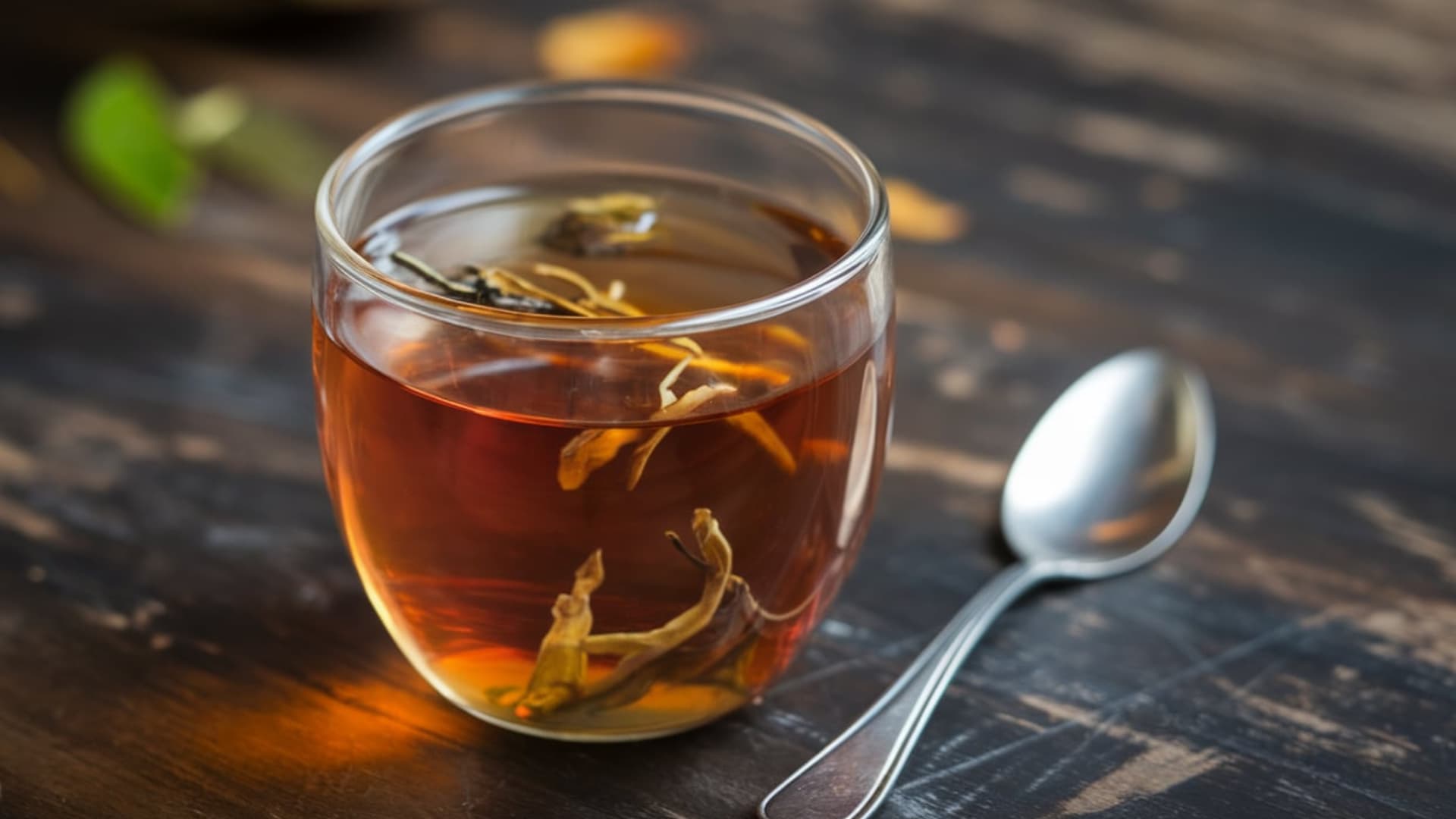
Plain brewed tea, hot or iced, is about 2 calories per cup. Green and herbal varieties are the most commonly reached for, and rotating flavors helps prevent the boredom that leads people back to snacking.
If you’re making a pitcher rather than single cups, the basic method for brewing iced tea at home keeps it cheap enough to have on hand constantly.
16. Herbal Tea
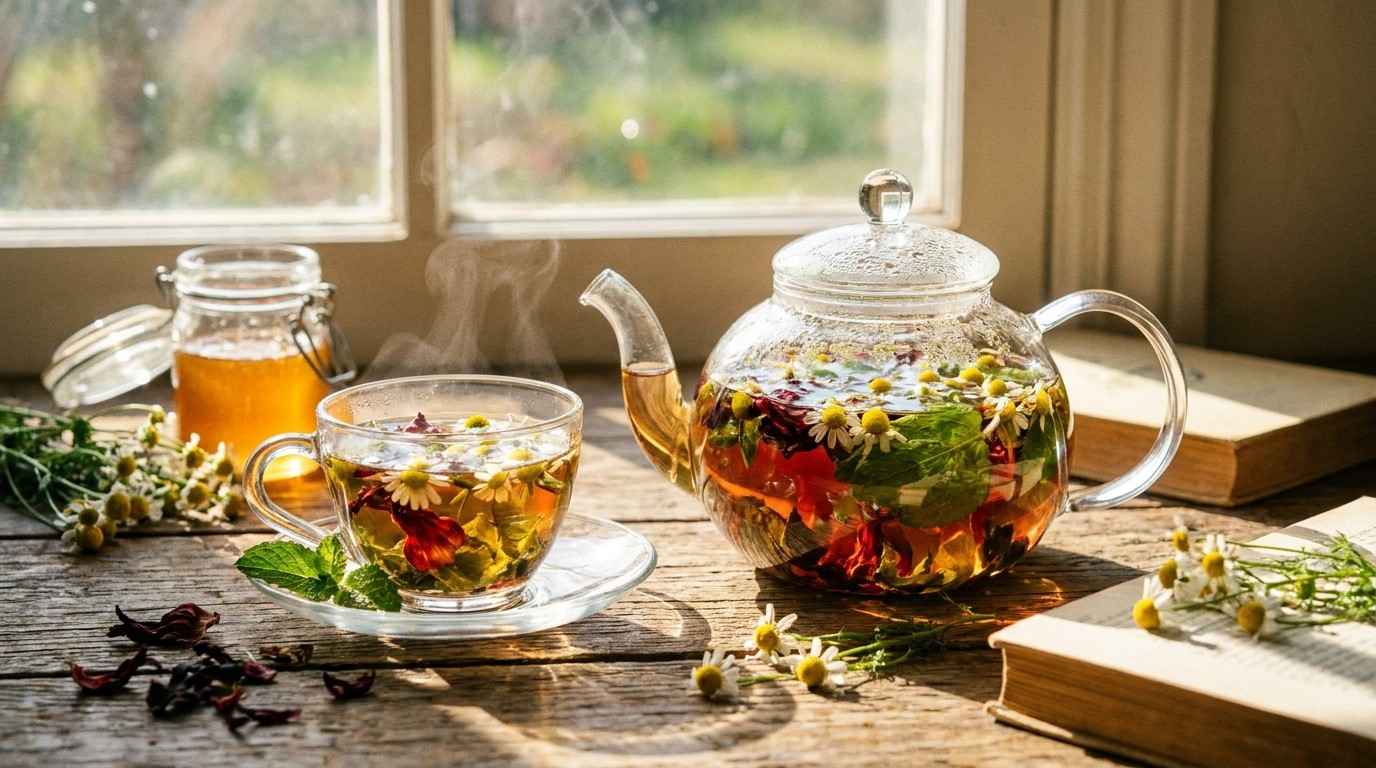
Herbal tea sits at roughly the same 2 calories per cup as regular tea, but it’s caffeine-free, which makes it the better evening option when hunger is more emotional than physical.
Peppermint and chamomile are the most common picks. If you’ve noticed herbal tea leaves you feeling drier rather than more hydrated, that’s a real and fairly common experience worth reading up on rather than something you’re imagining.
17. Sparkling Water
Plain sparkling water has zero calories, and the carbonation genuinely does create a short-term feeling of fullness for a lot of people.
Add lemon, cucumber, or a splash of unsweetened juice if plain water feels boring; none of it meaningfully changes the calorie count.
It won’t replace food, but it delays the next bite long enough for a lot of “hunger” to reveal itself as thirst instead.
18. Broth (Clear, Low Sodium)
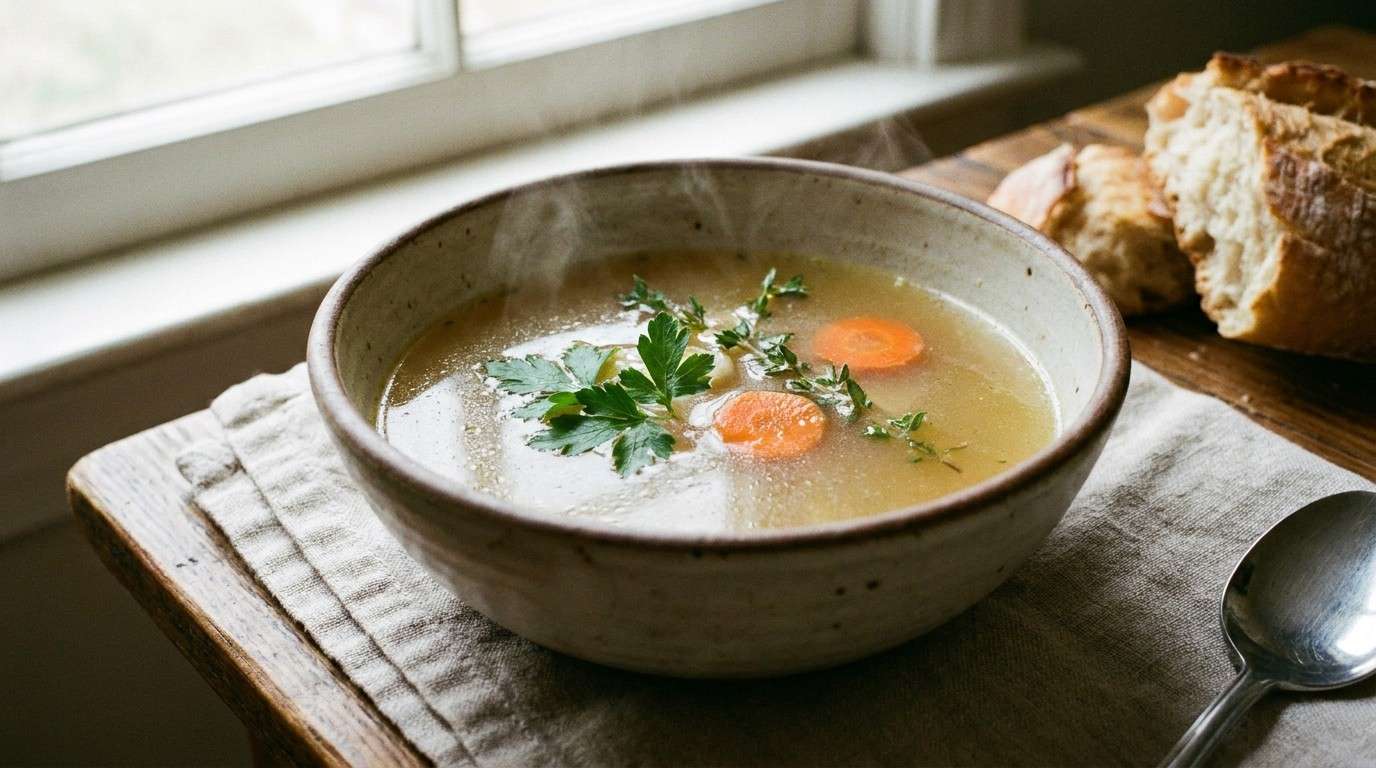
A cup of clear, low-sodium broth runs about 10–40 calories depending on the brand, so it’s genuinely low rather than zero, and the warmth and savoriness make it feel more like a real snack than most of this list.
It’s especially useful on cold evenings when a cold vegetable doesn’t sound appealing. It has almost no protein or fiber, so it’s not a stand-in for a real meal when you’re actually hungry.
Why the “Zero Calorie” Label Is a Bit of a Marketing Trick
Here’s the part that gets glossed over: none of this works through some special metabolic trick.
It works because of volume, flavor, habit, and hydration, not because your body is somehow burning off the calories as fast as you eat them.
- Volume: cucumber, lettuce, and celery fill your mouth and stomach briefly without much substance behind them.
- Flavor shock: vinegar, chili, and salt interrupt a craving cycle fast, which is why pickled foods show up so often here.
- Habit replacement: swapping chips for vegetables breaks an automatic pattern, not a biological one.
- Hydration: mild dehydration gets mistaken for hunger more often than people expect, and water-rich snacks close that gap.
You’ll sometimes see claims that chewing “negative calorie” foods burns more energy than they contain.
That’s an oversimplification of a real but small effect called the thermogenic effect of food, and it’s nowhere near large enough to matter for weight management on its own — fiber does help with satiety, but not by making a food calorically negative.
High-Protein Low-Calorie Snacks That Keep You Full
According to MedlinePlus, these high-protein snacks can help manage hunger between meals without adding too many calories. Choosing options with lean protein and texture may help you stay full for longer.
| Snack | Approximate Calories and Protein | Why It Is Filling |
|---|---|---|
| Plain nonfat Greek yogurt | 100 calories, 17 g protein | Its thick texture and high protein content make it more satisfying than many sweet snacks. |
| Low-fat cottage cheese | 100 calories, 13 g protein | It contains slow-digesting protein that can help control hunger between meals. |
| Tuna packed in water | 100 calories, 22 g protein | Tuna provides a large amount of lean protein in a relatively small portion. |
| Cooked egg whites | 70 calories, 14 g protein | Egg whites offer concentrated protein with very little fat or added calories. |
| Shelled edamame | 100 calories, 9 g protein | The combination of protein and fiber helps make this plant-based snack more filling. |
| Deli turkey breast | 90 calories, 17 g protein | Lean turkey provides convenient protein that can satisfy hunger without a heavy meal. |
| Cooked shrimp | 90 calories, 19 g protein | Shrimp is protein-dense and low in calories, making it a light but satisfying option. |
Zero-Calorie vs. Low-Calorie: Use the Right Tool for the Situation
Zero-calorie snacks help control cravings, but they don’t satisfy real hunger. Low-calorie snacks add enough substance for that job.
| Situation | Zero-Calorie Snacks | Low-Calorie Snacks |
|---|---|---|
| Best use | Cravings, habit eating | Real hunger, long gaps between meals |
| Fullness | Very short-term | Lasts longer |
| Nutrition | Minimal | Some protein or fiber |
| Daily use | Support tool | Meal support |
Frequently Asked Questions
Are zero-calorie snacks safe for long-term use?
Zero-calorie snacks are safe when used occasionally as tools for managing cravings. However, relying on them daily without balanced meals may lead to poor nutrition because they lack essential nutrients such as protein, fats, and vitamins.
Can zero-calorie snacks help with weight loss plateaus?
They can indirectly support weight-loss plateaus by reducing unnecessary snacking and helping maintain a calorie deficit. However, they do not directly boost metabolism or fat loss and should be combined with proper diet adjustments.
Why do zero-calorie snacks sometimes increase cravings later?
Some zero-calorie snacks, especially salty or sour ones, can temporarily suppress cravings but may trigger stronger hunger later. This happens because they do not provide lasting energy or satiety signals to the body.
Are artificial sweeteners in zero-calorie foods harmful?
Most approved artificial sweeteners are considered safe in moderate amounts. However, some people may experience increased cravings or digestive sensitivity, so individual tolerance varies.
What is the healthiest way to use zero-calorie snacks?
The healthiest approach is to use them only as a support tool for cravings between meals, while ensuring full meals contain protein, fiber, and healthy fats for proper nutrition and energy.
Conclusion
Zero-calorie snacks are genuinely useful for the specific problem they solve: wanting to eat when you’re not actually hungry.
They’re not useful for much else, and no amount of celery is going to replace a meal with real protein in it.
If I had to pick three to actually keep stocked, it’d be celery, cucumber, and a jar of pickles — cheap, almost no prep, and honest about what they are.