
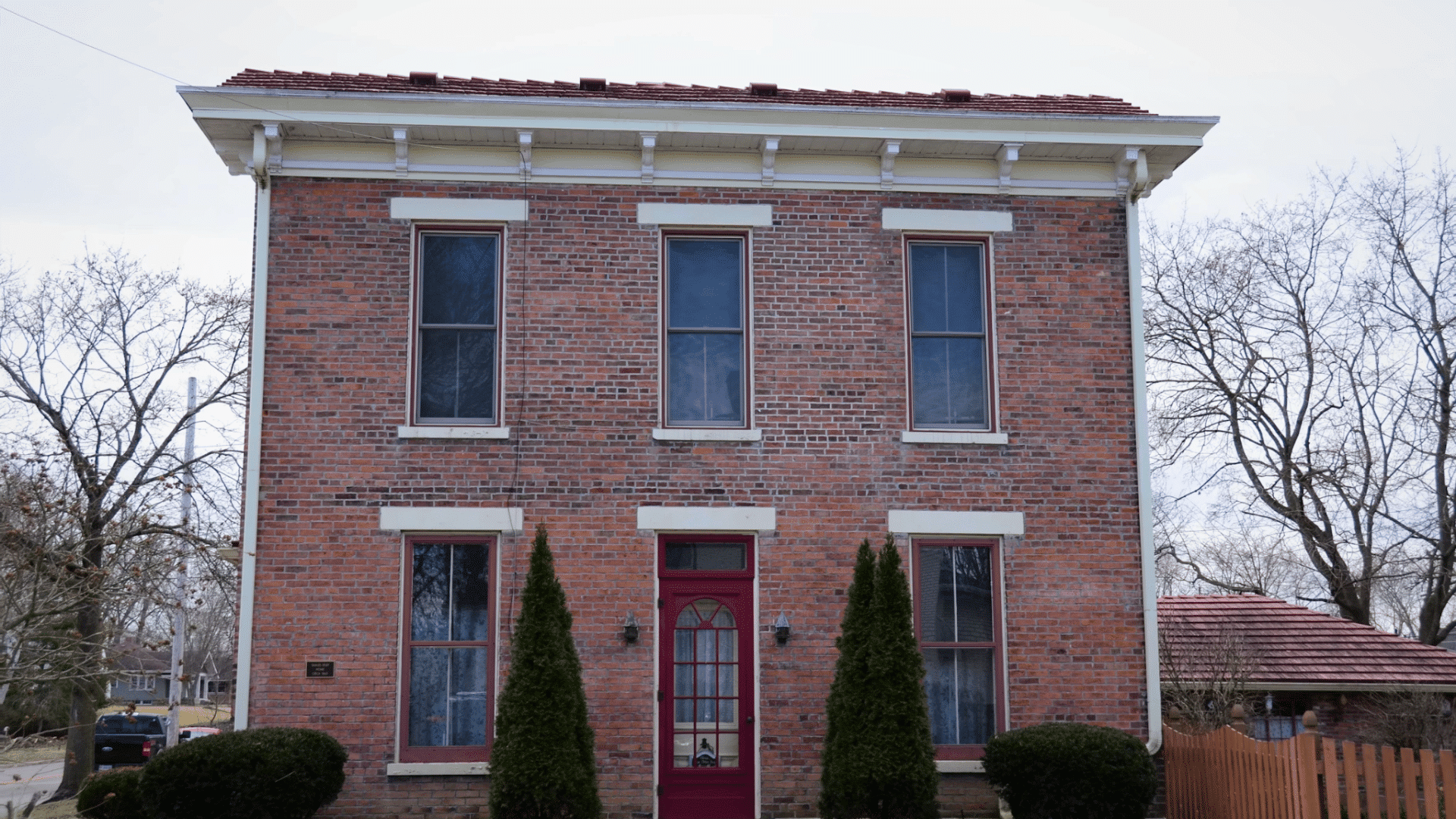
A fresh coat of paint can update a brick house without major renovations, often creating better results than homeowners expect.
Painted brick exteriors have become a popular choice for homeowners who want to update their home’s style, improve curb appeal, and create a more modern appearance.
The right exterior paint color can highlight textures while complementing the roof, doors, and trim for a balanced look.
However, choosing the perfect shade requires more than picking a favorite color. Brick undertones, home architecture, lighting, and surrounding elements all play an important role.
This guide covers the best exterior brick paint colors, helpful color combinations, practical selection tips, and common mistakes to avoid
Quick Answer: What Are the Best Exterior Brick Paint Colors?
The best exterior brick paint colors include classic white, soft gray, warm beige, charcoal, sage green, navy blue, and black.
The ideal choice depends on your brick’s undertones, home style, natural lighting, and the overall look you want to create.
Neutral shades offer timeless appeal, while darker colors add a bold and modern feel. Always test samples before painting the entire exterior.
How to Choose the Exterior Colors for a Painted Brick House?
Choosing the right exterior paint color helps create a balanced look by considering your brick, home style, and surrounding features.
- Consider Existing Brick Undertones: Red, orange, brown, and gray brick tones influence paint choices. Choose shades that complement the brick’s natural warmth or coolness.
- Match the Paint With Home Architecture: Traditional, modern, farmhouse, and colonial homes suit different color palettes. Select shades that enhance your home’s design style.
- Coordinate With Roof, Trim, and Doors: Match exterior paint with roofing, trim, shutters, and doors to create a balanced color scheme. Use contrasting accents to add visual interest.
- Test Paint Samples Before Painting: Exterior lighting can change how colors appear throughout the day. Test small areas first to ensure the shade looks right.
- Check HOA and Neighborhood Guidelines First: Many homeowners associations require approval before repainting a home’s exterior, and some limit choices to a pre-approved color palette.
Exterior Brick Paint Color Ideas for a Painted Brick House
Choosing the right brick paint color can enhance curb appeal, highlight architectural details, and create a fresh exterior style.
1. Classic White Brick Exterior

Classic white brick creates a clean, bright, and timeless exterior that complements farmhouse, colonial, and modern homes.
It makes spaces feel larger while highlighting architectural details. White brick pairs beautifully with black, charcoal, or natural wood accents for contrast.
Dark shutters, metal fixtures, and warm wooden doors can add depth without overpowering the simple look.
This versatile shade is ideal for homeowners seeking a fresh, classy painted-brick transformation.
Benjamin Moore White Dove (OC-17) is one of the most reliable whites for this look, since it reads warm rather than stark.
2. Soft Gray Painted Brick

Soft gray painted brick offers a modern yet classic appearance that suits various home styles.
This neutral shade creates a classy exterior without feeling too bold or overwhelming. Gray brick works well with white trim, black accents, and natural wood details.
It complements both light and dark roofing materials, making it a flexible choice for many homes.
Soft gray is especially popular for contemporary, minimalist, and traditional exteriors.
3. Warm Beige Brick Exterior
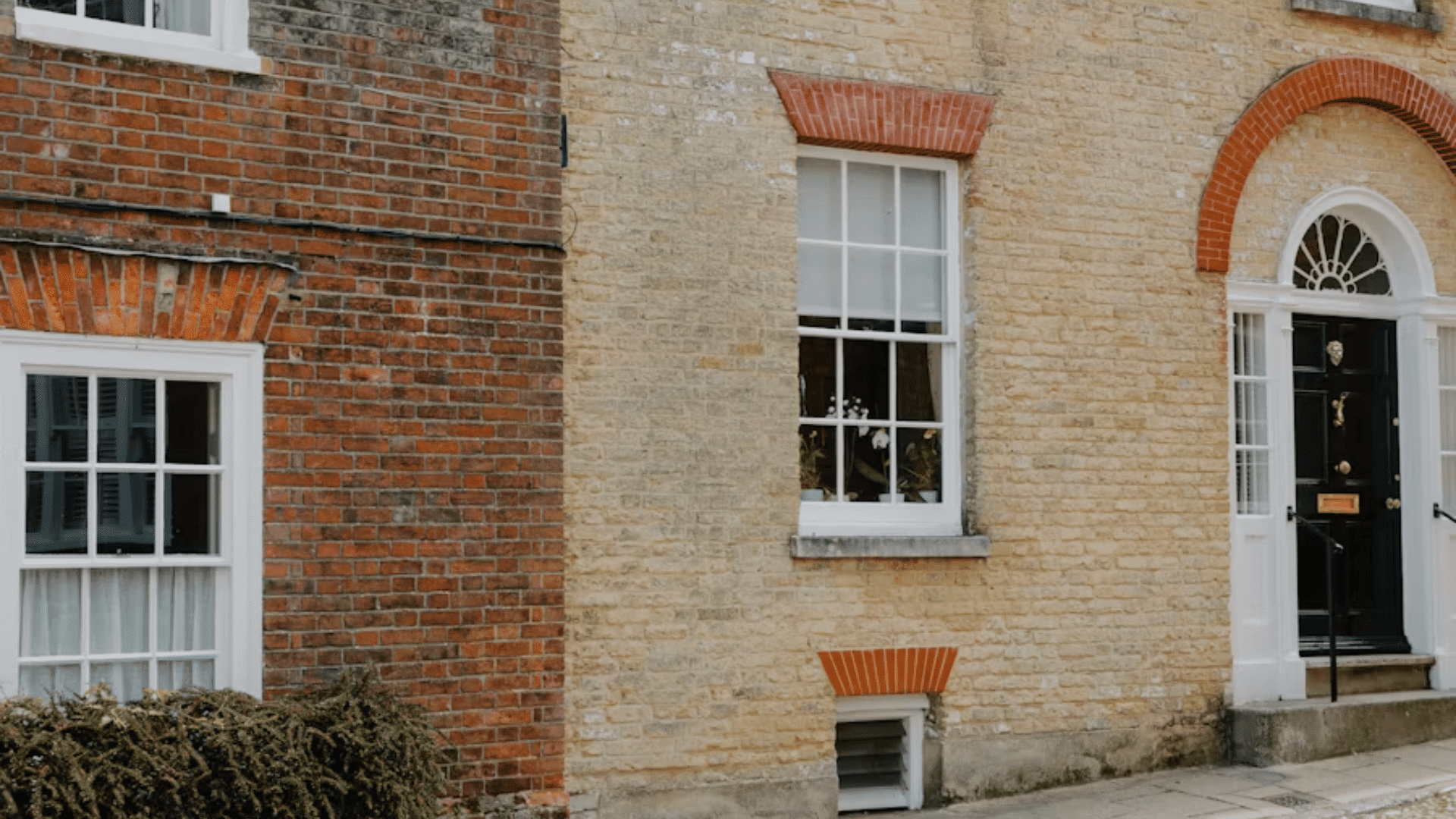
Warm beige brick creates a welcoming and natural look that adds softness to a home’s exterior. This color works especially well with traditional, cottage, and farmhouse-style houses.
Beige painted brick pairs beautifully with wooden doors, stone accents, and earthy landscaping elements.
Cream or brown trim can enhance its warmth while maintaining a balanced appearance. It is a great option for homeowners who want a neutral exterior with a comfortable and inviting feel.
4. Charcoal Gray Brick House
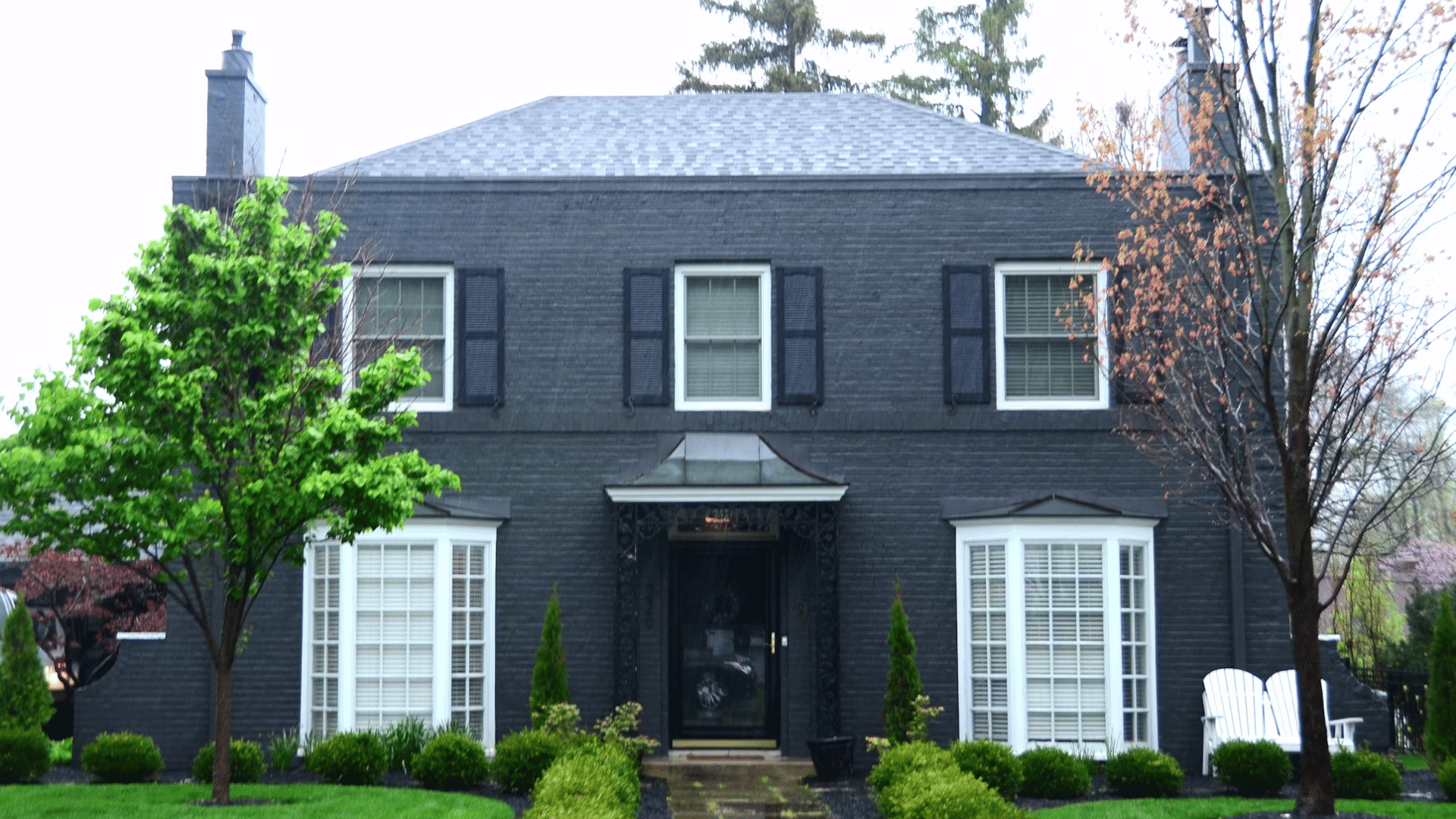
Charcoal-gray-painted brick creates a bold and classy exterior, perfect for contemporary homes.
This deep shade adds depth while giving the house a stylish, modern appearance.
To prevent the color from looking too heavy, pair it with lighter trim colors such as white, cream, or soft gray. Wooden accents and warm lighting can also soften the darker tone.
Charcoal gray works well for homeowners wanting a dramatic yet balanced exterior update.
Benjamin Moore Kendall Charcoal (HC-166) is a common pick here since its warm undertone keeps the color from reading flat or cold.
5. Black Painted Brick Exterior
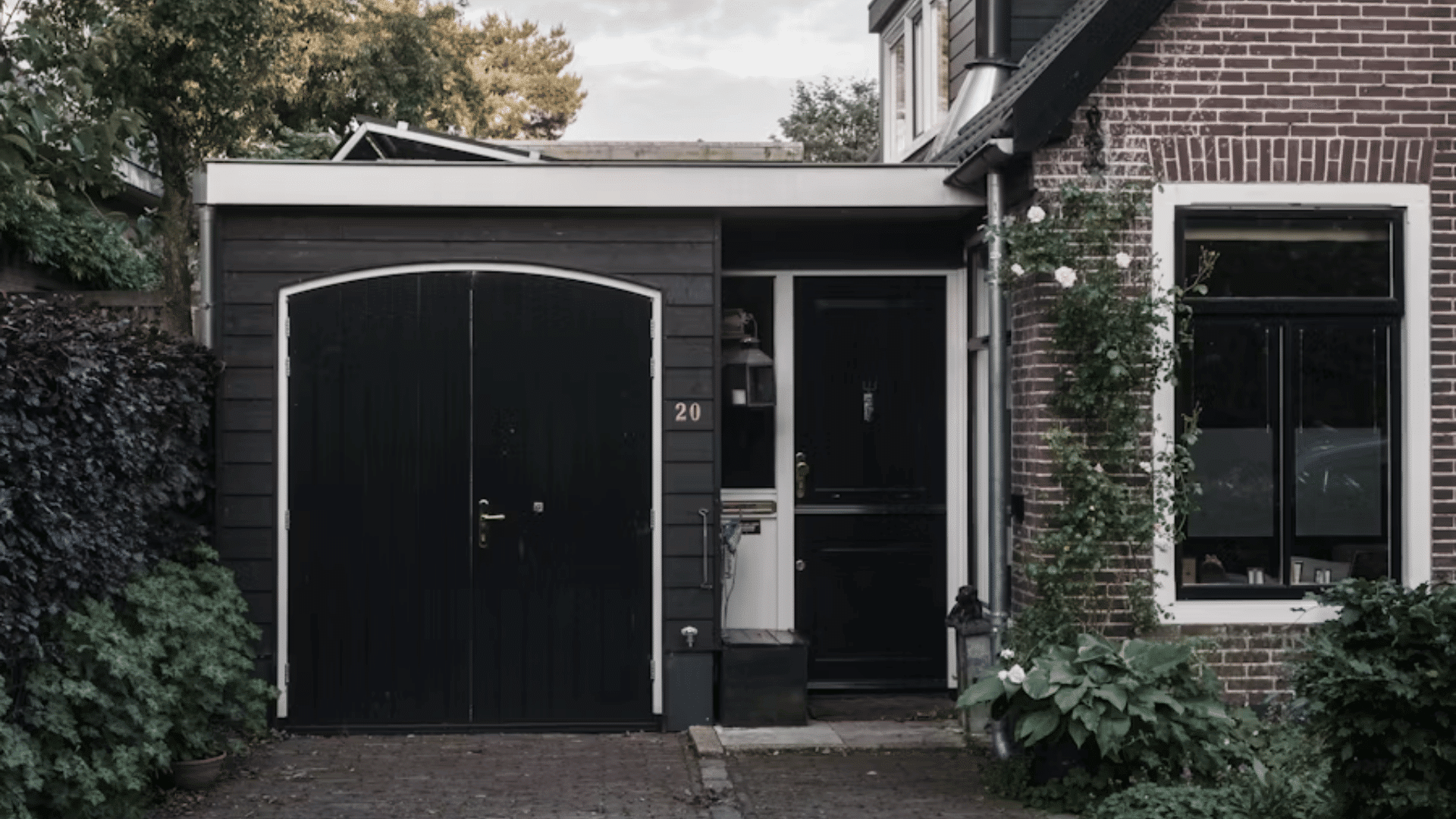
Black-painted brick offers a dramatic and modern look that creates strong curb appeal. This bold color works well on contemporary, farmhouse, and minimalist homes.
To balance the dark exterior, consider adding lighter trim, natural wood doors, or greenery around the property.
Black brick highlights architectural details and creates a sophisticated appearance. Proper lighting and contrasting accents help prevent the exterior from feeling too dark or flat.
Sherwin-Williams Iron Ore is a frequently used near-black exterior shade for this exact effect.
6. Sage Green Brick Exterior
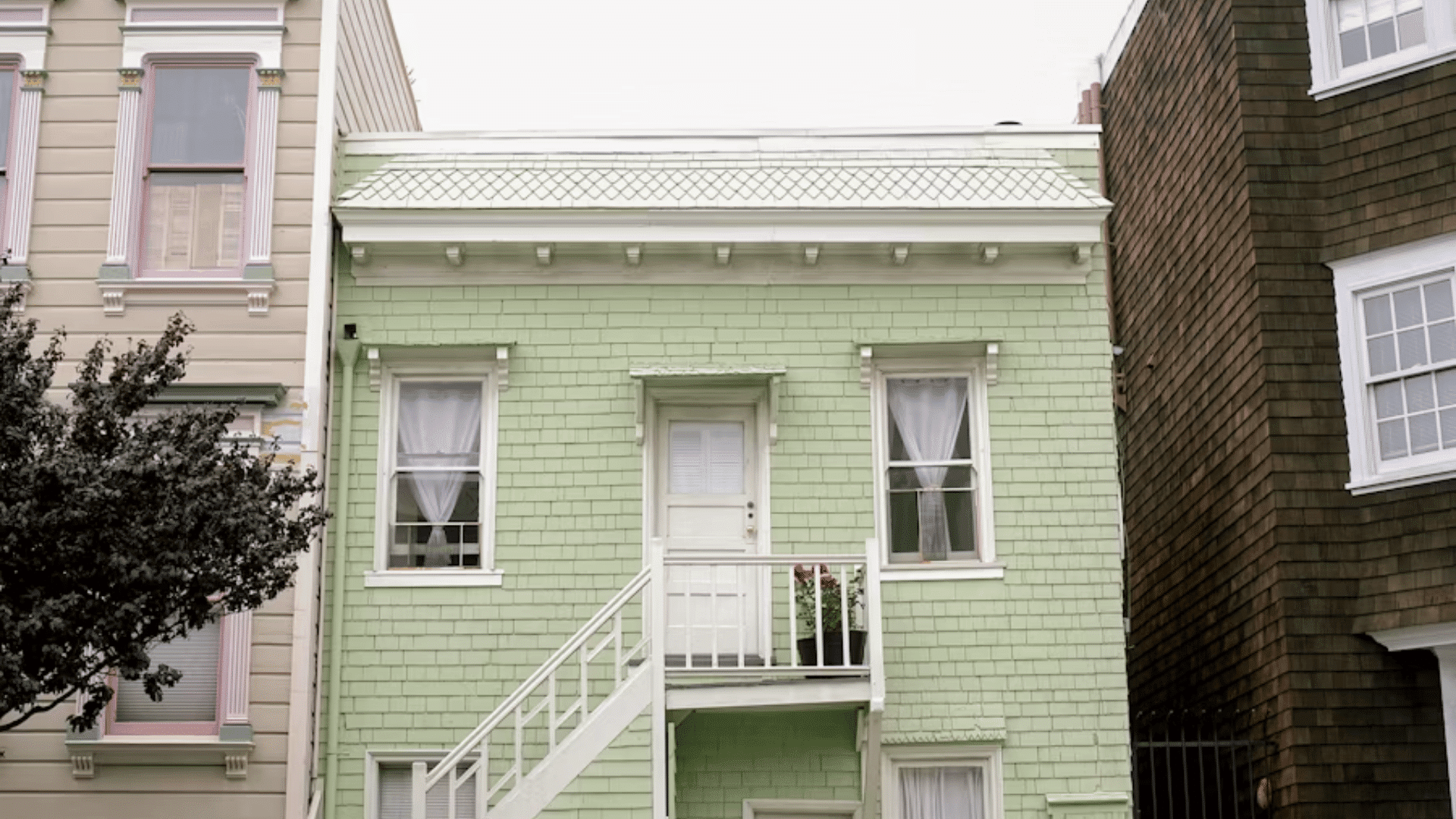
Sage-green-painted brick lends a natural, calming look to traditional and farmhouse-style homes. This soft green shade blends well with outdoor surroundings and landscaping.
It pairs beautifully with white trim, wooden doors, and black hardware for a balanced exterior palette.
Sage green is ideal for homeowners who want a subtle color that feels connected to nature. Its muted tone creates a welcoming, timeless painted-brick look.
7. Navy Blue Painted Brick
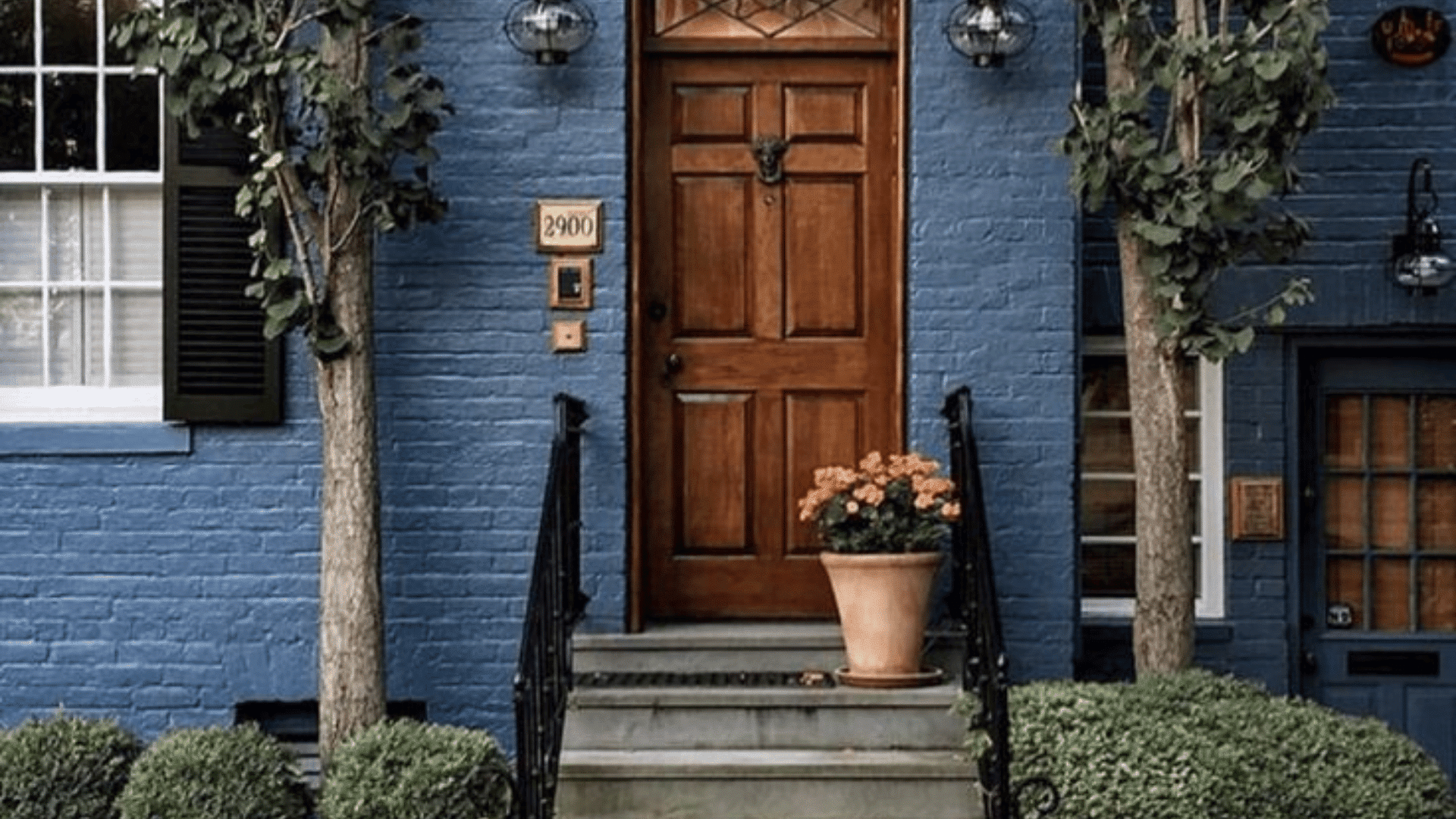
Navy-blue-painted brick adds depth and character while maintaining a classic exterior style. This rich color works well with coastal, traditional, and modern homes.
White trim creates a crisp contrast, while brass or gold fixtures add a refined touch.
Navy blue also pairs nicely with gray roofing and wooden accents. It is a great choice for homeowners looking for a bold color that still feels classy and versatile.
8. Cream Brick Exterior
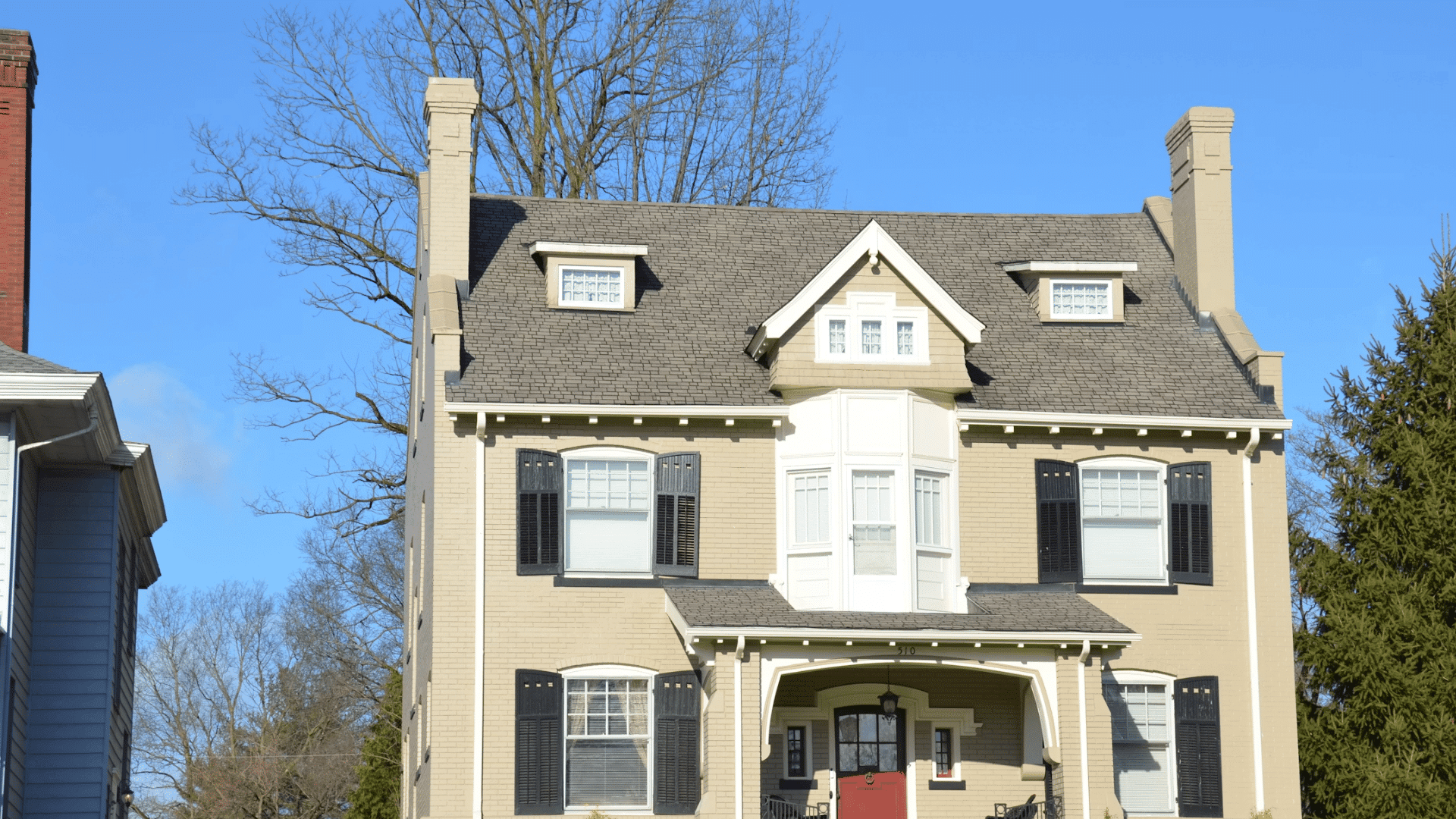
Cream-painted brick offers a softer alternative to bright white while maintaining a clean, warm appearance.
This shade works well with traditional, cottage, and farmhouse homes. Cream brick complements natural materials such as wood, stone, and warm metal finishes.
It creates a cozy exterior without appearing too stark.
Pairing it with darker trim or accent colors can add definition and highlight the home’s architectural features.
9. Greige Painted Brick House
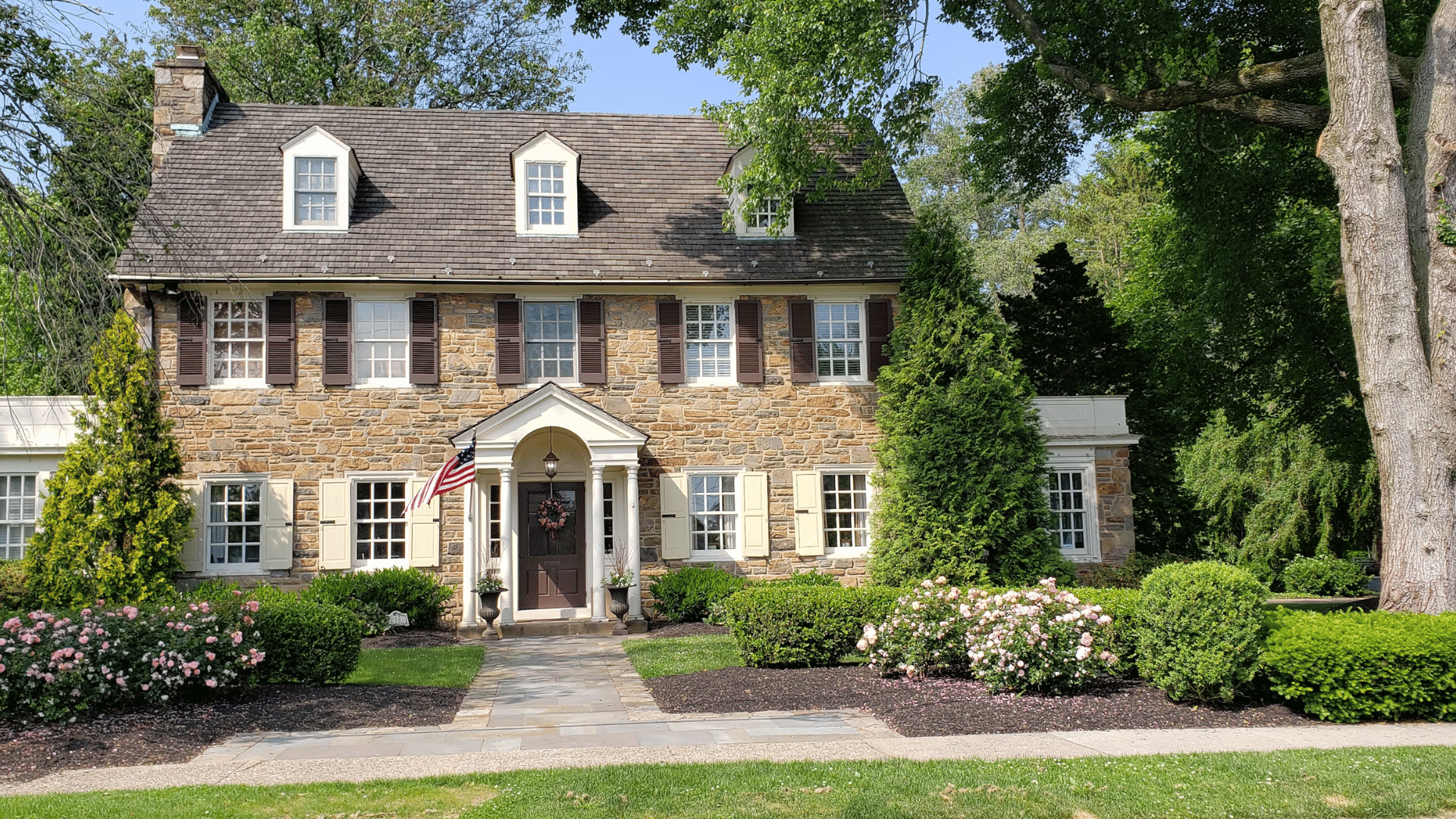
Greige painted brick combines gray and beige tones to create a balanced neutral exterior color.
This versatile shade works well with different brick styles because it blends warm and cool undertones.
Greige creates a classic look that complements modern, traditional, and transitional homes. It pairs beautifully with white trim, black accents, and natural wood details.
This color is a popular choice for homeowners seeking a stylish, classy exterior.
10. Light Blue Brick Exterior
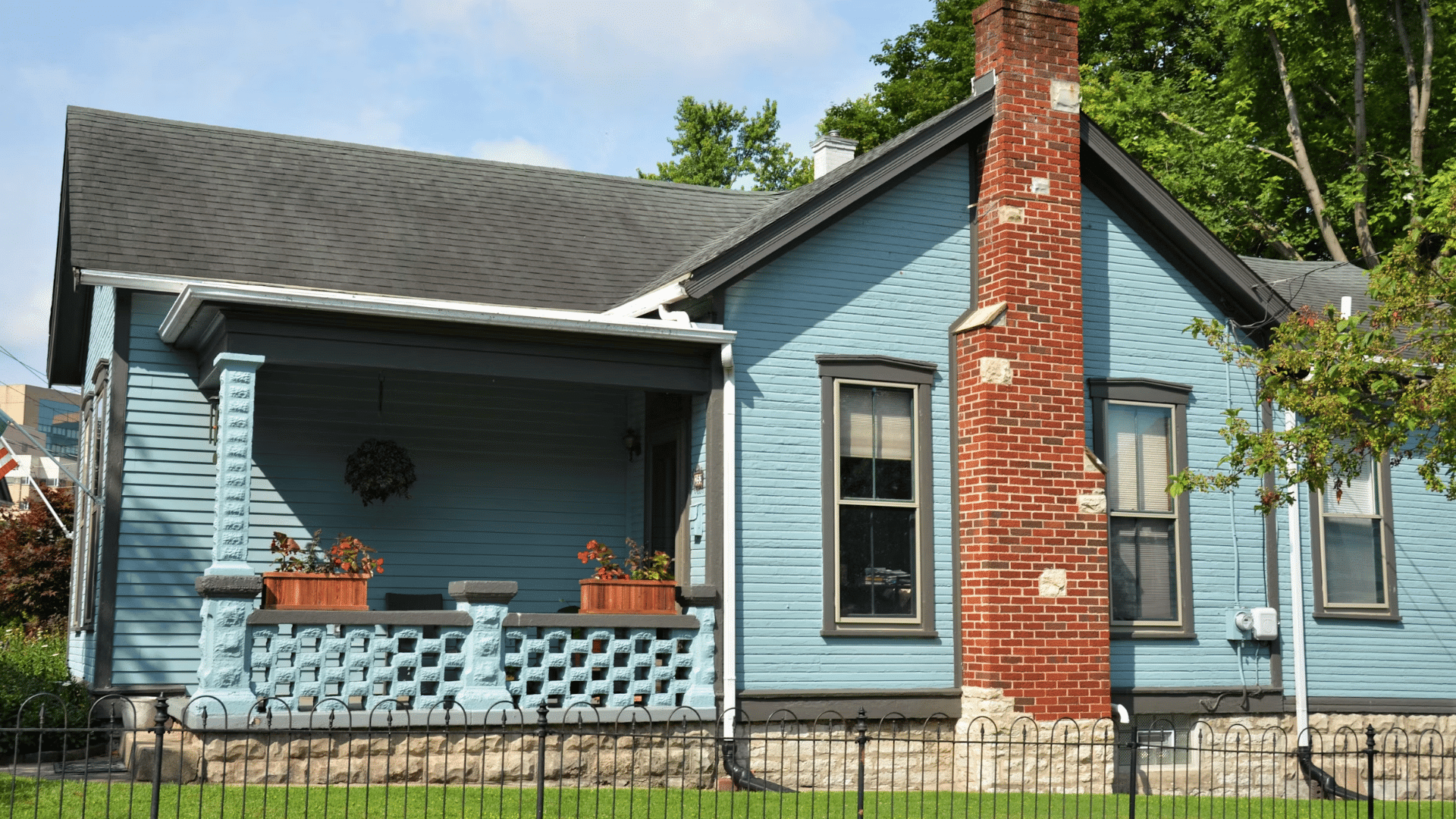
Light-blue-painted brick creates a fresh, inviting appearance that works well for coastal and cottage-style homes.
This soft shade adds personality while maintaining a relaxed exterior feel. Light blue pairs beautifully with white trim, gray roofing, and natural wood accents.
It can make a home feel brighter and more welcoming.
This color choice is ideal for homeowners who want a unique exterior without choosing overly bold shades.
11. Taupe Painted Brick
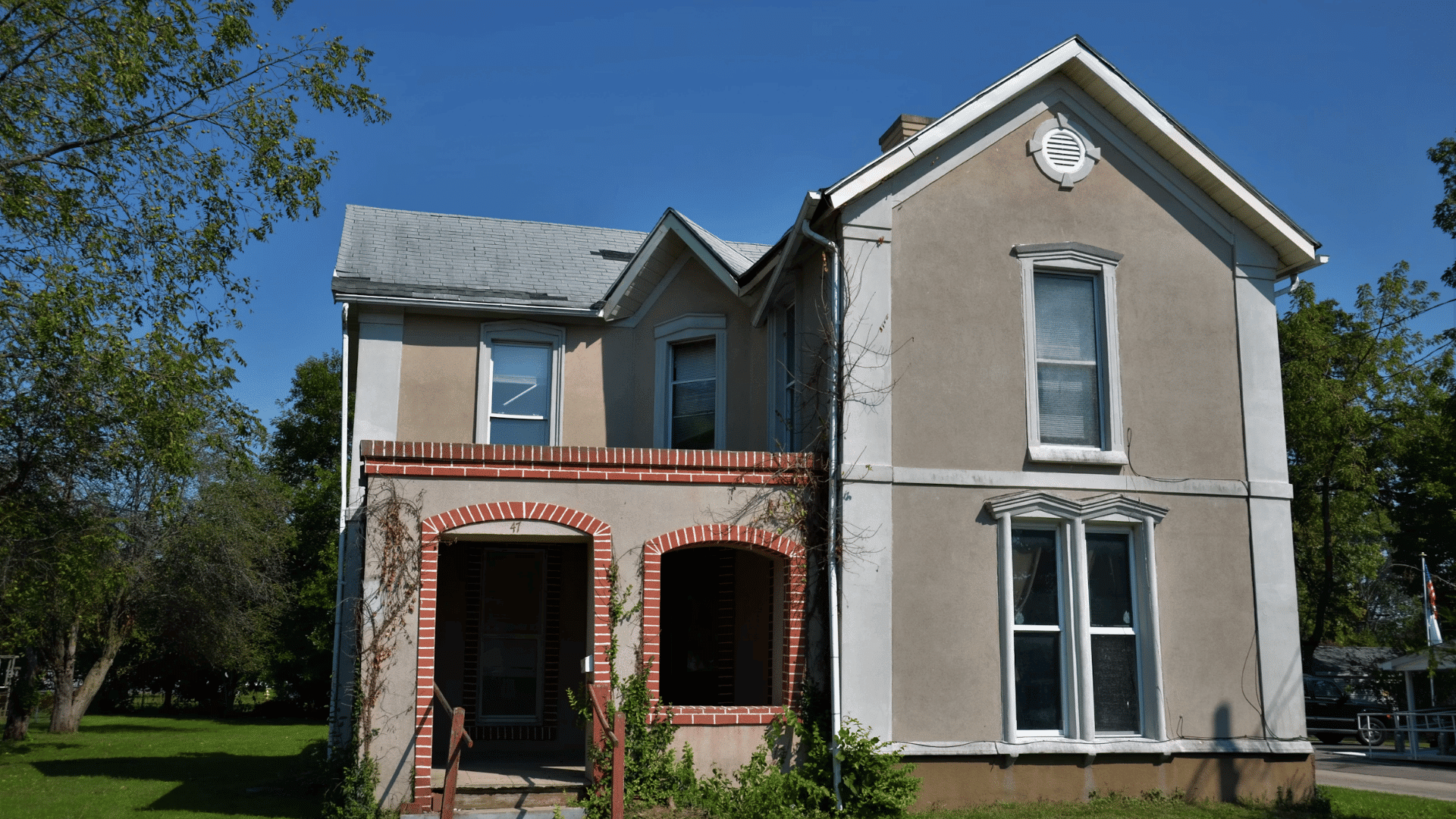
Taupe-painted brick offers a neutral option that combines warmth with sophistication. This shade works well for traditional, modern, and transitional homes.
Taupe pairs nicely with dark brown doors, black shutters, and cream trim for a balanced exterior design.
Its subtle tone allows architectural details to stand out without overpowering the overall look. It is a practical choice for homeowners seeking a refined, timeless painted-brick appearance.
12. Dark Green Brick Exterior
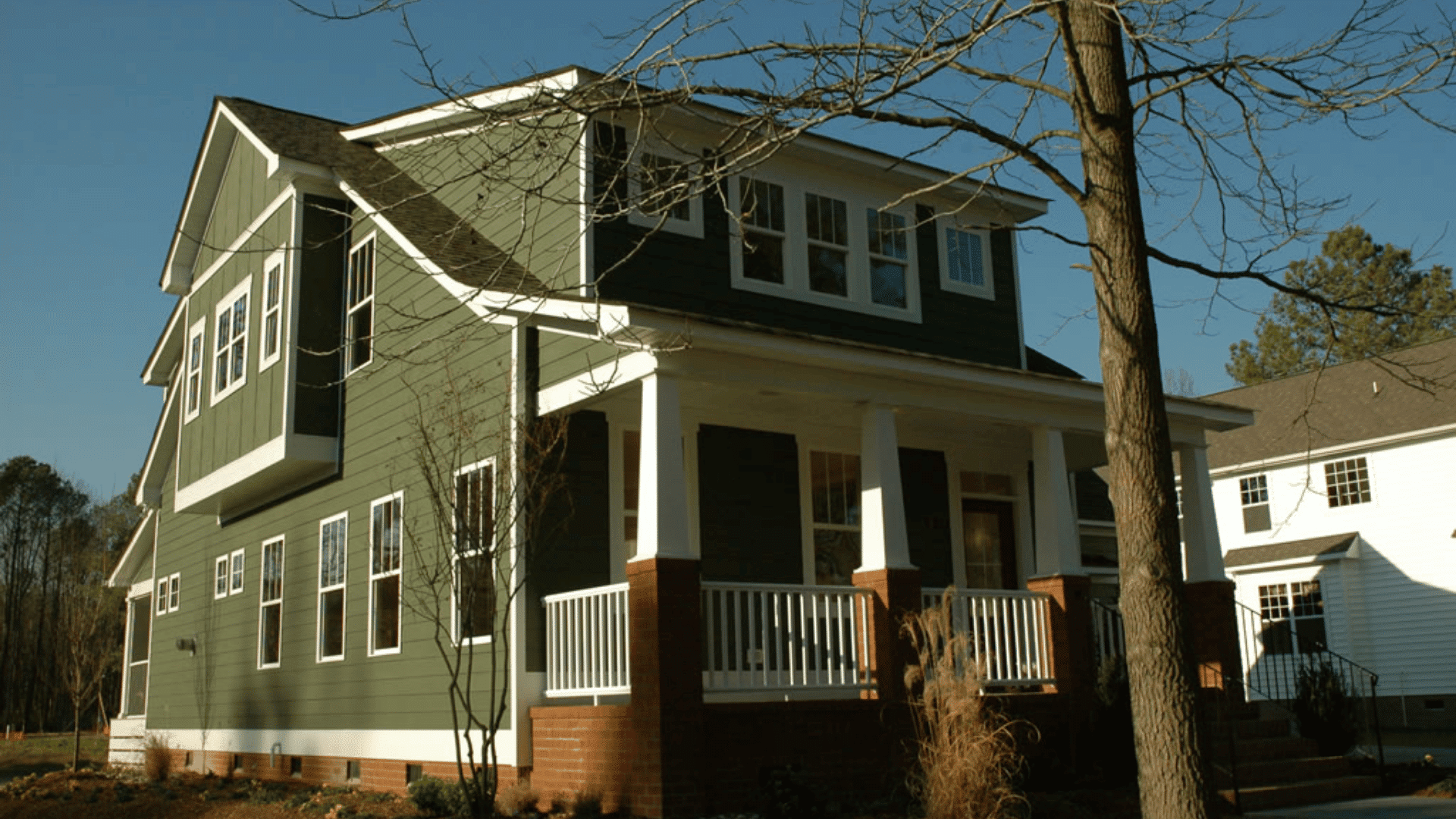
Dark green painted brick creates a natural and sophisticated exterior with a rich, classic feel. This color works especially well with traditional homes, cottages, and properties surrounded by greenery.
Pair it with white trim, wooden doors, or stone accents to create contrast.
Dark green also complements natural landscaping and outdoor features. This shade provides a distinctive appearance while maintaining a welcoming look for the home exterior.
13. Terracotta-Inspired Brick Colors
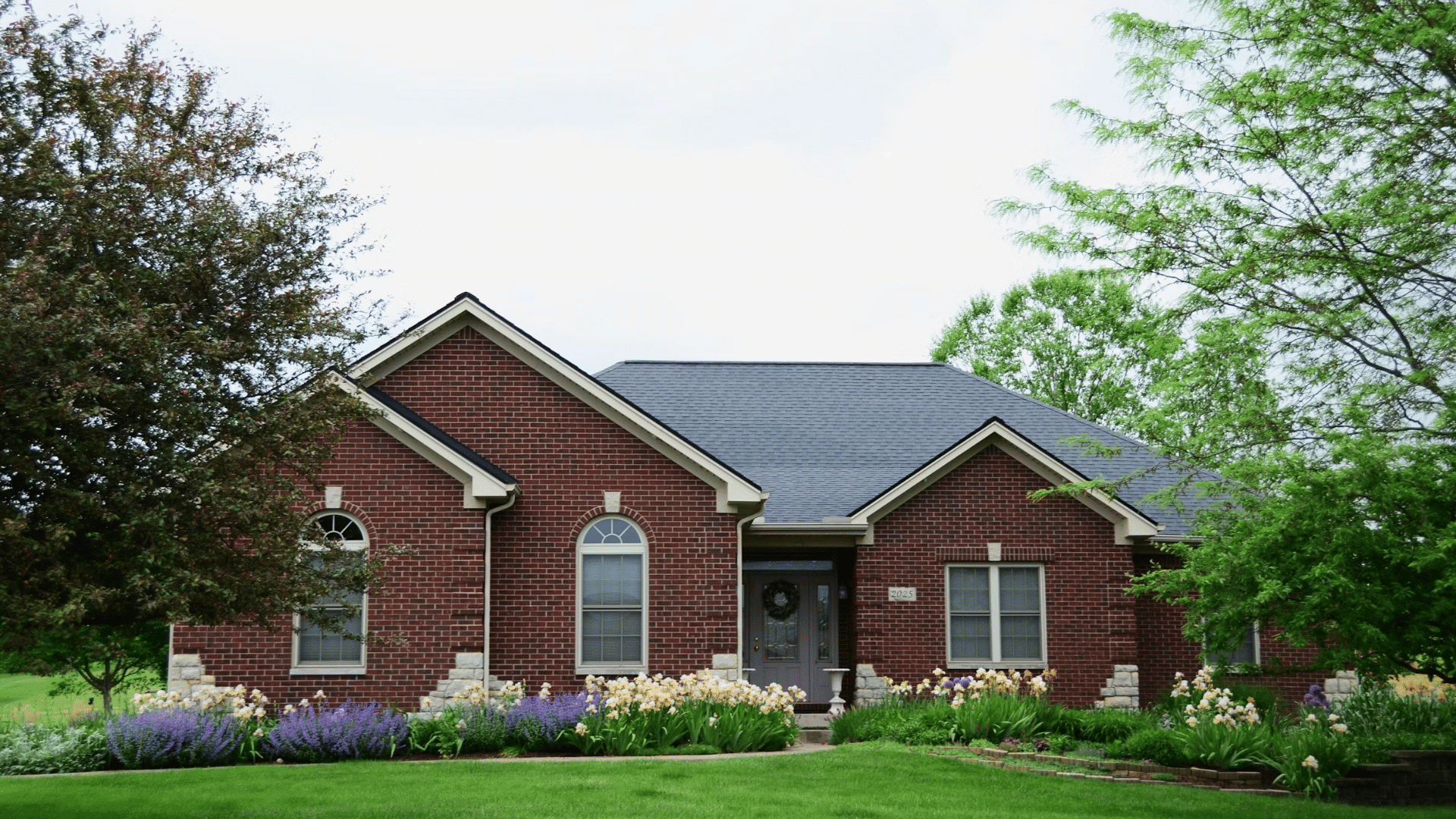
Terracotta-inspired paint colors enhance warm exterior designs with earthy and inviting tones.
These shades work well for Mediterranean, rustic, and Spanish-style homes. Terracotta brick pairs beautifully with cream trim, wooden details, and natural stone accents.
The warm undertones create a cozy appearance while adding character to the exterior.
This color choice is ideal for homeowners who want a unique, painted-brick look inspired by natural materials.
14. Brown Painted Brick Exterior
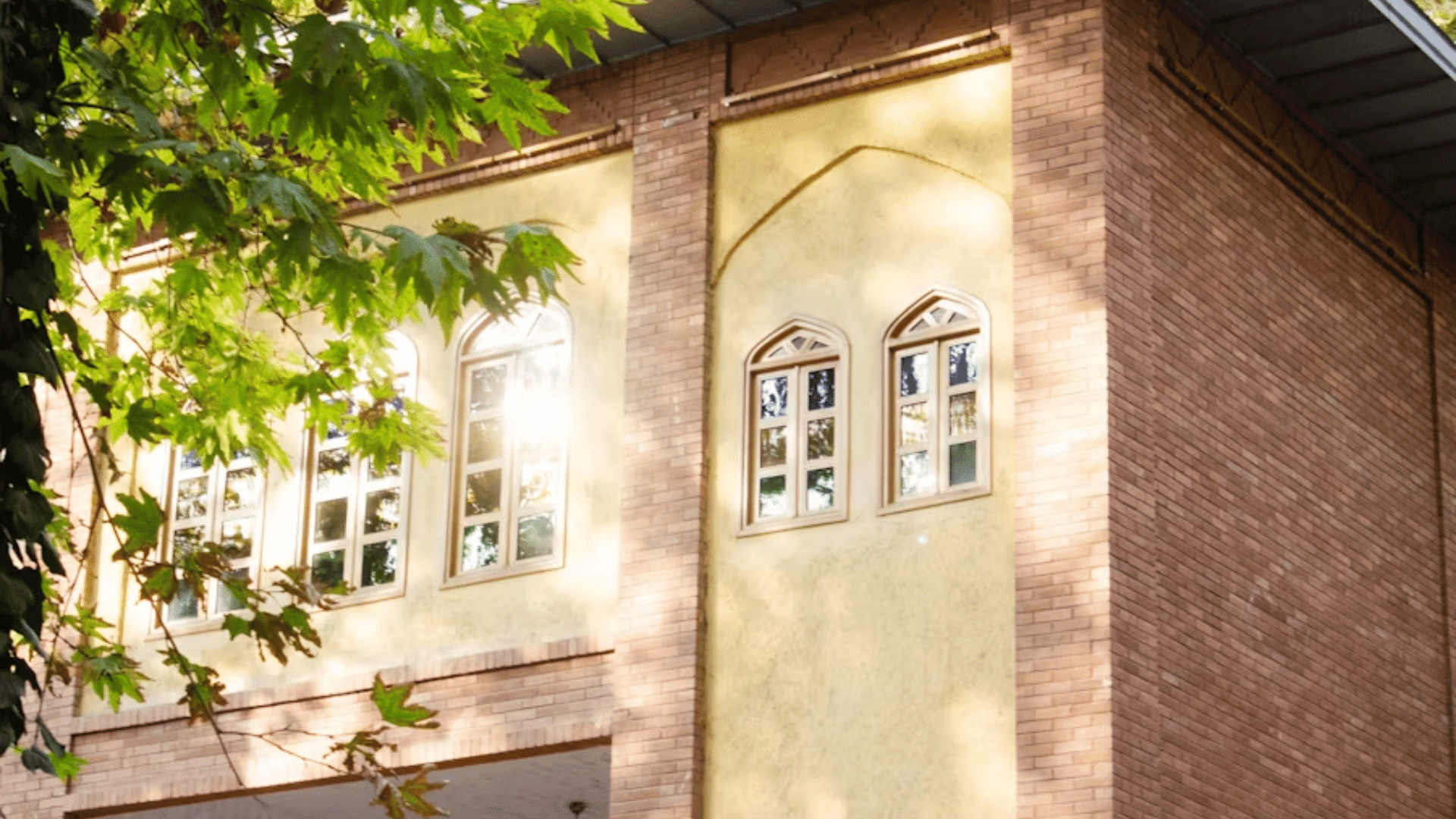
Brown-painted brick creates a grounded, cozy appearance that adds warmth to a home’s exterior.
This shade works well with rustic, traditional, and craftsman-style houses.
Brown brick pairs beautifully with beige trim, wooden doors, and earthy landscaping elements. Matching the roof with complementary brown or neutral tones creates a cohesive look.
It is a great option for homeowners wanting a natural exterior color with lasting appeal.
15. Two-Tone Painted Brick Exterior
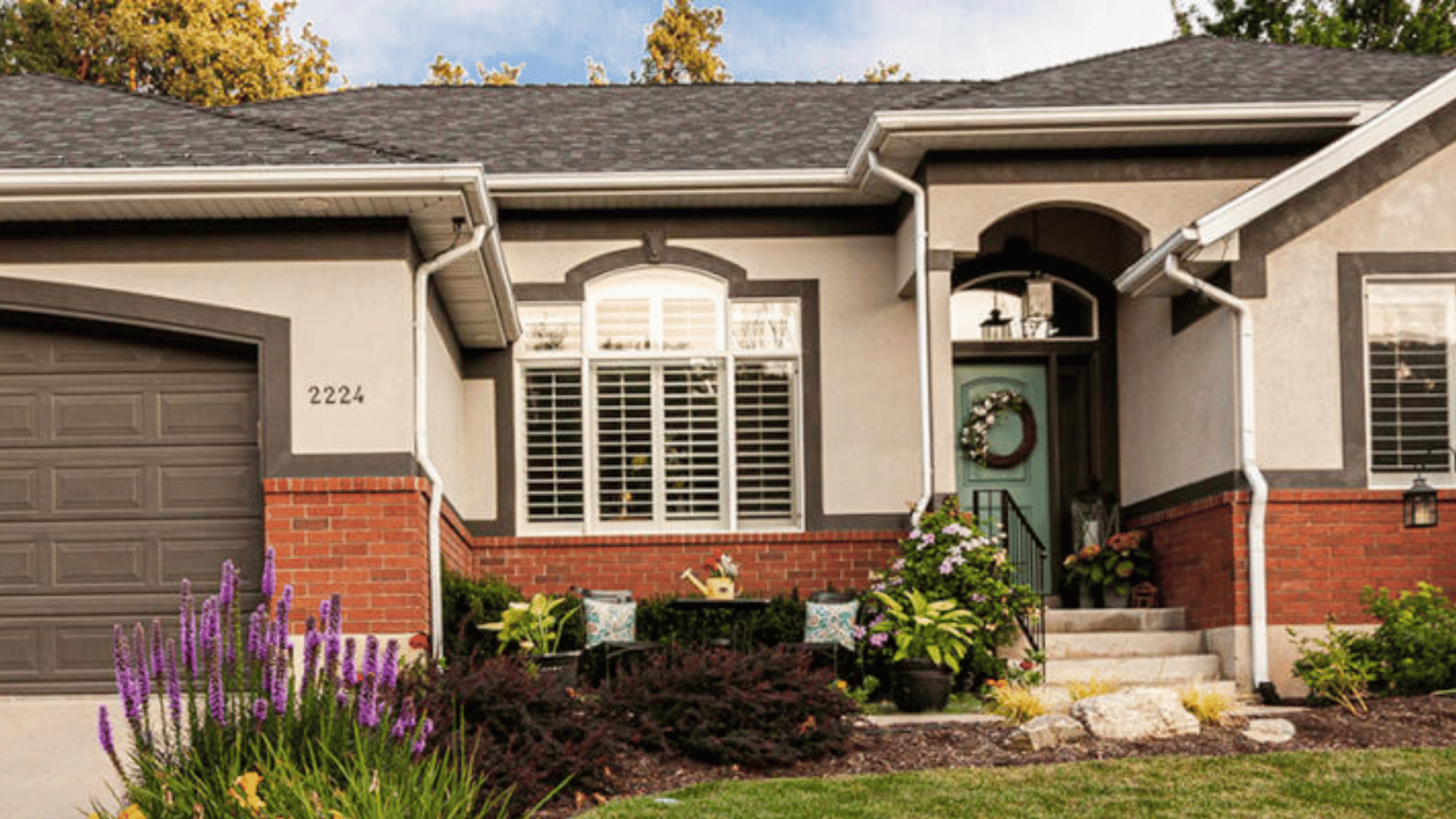
Two-tone painted brick exteriors combine different colors to create visual interest and highlight architectural features.
This approach can include contrasting brick colors, accent walls, or different trim shades.
Popular combinations include white brick with black trim, gray brick with wood accents, or neutral tones with darker details.
Two-tone designs add dimension and personality while allowing homeowners to customize their exterior appearance. This style works well for modern and traditional homes.
What Are the Best Paint Types for Brick Exteriors?
Choosing the right paint type is important because brick is porous and needs a coating that allows moisture to escape while providing long-lasting protection.
| Paint Type | Best For | Benefits |
|---|---|---|
| Acrylic Latex Paint | Most brick homes | Durable, flexible, fade-resistant, and available in many colors. |
| Mineral-Based Paint | Older or historic brick | Breathable finish that helps prevent moisture issues. |
| Elastomeric Paint | Cracked or uneven brick | A thick coating that covers small cracks and adds protection. |
| Masonry Paint | Exterior brick surfaces | Strong adhesion and weather resistance. |
| Limewash Paint | Rustic-style homes | Natural finish that keeps brick texture visible. |
How to Prepare a Brick Before Painting?
Proper preparation helps paint adhere better and creates a smoother, longer-lasting finish. Follow these steps before painting a brick exterior:
- Clean dirt and mildew: Remove dust, dirt, stains, and mildew with a brush, a mild cleaner, or a pressure washer on a low setting. Allow the surface to fully dry before moving forward.
- Repair cracks and damaged mortar: Fill small cracks and repair damaged mortar joints to create an even surface. Fixing these issues helps prevent moisture problems after painting.
- Allow the brick to dry completely: Brick is porous and holds moisture, so give it enough drying time after cleaning or repairs. Painting damp brick can cause peeling or poor adhesion.
- Apply primer when needed: Use a breathable masonry primer on porous, stained, or uneven brick surfaces to improve paint adhesion and create a more consistent finish.
- Protect windows and landscaping: Cover windows, doors, plants, and nearby areas with drop cloths or plastic sheets to prevent paint splashes and accidental damage.
Safety note: If your home was built before 1978, the exterior may contain lead-based paint under later coats. Sanding, scraping, or pressure washing can release lead dust, so check the surface or hire an EPA Lead-Safe Certified contractor before disturbing old paint layers.
Should You Paint Brick or Leave It Natural?
Painting brick can refresh a home’s appearance, while natural brick preserves its original character and requires less maintenance over time.
Painted brick exteriors can improve curb appeal, create a modern look, and help update an older home’s style. However, natural brick offers durability, texture, and a classic appearance without the need for repainting.
Painted brick may increase appeal for some buyers, but others prefer original brick finishes.
Avoid painting brick that is damaged, damp, or historically significant, as paint can affect moisture movement and long-term maintenance.
Choosing Trim, Shutters, and Front Door Colors
The right combination of trim, shutters, and front door colors can enhance a brick exterior and create a balanced look.
| Exterior Element | Recommended Colors | Best For | Design Effect |
|---|---|---|---|
| Trim | White, cream, beige, soft gray | Traditional, farmhouse, and classic brick homes | Brightens the exterior and highlights brick details |
| Trim | Charcoal, black, deep gray | Modern and contemporary homes | Creates a bold contrast and clean appearance |
| Shutters | Navy blue, forest green, black, dark gray | Colonial, cottage, and modern styles | Adds depth and visual interest without overpowering the brick |
| Shutters | Warm brown, muted blue, olive green | Rustic and traditional homes | Creates a natural, welcoming exterior feel |
| Front Door | Red, deep blue, emerald green, black | Homes needing a strong focal point | Adds personality and makes the entrance stand out |
| Front Door | Natural wood tones, walnut, cedar | Craftsman and farmhouse styles | Adds warmth and complements brick textures |
Painted Brick House Maintenance Tips
Proper maintenance helps painted brick exteriors stay attractive and protects the surface from weather damage. Follow these simple care tips:
- Inspect Paint Every Year: Check the exterior annually for peeling, cracking, fading, or areas where paint is wearing away. Early repairs can prevent larger issues.
- Clean Brick Surfaces Carefully: Remove dirt, dust, and mildew using a soft brush and mild soap. Avoid harsh pressure washing that may damage the paint or brick surface.
- Watch for Peeling or Cracks: Address damaged areas quickly to prevent moisture from entering behind the paint and causing further deterioration.
- Refresh Paint When Needed: Repaint high-exposure areas or the entire exterior when the finish becomes faded, chipped, or worn to maintain a fresh appearance.
- Protect Brick From Moisture Damage: Ensure gutters, downspouts, and drainage systems work properly to prevent water buildup around painted brick walls.
- Trim Nearby Plants and Trees: Keep shrubs and branches away from the exterior to reduce moisture buildup, stains, and surface damage.
Testing Exterior Brick Paint Colors Before Committing
Always test exterior brick paint colors on large sample areas and observe them in different lighting before making your final decision.
Brick naturally has warm or cool undertones that can change how paint appears throughout the day, so a color that looks perfect on a paint chip may look very different on your home’s exterior.
Paint at least a 2-by-2-foot section on multiple sides of the house and check it in morning, afternoon, and evening light.
Compare the color next to your roof, trim, shutters, and landscaping to ensure everything works together.
Some paint brands also offer digital visualization tools that let you preview a color on a photo of your own home before buying a single can, which is worth doing if you’re choosing between two close shades.
Wait a few days before deciding, as changing light can reveal hidden undertones.
How Much Does It Cost to Paint a Brick House Exterior?
The cost of painting a brick house depends on the home size, labor rates, surface condition, paint quality, and preparation work required.
| Cost Factor | Average Cost |
|---|---|
| Professional brick painting | $1.50–$4.50 per sq. ft. |
| Small brick home | Around $2,000–$6,000 total |
| Large brick exterior | Around $5,000–$15,000+ total |
| Paint and supplies | Approximately $200–$1,000+ |
These figures are general estimates. I’d recommend getting a few local quotes since labor costs vary a lot by region and home condition.
Common Mistakes to Avoid when Painting Brick Exteriors
Avoid these common brick painting mistakes to ensure your exterior color choice looks balanced, attractive, and complements your home’s overall design.
- Choosing Colors Without Testing Samples: Paint small areas first because lighting, shadows, and surroundings can change how the final color appears.
- Ignoring Brick Undertones: Consider existing brick undertones because warm or cool shades can affect if the new paint color looks balanced.
- Using Too Many Exterior Colors: Limit exterior colors to maintain harmony and prevent the home’s design from appearing crowded or visually confusing.
- Forgetting Trim and Accent Colors: Select trim and accent shades carefully because small details can enhance architectural features and improve overall curb appeal.
Conclusion
The right exterior brick paint color can refresh your home’s appearance, improve curb appeal, and create a completely updated look without major changes.
Timeless white exteriors, modern gray tones, and bold dark shades can all create beautiful results.
When matched with your brick undertones, architectural style, roof, trim, and surrounding elements.
Taking time to compare exterior brick paint color ideas and test samples can help you achieve a balanced exterior that feels intentional and stylish.
Which color are you leaning toward for your own painted brick house? Share your pick, or a photo of your test patch, in the comments below.
Frequently Asked Questions
How Long Does Painted Brick Last Outside?
Painted brick can last 5 to 15 years outdoors, depending on paint quality, weather exposure, surface preparation, and regular maintenance.
Can Brick Color Be Changed without Painting?
Yes, the brick color can be changed with limewash or masonry stain, which alters the appearance while leaving the brick texture visible.
What Paint Should Not Be Used on Brick?
Avoid standard interior paint or non-breathable paints on brick because they can trap moisture and cause peeling, cracking, or surface damage.