


I’ve watched sourdough take over, from artisan bakeries to grocery store shelves. But beyond that Instagram-worthy crust and tangy flavor, does it actually offer real health benefits?
If you’re already choosing wholesome options like rye bread or sourdough, you might wonder whether sourdough deserves a spot in your diet.
The answer depends on what you’re buying and what your body needs. I’m cutting through the hype to show you what actually matters: fermentation time, real ingredients, and how your health concerns align with sourdough’s documented benefits.
This content is intended for informational purposes only. Results and outcomes may differ depending on individual health factors and circumstances.
Why Fermentation Time Changes Everything?
The difference between genuine sourdough and regular bread comes down to one critical factor: fermentation duration. Real sourdough ferments for 12+ hours using wild yeast and lactic acid bacteria.
This same long fermentation is what makes rye bread healthy, too, when it’s traditionally made. During this extended process, microbes break down:
- Hard-to-digest carbohydrates (including FODMAPs)
- Phytic acid that blocks mineral absorption
- Certain gluten proteins
- Complex starches
Research on fermentation shows that proper fermentation can reduce fructans by up to 69%. But here’s what frustrates me. Most commercial “sourdough” skips this step entirely, using commercial yeast and added vinegar for flavor instead.
The Health Benefits of Sourdough
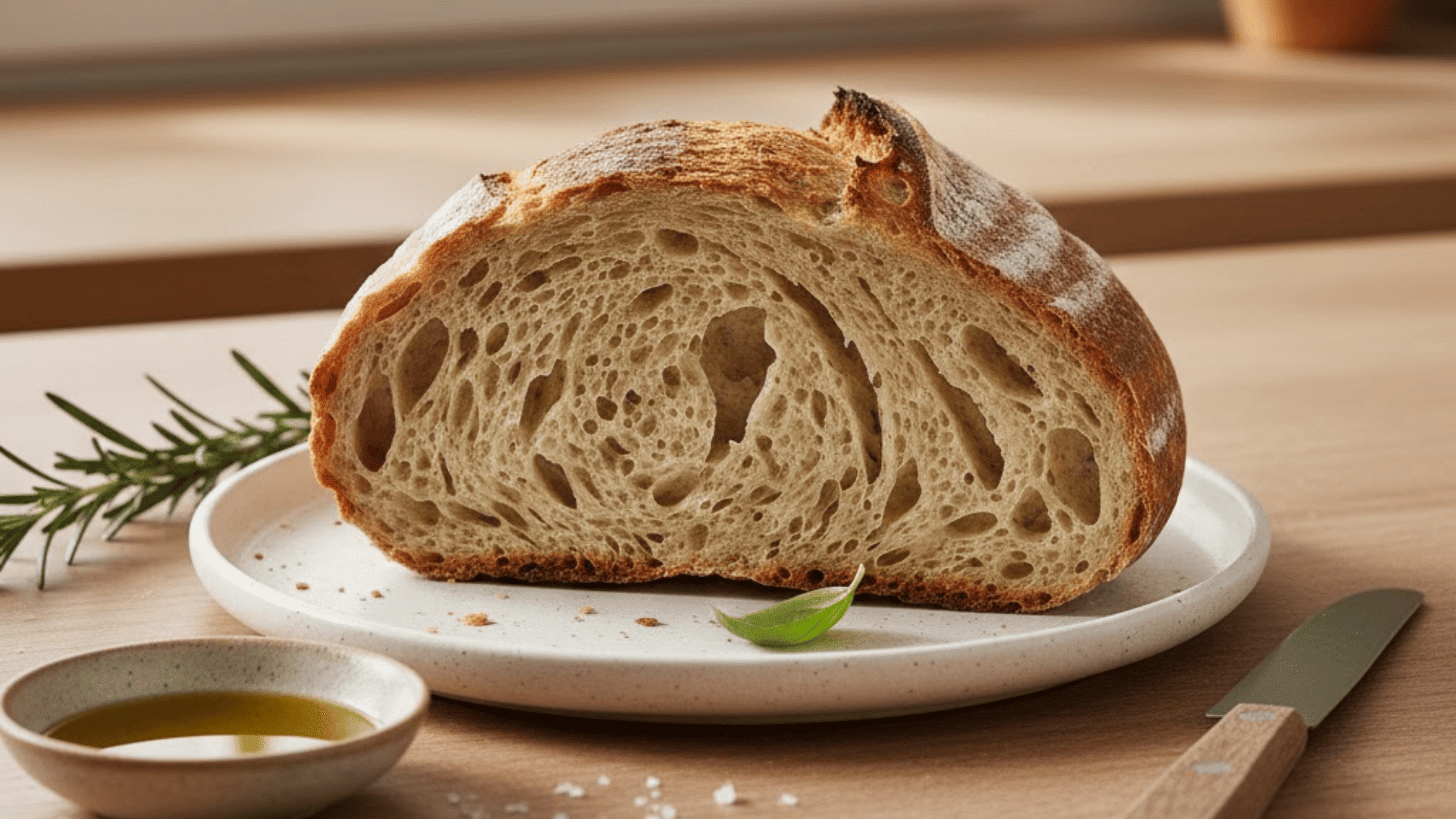
Learn how each bread type impacts your body, from blood sugar regulation to digestive health, and understand which one suits your specific health goals.
1. Better Digestive Tolerance
Long-fermented sourdough breaks down FODMAPs, fermentable carbohydrates that trigger digestive distress in sensitive individuals.
Studies show specific bacterial strains in sourdough can reduce fructan levels by up to 73%. For people with IBS, this translates to real relief: approximately 60-70% report reduced bloating, gas, and discomfort.
However, bodies vary. Roughly one-third of IBS patients don’t see improvement, and one study found that while low-FODMAP sourdough reduced specific symptoms, it didn’t significantly improve overall quality of life scores.
2. Gentler Blood Sugar Response
Sourdough’s fermentation process alters carbohydrate structure, potentially slowing glucose absorption.
Who benefits most: People with elevated blood sugar or pre-diabetes see the most meaningful impact. Italian research found significant glucose reduction in the first hour after eating sourdough versus regular bread.
Who won’t notice much: If your blood sugar is already normal, the difference is minimal.
3. Improved Mineral Absorption
Whole grains contain phytic acid, a compound that binds to iron, zinc, and magnesium, preventing your body from absorbing them.
Sourdough’s lactic acid bacteria break down phytic acid during fermentation, reducing it by more than 70%. This means your body can actually use more of the minerals present in the bread.
Important caveat: This only applies to whole-grain sourdough. White sourdough is already mineral-depleted, so improved absorption doesn’t provide significant benefits.
4. Prebiotic Properties
While baking kills the live bacteria in sourdough (so it’s not a probiotic), fermentation produces prebiotics, compounds that feed beneficial bacteria already in your gut.
A thriving gut microbiome supports:
- Better digestion
- Stronger immune function
- Improved nutrient absorption
The Gluten Question: Is Sourdough Gluten-Free?
Let me be absolutely clear: Regular sourdough is NOT gluten-free. Yes, fermentation reduces gluten content. But “reduces” and “eliminates” are entirely different.
Testing by Gluten Free Watchdog found that artisanal wheat sourdough contains significant gluten, well above the 20 ppm threshold for gluten-free certification.
For Celiac Disease: Only certified gluten-free sourdough made with gluten-free grains is safe. Even if you don’t feel symptoms, regular sourdough can cause silent intestinal damage.For Non-Celiac Gluten Sensitivity: About 68% of people with NCGS report better tolerance with properly fermented sourdough. The long fermentation does reduce some reactive compounds, but roughly one-third still react. Approach it as an experiment, starting with small amounts.
How to Identify Original Sourdough
| Real Sourdough | Fake Sourdough |
|---|---|
| 4 ingredients: flour, water, salt, starter | Added yeast, vinegar, or preservatives |
| Irregular crumb with varied hole sizes | Perfectly uniform holes |
| Goes stale in 2-3 days | Stays fresh for a week+ |
| 12+ hour fermentation | A few hours of production time |
The Bottom Line
I’ve found that sourdough can offer genuine health benefits, but only when it’s authentic, properly fermented, and tailored to your specific needs.
If you can access real sourdough from a trusted bakery or make it yourself, the benefits for digestion, mineral absorption, and blood sugar management are measurable.
But if you’re buying commercial loaves with questionable ingredients, you’re better off choosing high-quality whole-grain bread and skipping the premium price tag.
Bread isn’t a miracle food, but if you’re eating it anyway, I believe you should choose what works best for your body.







One Response
555