

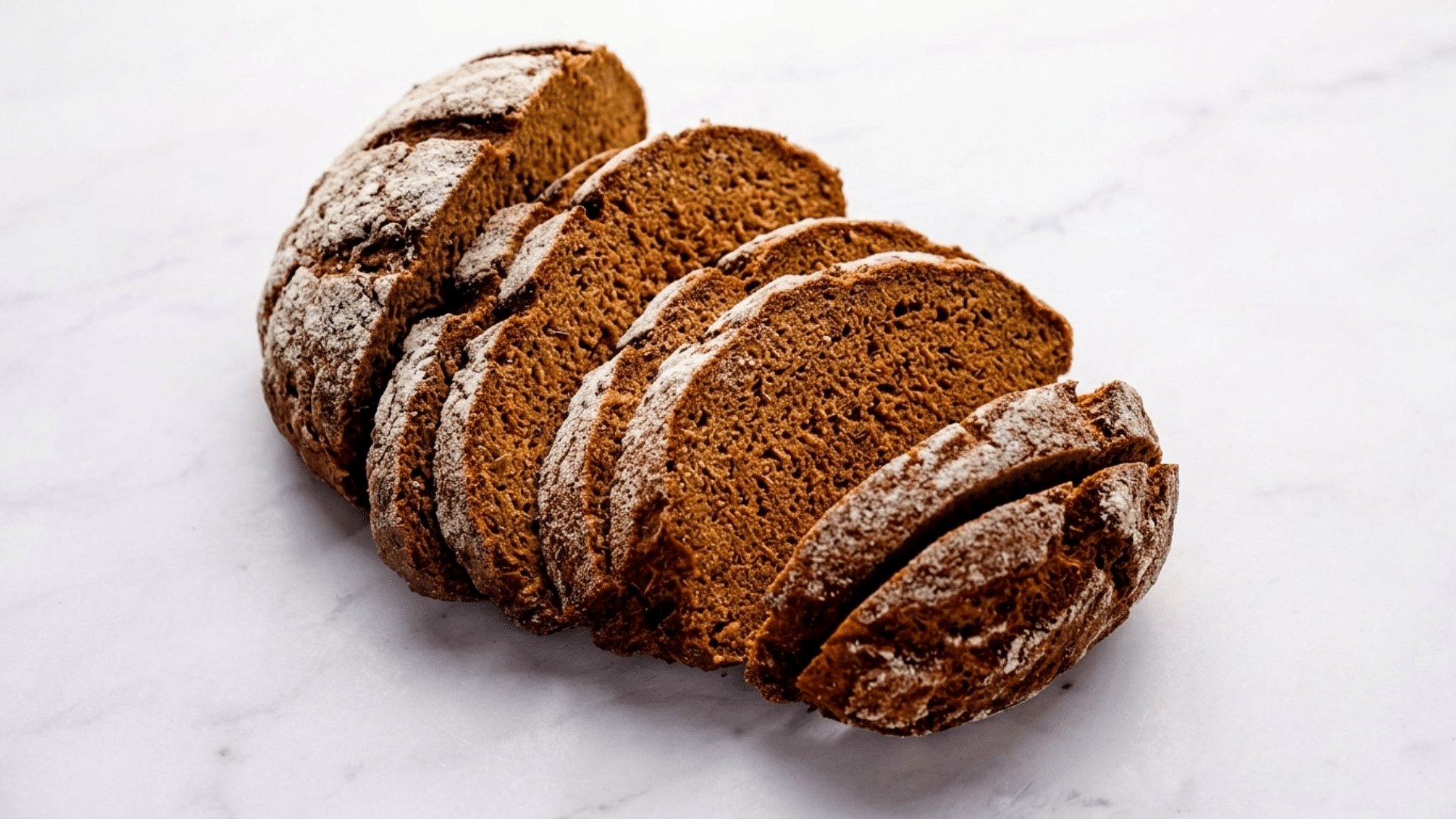
Rye bread has become a popular choice for people who want more from their daily slice of bread than just a quick source of carbohydrates.
Its dense texture, slightly earthy flavor, and nutrient profile often raise questions like Is rye bread healthy and is rye bread good for you compared with other bread options.
Made from rye flour, this bread contains fiber, minerals, and plant-based compounds that may support overall wellness when chosen wisely.
However, not every rye bread offers the same benefits, and understanding the ingredients matters.
In this article, we’ll discuss the benefits of rye bread, its nutrition, and what to look for when buying it. Find out if rye bread is the right choice for your healthy eating goals.
Is Rye Bread Healthy?
Yes, rye bread can be a healthy choice, especially when it is made with whole rye flour and contains minimal added ingredients.
Healthline states that it provides dietary fiber, essential minerals, and plant compounds that may support digestion, fullness, and overall nutrition.
Compared with many refined white breads, whole rye bread is often less processed and may have a slower effect on blood sugar levels.
However, the health value depends on the type of rye bread you choose, as some varieties may contain refined flour, added sugars, or unnecessary additives.
Significant Benefits of Rye Bread
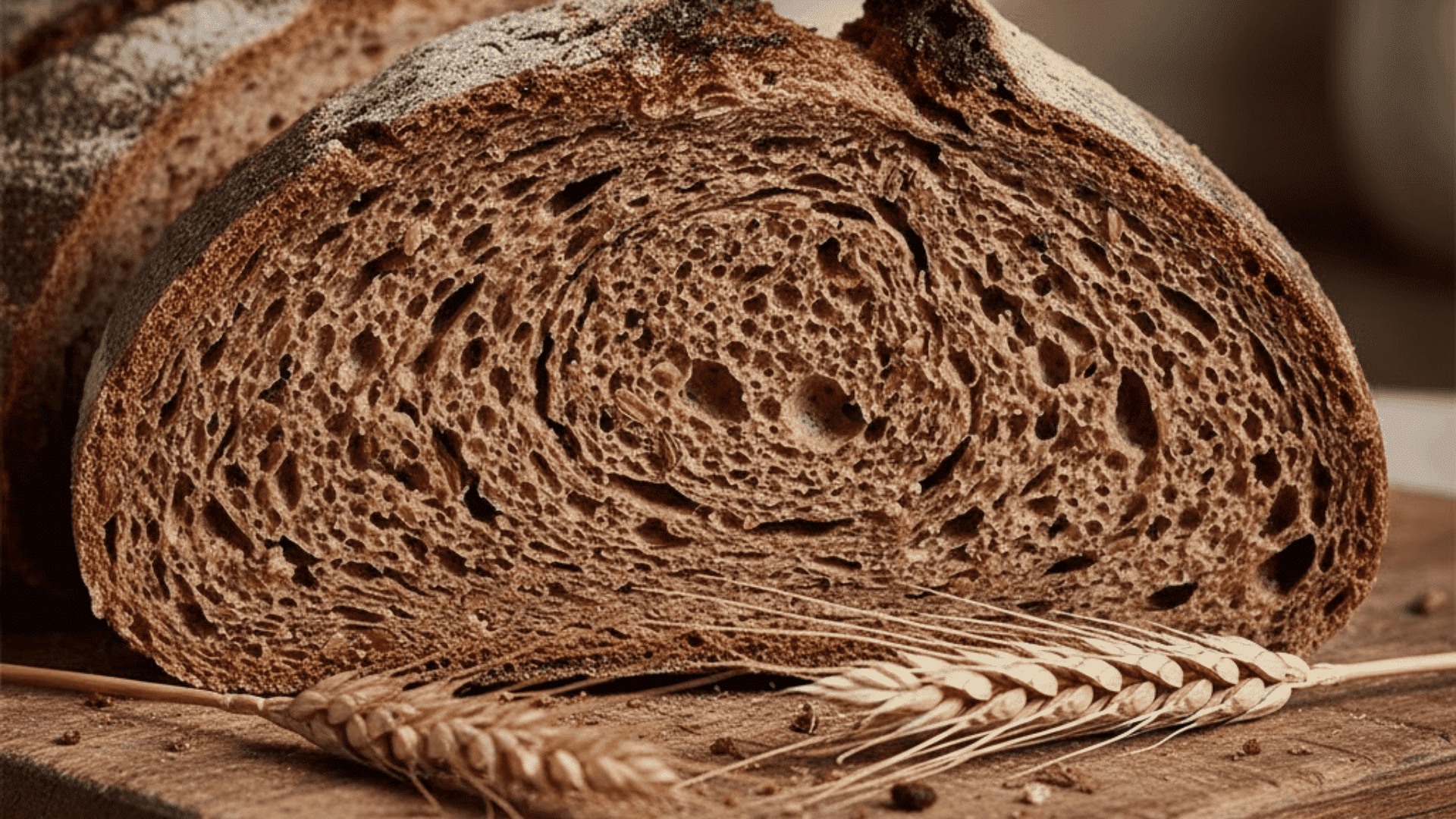
According to Health.com, rye bread offers more than a unique flavor and dense texture. Its fiber, minerals, and whole grain properties make it a nutritious choice that may support digestion and overall health.
1. Supports Digestive Health
Rye bread is rich in dietary fiber, particularly when it is made with whole rye flour.
This fiber helps promote regular bowel movements and supports a healthy digestive system by providing nourishment for beneficial gut bacteria.
Compared with many refined bread options, whole rye bread contains more fiber, which can help improve overall digestive function.
Including rye bread as part of a balanced diet may make it easier to meet daily fiber needs while enjoying a satisfying meal.
2. Helps You Feel Full Longer
One of the notable benefits of rye bread is its ability to promote fullness after meals.
The combination of fiber and complex carbohydrates slows digestion, which may help reduce feelings of hunger and frequent snacking.
This makes rye bread a useful option for people who want more satisfying meals.
Pairing it with protein sources like eggs, chicken, or nut butter can further improve its nutritional value and help maintain steady energy levels throughout the day.
3. May Support Healthy Blood Sugar Levels
Whole rye bread may help support better blood sugar control compared with some refined bread choices.
Its higher fiber content can slow the breakdown and absorption of carbohydrates, which may prevent sudden blood sugar spikes after eating.
However, the overall impact depends on the type of rye bread, portion size, and what foods are eaten alongside it.
Choosing whole grain rye bread with minimal added ingredients can make it a more balanced carbohydrate option.
4. Provides Essential Vitamins and Minerals
Rye bread contains several important nutrients that contribute to overall health and daily body functions.
Whole rye varieties provide minerals such as magnesium, iron, and phosphorus, along with B vitamins that support energy production and metabolism.
These nutrients help the body perform essential processes, including maintaining normal muscle function and supporting oxygen transport.
Choosing less processed rye bread allows you to benefit from more of the natural nutrients found in the whole grain.
5. Supports Heart Health
Including whole rye bread in a balanced eating pattern may support heart health due to its fiber content and nutrient profile.
Dietary fiber can play a role in maintaining healthy cholesterol levels, while whole grains provide plant compounds that support overall wellness.
Rye bread alone does not improve heart health, but replacing lower-fiber breads with whole grain options contributes to a diet that supports cardiovascular health when combined with other healthy choices.
6. Contains Beneficial Plant Compounds
Rye naturally contains plant-based compounds, including antioxidants and phenolic compounds, that help protect cells from oxidative stress.
These compounds are found in greater amounts in less processed rye products made from whole grains. Including rye bread in your diet can add another source of naturally occurring plant nutrients.
While these compounds are only one part of a healthy lifestyle, they contribute to the overall nutritional value that makes rye bread different from many refined bread options.
7. Helps With Weight Management
Rye bread can be a helpful choice for people focusing on balanced weight management because it provides fiber and long-lasting fullness.
Foods higher in fiber often help control appetite by keeping you satisfied for longer periods after eating.
Although rye bread does not directly cause weight loss, choosing it over lower-fiber bread options may support healthier eating habits.
Combining rye bread with vegetables, lean proteins, or healthy fats can create a more filling and nutritious meal.
8. Offers a Nutrient-Rich Bread Option
Rye bread can be a more nutrient-rich alternative to many highly refined bread varieties.
Whole rye bread contains more of the grain’s natural components, providing additional fiber, minerals, and beneficial plant compounds.
Its dense texture and distinct flavor also make meals more satisfying without relying on heavily processed ingredients.
By choosing rye bread made with quality ingredients and adding it to a balanced diet, you can enjoy a flavorful bread option with valuable nutritional benefits.
Rye Bread Nutrition Facts Per Slice
Rye bread packs a lot of nutrition into a single slice. Darker and whole-grain rye breads usually offer the most benefits.
| Nutrient | Amount |
|---|---|
| Calories | ~80–85 |
| Carbohydrates | ~15 g |
| Fiber | ~2 g |
| Protein | ~3 g |
| Fat | ~1 g |
| Selenium | 18% DV |
| Thiamine (B1) | 11% DV |
| Magnesium | Moderate |
| Iron | Moderate |
Rye bread contains more fiber than white bread and similar fiber to whole wheat bread, making it a smart daily choice.
Different Types of Rye Bread
Rye bread comes in several varieties that differ in ingredients, texture, flavor, and nutritional value. Understanding these types can help you choose the right option based on your taste preferences.
- Light Rye Bread: Made with refined rye flour and often blended with wheat flour, this bread has a softer texture and mild flavor. It usually contains less fiber and fewer nutrients.
- Dark Rye Bread: Dark rye bread contains a higher amount of rye flour, giving it a stronger flavor, darker appearance, and denser texture. Depending on the ingredients, it may provide more fiber and nutrients.
- Whole Grain Rye Bread: Made using the entire rye kernel, including the bran, germ, and endosperm, this variety retains more natural nutrients.
- Pumpernickel Bread: A traditional German-style rye bread made with coarse rye flour or whole rye grains and slowly baked for a rich flavor. It has a dense texture, dark color, and slightly sweet taste.
- Marbled Rye Bread: This bread combines light rye and dark rye dough to create a unique swirled appearance and balanced flavor. It is commonly used for sandwiches because of its softer texture.
- Sourdough Rye Bread: Made by fermenting rye dough with a sourdough starter, this bread develops a tangy flavor and chewy texture. The fermentation process may make it easier to digest for some people.
- Sprouted Rye Bread: Made from rye grains that have been allowed to sprout before being processed into bread. It may offer increased nutrient availability, more fiber, and a slightly sweeter flavor.
Is Rye Bread Healthy for Weight Loss?
Rye bread can support weight goals when eaten in the right portions and as part of balanced meals.
It is high in fiber, which helps the stomach feel full for longer, so cravings and overeating may happen less often.
Rye also digests more slowly than many other breads, which can reduce snacking between meals and support steadier energy during the day.
Because it helps with fullness, it may also make it easier to control total calorie intake without feeling deprived.
For best results, pair rye bread with protein and healthy fats like eggs, Greek yogurt, nut butter, avocado, or tuna.
Comparing Rye Bread vs. Other Types of Bread
Rye bread is often compared with white bread and whole wheat bread because each one affects fullness, fiber intake, and blood sugar in a slightly different way.
| Feature | Rye Bread | White Bread | Whole Wheat Bread |
|---|---|---|---|
| Fiber | High | Low | Slightly lower |
| Blood sugar impact/response | Lower / Slower | Higher / Faster | Faster (than rye) |
| Fullness | Keeps you full longer | Hunger returns faster | Filling, but often less than rye |
| Nutrients | Rich | Limited | Rich |
| Protein | Moderate | Lower | Higher |
| Texture | Dense | Soft, light | Lighter than rye |
Overall, all three can fit into a balanced diet, but whole-grain rye often stands out for keeping hunger away longer and supporting steadier blood sugar.
Potential Downsides of Rye Bread
Certain ingredients, dietary restrictions, and individual digestive responses are important factors to consider before adding it regularly to your diet.
- Contains Gluten: Rye naturally contains gluten, which means it is not suitable for people with celiac disease or gluten sensitivity..
- May Cause Digestive Discomfort: The high fiber content in rye bread may cause bloating, gas, or stomach discomfort for some people, especially when increasing fiber intake suddenly.
- Not All Rye Bread Is Highly Nutritious: Some products labeled as rye bread may contain mostly refined flour with limited whole rye content.
- Can Contain Added Ingredients: Certain packaged rye breads may include added sugars, preservatives, or unnecessary additives to improve flavor and shelf life.
- May Not Suit Low-Carb Diets: Rye bread still contains carbohydrates, so it may not fit into very low-carb or ketogenic eating plans. Portion control is important for people monitoring their carb intake.
How to Choose the Healthiest Rye Bread?
Choosing the healthiest rye bread starts with checking the ingredients and understanding what goes into each loaf.
Look for options that list whole rye flour or whole grain rye as one of the first ingredients, as these varieties usually provide more fiber and nutrients.
Avoid breads with excessive added sugars, artificial additives, or mostly refined flour. A higher fiber content is often a good indicator of a more nutritious choice.
Reading the nutrition label can also help you compare different brands.
For the best option, choose rye bread with simple ingredients, minimal processing, and a balance of whole grains that fits your overall dietary needs.
Conclusion
Rye bread can be a nutritious addition to a balanced diet when you choose varieties made with whole rye flour and quality ingredients.
Its fiber content, essential nutrients, and satisfying texture make it a valuable alternative to many refined bread options.
While rye bread offers benefits like digestive support, better fullness, and a nutrient-rich profile, it is still important to consider portion sizes and individual dietary needs.
Understanding the ingredients can help you make a smarter choice when adding it to your meals.
If you enjoy rye bread, try pairing it with wholesome toppings and let us know in the comments below how you include it in your daily meals.
Frequently Asked Questions
Which Is Better, Sourdough or Rye Bread?
Rye bread is higher in fiber, while sourdough may be easier to digest due to fermentation. The better choice depends on your nutrition goals and preferences.
What Is the Healthiest Bread You Can Eat?
Whole grain breads like rye, sprouted grain, and whole wheat are among the healthiest choices because they provide more fiber, nutrients, and fewer refined ingredients.
What Bread Do Cardiologists Recommend?
Cardiologists often recommend whole grain breads, such as whole wheat or rye bread, because they provide fiber and nutrients that support heart health as part of a balanced diet.