


If you have ever typed how many carbs in white wineinto Google, you are not alone. Different websites show different numbers, and that can get confusing fast.
Some say white wine is low carb, while others point to hidden sugar. So which one is right? The short answer depends on the type of wine and how much you pour.
In this guide, I break things down clearly so you can understand how many carbs are in white wine and why the numbers change.
What “White Wine” Means on a Nutrition Label
When you see “white wine” on a nutrition label, you’re looking at fermented grape juice that’s typically made without the grape skins, which is what gives it that pale, golden color.
But here’s where label language gets tricky: the distinction between “table wine” and “dessert wine” actually matters for nutrition content. Table wines (under 14% alcohol) face different labeling requirements than their sweeter, stronger dessert wine cousins.
The real catch? Labels don’t clearly indicate residual sugar, the natural grape sugars left after fermentation. Two white wines can have dramatically different sugar content, yet their labels won’t necessarily spell this out, leaving you guessing about the actual carbohydrate load in your glass.
How Many Carbs in White Wine?
White wine is often considered a lower-carb alcohol choice, but the exact numbers depend on the type and serving size. Here’s what you need to know about the carb content in your glass.
| Component | Amount per 5 oz Glass | Details |
|---|---|---|
| Serving Size | 5 oz (147–148 grams) | Standard pour for wine |
| Carbohydrates | 3–4 grams | Total carbs for dry white wine |
| Sugar | ~1.4 grams | Residual sweetness from grape sugars that didn’t convert to alcohol during fermentation |
| Calories | ~121 | Primarily from alcohol, not carbs |
Dry white wine ranks among the lower-carb alcoholic options. Most calories come from alcohol rather than carbs, making it suitable for carb-conscious drinkers.
What Changes the Carb Count Fast
Two simple factors can send your white wine carb count soaring: the sweetness level you choose and how generously you pour.
- Dry vs. sweet wines: Sweet wines have double or triple the carbs (8–12g vs 3–4g) because fermentation stops earlier, leaving more unconverted sugar.
- Bigger pours: Restaurant pours (6–9 ounces) exceed the standard 5-ounce serving. A 9-ounce pour nearly doubles carb intake from 3–4g to 6–8g.
Why White Wine Contains Carbs
Wine carbs come from the fermentation process. Here’s how grape sugars turn into alcohol and determine the final carb count.
The Fermentation Process:
- Grapes contain natural sugars (glucose and fructose) that feed yeast
- Yeast consumes these sugars and produces alcohol and carbon dioxide
- The carbs left in finished wine are simply unconsumed sugars
Why Dry Wines Have Fewer Carbs:
- Fermentation continues until yeast exhausts nearly all available sugar
- Dry wines typically contain less than 10 grams of sugar per liter
- Extended fermentation creates their crisp, non-sweet finish
The longer fermentation runs, the fewer carbs remain in your glass.
How Many Calories in White Wine?
Calories in white wine mainly come from alcohol, not sugar. Higher ABV and larger pours raise calories quickly, even in dry wines. Most white wines contain about 80–165 calories per glass, depending on alcohol level and serving size.
| Wine Type | Serving Size | ABV | Calories |
|---|---|---|---|
| Bone-dry Champagne | 5 oz | 12% | ~90 |
| Dry Chardonnay | 5 oz | 14% | ~120 |
| Moscato | 6 oz | 5–7% | 150–165 |
| Any wine (large pour) | 9 oz | Varies | 180–200 |
Higher ABV and larger pours raise calories quickly, even in low-carb wines.
The Main Drivers of Carbs and Calories in White Wine
Several winemaking decisions shape the final carbohydrate and calorie profile of your white wine:
| Factor | How It Affects Carbs & Calories | Example |
|---|---|---|
| Grape Variety | Different grapes start with varying sugar levels, giving winemakers more or less flexibility for sweetness | Riesling grapes naturally contain more sugar than Sauvignon Blanc, allowing sweeter styles |
| Fermentation Choices | Winemakers control how far fermentation progresses to determine final sweetness | Letting yeast work longer produces drier wines; stopping early preserves sweetness and carbs |
| ABV (Alcohol Level) | Higher alcohol indicates more complete sugar conversion | A 13% ABV wine fermented more fully than a 10% ABV wine of the same style |
| Style Choices | The intended sweetness level dictates all other decisions | Bone-dry wines: fermentation to completion; Off-dry/sweet wines: deliberately retained sugar |
These factors work together to create the final wine you pour, meaning two bottles labeled “white wine” can deliver vastly different nutritional profiles based on these winemaking decisions.
Carbs in Popular White Wines
White wine carbohydrate content varies dramatically across varieties. While 3–4 grams serves as a baseline, individual wines range from barely-there carbs in bone-dry sparklers to double-digit counts in dessert styles. Here’s how popular options compare.
Lower-Carb Dry Choices
These wines deliver the lowest carbohydrate counts, making them ideal choices when you want to minimize carbs while enjoying wine:
1. Brut Champagne (~1g/5 oz)

The driest sparkling option available, with strict French regulations keeping residual sugar under 12 grams per liter. Its extended aging on yeast further reduces any remaining sugars, making it exceptionally low-carb.
2. Soave (~1.4g/5 oz)

This Italian white made primarily from Garganega grapes ferments to crisp dryness. Its mineral-driven profile and bright acidity indicate minimal residual sweetness, making it an excellent low-carb choice.
3. Prosecco (~2.4g/5 oz)

Slightly sweeter than Champagne but still comfortably in the low-carb category. This Italian sparkler’s fruit-forward character comes from the grape itself rather than added sugar, keeping carbs modest.
4. Sauvignon Blanc (~3.01g/5 oz)

Known for its tart, citrusy profile that signals minimal residual sweetness. The grape’s naturally high acidity means winemakers rarely need to leave sugar behind for balance, resulting in consistently low carb counts.
5. Pinot Grigio (~3.03g/5 oz)

Light-bodied and refreshing, fermenting to near-complete dryness. Italian versions especially tend toward the leaner, more mineral style that keeps carbohydrates at bay while delivering crisp, clean flavors.
6. Chardonnay (~3.18g/5 oz)
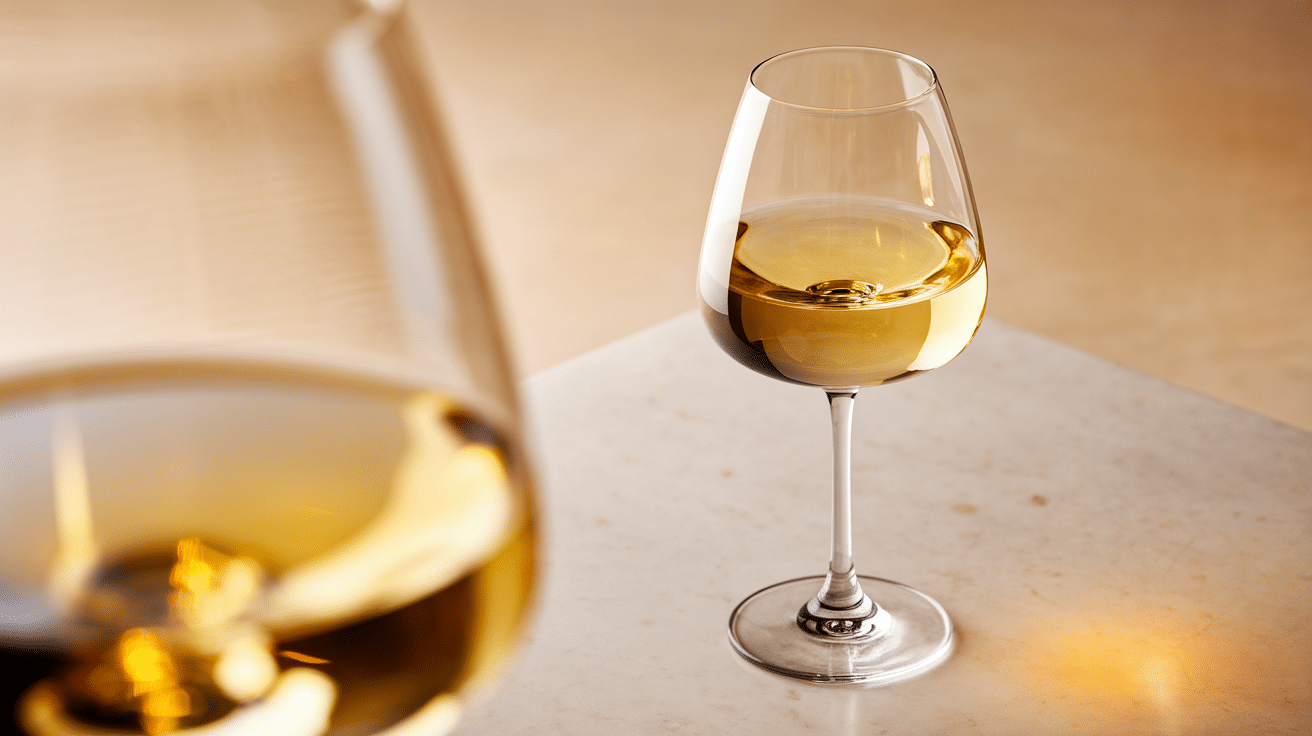
Despite its fuller body and oak-aging potential, most Chardonnays finish quite dry. The richness you taste comes from texture and barrel treatment rather than residual sugar, making it surprisingly low-carb.
Moderate-Carb Whites
These wines may still be labeled “dry” but land on the higher end of the carb spectrum due to grape characteristics or winemaking style:
7. Chenin Blanc (~4.9g/5 oz)
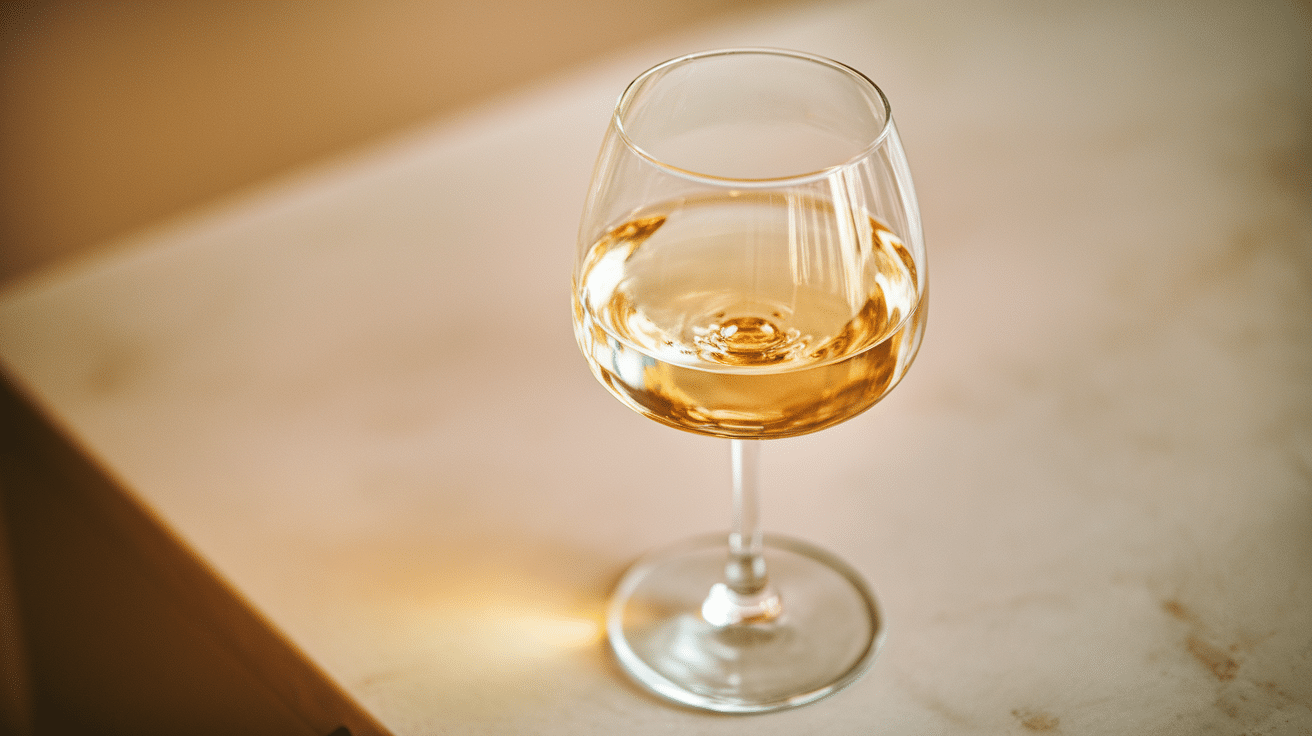
This versatile grape often retains slightly more sugar even in dry versions, contributing to its characteristic honeyed texture. The extra residual sweetness balances Chenin Blanc’s naturally high acidity, creating a rounder mouthfeel.
8. Dry Riesling (~5.54g/5 oz)

Even when labeled “dry,” Riesling’s naturally high acidity allows winemakers to leave a touch more residual sugar for balance without tasting overtly sweet. This strategic choice prevents the wine from feeling too austere or sharp.
High-Carb Whites
These wines contain the highest carbohydrate levels because fermentation stops earlier, leaving more natural grape sugar in the finished wine.
9. Sweet White Wines (Moscato, Late-Harvest Riesling)
Sweet white wines retain more natural grape sugar, which raises carb counts to about 8–12 grams per 5-ounce serving despite lower alcohol levels.
Moscato stands as the prime example:
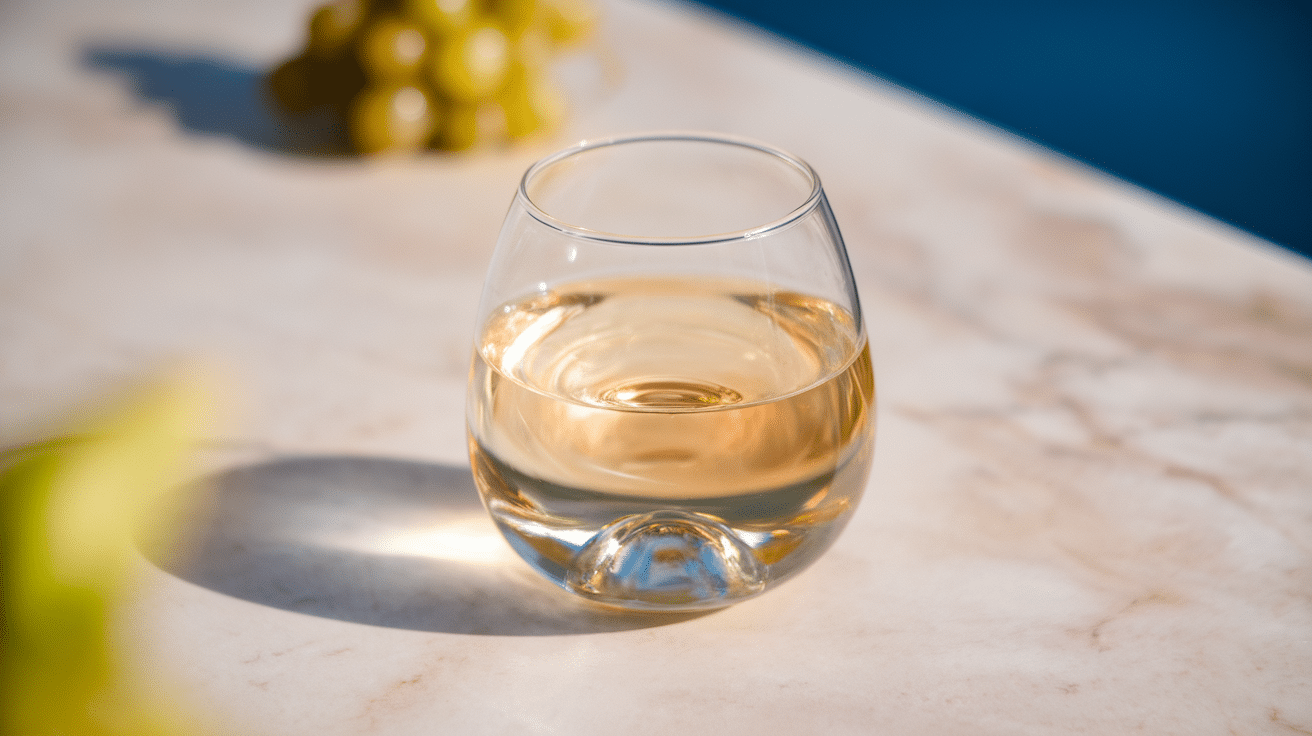
This popular sweet wine reaches 8–12 grams of carbohydrates per 5-ounce serving. Its light body and low alcohol (5–7% ABV) feel deceptively “light.” Yet it contains more carbs than several glasses of dry wine combined.
White Wine, Red Wine, and Sweet Wine Comparison
Wine type affects carbs and calories differently. The dry-versus-sweet distinction matters most for carbohydrates, while alcohol level primarily drives the total calories. Here’s how white, red, and sweet wines compare.
| Wine Type | Carbs (per 5 oz) | Calories (per 5 oz) | Typical ABV | Key Factor |
| Dry White Wine | 3-4g | 110-125 | 11-13% | Low residual sugar |
| Dry Red Wine | 3-4g | 120-130 | 12-15% | Low sugar, often higher ABV |
| Sweet White Wine | 8-12g+ | 150-165+ | 5-10% | High residual sugar |
| Sweet Red Wine | 10-15g+ | 160-180+ | 10-14% | High sugar + moderate ABV |
White Wine Safety and Moderation Tips
Now that you know how carbs and calories work in white wine, a few simple habits can help you drink more mindfully.
- Stick to a standard 5-ounce pour to keep calories and carbs in check.
- Remember that larger pours add calories quickly, even with dry white wine.
- Pay attention to both alcohol level and serving size when making choices.
- Use this guide for general nutrition awareness, not medical advice.
- If you have health conditions or dietary concerns, check with a healthcare professional before adjusting alcohol intake.
These tips help you enjoy white wine responsibly while staying aware of how portions, alcohol level, and nutrition fit your goals.
Bottom Line
Knowing how many carbs are in white wine is not as simple as reading the bottle name. Most dry white wines stay fairly low in carbs, but sweet wines and bigger pours can raise the numbers fast.
What matters most is the leftover sugar after fermentation and the wine’s alcohol level, not just the grape. Once you know these basics, picking a wine gets a lot easier.
If you want to compare other drinks, watch out for hidden sugar, or get better at reading nutrition labels, check out my other blogs, where I keep it just as clear and simple.





One Response
Great information, thank you