

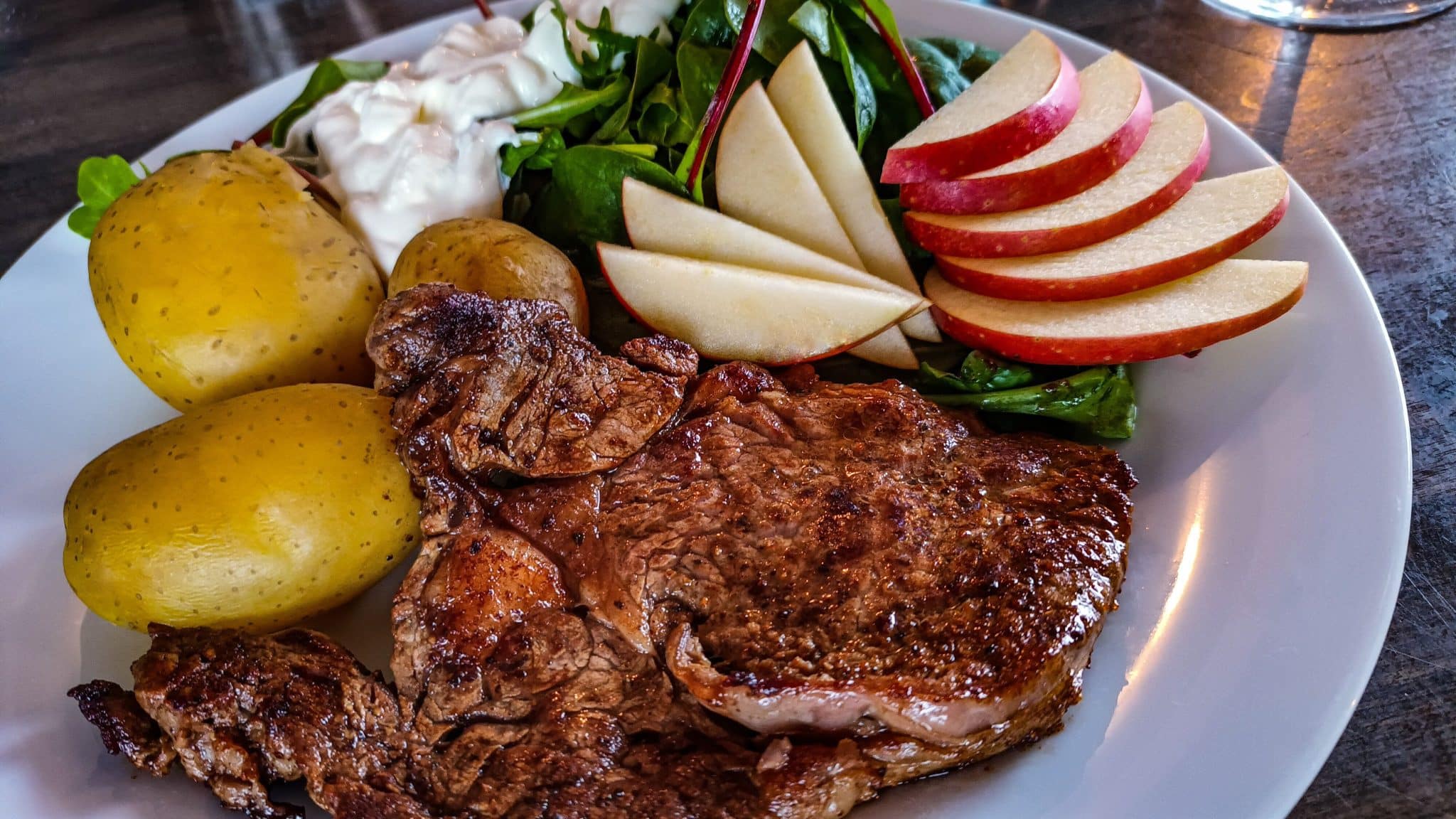
Steak has remained a favorite meal for generations, and there is a good reason for its staying power. A well-cooked steak delivers rich flavor, high-quality nutrition, and the kind of satisfaction that keeps you full long after dinner ends.
While balance is always important, adding steak to your regular meal rotation can support an active lifestyle without making healthy eating feel restrictive. From weeknight dinners to special occasions, steak offers a combination of taste and nutrition that is hard to match.
Why Steak Deserves a Regular Spot on Your Plate
One of the biggest reasons people continue to enjoy steak is its impressive nutritional profile. Lean cuts provide complete protein, iron, zinc, selenium, and vitamin B12, all of which help support normal body functions. Protein is especially valuable because it helps repair tissues, supports healthy bones, and contributes to maintaining lean muscle mass as people age.
Fitness enthusiasts have appreciated steak for decades because steak builds muscle when it is paired with regular strength training and an overall balanced diet. The complete amino acid profile found in beef makes it an excellent protein source after resistance workouts. Unlike many processed protein products, steak also delivers naturally occurring vitamins and minerals that support recovery and energy production.
Steak also has impressive staying power when it comes to hunger. Meals centered around protein tend to keep people feeling satisfied longer than meals built mostly around refined carbohydrates. That can make it easier to avoid unnecessary snacking later in the day while still enjoying a meal that feels substantial and satisfying.
A Great Steak Dinner Is Worth Seeking Out
Cooking steak at home is rewarding, but there is something special about visiting a restaurant that has perfected every detail. Experienced chefs understand how to select premium cuts, season them properly, and cook them to the exact temperature each guest prefers. The result is a meal that is difficult to duplicate without years of experience and professional equipment.
Whether you are searching for the best steakhouse in Boston, Columbus or anywhere else, look beyond the menu alone. Quality steakhouses pay close attention to sourcing, aging, preparation techniques, and customer service. Prime beef, careful seasoning, and proper resting time all contribute to a steak that remains juicy and flavorful from the first bite to the last.
Dining out also gives you the opportunity to sample cuts you may not normally purchase at the grocery store. Ribeye, New York strip, filet mignon, porterhouse, and flat iron steaks all have their own texture and flavor profile. Exploring different cuts helps you discover which style best fits your personal preferences while making dinner feel like an experience instead of another routine meal.
Steak Fits Into Many Healthy Eating Plans
One misconception about steak is that it only belongs in indulgent meals. In reality, lean cuts can work well in many different eating styles. Whether someone follows a higher-protein approach, a lower-carbohydrate plan, or simply wants balanced meals with whole foods, steak can easily fit into the menu.
Portion size matters more than avoiding steak altogether. A moderate serving paired with roasted vegetables, grilled asparagus, mushrooms, baked potatoes, or a fresh salad creates a complete meal packed with nutrients. Fresh herbs, garlic, pepper, and simple seasonings often bring out the natural flavor without requiring heavy sauces.
Steak is also surprisingly versatile. Leftover slices can become the centerpiece of salads, tacos, grain bowls, wraps, omelets, or sandwiches the following day. Preparing a larger steak for dinner can provide convenient lunches without sacrificing quality or flavor. That flexibility helps reduce food waste while making meal planning easier throughout the week.
Quality Ingredients Make Every Bite Better
Not all steaks are created equal. Factors like breed, feed, aging process, and butchering techniques all influence flavor and tenderness. USDA Prime beef generally contains more marbling than lower grades, producing richer flavor and a more tender eating experience. Dry-aged steaks develop deeper, nuttier flavors through carefully controlled aging, while wet-aged steaks retain a fresher beef flavor with excellent tenderness.
Proper cooking also makes an enormous difference. Starting with room-temperature meat, seasoning generously with salt and pepper, using high heat, and allowing the steak to rest after cooking all contribute to a better finished product. Resting allows the juices to redistribute throughout the meat instead of spilling onto the cutting board when sliced.
Choosing fresh side dishes also elevates the meal. Seasonal vegetables, roasted potatoes, grilled corn, or crisp salads balance the richness of steak without competing with its flavor. A simple approach often produces the most memorable dinner because the quality of the ingredients speaks for itself.
Enjoy Steak Without Overthinking It
Healthy eating does not require eliminating foods that people genuinely enjoy. Steak can absolutely be part of a sensible diet when eaten in reasonable portions alongside vegetables, whole foods, and regular physical activity. Rather than treating steak as an occasional guilty pleasure, think of it as one valuable source of high-quality protein that deserves a place among many nutritious options.
There is also something satisfying about gathering around a table for a perfectly cooked steak dinner. Whether you grill outside during the summer, cook cast iron steaks at home on a winter evening, or celebrate at a favorite steakhouse, the meal often becomes about more than nutrition alone.
It creates an opportunity to slow down, enjoy great food, and spend time with family or friends. Steak continues to earn its reputation because it delivers on flavor, nutrition, and versatility. Few foods offer such a satisfying combination, making it easy to understand why steak remains a favorite on dinner tables year after year.