
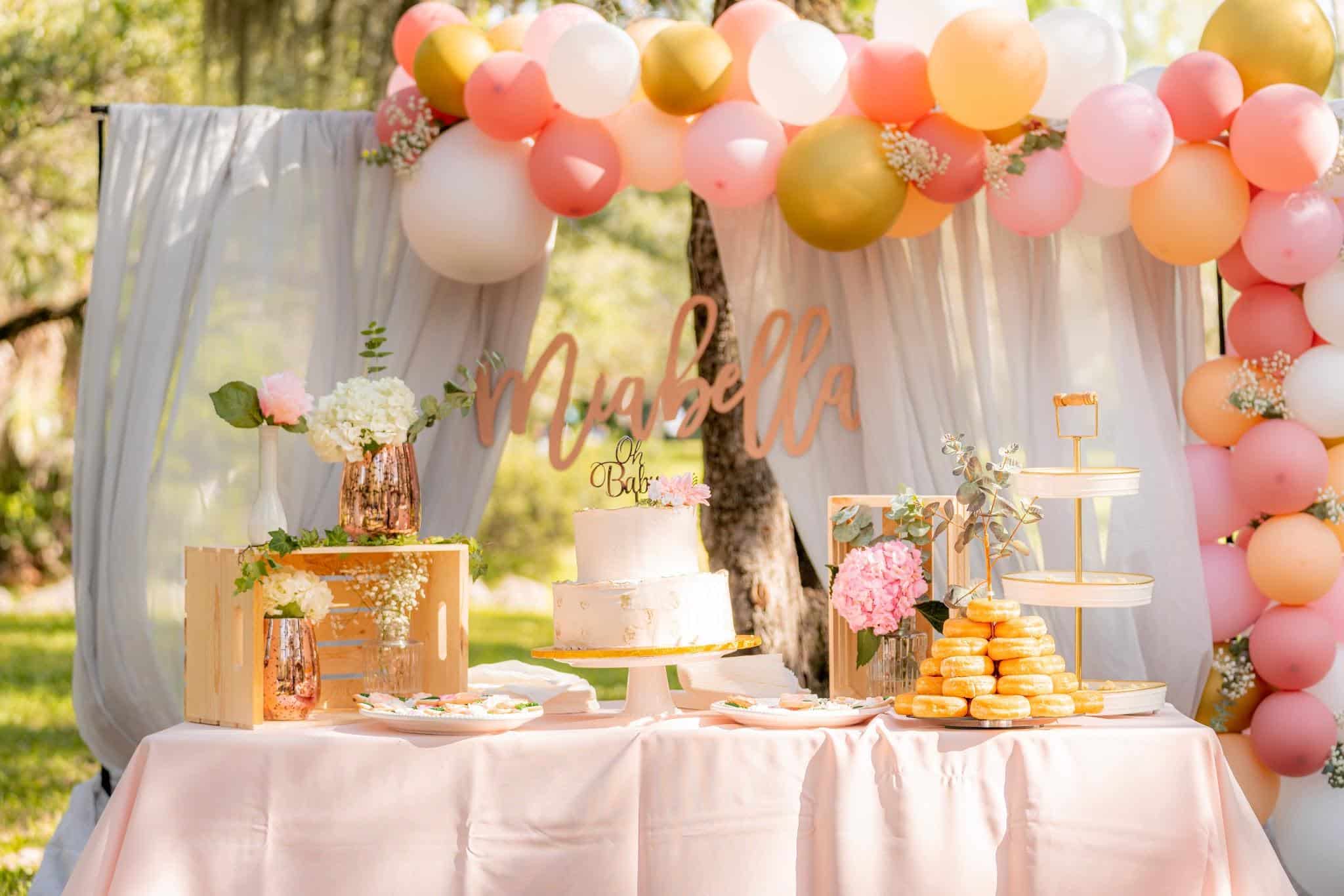
Surviving your baby shower comfortably comes down to four practical decisions you can make before the day arrives: choosing an outfit that supports movement, planning food that suits your pregnancy, building in scheduled rest, and attending to your body’s intimate comfort. Most shower planning guides focus on decorations and guest lists, but these four tips focus entirely on the person the party is actually for.
A celebration meant to support you should not become a test of how gracefully you can stand in a warm room for two hours. Your body reacts quickly to sustained standing, strong food smells, and restrictive waistbands, making it necessary to plan around these physical realities in advance.
Preparing for an extended social event requires anticipating how your body will handle prolonged standing, dietary changes, and intimate physical shifts. Managing these variables early might involve turning to NeuEve’s natural hormone-free treatment for vaginal dryness to support pelvic tissue comfort ahead of the gathering.
1. Wear Something That Moves and Breathes With You
A baby shower outfit carries a specific set of requirements that everyday maternity wear lacks, demanding materials that absorb enthusiastic hugs and stay comfortable through extended gift-opening sessions.
Soft stretch fabrics like jersey, modal, and ribbed knit move with your body rather than pulling across the bump as you shift between sitting and standing. Breathable bamboo blends and lightweight cotton manage venue warmth without adding bulk, while non-stretch waistbands and stiff garments quickly become restrictive.
Silhouette plays an equally important role in sustained physical comfort throughout the event. Empire-waist and ruched styles sit above or around the bump rather than compressing it, accommodating the subtle swelling and body changes that happen over a single afternoon.
If the search for the right garment feels overwhelming, exploring maternity clothes for baby shower from PinkBlush Maternity provides a reliable starting point for event-appropriate comfort. Dedicated occasion-specific maternity collections prioritize fit engineering that accounts for a growing bump in ways standard sizing misses.
2. Plan Food You Actually Want to Eat
Pregnancy alters smell sensitivity, temperature preferences, and texture tolerance, turning a standard buffet table into a potential nausea trigger. While hyperemesis gravidarum occurs in up to 3 percent of pregnancies, milder food aversions disrupt digestion for nearly everyone during the second and third trimesters.
Arriving at the venue with a slightly full stomach minimizes this risk, providing a baseline of stable blood sugar before you navigate unpredictable appetizers.
Providing your host with a short list of safe foods before the event eliminates guesswork for everyone. Requesting cool or room-temperature options alongside reliable staples like plain crackers ensures you have accessible calories throughout the party.
Hydration requires the same proactive approach, so asking the host to maintain a visible water station helps prevent the dehydration-induced fatigue and Braxton Hicks contractions that surface during long gatherings.
Simple Snacks and Hydration for Your Shower
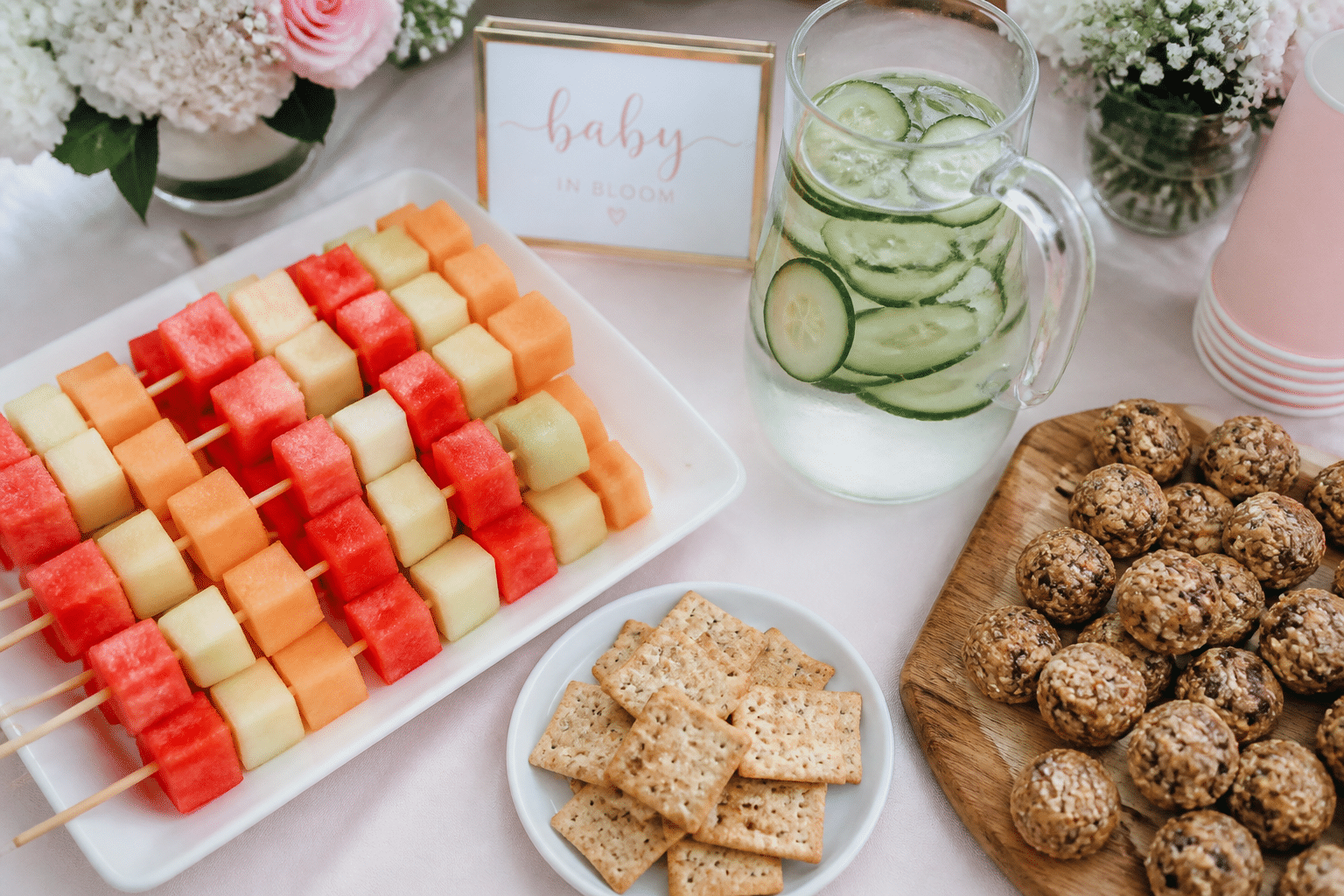
- Oatmeal energy bites: mild, filling oat-based clusters that settle the stomach and provide sustained energy between conversations
- Fruit skewers: cool, refreshing, and gentle on an altered palate
- Cucumber-infused water: subtle flavor that encourages steady, continuous sipping
- Herbal ginger tea: warm without heavy spices, effectively managing mild nausea
- Plain toasted oat cereal: a reliable, dry fallback that pregnant individuals can snack on quietly
Ask your host to keep a few plain, predictable options alongside the main spread. Familiar, mild carbohydrates matter more than elaborate catering when managing an unpredictable stomach.
|
Pro Tip: Send your host a two-sentence food preference note a week before. Mention one safe comfort food and one category to avoid; most hosts genuinely want you to enjoy the spread they’re preparing. |
|---|
3. Build In Seats, Pauses, and Permission to Rest

Greeting guests, laughing through games, and navigating a full room depletes energy reserves much faster than a standard afternoon at home. By the third trimester, back pain, pelvic pressure, and swelling already tax the body before the first guest even arrives.
The American College of Obstetricians and Gynecologists lists fatigue as a primary symptom of late pregnancy, and ignoring that reality during a three-hour party guarantees exhaustion the next day.
Reserving a specific, supportive chair prevents you from standing out of obligation or searching for a spot mid-conversation. Request a seat with armrests and a cushioned base, positioned near the gift table so you can participate fully without straining to see.
Keeping this designated spot away from direct sunlight and heating vents also controls your temperature, stopping environmental heat from accelerating your fatigue.
Structuring short pauses between food, games, and gifts allows your body to reset without disrupting the celebration. Stepping into a quiet side room for five minutes breaks the continuous social performance and lowers sensory input.
Treating the event as a flexible gathering rather than an endurance test lets you stay comfortable longer, even if that means leaving early when your physical limits approach.
4. Take Care of Your Intimate Comfort, Too
Hormonal shifts during late pregnancy and early postpartum recovery significantly alter intimate tissue, affecting moisture levels and baseline pelvic comfort.
Clinical data indicates that vaginal symptoms are common during pregnancy, with certain issues increasing as gestation progresses. These physical changes affect expecting mothers managing friction from clothing, as well as postpartum mothers attending delayed showers while navigating the early weeks of recovery.
Research shows clinically significant pain affects one in five women during intercourse in pregnancy, highlighting the necessity of proactive tissue support. Hydration-focused care and pelvic floor physical therapy also provide substantial support for managing these specific tissue shifts.
If pelvic pain or dryness feels persistent, significant, or entirely new, consulting a healthcare provider remains the necessary next step. A clinician can accurately distinguish standard pregnancy and postpartum adjustments from conditions that require targeted medical intervention.
|
Key Insight: Postpartum intimate discomfort affects 40 60% of people. Planning for this at a long social event isn’t alarming; it’s as practical and necessary as choosing the right chair or food. |
|---|
The Bottom Line
Selecting breathable maternity wear, organizing nausea-friendly food, securing a designated chair, and treating intimate dryness with specialized salves or suppositories builds a foundation of practical self-care. Your primary responsibility at the event involves enjoying the support of your community rather than testing your physical endurance.