

A client once told me she felt ‘unwell’ despite a completely clean annual physical, and that gap is the whole answer to what is the difference between health and wellness.
That gap is exactly what is the difference between health and wellness comes down to. Health and wellness get used like they mean the same thing, but they do not.
Health is your current state: physical, mental, and social. Wellness is the daily habits you build around it, what you eat, how you sleep, how you handle stress.
Below, both terms get explained clearly, along with where well-being fits between them and whether wellness can ever replace real medical care.
What Does Health Mean?
Health means the current state of your body, mind, and social well-being. It is not only about being free from illness. The World Health Organization defines health as complete physical, mental, and social well-being, not just the absence of disease.
This means health can be understood through both what you feel and what may need to be checked. Symptoms, screenings, medical history, mental health status, physical ability, and social support can all give a clearer view of health.
In simple words, health is the condition you are in right now. It can be strong, weak, stable, changing, or in need of medical support.
What Does Wellness Mean?
Wellness means the ongoing choices and habits that support health and quality of life. It is not a perfect routine, a product, or a trend. It is the steady practice of caring for your body, mind, relationships, work life, stress, and daily needs.
A helpful way to think about wellness is as a pattern, not a single action. It can change with your age, health needs, schedule, support system, and access to care. Someone with a chronic condition can still practice wellness while also following medical advice.
In a typical 45-minute intake session, I ask new clients to rate their health and their wellness separately on a 1-to-10 scale. Most give the same number for both, until we walk through what each one is actually measuring. It is not just fitness or food. It is the active way I care for my health, routines, relationships, and overall balance over time.
What Is The Difference Between Health And Wellness?

The clearest answer to what is the difference between health and wellness is this: health is a state, while wellness is a process. Health describes how you are doing. Wellness describes what you do to care for that state.
| Feature | Health | Wellness |
| Concept | A state of being that you may achieve, maintain, or manage. | An active process built through regular choices and habits. |
| Approach | Often reactive, such as treating an illness, symptom, injury, or health concern. | More proactive, such as preventing problems and building a steadier lifestyle. |
| Scope | Focuses on physical, mental, and social well-being, often through symptoms, function, and medical checks. | Looks at the whole person, including body, mind, emotions, relationships, work, money, and environment. |
| Control | Sometimes outside your control because of genetics, age, chronic illness, injury, or life conditions. | More strongly shaped by daily choices, but still affected by time, money, access, support, and health limits. |
| Example | Blood pressure, pain, mood, sleep problems, diagnosis, energy, or daily function. | Eating balanced meals, moving safely, resting, managing stress, staying connected, and seeking care when needed. |
A person can work on wellness even while managing a health problem. That is the part many people miss. Wellness does not mean perfect health. It means you are making choices that support your body and mind in a safe, realistic way.
How Are Health, Wellness, And Well-Being Different?
These three terms appear together constantly, but each one covers a different part of the picture. Knowing which word does which job makes it easier to talk about your own needs, understand what advice actually applies to you, and avoid confusing a lifestyle choice with a medical one.
1. Health: What Needs Attention Right Now?

Health gives well-being its physical and mental base. A person can have stable health numbers, no active diagnosis, and still report low well-being because of loneliness, lack of purpose, or ongoing stress.
The World Health Organization recognizes that social well-being is part of health itself, not separate from it. So health sets the floor, but it does not automatically produce a life that feels meaningful, connected, or functioning well across every area.
2. Wellness: What Are You Building Over Time?

Wellness is one of the main drivers of well-being over time. Daily habits around money stress, social support, home safety, movement, rest, and emotional care can shape how steady, supported, and balanced life feels day to day.
A person with a strong physical routine but high financial stress, poor relationships, or an unsafe living situation will still experience low well-being. Wellness habits across all dimensions, not just physical ones, are what move the needle on overall life quality.
3. Well-Being: How Is Life Working For You?

Well-being captures what health and wellness together cannot fully measure. The CDC defines well-being as life satisfaction, fulfillment, positive functioning, and a sense of purpose, not just physical condition or daily habits.
A person can follow a steady wellness routine and have no major diagnosis but still feel stuck, disconnected, or without direction. Well-being is the broader outcome that reflects how health and wellness actually show up in lived, felt experience.
Together, these three terms give a fuller view of a person’s life. Health shows what may need care. Wellness shows what habits are being built. Well-being shows how those habits and conditions affect daily life, mood, purpose, and personal balance.
What Are The Main Dimensions Of Wellness?
Wellness has several parts, and these parts often affect each other. For example, poor sleep can affect mood. Money stress can affect food choices. A hard work routine can affect movement and social time. SAMHSA lists eight dimensions of wellness, which is a useful way to understand the bigger meaning.
| Dimension | What does it mean in simple words |
| Physical | Sleep, movement, food, hydration, body safety, and medical care |
| Emotional | Handling feelings, stress, grief, anger, and hard days |
| Social | Supportive relationships, community, and healthy communication |
| Intellectual | Learning, thinking, problem-solving, and staying mentally active |
| Occupational | Work, school, duties, purpose, and daily role satisfaction |
| Financial | Money stress, planning, and meeting basic needs |
| Environmental | Safe and stable spaces where you live, work, and spend time |
| Spiritual | Meaning, values, purpose, peace, or personal belief systems |
Some wellness models use five, six, seven, or eight parts. That can feel confusing, but the main idea stays the same. Wellness is bigger than diet and exercise. It covers the daily areas that shape how a person lives and functions.
How Do Health And Wellness Work Together?
Health and wellness work together: daily wellness habits can support health, while your health status can shape which habits are safe and useful. This is one of the most important parts of what is the difference between health and wellness.
- Daily habit: You adjust sleep, meals, movement, water, stress care, or social support.
- Body and mind response: These habits may affect energy, mood, focus, strength, digestion, stress levels, and daily function over time.
- Health check: Symptoms, screenings, test results, or medical advice help show what still needs care, support, or treatment.
I coach this as a three-step loop: Check your health first… Pick one wellness habit… Match the habit to the health check. A client managing a knee injury gets a swim recommendation, not a running plan; a client managing anxiety gets a wind-down routine before caffeine cuts.
The CDC also notes that mental and physical health are closely linked. That means stress, mood, sleep, movement, and medical care can all matter together.
Can Wellness Replace Healthcare?
No, wellness should not replace healthcare. Wellness habits can support everyday health, but they cannot diagnose disease, treat urgent symptoms, or replace trained medical care.
This matters because wellness advice can sometimes sound too broad. Better sleep, nutritious meals, movement, stress care, and social support can help many people feel steadier. Still, chest pain, severe mood changes, injury, ongoing pain, medication questions, sudden symptoms, or chronic conditions need professional care.
Extended fasting is a good example: some people tolerate it well, but what actually happens during a 72-hour fast involves real shifts in electrolytes and blood sugar that matter more for someone managing diabetes, a history of disordered eating, or pregnancy. That’s exactly the kind of moment a good habit can’t stand in for a doctor’s visit.
How Can You Use Health And Wellness In Daily Life?
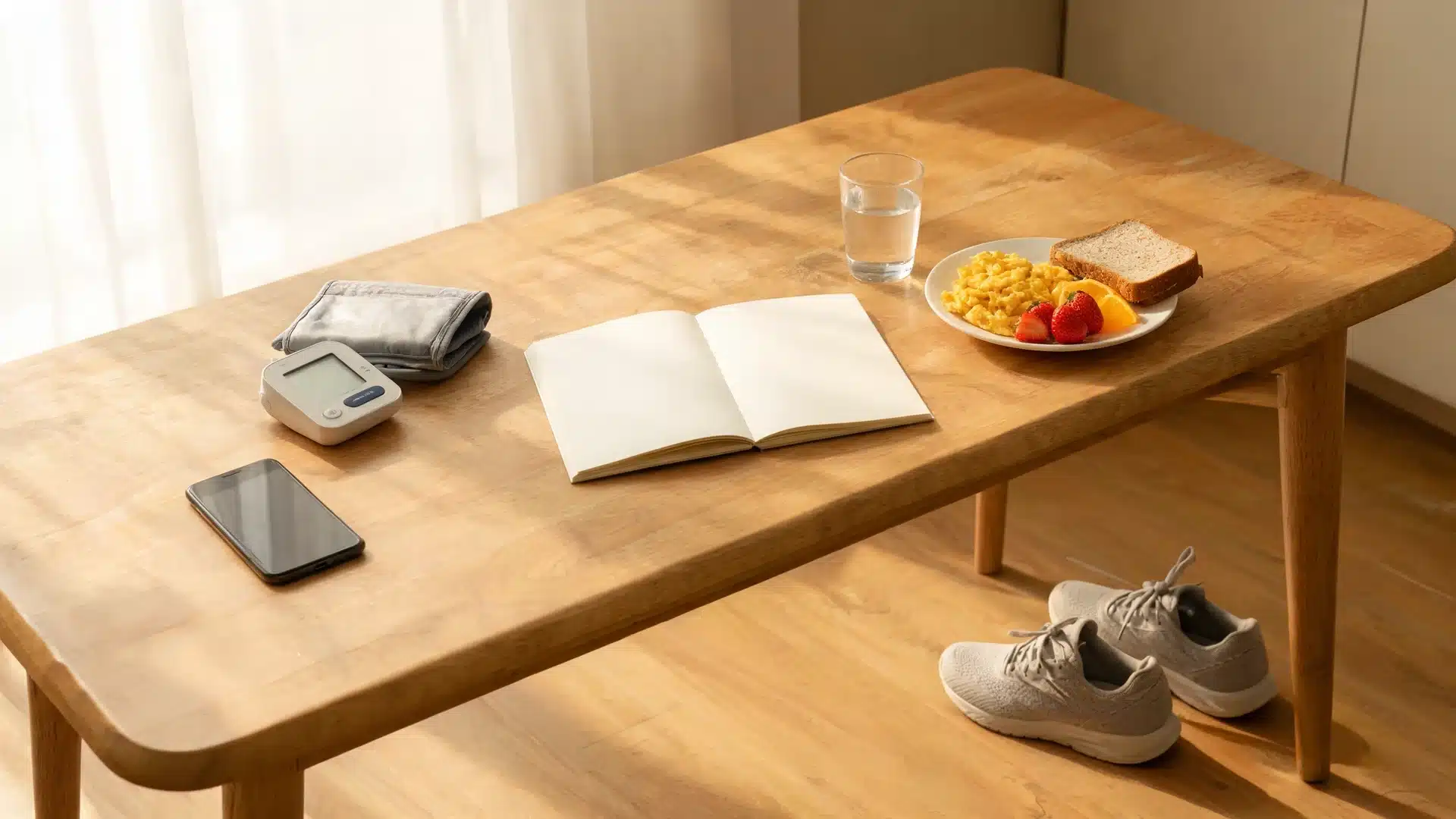
Once you see how health and wellness differ, you can use both words as a simple check-in. Health helps you notice what is happening in your body or mind. Wellness helps you choose one habit that can make a difference.
- Use your health to check your current state: Pay attention to pain, sleep changes, mood shifts, symptoms, energy levels, medical numbers, or anything that affects your normal routine.
- Use wellness to choose one helpful habit: Pick one realistic action that fits your life right now, such as a short walk, a home-cooked dinner instead of takeout, a better bedtime, more water, or asking for support.
- Match habits to your health needs: Choose routines that fit your body, schedule, health limits, and medical advice, rather than copying someone else’s plan.
This keeps the idea practical. Wellness should support your health, not pressure you to do everything perfectly.
Are Health And Wellness Connected?
Yes, they are connected, but they are not the same thing. A workplace program, fitness page, food blog, or insurance plan often pairs the two words together because both support a better quality of life, even though they do different jobs.
Health tells you what may need attention: symptoms, energy, mood, medical numbers, or daily function. Wellness is how you respond, through habits that support your body and mind over time.
Frequently Asked Questions
Is wellness the same as self-care?
Wellness and self-care are related, but they are not the same. Self-care is usually a personal practice, such as rest, meal prep, therapy homework, or setting limits. Wellness is the broader pattern of choices that support physical, emotional, social, and daily-life balance.
Can someone feel well but still have a health problem?
Yes, someone can feel well and still have a health problem that needs attention. Some conditions do not cause clear symptoms at first. That is why checkups, screenings, and medical follow-up matter, even when energy, mood, and daily life feel normal.
Why do workplaces use the phrase health and wellness?
Workplaces use “health and wellness” because the phrase covers both medical needs and daily habits. Health may include safety, benefits, screenings, and mental health support. Wellness may include stress tools, movement breaks, nutrition education, and programs that support better daily routines.
Does wellness mean natural care only?
No, wellness does not mean only natural care. A wellness routine can include sleep, food, movement, therapy, social support, medication follow-up, and regular healthcare. Good wellness should be safe, realistic, and based on sound information, not fear of medical care.
Final Takeaway
Health is the condition you’re in right now. Wellness is what you do, day after day, to take care of it: how you eat, how you rest, how you handle stress. That is what is the difference between health and wellness comes down to once you strip away the buzzwords.
As someone who spends most days in the kitchen, I’ve learned that a good recipe and a good checkup matter for different reasons, and neither one replaces the other.
Share one habit that feels realistic for you right now, or tell me in the comments which part of wellness feels hardest to keep steady.