


The phrase can feel confusing because it is used in two very different ways.
In healthcare, it usually means a preventive appointment that checks risk factors, screenings, vaccines, lifestyle, and long-term health planning. In public safety, it can mean a welfare check requested when someone may be unsafe or unreachable.
When readers ask what is a wellness check, they often need both answers before deciding what to do next. This article explains the medical visit first, then separates it from police welfare checks, insurance coverage, eligibility, preparation, and common billing surprises.
That matters because a routine appointment, a Medicare benefit, and a safety call can share similar wording but lead to very different steps.
What Is a Wellness Check?
A wellness check in healthcare is a preventive appointment with a doctor, nurse practitioner, physician assistant, or clinic provider. It looks at your overall health before small concerns turn into bigger problems.
The main purpose is prevention. Your provider reviews your current health picture, checks basic measurements, and helps decide what should happen next. That may include screenings, vaccines, lifestyle goals, follow-up visits, or referrals.
It is not mainly for treating one symptom. If you have pain, illness, medication side effects, or a new concern, ask whether you need a separate appointment so the care and billing stay clear.
A medical wellness check can help you:
- Update your personal and family health history
- Review vaccines and preventive screenings
- Discuss nutrition, sleep, movement, stress, alcohol, tobacco, and safety
- Identify risk factors for conditions such as high blood pressure, diabetes, heart disease, depression, or some cancers
- Create next steps for labs, referrals, or follow-up care when needed
The main idea is prevention. A good visit should leave you with a clearer picture of what to track, what to schedule, and what health habits need attention.
Wellness Check Vs Welfare Check: What Is The Difference?

A wellness check and a welfare check are often mixed up, but they are not the same in everyday use.
One belongs mostly to healthcare, while the other belongs to public safety. Morehouse School of Medicine describes a welfare check as a police service used to check on someone who may be at risk.
| Type | Healthcare Wellness Check | Public Safety Welfare Check |
| Main Purpose | Preventive health review | Safety and well-being check |
| Who Starts It | The patient, caregiver, or healthcare provider | A concerned family member, friend, neighbor, employer, or local agency |
| Who Performs It | Doctor, nurse practitioner, physician assistant, or clinic staff | Police, public safety, emergency responders, or local crisis teams |
| What Happens | Health history, vitals, screenings, vaccines, and prevention planning | Responders try to locate the person and confirm whether they are safe |
| Best For | Routine prevention and long-term health planning | Concern when someone is unreachable, unsafe, ill, injured, or in crisis |
| Emergency Use | Not for emergencies | Call emergency services if there may be immediate danger |
If the concern is medical prevention, schedule a healthcare visit. If someone may be in danger and cannot be reached, contact the correct local emergency or non-emergency service based on the situation.
Who Should Consider a Wellness Check?
A wellness check can help at any adult age, but the focus changes over time. Younger adults may need vaccine updates and lifestyle screening, while older adults may need closer review of risks, medications, function, and preventive care planning.
Ages 18 to 29: Focus on vaccines, sexual health, mental health, sleep, nutrition, exercise, substance use, and family health history.
Ages 30 to 39: Review blood pressure, weight trends, stress, reproductive health, lifestyle habits, and early family-related risks.
Ages 40 to 49: Check diabetes risk, cholesterol, blood pressure, cancer screening timing, sleep, stress, and heart health.
Ages 50 to 64: Focus on colorectal cancer screening, vaccines, bone health, heart risk, medications, and lifestyle planning.
Ages 65 and Older: Review fall risk, memory changes, medications, vaccines, screenings, mobility, independence, and long-term care goals.
Age is only one part of the decision. Family history, symptoms, pregnancy status, medications, disability, lifestyle, and insurance rules can change what you need. Ask your provider which screenings and preventive steps best fit your personal risk profile.
What Is Covered Under a Wellness Check?
A medical wellness check is mainly about prevention, not treating one new symptom.
The provider uses the visit to understand your health risks, update records, and decide which screenings, vaccines, and next steps make sense for your age, history, lifestyle, and insurance coverage right now.
1. Medical History Review

Your provider may ask about current conditions, past surgeries, allergies, medications, supplements, family history, and previous test results. This gives context for prevention.
For example, a family history of colon cancer, diabetes, high blood pressure, or heart disease may affect which screenings or follow-ups are recommended.
Bring a medication list and any recent health records if you have them. Small details can change what advice is appropriate for your situation.
2. Vitals And Basic Measurements
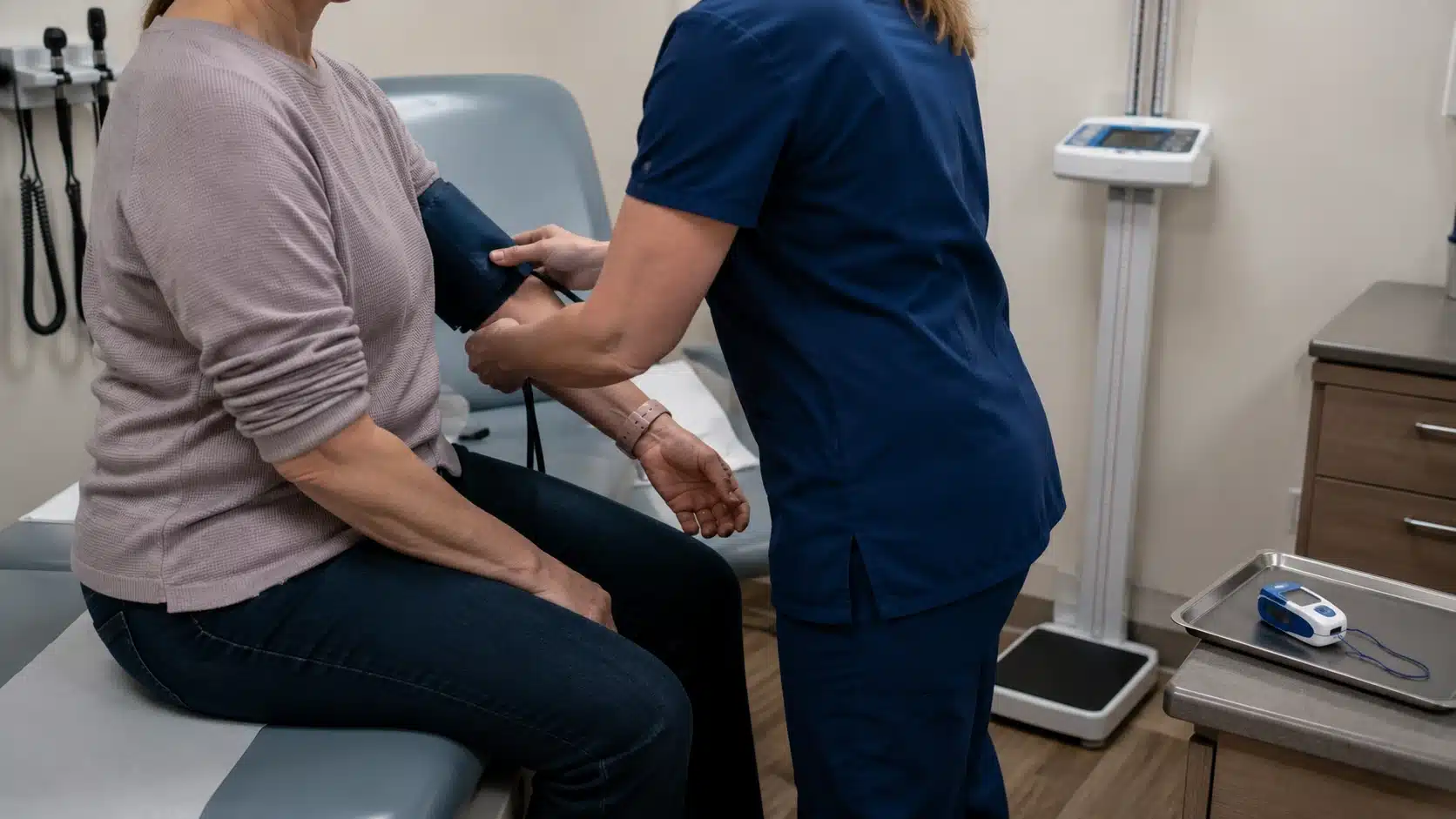
Most visits include simple measurements such as blood pressure, height, weight, and sometimes body mass index or pulse. These numbers help your provider notice changes over time.
A single reading does not always tell the whole story, but repeated patterns can signal risk. Blood pressure, weight changes, and other basic markers may lead to lifestyle advice, home monitoring, or follow-up care if something needs closer attention.
3. Screenings And Preventive Tests

Screenings depend on age, sex, personal history, family history, and risk factors. The U.S. Preventive Services Task Force provides evidence-based preventive service recommendations that providers may use when deciding which screenings are appropriate.
Your provider may discuss cholesterol, diabetes, depression, colorectal cancer, breast cancer, cervical cancer, osteoporosis, HIV, hepatitis, or other checks.
Not every test belongs in every visit. Some screenings may be done during the appointment, while others may be ordered separately.
4. Vaccine Review
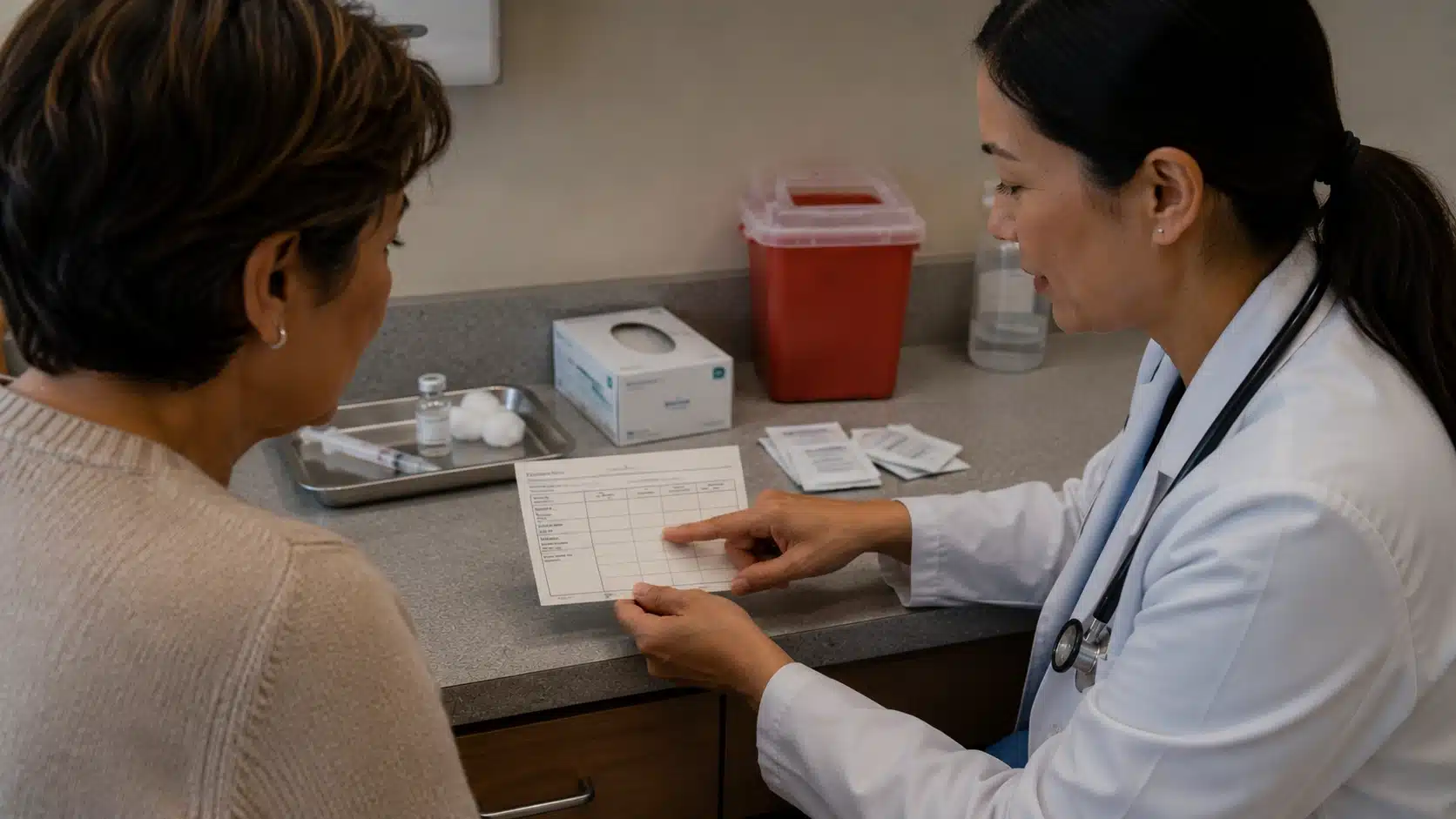
A wellness check is a good time to review vaccines because recommendations change with age, health conditions, pregnancy status, travel, job exposure, and past vaccine history.
Your provider may discuss flu, COVID-19, tetanus, shingles, pneumonia, hepatitis, HPV, or other vaccines.
You do not need to memorize every schedule before the visit. Bring any vaccine records you have, then ask which ones are due or worth updating.
5. Lifestyle And Mental Health Discussion

A useful visit should go beyond numbers. Your provider may ask about sleep, stress, food habits, physical activity, alcohol, tobacco, mood, relationships, safety, and daily routines.
These questions help connect prevention to real life. If you are dealing with anxiety, low mood, burnout, or substance use concerns, say so clearly. A wellness visit can open the door to support, screening tools, referrals, or follow-up care.
6. Personalized Prevention Plan

The visit should end with next steps you can actually use. Medicare describes its yearly wellness visit as a way to develop or update a personalized plan to help prevent disease or disability.
Your plan may include screenings to schedule, vaccines to update, lifestyle goals, lab orders, referrals, medication review, or a follow-up appointment. Ask what to do first if the list feels long.
Coverage can change when a preventive visit turns into a diagnostic visit. If you bring up new symptoms, pain, medication side effects, or an active condition, ask whether that part may be billed separately.
What Happens During A Wellness Exam?
A wellness exam is the appointment experience itself. Think of it as a timeline rather than a list of parts.
Before the visit: You may fill out forms about your health history, medications, lifestyle, mental health, and family history. Bring your insurance card, medication list, vaccine records, and questions.
During the visit: The provider or clinic staff may check basic measurements, review your risk factors, ask about daily habits, and discuss age-appropriate screenings. If you have Medicare, your provider may also use a health risk assessment as part of the yearly planning process.
After the visit: You may leave with referrals, vaccine recommendations, lab orders, screening instructions, or follow-up appointments. Some items may happen that day, while others may need a separate visit or facility.
A wellness exam is not always a full head-to-toe physical. It is also not meant to replace urgent care, emergency care, or treatment for a new medical problem.
Annual Wellness Visit: What Does It Mean?
An annual wellness visit is a preventive planning visit often connected with Medicare. Its purpose is to develop or update a prevention plan based on your current health and risk factors.
For Medicare patients, the Centers for Medicare & Medicaid Services explains that the visit includes a health risk assessment and prevention planning. It may also include routine measurements, a review of medical and family history, a screening schedule, a vaccine review, a cognitive assessment, and personalized recommendations.
The key point is that this visit is not the same as a routine physical exam. It is focused on prevention planning. If you ask about new symptoms, request extra tests, or discuss an existing problem in detail, that part may be billed differently.
Who Is Eligible For An Annual Wellness Visit?

Eligibility for an annual wellness visit depends on your insurance type, plan rules, provider network, and visit purpose. Medicare, private insurance, Marketplace plans, Medicaid, and state programs may all have different requirements before scheduling appointments.
- Medicare Beneficiaries: People with Medicare Part B may qualify after meeting timing rules. The visit focuses on prevention planning, not a routine physical. If the provider accepts assignment and no extra services are added, the covered preventive portion may cost nothing.
- Private Insurance Members: Many private plans cover preventive care, but details vary by plan, network, and services added during the visit. Check your member portal or call your insurer before booking.
- Marketplace Plan Members: HealthCare.gov says many preventive services are covered when plan rules are met. Use an in-network provider and confirm which screenings, vaccines, or checkups apply to you.
- Medicaid or State Program Members: Coverage can vary by state, plan type, and provider network. Check your state Medicaid website, managed care plan, or member services line before scheduling the appointment.
Eligibility only confirms who may book the visit. Final coverage depends on billing codes, network status, and added services. Before booking, ask what is covered and whether symptom discussions may cost extra during the appointment.
How Do You Schedule Or Start The Process?
The process changes by coverage and situation, so start with the right route. A medical visit goes through your health plan or clinic, while a safety concern should go through local emergency or non-emergency services.
Step 1: Confirm your coverage source: Check Medicare, your private insurance portal, Marketplace plan, Medicaid program, or state plan before booking. Preventive care rules can vary by plan.
Step 2: Choose an eligible provider: Use an in-network provider when your plan requires it. For Medicare, confirm that the provider accepts assignment before the visit.
Step 3: Request the correct visit type: Ask for a preventive wellness visit, yearly preventive visit, or annual wellness visit if you are using Medicare coverage.
Step 4: Ask What May Cost Extra: Confirm whether labs, vaccines, diagnostic tests, or symptom discussions could create a separate charge during or after the appointment.
Step 5: Prepare your health details: Bring medications, supplements, vaccine records, family history, recent test results, and any forms your clinic asks you to complete.
Step 6: Use the right safety channel: For a welfare check, follow local guidance. Use emergency services for immediate danger, or local non-emergency options when the concern is serious but not urgent.
These steps help separate routine prevention from urgent safety needs. When cost, timing, or risk feels unclear, confirm details before acting so the right professional handles the concern without creating avoidable billing confusion or delays.
What Insurance Covers a Wellness Check?
There is no single best insurance company for every wellness visit because coverage depends on location, plan type, provider network, deductible rules, and whether the visit stays preventive. Use official benefit pages and member portals to confirm your own plan details.
| Coverage Source | Best For Checking | What To Confirm |
| Medicare | Adults 65 and older, plus some younger people with qualifying disabilities | Timing rules, preventive visit coverage, provider assignment, and extra service costs |
| HealthCare.gov | People buying individual or family plans | Preventive services, in-network rules, covered screenings, and vaccine coverage |
| UnitedHealthcare | Employer, individual, Medicaid, and Medicare plan members | Preventive care rules, yearly visit benefits, screenings, and member-specific coverage |
| Kaiser Permanente | Members in Kaiser service areas | Preventive care coverage, regional benefits, and in-network care rules |
| Aetna | Employer, individual, Medicaid, and Medicare plan members | Preventive service lists, wellness benefits, and plan-specific billing rules |
Blue Cross Blue Shield, Cigna, Humana, Anthem, and other insurers may also cover preventive visits depending on the plan. The safest answer is always plan-specific. Check your member portal or call before the appointment.
Wellness Check Vs Annual Physical: Are They The Same?
A wellness check and an annual physical can overlap, but they are not always the same. A wellness visit usually focuses on prevention, risk review, screening schedules, vaccines, and planning. A physical may include a more hands-on exam and more direct body-system checks.
Medicare makes this distinction especially important. CMS Medicare Wellness Visits explains that Medicare wellness visits are preventive services with specific coverage rules. Patients should not assume every exam, lab, or test is included for free.
A simple way to think about it:
| Visit Type | Main Focus | May Include |
| Wellness Visit | Prevention and planning | Risk assessment, medical history, vitals, screening schedule, vaccine review |
| Annual Physical | Broader exam | Physical exam, symptom review, possible labs or tests |
| Problem Visit | Diagnosis or treatment | New symptoms, medication changes, pain, illness, injury, or chronic condition management |
If you need both prevention planning and help with symptoms, ask whether the office can handle both in one appointment or whether you should book separate visits.
Common Mistakes to Avoid Before the Visit

Small details can change how useful the appointment feels afterward. This section is mainly about avoiding confusion before you walk in, especially around costs, records, follow-up, and the type of care you actually need.
- Assuming Every Test Is Included: Labs, vaccines, imaging, or extra screenings may cost more, so ask what is covered first.
- Choosing The Wrong Provider: An out-of-network provider can increase costs. Check your plan’s network before booking.
- Forgetting Health Details: Bring medications, supplements, vaccine records, recent results, and family history.
- Mixing In New Symptoms: New pain, illness, or medication concerns may be billed separately.
- Leaving Without Next Steps: Ask which screenings, vaccines, referrals, or follow-ups should happen next.
The visit should end with a simple action plan, not a pile of unclear notes. A few direct questions before and during the appointment can make the next step easier to follow.
How Should You Prepare For a Wellness Check?
Good preparation makes the visit more useful. You do not need to know every medical term, but you should bring enough information to help your provider make better recommendations.
|
Bring or prepare:
|
Try to separate preventive questions from new symptoms. If you have chest pain, severe pain, infection symptoms, sudden weakness, or breathing trouble, do not wait for a routine preventive appointment.
Frequently Asked Questions
What Does a Wellness Check Consist Of?
A medical wellness check usually includes a health history review, basic measurements, risk assessment, preventive screening discussion, vaccine review, lifestyle questions, and a plan for next steps. Some tests may be ordered separately, depending on age, symptoms, risk factors, and insurance rules at that visit.
Is A Wellness Check The Same As a Physical?
No. A wellness check focuses on prevention, health risks, and planning. A physical may include a more hands-on exam and different testing. Medicare specifically separates yearly wellness visits from routine physical exams, so patients should ask how the appointment will be billed before going there.
Does Insurance Cover a Wellness Check?
Many plans cover preventive services when you use an eligible in-network provider and the visit stays preventive. Costs can appear if the provider treats symptoms, orders diagnostic tests, or adds services outside preventive coverage. Check your member portal before scheduling to avoid surprises later on.
Can a Wellness Check Include Blood Work?
It can, but blood work is not automatically included for everyone. A provider may order labs based on age, medications, risk factors, or symptoms. Preventive and diagnostic lab coverage can differ, so ask which tests are recommended and whether they may cost extra for you.
Why Would Someone Call For a Welfare Check?
Someone may request a welfare check when a person cannot be reached and there is concern they may be unsafe, ill, injured, or in crisis. If danger seems immediate, call emergency services. If unsure, contact your local non-emergency line for direction before deciding on next steps.
Final Verdict
The simple answer to what is a wellness check depends on why you need one. For routine health planning, a preventive visit helps you review risks, screenings, vaccines, lifestyle habits, and next steps with a healthcare provider.
For safety concerns, it may mean asking local services to check whether someone is okay. The most useful thing you can do is choose the right path before booking or calling. Check your insurance benefits, confirm whether the visit is preventive, and bring your questions with you.
If your goal is long-term health, schedule your wellness visit before symptoms force the conversation. Start with your provider or insurer today. Comment below with your experience of the wellness check visit so others can get help too.