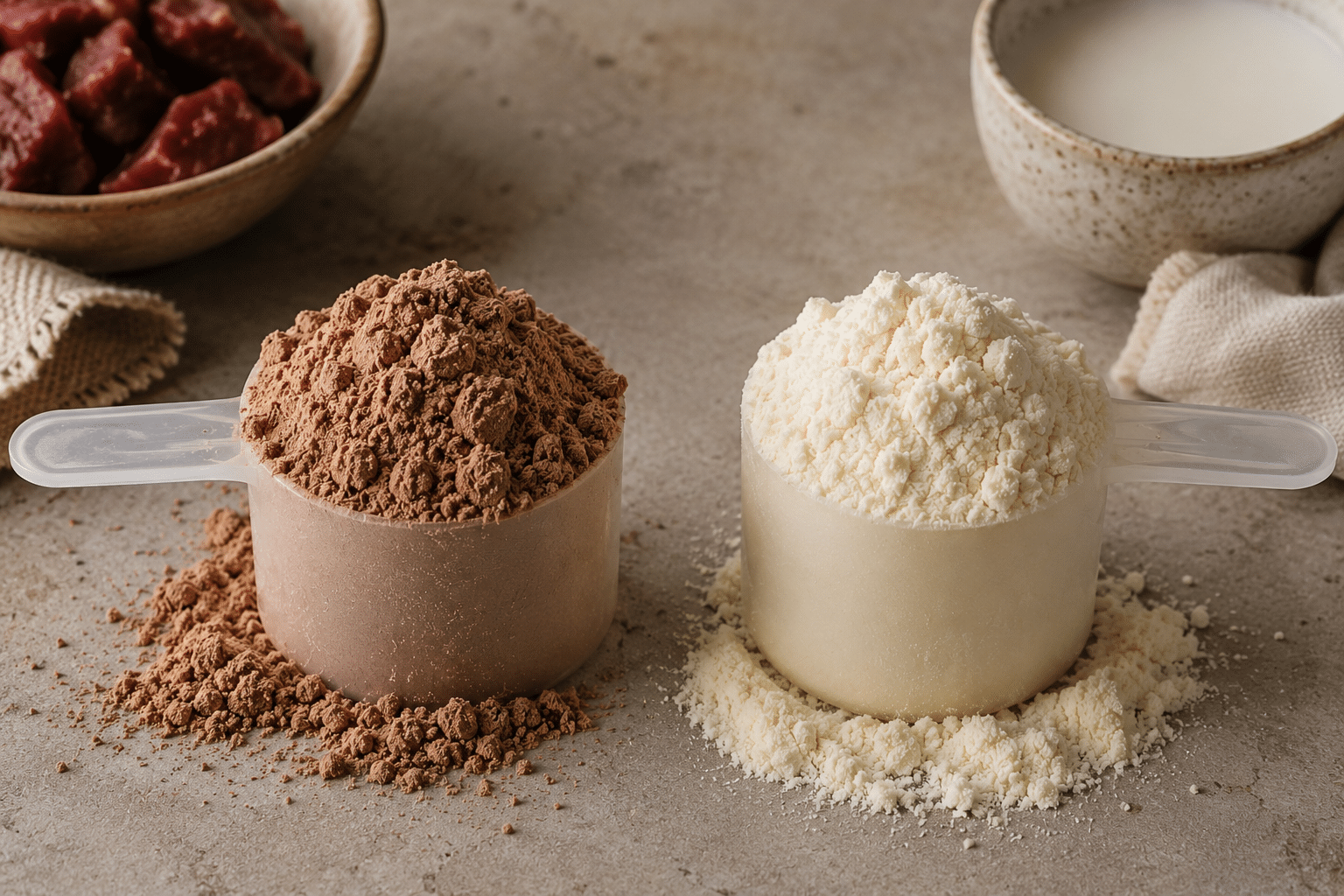

Let me save you some time by telling you that protein doesn’t burn fat. A calorie deficit does. But protein makes sticking to that deficit so much easier that it might feel like magic.
Here’s the distinction most people miss. If you’re thinking that 200 grams of protein a day is your weight-loss solution, your body weight and training schedule matter more than the number itself.
I’ve noticed that most people overestimate their protein intake, so your “high protein” breakfast might actually be minimal.
You’ve probably been there. Before you buy chicken in bulk, let me help you figure out what you actually need.
The Role of Protein in Weight Loss
Two hundred grams of protein equals 800 calories. Without a calorie deficit, those calories get stored as fat. Protein supports weight loss through three mechanisms.
- Satiety: Protein helps keep you full longer by triggering appetite-suppressing hormones, making you less likely to snack between meals.
- Muscle Preservation: Protein helps preserve muscle mass during a calorie deficit, which is important because muscle burns more calories at rest.
- Metabolism Support: By preventing muscle loss, protein helps maintain your metabolism, which could otherwise slow down during periods of calorie restriction.
High-protein dieters lose roughly five times less muscle mass during periods of deficit. Since muscle burns more calories at rest, maintaining muscle mass helps prevent metabolic slowdown.
Finding Your Actual Protein Target
The 2025-2030 U.S. Dietary Guidelines recommend 1.2 to 1.6 grams of protein per kilogram of body weight for weight loss. Here’s where you actually land:
| Your Weight | Daily Protein Range | 200g Status |
| 150 lbs | 82-109g | Nearly double |
| 180 lbs | 98-131g | Still excessive |
| 200 lbs | 109-146g | Significantly high |
| 220+ lbs | 120-160g | Getting closer |
Body composition changes the calculation. A 240-pound person at 40% body fat has about 144 pounds of lean mass, which translates to roughly 105 grams of protein, not 200.
When Does 200 Grams of Protein Make Sense?
For a narrow population, 200 grams lands in a reasonable range. You need all of these criteria:
- You weigh over 200 pounds with low body fat
- You resistance train 4-6 times weekly with progressive overload
- You maintain a calorie deficit
- You have no kidney issues, diabetes, or liver conditions
- You drink 3.5-4 liters of water daily
- You’ve completed baseline lab work
If you’re missing two or more criteria, you’re working way harder than you need to. Life’s hard enough without force-feeding yourself chicken breast number four of the day.
What Most People Should Target for Weight Loss
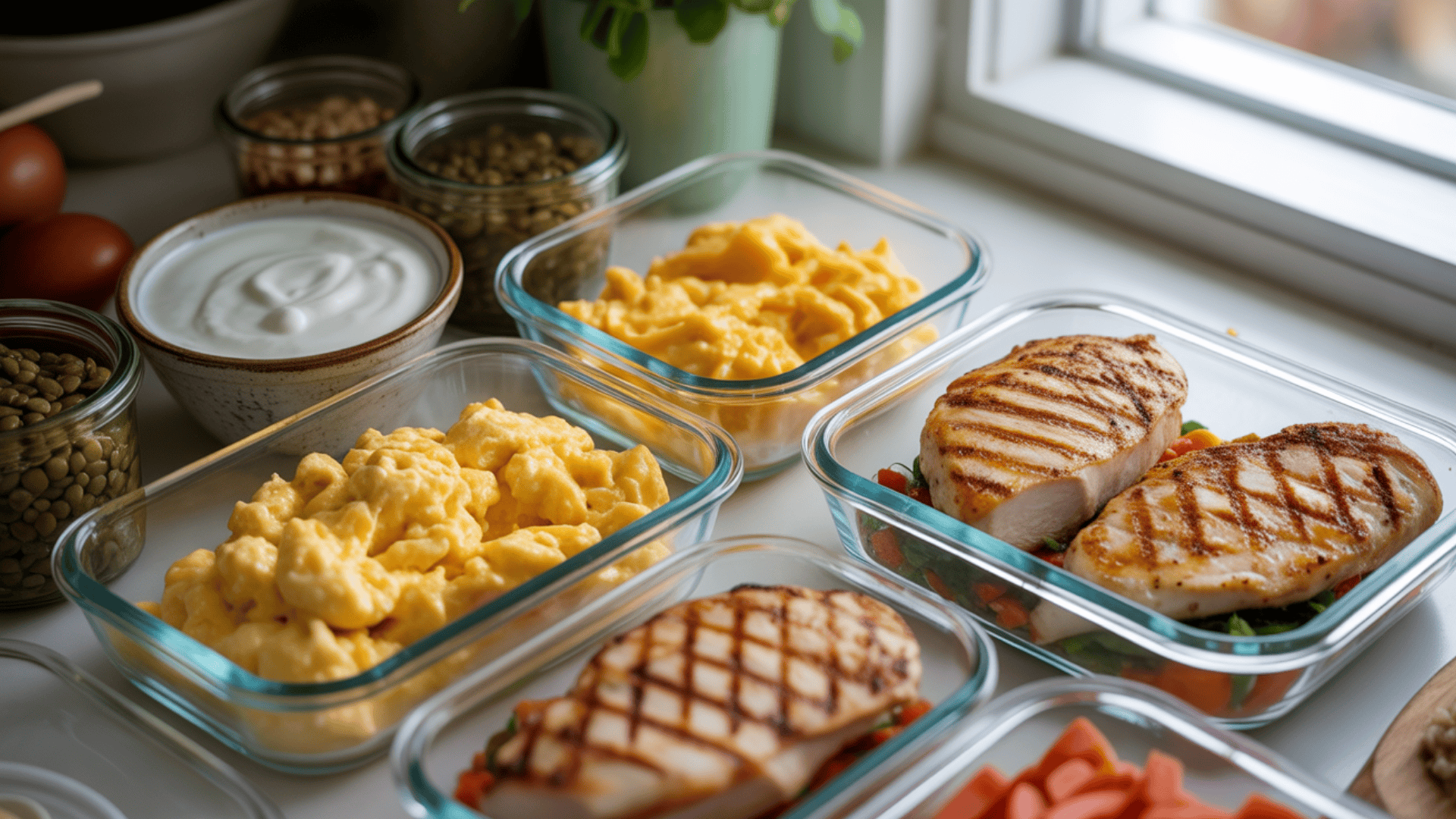
For weight loss with moderate exercise, 100-120 grams daily delivers comparable muscle preservation and satiety benefits with significantly less effort. For a 180-pound person actively losing weight, that’s your sweet spot.
Spreading protein evenly throughout the day matters more than the total. Most people eat a protein-light breakfast, a mediocre lunch, and then cram 80 grams into dinner.
Moving protein from dinner to breakfast decreases hunger and cravings throughout the day.
Your body processes only 25-40 grams of protein per meal for muscle synthesis. Going significantly higher doesn’t build bonus muscle; it’s processed out or stored as fat.
Health Risks of High Protein Intake
At a daily protein intake exceeding 1.2g per kilogram of body weight, I’ve learned that studies show roughly twice the rate of annual decline in kidney function. People who should avoid 200 grams without medical oversight:
- Anyone with kidney function concerns
- History of kidney stones in the past five years
- Cardiovascular disease or significant risk factors
- Adults over 65
- Postmenopausal women (research shows accelerated kidney decline and increased fracture risk)
Warning signs to call your doctor: dark or tea-colored urine, reduced urination, flank or lower back pain, persistent constipation despite adequate water intake, swelling in the ankles or feet, or ammonia-like breath lasting more than a few days.
Understanding what happens to surplus protein helps you make smarter choices about your intake and training strategy.
Reaching 200 Grams Safely If You Qualify
Your digestive system and kidneys need time to adapt. Rushing this triggers problems.
Gradual timeline
- Weeks 1-2: Increase to 150g, monitor how you feel
- Weeks 3-4: Move to 170g, drink 3+ liters of water daily
- Weeks 5-6: Reach 200g only if everything’s going smoothly
Practical 5-meal distribution (40g each)
- Breakfast: 3 eggs + Greek yogurt
- Mid-morning: Protein shake + almonds
- Lunch: 6 oz chicken breast + rice
- Afternoon: Greek yogurt bowl or another shake
- Dinner: 6 oz salmon + vegetables
High-efficiency protein sources: Chicken breast delivers 31g per 100g at only 5.3 calories per gram of protein. A cup of cooked lentils provides about 18 grams of protein and 15 grams of fiber. Eggs cost about $0.05 per gram of protein.
Tracking Progress and Adjusting
Watch for these signs that your protein level is working.
- 24-48 hours: Reduced snacking urges, feeling fuller after meals
- 5-7 days: More stable energy, less afternoon fatigue
- 10-14 days: Strength maintained or improving despite calorie deficit
Recalculate as you lose weight. A 20-pound loss changes your protein needs by roughly 10-12 grams. Don’t maintain 200 grams if you’re now significantly lighter than when you calculated it.
The Bottom Line
High protein intake won’t cause weight loss on its own; only a calorie deficit does that. But I’ve found protein helps by keeping you full and preserving muscle. For most people, extremely high amounts are excessive.
A moderate range delivers virtually identical results while putting less strain on your kidneys and wallet.
Will 200 grams of protein a day lead to weight loss? Only if you’re significantly heavier, have serious training, and have no health issues.
For everyone else, I recommend optimizing what you eat: eat more at breakfast, spread it evenly, and pair it with resistance training.