


I used to wonder why I felt anxious and tired even after eating what I thought were healthy foods. That’s when I learned about cortisol. Cortisol is a stress hormone that affects how you feel every day. When it stays high, it can leave you feeling worn out, restless, or unable to relax.
Some foods can quietly raise cortisol, even if they seem like good choices. Other foods can help your body feel calmer and steadier. Knowing the difference can make a real impact on your energy and mood.
In this guide, I’ll share what I’ve learned about cortisol and food. You’ll learn which foods raise stress hormones, what to eat instead, simple swaps, timing tips, and signs you may need extra support.
What you eat can either increase stress hormones or help your body feel calmer and more balanced.
What are Cortisol-Triggering Foods?
Cortisol-triggering foods are those that cause an increase in cortisol, the body’s primary stress hormone. These foods tend to spike blood sugar quickly, overstimulate the nervous system, or disrupt sleep patterns, all of which lead to higher cortisol production.
Examples include refined sugars, caffeine, and processed foods. When consumed regularly, these foods create an ongoing cycle of stress responses, keeping your body in a heightened state of alertness.
Over time, this constant activation of the stress response can make it harder for your body to relax, recover, and maintain balance, contributing to long-term health issues such as anxiety, weight gain, and trouble sleeping.
Foods That Raise Cortisol Levels
Understanding which foods trigger cortisol can help you make better choices for your stress levels. While no single food will ruin your health, certain items consistently tell your body to produce more stress hormones.
Here are the main culprits you should watch out for:
- Added Sugar and Sweet Treats: Soda, candy, cookies, and other sweet snacks cause rapid spikes and crashes in blood sugar.
- Refined Carbohydrates: White bread, pastries, crackers, and sugary cereals break down quickly into sugar.
- Caffeine and Energy Drinks: Coffee, energy drinks, and caffeinated sodas can overstimulate your stress response.
- Alcohol: Wine, beer, and spirits disrupt sleep quality and blood sugar regulation with heavy drinking.
- Fried and Ultra-Processed Foods: Fast food, chips, packaged snacks, and frozen meals increase inflammation throughout your body.
These foods aren’t necessarily dangerous in small amounts, but eating them frequently can keep your cortisol levels elevated. The key is balance, not perfection.
Why These Foods Raise Cortisol
When you eat sugar or refined carbs, your blood sugar shoots up quickly. Your body releases insulin to bring it back down, which can cause it to drop too low. This crash signals your body to release cortisol, which raises blood sugar again.
Stimulants like caffeine directly activate your fight-or-flight response. Your nervous system can’t tell the difference between real danger and the jolt from an energy drink.
Foods and drinks that disrupt sleep also increase cortisol levels. Poor sleep quality keeps cortisol elevated the next day, creating a cycle that’s hard to break.
Foods That Help Lower Cortisol
The right foods can help your body manage stress more effectively. Instead of triggering cortisol spikes, these foods work to calm your nervous system and keep your hormones balanced.
Protein-Rich Foods

Eggs, fish, chicken, turkey, tofu, beans, and Greek yogurt provide amino acids that help regulate mood and blood sugar. These amino acids are the building blocks your body uses to make calming brain chemicals like serotonin.
Protein keeps you feeling full longer and prevents the crashes that trigger cortisol release. Starting your day with protein can set a stable foundation that helps manage stress hormones throughout the entire day.
Magnesium Rich Foods
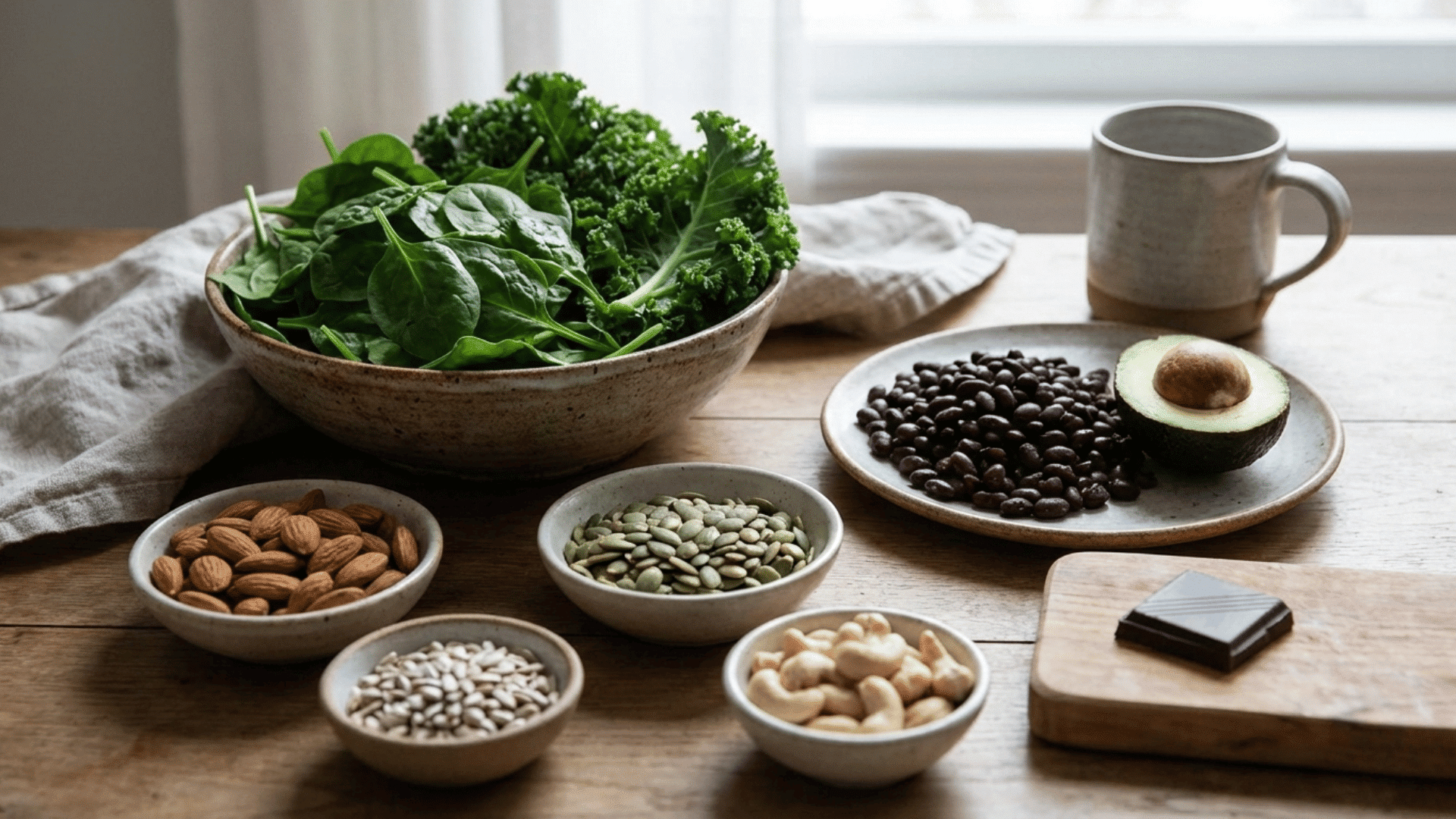
Leafy greens like spinach and kale, nuts, seeds, and dark chocolate contain magnesium. This mineral helps relax your muscles and nervous system, acting as a natural stress reliever.
Magnesium also supports better sleep, which naturally lowers cortisol. Many people don’t get enough magnesium from their diet, making these foods especially important for managing daily stress levels.
Fiber and Gut-Friendly Foods

Fruits, vegetables, whole grains, yogurt, and fermented foods like kimchi and sauerkraut support your digestive system. Your gut health directly affects your stress response through the gut-brain connection.
A healthy gut produces chemicals like GABA and serotonin that help you feel calm and balanced. About 90% of your body’s serotonin is actually made in your gut, not your brain.
Healthy Fats and Antioxidant-Rich Foods

Olive oil, avocados, salmon, walnuts, berries, and green tea reduce inflammation in your body. Less inflammation means less stress on your system overall, giving your body fewer reasons to produce cortisol.
These foods also help your brain function better under pressure and support hormone balance. Omega-3 fats from fish and walnuts are particularly powerful for reducing stress-related inflammation.
Focus on including at least one food from each category throughout your day the support cortisol balance.
Eating Habits That Raise Cortisol
It’s not just about the foods you choose. How and when you eat can also affect your cortisol levels. Certain daily habits can push stress hormones higher without you realizing it.
- Skipping meals: Going too long without food can cause blood sugar levels to drop, triggering the release of cortisol.
- Undereating or extreme calorie restriction: When your body feels underfed, it releases cortisol in response to stress.
- Grazing on low-protein snacks: Snacking all day on foods like crackers keeps blood sugar unstable and stresses your system.
- Large meals late at night: Heavy meals close to bedtime can disrupt sleep and interfere with hormone balance.
- Too much caffeine on an empty stomach: Drinking coffee without food can strongly amplify your cortisol response.
- Poor hydration: Even mild dehydration can place stress on your body and raise cortisol levels throughout the day.
Paying attention to meal timing, balance, and hydration can help keep cortisol levels steadier and easier to manage.
Simple Food Swaps to Lower Cortisol
Small food changes can help your body handle stress better. You don’t need a full diet reset. The table below shows simple swaps that can support steadier cortisol levels.
| Instead | Try This |
|---|---|
| Sugary cereal | Oatmeal with nuts and berries |
| Energy drinks | Green tea |
| Late-night sweets | Greek yogurt with fruit |
| Processed snacks | Apple slices with almond butter |
| Fruit juice | Whole fruit |
| Skipping breakfast | Eggs with whole-grain toast |
| Soda with meals | Water with lemon or herbal tea |
| Candy for energy | Nuts and dried fruit |
You don’t need to change everything at once. Pick one swap that feels easy and stick with it for a few days.
Tip: Start with the swap you already buy most often. Changing one daily habit makes consistency much easier.
Once that feels normal, add another small change. Over time, these simple swaps can help keep cortisol levels steadier and energy more balanced
How to Build a Cortisol Supportive Plate
Think of each meal as an opportunity to support your stress response. A balanced plate actively helps your body manage cortisol levels and maintain steady energy throughout the day.
The foundation of a stress-supporting plate:
- ½ plate vegetables and fruit – Focus on colorful produce for fiber and nutrients that feed your gut microbiome and reduce inflammation.
- ¼ plate protein – Include fish, chicken, beans, tofu, or eggs to stabilize blood sugar and support neurotransmitter production.
- ¼ plate fiber-rich carbs – Choose quinoa, brown rice, sweet potatoes, or whole grain bread to fuel your brain without spiking glucose.
- Add healthy fats – Drizzle olive oil, add avocado, or include nuts and seeds for hormone production and nutrient absorption.
- Choose water or herbal tea – Save caffeine for earlier in the day to protect your sleep quality and cortisol rhythm.
Every time you eat within 2 hours of a stressful moment, your food choice either amplifies or dampens your body’s stress cascade.
This balanced approach helps keep blood sugar steady and provides the nutrients your body needs to manage stress effectively. Build resilience against daily stress with consistent, intentional meal choices.
Meal Timing Tips to Lower Cortisol
When you eat can be just as important as what you eat. Small timing changes can support steadier energy and help your body manage stress more effectively throughout the day.
Try to eat within a few hours of waking to support your natural cortisol rhythm and avoid energy crashes. Prioritize protein earlier in the day, especially at breakfast and lunch, to keep blood sugar stable and focus steady.
It also helps to cut caffeine 6 to 8 hours before sleep so stimulants don’t interfere with rest. When possible, avoid heavy late-night meals by stopping food intake 2 to 3 hours before bed. These are helpful guidelines, not strict rules to stress over.
Lifestyle Habits That Support Lower Cortisol
Food plays a big role in how your body handles stress, but it doesn’t work on its own. Daily habits like sleep, movement, and routine also affect how steady your cortisol levels stay.
To make this easier to understand, the table below breaks down key lifestyle habits and shows how each one supports lower cortisol in a practical way.
Sleep quality: Getting 7 to 9 hours of sleep helps naturally reset cortisol levels. Ongoing sleep loss keeps stress hormones elevated, even with healthy eating.
Regular movement: Gentle movement like walking or yoga helps your body release excess stress hormones. It also supports better sleep and daily energy.
Stress awareness: Noticing when you eat out of stress rather than hunger can reduce cortisol spikes. Slow breathing before meals helps calm your nervous system.
Consistent meal timing: Eating at similar times each day supports your body’s natural rhythm. This helps prevent blood sugar swings that trigger cortisol release
These factors all support each other. Better food choices often lead to better sleep, which makes it easier to manage stress throughout your day.
When High Cortisol Needs Medical Support
Sometimes high cortisol can be linked to medical conditions that need professional care. Signs like persistent insomnia, ongoing anxiety, or feeling wired but tired for weeks may signal that stress hormones are staying elevated.
Physical changes can also appear. These may include unexplained weight changes, especially around the midsection, heart palpitations even at rest, or consistently high blood pressure during doctor visits.
Skin-related symptoms such as easy bruising or sudden purple stretch marks can also be warning signs. If several of these symptoms occur together, it’s important to talk with your doctor. They can run tests and check for underlying issues that may need treatment.
Frequently Asked Questions
What Helps Lower Cortisol Quickly?
Slow breathing, light movement, and a small protein-rich snack can help calm cortisol in the short term by stabilizing your nervous system.
Can You Remove Cortisol From the Body?
No. Cortisol is essential for daily function. Healthy sleep, movement, stress care, and balanced meals help your body manage excess levels.
Can Skipping Meals Raise Cortisol?
Yes. Long gaps between meals can lower blood sugar, which signals your body to release cortisol to provide energy.
Is High Cortisol Always Caused by Stress?
No. Poor sleep, blood sugar swings, restrictive eating, and certain health conditions can also keep cortisol elevated.
Conclusion
I know how overwhelming it can feel when you’re trying to eat better and manage stress at the same time. But here’s what I’ve learned: you don’t need to be perfect. Start by noticing which foods make you feel jittery or tired, then slowly add more of the calming ones we talked about.
Remember, cortisol isn’t the enemy. Your body needs it to function. The goal is simply to keep it balanced so you feel your best. Even small changes, like eating a protein-rich breakfast or cutting back on a sugary snack, can make a real difference in how you feel.
Simple food choices, made consistently, can help your body feel calmer and more supported.
Pick just one swap from this guide and try it for a week. Your body will thank you.