
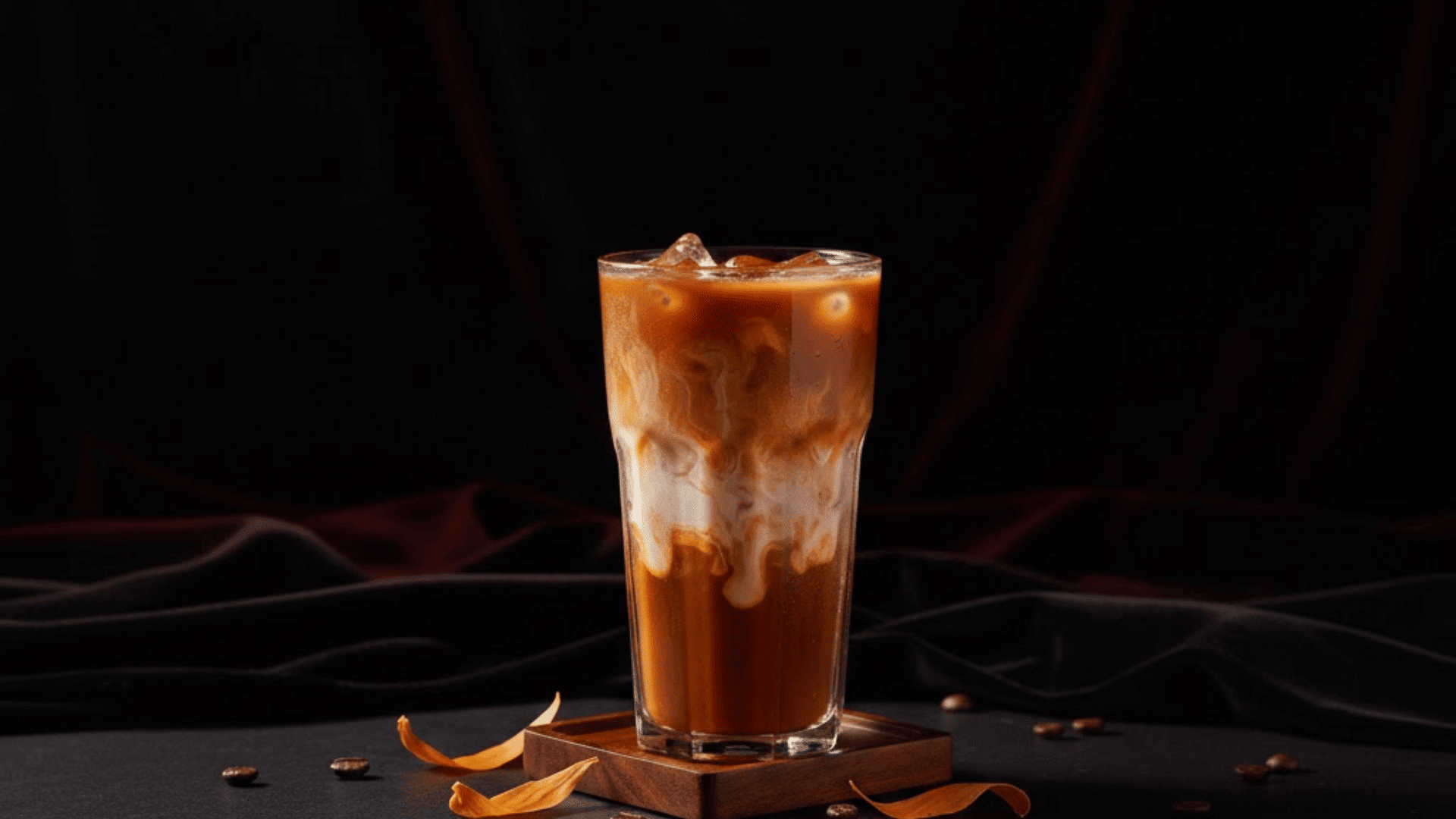
That refreshing glass of bright orange Thai tea may look like a simple sweet treat, but there is more behind its creamy flavor than most people realize.
Many tea lovers wonder whether it provides a caffeine boost or if it is closer to a caffeine-free drink. The answer depends mainly on the tea leaves used to make it.
I research tea varieties, brewing methods, and caffeine levels to help readers understand their favorite drinks with confidence.
How Much Caffeine Is in Thai Tea?
Thai tea is caffeinated when it is made with black tea. The caffeine comes from the tea leaves, not from the milk, sugar, spices, ice, or orange color.
Most Thai iced tea served in cafes, restaurants, and bubble tea shops is made with brewed black tea or Thai tea powder, so it is not caffeine-free unless the menu clearly says decaf or herbal.
An eight-ounce serving typically holds 20 to 60 mg of caffeine, though the amount shifts with the tea blend, concentrate strength, brewing method, and serving size.
When I brewed a batch with loose-leaf Assam steeped for close to eight minutes, I estimated roughly 70 mg per serving based on the tea quantity and published black tea averages.
It was not lab tested, but the result matches how longer steeping raises the total.
| Thai Tea Serving | Estimated Caffeine Content |
|---|---|
| 8-ounce Thai tea | 20 to 60 mg of caffeine |
| 12-ounce Thai tea | 30 to 90 mg of caffeine |
| 16-ounce Thai tea | 40 to 120 mg of caffeine |
| Strong homemade Thai tea | 50 to 80+ mg of caffeine |
| Decaf Thai tea | 0 to 5 mg of caffeine |
Thai milk tea usually has a caffeine level similar to that of Thai iced tea because both use black tea. Thai green tea drinks may be slightly lower, and if you want the fuller picture, I’ve broken down green tea’s caffeine numbers in a separate guide.
If your Thai tea uses decaf black tea, rooibos, or herbal tea instead, it may contain very little caffeine or none at all. I keep a short list of caffeine-free tea options on hand for evenings when I still want something warm and spiced but don’t want the lift.
What Affects Thai Tea’s Caffeine Content?

1. Type of Tea Used
Black tea naturally contains caffeine, and stronger varieties like Assam or Ceylon tend to have higher levels than milder blends.
A soft Ceylon blend brewed for the same amount of time as a bold Assam base will usually taste lighter and carry less caffeine. Some Thai tea mixes lean on extra black tea or a stronger spice concentrate, which raises the caffeine a bit further.
This is the same reason Earl Grey’s caffeine content varies depending on whether it’s made with black or green tea. Herbal bases like rooibos or caffeine-free mixes skip caffeine entirely, no matter how strong you brew them.
2. Amount of Tea
More tea leaves or powder means more caffeine in your cup, plain and simple. I always use a bit less tea when I want a lighter afternoon cup, and it makes a real difference.
Cafes tend to prepare a concentrated tea base ahead of time so the flavor holds up once milk, sugar, and ice go in, and that concentrate often carries more caffeine than a home-brewed cup made fresh.
If you’re measuring at home, start with 1 teaspoon of loose tea per cup and adjust from there rather than guessing. Small changes in quantity add up fast in the final glass.
3. Brewing Time
Longer steeping pulls more caffeine out of the leaves every time. A quick two- to three-minute steep keeps things light, while five to ten minutes gives a stronger, slightly more bitter cup with a real caffeine bump, close to how oolong tea’s steep time pushes its own numbers around.
The same tea steeped for three minutes versus eight minutes can taste like two different drinks, one gentle and one sharp. If caffeine sensitivity is a concern, set a timer and pull the tea out early instead of guessing by eye.
4. Water Temperature
Hot water pulls caffeine out of tea leaves faster and more completely than cooler water does. Thai tea is almost always brewed hot first, then chilled or poured over ice afterward, so the full caffeine extraction happens before any cooling.
Lukewarm water leaves the tea weak and under-extracted, including caffeine, which is why most recipes call for water close to a full boil. Brewing near 200°F gives the stronger, more traditional Thai tea flavor and lands the caffeine closer to the higher end of the usual range.
5. Cup Size
Bigger servings simply mean more tea concentrate, which means more caffeine overall. A sixteen-ounce Thai tea from a restaurant can carry close to double the caffeine of a small eight-ounce homemade glass, even when both are brewed the same way.
If daily intake matters to you, comparing drinks ounce for ounce is more useful than judging by glass size alone.
How to Estimate Caffeine in Restaurant Thai Tea
Restaurants and boba shops often prepare a strong tea concentrate, then combine it with milk, sweetener, water, and ice. Two shops can both sell a 16-ounce Thai tea while using very different amounts of concentrate, so the caffeine total is rarely identical between locations.
Ask about the tea base, brewed or powdered mix, concentrate amount, black tea content, and any published caffeine details.
A simple formula can also help. The estimated caffeine in the finished drink equals the caffeine in the brewed tea concentrate multiplied by the portion of concentrate used.
If eight ounces of brewed tea holds about 50 mg of caffeine and a drink uses four ounces of that tea, the tea portion contributes roughly 25 mg before any extra concentrate is added. This is only an estimate, since caffeine extraction is not perfectly even across every tea batch.
Thai Tea Caffeine Compared to Coffee, Tea, and Soda
Thai tea usually sits in the middle range for caffeine. It is often stronger than herbal tea but lower than a full cup of coffee, which is the same gap that shows up when comparing black tea to coffee more generally.
| Drink | Approx. Caffeine |
|---|---|
| Thai iced tea, 8 oz | 20-60 mg |
| Black tea, 8 oz | 40-70 mg |
| Green tea, 8 oz | 25-45 mg |
| Drip coffee, 8 oz | 95-200 mg |
| Espresso, 1 oz | about 63 mg |
| Cola, 12 oz | 24-46 mg |
| Herbal tea | 0 mg |
Figures are drawn from Harvard T.H. Chan School of Public Health caffeine overview.
Why Thai Tea Feels Gentler Than Coffee
Black tea naturally contains an amino acid called L-theanine alongside its caffeine. L-theanine works together with caffeine to soften the jittery edge that coffee can bring, so the energy from Thai tea tends to build more gradually and last longer without a hard crash.
This is one reason a glass of Thai tea can feel calmer than a cup of coffee with a similar caffeine count. The tea still delivers alertness, but the ride there is smoother.
If jitters are usually the reason you avoid stronger drinks, a Thai tea made with black tea may sit more comfortably than an equivalent amount of coffee.
Does Thai Tea Mix or Powder Contain Caffeine?
Many home cooks use a commercial Thai tea mix rather than loose Ceylon or Assam leaves, and these products differ quite a bit from one another.
Traditional dry Thai tea mixes made with black tea are caffeinated, while instant Thai tea powders may combine tea extract with sugar, creamer, and food coloring.
The ingredient list may say black tea, tea extract, or instant tea, and US packaging is not always required to list a caffeine amount in milligrams when the caffeine occurs naturally in an ingredient like tea.
That means the absence of a milligram figure on the label does not prove a product is caffeine-free.
Checking the ingredient list for the word “tea” or “tea extract” near the top of the list is the more reliable way to confirm a mix is caffeinated before you brew it.
How to Make Thai Tea at Home
Making Thai tea at home lets you control the flavor, sweetness, and caffeine level. Traditional Thai tea uses strongly brewed black tea mixed with sweetened milk and served over ice, but you can easily adjust the recipe to suit your taste.
Ingredients
- 2 tablespoons Thai tea mix or strong black tea (Assam or Ceylon)
- 1 cup hot water (about 200°F)
- 2 tablespoons sweetened condensed milk
- 2 tablespoons evaporated milk or whole milk
- 1 to 2 teaspoons sugar (optional)
- Ice cubes
Instructions
- Brew the tea in hot water for 3 to 5 minutes for a balanced flavor. Steep longer if you prefer a stronger tea.
- Strain the tea leaves or tea mix into a heat-safe container.
- Stir in the sugar while the tea is still hot, if using.
- Fill a tall glass with ice and pour the brewed tea over it.
- Add the sweetened condensed milk and evaporated milk, then stir before drinking or leave the layers visible for a cafe-style presentation.
Does Thai Iced Tea Have More Caffeine than Hot Thai Tea?
No, Thai iced tea does not automatically have more caffeine than hot Thai tea. The caffeine level depends on the amount of tea leaves used, brewing strength, and serving size.
Iced Thai tea is often made with a strong black tea concentrate so the flavor remains noticeable after adding milk, sugar, and ice.
This can make some iced versions higher in caffeine, especially when served in large cups. Hot Thai tea made with the same amount of tea can have a similar caffeine level. The temperature does not change the caffeine content, but the recipe and portion size do.
Thai Tea Benefits and Downsides
Thai tea can be an enjoyable drink that gives a mild boost to your energy and focus from its caffeine, but its ingredients also affect its overall health impact. This table highlights the main benefits and things to consider before drinking it.
| Benefits of Thai Tea | Downsides of Thai Tea |
|---|---|
| Provides a mild energy boost from caffeine | Can contain high amounts of added sugar |
| May improve alertness and focus for some people | Large servings can increase calorie intake |
| Offers a flavorful alternative to coffee | Caffeine may affect sleep in sensitive people |
| Black tea contains natural plant compounds like antioxidants | Sweetened condensed milk can add extra sugar and fat |
| Can be adjusted at home with less sugar or decaf tea | Some tea mixes may contain artificial coloring |
Thai Tea Considerations for Pregnancy, Kids, and Caffeine Sensitivity
Thai tea can fit into different lifestyles, but caffeine and sugar levels are worth considering for certain people. During pregnancy, total caffeine from Thai tea, coffee, chocolate, soda, and other sources should be counted together.
The American College of Obstetricians and Gynecologists advises keeping total caffeine under 200 mg per day during pregnancy, though individual medical advice may differ.
For kids, caffeinated Thai tea is best treated as an occasional drink rather than a routine beverage, particularly because it may contain both caffeine and substantial added sugar.
People who are sensitive to caffeine and notice jitters, sleep issues, or a fast heartbeat may prefer smaller servings, decaf options, or a caffeine-free alternative such as rooibos. Choosing a lighter recipe or caffeine-free version can help you enjoy Thai tea while matching your personal needs.
This section is general information, not medical advice. Talk with a doctor or pediatrician about caffeine limits that make sense for your own situation, especially during pregnancy or for young children.
Tips to Control Thai Tea Caffeine Content at Home
Making Thai tea at home gives you more control over caffeine levels. Simple changes to the tea base, brewing time, and serving size can help you create a lighter or stronger drink.
- Choose decaf or mixed tea blends
- Adjust brewing time
- Reduce the amount of tea
- Dilute the finished drink
- Use caffeine-free alternatives
Conclusion
Thai tea still matters as a caffeine drink, even with its sweet, dessert-like reputation.
Black tea is the reason it contains caffeine, and serving size, steeping time, and tea strength all change the final amount.
Milk, ice, and sugar affect the drink’s taste without removing caffeine.
Try a smaller cup, ask for decaf, or make a lighter version at home, then share what worked for you in the comments.
Frequently Asked Questions
Can Thai Tea Cause Caffeine Jitters?
Yes, if the serving is strong or large, or paired with other caffeine. Sensitive drinkers may notice shaking, restlessness, or a fast heartbeat. Smaller servings or decaf can help.
Is Thai Tea Okay Before a Workout?
It can give mild energy from caffeine, but the sugar and milk may feel heavy. A smaller serving taken earlier usually works better than a large creamy drink pre-exercise.
Does Thai Tea Dehydrate You?
Not really. Caffeine can have a mild diuretic effect for some people, and the sugar can make you feel thirsty. Drinking water alongside it keeps things balanced.
Can Thai Tea Stain Teeth?
Yes, black tea contains tannins that can stain teeth over time. Sugar adds to the risk. Rinsing with water after drinking and brushing regularly helps reduce staining.
Is Bottled Thai Tea Always Caffeinated?
Not always. It can be caffeinated, lightly caffeinated, or made with a different base. Check the label for caffeine content, tea ingredients, and serving size to be sure.