
When you’re mapping out a home remodel in an arid climate, your mind probably goes straight to the obvious upgrades: energy-efficient windows, a kitchen overhaul, or maybe a nice covered patio. But what about the dirt outside? Landscaping decisions decisions hit your wallet hard over time, impacting everything from your monthly utility bills to your home’s actual resale value. That’s why a lot of homeowners find themselves staring at smart irrigation systems and wondering: Is this actually worth the money?
With water rates climbing and droughts becoming the norm, it’s a valid question. The honest answer? It depends on your yard and your goals, but if you’re dealing with baking heat and dry soil, the payoff can be massive.
What Exactly Makes an Irrigation System “Smart”?
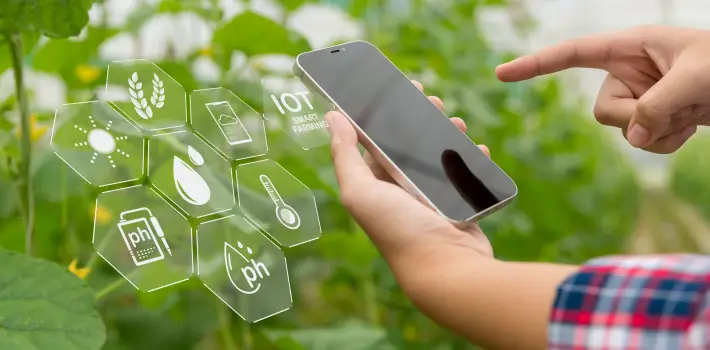
Think of a traditional sprinkler timer like an old-school alarm clock, it goes off at the exact same time every day, completely blind to the world around it. A smart irrigation system is more like a smartphone. It uses live data to figure out exactly how much water your yard actually needs.
Instead of running on a rigid schedule, these systems adjust on the fly based on:
- Local weather forecasts (so you don’t water during a downpour)
- Real-time soil moisture levels
- Sudden temperature spikes or drops
- Seasonal shifts
- The specific hydration needs of different plant zones
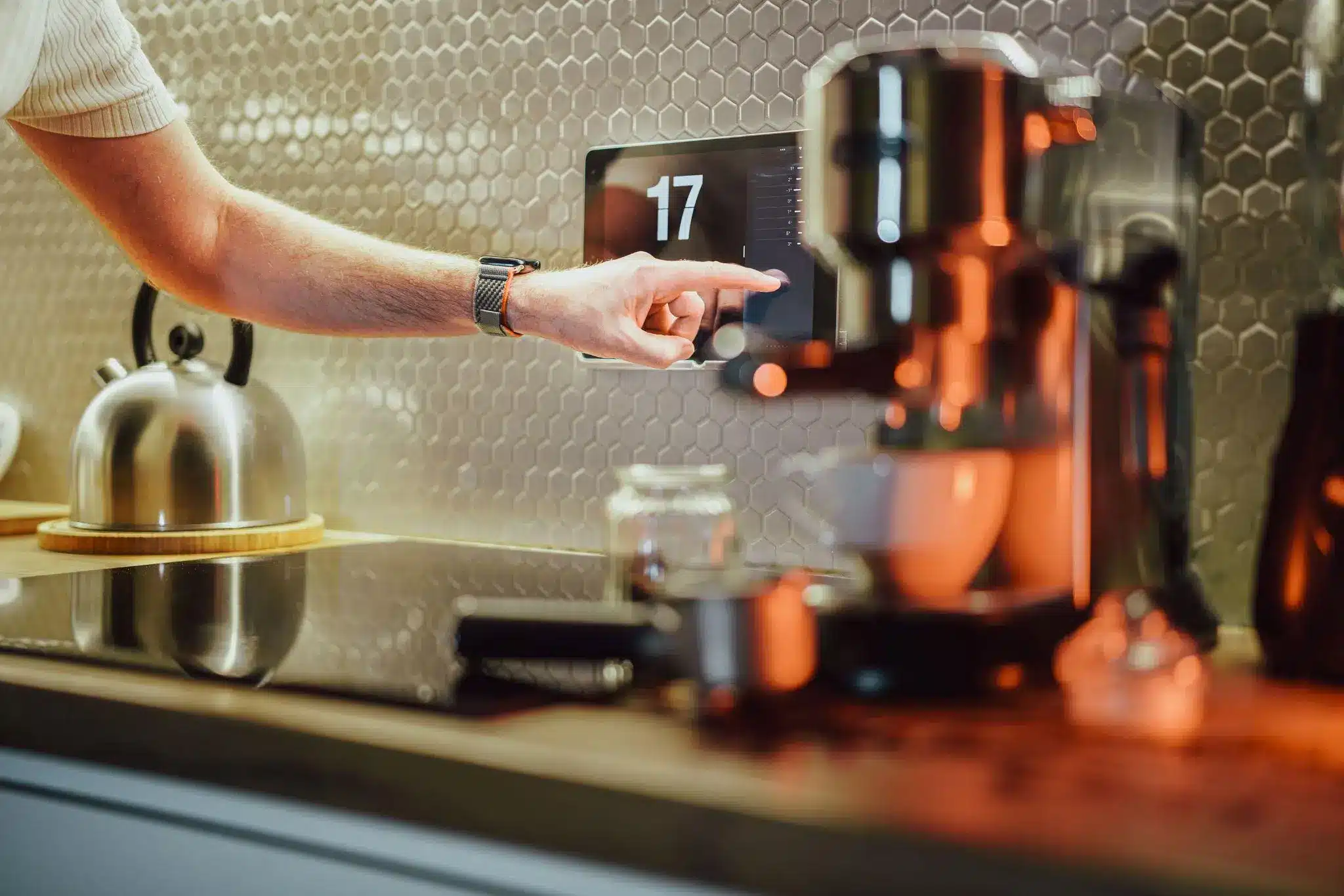
Plus, you can manage the whole thing right from your phone, making it incredibly easy to tweak schedules even when you’re away on vacation.
The Problem with Old-School Watering in Arid Zones
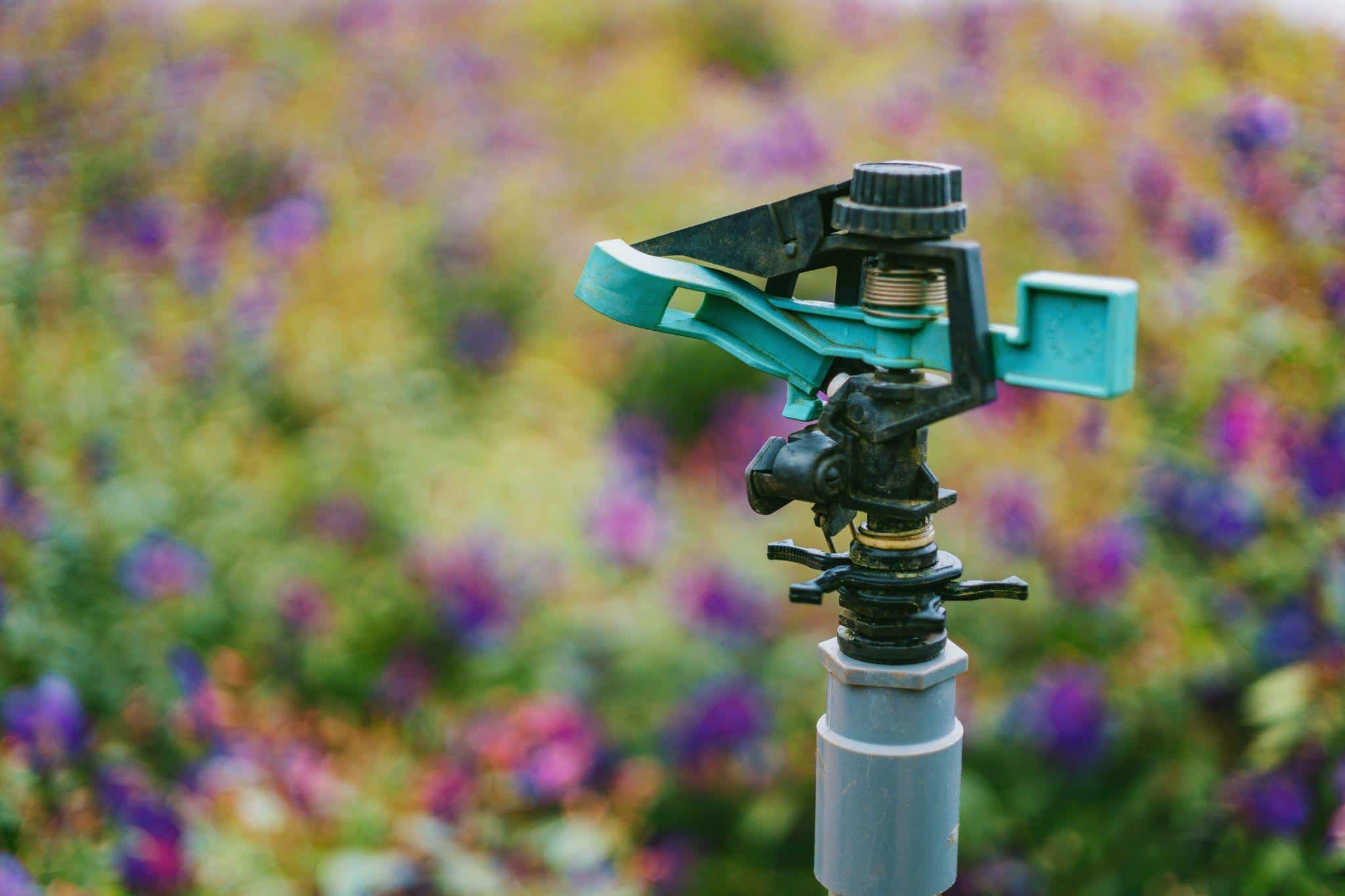
In places where rain is a luxury, wasting water isn’t just bad for the environment, it’s incredibly expensive. Traditional timers are notorious for overwatering, running while it’s pouring, or spraying concrete in the blistering midday heat when most of the water just evaporates.
That kind of inefficiency leads to a nasty chain reaction:
- Sky-high water bills that make you wince every month
- Heavy strain on tight local water supplies
- Drowned plants and root rot
- Eroded soil and messy runoff
Smart systems cut through that waste by delivering water with pinpoint precision. You get to keep your curb appeal without feeling like you’re literally pouring money down the drain.
The Financial Side: Upfront Costs vs. Long-Term Savings
Let’s talk numbers. Budgeting for a remodel is a balancing act, and smart irrigation tech definitely costs more upfront than a basic plastic dial box. That said, it’s one of the few home upgrades that actively tries to pay you back.
Most people notice a drop in their water bills within the very first year. Over a few seasons, those monthly savings start to stack up beautifully.
If you’re already looking into home remodeling financing to cover a larger renovation, rolling a smart irrigation setup into the total project loan is a smart move. It allows you to spread out the cost of the hardware while reaping the utility savings immediately. On top of that, many drought-prone cities and local water districts offer solid cash-back rebates for installing water-saving tech, which helps take the bite out of the initial invoice.
Boosting Your Home’s Value on the Market
Today’s buyers are hyper-aware of utility costs and sustainability, especially in areas where watering restrictions are tight. A gorgeous, water-efficient yard is a massive selling point.
When a buyer sees a smart irrigation setup, it tells them the property is modern, low-maintenance, and cheap to run. While it might not single-handedly skyrocket your home’s appraisal value, it absolutely gives you a competitive edge and boosts curb appeal when it’s time to sell.
The Perfect Match: Smart Tech Meets Xeriscaping
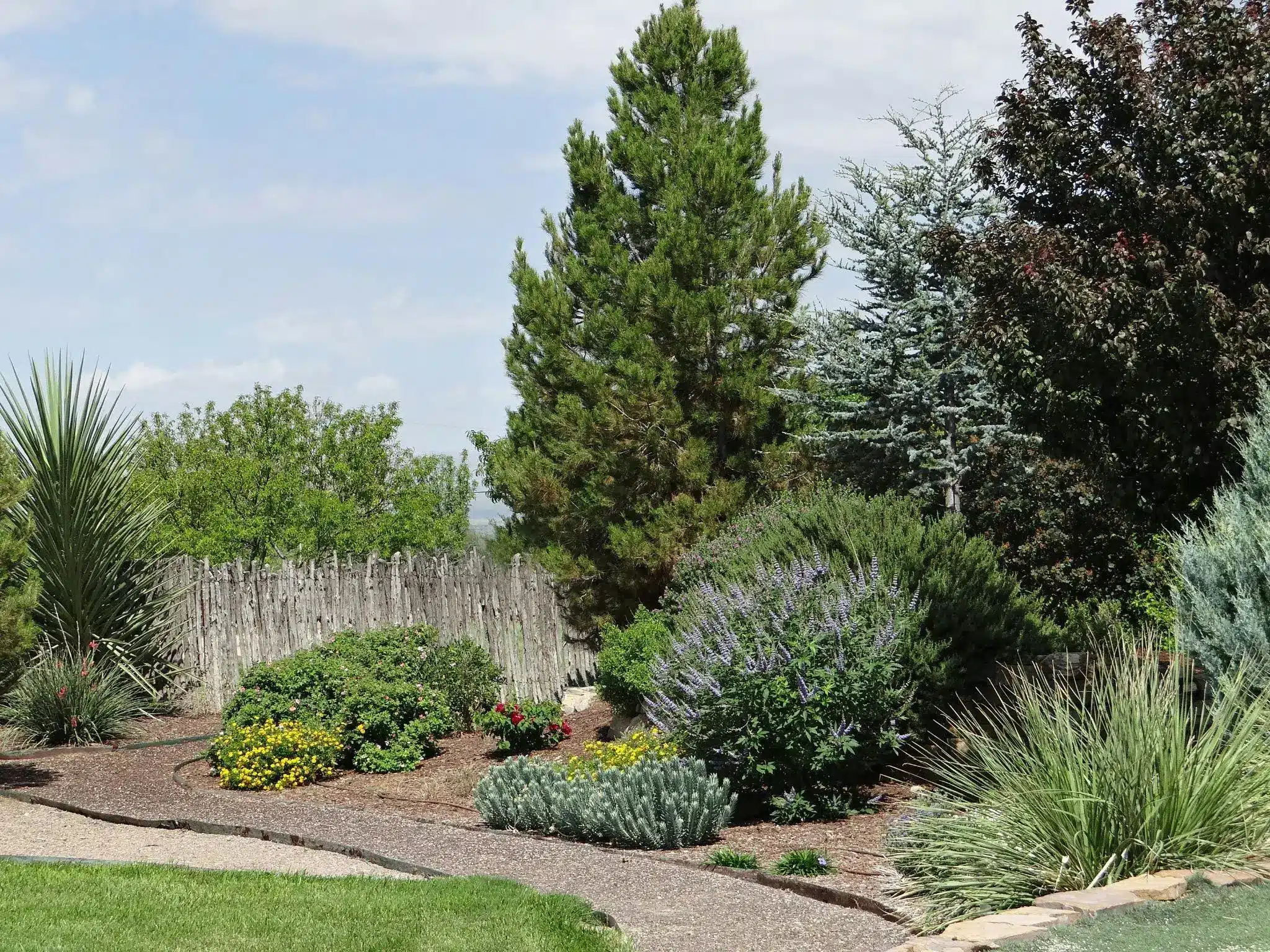
Smart controllers work best when they aren’t fighting a losing battle. If you pair the tech with drought-resistant landscaping, you get the ultimate low-maintenance setup.
Going native with your plants and cutting back on thirsty turf can completely transform your water usage. In fact, many homeowners are ditching traditional lawns altogether for alternatives like artificial grass in Las Vegas and other high-desert areas where keeping real grass green is an uphill, expensive battle.
Synthetic turf gives you that vibrant, clean look all year without using a single drop of water. By pairing fake turf in open areas with smart drip irrigation for your surrounding flower beds and trees, you get a stunning yard that practically takes care of itself.
The Downsides: What’s the Catch?
These systems are great, but they’re not a magic bullet for every single property. Here’s what you need to know before you click the buy button:
- The Price Tag: The controllers, weather sensors and professional installation require a bigger upfront investment than traditional setups.
- A Slight Learning Curve: If you’re not very tech savvy with smartphone apps and smart home devices, setting up the system may feel a little frustrating at first.
- Minor Maintenance: Apps need updating and sensors sometimes need cleaning or recalibrating to keep reading the soil accurately.
- Tiny Yards Have Diminishing Returns: If your outdoor space consists of three potted plants and a patch of gravel, the water savings won’t be enough to justify the setup cost.
The Verdict: Is It Right for You?
If you live in an area prone to droughts or watering bans, investing in a smart irrigation system is usually a no-brainer.
- You live in a region prone to droughts or strict watering bans.
- Your local water rates are high and expected to climb.
- You have a medium-to-large yard with varied plant life.
- You travel a lot and need to manage things remotely.
- You’re already tearing up the yard for a remodel anyway.
Ultimately, the larger and more complex your landscape is, the faster this technology pays for itself.
Wrapping Up
If you are remodeling a home in a dry climate, a smart irrigation system bridges the gap between a beautiful yard and a responsible water bill. It takes the guesswork out of maintenance, cuts down on waste, and keeps your property looking sharp.
Yes, the initial setup requires some extra budget. Add to it smart choices like drought tolerant plants or artificial turf though and it becomes an investment that protects your wallet and the local environment for years to come. If you’re already planning some landscaping work, this is one upgrade you’ll probably be glad you made.