

I remember how confusing food felt when digestion started acting up.
You eat something simple, then bloating or discomfort hits anyway. That is often where a SIBO diet food list becomes helpful. When bacteria grow where they should not, certain foods break down too slowly and cause gas.
That makes daily meals stressful and unpredictable. Knowing which foods usually sit better, and how much to eat, can bring some control back. I wrote this to give you clear food choices, portion guidance, and real adjustments that fit daily life.
Everything ahead focuses on practical steps, not strict rules, so eating feels clearer and more manageable from the start.
How the SIBO Diet Helps Control Symptoms
SIBO stands for Small Intestinal Bacterial Overgrowth. It means too many bacteria are living in the small intestine, where food should be digested quickly. When this happens, food sits longer than it should.
Bacteria then break it down and release gas. This often leads to bloating, pressure, pain, or changes in bowel habits.
Certain foods cause more problems because they break down into sugars that bacteria use as fuel. The more fuel available, the more gas is produced. This is why symptoms often appear soon after eating.
Food choice matters, but portion size matters just as much. Even foods that seem safe can cause issues when eaten in large amounts.
Smaller portions reduce how much food bacteria can use, which often leads to fewer symptoms and better control over digestion.
SIBO Diet Food List: Foods that are Usually Better Tolerated
This section covers foods that often cause fewer symptoms with SIBO. These choices tend to break down faster, create less gas, and feel easier on digestion when portions stay controlled.
1. Protein Sources
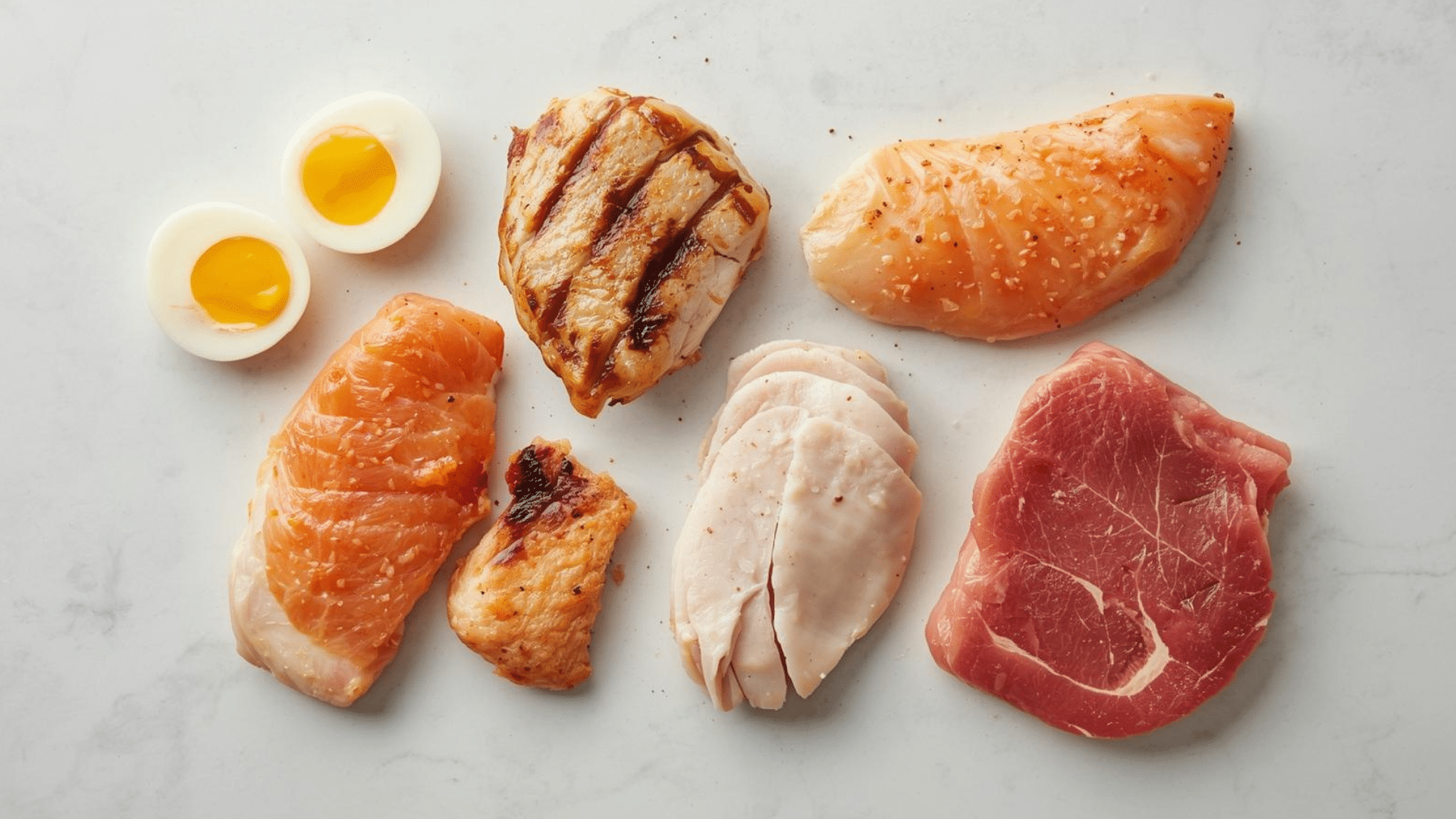
- Eggs
- Chicken
- Turkey
- Beef
- Lamb
- Fish
- Shellfish
Protein foods do not turn into fermentable sugars in the gut. This makes them easier to tolerate for many people with SIBO. Eating protein helps support muscle, energy levels, and blood sugar balance while limiting gas production.
Serving size and preparation guidance: Aim for 3 to 5 ounces per meal. Larger portions may slow digestion. Cook proteins by baking, grilling, boiling, or pan-cooking.
Avoid breading, frying, or sauces. Skip garlic powder, onion powder, and packaged seasoning blends, since these often trigger symptoms.
2. Vegetables that Tend to Cause Fewer Issues
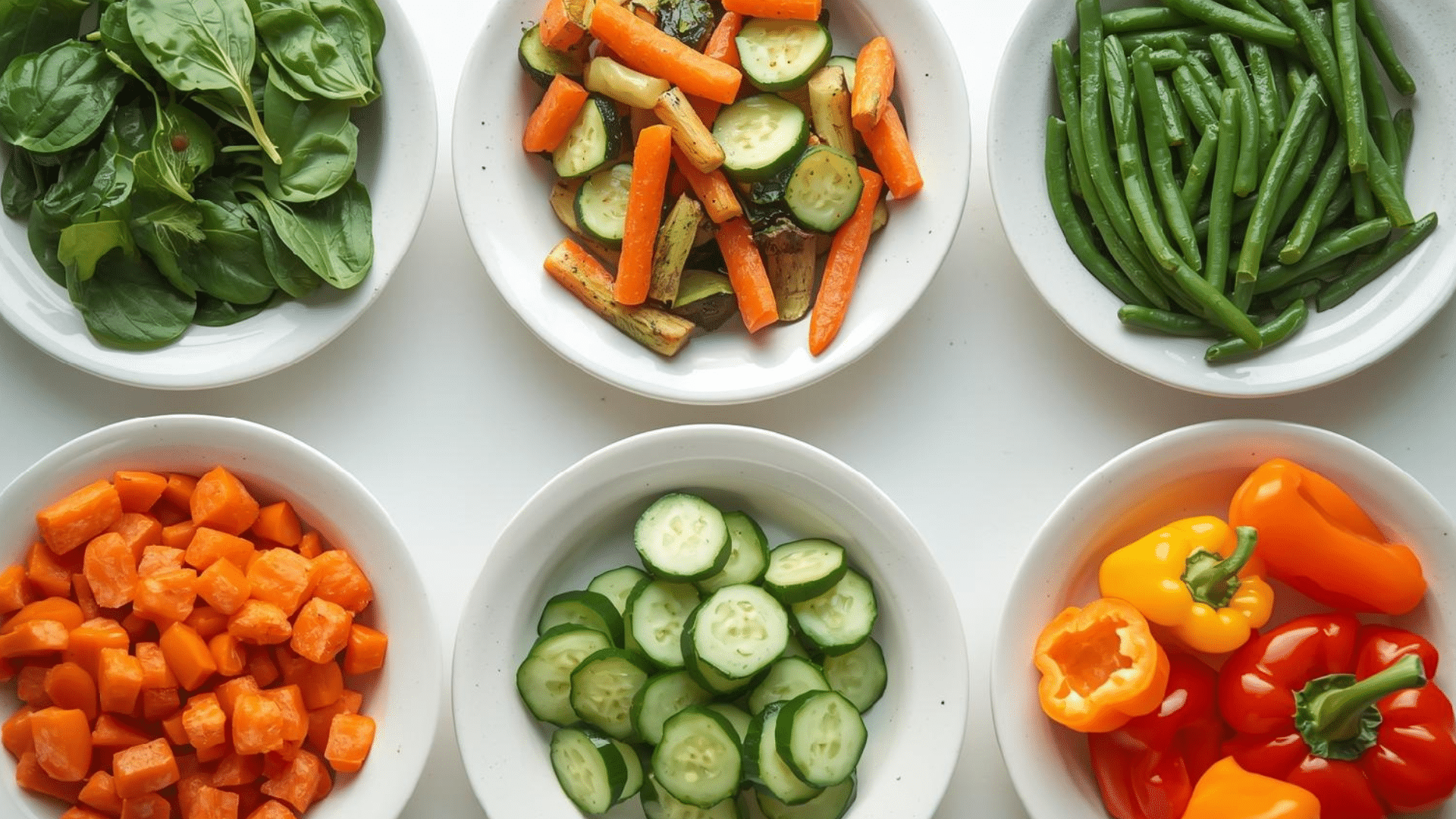
- Spinach
- Zucchini
- Carrots
- Lettuce
- Cucumbers
- Green beans
- Bell peppers
These vegetables contain less fermentable fiber than many others. They usually create less gas when eaten in small amounts.
Choosing the right vegetables can help reduce pressure, bloating, and discomfort after meals.
Portion and preparation guidance: Stick to about ½ cup cooked or 1 cup raw per meal. Cooked vegetables are often easier to digest than raw ones.
Steaming, roasting, or sautéing works well. Raw vegetables may cause bloating for some people, especially during symptom flare-ups.
3. Fruits that Work Better in Small Amounts
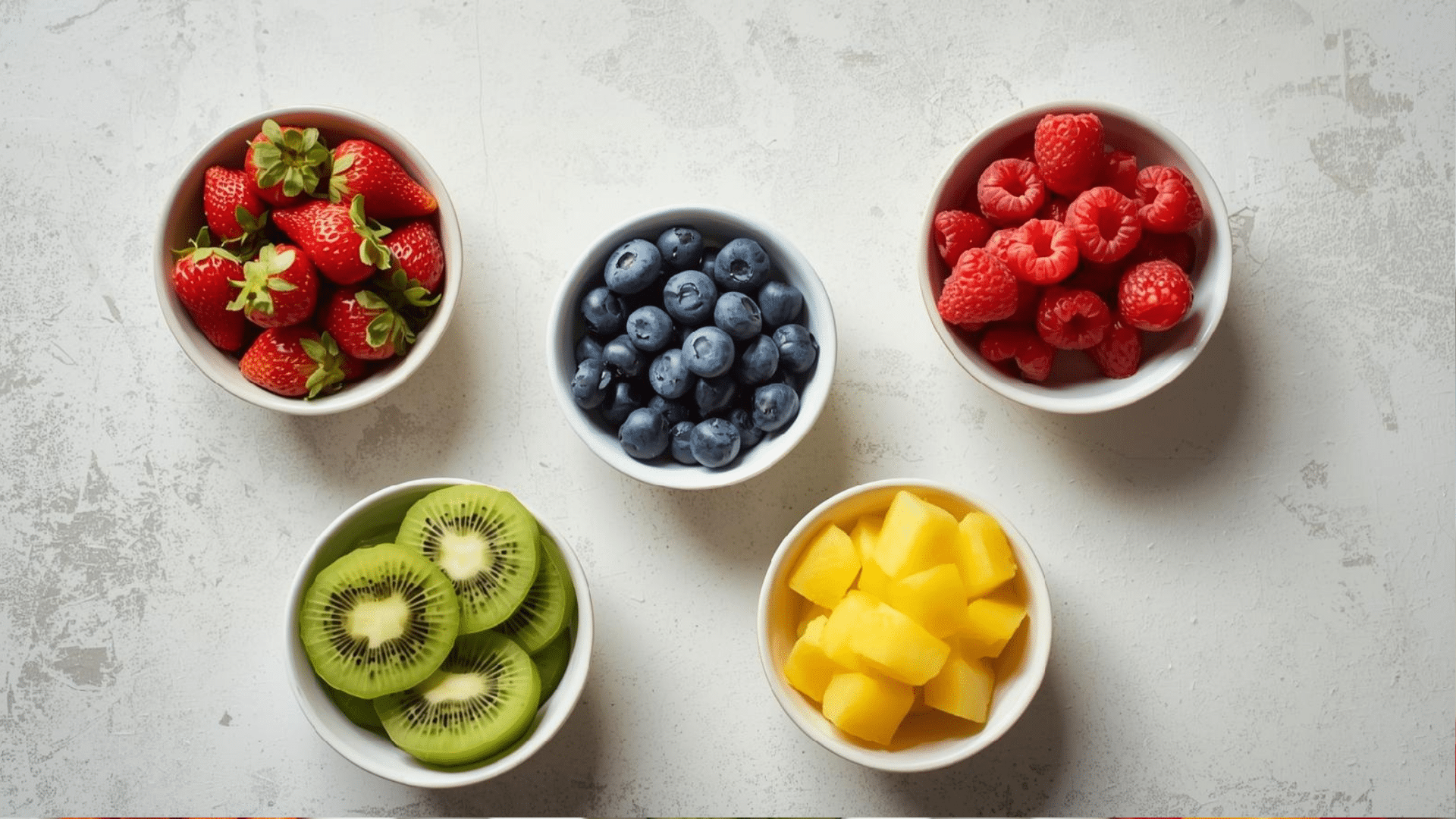
- Strawberries
- Blueberries
- Raspberries
- Kiwi
- Pineapple
Fruit contains natural sugar that bacteria can use as fuel. Some fruits cause fewer issues because they contain less fermentable sugar.
Portion control plays a major role in tolerance, even with safer fruit choices.
Serving size and timing guidance: Limit fruit to ¼ to ½ cup per serving. Eating fruit once per day works better for many people. Avoid mixing multiple fruits in one sitting. Eating fruit alone, rather than with large meals, may reduce symptoms.
4. Fats and Oils
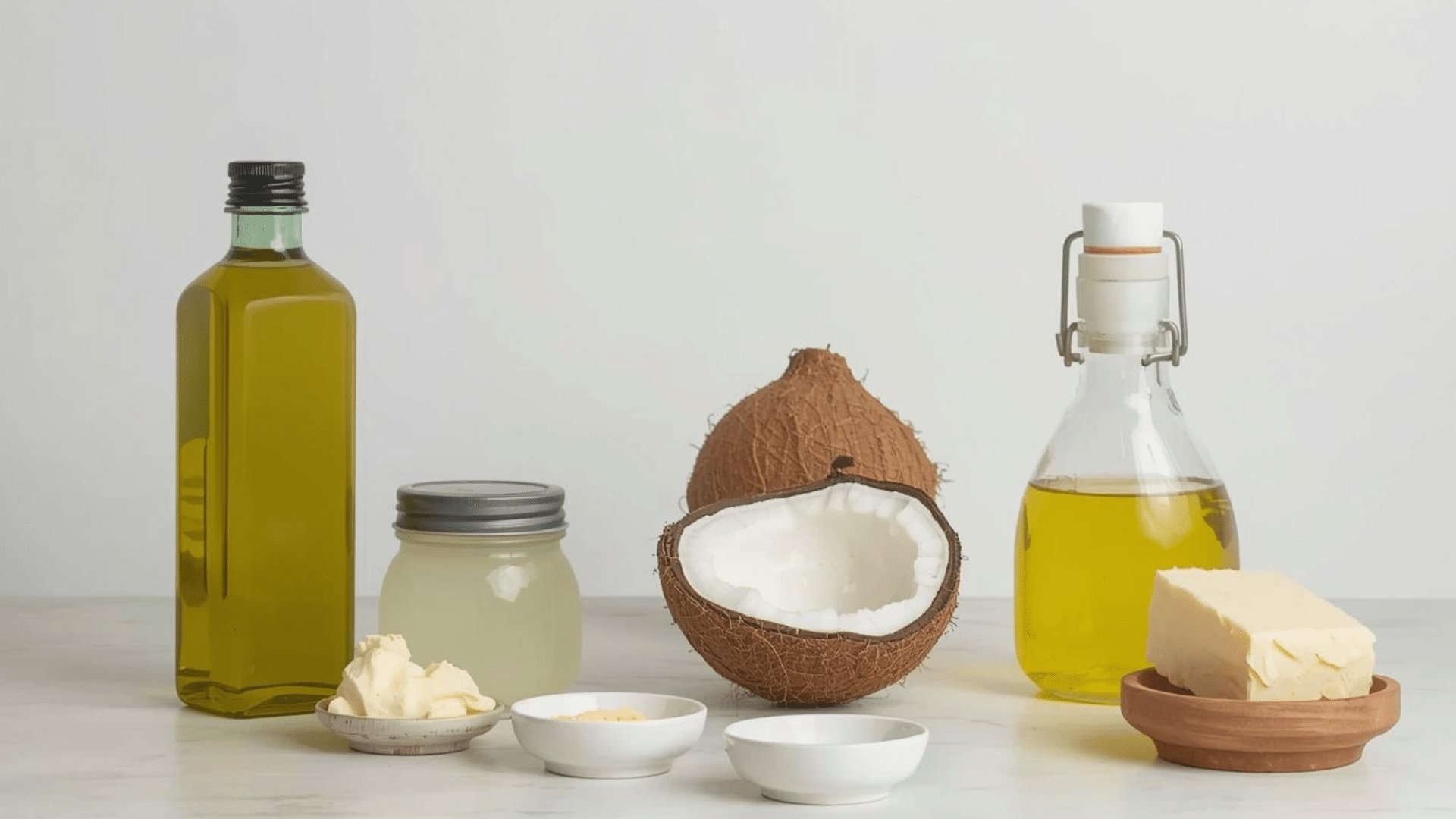
- Olive oil
- Coconut oil
- Avocado oil
- Butter
- Ghee
Fats do not ferment in the gut, so they rarely cause gas or bloating. They provide energy without feeding bacteria, which makes them useful during periods of restricted food intake.
Usage guidance: Add oils to cooked foods instead of increasing carb portions. Use fats to support calorie intake if weight loss is a concern. Keep added ingredients simple and avoid flavored oils that may contain garlic or onion extracts.
5. Dairy and Dairy Substitutes
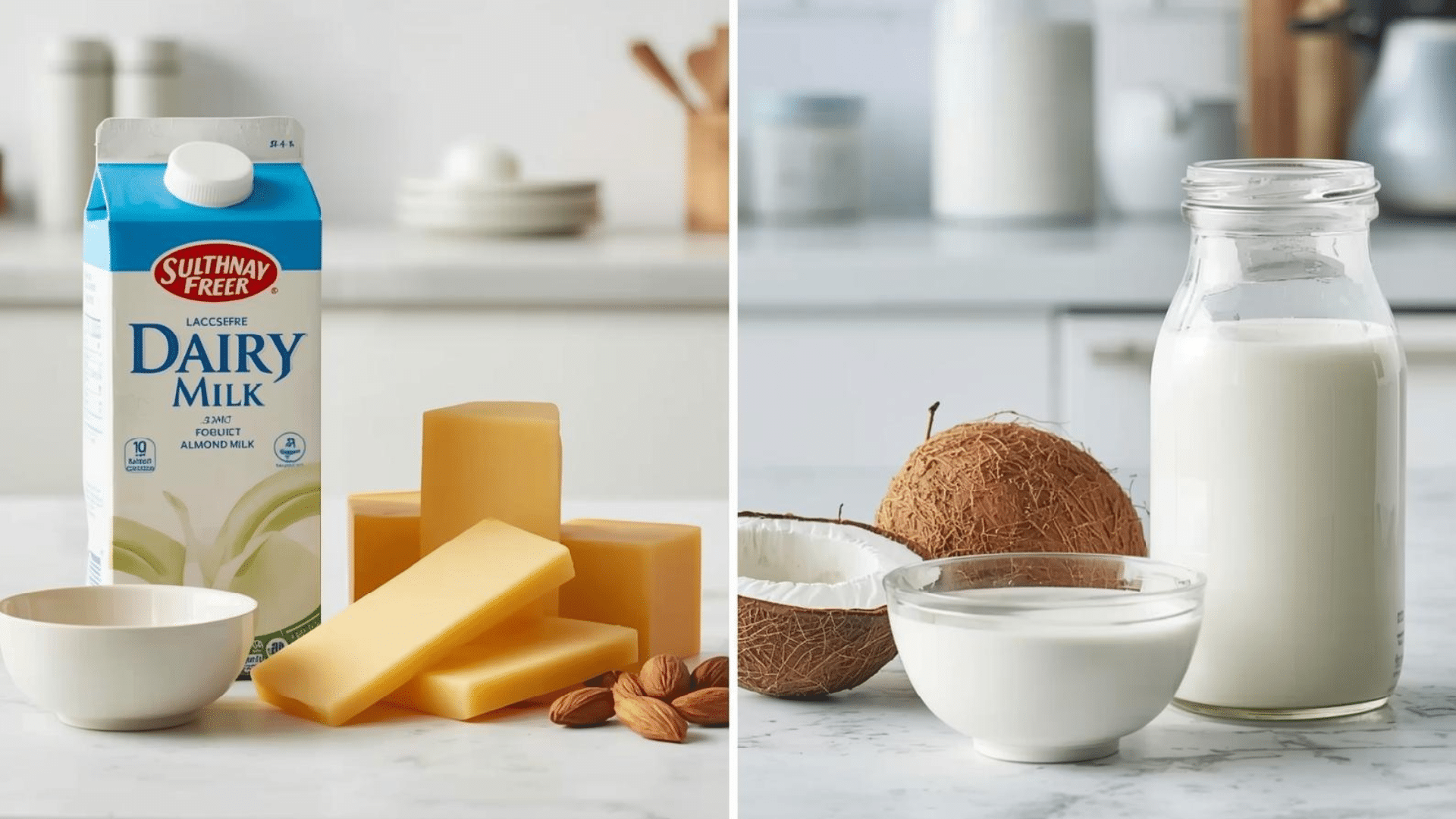
- More likely to work: lactose-free milk, hard cheeses
- May work in limited amounts: unsweetened almond milk, unsweetened coconut milk
- Often cause symptoms: regular milk, ice cream, soft cheeses, yogurt
Dairy tolerance varies widely with SIBO. Lactose and added sugars are common triggers. Some dairy alternatives work better, but ingredients still matter.
Label-checking tips: Check labels for added sugars, syrups, and gums. Choose products with short ingredient lists. Even lactose-free products can cause symptoms if portions are too large or ingredients are complex.
SIBO Diet Stages and When Foods Change
Food tolerance shifts over time with SIBO. This table explains each stage, its purpose, and how food choices usually change.
| Stage | Focus | Foods Commonly Allowed | Foods Usually Limited | Portion Guidance | Length of Stage |
|---|---|---|---|---|---|
| Stage One: Symptom Control | Calm digestion and reduce gas | Eggs, plain meat, fish, low-gas vegetables, oils | Fruit, starches, dairy, sugar | Tiny portions, spaced meals | Short-term |
| Stage Two: Treatment Support | Support antibiotics or herbs | Same as stage one, plus small food additions | Higher sugar foods, large starch servings | Moderate portions with tracking | During treatment |
| Stage Three: Food Testing | Check personal tolerance | One new food at a time | Problem foods from earlier stages | Start small, increase slowly | Ongoing |
Progress through stages depends on symptoms, not time. Slow changes help identify problem foods and reduce setbacks.
Foods that Affect People Differently
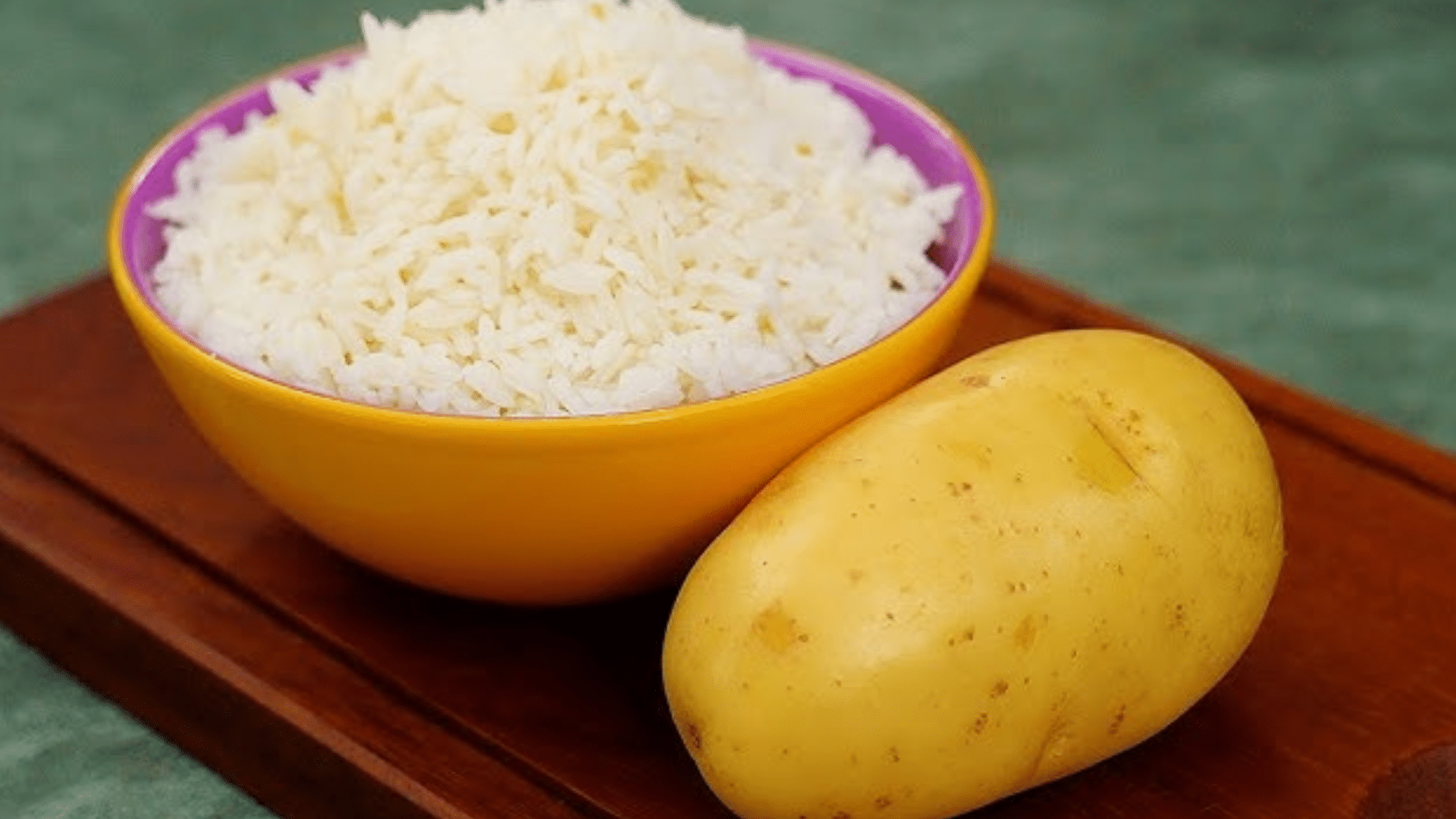
Some foods do not fit clearly into safe or unsafe groups. These foods may work for certain people but cause symptoms for others, depending on digestion, portions, and timing.
Rice and Potatoes
Tolerance to rice and potatoes varies because both break down into starch, which bacteria can use as food. Some people handle small portions without symptoms, while others notice bloating or pressure soon after eating them.
Portion size plays a major role. About ¼ to ½ cup per meal is often the upper limit during symptom control stages.
Larger servings increase the chance of gas. These foods tend to work better earlier in the day, when digestion is stronger. Eating them alone or with protein, rather than mixed with many foods, may also reduce symptoms.
Fermented Foods
Fermented foods cause confusion because they contain bacteria, yet are often linked with gut health. For some people, small amounts improve digestion by supporting balance.
For others, they worsen symptoms by adding more bacteria to an already crowded small intestine. Foods like sauerkraut, kefir, and yogurt may help only after symptoms improve.
During flare-ups, these foods often increase gas, pressure, or loose stools. Timing matters. Fermented foods usually work better later in recovery and in very small amounts, tested one at a time with careful symptom tracking.
Nuts and Seeds
Nuts and seeds affect people differently due to fat content, fiber, and portion size. Easier options often include macadamia nuts, walnuts, pecans, and small amounts of chia or flax. Portion guidance is important.
One small handful or one tablespoon is usually enough. Larger servings may slow digestion and lead to discomfort.
Common serving mistakes include eating nuts as snacks throughout the day or combining many types at once. Nut butters may cause fewer issues than whole nuts because they are easier to break down, but portions still matter.
Adjusting the Food List Based on Symptoms
Symptoms guide food choices. Adjusting portions, timing, and food types based on daily digestion can help reduce discomfort and prevent repeated flare-ups over time.
When Bloating is the Main Issue
Bloating often worsens when food ferments too long in the gut. Reducing portion sizes can help more than removing foods completely. Cooked vegetables usually work better than raw ones.
Eating fewer foods per meal may also lower pressure. Avoid mixing fruit with large meals, since sugar can increase gas. Spacing meals and avoiding constant snacking gives digestion more time to clear food.
Keeping meals simple makes it easier to spot which foods increase bloating and which ones feel more manageable.
When Loose Stools are the Main Issue
Loose stools may happen when food moves too quickly through the digestive tract. Limiting fruit and liquid-heavy foods can help slow digestion. Very fatty meals may also worsen this issue for some people.
Focus on steady meal timing and moderate portions. Avoid large meals that overload digestion. Drinking fluids between meals instead of during meals may reduce urgency.
Tracking which foods lead to loose stools can help identify patterns and guide better food choices.
When Constipation is the Main Issue
Constipation can occur when digestion slows too much or fiber intake becomes too low. Some fiber is helpful, but adding too much at once can cause discomfort. Cooked vegetables are often easier than raw ones.
Drinking enough water matters, especially when fiber intake increases. Large portions of protein without balance may worsen constipation. Gentle movement after meals can help digestion.
Testing one food change at a time makes it easier to see what supports regular bowel movements.
How Long to Follow This Food List
This food list is meant for short-term symptom control, not lifelong restriction. Staying too strict for too long can limit nutrients and increase stress around eating.
The goal is to calm digestion first, then slowly widen food choices. Signs that tolerance may be getting better include less bloating after meals, more stable bowel habits, and fewer reactions to small food changes.
Being able to eat slightly larger portions without discomfort is another positive sign. Outside help may be useful if symptoms stay strong, return often, or cause weight loss or fatigue.
A trained provider can help confirm next steps, adjust food choices, and rule out other issues that may affect digestion.
Common Mistakes that Increase Symptoms
These mistakes often slow progress with SIBO. They increase gas, discomfort, and confusion around food tolerance, even when food choices seem appropriate at first.
- Large portions of tolerated foods can still feed bacteria and cause gas
- Eating too often prevents proper digestion between meals
- Blended meals digest quickly and may worsen symptoms
- Changing many foods at once hides trigger patterns
- Ignoring post-meal reactions delays symptom control
Simple Way to Track Food Reactions
Tracking food reactions helps identify which foods support digestion and which ones cause problems.
Write down what you eat, portion size, time of day, and how you feel within the next few hours. Note symptoms like bloating, pain, stool changes, or fatigue. Test one new food at a time and keep everything else the same.
Give each food at least two to three days before adding another. This makes patterns easier to spot. The most important changes to watch are the timing of symptoms, severity, and how long they last.
Clear patterns matter more than small, one-time reactions.
Conclusion
Food choices can feel overwhelming with digestion issues, but a clear structure helps. This blog walks through how food affects symptoms, which items often sit better, and how portions and timing matter just as much as ingredients.
The goal of a SIBO diet food list is not perfection. It is about noticing patterns, making small changes, and easing symptoms over time. One steady adjustment can often help more than many quick changes.
If something here feels useful, try applying one section first and track how your body responds.
Want more help with digestion, food planning, or symptom control? Take a look at the other blogs and keep building a plan that works for you.